Most of us learned the story in grade school. A giant rock fell from the sky, the dinosaurs died, and that was that. Clean, dramatic, almost satisfying in its simplicity. But here’s the thing – the real story is far messier, far more layered, and honestly, far more fascinating than any textbook synopsis could ever capture.
Science in 2026 paints a picture of extinction that looks less like a single gunshot and more like a slow-building catastrophe with many hands on the trigger. The deeper researchers dig, literally and figuratively, the more they uncover factors, timing shifts, and ecological dominoes that blur the simple narrative we grew up with. Buckle up, because what you’re about to read might change everything you thought you knew.
The Asteroid Was the Killer, But Not Quite in the Way You Imagine
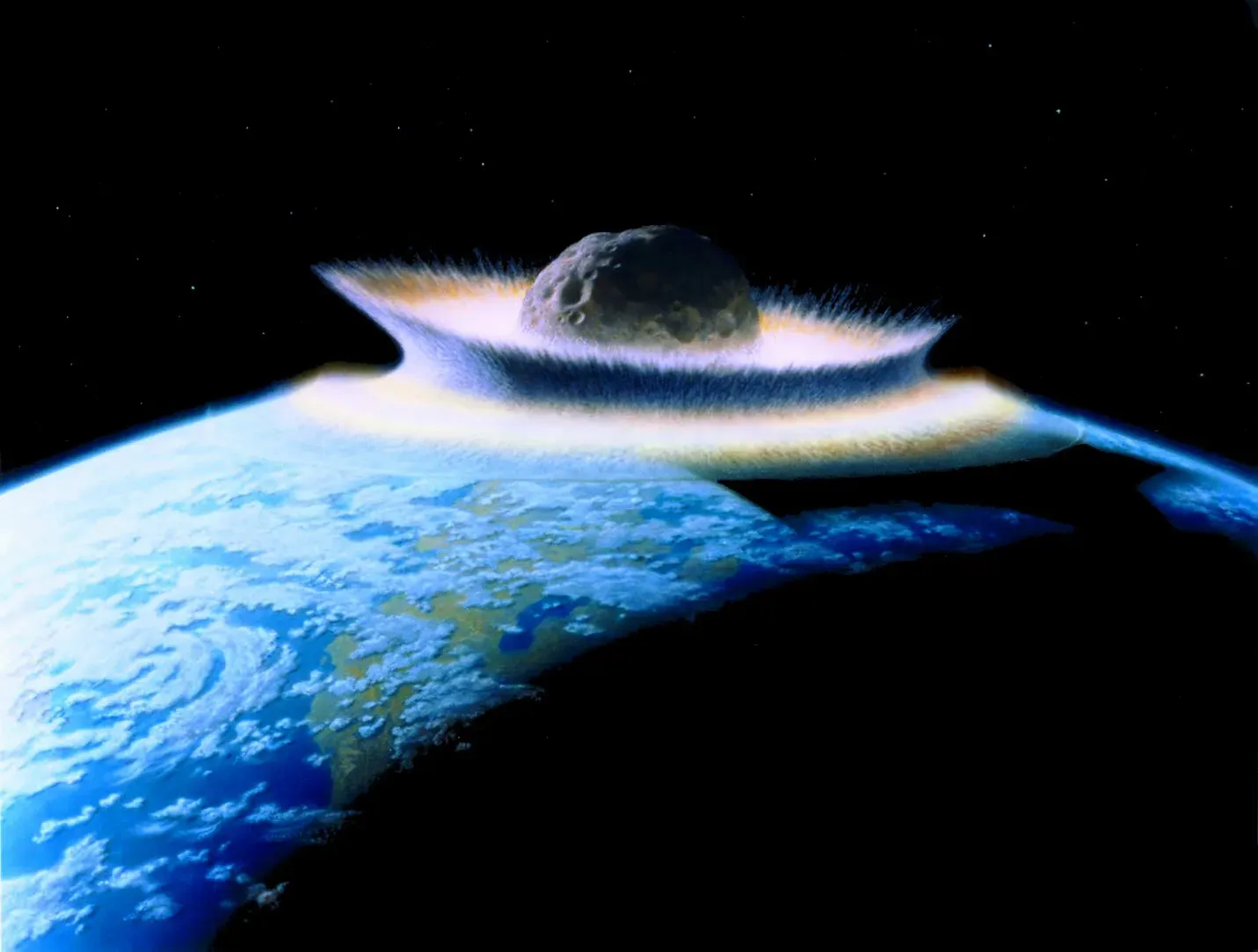
You probably picture the asteroid itself doing the killing, like a cosmic sledgehammer smashing directly into the dinosaurs. The reality is stranger and more terrifying. Approximately 66 million years ago, an asteroid nearly 10 kilometers across hit Earth near what is now the Yucatan Peninsula, striking at an estimated speed of more than 20 kilometers per second. That’s just the opening act.
It wasn’t the asteroid itself that killed the dinosaurs. It was the climate change that followed. The impact set off a cascading nightmare of wildfires, tsunamis, earthquakes, and an atmospheric collapse that would reshape the planet for millions of years to come. Think of it less like a bullet and more like pulling the pin on a grenade inside a crowded room.
The Impact Winter Shut Down the Entire Food Chain
Of all the consequences the asteroid unleashed, the impact winter was arguably the most devastating. A team of researchers found that a nuclear winter caused by debris played a pivotal role in the extinction. Dust from pulverized rock, amounting to around 2,000 gigatons, was propelled into the atmosphere, overshadowing the sun and severely disrupting plant photosynthesis. That is a number almost too large to comprehend.
Photosynthesis shutting down for almost two years after impact caused severe challenges for life, and it collapsed the food web, creating a chain reaction of extinctions. Imagine the sun essentially going dark. Plants die. Plant-eaters starve. Then the meat-eaters follow. It’s the ecological equivalent of pulling the tablecloth from under everything all at once.
The Deccan Traps Were Already Erupting Before the Asteroid Hit
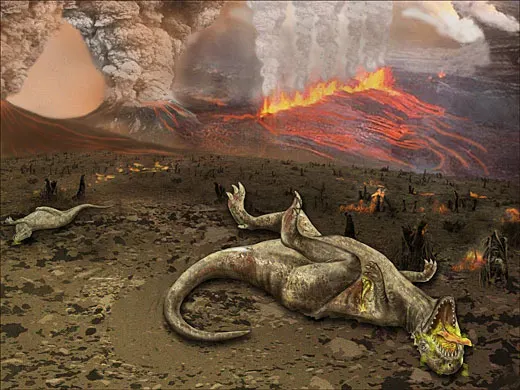
Here’s where the story gets genuinely strange. Long before the asteroid arrived, a massive volcanic event was already underway on the other side of the planet. The last one million years of the nearly 180-million-year reign of dinosaurs was a tumultuous time that witnessed some of the largest volcanic eruptions in Earth’s history, and over this time, the Earth experienced large-scale fluctuations in climate. These were the Deccan Traps eruptions, based in present-day India.
Researchers showed that a major volcanic eruption occurred about 30,000 years before the meteor impact, coinciding with at least a 5 degree Celsius cooling of the climate. They also concluded that this cooling was likely the result of volcanic sulfur emissions blocking sunlight from reaching Earth’s surface. Crucially though, climate scientists now show that while the volcanism caused a temporary cold period, the effects had already worn off thousands of years before the meteorite impacted. So the volcanoes softened up the world, but the asteroid delivered the final blow.
Dinosaurs Were Possibly Already in Decline Before the Impact
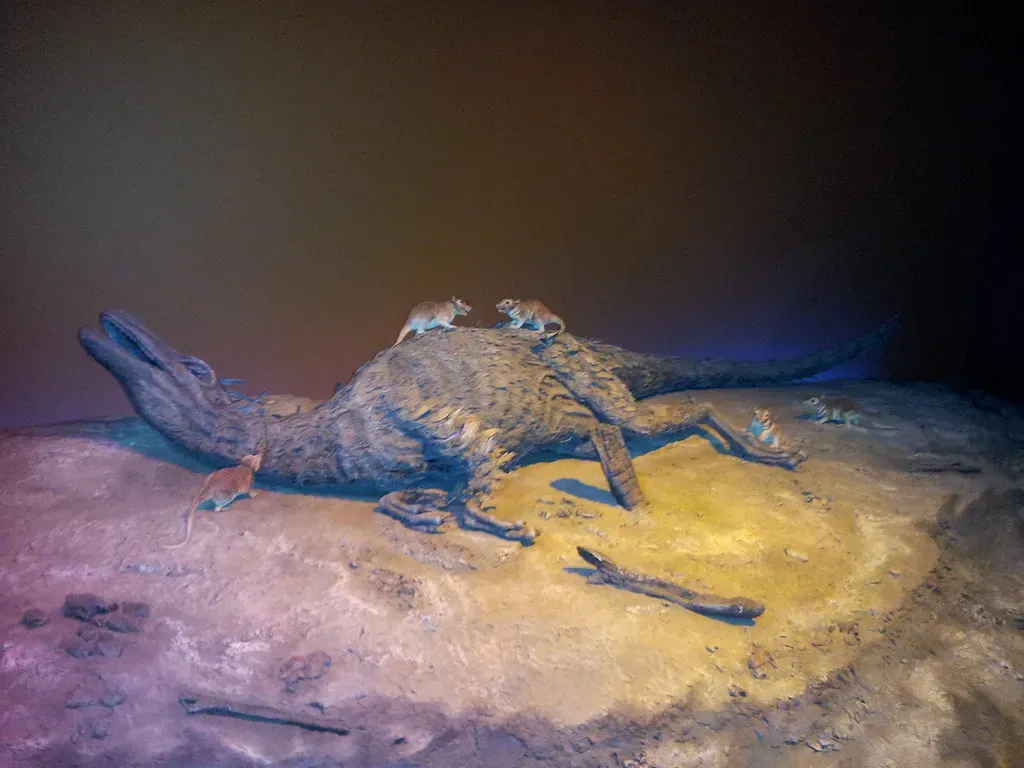
This is the one that genuinely divides scientists. Some researchers argue that the dinosaurs were already struggling long before the asteroid showed up. A major study showed that six major dinosaur families were already in decline in the preceding 10 million years, possibly due to global cooling and competition among herbivores. That’s a long, slow slide before the final crash.
Others push back firmly. Some researchers argue that dinosaurs were probably not inevitably doomed to extinction at the end of the Mesozoic, and that if it weren’t for that asteroid, they might still share this planet with mammals, lizards, and their surviving descendants: birds. Studies taking fossils at face value suggest the number of dinosaur species peaked about 75 million years ago and then declined, but research found this trend was due to fossils from that time being less likely to be discovered, primarily because of fewer locations with exposed and accessible rock from the very latest Cretaceous. Honestly, the debate remains wide open.
Climate Change Was Already Destabilizing the Cretaceous World
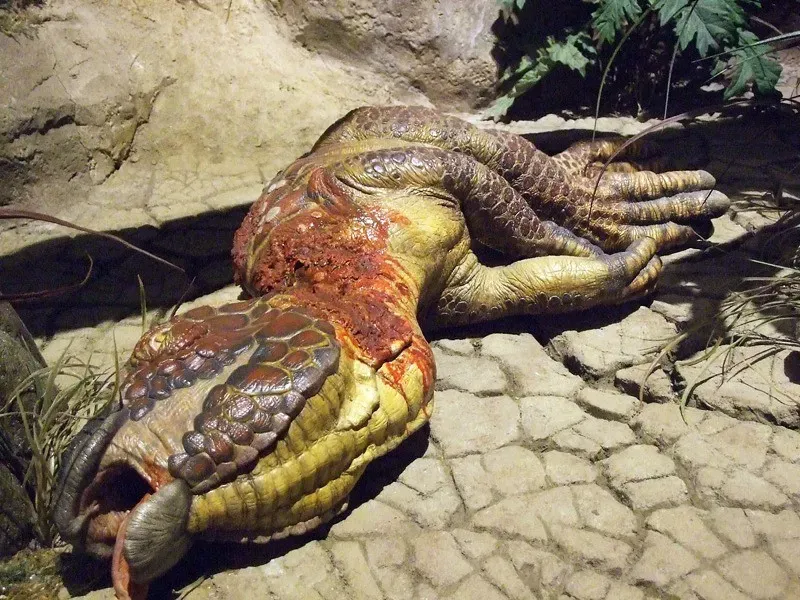
Let’s be real, the world of the late Cretaceous was already under immense environmental pressure even before the asteroid and even before the Deccan Traps peaked. The global mean temperature experienced a long-term decline during the latest Cretaceous, from roughly 75 to 66 million years ago. For dinosaurs adapted to a warm, stable greenhouse world, this was deeply disruptive. It’s a bit like being a tropical fish slowly watching your tank temperature drop.
Earth’s climate was cooling rapidly in the millions of years before dinosaurs went extinct, and changing climate meant changing vegetation, which in turn caused chaos in the very complicated and sensitive food web. There were so many stressors in the Cretaceous, including the continued breakup of the supercontinents Laurasia and Gondwana, intense and prolonged volcanism, climate change, fluctuations in sea levels, and novel ecological interactions with rapidly expanding clades like flowering plants and mammals. Each one of those pressures was quietly chipping away at dinosaur stability long before the sky fell.
The Exact Nature of the Asteroid Has Only Recently Been Identified
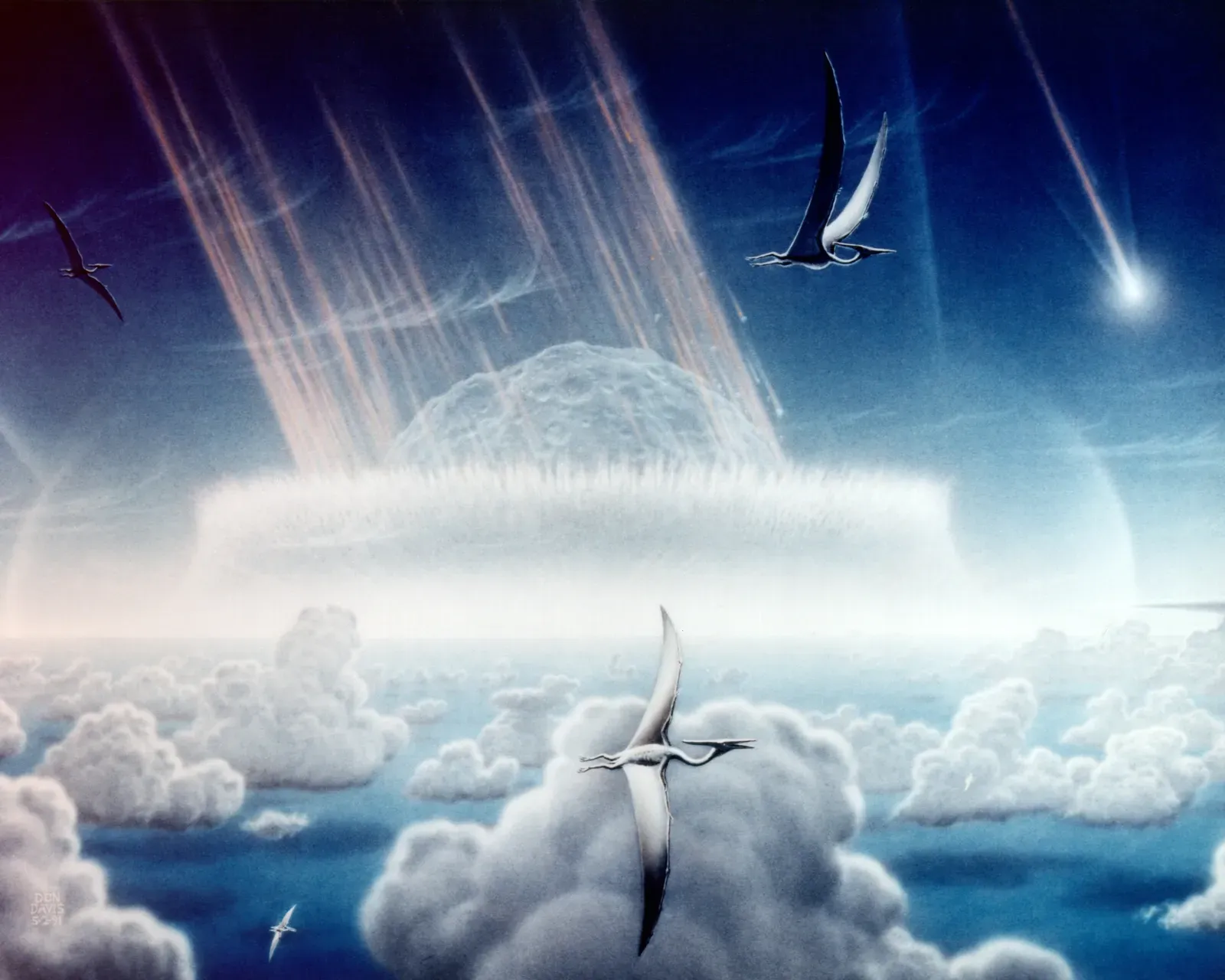
For decades, scientists knew an asteroid hit the Earth, but they barely knew what it was made of. That changed recently. The asteroid that killed the dinosaurs was probably a carbonaceous chondrite, an ancient space rock that often contains water, clay, and organic compounds. While carbonaceous chondrites make up the majority of rocks in space, only about 5 percent of the meteorites that fall to Earth belong to this category. It was genuinely rare, which in retrospect makes the whole event feel even more wildly unlucky.
The asteroid was huge, likely between 6 and 9 miles in diameter. To put that in perspective, that’s roughly the distance from Manhattan to the Bronx, hurled through space and slamming into the planet at tens of thousands of miles per hour. The collision would have released the same energy as 100 teratonnes of TNT, more than a billion times the energy of the atomic bombings of Hiroshima and Nagasaki. There is no human-scale comparison that really does it justice.
The Extinction Reshaped Rivers, Forests, and Entire Landscapes
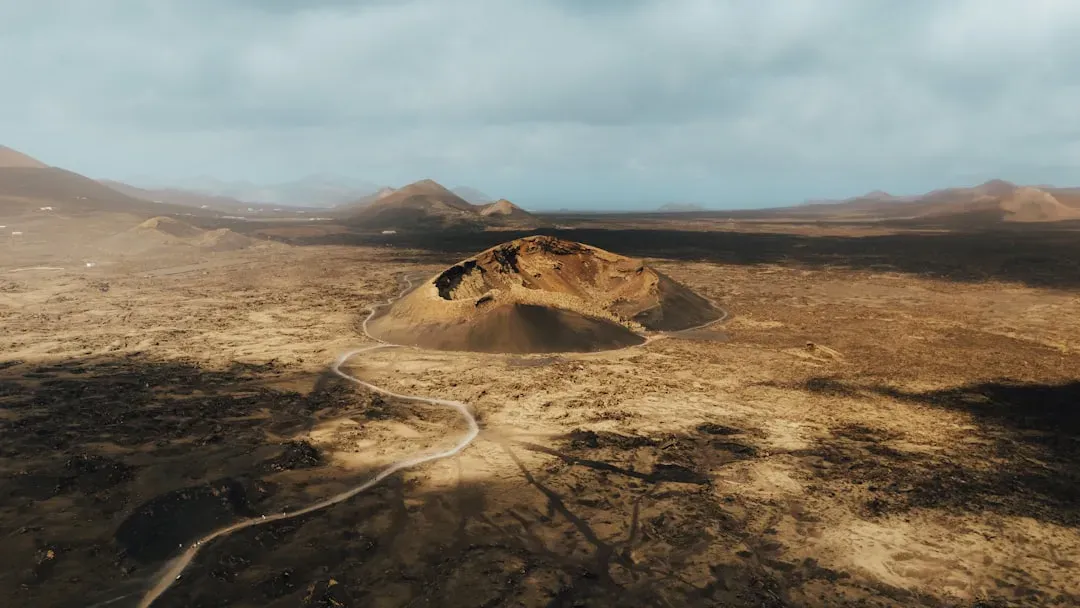
Most people focus on what died. Few stop to think about how radically the physical world itself changed because of the extinction. The sudden extinction of the dinosaurs dramatically altered the North American landscape, because large herbivore dinosaurs like the triceratops or hadrosaurs kept the ground free of trees and brush, which destabilized riverbanks and caused rivers to regularly spill over. Remove those giants, and everything shifts.
After the dinosaurs became extinct due to the Chicxulub asteroid impact 66 million years ago, dense forests thrived, leading to more stable riverbanks and more contained river channels. Dinosaurs promoted open habitats in the Late Cretaceous, and their extinction could have led to a radical reorganization of the landscape and ecosystem structure at the beginning of the Paleogene. It’s remarkable to think that the shape of rivers and forests today is partly an echo of animals that vanished 66 million years ago.
Not All Life Died, and That Survival Is Its Own Mystery
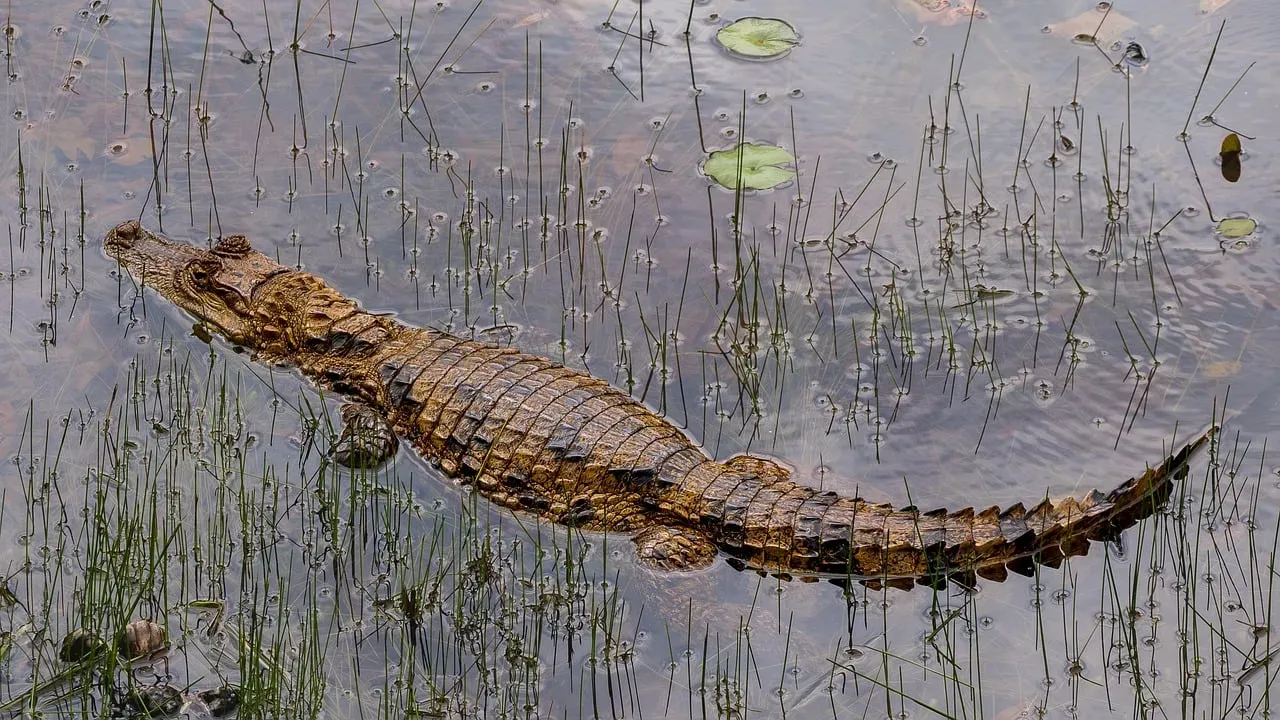
Here is something that doesn’t get nearly enough attention. Roughly three quarters of all species perished. But a quarter survived. The event caused the extinction of all non-avian dinosaurs and most other tetrapods weighing more than 25 kg, with the exception of some ectothermic species such as sea turtles and crocodilians. Crocodilians, for context, are essentially living fossils that shrugged off one of the worst catastrophes in Earth’s history.
Their large size, specialized diets, and slow reproductive rates rendered dinosaurs vulnerable, while small size, dietary versatility, and sheltered lifestyles enabled birds, mammals, reptiles, and other taxa to survive. The disappearance of non-avian dinosaurs vacated ecological niches, facilitating the adaptive radiation of mammals and birds. Mammals, previously small and nocturnal, capitalized on these opportunities, evolving into the diverse terrestrial vertebrates that dominate the Cenozoic. In other words, the asteroid that ended one era directly created the conditions for ours.
Life Bounced Back Far Faster Than Anyone Expected
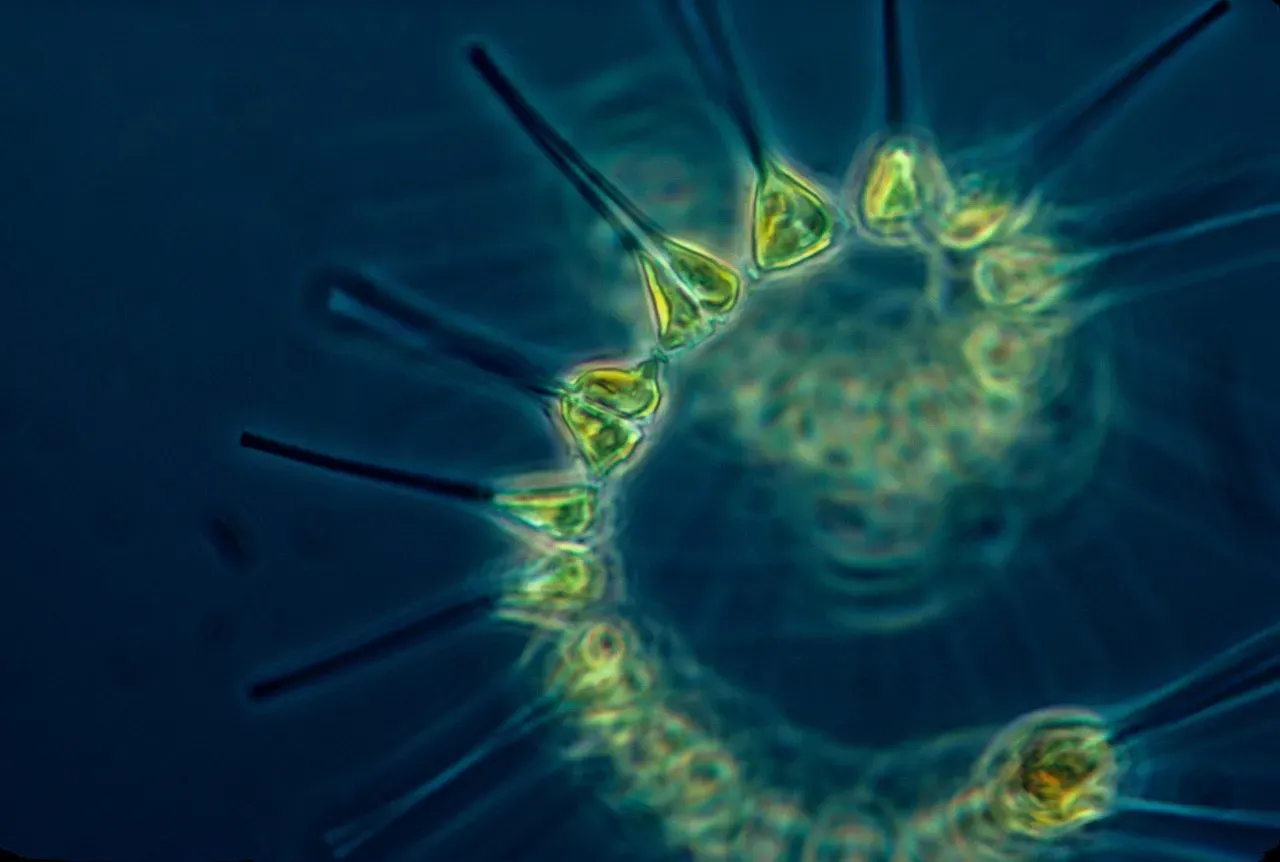
For a long time, the prevailing assumption was that recovery after the extinction took tens of thousands of years at best. New research is dramatically revising that timeline in a way that feels almost unbelievable. New species of plankton appeared fewer than 2,000 years after the world-altering event, according to research led by scientists at The University of Texas at Austin. Two thousand years in geological terms is essentially overnight.
Lowery’s team found that this plankton evolved between 3,500 and 11,000 years after the Chicxulub impact, with some plankton species appearing fewer than 2,000 years after the impact, kicking off a recovery of biodiversity that would continue over the next 10 million years. Life, it turns out, is extraordinarily stubborn. Even after one of the worst mass extinction events in planetary history, biology found a way forward with an almost shocking urgency.
Conclusion
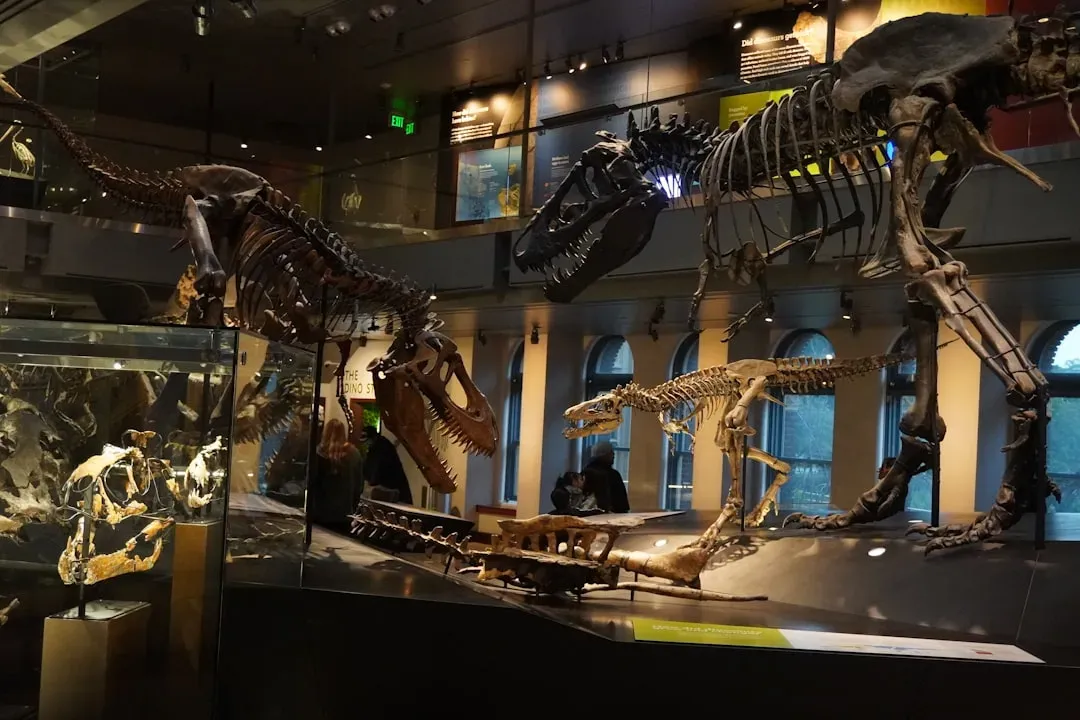
The dinosaur extinction story is not a simple tale of space rock meets Earth, credits roll. It is a layered, multi-million-year drama involving volcanic upheaval, creeping climate shifts, food web collapse, atmospheric darkness, and the sheer bad luck of a carbonaceous mudball arriving at precisely the worst moment. Every layer scientists peel back reveals something new, something humbling, something that makes the story richer.
What strikes me most is how interconnected all these causes really were. Take away the pre-existing volcanic stress, the gradual cooling, or the unfortunate chemistry of the impact site, and history might have unfolded very differently. The dinosaurs didn’t simply lose a coin flip. They were caught at the intersection of multiple catastrophes converging at once. It’s one of the most sobering reminders that even the mightiest rulers of Earth are only ever one bad cosmic day away from oblivion.
So the next time someone casually says the asteroid killed the dinosaurs, you’ll know there’s so much more to the story. What other “simple” moments in history do you think are hiding this kind of complexity underneath?