You probably think of dinosaurs as roaring, tail-dragging monsters from the Jurassic Park franchise. Massive. Mindless. Pure instinct and fury. But here’s the thing – that picture couldn’t be further from the truth. Over the past few decades, paleontologists have unearthed something far more astonishing than bones: they’ve discovered behavior. Real, recognizable, almost familiar behavior that links the ancient world of dinosaurs to the animals you might spot on a safari or at a nature documentary marathon tonight.
Dinosaur experts like Dr. David Hone have explored behaviors including grooming, feeding, fighting, mating, and group living – all of which closely resemble patterns seen in many modern animals. The more scientists dig, literally and figuratively, the more they find that dinosaurs were complex, dynamic creatures. What they’ve discovered is both humbling and electrifying. Let’s dive in.
Devoted Parenting: Dinosaurs That Raised Their Young
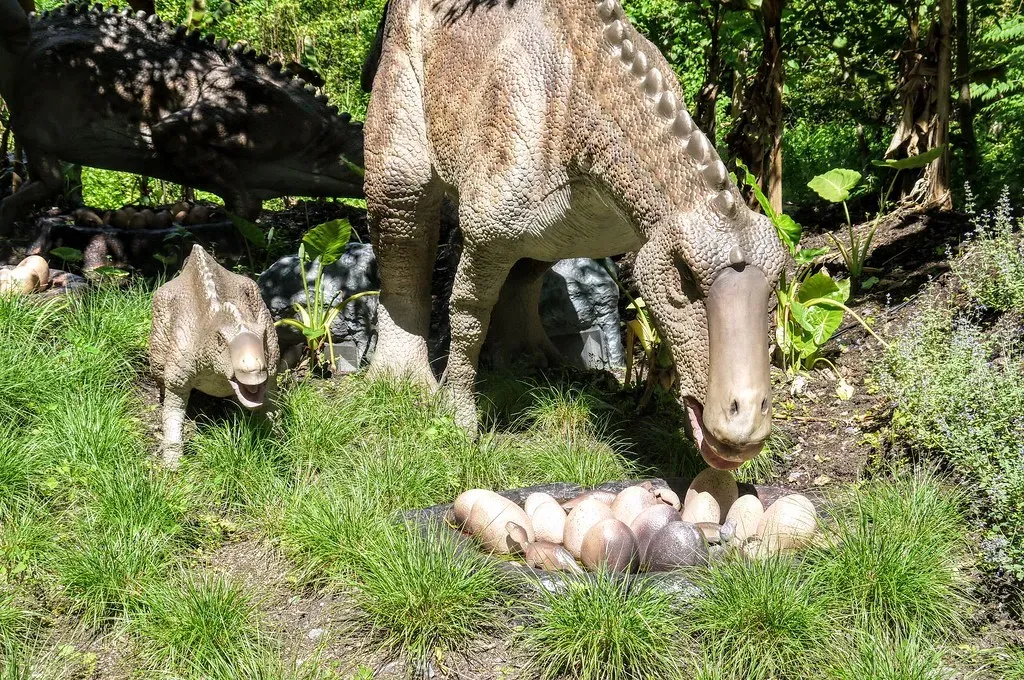
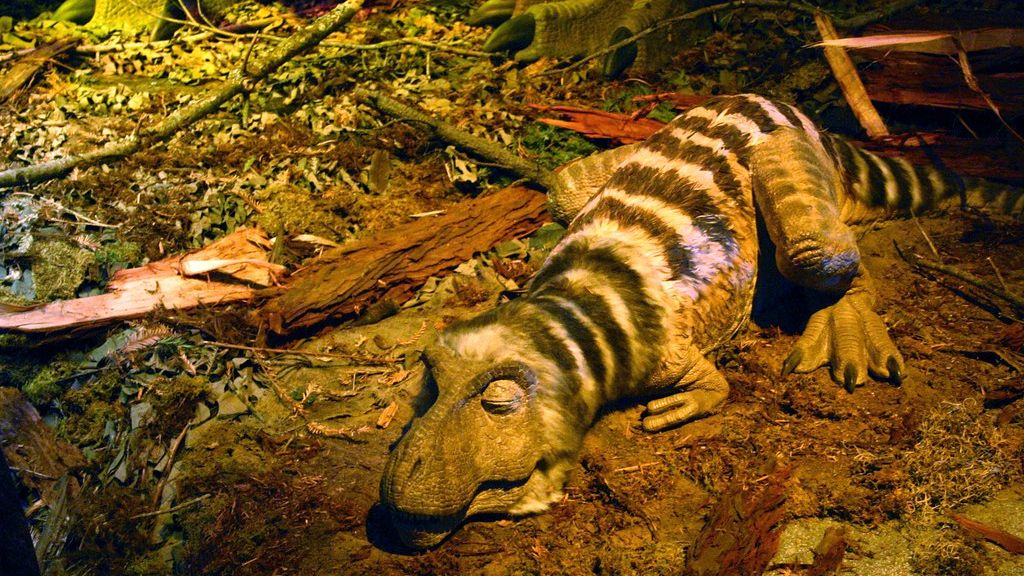
If you assumed dinosaurs simply laid eggs and wandered off, you’d be wrong – at least for many species. One of the most touching revelations from the fossil record is evidence of parental care among extinct species. The discovery of Maiasaura nests in Montana revealed that these duck-billed dinosaurs not only laid eggs in colonial nesting grounds but also cared for their hatchlings, with bone studies showing growth patterns consistent with nestlings remaining in the nest while being fed by parents. Think of it like a prehistoric nursery, active and carefully managed.
The presence of trampled eggshells and plant matter in Maiasaura nests found at Montana’s Egg Mountain indicates extensive parental care, suggesting that parents may have fed and cared for their young before they ventured out on their own. This mirrors the behavior of modern birds, from songbirds to eagles, who dedicate weeks or months to feeding and protecting chicks in the nest. Honestly, when you look at it that way, dinosaurs weren’t so different from a robin guarding its nest outside your window.
Brooding Over Eggs: Sitting Like a Modern Bird
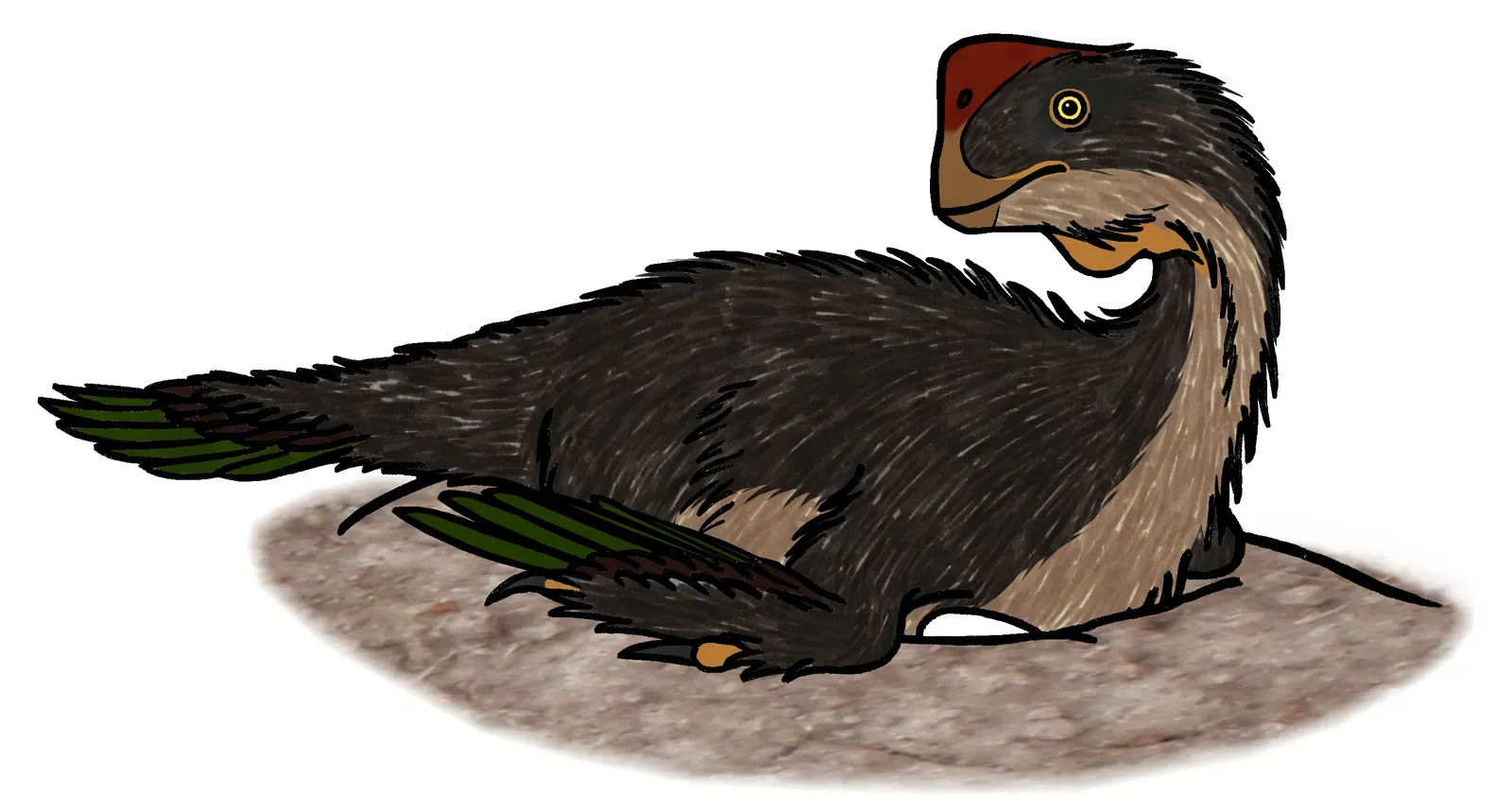
Perhaps even more remarkable is the Oviraptor specimen discovered in Mongolia, fossilized while brooding its eggs in a position identical to modern birds, with its limbs symmetrically arranged around the nest and over its eggs. This specimen, dating to approximately 75 million years ago, was initially misinterpreted as an egg thief but later recognized as a devoted parent that perished while protecting its offspring. That’s a poignant image when you really sit with it.
In living archosaurs – birds and crocodilians – there are generally two types of nests: some animals cover their nests entirely and leave them, while others, including the majority of living birds, leave their nests open and incubate the eggs by brooding. These tactics are thought to have been similar for dinosaurs. When you see a goose hissing at passersby from her nest, you’re essentially watching a behavior that goes back well over 75 million years.
Herding Together: Safety in Numbers
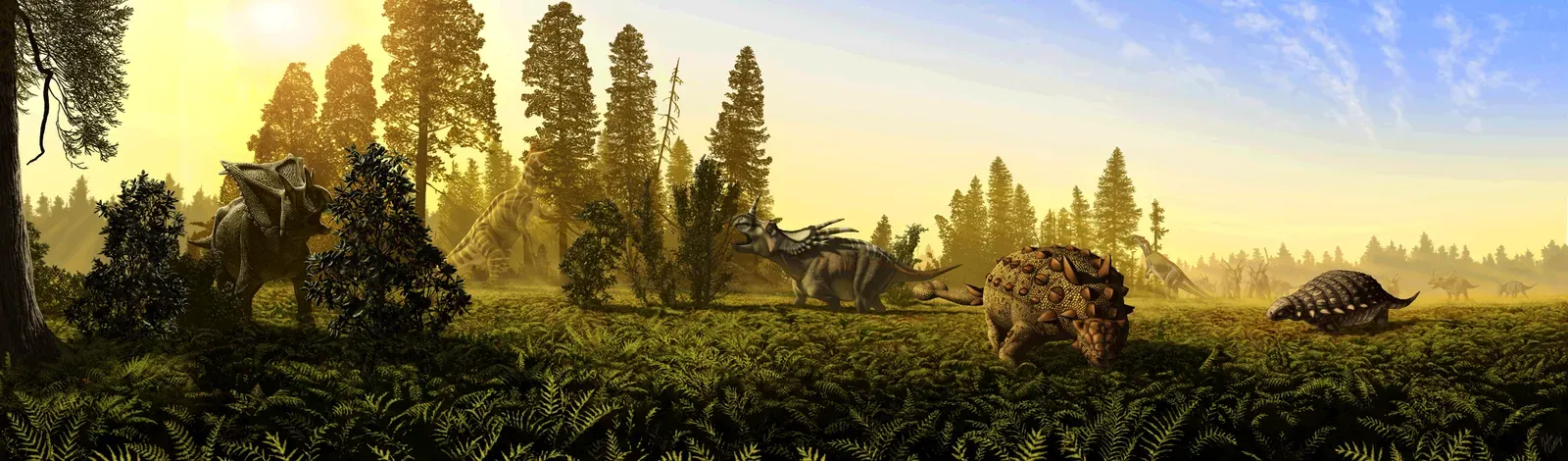
Fossil evidence documents herding behavior in a wide variety of dinosaurs. The mass assemblage in Bernissart, Belgium, for example, held at least three groups of Iguanodon, and group activity is also indicated by the dozens of Coelophysis skeletons of all ages recovered in New Mexico. These weren’t random gatherings. This was organized, purposeful, social living – the prehistoric equivalent of a wildebeest herd on the Serengeti.
New discoveries indicate the presence of social cohesion throughout life and age-segregation within a herd structure, in addition to colonial nesting behavior. These findings provide the earliest evidence of complex social behavior in Dinosauria, predating previous records by at least 40 million years. The presence of sociality in different sauropodomorph lineages suggests a possible Triassic origin of this behavior, which may have influenced their early success as large terrestrial herbivores. In other words, herding wasn’t just a habit – it may have been a survival superpower.
Age-Segregated Groups: Juveniles Staying Together
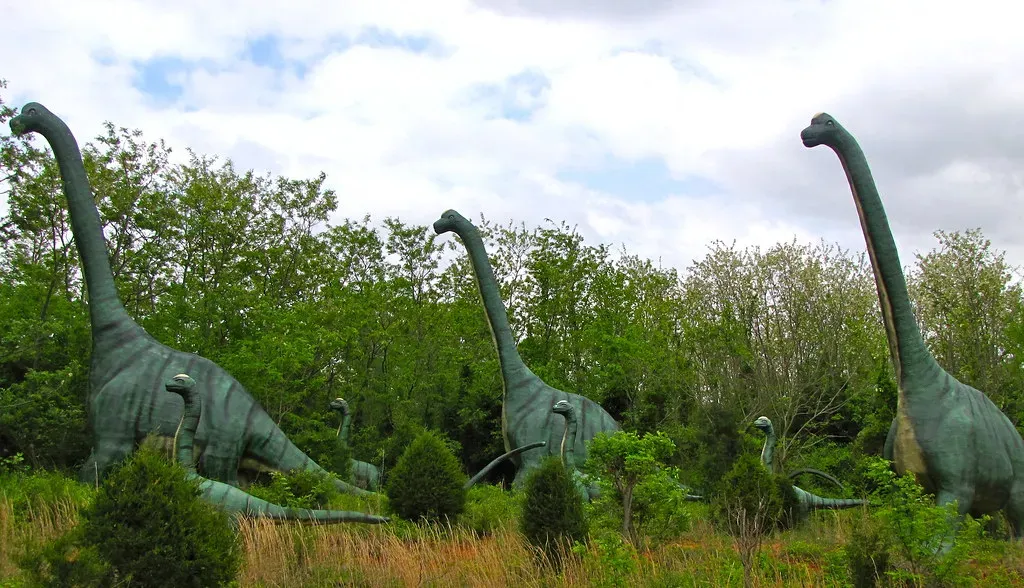
Evidence suggests that Mussaurus optimized foraging potential during the early Jurassic via age-based social partitioning, with neonates, juveniles, and adults apparently foraging and perishing in age-based groups. This mirrors what you see in elephant herds today, where calves cluster near each other while adults lead the way. The parallel is almost eerie.
Age segregation is also evident in some trackways, with footprints of different sizes indicating that adults and juveniles traveled together, with smaller individuals often protected in the middle of the group. This behavior, similar to that observed in modern elephants and other herd animals, suggests sophisticated social structures and possibly parental care. You get the sense that juvenile dinosaurs weren’t left to fend for themselves – they were placed at the safest spot in the formation, surrounded by adults who knew exactly what they were doing.
Courtship Displays: Dancing and Scraping for a Mate
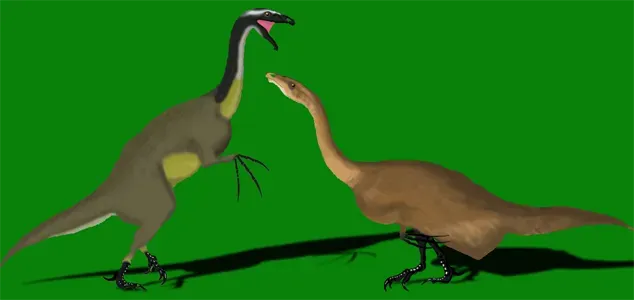
Let’s be real – courtship rituals can look downright ridiculous, whether you’re watching a bird of paradise do its thing or a peacock fanning its tail. Dinosaurs, it turns out, were just as dramatic. Extensive and geographically widespread physical evidence of substrate scraping behavior by large theropods has been identified as compelling evidence of “display arenas” or leks, consistent with “nest scrape display” behavior among many extant ground-nesting birds. Large scrapes, up to 2 meters in diameter, occur abundantly at several Cretaceous sites in Colorado, constituting a previously unknown category of large dinosaurian trace fossil.
Because the sizes of crests and horns in fossils vary quite a lot, it can be assumed that they were larger in males than females, a common feature in many present-day animals. It is therefore likely that males deliberately paraded their crests, horns, or neck frills in an attempt to win the attentions of females during the mating season. Male peacocks are a spectacular example among the many modern animals that demonstrate this pattern of behavior, known as “sexual display.” Some things, it seems, never change.
Intraspecific Combat: Fighting for Dominance
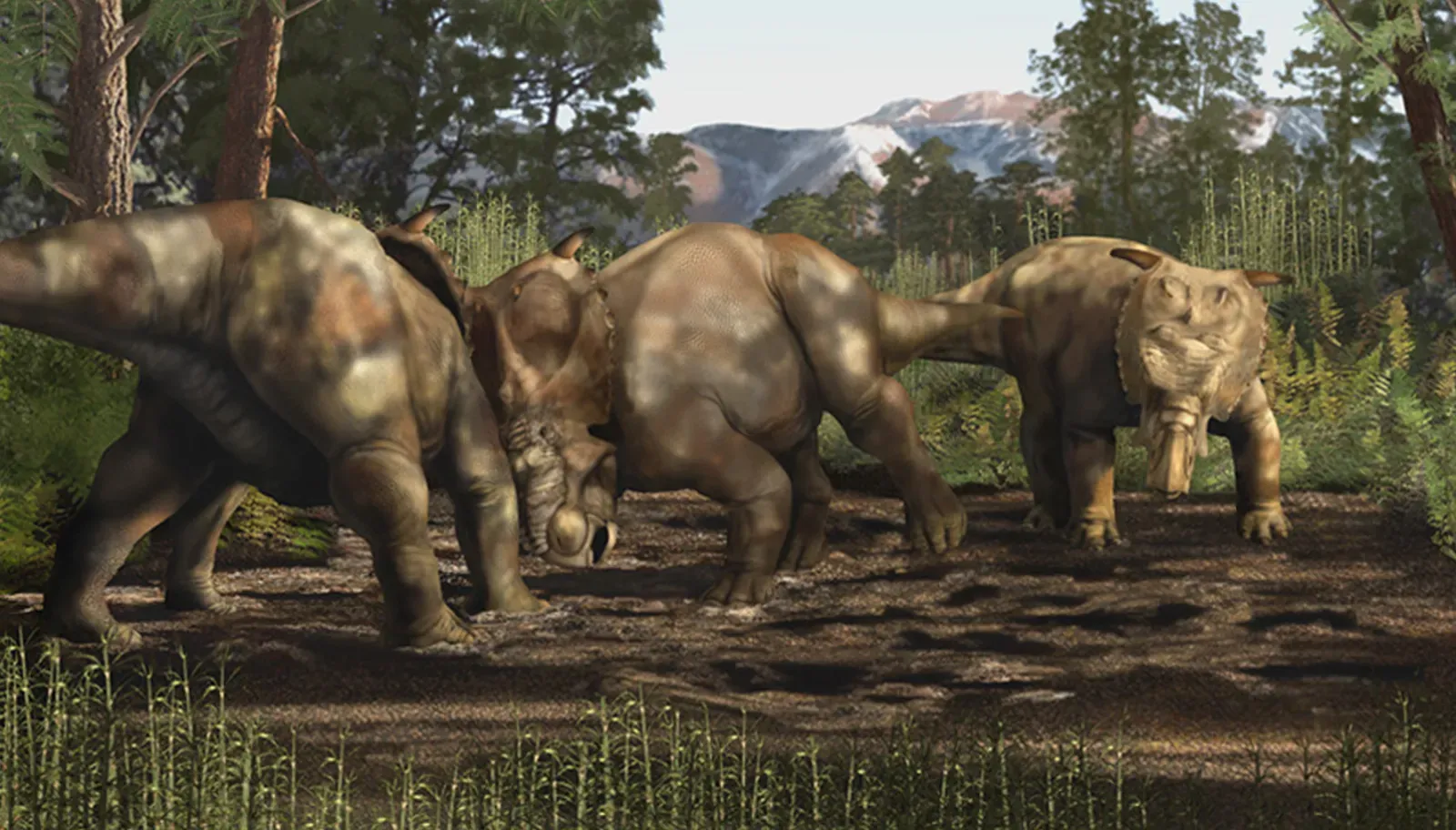
Fossil evidence shows that the horns of Triceratops were not sturdy enough to defend it from a large predator, but they could have been used in sparring contests with others of its own kind. The thick, domed skull of Pachycephalosaurus may have been used for butting contests, just as billy goats do today, and this is probably the cause of the injuries seen on the skulls of Pachycephalosaurus. Picture two rams crashing into each other at full speed – now scale that up by several hundred kilograms, and you’ve got the idea.
From a behavioral standpoint, one of the most valuable dinosaur fossils was discovered in the Gobi Desert in 1971, including a Velociraptor attacking a Protoceratops, providing direct evidence that dinosaurs did indeed attack each other. Whether this was predation or territorial rivalry remains a fascinating debate. Either way, it captures a raw and primal moment that still plays out across nature today, from lion prides defending territory to male deer locking antlers every autumn.
Bird-Like Sleeping Postures: Resting with Head Tucked
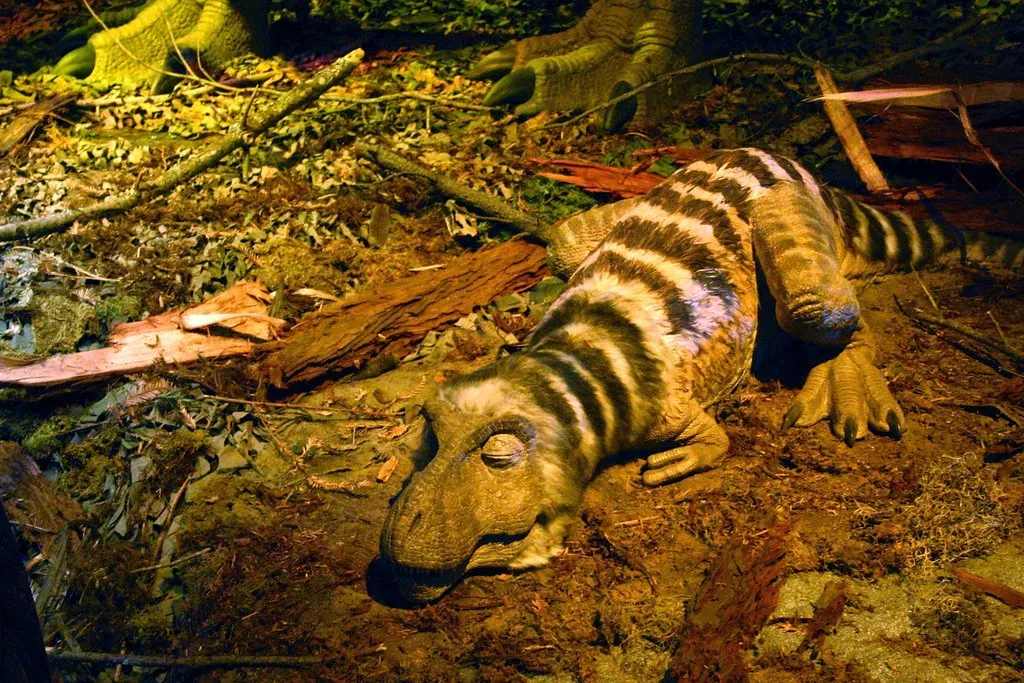
I know it sounds a little wild, but the way an animal sleeps can tell you a staggering amount about its biology and behavior. The most famous example of sleeping posture in the fossil record may be the “sleeping dragon” fossil – a beautifully preserved specimen of the small theropod dinosaur Mei long discovered in China. This 130-million-year-old fossil shows the animal in a bird-like sleeping position, with its head tucked under its arm and legs folded beneath its body, providing compelling evidence for behavioral similarities between theropod dinosaurs and their avian descendants.
A recently discovered troodont fossil also demonstrates that some dinosaurs slept with their heads tucked under their arms, a behavior which may have helped to keep the head warm and is also characteristic of modern birds. Next time you watch a duck snooze with its bill hidden under its wing, you’re witnessing something that traces back to the Mesozoic Era. That’s an unbroken behavioral thread stretching across more than 130 million years of life on Earth.
Seasonal Migration: Following Food and Climate
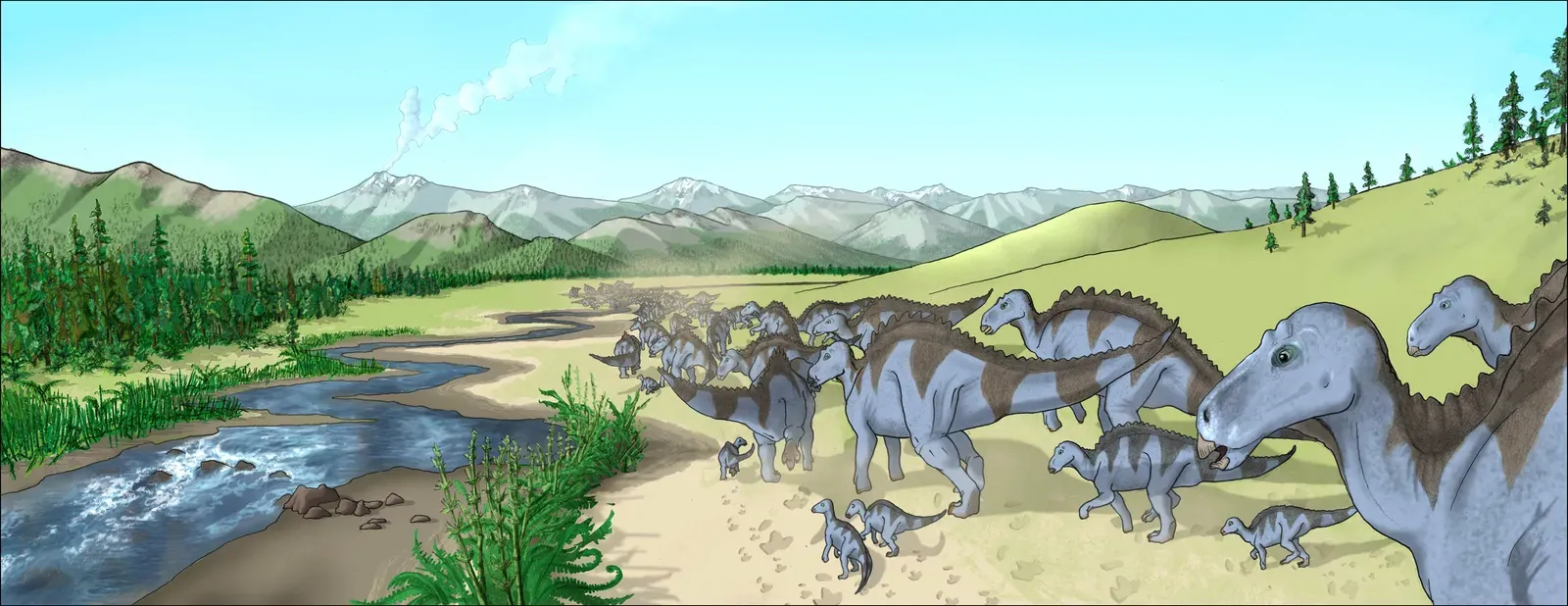
The impact of such large herds on the plant life of the time must have been great, suggesting constant migration in search of food. Nesting sites discovered in the late 20th century also establish herding among dinosaurs, with nests and eggs numbering from dozens to thousands preserved at sites that were possibly used for thousands of years by the same evolving populations of dinosaurs. Think of that scale for a moment. These weren’t random wanderings – these were established, repeated routes, season after season.
In some locations, scientists have found seasonal patterns in trackway orientations, suggesting that certain dinosaur species may have undertaken regular migrations in response to climate changes or food availability, similar to modern birds and mammals. The Purgatoire River track site in Colorado shows hundreds of sauropod tracks all moving in a consistent direction, possibly documenting a migration event. It’s the same deep-coded instinct that sends Arctic terns flying pole to pole and drives wildebeest across the Serengeti every year. Migration, it turns out, is one of nature’s oldest operating systems.
Vocal Communication: Signaling to the Herd
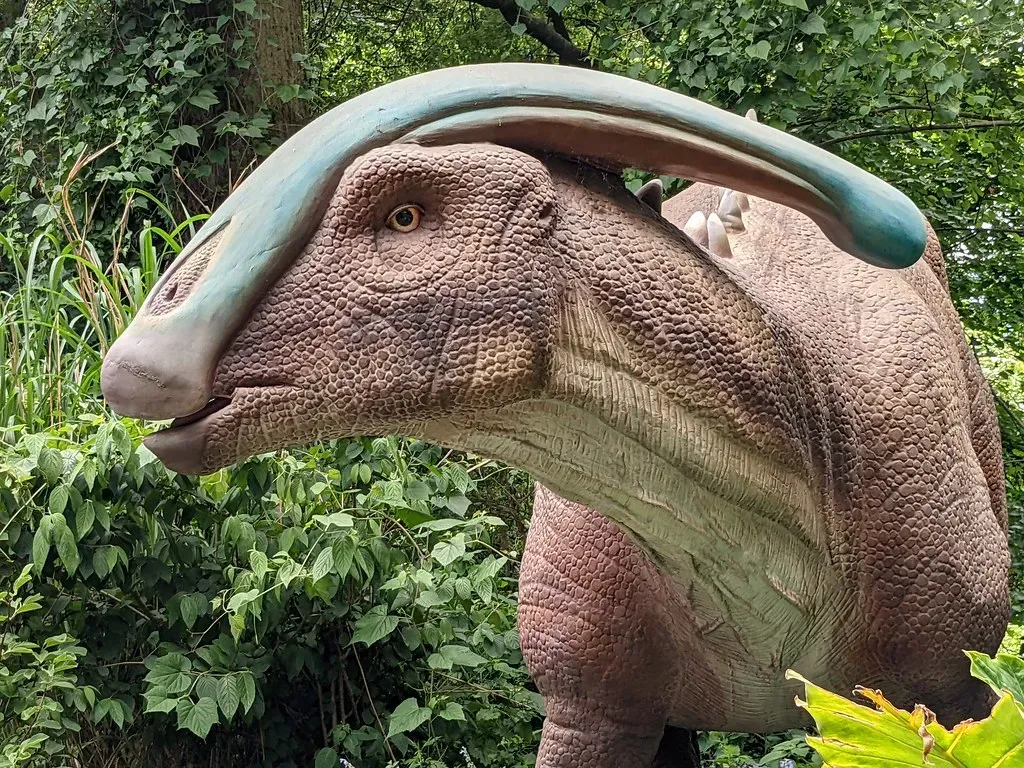
Archosaurs and other diapsids are profoundly visual animals, using many types of visual displays – static ones like colors or crests, and moving ones like dances and head bobs. Yet communication almost certainly went beyond visuals. Parasaurolophus had a long, backwards-curving, bony crest with hollow tubes inside linked to its nasal passages. Air blown through the tubes would have made its calls loud and deep – useful for sounding an alarm to its herd, or for warning off rival males. It’s essentially a built-in foghorn, refined over millions of years.
The logic of phylogenetic bracketing tells us that if birds and crocodilians share a heritable feature – such as their instinctual habits – it is likely their last common ancestor had that feature too. Since both modern crocodilians and birds use vocalizations to signal danger, coordinate group movement, and attract mates, it is very likely that non-avian dinosaurs did too. You can hear that ancient echo today in the low bellowing call of a cassowary, or in the honking alarm calls of geese warning their flock of a nearby fox. The behavior changed shapes over millions of years but never really disappeared.
Conclusion
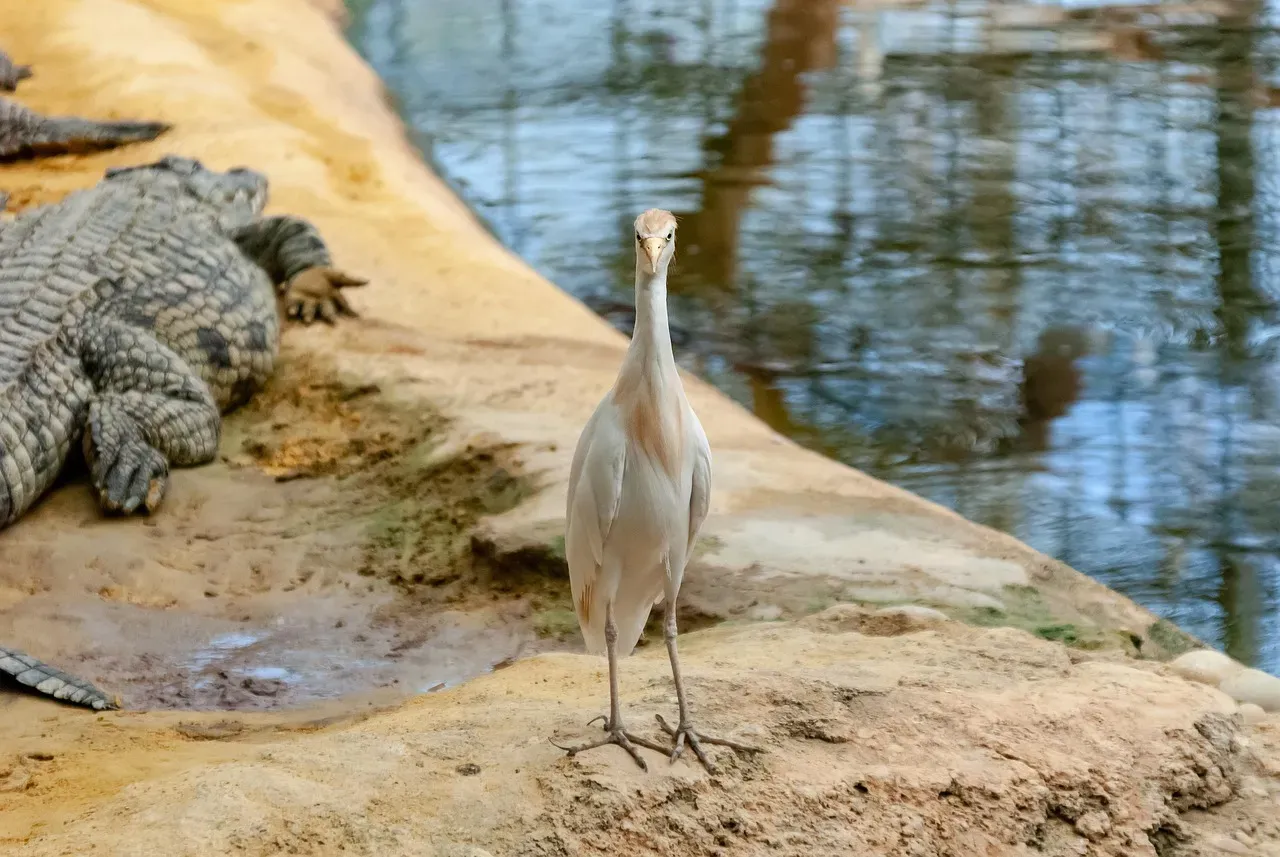
What’s truly remarkable about all of this is how it collapses the distance between ancient prehistory and the present moment. Dinosaurs were not mindless killing machines locked in an alien world. They raised their young, traveled in groups, competed for mates, staked out territory, communicated with each other, and rested with their heads tucked under their arms. Sound familiar? We live alongside two groups of animals – crocodiles and birds – that share a lot of similarities with dinosaurs. All three groups evolved from a common ancestor, with crocodiles branching one way as dinosaurs, which later evolved into birds, went the other. This means that any shared characteristics seen in modern-day crocodiles and birds can be traced back to this common ancestor and therefore also attributed to dinosaurs.
Every time you watch a bird carefully incubate its eggs, or a herd of antelope push their young to the center of the group as lions approach, or a peacock strut in front of a disinterested female, you are watching behaviors that dinosaurs pioneered tens of millions of years ago. In the realm of evolutionary biology, the mystery of animal instincts serves as an enigmatic puzzle that continues to captivate researchers and enthusiasts alike, and the intricate workings of animal instincts remain a frontier of exploration, offering a gateway to understanding the depths of survival mechanisms honed over millions of years. The more we learn, the more we realize just how deeply connected we all are to those ancient giants. What animal behavior did you find most surprising to share its origins with a dinosaur?