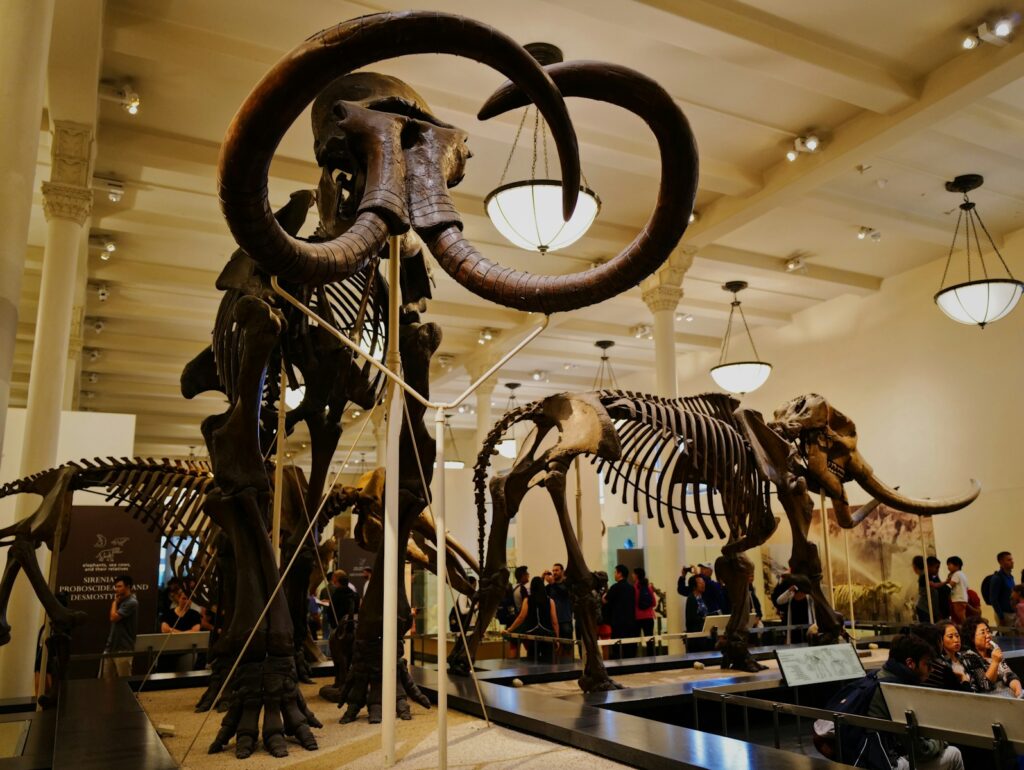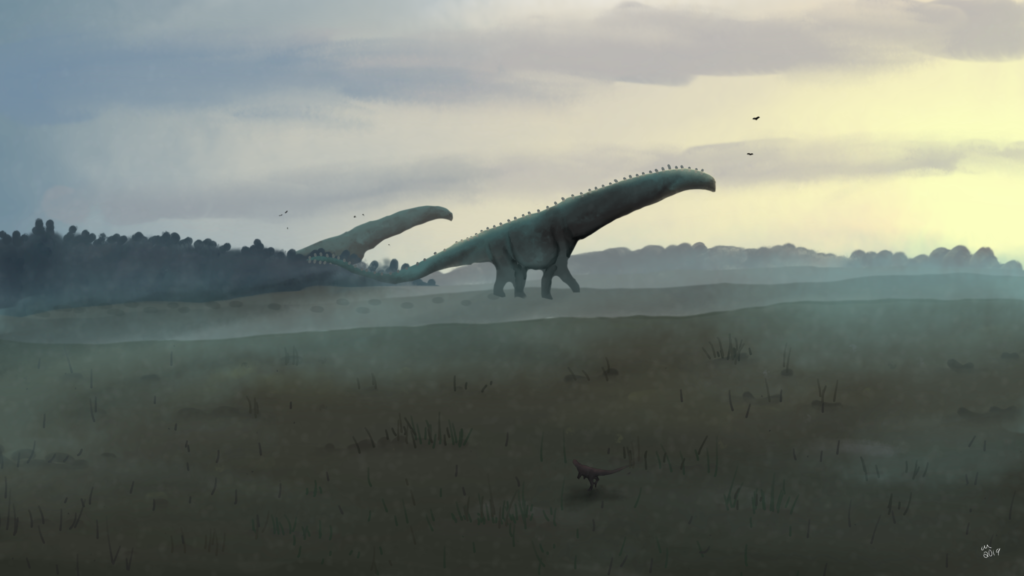
There is something genuinely mind-bending about standing next to a reconstructed sauropod skeleton in a museum and realizing you could walk underneath it without ducking. These were real animals. They breathed, ate, slept, and stomped across the same planet you are standing on right now. The sheer scale of some dinosaurs is almost offensive to logic. How does a living creature get that enormous? What combination of biology, environment, and evolutionary pressure conspires to produce something that makes a modern elephant look like a house pet?
Honestly, the answer is not simple. Scientists have been wrestling with the question of dinosaur gigantism for well over a century, and in 2026, we still do not have a single clean explanation. What we do have are theories, some well-supported and some wonderfully controversial, that together paint a picture of a world radically different from our own. Let’s dive in.
Theory 1: The Mesozoic Atmosphere Was Loaded with Oxygen
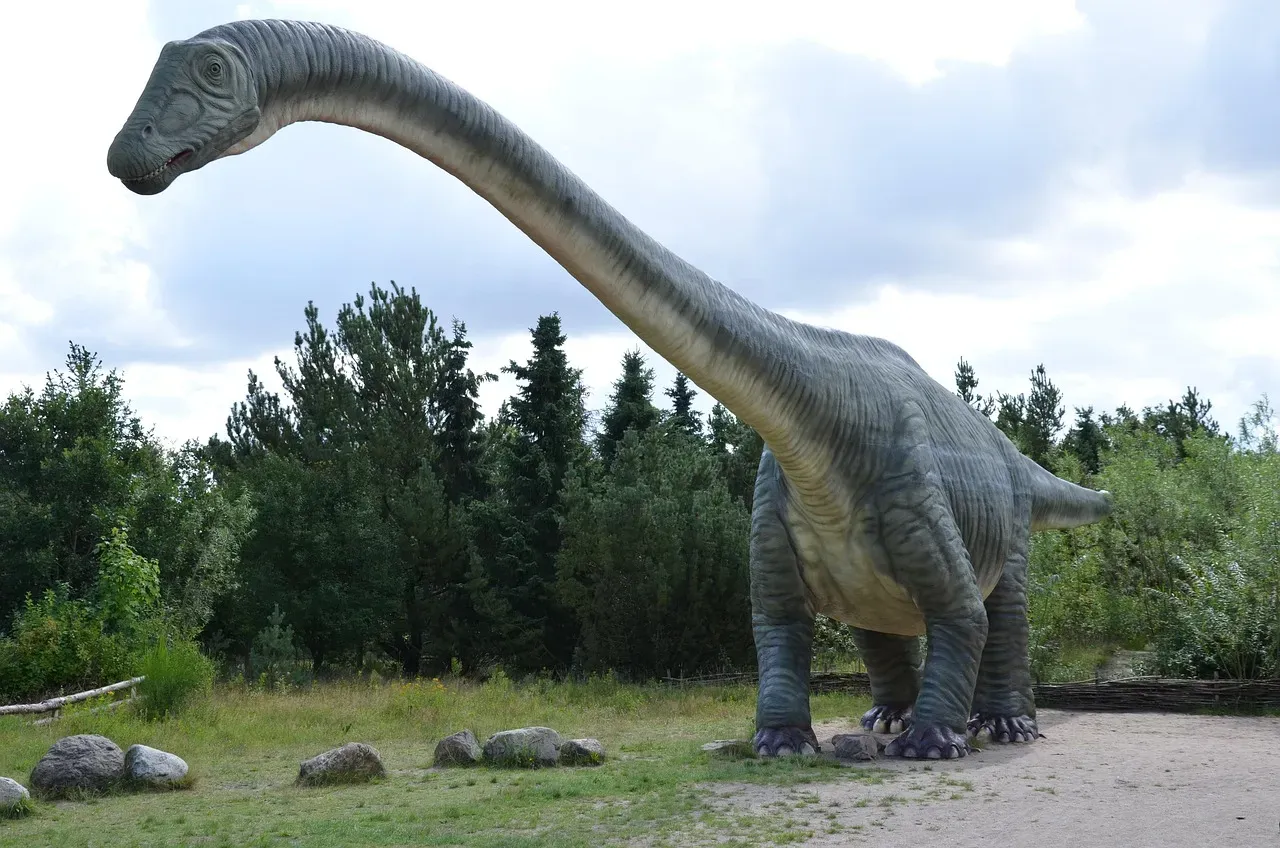
Picture trying to run a marathon at high altitude compared to sea level. The thinner air makes everything harder. Now flip that. What if every breath you took delivered dramatically more oxygen than you needed? Some researchers have proposed exactly this kind of atmospheric advantage as a major driver of dinosaur gigantism. During the Mesozoic Era, spanning 252 to 66 million years ago, oxygen concentrations reached levels estimated at roughly 30 to 35 percent, substantially higher than today’s 21 percent.
Higher oxygen levels improved the efficiency of cellular respiration, allowing more energy production from food sources. This increased metabolic efficiency, combined with dinosaurs’ unique respiratory systems and other adaptations such as specialized bone structure and reproductive strategies, made gigantism evolutionarily advantageous. Here’s the thing, though: not everyone agrees. Some analyses suggest that atmospheric oxygen was considerably lower in Earth’s geological past than previously assumed, and this new perspective questions some current theories about the evolution of life, including the causes for the gigantism of dinosaurs. So yes, the oxygen theory is compelling, but it remains genuinely contested ground.
Theory 2: Abundant Food in a Lush, CO₂-Rich World
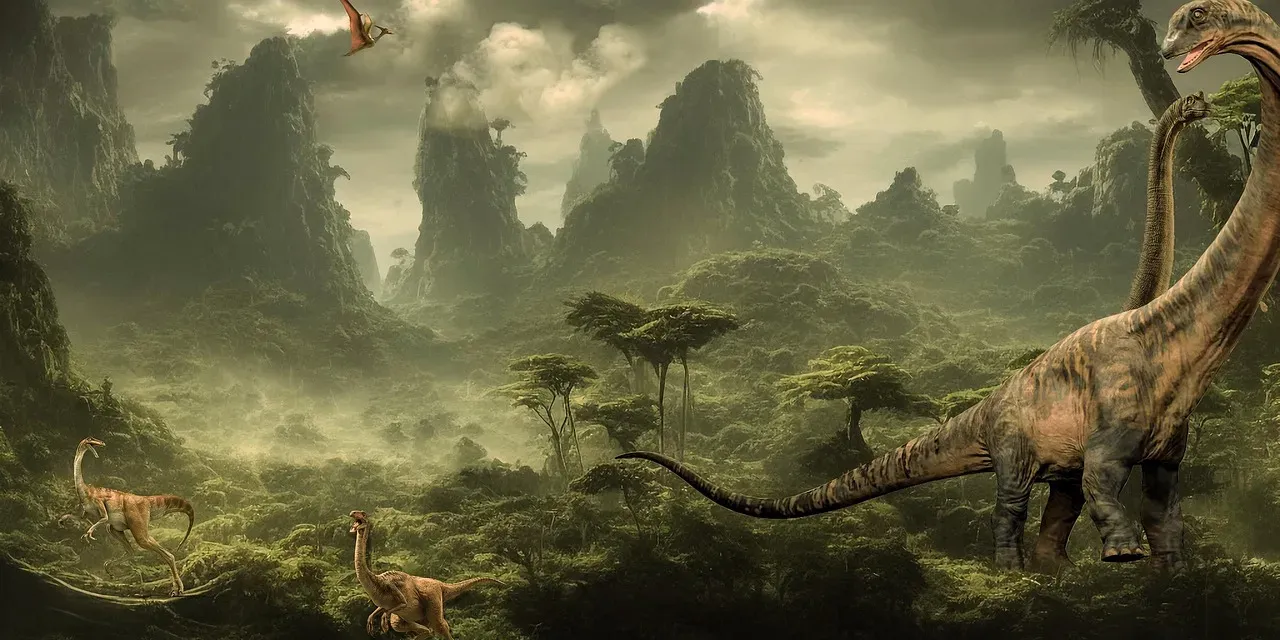
If you want to grow something enormous, you need to feed it constantly. The Mesozoic world was, by our standards, almost absurdly fertile. During the Triassic, Jurassic, and Cretaceous periods, the climate was much warmer, with CO₂ levels over four times higher than today, which produced abundant plant life. Herbivorous dinosaurs may have evolved large bodies partly because there was enough food to support them. Think of it like a buffet that never closes, open around the clock, stacked high with calorie-dense vegetation for hundreds of millions of years.
More carbon dioxide meant that plants and trees grew rapidly and much bigger than today, providing food for herbivorous dinosaurs, and since food was abundant, these animals could eat more and, over the years, grew larger. Experiments growing plants of Mesozoic varieties under Mesozoic-style atmospheres suggest that their productivity could go up two to three times present day conditions, meaning more food would have been available per unit area for herbivores. A larger food supply is like a higher ceiling. It does not force animals to grow tall, but it certainly gives them the room to do so.
Theory 3: Hollow Bones and Bird-Like Air Sacs
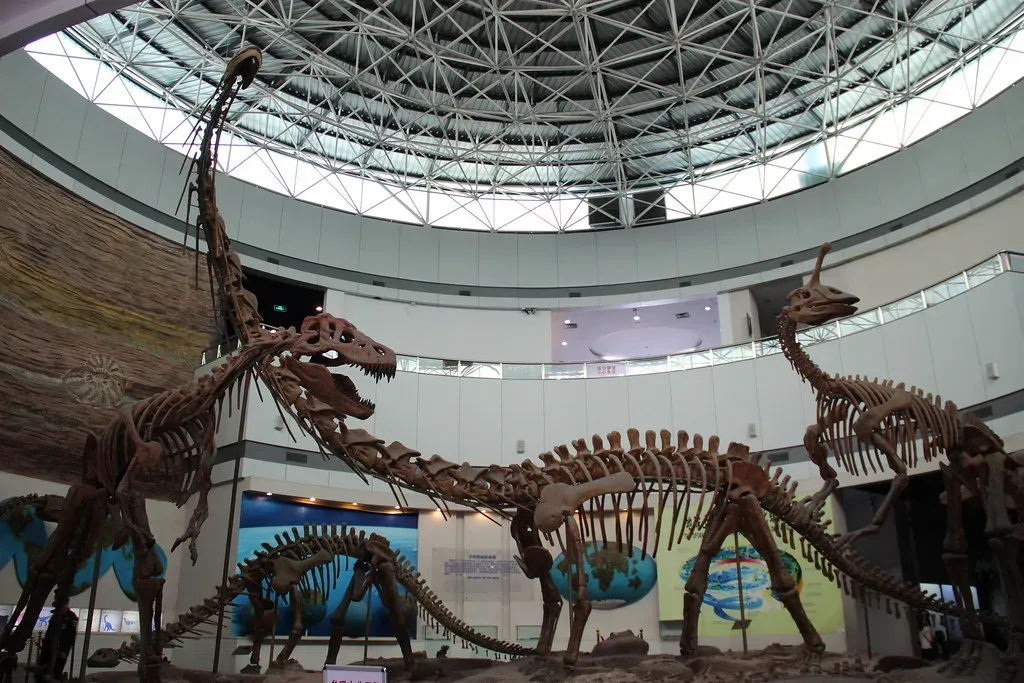
You might be wondering how an animal weighing dozens of tonnes could even stand up without its own skeleton crushing it. This is where dinosaur anatomy gets genuinely extraordinary. As a group, dinosaurs are known for having relatively light and hollow bones. Other animals have solid bones, making them a lot heavier relative to their size. If dinosaurs had solid bones, like those of mammals, they would never have been able to reach the sizes they did.
The hollow bones of dinosaurs contained air sacs that kept them light and served as temporary stores of oxygen. The combination of these air sacs and their lungs meant that dinosaurs were supplied with oxygen when they breathed in and when they breathed out. This boosted their metabolisms, which in turn allowed them to grow larger. Significant anatomical evidence shows that the respiratory system of sauropods was very similar to that of extant birds, with many air sacs including some in the vertebrae of the backbone, and most likely the same highly efficient one-way breathing. It is a brilliantly engineered system, and it is one of the most compelling pieces of the gigantism puzzle.
Theory 4: Cope’s Rule and the Evolutionary Drive Toward Bigness
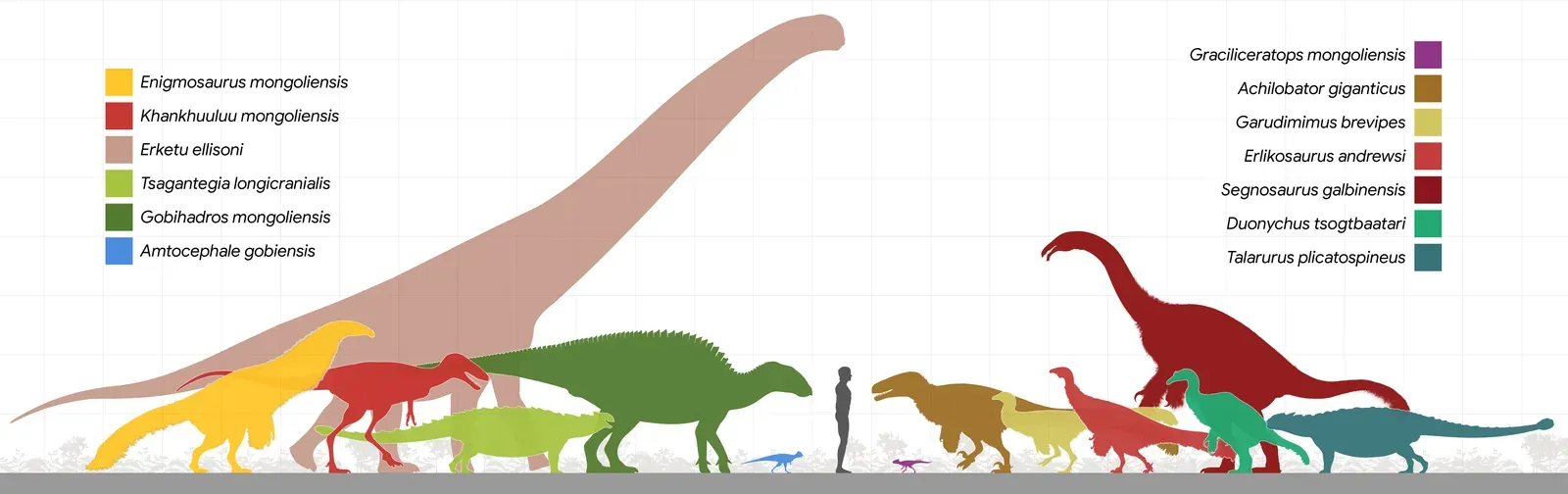
Cope’s Rule is named after the American palaeontologist Edward Drinker Cope and postulates that animal lineages tend to increase in body size over evolutionary time, with directional selection acting on an organism’s size more so than it does on other morphological traits. In simple terms, bigger tends to win in the long game of survival. Think of it like a slow-motion arms race where each generation nudges a little larger than the last.
Cope’s Rule is a hypothesis that says animals in evolving lineages tend to get larger over time, and a study by the Department of Paleobiology at the National Museum of Natural History in 2012 found that Cope was right, at least some of the time. What researchers found was that some groups, or clades, of dinosaurs, including the long-necked sauropods, do grow larger over time, as Cope’s Rule suggests. I think the beauty of this theory is that it does not require one single dramatic cause. It just requires time, competition, and the steady march of natural selection rewarding the bigger individual generation after generation.
Theory 5: Protection from Predators and the Arms Race of Size
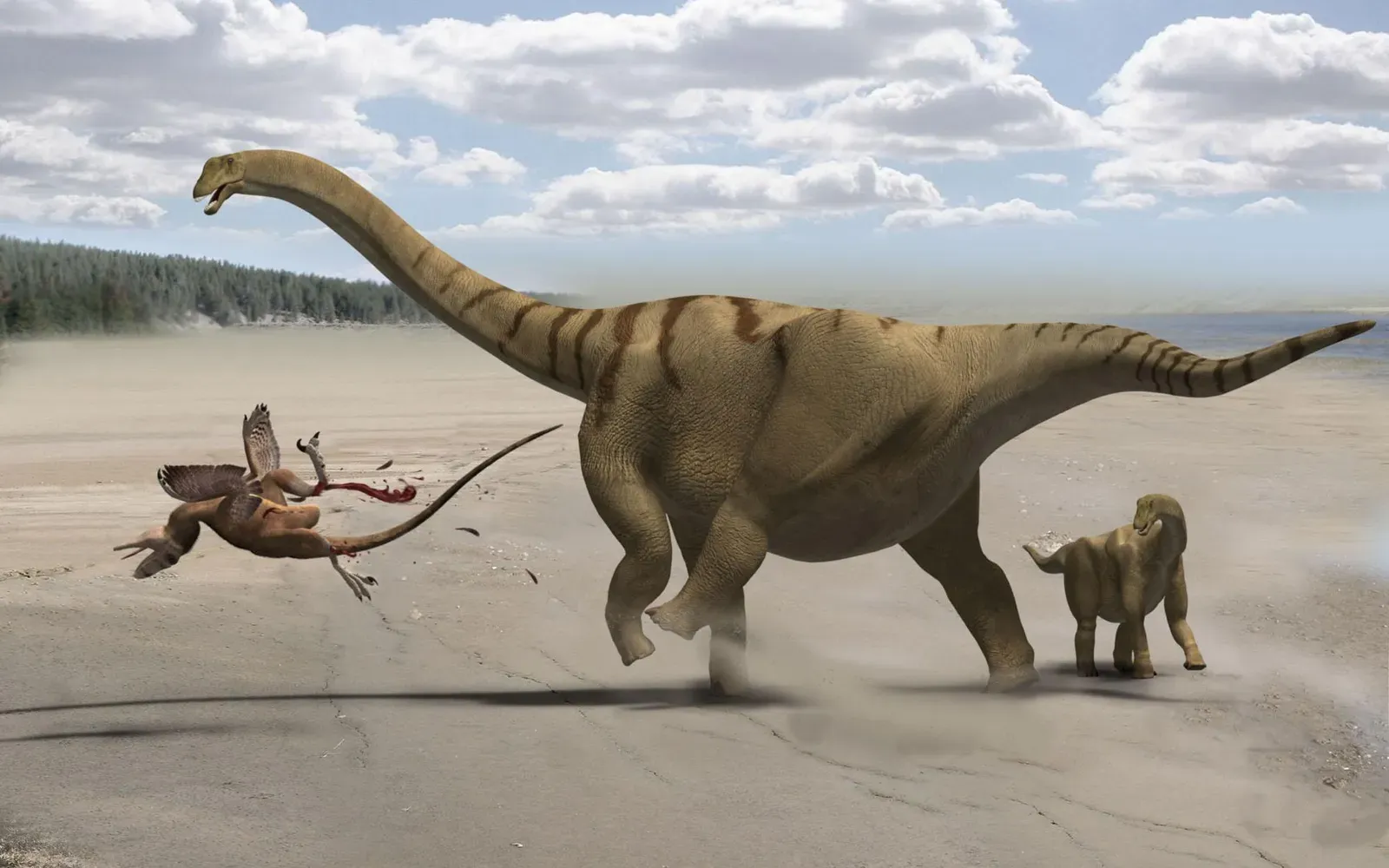
There is a certain brutal logic to growing enormous when you live in a world full of things that want to eat you. The bigger an animal is, the less likely it is to be attacked as prey by a predator, and it is also more likely to secure food and water, so these animals evolved over time to be massive as a means of surviving. Once a sauropod reached truly colossal size, almost nothing on land could threaten it, much like how a full-grown African elephant today has essentially no natural predators.
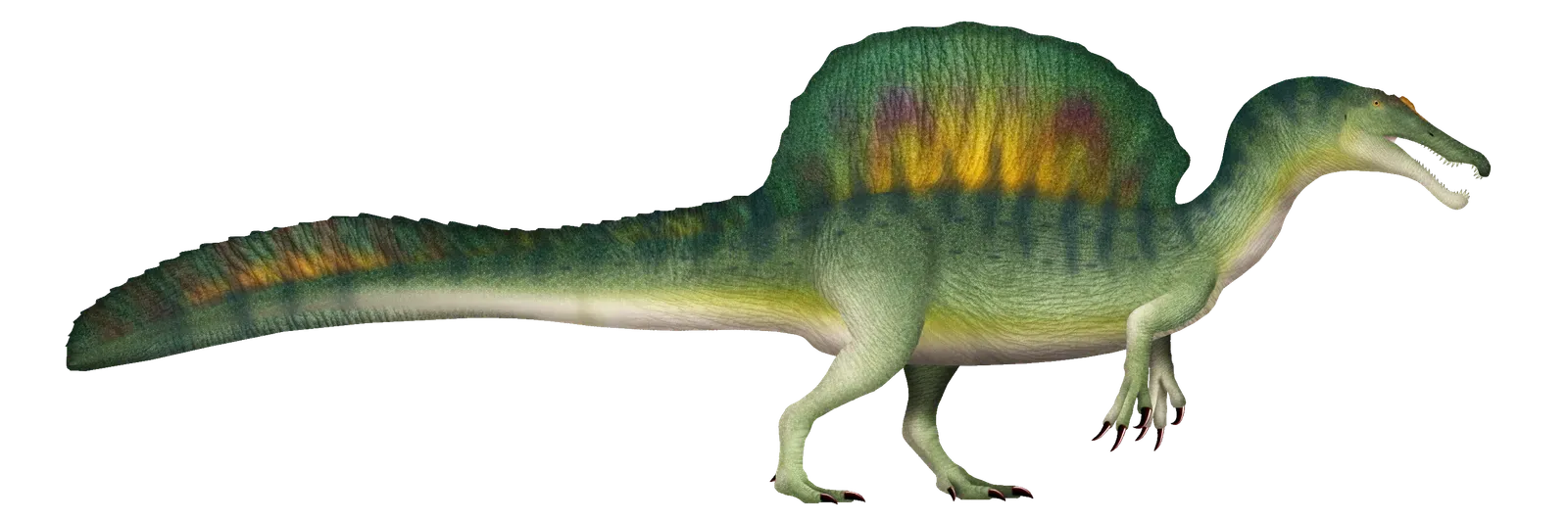
The giant sauropods had to eat plants as fast as they could to grow big enough to be safe from carnivores like T. rex and Spinosaurus, while the carnivores were becoming larger just so they could tackle their enormous prey. If a predator and prey species are allowed to compete for a long period of time, each attempting to gain size over the other, then incredibly large sizes become possible. This back-and-forth spiral, predators getting bigger to hunt prey and prey getting bigger to avoid predators, is one of the most elegant and terrifying explanations in the entire debate.
Theory 6: Efficient Feeding Without Chewing
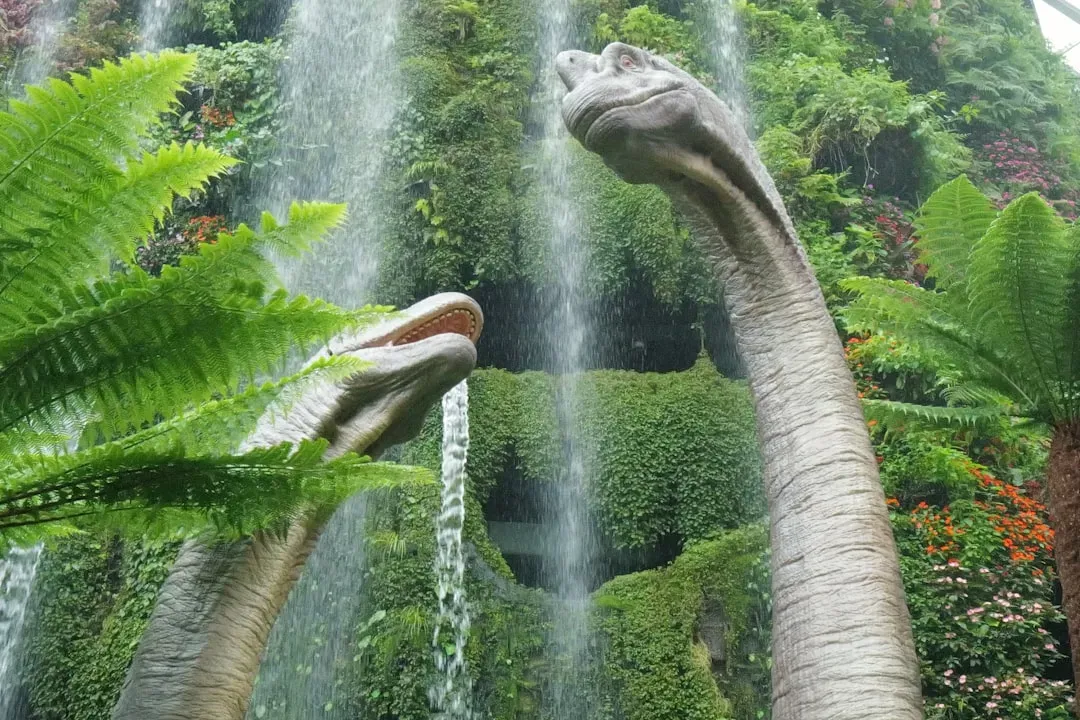
Here’s a surprising one. You might assume that eating more efficiently means chewing your food thoroughly. For sauropods, the exact opposite was true. The only way they could get away with having such a small head was because they did not need to chew their food. A chewing head needs to be big in order to accommodate big jaw muscles and strong, heavy bones to crush food. By skipping chewing entirely and swallowing their food whole, sauropods kept their heads tiny, which meant their necks could be impossibly long without toppling forward.
Sauropods could consume a huge amount of food very fast by swallowing it whole, and then their stomachs would do the slow work of grinding it down over the course of weeks, which would slowly release the nutrients to fuel their massive bodies. Because sauropods had such long necks, they must have been more efficient eaters than other large herbivores, meaning they could cover much larger feeding grounds and reach food that was inaccessible to other dinosaurs. So in theory, the massive sauropods must have been able to grow larger than other dinosaurs because they fed more efficiently. It is a genius workaround, like hiring someone else to do the slow, boring work while you just keep eating.
Theory 7: Rapid Growth Rates and Extended Growth Periods

One of the more recent and fascinating angles on dinosaur gigantism comes from studying bone growth rings. Just like the rings inside a tree trunk tell you about its growth history, the internal structure of dinosaur bones reveals how fast and for how long these animals grew. It was thought that the predominant mechanism for evolving a larger body size in dinosaurs was through developmental acceleration, essentially having a faster growth spurt. However, research has shown it is just as equally likely that they actually slowed their growth but grew for longer.
Evolving to grow faster than your ancestors means that you can possibly outcompete other species in your environment for resources, and maybe reach taller trees or get to environments that smaller species cannot access. Sauropod mothers laid clutches of about ten eggs at a time in small nests, and the embryonic dinosaurs developed in eggs about the size of a large grapefruit. Once they hatched, these little dinosaurs grew at an absolutely fantastic rate. Starting small and growing explosively fast, perhaps for decades, is a remarkably effective strategy for reaching truly staggering adult sizes.
Theory 8: Temperature Regulation and Body Size
You might not immediately connect thermoregulation to being the size of a house, but the relationship between body mass and temperature control is surprisingly deep. For warm-blooded animals that lived in colder climates, having a large body enabled them to retain heat, while cold-blooded animals living in warmer temperatures needed bigger bodies as a more oversized frame prevented them from overheating. It sounds paradoxical until you think about the physics: a larger volume retains heat more slowly and dissipates it more slowly too.
Mammals, including humans, are warm-blooded and generate a lot of heat internally, which becomes a problem at large body sizes as there is a danger of overheating. It is possible that many extinct archosaurs, including dinosaurs, were intermediate between cold-blooded and warm-blooded physiologies. Another possibility is that the herbivorous dinosaurs were ectothermic, and being huge helped them regulate their temperature. This theory is problematic though, because evidence increasingly suggests that the large carnivores were endothermic, which means dinosaurs would have evolved two different metabolic systems side by side. It is hard to say for sure which metabolic strategy dominated, but the debate itself reveals just how complex the gigantism question really is.
Theory 9: Sexual Selection and the Ornament Theory
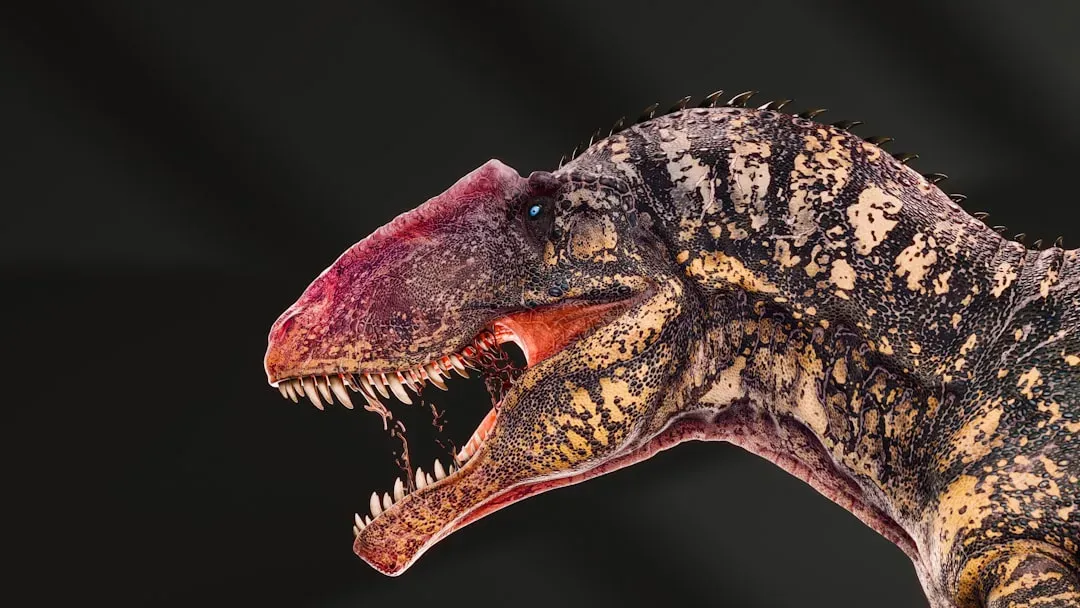
This one might genuinely surprise you. Most people think of dinosaur size in terms of survival: eat more, fight better, avoid predators. But what if getting big was also, at least partly, about impressing a mate? The idea that head ornaments were not just a byproduct of being large but a reason for it is now shaking up the conventional wisdom about how dinosaurs grew to their terrific size. Researcher Terry Gates at North Carolina State University proposed this idea after noticing that only the skulls of the largest theropods displayed elaborate crests, horns, and bumps.
Scientists have thought for years that horns and crests helped dinosaurs communicate and display dominance. The newer finding goes one step further, suggesting that the adornments played an important role in body size. In Gates’ view, an impressive set of ridges would help a T. rex impress mates. If a T. rex was both big and impressive-looking, it would have had its pick of the mating pool, and size and ornamentation would more likely be passed down. Sexual selection is one of the most powerful forces in evolution, and the idea that peacock-style competition could have partly driven the growth of the largest predators on Earth is, honestly, a little hilarious and entirely believable.
Theory 10: Ecological Opportunity and Niche Exploitation
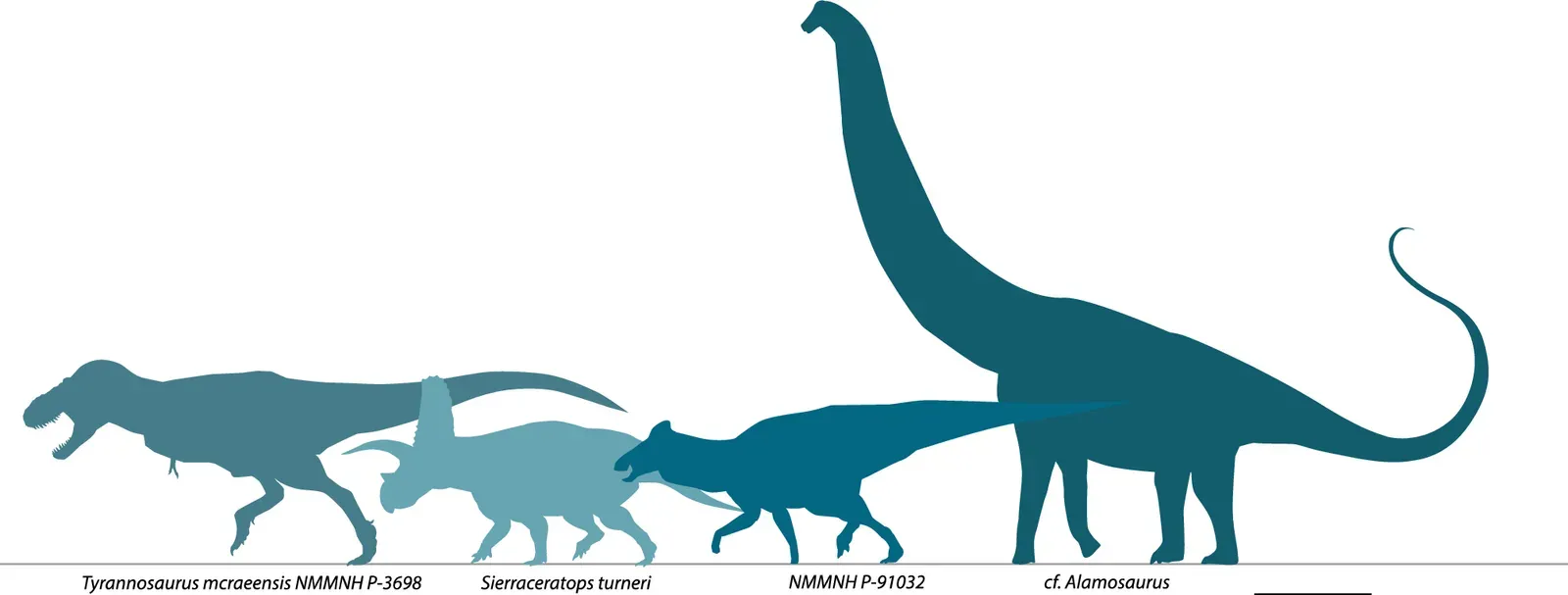
Sometimes, animals get enormous not because they are pushed by pressure, but because no one else is filling the space. No modern animals except whales are even close in size to the largest dinosaurs, and paleontologists think that the dinosaurs’ world was much different from the world today and that climate and food supplies must have been favorable for reaching great size. The Mesozoic was a world with vast, undeveloped landscapes and no competing mammals large enough to challenge the dinosaurs for ecological dominance.
Selective pressures toward finding new areas in the environment to exploit resources is, in terms of why they got so big in the first place, one of the most compelling explanations. Although Cope’s rule is not universal across vertebrates, body size influences many aspects of organismal biology, affecting predation, energetics, and extinction risk. After the Late Jurassic period, sauropods arrived at a relatively constant state of gigantism, having reached a certain level where they could not get to bigger sizes, likely because their bodies were already supporting the extremes they had achieved. It is a remarkable idea: that gigantism was partly a matter of real estate. When the ecological neighborhood is wide open, the boldest and biggest creatures move in and claim it.
Conclusion: The Mystery That Keeps Getting Better
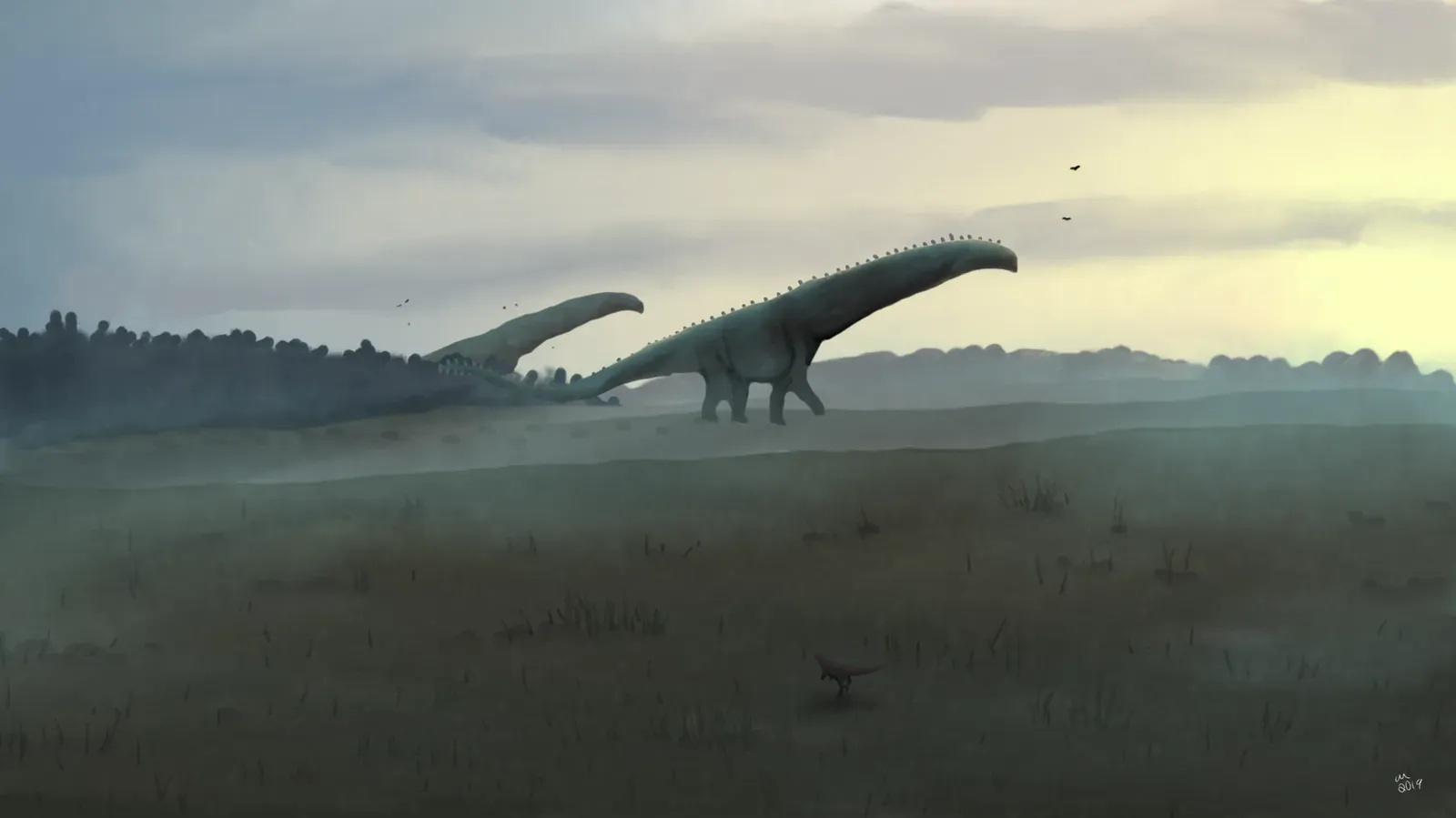
What makes the story of dinosaur gigantism so captivating is that no single theory wins outright. The real answer is almost certainly a mixture of all ten: the right atmosphere, the right food supply, the right bones, the right evolutionary momentum, and the right world at the right time. Each theory illuminates a different facet of the same extraordinary phenomenon.
What is truly humbling is that even with all the tools of modern science at our disposal, researchers are still debating the details. We still do not know much about gigantism in sauropods and in dinosaurs in general, as researchers openly admit. The more we discover, the more nuanced and layered the picture becomes.
In a way, the dinosaurs left us the ultimate puzzle, scattered across millions of years of rock and bone. Every new fossil, every new bone scan, every new atmospheric model adds another piece. Think about that next time you see a dinosaur skeleton towering over you in a museum. Something that enormous once walked this earth, and we are still trying to figure out exactly how it got that way. Doesn’t that make you want to know more?