You’ve probably seen the movies, flipped through picture books as a kid, or stood slack-jawed in front of a museum skeleton wondering how on earth something so enormous could have ever existed. Dinosaurs occupy a special place in our collective imagination. Yet, here’s the thing most people don’t realize: the real story behind their rise and fall has less to do with the animals themselves and far more to do with the planet they were living on.
The ground beneath their feet was never still. Continents shifted, volcanoes erupted on a scale that is almost incomprehensible today, seas rose and retreated across massive landmasses, and the very chemistry of the atmosphere swung between extremes. These weren’t background events. They were the architects of every major dinosaur dynasty. Let’s dive in.
Pangaea: The World Before It All Began
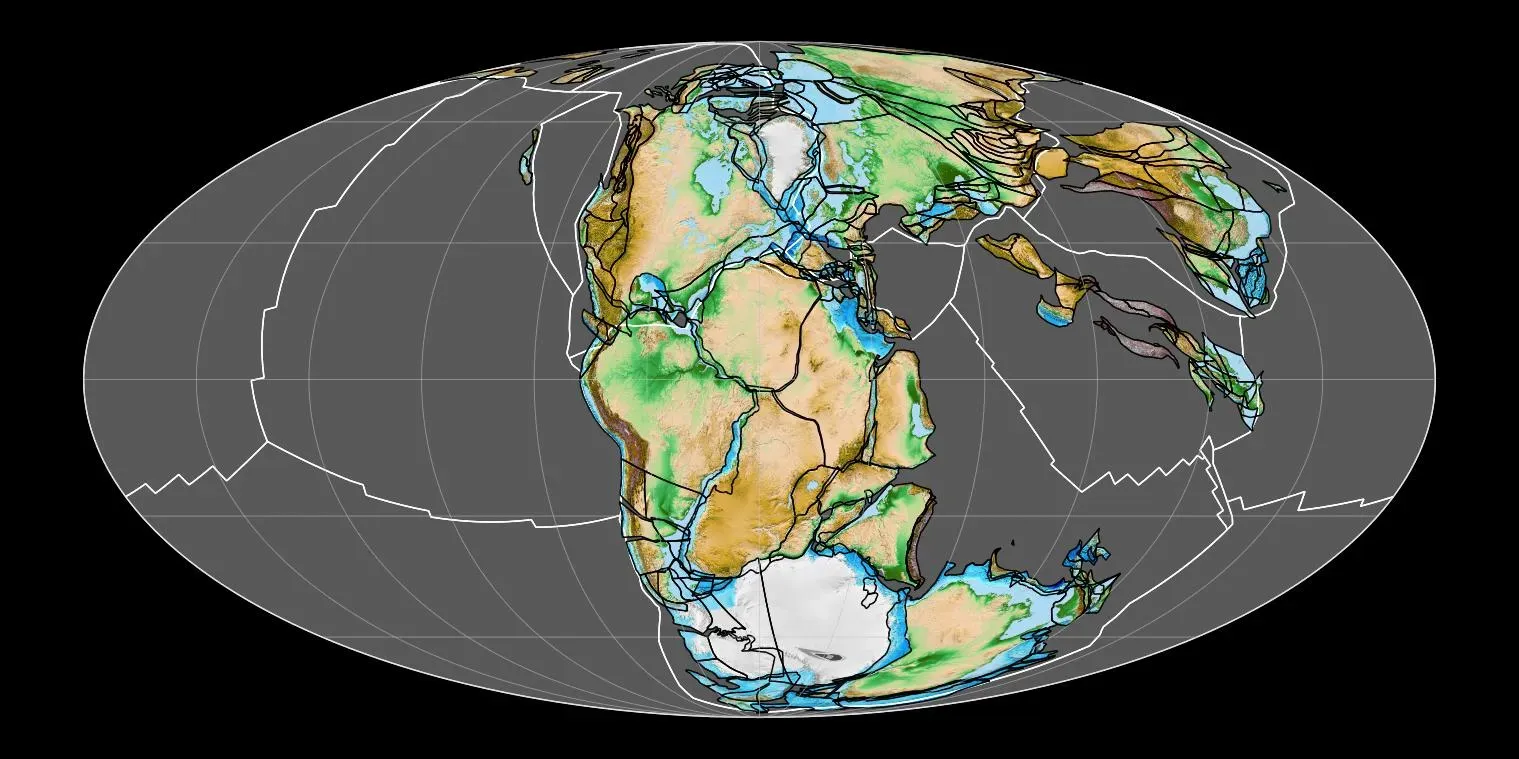
To truly understand how geological forces shaped the dinosaurs, you first have to picture a world that looked almost nothing like the one you know. Pangaea was a supercontinent that existed during the late Paleozoic and early Mesozoic eras, assembling from earlier continental units around 335 million years ago and beginning to break apart about 200 million years ago, at the end of the Triassic and beginning of the Jurassic. Think of it as one enormous puzzle piece floating on a vast, surrounding ocean called Panthalassa.
The unique continental arrangement into a single emerged land mass favored a general context of wet shores and an arid interior, with a maximum expression of monsoonal climate. This extreme climate geography created vast deserts in the interior of Pangaea, which limited the spread of many species and set the stage for dramatic ecological pressures. At this point in time, dinosaurs were few and far between, and the majority of those roaming the ancient supercontinent were about the size of a domestic cat. Not exactly the terrifying giants of our imagination.
The Permian-Triassic Mass Extinction: Earth’s Reset Button
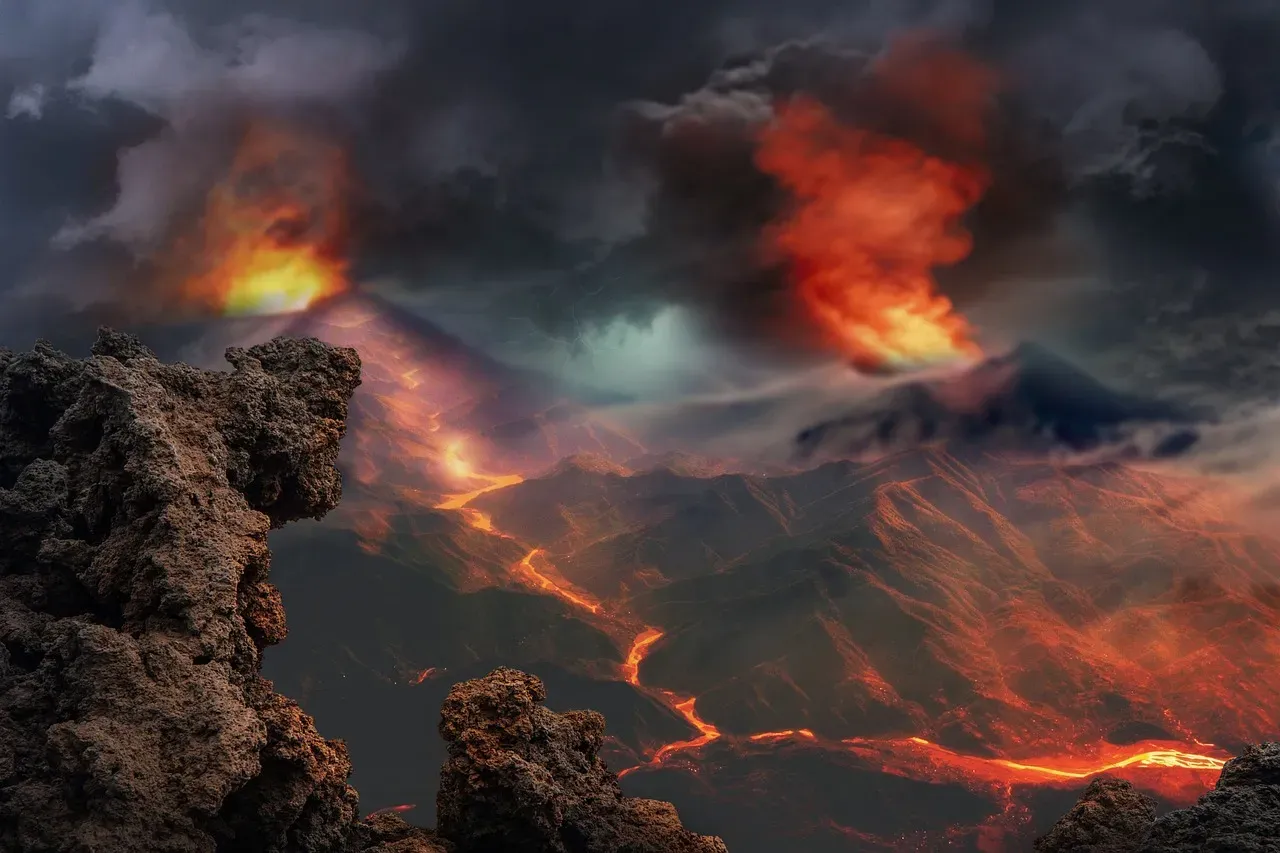
Before dinosaurs could ever dominate the planet, the Earth had to clear the slate. The Permian Period ended with the largest mass extinction event in Earth’s history, beginning when volcanoes started exuding vast amounts of magma that continued to flow for several hundred thousand years, perhaps even a few million. Honestly, it is nearly impossible to wrap your head around that kind of geological violence.
It all started just after the largest mass extinction in history. Called the Great Dying, that event marked the sudden disappearance of at least 95 percent of species in the sea. Dinosaurs then emerged, spread widely, and came to dominate most terrestrial macrofaunal niches in the context of a biotic response to this Permian-Triassic extinction and a unique arrangement of land mass that caused unique climate conditions. In other words, without one of the most catastrophic geological catastrophes in Earth’s entire history, there might never have been a single dinosaur.
Volcanic Fissures and the First Dinosaur Takeover
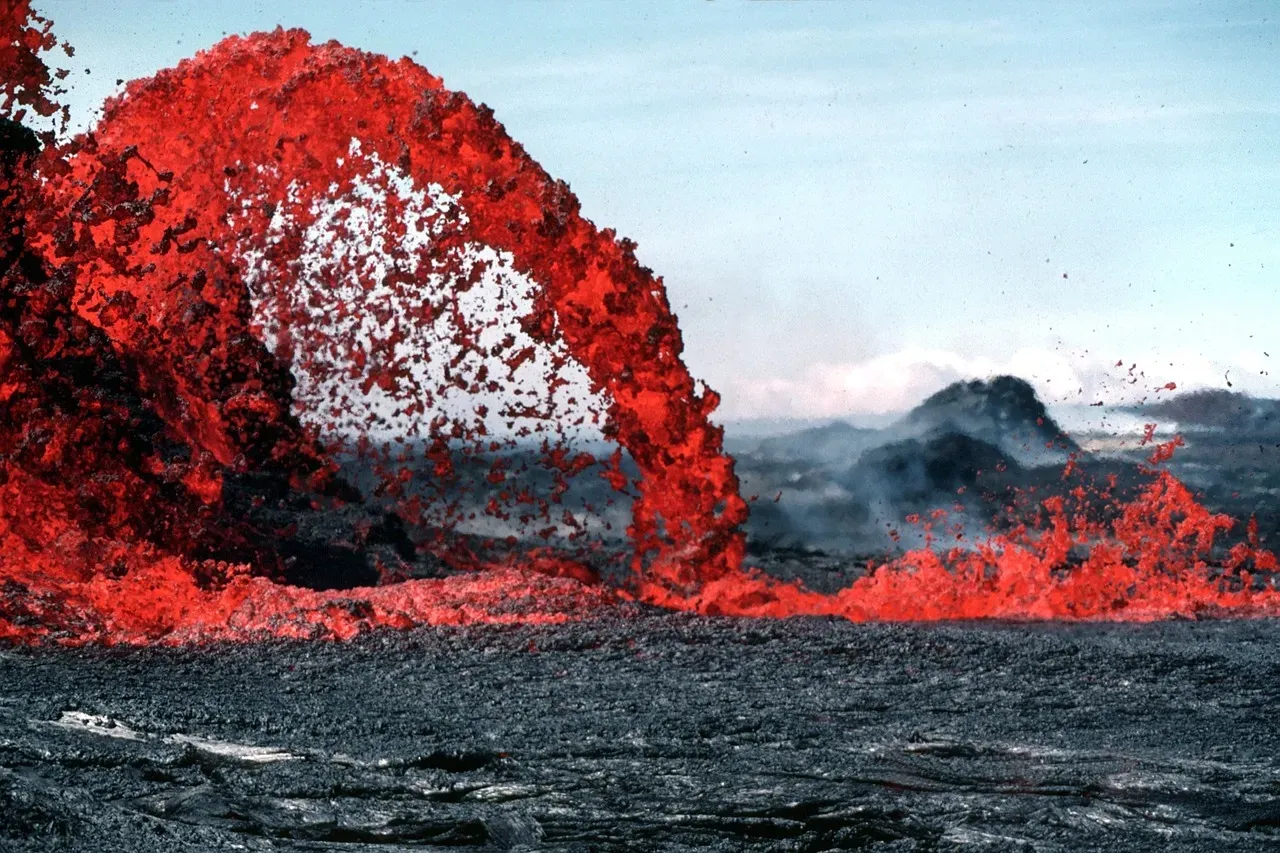
Here’s where things get genuinely surprising. The supercontinent of Pangea was breaking up, and with this continental divorce came mega-volcanoes, causing a mass extinction that wiped out most of the crocodile-line archosaurs. The planet was ripe for the taking, and the dinosaurs were there to do it. It is almost poetic in a brutal sort of way.
Roughly 201 million years ago, the Triassic-Jurassic extinction event wiped out about three quarters of all marine and land species on Earth, clearing the stage for dinosaurs to take over for the next 135 million years. This extinction was connected with massive volcanic eruptions caused by the breakup of Pangaea, and the volcanism pumped greenhouse gases into the atmosphere, acidified the oceans, and made temperatures rise rapidly. The rise of the dinosaur dynasty was not earned by strength alone. It was handed to them by the geology of the planet itself.
The Breakup of Pangaea and an Explosion of Dinosaur Diversity
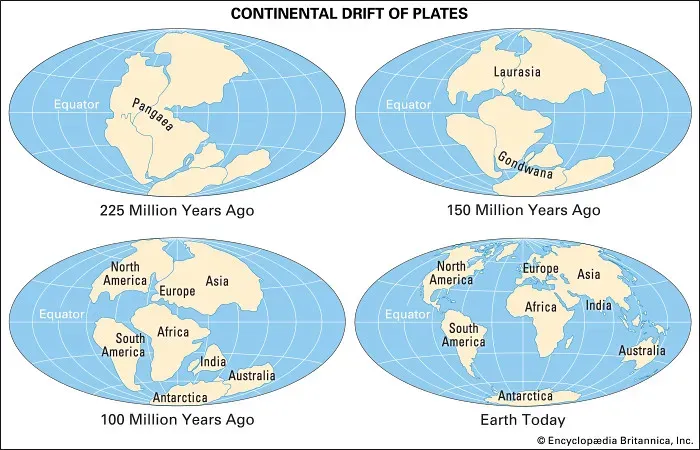
By the beginning of the Jurassic, the supercontinent Pangaea had begun rifting into two landmasses: Laurasia to the north and Gondwana to the south. The climate of the Jurassic was warmer than the present, and there were no ice caps. This was the geological equivalent of opening every possible door at once. Suddenly, new environments were everywhere.
The fragmentation of Pangaea profoundly influenced dinosaur evolution and distribution. These remarkable creatures faced new challenges and opportunities as their world transformed around them. As continents drifted apart, dinosaur populations became separated, leading to unique evolutionary paths. The breakup of Pangaea also triggered a botanical revolution that was just as dramatic as the changes occurring in the animal kingdom. As the climate became warmer and more humid, new types of plants evolved that fundamentally changed terrestrial ecosystems, and the diversity of plant life exploded, creating the lush forests that supported the Jurassic dinosaur boom. Think of it like suddenly placing animals that had only ever lived in one neighborhood into dozens of completely different cities, each with its own climate and food supply.
Rising Seas, New Coastlines, and Cretaceous Dominance
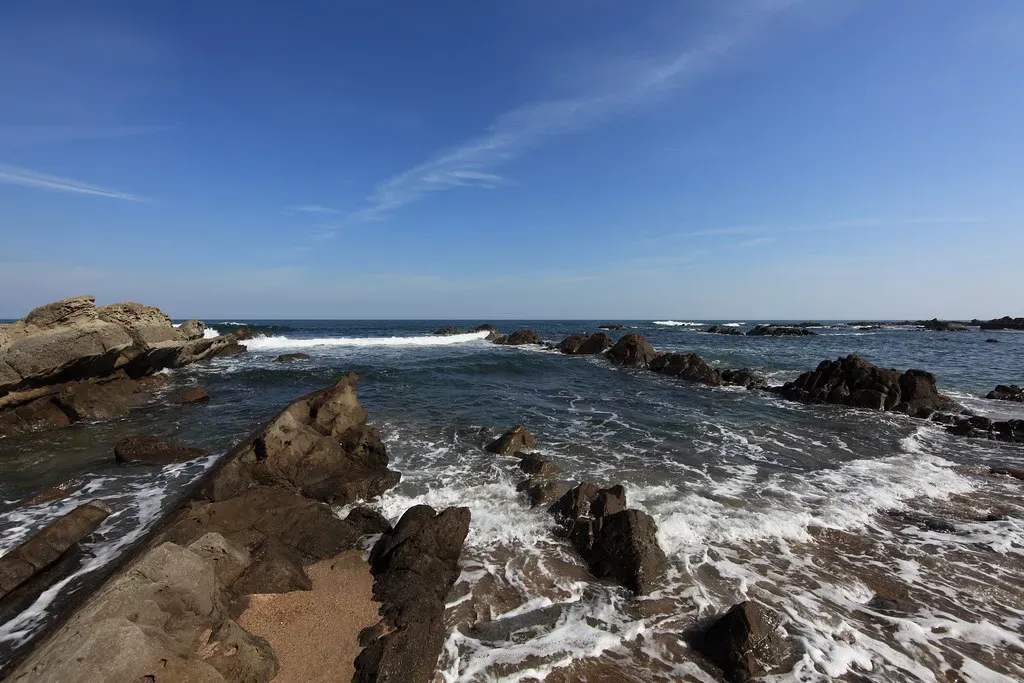
The sea level rise begun in the Jurassic Period due to rapid plate movements continued into the Cretaceous. Ocean basin volumes diminished and the seas reached their highest levels during the Cretaceous Period, resulting in vast shallow continental seas. These inland seas were not just interesting geography. They transformed entire continents into patchworks of islands, wetlands, and coastal plains that supported extraordinary biodiversity.
By the beginning of the Cretaceous, the supercontinent Pangea was already rifting apart, and by the mid-Cretaceous, it had split into several smaller continents. This created large-scale geographic isolation, causing a divergence in the evolution of all land-based life. The rifting apart also generated extensive new coastlines and a corresponding increase in available near-shore habitat. The climate was generally warmer and more humid than today, probably because of very active volcanism associated with unusually high rates of seafloor spreading. The polar regions were free of continental ice sheets, with land instead covered by forest. Dinosaurs even roamed Antarctica. I find that last fact almost impossible to believe, but there it is.
The Deccan Traps: Geology’s Warning Shot Before the Final Blow
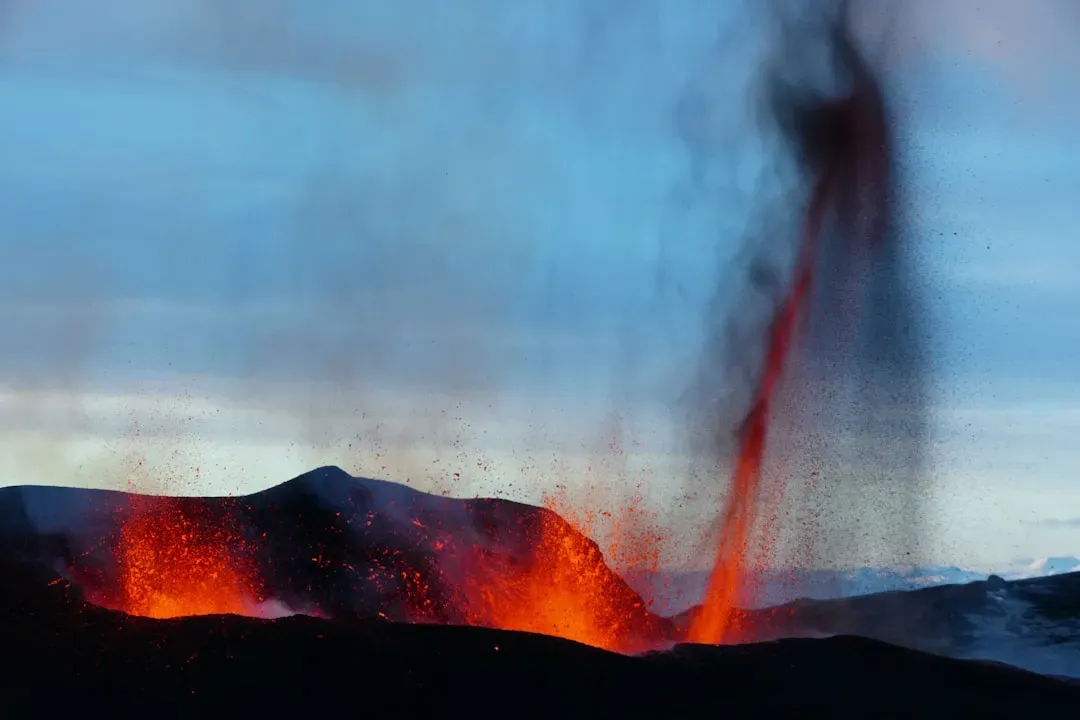
Most people think the dinosaurs were wiped out in a single dramatic instant by an asteroid. The true story is messier, and in many ways far more interesting. Climate change caused by volcanic eruptions may have played a role in massive die-offs for the dinosaurs long before a comet or asteroid impact sealed their fate. The planet was already reeling. The Deccan Traps had been erupting for roughly 300,000 years before the Chicxulub asteroid, and during their nearly one million years of eruptions, the Traps are estimated to have pumped up to 10.4 trillion tons of carbon dioxide and 9.3 trillion tons of sulfur into the atmosphere.
Sulfurous gases can cool the atmosphere in the short term, while carbon dioxide warms it in the long term. When volcanoes release enormous volumes of both, these can lead to climate swings between warm and cold periods that make it really hard for life on Earth. There was long-standing evidence that Earth’s climate was changing before the asteroid hit. Some 400,000 years before the impact, the planet gradually warmed by some 5 degrees Celsius, only to plunge in temperature right before the mass extinction. The geological pressure was already building long before the rock fell from the sky. It’s hard to say for sure what the final tipping point really was, but the Earth was clearly already in serious trouble.
The Final Geological Reckoning: Asteroid, Impact, and the End of an Era
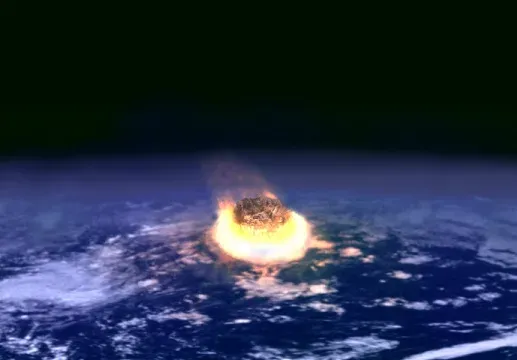
Sixty-six million years ago, an asteroid or comet about the size of Mount Everest smashed into Earth. It hit with a force equivalent to a billion nuclear bombs, and set off a global chain reaction. By the time it was over, roughly 70 percent of all species on Earth were extinct, the dinosaurs among them. The geological record at the impact boundary is shockingly clear.
Intense cold, constant darkness, wildfires, tsunamis, unbearable heat in the impact area, and eventual acid rain mangled the planet. In some climate models, average land temperatures plummeted from more than 68°F to well below zero, and precipitation declined by between 85 and nearly 95 percent. When the virtual Chicxulub impact dimmed sunlight by 15 percent or more, no habitat anywhere on Earth could support non-avian dinosaurs. The extinction of dinosaurs marked a major turning point for Earth’s ecosystems. Following their decline, mammals expanded into various niches left vacant, and this shift influenced the evolution of modern biodiversity. In a strange sense, you are here today because a rock hit the planet at exactly the right place and time.
Conclusion
The story of the dinosaurs is, at its core, a story about geology. Every great dynasty they built, every extinction they survived, every environment that shaped them, came down to the movement of rock, magma, sea, and atmosphere. They didn’t rise because they were uniquely powerful. They rose because the Earth gave them an opening, again and again, through catastrophe and change.
It’s humbling, really. The most dominant land creatures in the history of this planet were not ultimately in control of their own fate. The ground was. The sky was. The volcanoes were. The Jurassic breakup demonstrated the profound influence that geological processes can have on biological evolution. The dinosaurs’ response to continental drift shows how life adapts to changing planetary conditions, providing insights that remain relevant for understanding evolution in our modern world of rapid environmental change.
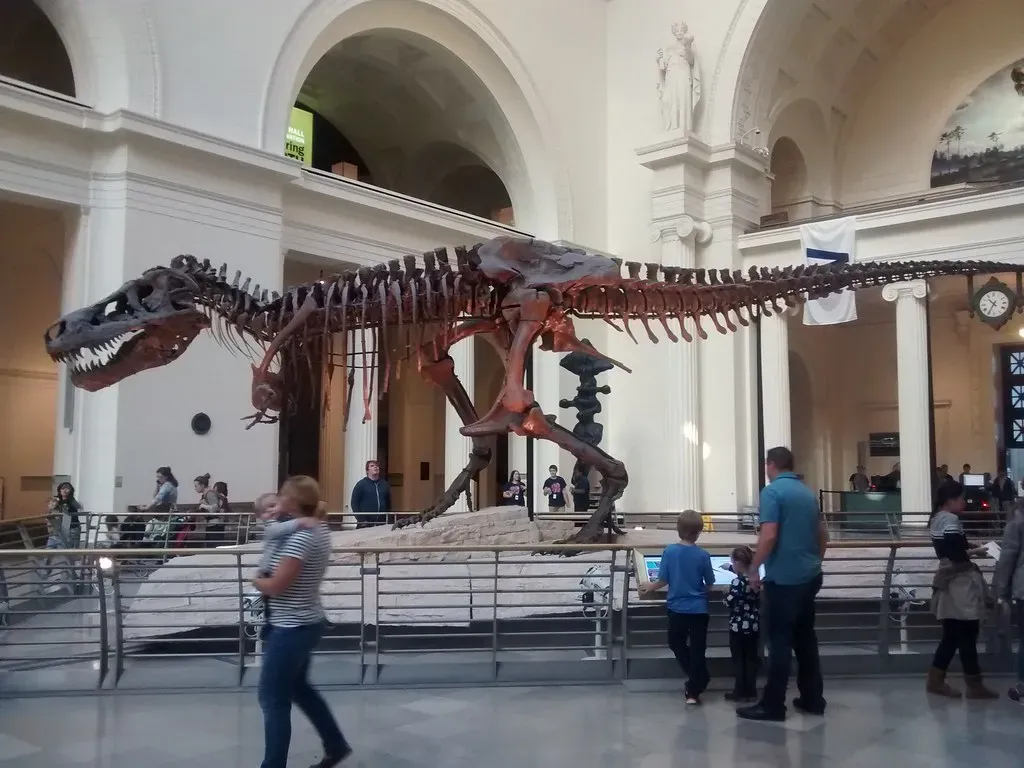
The next time you stand in front of a towering T. rex skeleton in a museum, look past the teeth and the bone. What you’re really looking at is the product of hundreds of millions of years of geological upheaval. Does that change the way you think about how fragile the grip of any species on this planet truly is?