When most people picture the fiercest creatures to ever walk, swim, or stalk across this planet, dinosaurs tend to steal the spotlight. T. rex. Velociraptor. Spinosaurus. They’ve been burned into our imaginations by movies, museums, and childhood fascination. But here’s what the movies rarely tell you: dinosaurs were far from the only powerhouses this planet ever produced.
Long before the Jurassic era made its famous stars, and even running alongside early dinosaurs during the Triassic, there were predators so spectacular and so terrifying that they genuinely held dominance over their worlds. When most people think of prehistoric terror, dinosaurs usually steal the spotlight. Yet long before, and even alongside, the likes of T. rex and Velociraptor, Earth was home to other creatures that were every bit as fierce, and in some cases, even more unsettling. You might be surprised by just how long the line of prehistoric apex predators stretches. Let’s dive in.
Dunkleosteus: The Armored Guillotine of the Devonian Seas
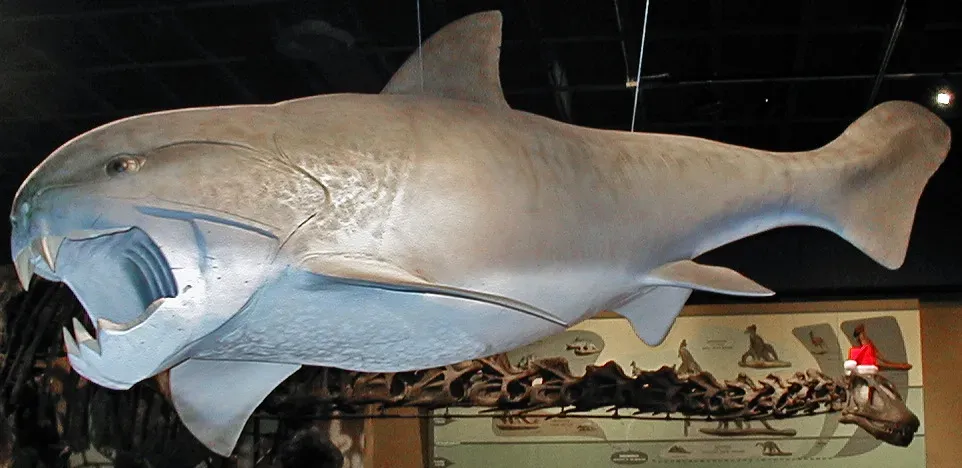
Forget sharks for a moment. Way before the great white ever existed, the oceans were ruled by something far stranger and arguably more horrifying. Dunkleosteus belonged to a group of ancient, armoured fish known as the placoderms. These fish lived during the Silurian and the Devonian periods, between 440 and 359 million years ago, and were amongst the first fish to possess jaws. That’s hundreds of millions of years before dinosaurs ever set a foot on land.
Dunkleosteus lacked proper teeth. Instead, it had two pairs of long, bony blades that protruded from its upper and lower jaws, creating a cutting apparatus that crudely resembled a guillotine. Researchers have estimated that it was capable of opening its jaws in just 20 milliseconds, thanks to some specially designed joints working in tandem with several powerful muscles. This is lightning fast; fast enough, in fact, to create a small vacuum just in front of its mouth, which may have helped Dunkleosteus suck prey in before biting down through whatever its poor prey had to defend itself. Honestly, that’s the kind of biology that makes modern predators look almost tame by comparison.
Dimetrodon: The Sail-Backed Predator That Was Closer to You Than to Any Dinosaur
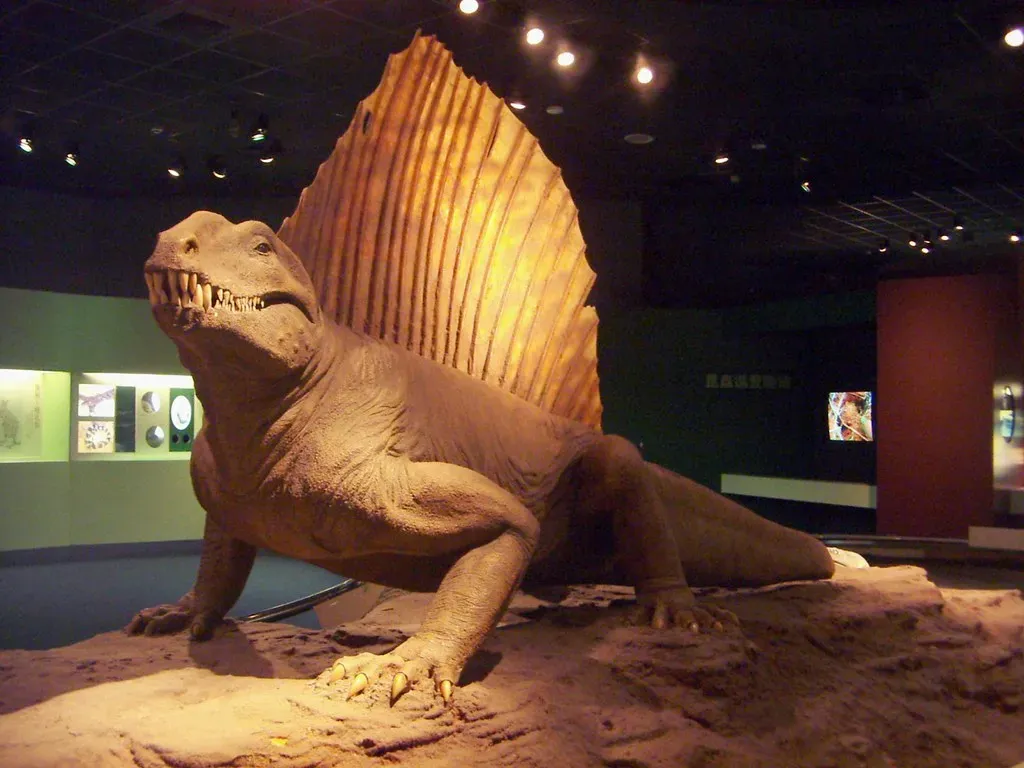
Here’s a fun fact that tends to blow people’s minds at dinner parties. Dimetrodon is often mistaken for a dinosaur or portrayed as a contemporary of dinosaurs in popular culture, but it became extinct by the middle Permian, some 40 million years before the appearance of dinosaurs. It’s one of the most persistent cases of mistaken identity in all of natural history. What makes it even stranger is who Dimetrodon actually was related to. Although reptile-like in appearance and physiology, Dimetrodon is much more closely related to mammals, as it belongs to the closest sister family to therapsids, the latter of which contains the direct ancestor of mammals.
Recognized for its distinctive sail-like dorsal fin, which extends from the base of its skull to its tail, Dimetrodon was a carnivorous quadruped that could grow up to 3 meters long. Aside from the potential advantage of controlled thermoregulation, Dimetrodon had two different kinds of teeth. These consisted of teeth designed for grabbing prey, and teeth designed for shearing flesh. If Dimetrodon flushed blood into its sail to raise its body temperature, it would have had a significant advantage over its prey, which would have still been too slow and sluggish to escape. That’s not just a predator. That’s a predator with a built-in biological edge over everything around it.
Inostrancevia: The Tiger-Sized Saber-Toothed Terror of the Permian
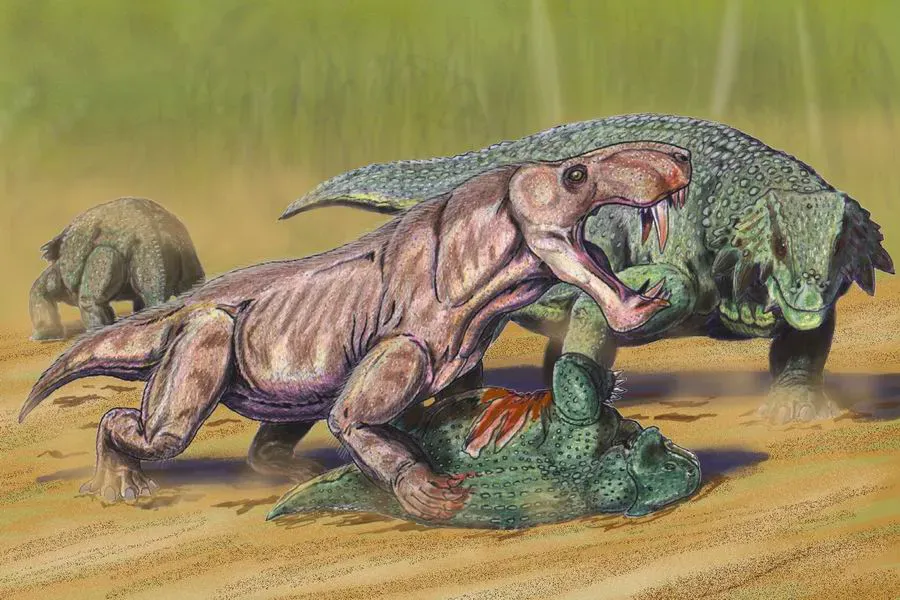
If you think saber teeth were invented by Smilodon or other Ice Age cats, think again. Gorgonopsians were the first group of predatory animals to develop saber teeth, long before true mammals and dinosaurs evolved. The most famous of these was Inostrancevia, and it was genuinely something to behold. Possessing a skull measuring approximately 40 to 60 cm long depending on the species, all for a body length reaching 3 to 3.5 meters, Inostrancevia is the largest known gorgonopsian. Think of it as the ultimate predator blueprint, refined millions of years before evolution handed the job to dinosaurs.
Inostrancevia was a tiger-sized, saber-toothed gorgonopsian that lived on the supercontinent Pangea during the Permian period, approximately 252 million years ago. A fossil discovery in South Africa suggests that Inostrancevia migrated roughly 11,300 km across Pangea, filling a gap in a faraway ecosystem that had lost its top predators, before going extinct itself. Research has shown that the shift in which groups of animals occupied apex predator roles occurred four times over less than two million years around the Permian-Triassic mass extinction, which is unprecedented in the history of life on land. Inostrancevia was right at the center of that chaos.
Postosuchus: The Crocodile Cousin That Ruled Before Dinosaurs Could Get Going
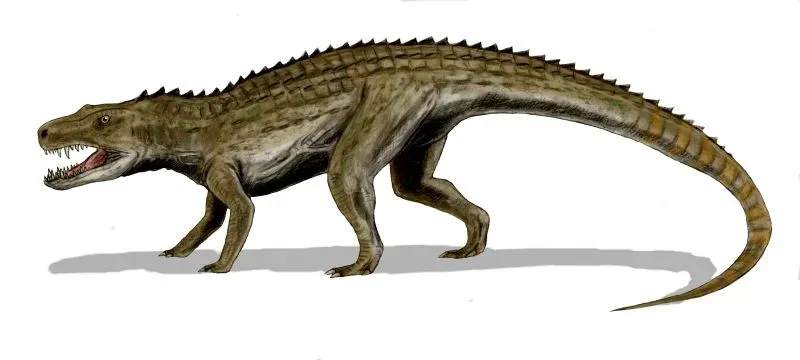
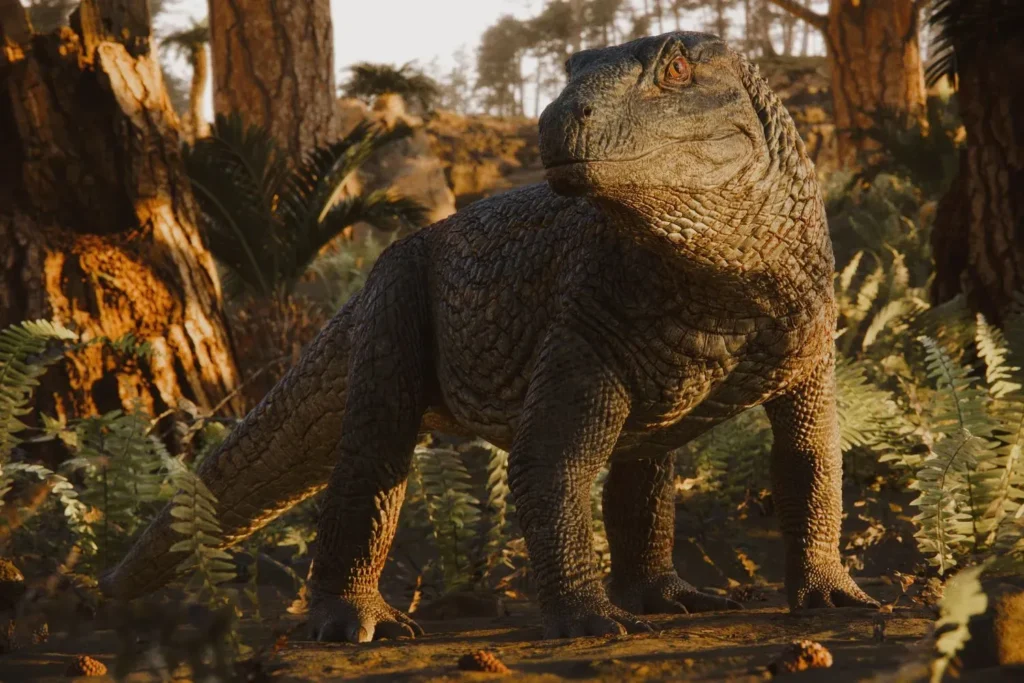
Let’s be real, the Triassic period gets seriously underappreciated. It was actually a wild era of ecological competition, and one of the most fearsome creatures of that time had nothing to do with the dinosaur lineage. Postosuchus stands out as one of the fascinating reptiles which roamed North America during the Late Triassic period. Geared with a robust build and formidable size, this archosaur was not a dinosaur but rather a relative of modern crocodilians, showcasing the diverse evolutionary paths within the group.
Postosuchus lived during the Late Triassic period, a time when dinosaurs were starting to emerge but were not yet the dominant terrestrial vertebrates. It likely consumed smaller reptiles and possibly even early dinosaurs that shared its environment. As an apex predator, Postosuchus employed powerful jaw muscles and sharp teeth, suggesting it was well-adapted to subduing prey. Its strong limbs and clawed toes indicate it could have used both speed and power in hunting, overcoming even armored prey. Imagine being an early dinosaur and having to dodge something like this on a daily basis. Not exactly the golden age of dinosaur supremacy quite yet.
Tainrakuasuchus: The Newly Discovered Predator That Filled Every Gap
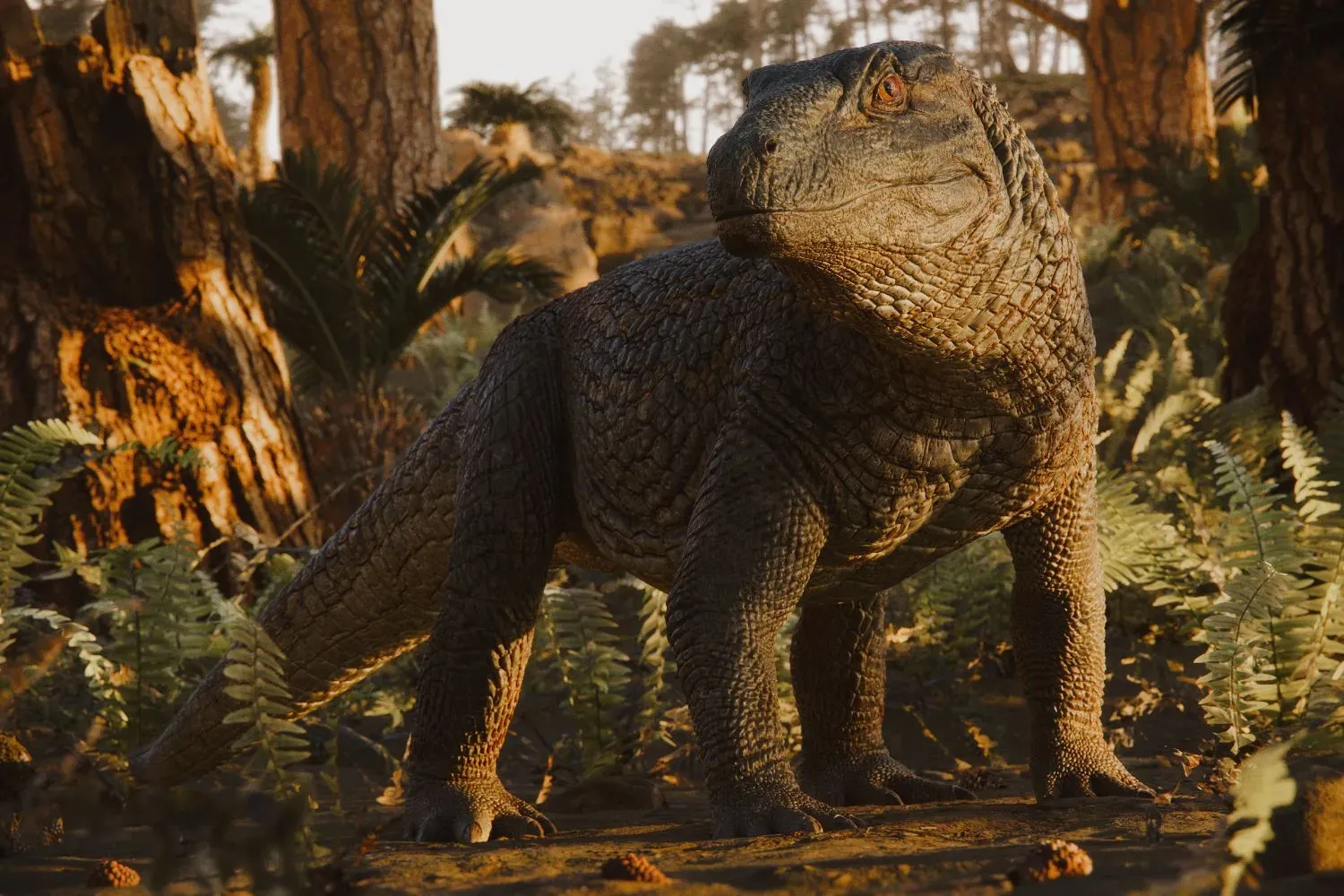
This one is fresh off the fossil record, and I think it perfectly illustrates just how much we still have to learn. This agile carnivore lived 240 million years ago during the Middle Triassic, a pivotal moment when Earth’s ecosystems were recovering from the end-Permian mass extinction and the earliest dinosaurs had only just begun to emerge. Its discovery, described in the Journal of Systematic Palaeontology, shook up what scientists thought they knew about pre-dinosaur diversity. The Middle Triassic was the stage on which the earliest dinosaurs began to emerge, but they were far from being the dominant animals. Pseudosuchians, including species like Tainrakuasuchus, were diverse, successful, and ecologically important.
At about 7.9 feet long and roughly 132 lbs, Tainrakuasuchus bellator would have been an imposing predator in its ecosystem. Yet it was far from the apex. It shared its environment with predators over 20 feet long, animals that would have towered over this newly discovered species. Uncovered in southern Brazil, the fossils of Tainrakuasuchus bellator offer a glimpse into a world of complex ecosystems filled with fierce reptiles. This discovery adds an important piece to the puzzle of pre-dinosaur life, revealing not just a new species, but also shedding light on the diverse ecological roles these reptiles played in their environment. It’s a reminder that every time we think the story is complete, the ground gives up something new.
The Gorgonopsians as a Group: The Saber-Toothed Dynasty That Pre-Dated Everything
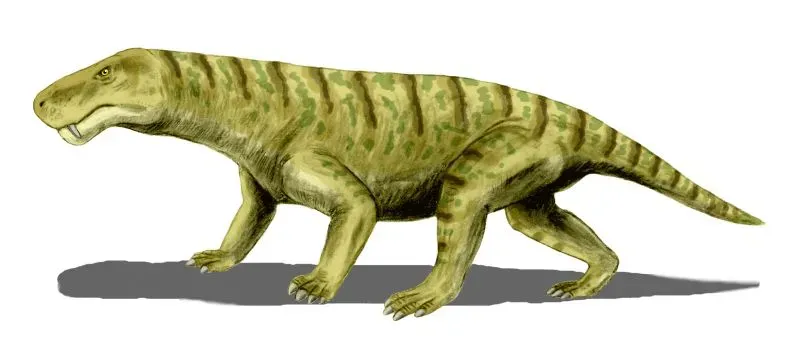
It’s hard to single out just one species from the gorgonopsian family without doing the broader group a disservice. These animals were, taken as a whole, one of the most successful predatory dynasties the planet has ever seen. Gorgonopsia is an extinct clade of saber-toothed therapsids from the Middle to the Upper Permian, roughly between 270 and 252 million years ago. They are characterised by a long and narrow skull, as well as elongated upper and sometimes lower canine teeth and incisors which were likely used as slashing and stabbing weapons. Think of them as the blueprint for every terrifying mammalian predator that came afterward, written in Permian stone.
For hunting large prey, they possibly used a bite-and-retreat tactic, ambushing and taking a debilitating bite out of the target, and following it at a safe distance before its injuries exhausted it, whereupon the gorgonopsian would grapple the animal and deliver a killing bite. They would have had an exorbitant gape, possibly in excess of 90 degrees, without having to unhinge the jaw. The large predatory niches these animals held would ultimately be taken over by the archosaurs, namely crocodilians and dinosaurs, in the Mesozoic. Their extinction wasn’t a sign of failure. It was simply the brutal handover of dominance from one extraordinary dynasty to the next.
Conclusion: The Throne Was Always Being Contested
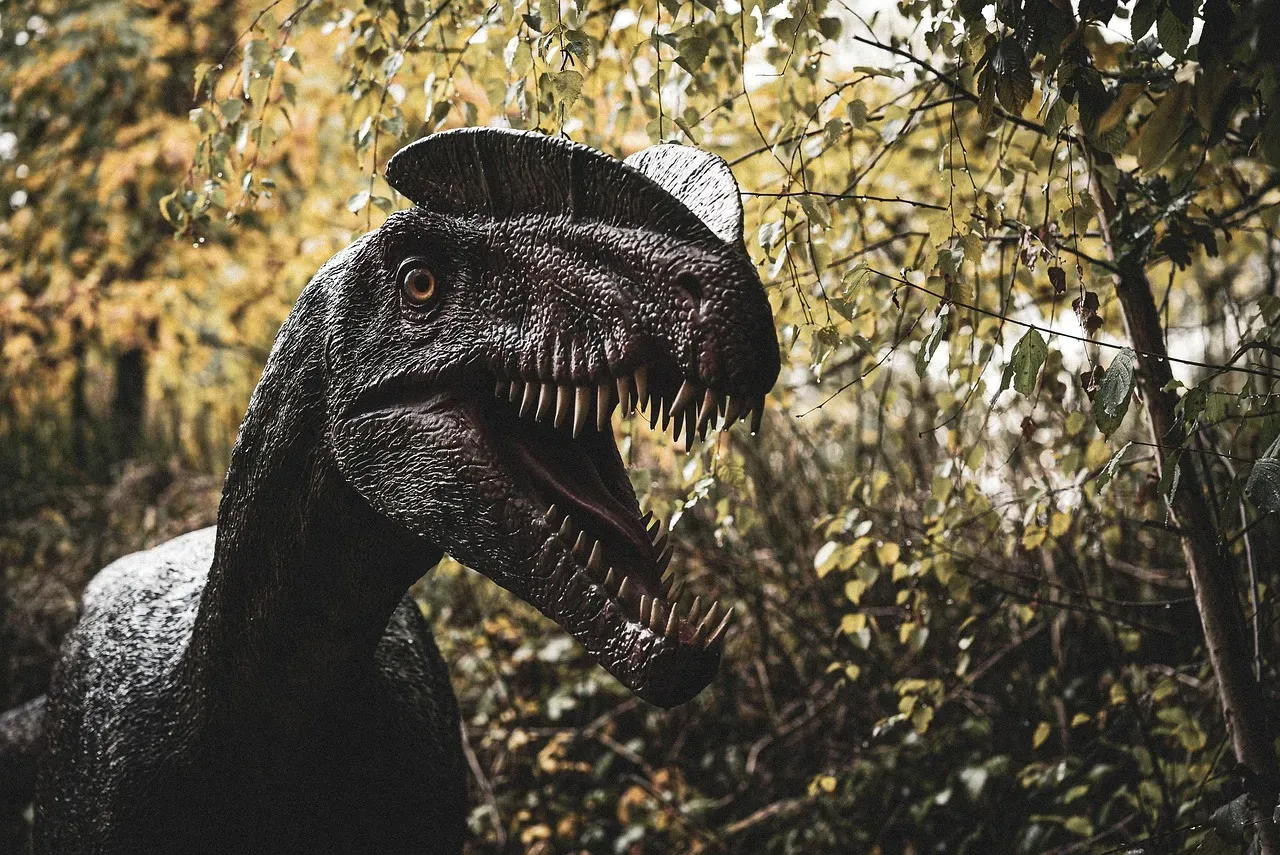
What strikes me most about all of these creatures is this: dominance in the natural world has never been a permanent trophy. Every one of these animals held the title of apex predator in its era, and every one of them eventually gave way to something else. Dinosaurs didn’t inherit an empty planet. They took a world already shaped, sculpted, and tested by hundreds of millions of years of fierce, spectacular life.
The story of prehistoric dominance is not the story of dinosaurs alone. It’s a far longer, stranger, and more surprising saga that stretches back to armored fish slicing through Devonian seas and sail-backed synapsids warming themselves in Permian sunlight. The next time you find yourself marveling at T. rex, spare a thought for everything that came before it and fought just as hard for its place at the top. After all, which of these ancient predators surprised you most?