
Pelalawan, Indonesia – Forestry officials relocated hundreds of families from the heavily encroached Tesso Nilo National Park in Sumatra, framing the effort as a replicable strategy to safeguard Asia’s dwindling tropical woodlands.
A Park on the Brink
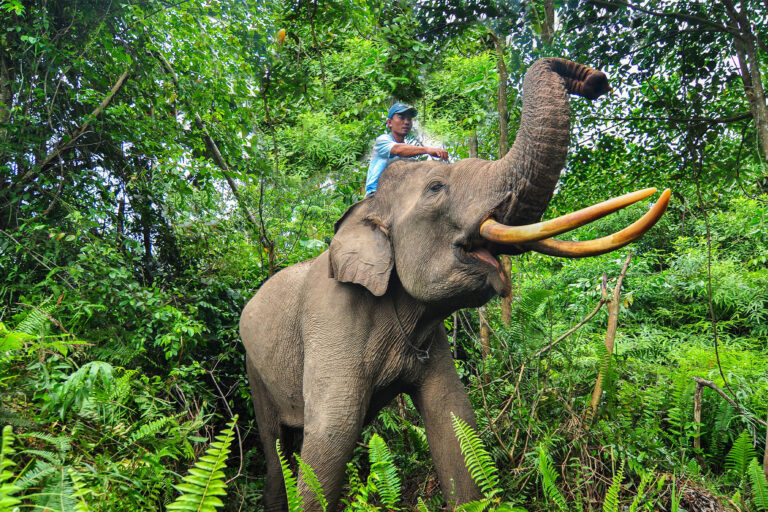
A Park on the Brink (Image Credits: Imgs.mongabay.com)
Established in 2004 and expanded to nearly 82,000 hectares by 2009, Tesso Nilo National Park once stood as a vital refuge for Sumatra’s iconic wildlife. Yet satellite data revealed that 78% of its old-growth forest vanished between 2009 and late 2023, largely cleared for smallholder palm oil plantations.
Migrants from other provinces settled inside the boundaries, building homes, schools, and mosques without legal titles. This encroachment displaced species like the critically endangered Sumatran elephant and tiger, while exacerbating floods and wildfires. Surveys estimated between 2,279 and 6,000 families living there, turning protected land into agricultural plots.
The Relocation Takes Shape
In late 2025, a national task force led by the military launched the operation, starting with clearances of illegal plantations in June. The first phase unfolded on December 20, when 227 families from a 6,330-hectare palm oil area in villages like Bagan Limau handed over their plots to the state.
Residents moved to nearby former industrial forestry concessions reclassified as social forestry zones. The government issued community forestry decrees to three farmer groups and pledged agrarian reform land certificates, ensuring continued livelihoods outside the park. Forestry Minister Raja Juli Antoni oversaw a symbolic palm tree felling, emphasizing ecosystem recovery for elephants, tapirs, and deer.
Balancing Rights and Wildlife
The program prioritized dialogue over force, with task force head Dody Triwinarto stressing persuasion and humanism. Officials allocated 74,000 tree seedlings – including mahogany, rain trees, and sengon – for replanting across the park.
Still, challenges persisted. Human rights groups raised alarms over long-term residents lacking initial compensation, prompting extensions to relocation deadlines. Protests erupted in Pekanbaru, and low-level violence targeted park staff, necessitating military reinforcements. Critics from NGOs like Walhi urged building infrastructure on new lands before full moves to guarantee sustainable futures.
- Over 200 families from Bagan Limau agreed first, citing commitment to forest restoration.
- Elephant conflicts surged from 13 cases in 2017 to 58 in 2024.
- No legal titles existed for encroachers, classifying them as squatters.
- Restoration targets 31,000 hectares, symbolized by calf Domang’s habitat protection.
Vision for a Broader Blueprint
Minister Antoni declared the initiative a model: “This activity will serve as a model for other locations in restoring national parks.”[1] President Prabowo mandated full recovery, with the task force targeting illegal activities nationwide.
Supporters view it as a win-win: reclaiming habitat while providing legal farmland. Yet success hinges on oversight from human rights monitors and parliamentary reviews. As Tesso Nilo rebounds, it could guide efforts in Indonesia’s 57 other parks amid palm oil pressures.
Key Takeaways
- Hundreds relocated voluntarily to social forestry lands with certificates pending.
- Park lost 78% old-growth; restoration includes mass tree planting.
- Balances conservation for tigers and elephants with community economic security.
This high-stakes experiment tests whether dialogue can heal fractured ecosystems. What do you think about this approach to conservation? Tell us in the comments.