
Researchers have issued a stark warning about geoengineering techniques aimed at combating climate change, highlighting potential disruptions to vital marine habitats and food webs.
Climate Fixes That Could Backfire on Sea Life
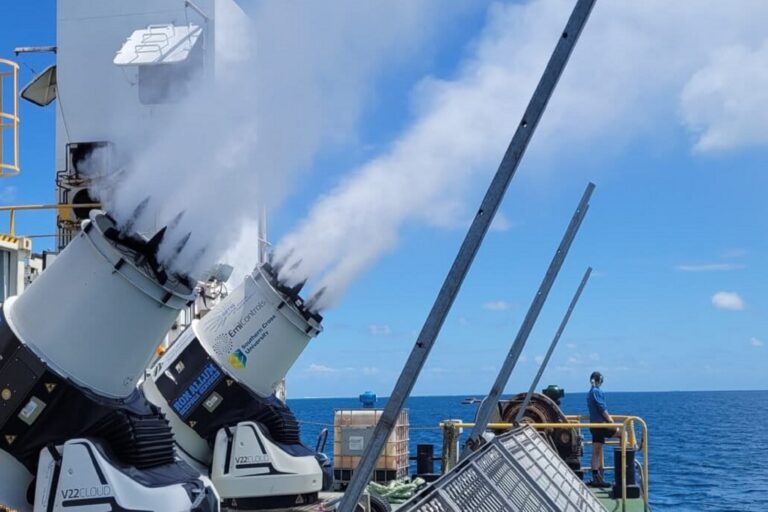
Climate Fixes That Could Backfire on Sea Life (Image Credits: Imgs.mongabay.com)
A comprehensive review published in Reviews of Geophysics examined eight geoengineering interventions likely to affect ocean environments directly. Lead author Kelsey Roberts, a research associate at the University of Massachusetts Dartmouth, emphasized the stakes for global food security. “If we implement some of these insane science fiction-sounding technologies, what would happen to the fish? What would happen to the megafauna?” she asked.
The study categorized methods into marine carbon dioxide removal (mCDR) and solar radiation modification (SRM). Biological mCDR approaches, such as iron fertilization to spur microalgae growth, raised alarms over toxic algal blooms and hypoxic zones. Artificial upwelling and macroalgae cultivation similarly threatened nutrient imbalances and oxygen depletion, potentially harming fisheries worldwide.
Dissecting the Eight Interventions
Stratospheric aerosol injection and marine cloud brightening, both SRM tactics, promised cooling but delivered uneven climate shifts. These changes could alter precipitation, ocean circulation, and primary production without easing acidification. Tyler Rohr, a lecturer at the University of Tasmania and co-author, noted the ocean’s complexity: “The ocean is a bit more complicated [and] interconnected.”
Other methods included sinking terrestrial biomass, which risked low-oxygen zones, and electrochemical ocean alkalinity enhancement, deemed lower risk due to minimal pH disruptions. The review detailed these in a structured assessment:
- Microalgae fertilization: Food web shifts, toxin risks.
- Artificial upwelling: Uncertain carbon storage, ecosystem alterations.
- Macroalgae cultivation: Sunlight blockage, benthic smothering.
- Terrestrial biomass storage: Nutrient changes, deep-sea sensitivity.
- Anoxic basin storage: Lower risk, potential sulfide toxicity.
- Electrochemical alkalinity: Energy-intensive, low biological impact.
- Stratospheric aerosol injection: Global climate disruptions.
- Marine cloud brightening: Regional productivity changes.
Persistent Uncertainties Demand Caution
Current models fell short, lacking resolution for food web dynamics and higher trophic levels. Field tests remained limited, fueling debates over scaling. Chris Vivian, an expert commenter, stressed: “We need to know a lot more, particularly if we’re going to do anything at a big scale that may affect large areas of the ocean.”
Commercial pressures loomed as emissions cuts lagged. Rohr warned of rushed deployment: “What I’m the most fearful of is [that] we fail to reduce emissions… and then all of a sudden, governments are pressed to do some sort of climate intervention at scale without having done the research.”
| Method Type | Risk Level | Main Concern |
|---|---|---|
| Biological mCDR | High | Food web disruption |
| Electrochemical OAE | Low | Acid disposal |
| SRM | High | Climate shifts |
Path Forward for Safer Interventions
Authors urged refined models, incremental field trials, and robust governance. Prioritizing low-risk paths like electrochemical alkalinity could balance benefits against harms. Emissions reductions remained paramount; geoengineering offered no substitute.
Key Takeaways
- Electrochemical ocean alkalinity and anoxic biomass storage pose fewer direct threats to marine life.
- SRM methods risk profound, uneven climate alterations without fixing acidification.
- Urgent need for better models and oversight to protect fisheries and biodiversity.
Marine ecosystems underpin global stability, yet geoengineering introduces trade-offs that demand rigorous scrutiny. True resilience lies in slashing fossil fuels first. What do you think about these ocean interventions? Tell us in the comments.