
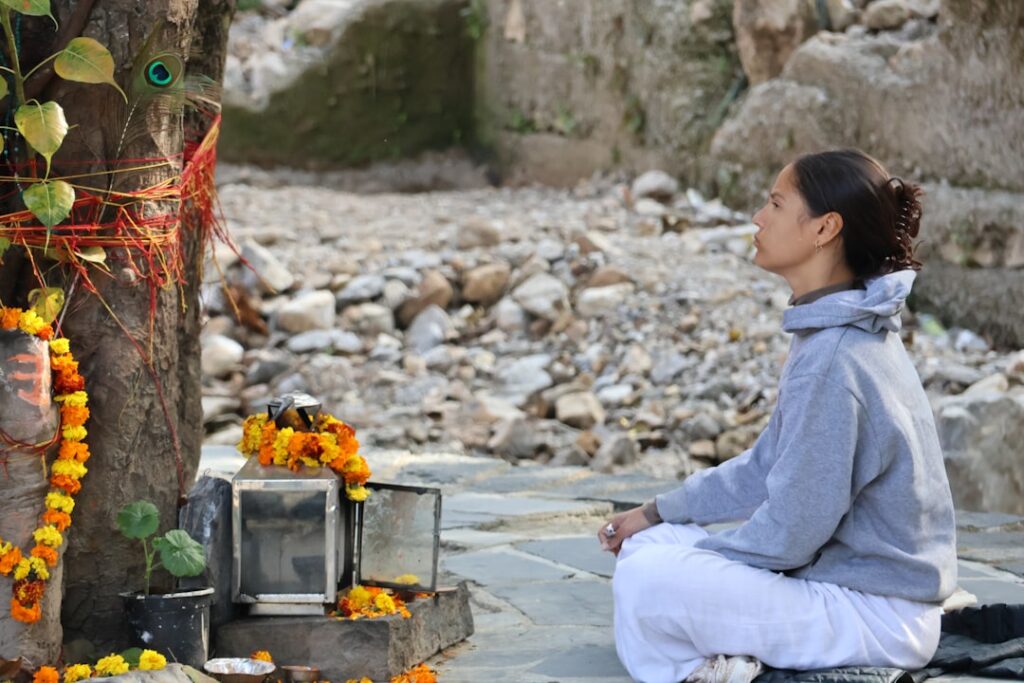
Ancient yogic traditions positioned yoga as a disciplined science for engaging subtle natural energies to achieve profound control over mind, body, and consciousness.
Unlocking Feats Beyond Ordinary Limits
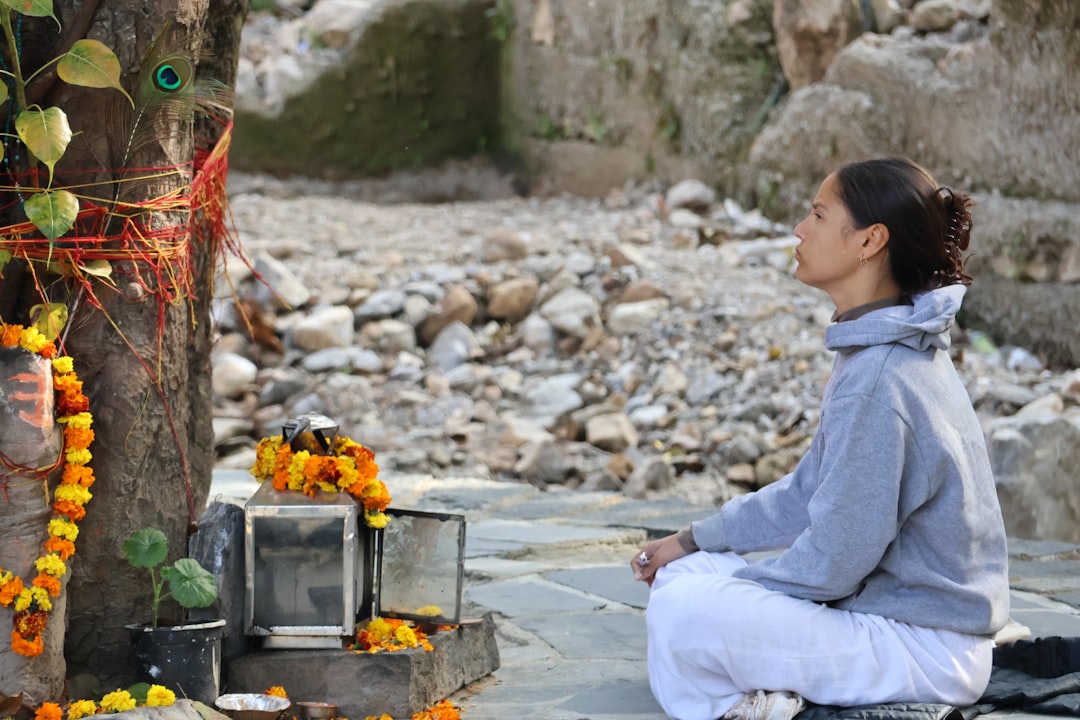
Unlocking Feats Beyond Ordinary Limits (Image Credits: Unsplash)
Mastery in yoga reveals abilities that defy material science, such as walking across fire or balancing effortlessly in mid-air. Practitioners attained these through years of dedicated techniques like pranayama and mental discipline. Traditions like Gorakhpanth viewed such accomplishments as natural extensions of human potential rather than supernatural events. Advanced yogis also gained insights into future occurrences by heightening inner awareness. These powers emerged from sustained practice, not fleeting efforts. Foreign observers often marveled at demonstrations of extreme endurance.
Ancient sages systematically explored these latent human capacities, laying the groundwork for yoga as an empirical path. Modern scholars echoed this in works examining dormant brain functions awakened by yogic methods.
Foundations in Timeless Texts and Sages
The Shrimad Bhagavad Gita described Lord Krishna as the supreme yogi, highlighting a state where the enlightened remain awake to eternal truths amid worldly illusions. Verses emphasized detachment and selfless action central to Sankhya Yoga. Guru Gorakhnath’s teachings interpreted yoga as a structured discipline for inner transformation. Practitioners in regions like South India’s Nilgiri Hills upheld these lineages through rigorous sadhana. Classical texts such as Patanjali Yoga Darshan and Hatha Yoga Pradeepika offered precise guidance on refining the subtle body.
Success demanded sincere commitment and regular effort, fostering intellectual growth and self-knowledge. Yogis cultivated an inner witness to discern thoughts and intentions clearly.
Observed Marvels and Real-World Encounters
English traveler Harry Ralph documented an elderly yogi who consumed vast amounts of water in trance without physical alteration and levitated using a mere stick for symbolic aid. Investigators found no deception, attributing the display to unbreakable willpower. Encounters in Uttarakhand revealed yogis prioritizing inner joy over public spectacles. These individuals focused on personal evolution, rarely exhibiting powers outwardly. Visitors from abroad frequently expressed astonishment at such controlled states.
- Trance-induced resilience to extreme elements
- Effortless physical suspension
- Heightened perceptual clarity
- Refined subtle body awareness
- Detachment from sensory distractions
Healing Powers and Holistic Transformation
Yoga addressed incurable ailments and mental disturbances with remarkable speed, boosting vitality, strength, and longevity. It promoted emotional equilibrium and mental sharpness far beyond routine fitness. Practitioners experienced comprehensive well-being, aiding both individual and communal health. Disciplined purification unlocked dormant potential, leading to self-realization.
The path freed individuals from ignorance and suffering, elevating daily life through balance and awareness.
Key Takeaways
- Yoga functions as a spiritual science requiring long-term discipline to awaken inner powers.
- Ancient texts and traditions provide systematic methods for subtle energy mastery.
- Benefits extend to healing, heightened awareness, and profound personal growth.
Yoga stands as a timeless science for inner awakening, offering transformation that transcends physical limits and fosters lasting welfare. Explore its depths through consistent practice and discover your own potential. What experiences have you had with yoga’s deeper aspects? Share in the comments.