When you think of dinosaurs, your mind probably jumps straight to sharp teeth, thundering footsteps, and dramatic extinction events. But here’s the thing – these magnificent creatures were far more than just prehistoric spectacles. They were, in the truest sense of the word, engineers of the ancient world. Active, physical, biological architects of Earth itself.
Dominating the planet for over 160 million years, dinosaurs left an indelible mark on the world’s ecosystems. Their presence, behaviors, and eventual extinction played critical roles in shaping the biological and geological landscapes of our planet. Honestly, the scale of their influence is hard to wrap your head around. So, let’s dive deep into five of the most astounding ways you can credit these ancient giants for shaping the living world around you.
1. You Can Thank Dinosaurs for Reshaping the Very Land Beneath Your Feet
Let’s be real – when you picture a dinosaur, you don’t usually picture them as landscapers. Yet that is precisely what they were. Dinosaurs didn’t just stomp across Earth’s surface – they literally reshaped it. The dinosaur extinction event 66 million years ago didn’t just change which animals ruled the planet. It also changed how rivers flowed, how forests grew, and what kinds of rocks now lie beneath our feet. Think about that the next time you look at a riverbank.
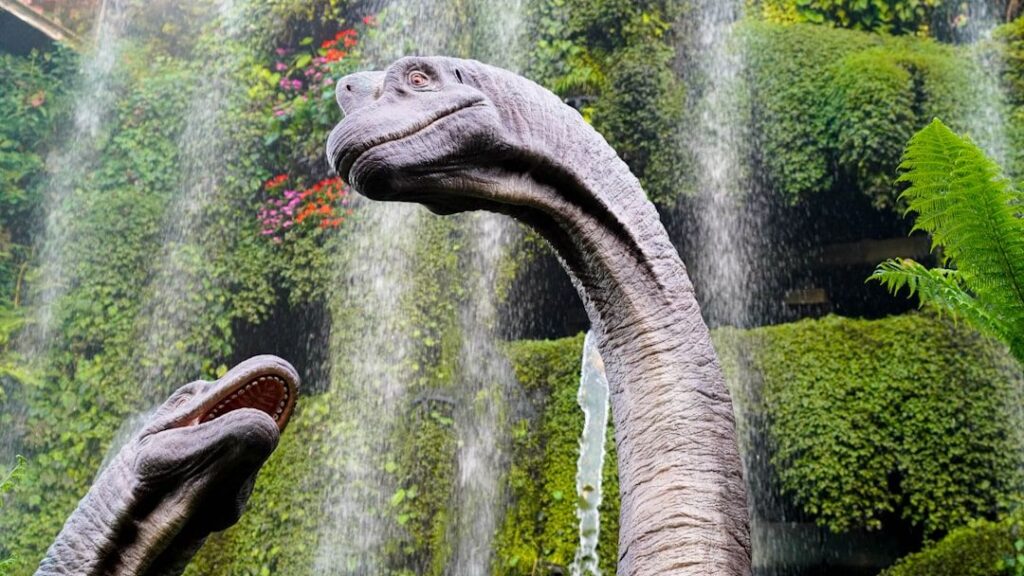
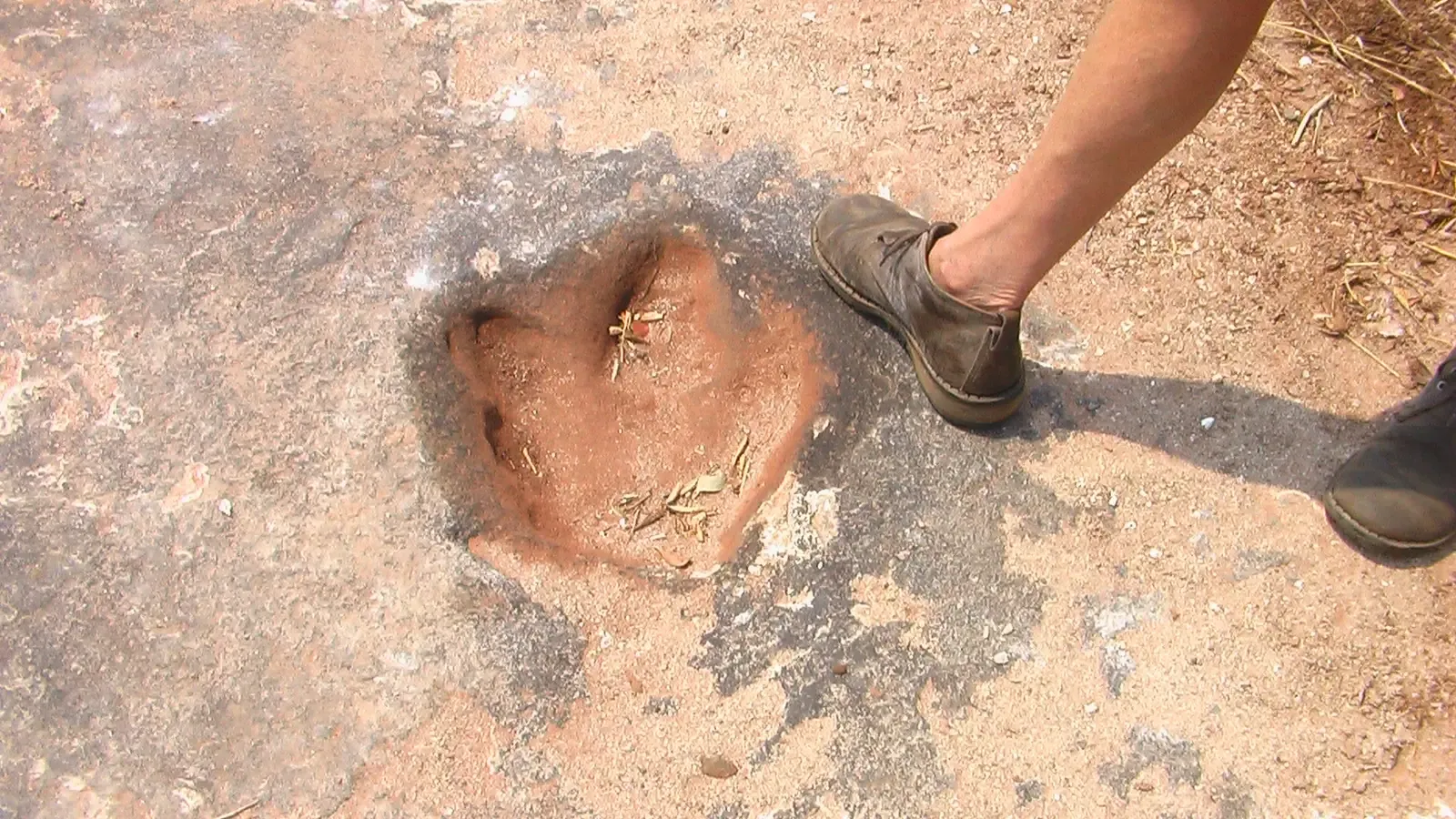
One of the best places to see the echoes of dinosaurs is in the Broome Sandstone of western Australia. Back in the Early Cretaceous, between 135 and 130 million years ago, this part of the continent’s northern coast was covered in streams, swamps and lagoons. Large sauropod dinosaurs had to take care navigating between these mucky habitats, and as they did so they unknowingly changed the landscape around them. Their sheer weight carved channels into the earth, turning flat shorelines into stomping grounds. The weight of these giants was so great that they deformed the sediment right beneath their feet. Many of these tracks appear to cluster together, a sign of big dinosaurs following the same route around the edges of lagoons, and in these places the dinosaurs made channels through the sand as they moved. In a matter of weeks to months, flat shorelines were turned into stomping grounds cut through with dinosaur-made troughs.
2. Your World’s Rivers Were Controlled by Dinosaur Behavior
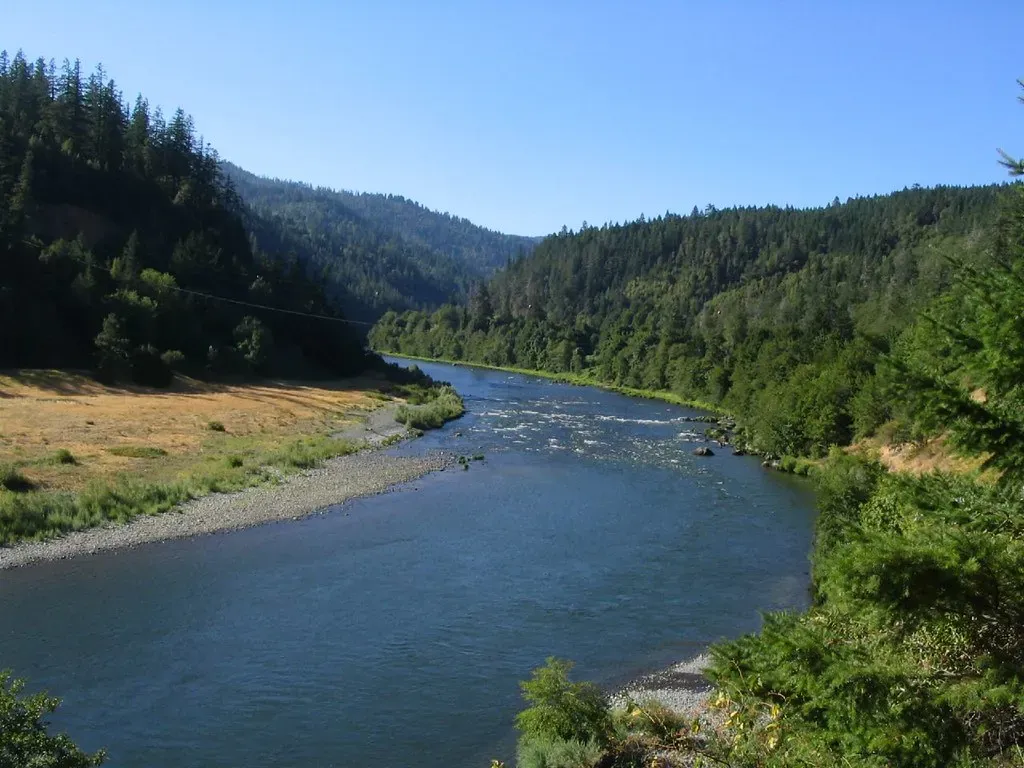
You might not think a living creature could dictate how rivers flow, but the evidence tells a completely different story. Dinosaurs had such an immense impact on Earth that their sudden extinction led to widescale changes in landscapes – including the shape of rivers – and these changes are reflected in the geologic record. Scientists have long recognized the stark difference in rock formations from just before dinosaurs went extinct to just after, but chalked it up to sea level rise, coincidence, or other abiotic reasons. Turns out, the dinosaurs themselves were the answer all along.
Once dinosaurs were extinguished, forests were allowed to flourish. This had a strong impact on rivers: the newly dense forests stabilized sediments and corralled water into rivers with broad meanders. Think of it like this – when you remove a dam from a stream, the water suddenly sprawls everywhere. Dinosaurs, by simply existing and feeding, were that dam. Before the extinction, the rocks showed signs of soggy, unstable floodplains. Soil wasn’t well-developed, and rivers wandered across the land, spilling out in many directions. But just above the line that marks the end of the dinosaurs, things change. The geological diary of Earth recorded every single one of those changes, and it makes for a stunning read.
3. Your Planet’s Ancient Food Chains Were Built Around Dinosaur Life and Death
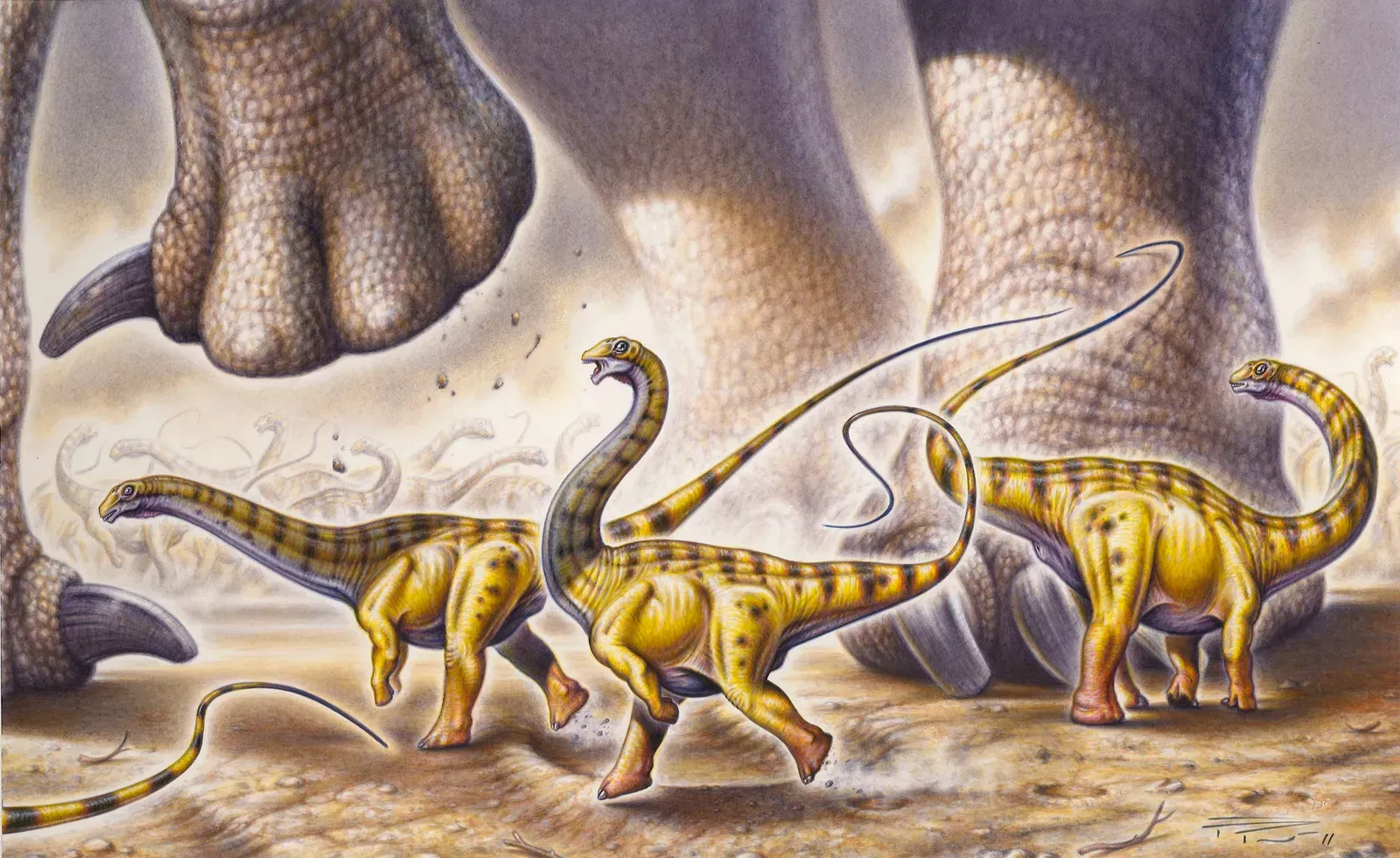
Here’s a surprising truth about prehistoric life that you probably didn’t see coming: even the babies of the largest dinosaurs powered entire ecosystems. Fossils show that baby sauropods were a primary food source for Jurassic predators. Their vulnerability helped fuel carnivores and shaped the evolution of dinosaur ecosystems. Something about the image of the largest creatures on Earth being key players in their most vulnerable stage is both haunting and fascinating.
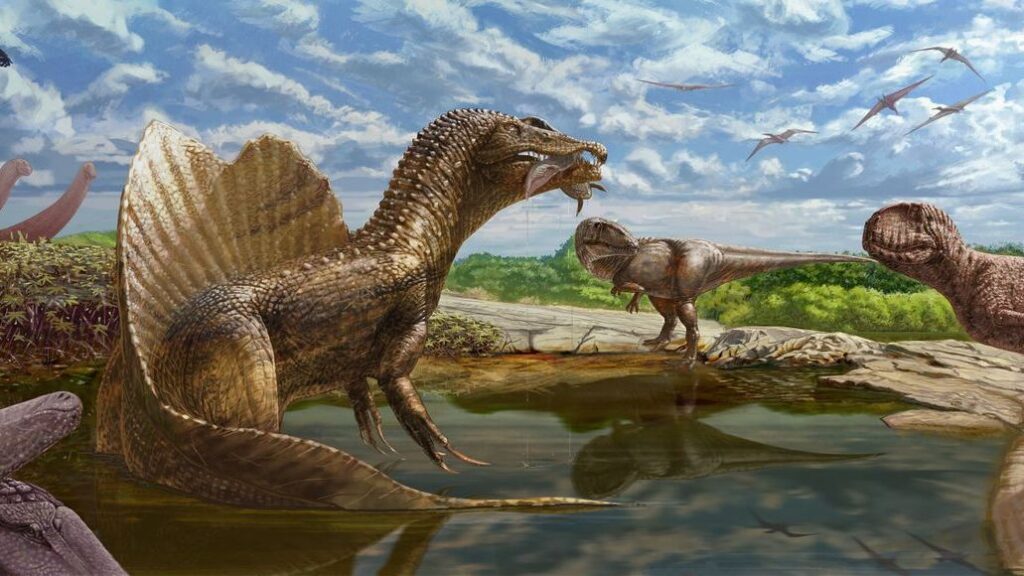
Researchers compare sauropods to the elephants of today – these dinosaurs were “keystone” species, creatures that had an outsized influence on their ecosystem. Adult sauropods towered and shook the ground with every step, yet about 70 million years later, during the time of Tyrannosaurus Rex, fewer sauropods were available as easy prey. This change may have driven the evolution of traits such as stronger bite force, larger body size, and improved vision. In other words, the food web didn’t just support dinosaur life – it actively drove their evolution into new and more terrifying forms. You can draw a direct line from the abundance of baby sauropods to the fearsome characteristics of T. rex.
4. The Plants You See Today Were Shaped by Dinosaur Eating Habits
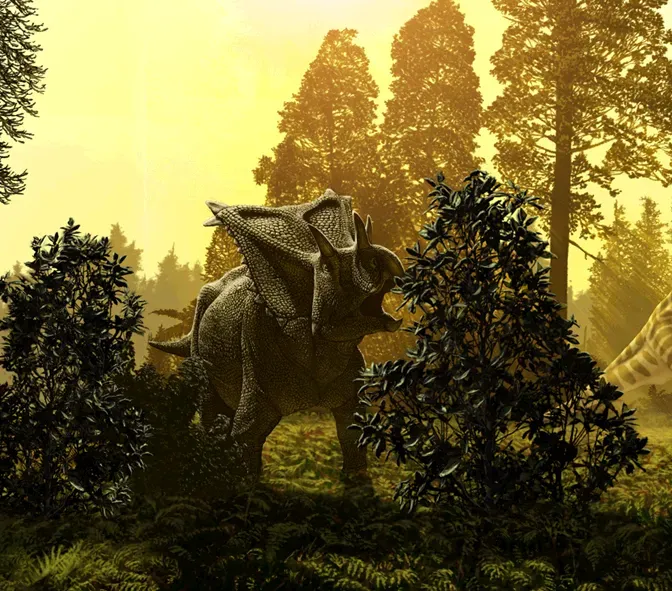
It sounds almost too wild to believe, but your garden, your local forest, even the fruit you ate this morning – all of them carry the legacy of dinosaur dining. We can’t fully understand the lives of dinosaurs without knowing something about the plants they lived alongside. Plants were food to many, many dinosaur species, and plants undoubtedly influenced the evolution of dinosaurs just as dinosaurs influenced the evolution of plants. That relationship was a constant, mutual, evolutionary arms race.
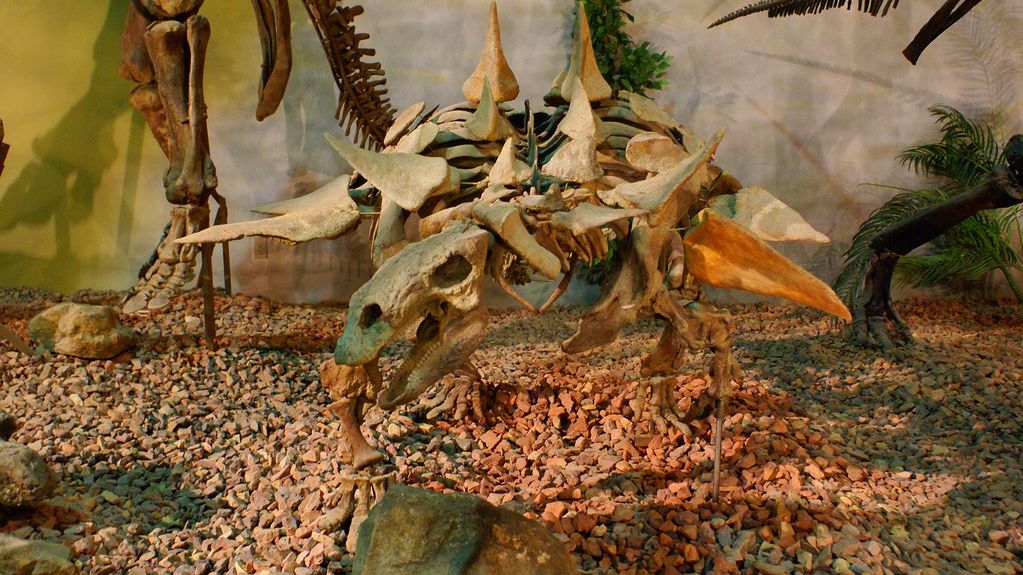
During the Jurassic and Early Cretaceous, many of the large herbivorous dinosaurs – especially the stegosaurs and sauropods – fed on plants like cycads and conifers. Given the size of these dinosaurs, they would have consumed massive amounts of plant food, and their preferences opened up opportunities for fast-growing plants that were able to quickly grow in disturbed environments. Plants, meanwhile, weren’t passive. Unlike animals, plants can’t run away or otherwise evade their attackers, and so many plants evolved defenses to discourage animals from eating them. Burning oils, toxic chemicals, thorns, microscopic spicules of silica and more – for plants, it’s war. Even herbivorous dinosaurs might have been ecosystem engineers, meaning they changed the places where they lived through their behavior. When these dinosaurs ate plant seeds, they may have passed through their guts and out in their waste, which helped to spread the seeds across the animal’s habitat as they moved around.
5. Your Modern World’s Biodiversity Was Unlocked the Moment Dinosaurs Vanished
This one might feel like a paradox. How can extinction be a gift? Yet the disappearance of non-avian dinosaurs was perhaps the single greatest driver of modern biodiversity on Earth. In place of pterosaurs, birds became the dominant animals in the skies and the extinction of the non-avian dinosaurs allowed mammals to rapidly diversify and grow. While it would still be many millions of years before ancient human relatives would appear, evidence of some of the earliest primate-like mammals comes from the Palaeogene. You are, in a very real sense, a beneficiary of that event.
A team of paleontologists found that once dinosaurs were gone, forests exploded in size. That green takeover stabilized the land, narrowed rivers, and left behind very different rock formations. It’s a ripple effect that never truly stopped. The 25 million years of large herbivore absence slowed down the evolution of new plant species. Defensive features such as spines regressed and fruit sizes increased. Even the shape and armor of plants shifted because the great dinosaurian consumers were no longer there to press them. While many species disappeared, the survivors became ancestors of many animals alive today. Through studying this ancient crisis, scientists have learned valuable lessons about how ecosystems can fall apart – and how life eventually recovers.
Conclusion: Ancient Giants, Eternal Legacy
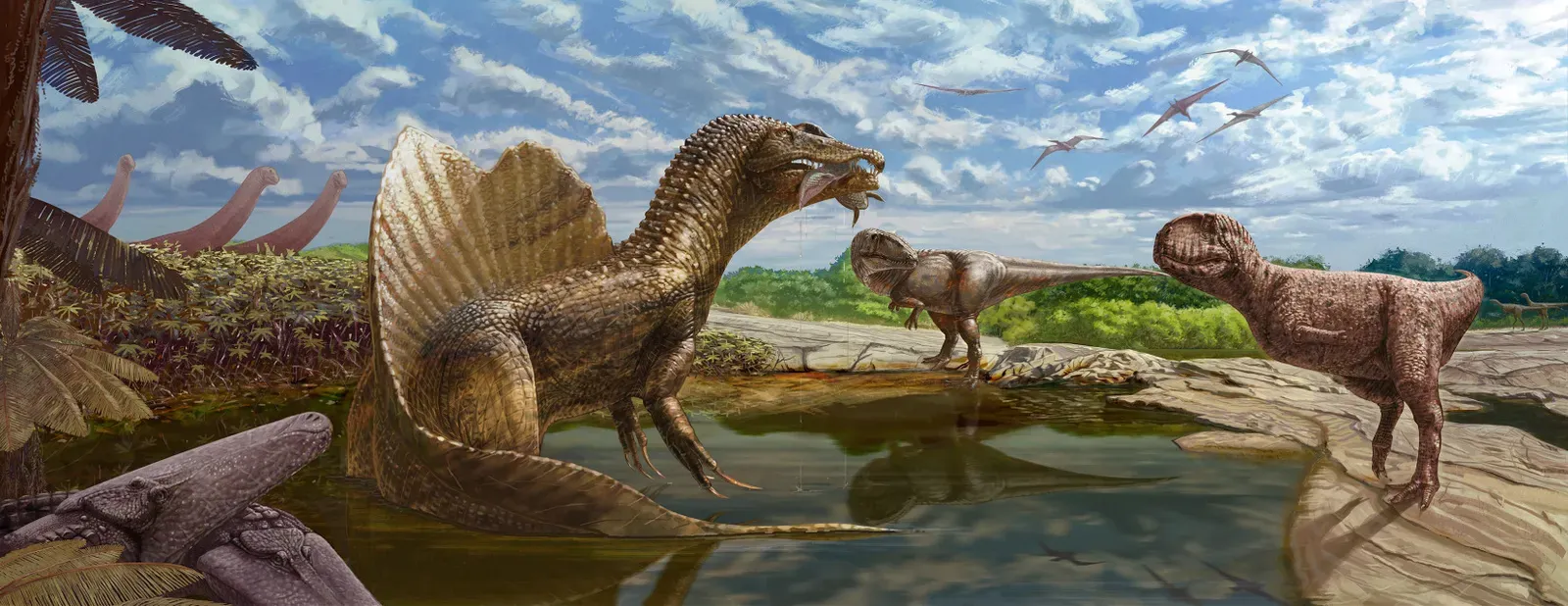
The story of dinosaurs didn’t end 66 million years ago. It echoes in every river that meanders across a floodplain, in every fruit hanging from a tree, in every bird that crosses the sky above you. These creatures were not just inhabitants of Earth – they were its co-authors.
What strikes me most, honestly, is how interconnected it all is. Remove the sauropods, and the food web collapses differently. Remove the herbivores, and plants evolve without pressure. Remove the dinosaurs entirely, and mammals never find their moment. Every thread in the ancient web was woven tightly around them.
The next time you walk through a forest or watch a hawk circling overhead, consider this: you are looking at the world dinosaurs built. They shaped the ground under your feet, the rivers in your valleys, and the very plants that feed your world. That’s a legacy no extinction could ever fully erase. What part of the dinosaur story surprised you most?