When most people picture a dinosaur, two or three famous faces immediately come to mind. You probably imagine the T. rex’s bone-crushing jaw, the Triceratops charging across an open plain, or maybe a Velociraptor darting through the jungle. Honestly, it’s hard to blame anyone for fixating on those icons. Hollywood has made sure of it.
The truth is, the prehistoric world was staggeringly diverse. Dinosaurs, the ancient rulers of our planet, continue to capture our imagination with their incredible diversity, yet the spotlight often falls on only a handful of iconic species. Lurking in the shadows of the famous ones are creatures so bizarre, so fascinating, and so surprisingly relevant to our understanding of life on Earth that they absolutely deserve their moment in the spotlight. Let’s dive in.
1. Nigersaurus: The Dinosaur with a Vacuum Cleaner Face
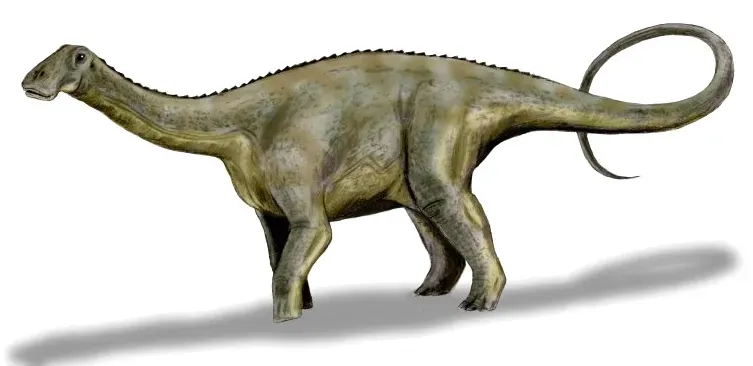
Let’s start with one of the strangest-looking plant eaters that ever walked the planet. Nigersaurus, known as the “Mesozoic cow,” was a peculiar sauropod from the Middle Cretaceous in Niger. With a broad snout and over 500 active and replacement teeth, this dinosaur is famed for its grazing specialization, feeding close to the ground much like modern cattle, with a body structure that supported a head-down, ground-level feeding posture.
All of its 500 teeth were packed at the very front of the mouth, making its head look remarkably like the attachment to a vacuum cleaner. Each mature tooth had nine replacement teeth stacked up behind it, ready to take over whenever one wore down. Think about that for a second. Nine backup teeth per tooth. Nature really went all out on this one, and yet almost nobody talks about it. That feels like a genuine crime against paleontology.
2. Carnotaurus: The Bull That Outran the King
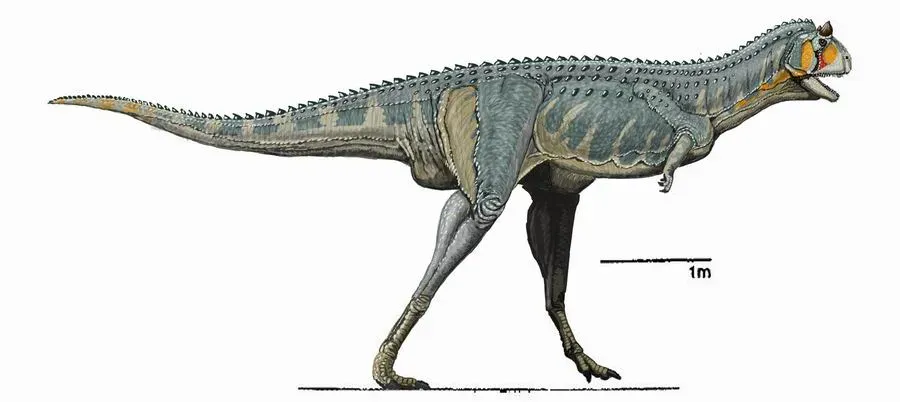
Carnotaurus was unique among all known dinosaurs due to its set of demonic horns that cast a shadow over its equally horrifying reptilian eyes, and its horns were so prominent that its name literally means “meat-eating bull” in Latin. Picture a T. rex, but angrier-looking and somehow even more unsettling, with a face that looks like it was designed by someone who wanted to terrify other animals for pure sport.
It also had tiny arms that would have made Tyrannosaurus rex let out a slight giggle. They were so small that some paleontologists have argued the arms served no purpose at all. Despite this, it is now widely believed that Carnotaurus was even faster than the T. rex. Speed, horns, and a predator’s mindset. You deserve to know this creature existed, because it is genuinely one of the most compelling predators the Mesozoic ever produced.
3. Deinocheirus: The Monster That Baffled Scientists for Half a Century
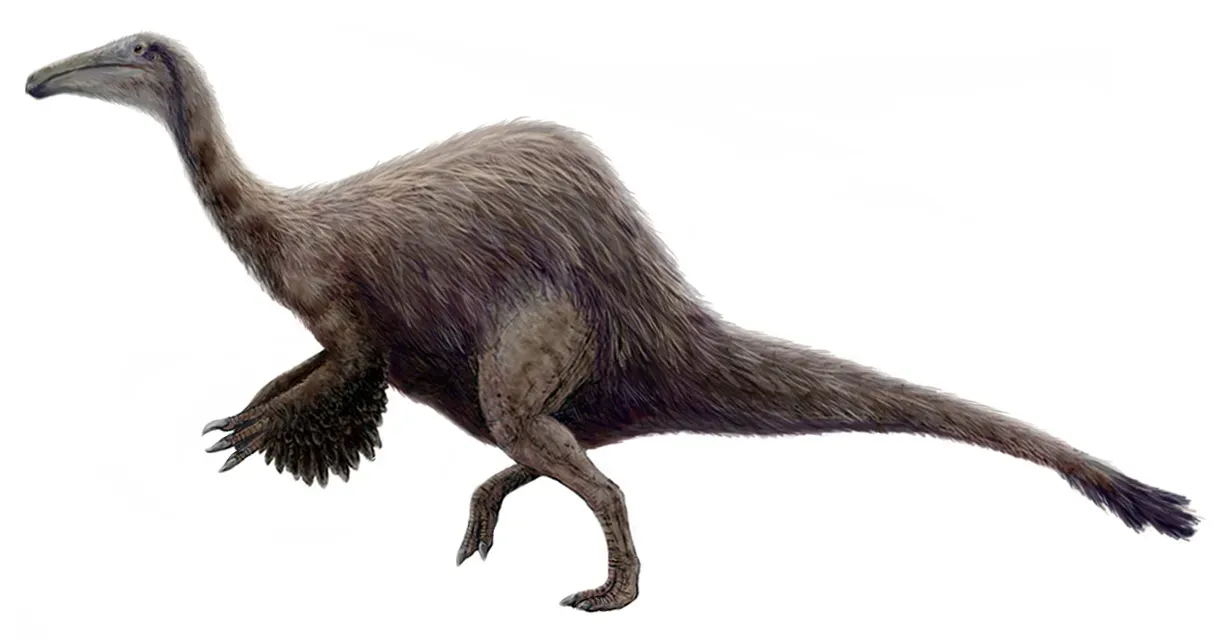
Deinocheirus is among the most distinctive dinosaurs ever discovered, notable for its massive size and unusual appearance. Known as the “terrible hand” due to its large, clawed forelimbs, it was an ornithomimosaur that roamed Mongolia during the Late Cretaceous period, around 70 million years ago, and grew approximately 11 meters in length. Here’s the thing though: for decades, scientists only had the arms. Just the arms. Enormous, unsettling arms with no body to explain them.
With a humped back similar to a camel’s and a duck-like beak, Deinocheirus was built for a specialized lifestyle. Initially thought to be a carnivore, further findings suggested it was actually omnivorous, feeding on plants and possibly fish. Its peculiar anatomy, including a sail-like structure on its back, offers insights into the diverse evolutionary experiments among dinosaurs, sparking curiosity and debate about its lifestyle and ecological role. Imagine spending 50 years wondering what the rest of the animal looked like, only to discover it was even weirder than you feared.
4. Amargasaurus: The Punk Rocker of the Jurassic World
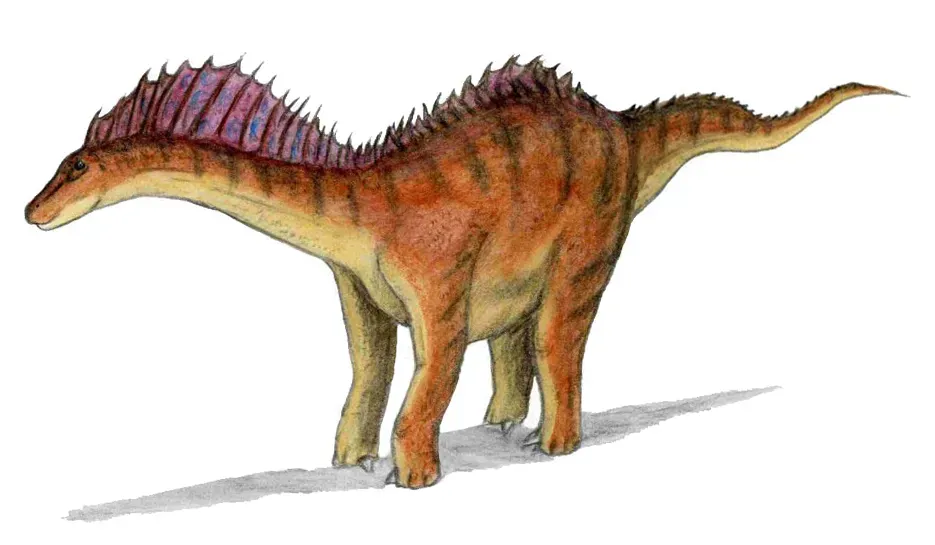
Amargasaurus possessed a bizarre double row of parallel spines along its neck and back, taller than those of any other known sauropod. You’d think a sauropod with an enormous punk-rock mohawk of spines running down its neck would be plastered on every museum wall and every kid’s bedroom poster. Yet most people have never even heard its name. That’s a real shame.
Amargasaurus was a relatively small sauropod from Argentina, but it had something that made it remarkable: epic rows of parallel spines down its back whose function remains genuinely mysterious. Were they for defense, like the horns of antelope, or did they support a sail-like skin structure? Some researchers have even speculated that the spines could have clacked together, making a sort of dinosaur drumbeat, possibly to attract a mate. I know it sounds crazy, but that idea is not actually as far-fetched as it seems, and honestly makes Amargasaurus even more wonderful.
5. Halszkaraptor: The Swimming Raptor Nobody Talks About
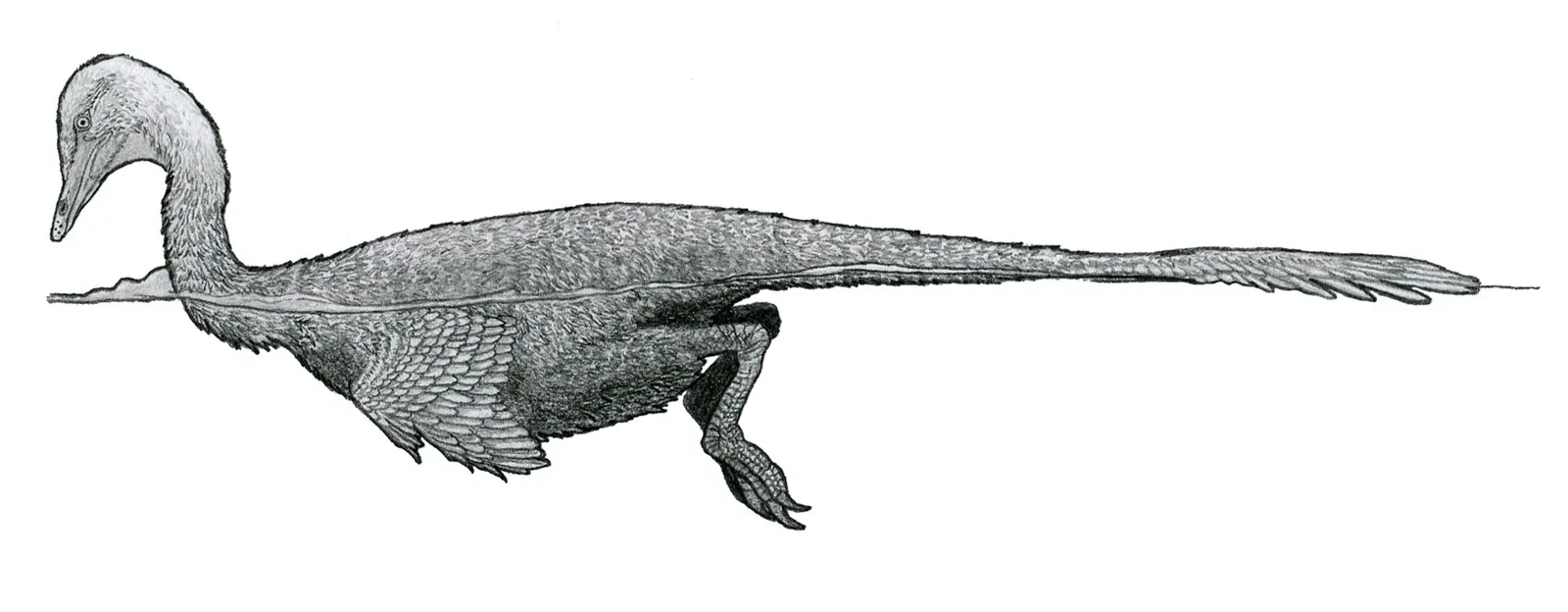
Halszkaraptor lived in Mongolia between 75 and 71 million years ago during the Late Cretaceous, and when it was announced in 2017, it stunned the paleontology community: a duck-sized, long-necked, heavy-boned “raptor” dinosaur that may have lived in and around the water and hunted fish by diving and quickly extending its neck. The idea of a raptor-type dinosaur that swam is almost too wild to process at first.
Its forelimbs were proportioned like those of a merganser or a cormorant, strongly indicating that it swam using its arms. Its skull also showed specializations for a semi-aquatic lifestyle, including lots of unserrated teeth well suited for catching fish, and pits in the front of its snout similar to those seen in crocodiles and spinosaurids, which may have housed electrosensing or pressure-sensing organs. A raptor that fished. With crocodile-style sensory pits. In what world does this creature not get its own documentary series?
6. Concavenator: The Hump-Backed Hunter from Ancient Spain
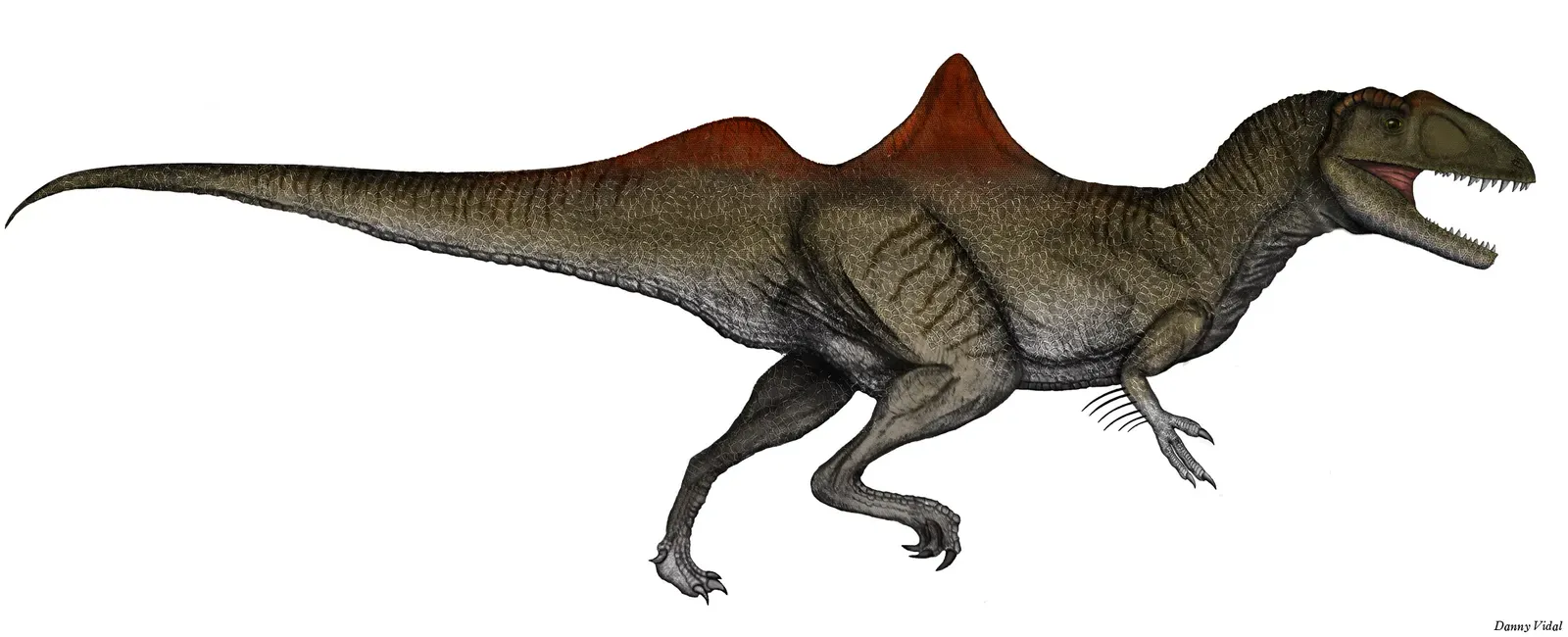
Concavenator lived around 130 to 125 million years ago in the Early Cretaceous period, in what is now Spain. Its bones were found at the Las Hoyas fossil site, which at the time was the location of an inland lake, surrounded by plants, fishes, worms, and prehistoric crocodiles. It was essentially roaming around a prehistoric lakeside ecosystem, which already sounds like a setting straight out of a science fiction novel.
Concavenator possessed two extremely tall vertebrae in front of the hips that formed a tall, narrow, pointed crest, possibly supporting a hump on the dinosaur’s back, and the function of this crest is currently unknown. One paleontologist speculated it could be analogous to head-crests used in visual displays, while the Spanish scientists who discovered it noted it might also have served as a thermal regulator. Even more intriguingly, Concavenator had structures resembling quill knobs on its arm bone, a feature otherwise known only in birds and other feathered theropods. A humped, possibly feathered predator hiding in ancient Spain. Truly underrated.
7. Therizinosaurus: Freddy Krueger of the Cretaceous
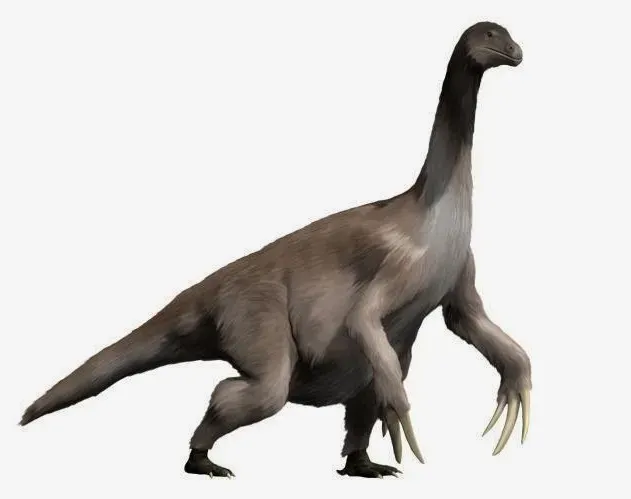
Therizinosaurus, known for its enormous claws, lived during the Late Cretaceous period. Its gigantic size and unique adaptations challenge traditional views of dinosaur anatomy, showcasing the incredible diversity that existed within the dinosaur kingdom. When you first see a reconstruction of Therizinosaurus, your brain almost refuses to accept it as real. It looks like a special effects mistake. Three-meter-long scythe claws on a body that seems to belong to a completely different animal entirely.
This animal stood out due to its “sloth-like” claws and a body structure far removed from the typical carnivorous theropods from which it descended. With a long neck, robust body, and a pot-bellied abdomen, this dinosaur was primarily herbivorous, employing its 12-inch long curved claws to forage vegetation. The claws, though intimidating, were likely used for foraging rather than hunting, and Therizinosaurus’s adaptation to a herbivorous diet within a typically carnivorous lineage highlights the remarkable diversity of evolutionary paths that dinosaurs explored.
8. Tsintaosaurus: The Dinosaur That Could Actually Talk
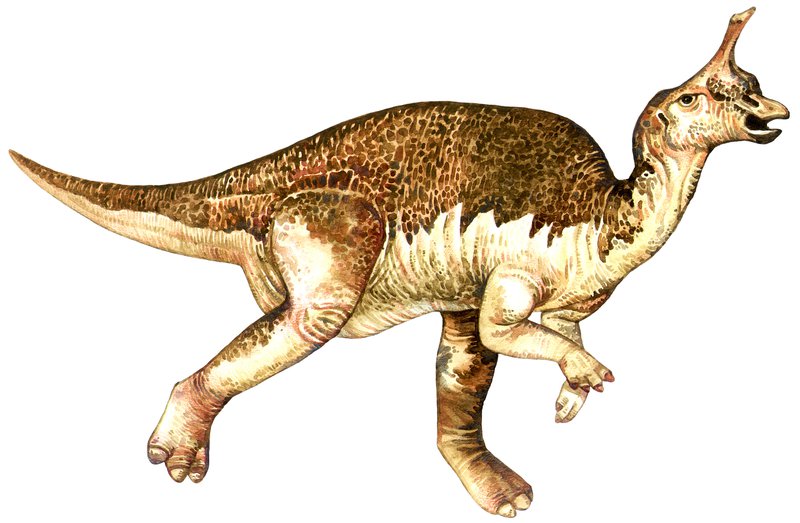
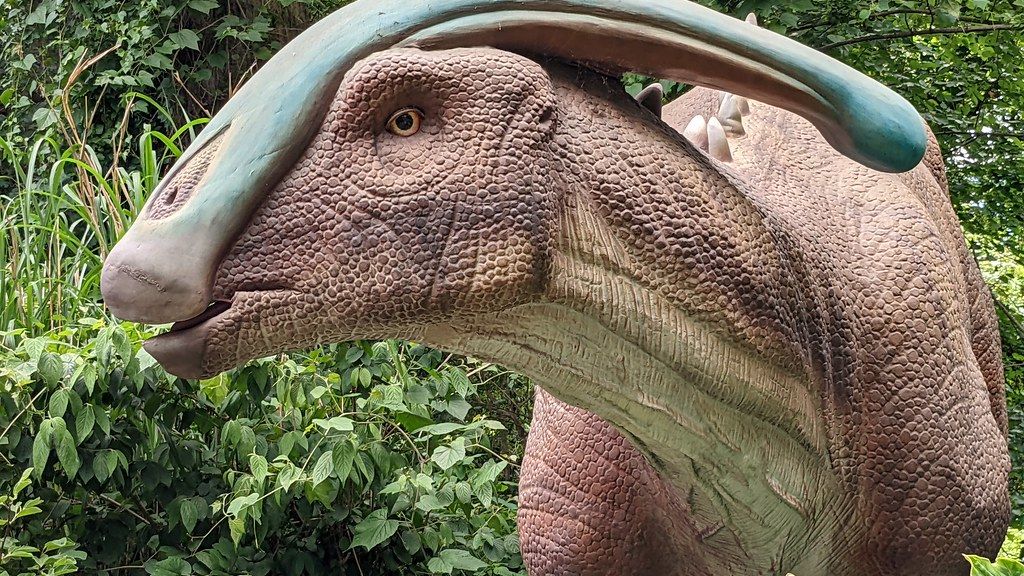
Tsintaosaurus stands out with its long, protruding head-crest. A hadrosaur that roamed the vast expanses of prehistoric China, it was a duck-billed dinosaur that loved chewing on plants and apparently travelled in packs. It sounds almost peaceful, doesn’t it? A gentle plant-eating herd animal trotting across ancient China with a gloriously strange crest jutting from its skull.
Its head crest wasn’t just flashy ornamentation either. Apparently, the crest contained nasal passages that gave the Tsintaosaurus the ability to make low-frequency noises and communicate with other members of the herd. Think of it like a built-in tuba made of bone, tuned to frequencies that could rumble across an ancient floodplain. You’d think a dinosaur that literally evolved its own musical instrument would be a household name. Yet here we are.
9. Nanotyrannus: The Tiny Tyrant That Changed Everything
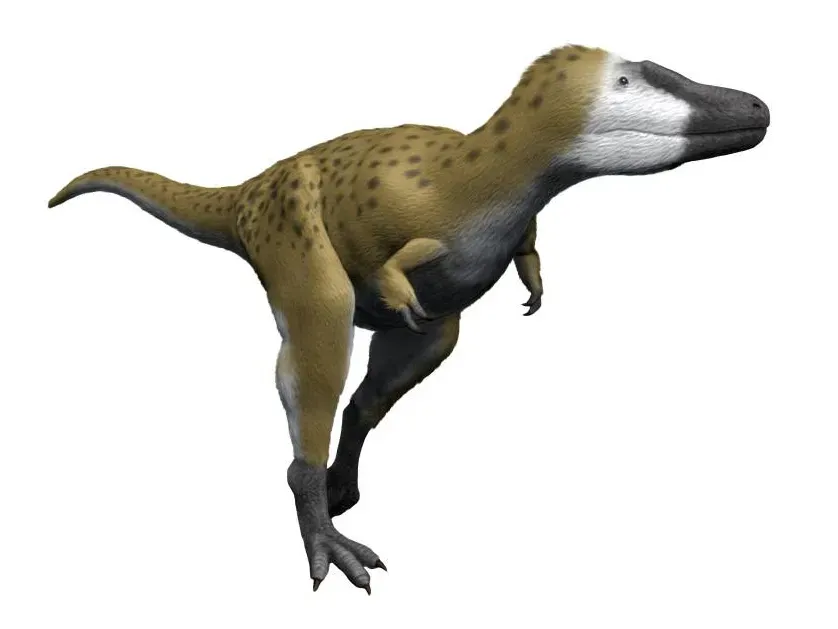
For decades, paleontologists argued back and forth about whether Nanotyrannus was a real dinosaur or simply a juvenile T. rex. The debate was fierce, and for a long time, the tiny tyrannosaur seemed destined to disappear quietly into a scientific footnote. Then came the Dueling Dinosaurs fossil. Found in Montana, it contains two dinosaurs locked in prehistoric combat: a Triceratops and a small-bodied tyrannosaur, which turns out to be the most complete skeleton ever found of Nanotyrannus lancensis. This fossil categorically ends the debate. Nanotyrannus is not a juvenile T. rex. It belongs to a separate genus entirely, and one much more distantly related.
This discovery completely reframes the idea that T. rex was the lone predator of its time, challenging long-held assumptions about late Cretaceous ecosystem dynamics. Scientists now know that multiple tyrannosaur species coexisted in the last million years before the asteroid impact, suggesting a richer, more competitive ecosystem than anyone had previously imagined. Honestly, the story of Nanotyrannus is one of the most thrilling scientific detective stories in all of paleontology, and it deserves far more attention than it gets.
10. Pegomastax: The Porcupine-Parrot of the Dinosaur World
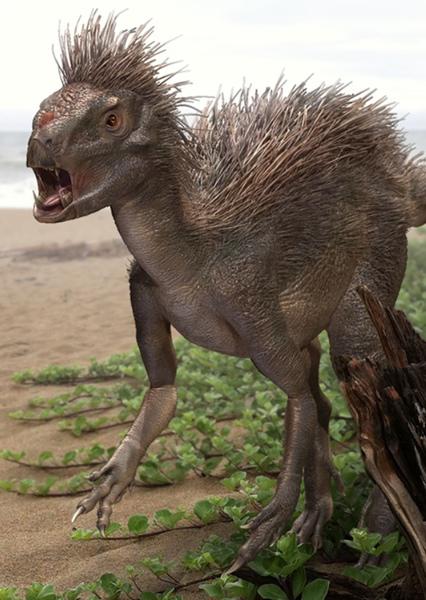
Pegomastax was a herbivore just 60 centimeters long and covered in quills. It has been described as a cross between a parrot and a porcupine, sporting both a beak and teeth that actually sharpened themselves against each other. Self-sharpening teeth. Let that sink in. This tiny, quill-covered, beak-faced little creature was essentially a living Swiss Army knife of prehistoric weird, and virtually no one outside of paleontology circles has ever heard of it.
It’s hard to say for sure exactly how Pegomastax behaved in its daily life, since the fossil record for small dinosaurs is notoriously incomplete. What we do know is that it lived in what is now Africa during the Early Jurassic period and occupied a completely unique ecological niche as a tiny, armored plant eater with a surprisingly fierce set of teeth. Think of it as the prehistoric equivalent of a hedgehog that decided to take things up a notch, and then also grew a beak just to keep things interesting.
11. Gigantoraptor: The Giant That Defied Every Rule
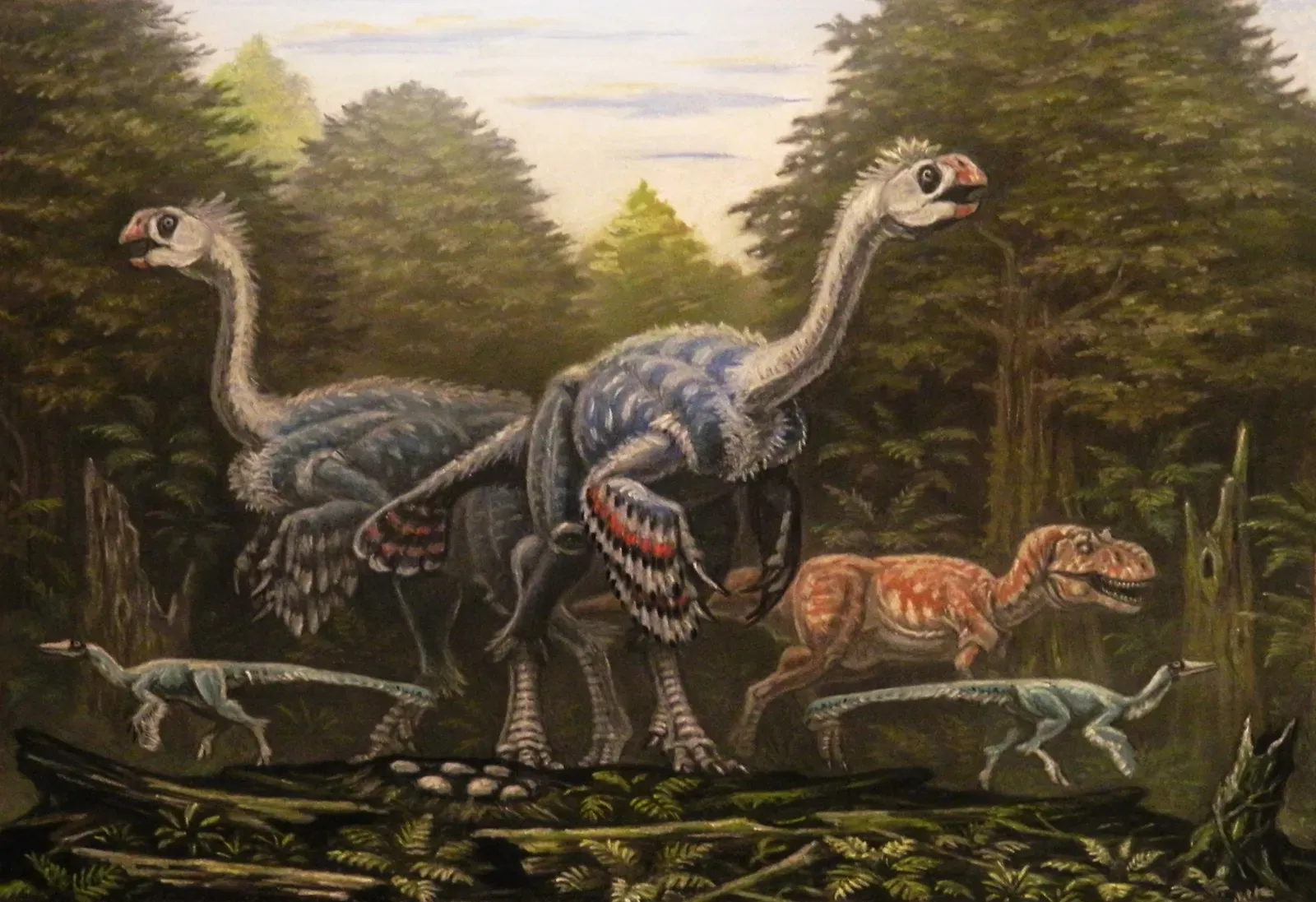
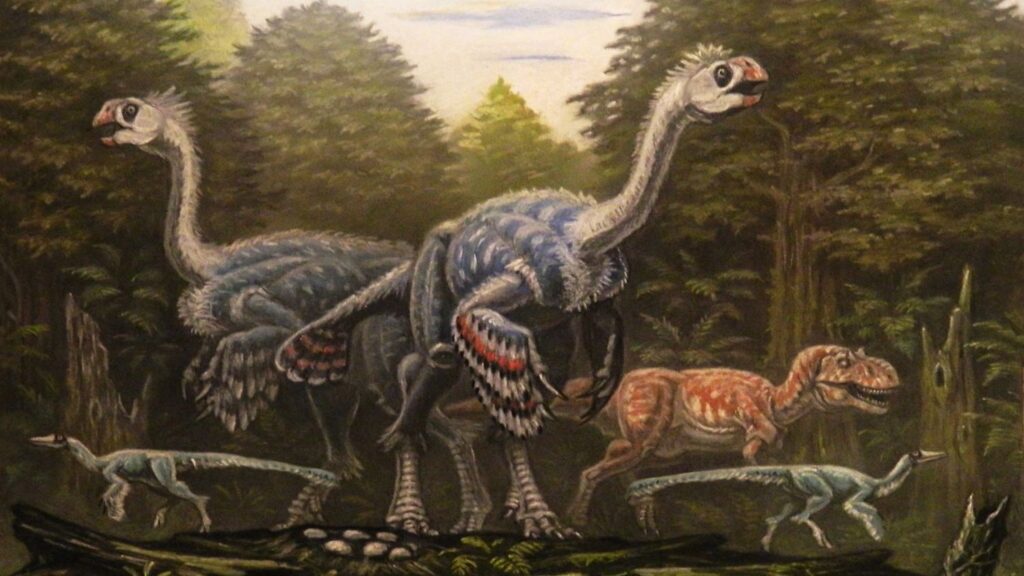
Discovered in 2005 by the prolific paleontologist Xu Xing, Gigantoraptor resembled a huge flightless bird, with a beak-like mouth and possibly feathers. Here is where things get genuinely mind-bending. You would expect that as oviraptors scaled up in body size, they would gradually lose their bird-like features. Evolution usually works that way. Gigantoraptor threw that expectation completely out the window.
At nearly five meters tall and eight meters long, it was possibly the largest feathered dinosaur in history, potentially weighing up to 2,000 kilograms. It had no teeth, and strange claws at the end of its wings. A toothless, feathered giant the size of an elephant, with wing-like arms ending in claws. Paleontologists are constantly learning new things about these ancient animals, and scientists find more than 45 new dinosaur species every single year. Gigantoraptor is a reminder that the more we discover, the more gloriously strange the prehistoric world turns out to be.
Conclusion: The Dinosaurs You Never Knew You Needed
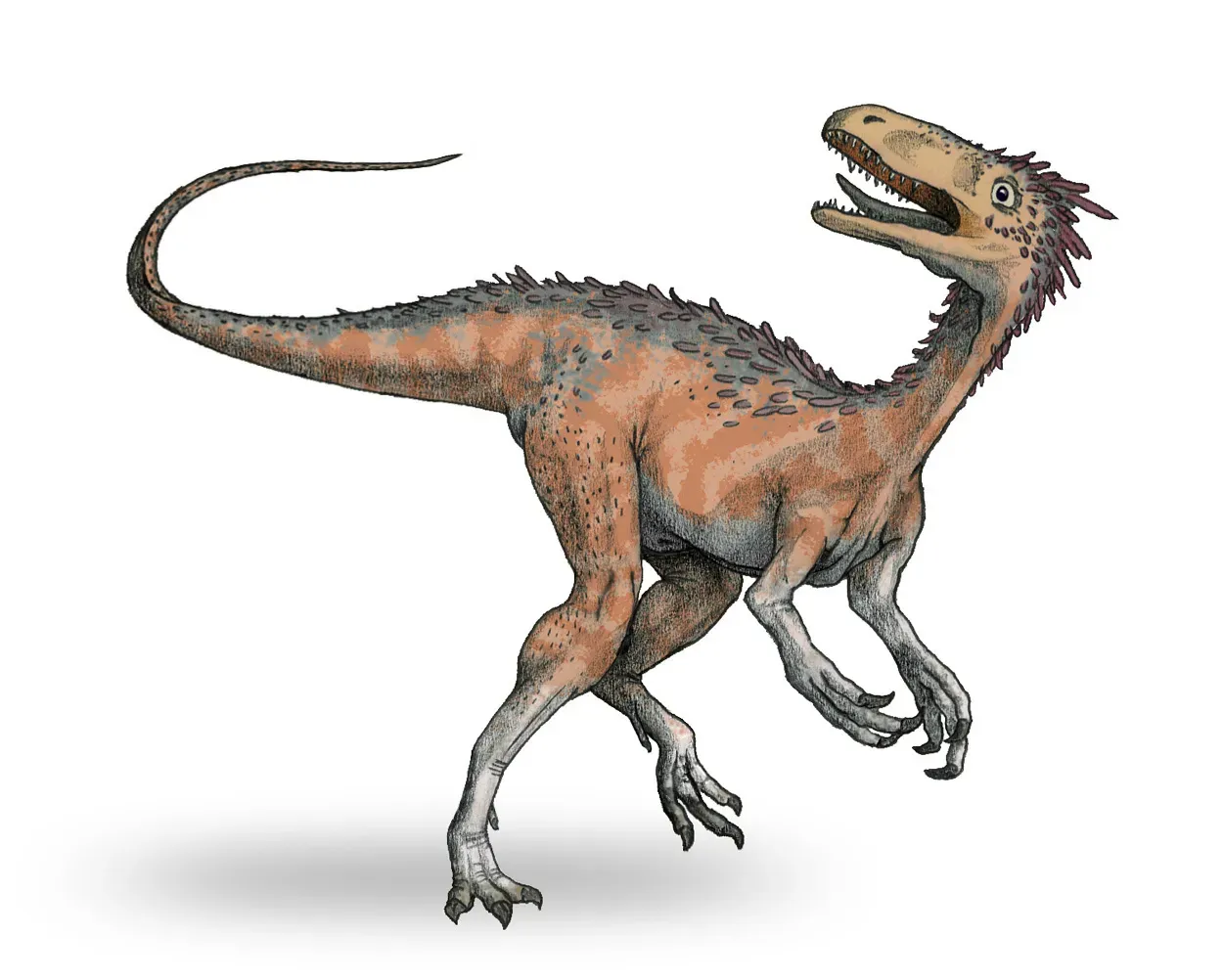
The dinosaurs you’ve just read about are not footnotes. They are not curiosities tucked away in dusty academic journals. They are extraordinary animals with stories every bit as gripping, strange, and emotionally resonant as anything the T. rex or Velociraptor ever offered. You now know about a raptor that swam like a cormorant, a plant eater with 500 self-replacing teeth, and a tiny tyrant that rewrote the rulebook on Cretaceous predator diversity.
Here’s the thing about paleontology in 2026: we are living in what many scientists are calling a golden age of fossil discovery. New species are being named and studied at an extraordinary pace, and the creatures being unearthed are often far stranger and more spectacular than the ones filling our movie screens. The prehistoric world was not a place dominated by two or three famous giants. It was a riot of diversity, weirdness, and evolutionary ingenuity that we are only just beginning to understand.
So next time someone mentions dinosaurs in conversation, maybe bring up Halszkaraptor the swimming raptor, or Pegomastax the self-sharpening porcupine-parrot. You might just change the way they see an entire era of life on Earth. Which of these eleven creatures surprised you the most? Tell us in the comments.