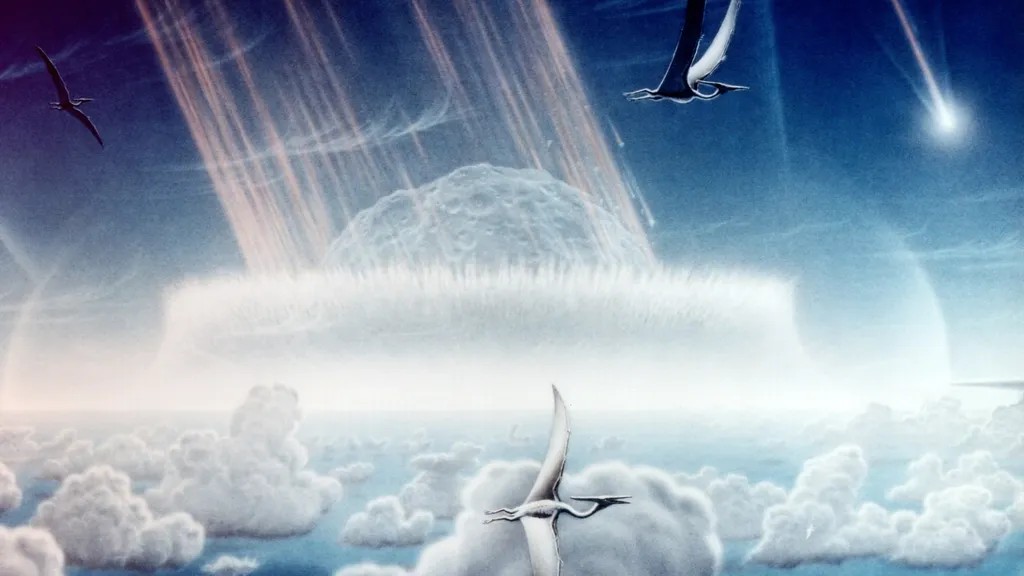
Sixty-six million years ago, a rock roughly nine miles wide came screaming through Earth’s atmosphere and changed everything. One moment, dinosaurs were the undisputed rulers of the planet. The next, a chain reaction of fire, darkness, and starvation began erasing them from existence. It is honestly one of the most dramatic pivot points in the entire history of life on this planet, and yet it came down to a single cosmic accident.
Now here is the question that keeps paleontologists, evolutionary biologists, and curious minds up at night: what if that asteroid had simply missed? What if Earth’s skies had remained clear that day 66 million years ago, and the great dinosaurs had continued their reign? The answer, it turns out, is stranger and more unsettling than most people expect. Let’s dive in.
The Asteroid That Changed Everything (Or Didn’t, In This Scenario)
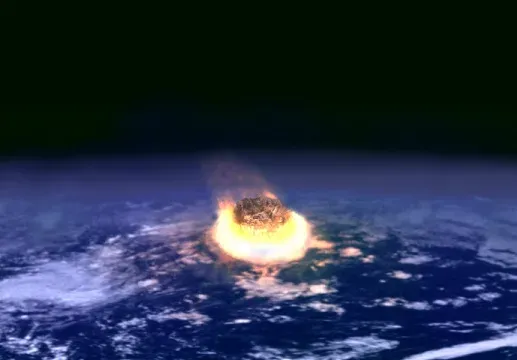
The extinction of non-avian dinosaurs 66 million years ago represents one of the most significant turning points in Earth’s biological history, an event that fundamentally reshaped the trajectory of evolution and ultimately allowed for the rise of mammals and eventually humans. Think of it like a global game of musical chairs. One catastrophic moment removed the dominant players from nearly every chair, and smaller, scrappier creatures rushed in to fill the vacated seats.
The asteroid was nine miles wide and hit Earth with the destructive force of ten billion Hiroshima bombs. The radioactive shockwave obliterated everything for hundreds of miles in every direction, towering tsunamis rippled across the globe, and roughly three quarters of all species on Earth went extinct. If you remove that single event from the timeline, you are not just saving some dinosaurs. You are erasing the entire foundation upon which modern life, including you, was built.
A World Still Ruled by Giants
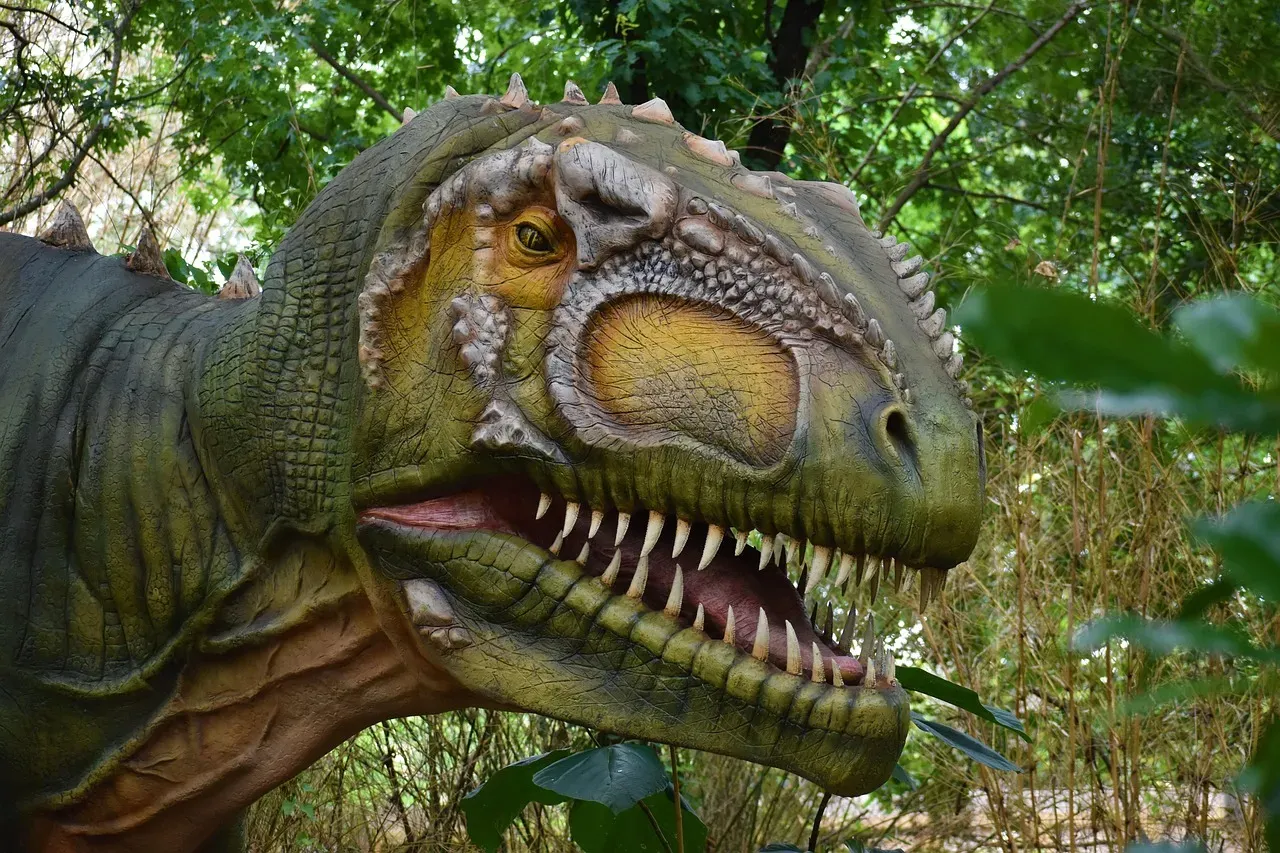
Had the asteroid missed, the landscape you would be looking at today would be virtually unrecognizable. The dominant terrestrial vertebrates of the past 165 million years, the non-avian dinosaurs, would never have relinquished their ecological supremacy. Mammals would have remained largely small, nocturnal creatures, continuing in the ecological roles they had occupied since the Jurassic Period. The evolutionary history of Earth would have taken a dramatically different path, one where the Age of Mammals never began and the Age of Dinosaurs continued uninterrupted.
Picture walking through what we now call North America, but instead of bison on the plains and eagles overhead, you encounter something closer to a Cretaceous safari. In the Jurassic, sauropod dinosaurs, Brontosaurus and kin, had already evolved into thirty to fifty tonne giants up to thirty metres long, ten times the weight of an elephant. This happened in multiple groups, including Diplodocidae, Brachiosauridae, and Titanosauria, on different continents, at different times and in different climates, from deserts to rainforests. And with another 66 million years of evolution ahead of them, who knows how much more extreme those body forms could have become.
What Happened to Mammals in This Alternate Timeline
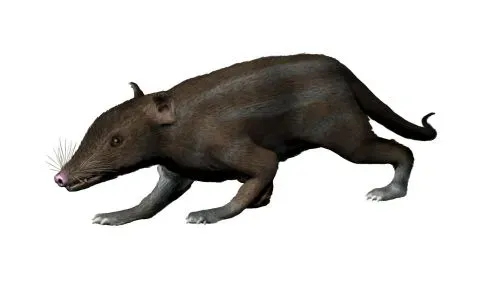
Here is the thing that surprises most people: mammals were not exactly thriving powerhouses waiting to explode onto the scene. Although the first mammals originated at the same time as the early dinosaurs, more than 200 million years ago, they remained small, about the size of badgers, when they co-existed. They were essentially living in the margins, finding whatever ecological cracks the dinosaurs had overlooked.
Dinosaurs, being larger and generally better adapted to a wide range of environments, would have likely outcompeted mammals for resources like food and territory. Large predatory dinosaurs would have posed a significant threat to early mammals, limiting their size and diversity. A mammal the size of a human would have been an attractive target. So the whole idea of us sitting comfortably at the top of the food chain? In this alternate timeline, that simply does not happen. At least not the way we know it.
Could Dinosaurs Have Evolved Intelligence?
This is where things get genuinely mind-bending. Noting that theropod dinosaurs such as Troodon had large brains, large grasping hands, and likely binocular vision, some researchers suggested that a branch of these dinosaurs might have evolved to a human intelligence level, had dinosaurs not become extinct. I know it sounds like science fiction, but the scientific debate here is very real.
In 1982, Dale A. Russell, then curator of vertebrate fossils at the National Museum of Canada, conjectured a possible evolutionary path for Stenonychosaurus, if it had not perished in the Cretaceous-Paleogene extinction event, suggesting it could have evolved into intelligent beings similar in body plan to humans. Over geologic time, Russell noted that there had been a steady increase in the encephalization quotient among the dinosaurs. However, not everyone agrees. According to some researchers, intelligence is not determined only by how many neurons a creature has. It’s not just the number of neurons but how they are arrayed and connected. They have to be arrayed in such a way that they are connected efficiently, and they are not going to be connected efficiently in a dinosaur bird-type design. So “dinosaur sapiens” remains more tantalizing theory than established science.
The Fate of Birds and Biodiversity

You might assume that a world full of living dinosaurs would be absolutely teeming with biodiversity. The reality is more complicated. Although birds co-existed with dinosaurs for a long time in the Cretaceous, their diversity was low compared to today. Modern bird groups underwent an explosive radiation after the mass extinction, possibly because pterosaurs went extinct and opened up new niches. Without the mass extinction, birds would not be as diverse and successful as they are today, and we might never have had songbirds, parrots, hawks, or hummingbirds at all.
Think about what that means. The chorus of birds you hear outside your window every morning, the hummingbirds hovering at a feeder, the parrots that can mimic your voice. None of that would exist in a world where dinosaurs survived. The presence of dominant dinosaurian megafauna would have influenced the planet’s biodiversity. Mammals might have remained small, thriving in the ecological niches dinosaurs overlooked. Without humans hunting large animals to extinction, the world could be home to a wider array of massive creatures, from towering sauropods grazing in vast plains to armored ankylosaurs defending their territory. It’s a trade-off that is genuinely hard to wrap your head around.
Would Humans Have Ever Existed?
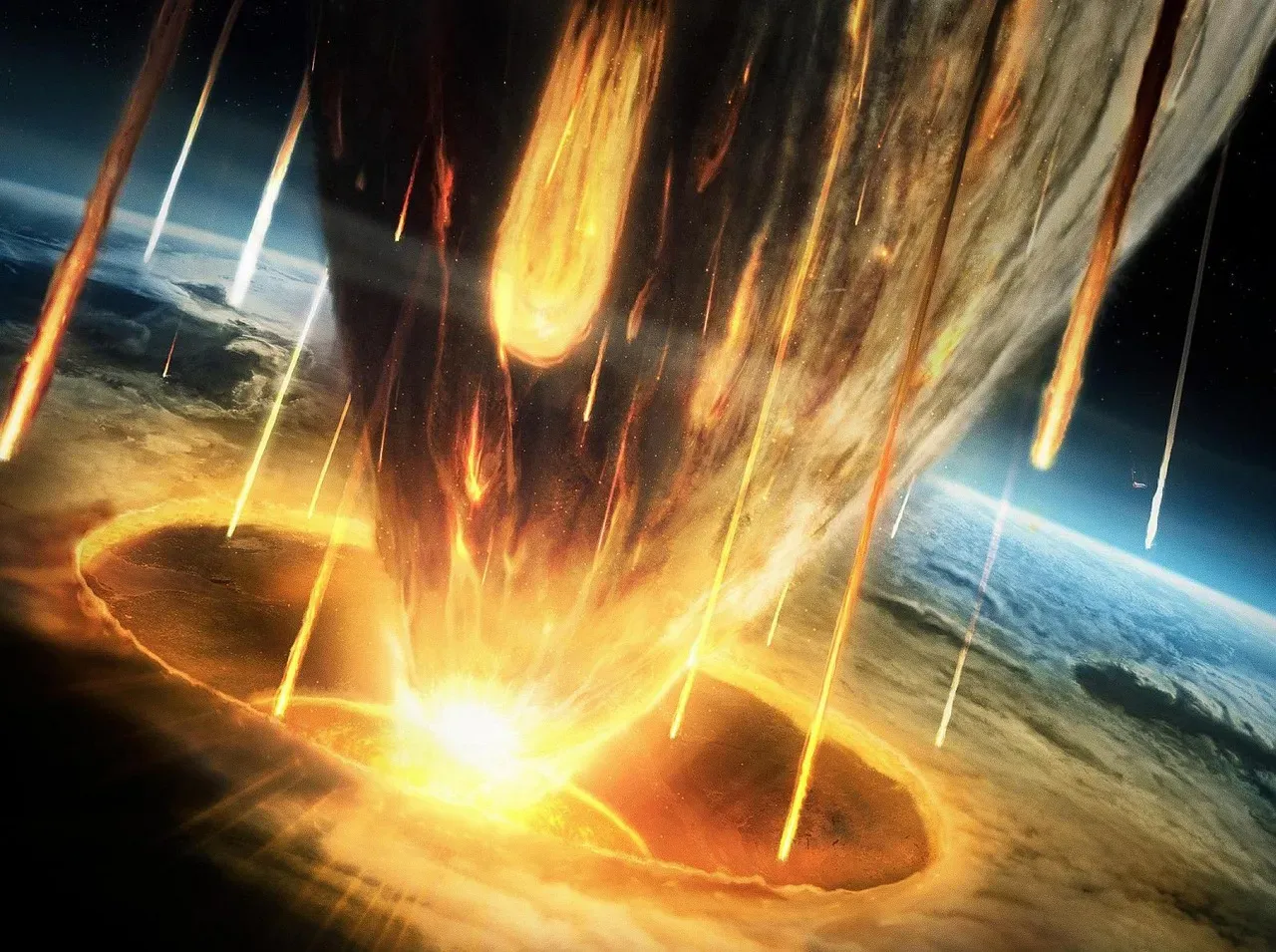
Let’s be real about this one: the odds are not good. The catastrophic asteroid impact made human evolution possible. The surviving mammals flourished, including little proto-primates that would evolve into us. Remove that event, and you remove the entire chain of circumstances that eventually produced you.
Something about Africa, its unique flora, fauna, geography, climate, and history, pushed primate evolution in a totally different direction. That implies that even with the dinosaurs gone, even starting with mammals as a starting point, the evolution of human-like intelligence still needed something else, a rare combination of opportunity and luck. So even in our actual timeline, your existence required an almost miraculous series of coincidences. In the alternate timeline where dinosaurs survived, nearly every one of those coincidences simply never happens. Human evolution, if it occurred at all, would have been drastically altered. Early primates evolved in a world where mammals had room to grow, filling ecological gaps left by the dinosaurs. In this alternate timeline, primates might have remained limited in number, constantly outcompeted by more dominant dinosaurian species.
How Dinosaurs Would Have Changed Through Time
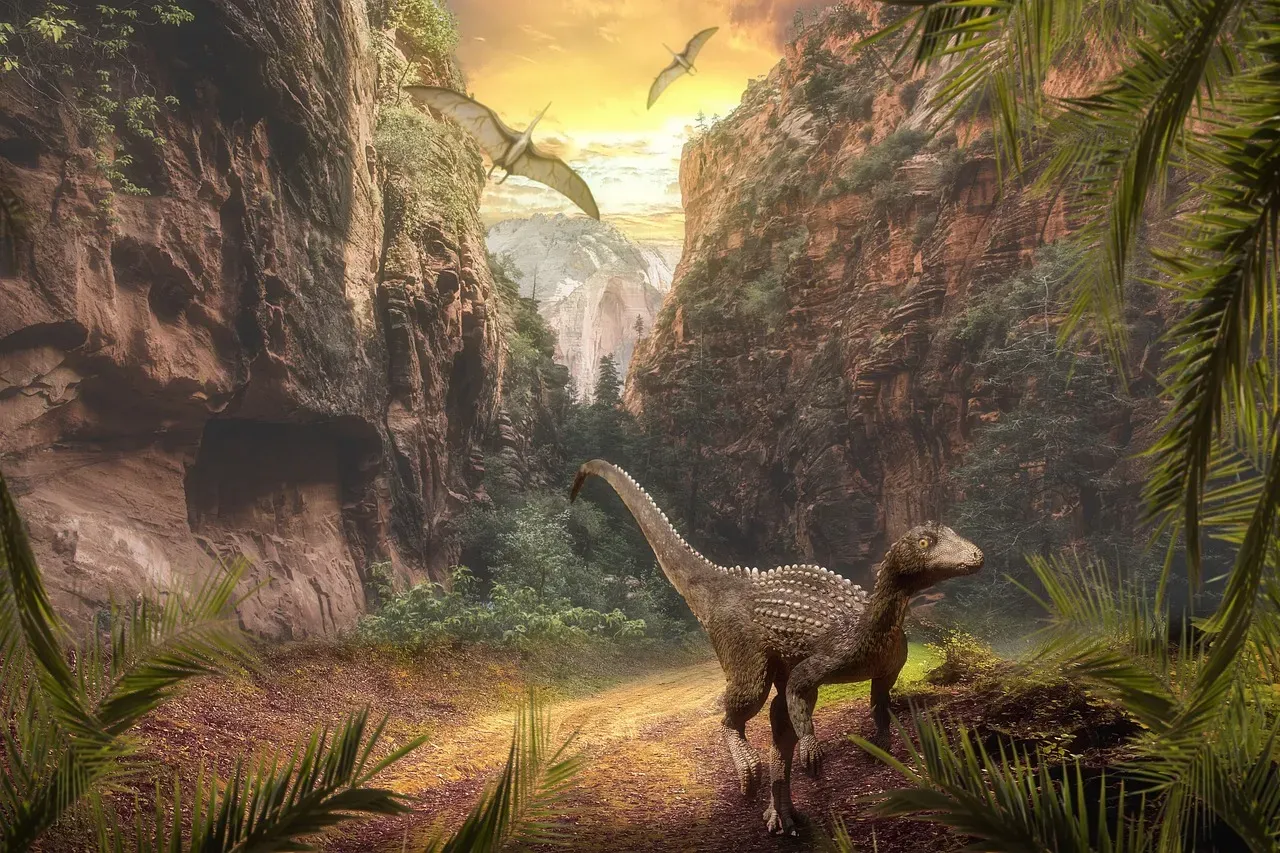
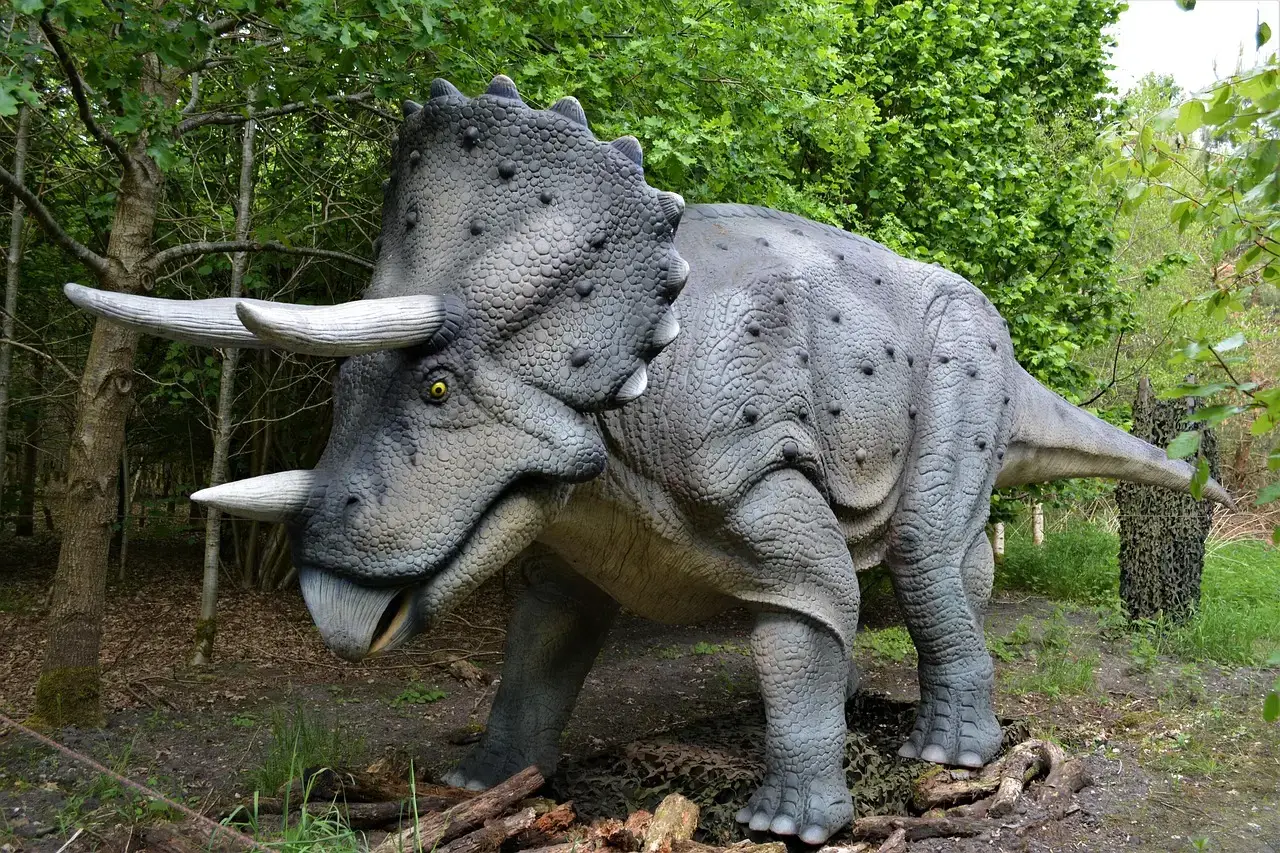
One of the most common mistakes people make when imagining this scenario is picturing T. rex and Triceratops still stomping around today. That is not how evolution works. If dinosaurs were still around today they would be pretty different to what we think of at the end of the age of the dinosaurs, things like T. rex and Triceratops. You might still recognize them as a dinosaur, but who knows what kinds of body shapes and body plans might have come up in the past 66 million years.
Around 55 million years ago, temperatures rose and the climate became significantly hotter than it is today. Rainforests sprouted, and vegetation flourished. Herbivores would have adapted and thrived, but they would start to look a little different. The plants of this period were less nutritious and easier to digest, meaning dinosaurs would likely have shrunk in size since their new diet would not yield as much energy. Evolution is relentless and unstoppable. The dinosaurs of 2026 in this alternate world would be creatures that you and I would probably fail to recognize at first glance.
Dinosaurs in the Modern Era: Coexistence or Conflict?
Here is an interesting twist. Some researchers have explored the fascinating idea that even if humans had somehow managed to evolve alongside surviving dinosaurs, the relationship would likely be turbulent. Dinosaurs might not have been so lucky when encountering humans, as humans seem to have a special skill for killing off large animals. Perhaps the biggest dinosaurs would have gone the way of the mammoth and the dodo. Humans are really good at extinguishing megafauna, through hunting, climate change, or habitat destruction.
Large dinosaurs would perhaps only persist in protected reserves, such as national parks and wildlife refuges, essentially modern-day equivalents of Jurassic Park. Smaller dinosaurs that infringed on crops or livestock would probably be hunted as nuisance animals, as wolves and dingoes are today. In a strange, ironic twist, the same species that would have prevented our evolution might have ended up as endangered animals in our world, fighting for survival just like the rhinos and elephants of today. It is a scenario that is equal parts fascinating and sobering.
Conclusion: A Single Rock, An Entire Universe of Difference
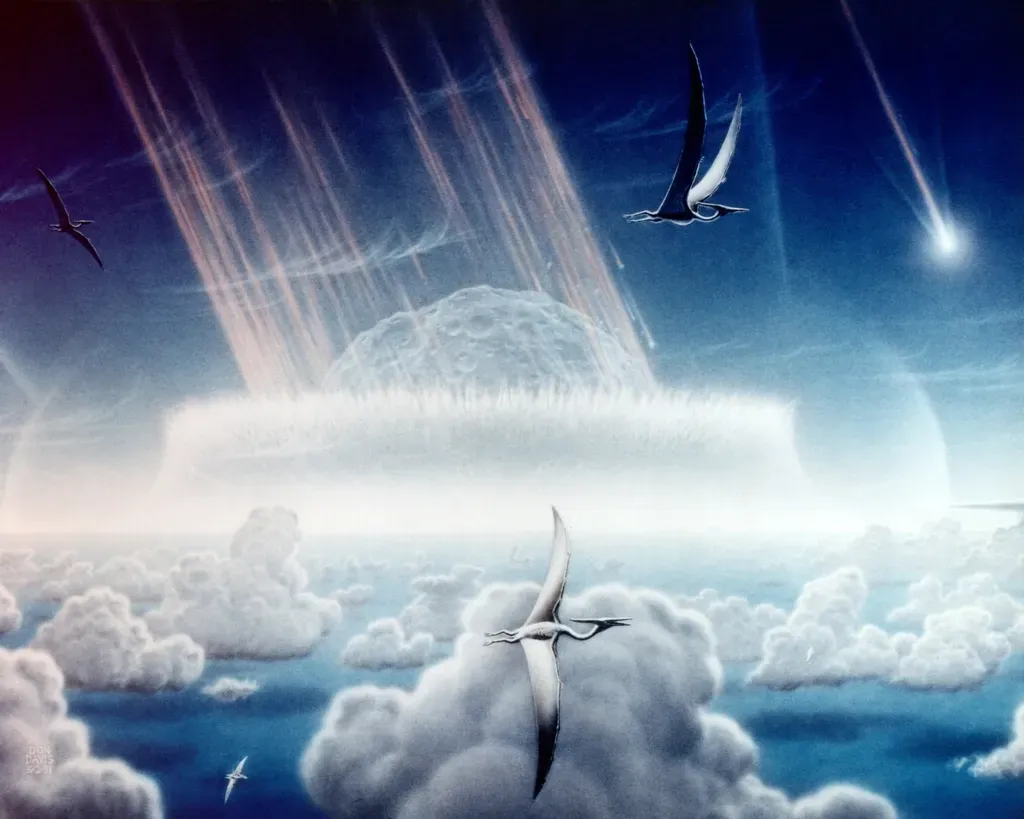
The deeper you dive into this thought experiment, the more you appreciate just how improbable your own existence really is. The K-Pg extinction event represents a pivotal moment in Earth’s history, a cosmic accident that ended the 165-million-year reign of dinosaurs and set the stage for the Age of Mammals. Without this chance event, the world as we know it, including human existence, would likely never have come to be. The dinosaurs’ misfortune became mammals’ opportunity, leading eventually to the evolution of our own species.
It is staggering to think about. Everything you love, every human achievement, every song ever written, every city ever built, every relationship you have ever had, all of it traces back, in a roundabout way, to a rock that happened to be traveling in the wrong direction at the wrong time. As Stephen Jay Gould pointed out, you cannot go back to some critical moment in evolutionary history and replay life’s tape to see how nature might have been altered. What we can be certain of is that modern dinosaurs would be significantly different than anything we know from the fossil record. Evolution does not repeat itself. It improvises, adapts, and surprises.
So the next time you watch a crow solve a puzzle, or a parrot mimic your voice, remember: you are looking at a real living dinosaur descendant. Perhaps the most extraordinary one never got the chance to exist. What does that make you think about the life you are living right now?