Dinosaurs have captivated the human imagination for well over a century. Ever since the first fossils began surfacing from the earth, people have been obsessed with reconstructing these ancient giants – often getting it spectacularly wrong in the process. From blockbuster films to children’s toys, from museum dioramas to cartoon cavemen riding Brontosaurs, our cultural picture of these creatures is riddled with outdated ideas, dramatic exaggerations, and flat-out scientific myths.
You might think that in an era of rapid scientific progress, we’d have sorted all this out by now. Honestly, it’s more complicated than that. The gap between what paleontologists actually know and what mainstream entertainment feeds you is still remarkably wide. Buckle up, because what you’re about to read might shake up everything you thought you knew about the rulers of the prehistoric world. Let’s dive in.
Hollywood Created a Monster – Literally
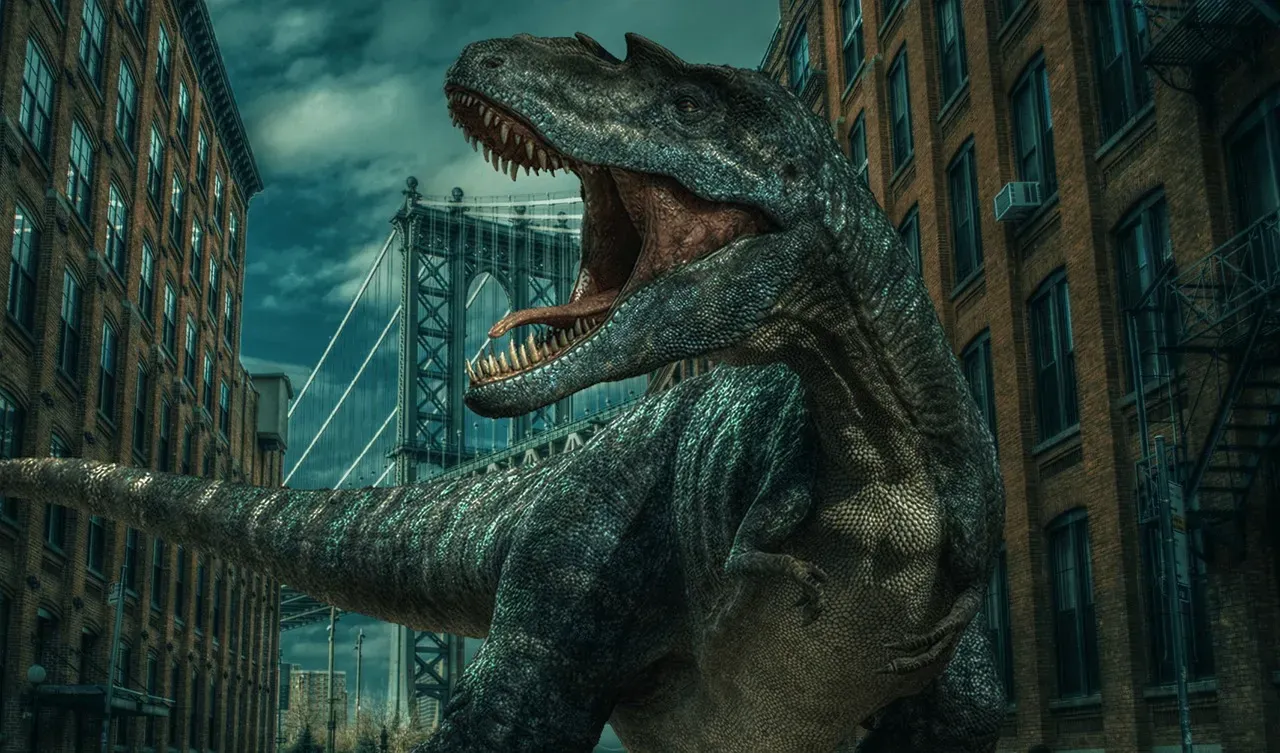
Misconceptions about dinosaurs are frequently fuelled by their inaccurate, though entertaining, representations in films. Think about it like this: imagine if everything you knew about lions came exclusively from CGI disaster movies. That’s essentially the situation with dinosaurs. Hollywood’s version of prehistoric life has been so dominant for so long that it’s essentially rewritten public memory.
Dinosaurs are huge these days, thanks to the success of the Jurassic Park and Jurassic World movies and gigantic volumes of dinosaur merchandise and TV shows – but sadly, most of what people think they know about dinosaurs is incorrect, and much of it can be attributed to the misleading images in those very movies that helped make dinosaurs so popular. That’s a painful irony, isn’t it? The films that made you fall in love with these creatures are also the ones most responsible for misleading you about them.
The Velociraptor You Know Doesn’t Exist
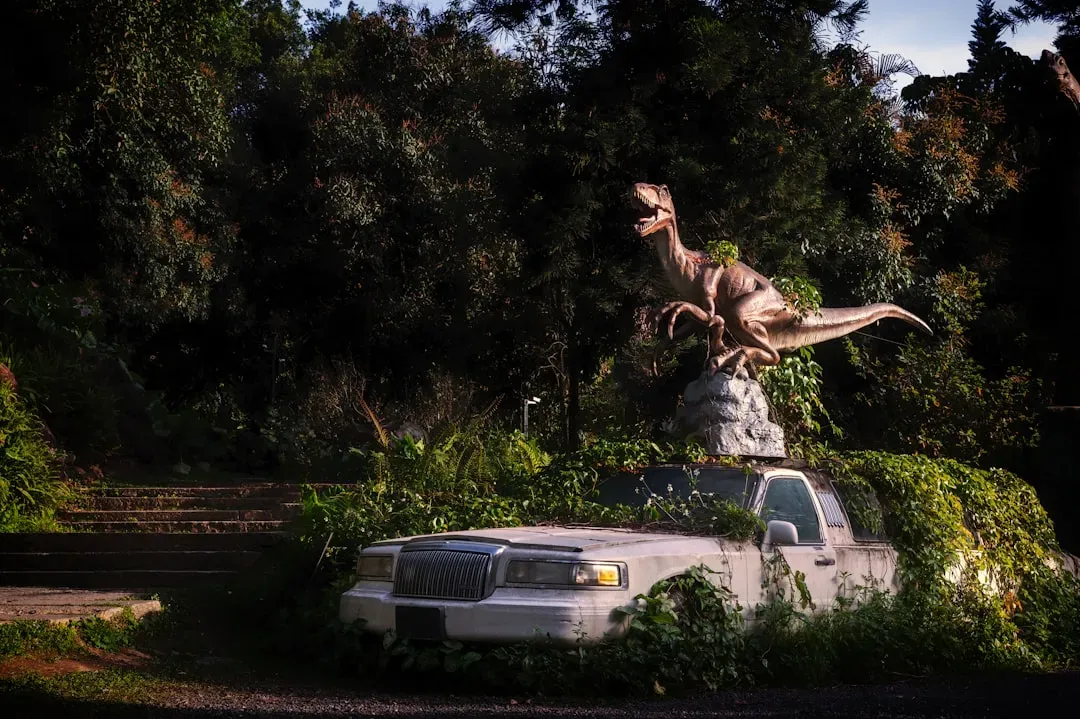
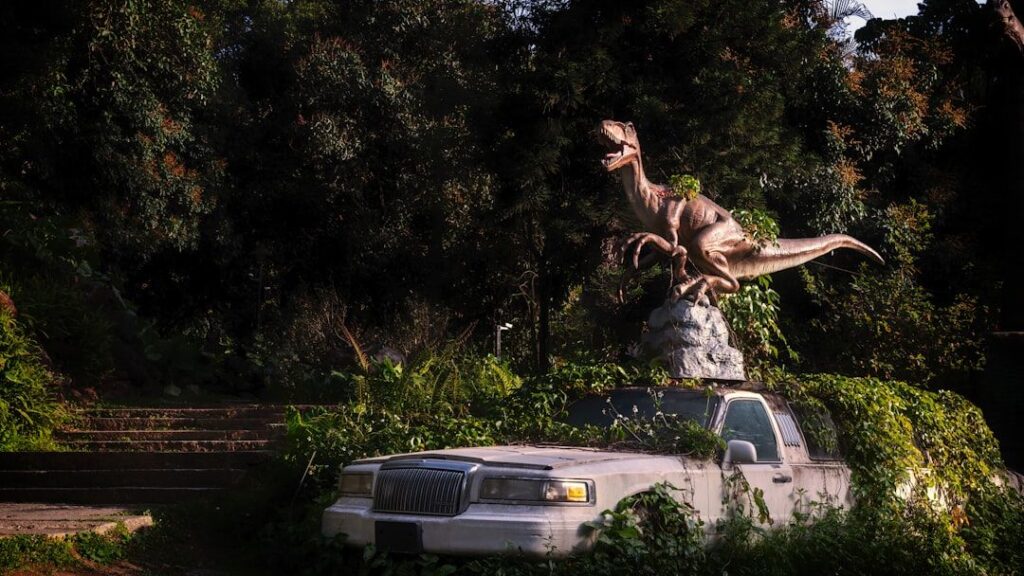
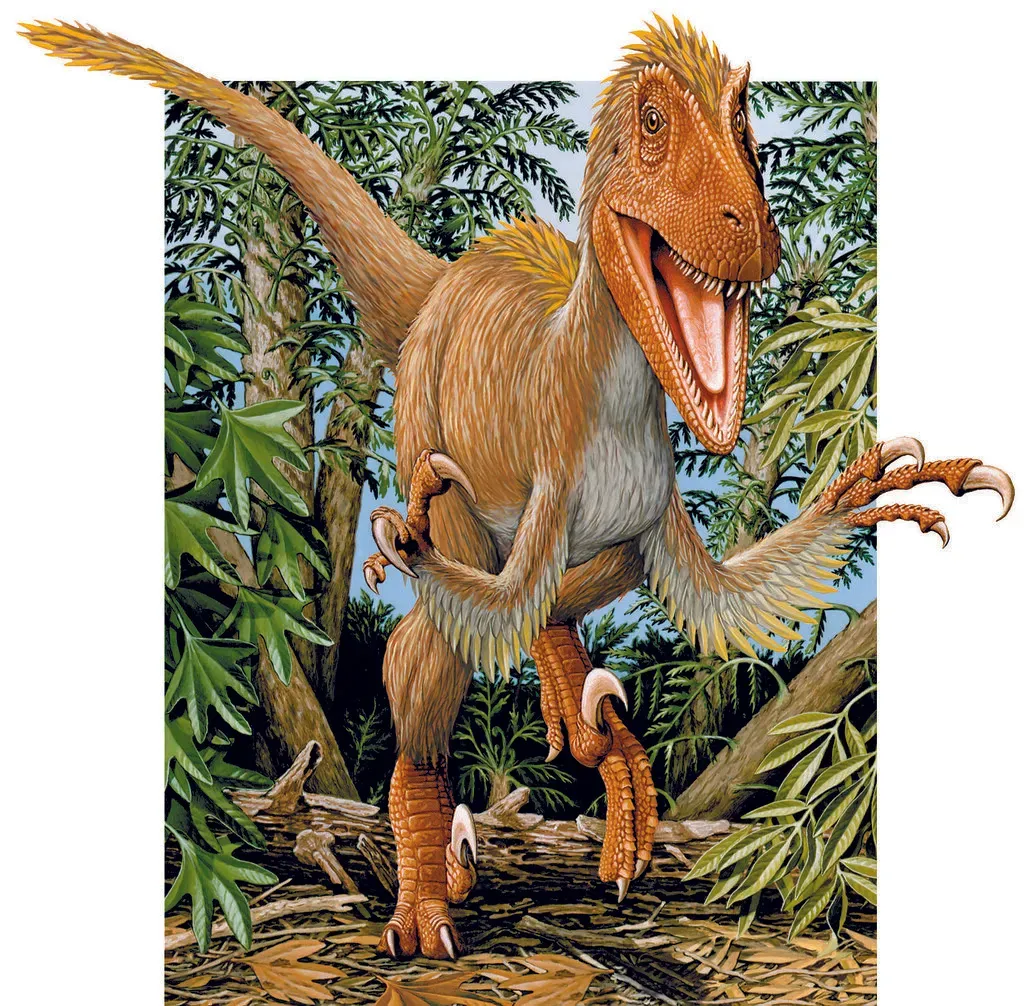
Here’s the thing about the Velociraptor – that sleek, terrifyingly smart, human-sized killer that stalked the kitchens of Jurassic Park? That animal is largely a work of fiction. Velociraptor would actually have been around the size of a turkey, and the cinematic star was actually more like the related theropod Deinonychus. Let that sink in. The creature that haunted your childhood nightmares was basically a turbo-charged bird.
An average-sized Velociraptor was barely half a meter high – unlike the version in the movies that stood at almost six feet. While the films accurately showed the sickle-shaped claws and sleek tails, they missed one distinct detail: the feathers. Nearly all members of the dromaeosaurid family, including Velociraptors, had feathers on their bodies. So if you ever imagined a Velociraptor as a scaly reptilian nightmare, it’s time to revise that mental image. A light, feathery coating would have made it look more like an aggressive turkey than the scaly creatures we know from the movies.
Dinosaurs Were Surprisingly Colorful
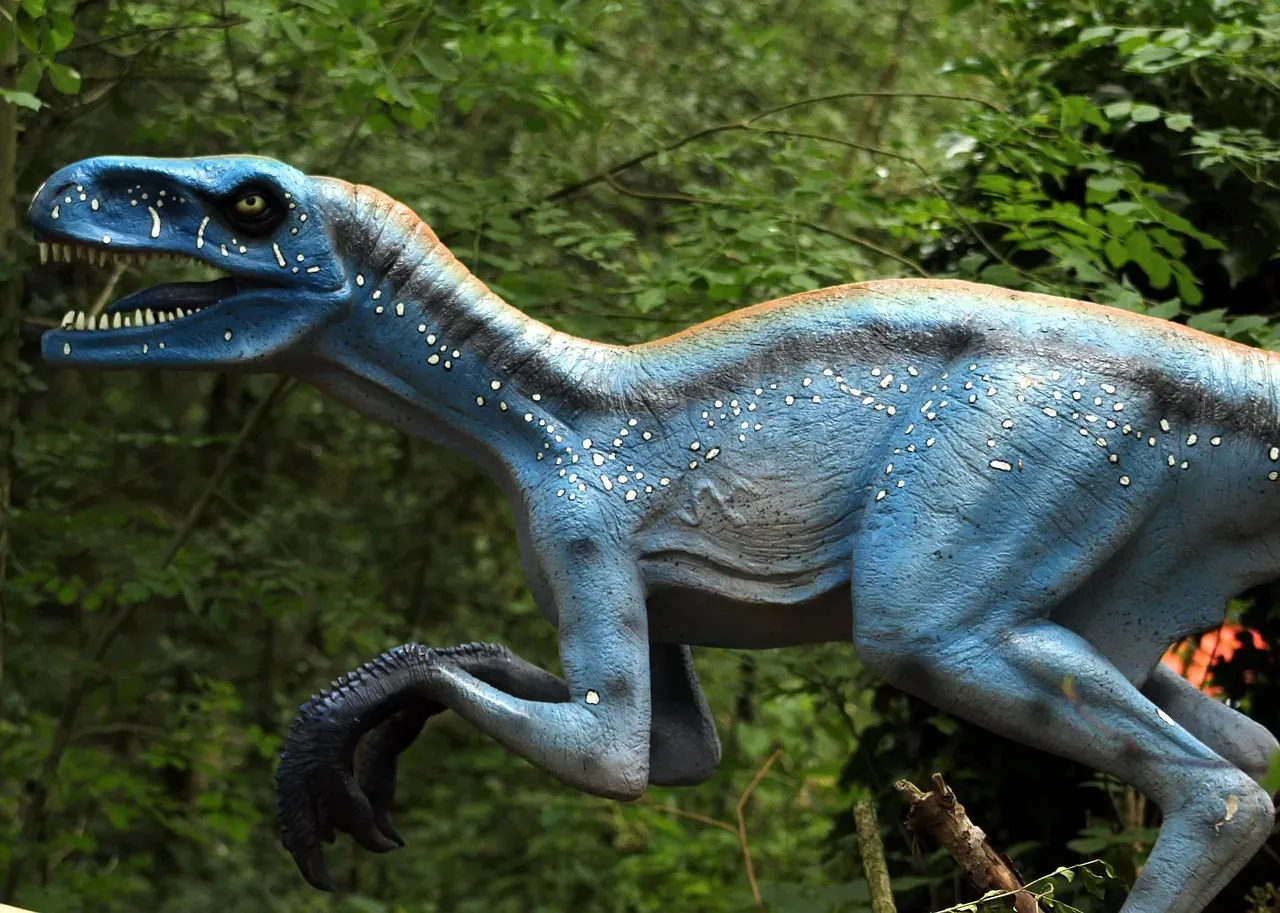
Pop culture has long dressed dinosaurs in dull greens and muddy grays, as if the entire Mesozoic era was shot in a post-apocalyptic filter. That couldn’t be further from scientific reality. Studies of dinosaur scales and feathers have revealed traces of melanin – the same pigment that lends color to lizard scales, bird feathers, and our hair. Analyses show that dinosaurs came in a wide variety of colors including black, white, and ginger. A few show-offs even had an iridescent sheen to their feathers. Many dinosaurs were boldly patterned with spots and stripes, white bellies and dark backs.
Amazingly, paleontologists can tell what colors some dinosaurs were because they have found really well-preserved fossilized feathers containing structures called melanosomes – these held pigments, and their different shapes and arrangements indicate what colors they were. I think that’s one of the most jaw-dropping developments in modern paleontology. For example, a small carnivorous dinosaur in northeastern China called Sinosauropteryx probably had a striped brown tail and a raccoon-like bandit mask. A raccoon-masked dinosaur. That’s genuinely wild.
T. Rex Wasn’t the Speed Demon You Think
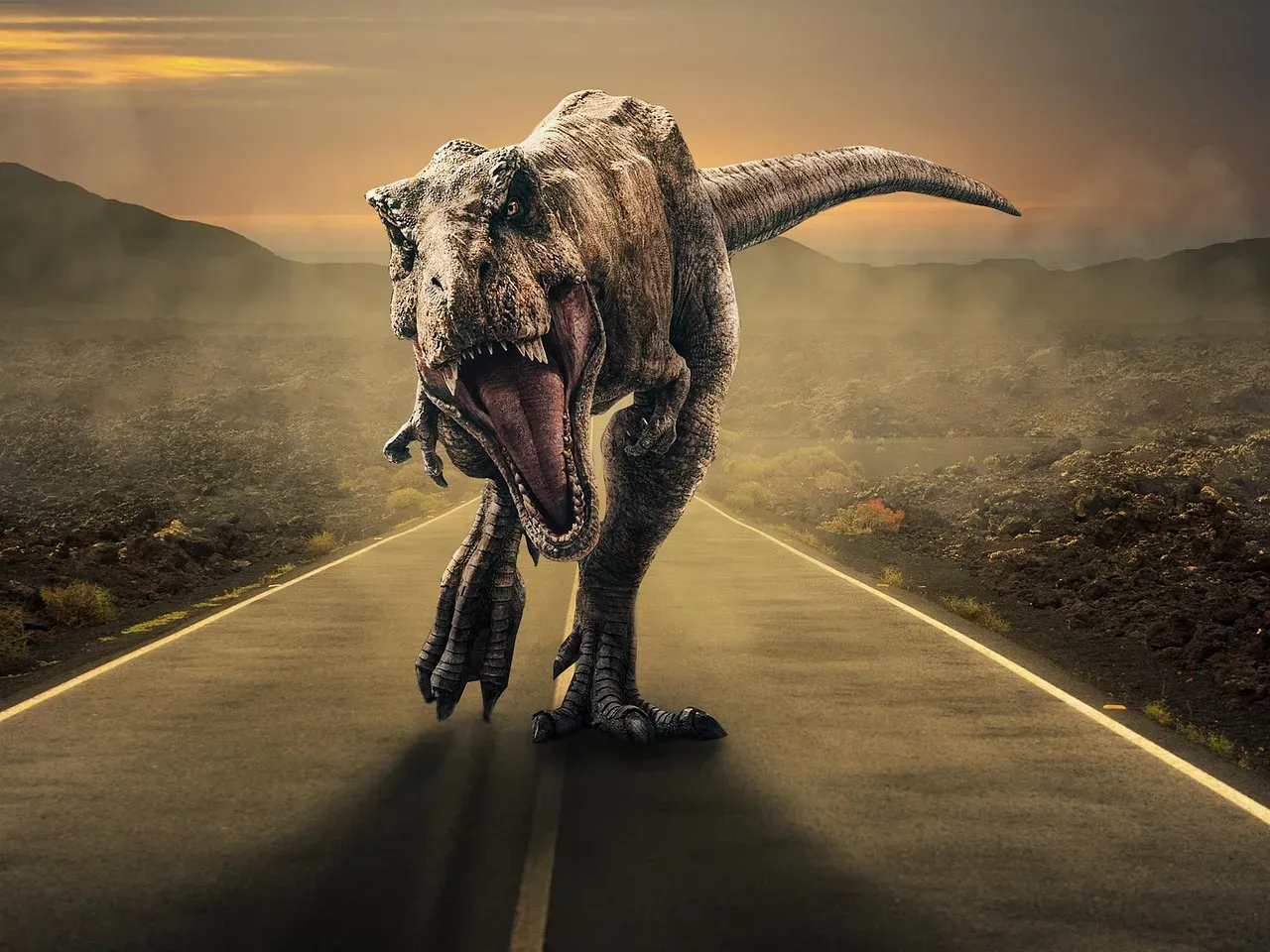
Every kid who grew up watching Jurassic Park was terrified of that iconic T. rex chase scene – the mighty beast thundering after a Jeep, keeping pace with a moving vehicle. Exciting cinema? Absolutely. Accurate science? Not quite. A recent study showed that Tyrannosaurus probably didn’t go much faster than a jogging human, based on the stress running would have put on its massive foot bones.
There’s also the posture problem. Museums originally built many T. rex skeleton models in an upright position with their tails on the ground, but researchers have known since the 1960s that they actually must have held their bodies horizontally, like a giant teeter-totter. When a Cornell paleontologist asked students to draw a picture of a Tyrannosaurus, most drew it upright. That mental image is so deeply baked into our brains that even decades of scientific correction can’t fully dislodge it. As one researcher puts it, popular culture usually takes a long time to catch up to current scientific thinking, and even when updated images do arrive, the outdated images still persist and spread alongside the newer ones.
Dinosaurs Didn’t Roar – At Least Not Like That
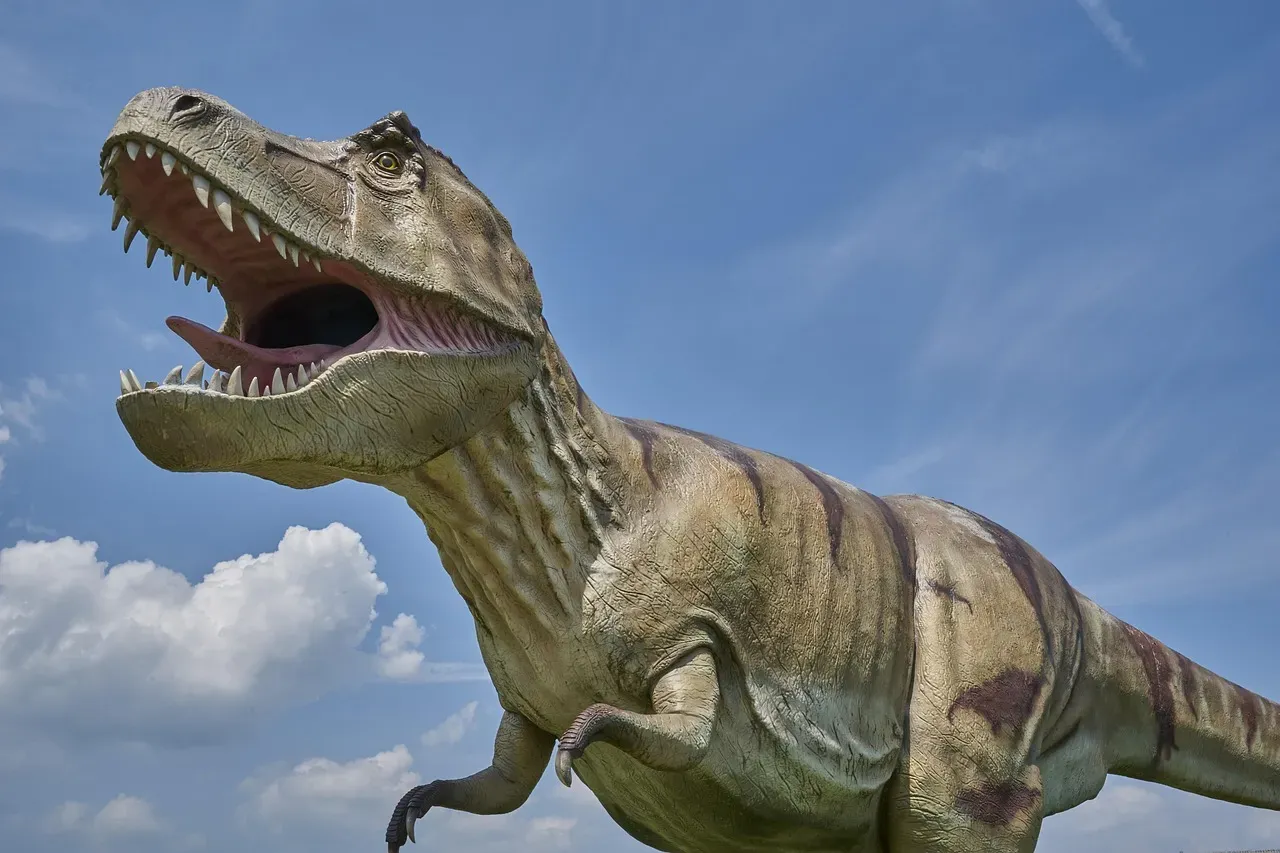
Close your eyes and imagine a Tyrannosaurus rex. Odds are, you just heard that earth-shaking roar in your head. Now brace yourself: that roar was probably made up. Evidence suggests that dinosaur vocalizations were not likely to have sounded like roars at all. Scientists studying the anatomy of dinosaur descendants – specifically birds and crocodilians – have pieced together a very different acoustic picture.
Instead of open-mouthed roars, scientists theorize that many dinosaurs may have produced closed-mouth vocalizations – sounds produced by inflating the esophagus or tracheal pouches while keeping the mouth closed, producing something comparable to a low-pitched swooshing, growling, or cooing sound. Some of these sounds might have been so deep you’d feel them in your chest rather than hear them clearly. Although researchers are still not entirely certain what Tyrannosaurus rex sounded like, they have developed a sound they believe is accurate – and by combining the sounds of animals they consider similar, they have produced a sound so deep that researchers think it could be felt rather than just heard.
Not All Dinosaurs Lived at the Same Time
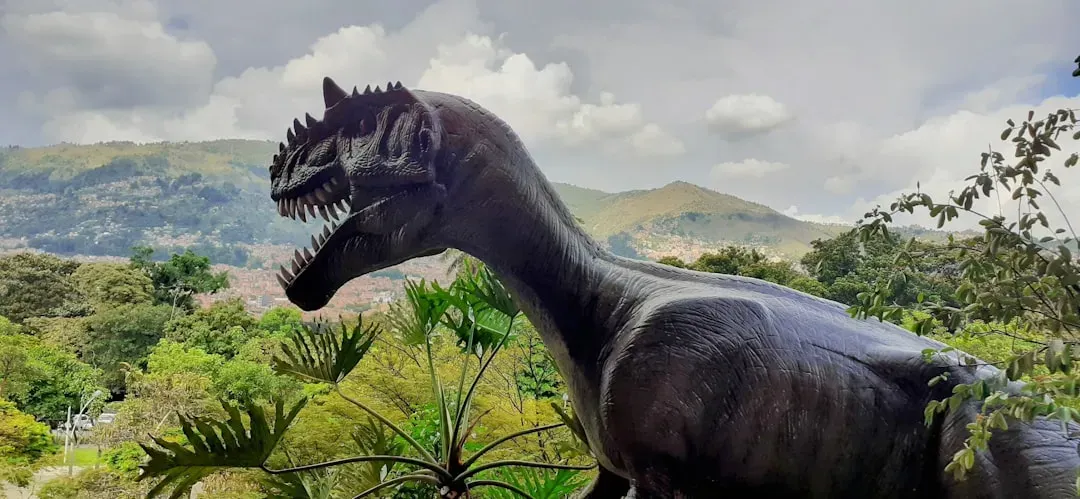
Movies and TV shows love putting dinosaurs all in the same place at the same time – a chaotic prehistoric zoo where T. rex faces off against Stegosaurus and Triceratops all in one afternoon. That makes for great drama but terrible science. Tyrannosaurus rex was closer in time to us than it was to the plate-backed, spike-tailed Stegosaurus, which is frequently shown battling it. That’s a staggering thought. T. rex and Stegosaurus are more separated in time from each other than T. rex is from you, reading this right now.
Dinosaurs ruled for over 150 million years and lived on every continent, and the assemblages of dinosaurs evolved constantly. Most of the dinosaurs in the Jurassic Park and Jurassic World movies did not meet each other in the real world, and most lived in the Cretaceous – but the name “Jurassic” sounded better. It’s like placing a mammoth in the same scene as a Triceratops and calling it historically accurate. The sheer span of dinosaur history dwarfs human comprehension – and popular culture almost never gives it the respect it deserves.
Birds Are Dinosaurs – Yes, Really
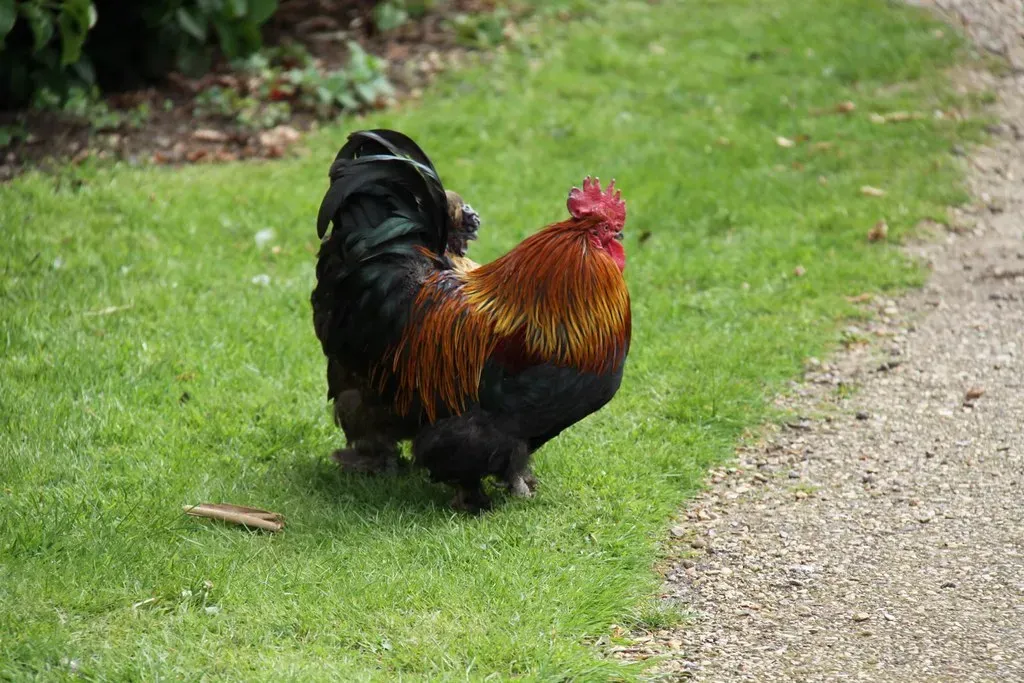
This might be the most persistently misunderstood fact of all. When most people think about dinosaurs going extinct, they picture a clean break: one era ends, another begins, the dinosaurs are gone. Sure, there was that mass extinction 66 million years ago when a giant asteroid hit the earth, but not everything died. Which dinosaurs are still alive? Birds.
Studies have revealed that T. rex and birds are more closely related than either is to the alligator. Features of the bones tell us birds evolved from meat-eating dinosaurs called theropods such as Tyrannosaurus rex, and this has even been confirmed from fossil protein sequences. Think about that next time you watch a pigeon pecking at crumbs outside a coffee shop. A group of two-legged carnivorous dinosaurs called theropods seems to have evaded the great dino extinction event 65 million years ago by developing feathers, bigger and more adaptable brains, and smaller, more airborne forms. Evolution, in this case, didn’t erase the dinosaurs. It transformed them.
The Brontosaurus Problem and the Myth of “All Dinosaurs Were Giants”
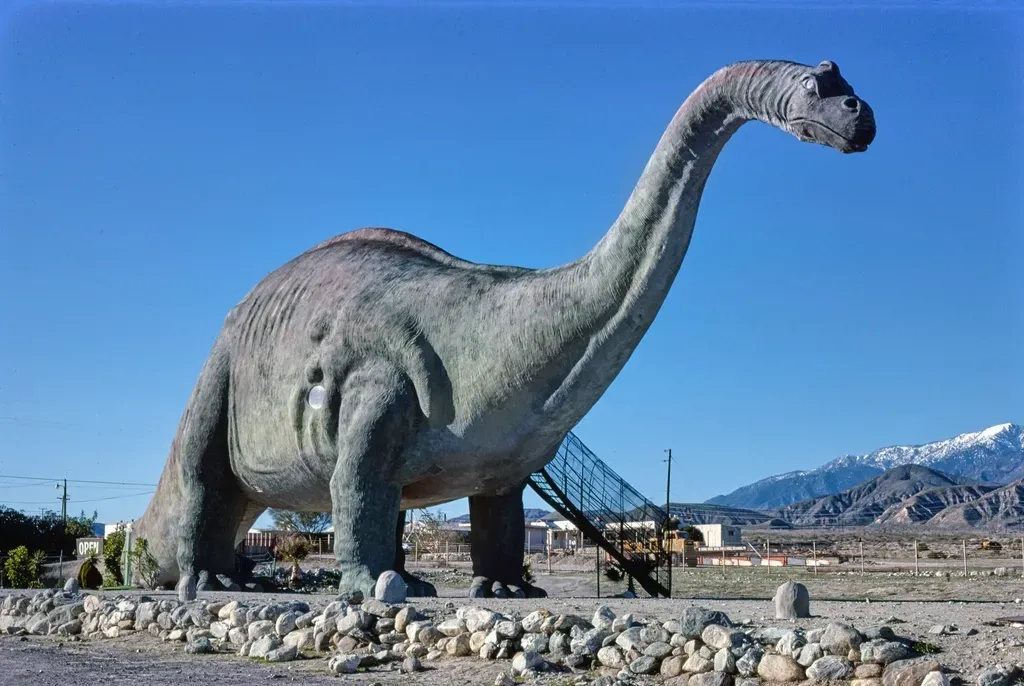
Let’s be real: the Brontosaurus has had a complicated life. The Brontosaurus never actually existed, and was in fact an incorrectly identified dinosaur created by putting the body of an Apatosaurus together with the head of a Camarasaurus. It became one of the most recognizable dinosaurs in pop culture – and it was a mistake. A paleontological mix-up that rode cartoon shows and museum exhibits for decades before being largely corrected.
The “all dinosaurs were giants” myth is equally stubborn. The horned dinosaur Protoceratops was the size of a sheep. Velociraptor was the size of a golden retriever and had to be scaled up for Jurassic Park to make it more terrifying. Recent years have seen an explosion in the number of small species discovered, such as the cat-sized raptor Hesperonychus, the rabbit-sized plant-eater Tianyulong, and the quail-sized insect-eater Parvicursor. The smaller species were probably more common than their giant cousins. You could have held some dinosaurs in your hand. That’s not the image Hollywood sells – but it’s closer to the truth of a group of animals that was staggeringly diverse, innovative, and adaptable for an almost unimaginable stretch of time.
Conclusion: The Science Has Moved On – Has Your Imagination?
Here’s what it all comes down to. Dinosaurs are genuinely more fascinating than any movie has ever managed to portray. They were feathered, colorful, acoustically sophisticated, wildly diverse in size, and so varied in behavior that even today’s scientists are still piecing together the full picture. Researchers have made leaps and bounds in their understanding of the ancient animals over the last few decades – but Hollywood hasn’t kept pace.
The myths persist for understandable reasons. Outdated images are sticky. Monster-movie dinosaurs are scarier than turkey-sized raptors. A dull roar is more cinematic than a deep, felt-in-the-chest boom. Movie dinosaurs are often meant to be more scary than scientifically accurate, and a more reptilian Velociraptor plays up phobias that the general public tends to have of scaly things like snakes and alligators. It’s just plain hard to change people’s minds once a particular image is established in their heads, even though it’s been shown to be incorrect. The science, however, keeps marching forward whether the culture is ready for it or not.
The real dinosaurs don’t need Hollywood’s embellishments. They are already one of the most extraordinary stories evolution has ever told. The next time you look up at a bird in flight, consider that you may be staring at the living descendant of a creature that once shook the earth beneath its feet. Now that’s something to think about. What was the biggest dinosaur myth you believed before reading this? Tell us in the comments.