For most of the twentieth century, the popular image of dinosaur reproduction was almost embarrassingly simple. Massive creatures lumbered to a patch of dirt, dropped a cluster of eggs, and walked away without a second glance. That was essentially the whole story. Or so we thought.
What paleontology has uncovered over the past few decades, and especially in more recent years, has turned that sleepy narrative completely upside down. The truth is layered, surprising, and in many ways deeply personal, raising fascinating questions about how these ancient giants actually lived. Let’s dive in.
The Science of Dinosaur Reproduction Has Exploded in Complexity
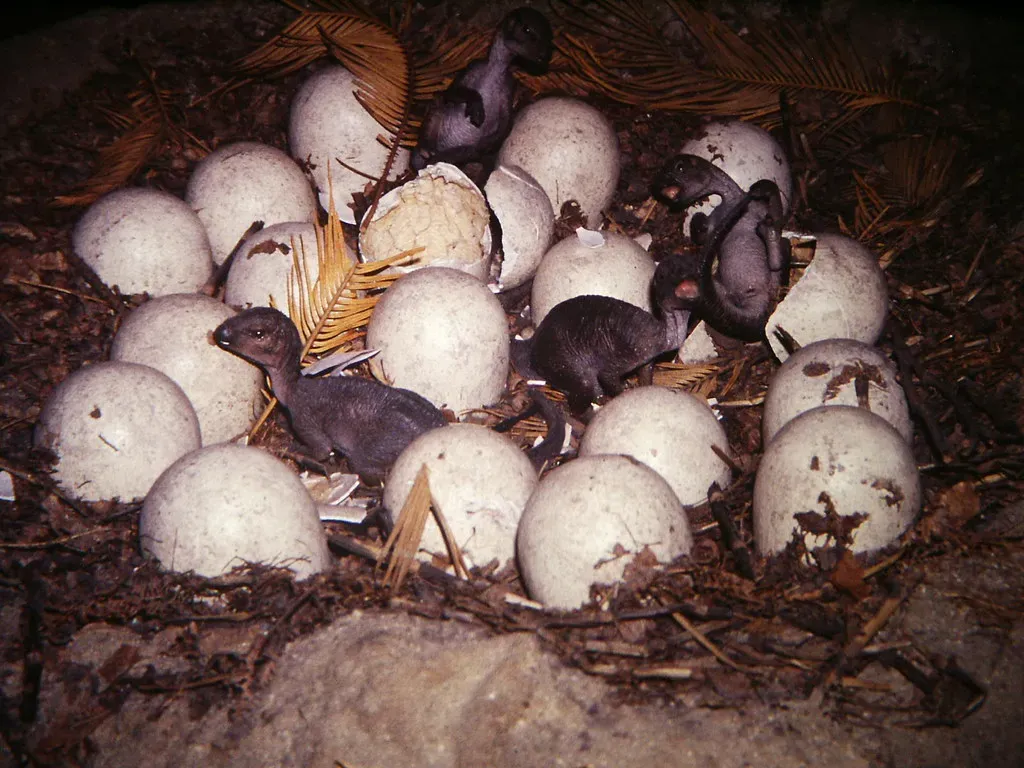
Since the start of the twenty-first century, there has been a notable increase in annual publications focusing on dinosaur reproduction and ontogeny, with researchers using these data to address a range of macroevolutionary questions about dinosaurs. Honestly, the pace of discovery has been staggering. What used to occupy a footnote in textbooks is now one of the most active frontiers in paleontology.
Ontogeny, which is closely tied to osteological morphological variation, impacts several key research areas, such as taxonomic diversity, population dynamics, palaeoecology, macroevolution, as well as the physiological and reproductive factors driving ecological success. In other words, understanding how dinosaurs were born and grew up helps scientists understand almost everything else about them too. Think of it like realizing you can’t understand a city without first understanding the families living in it.
From Soft Shells to Hard Shells: Eggs Were Not What You’d Expect
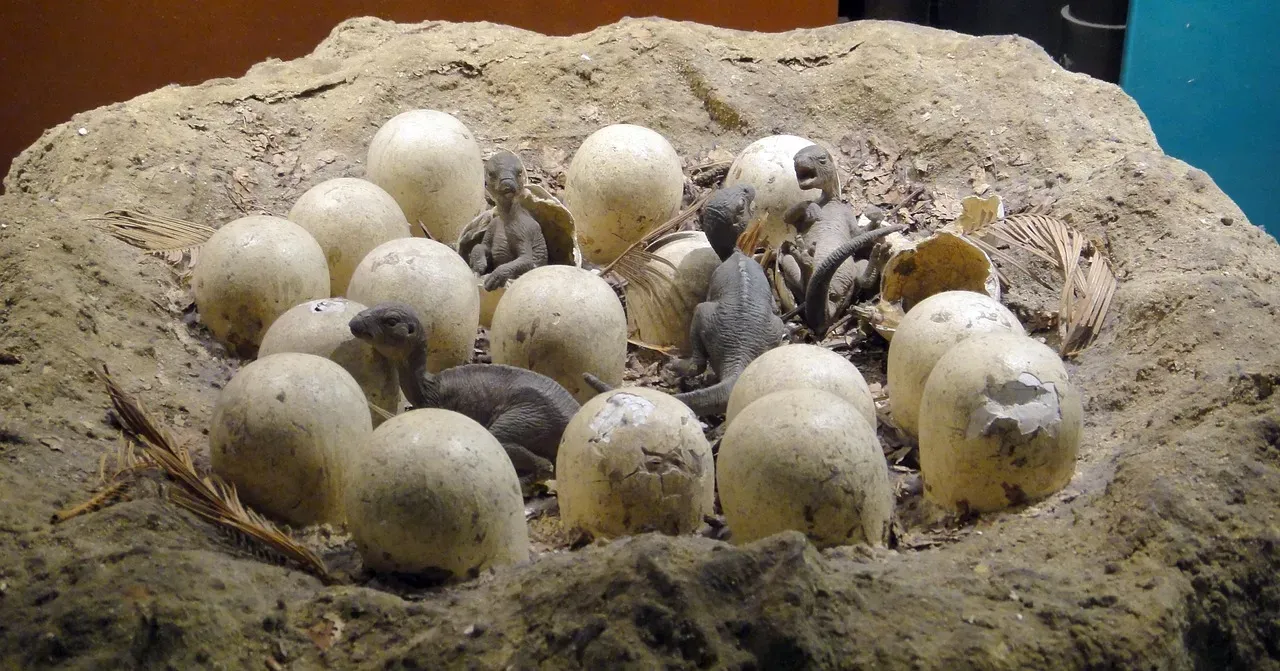
Here’s the thing that surprised even veteran researchers: not all dinosaur eggs were alike. The common ancestor of all dinosaurs laid soft-shelled eggs buried in moist soil, and hard-shelled eggs evolved multiple times in several lineages. That’s a huge deal. It means what you picture when you imagine a “dinosaur egg” likely describes only a narrow slice of the full story.
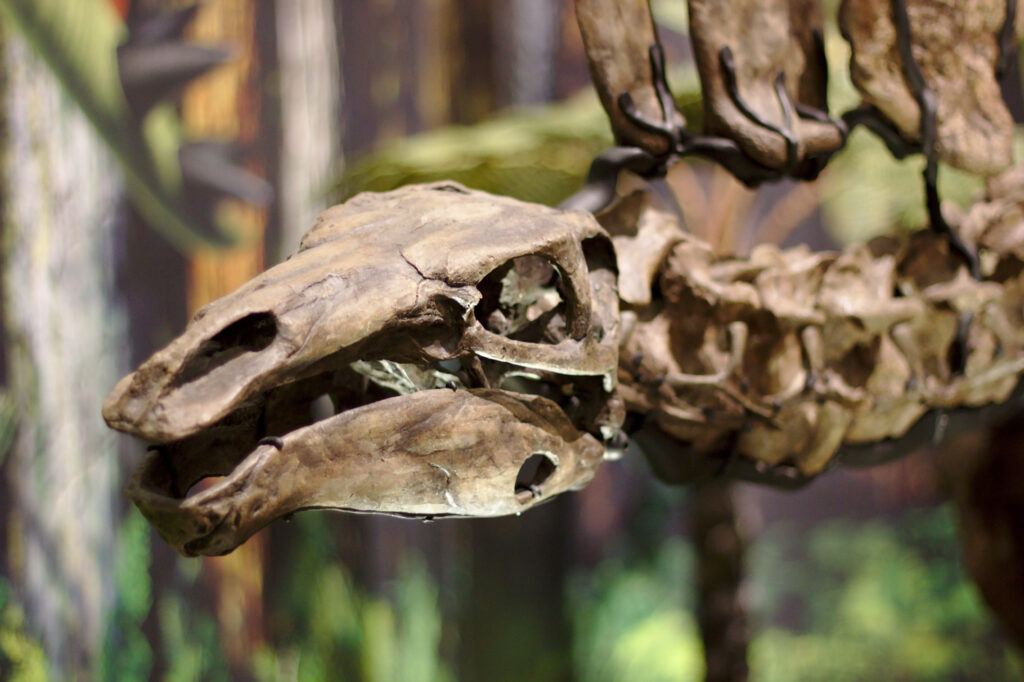
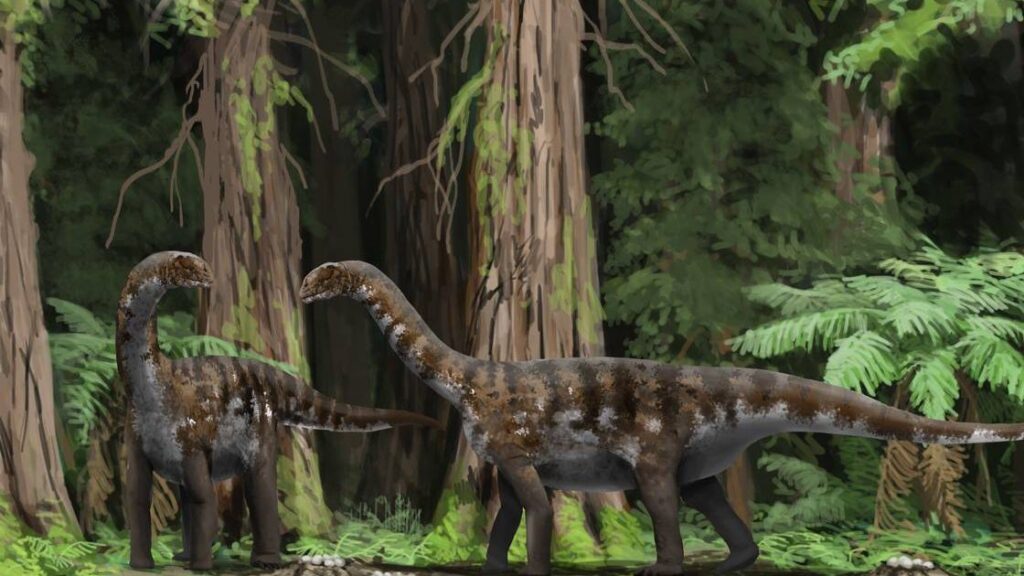
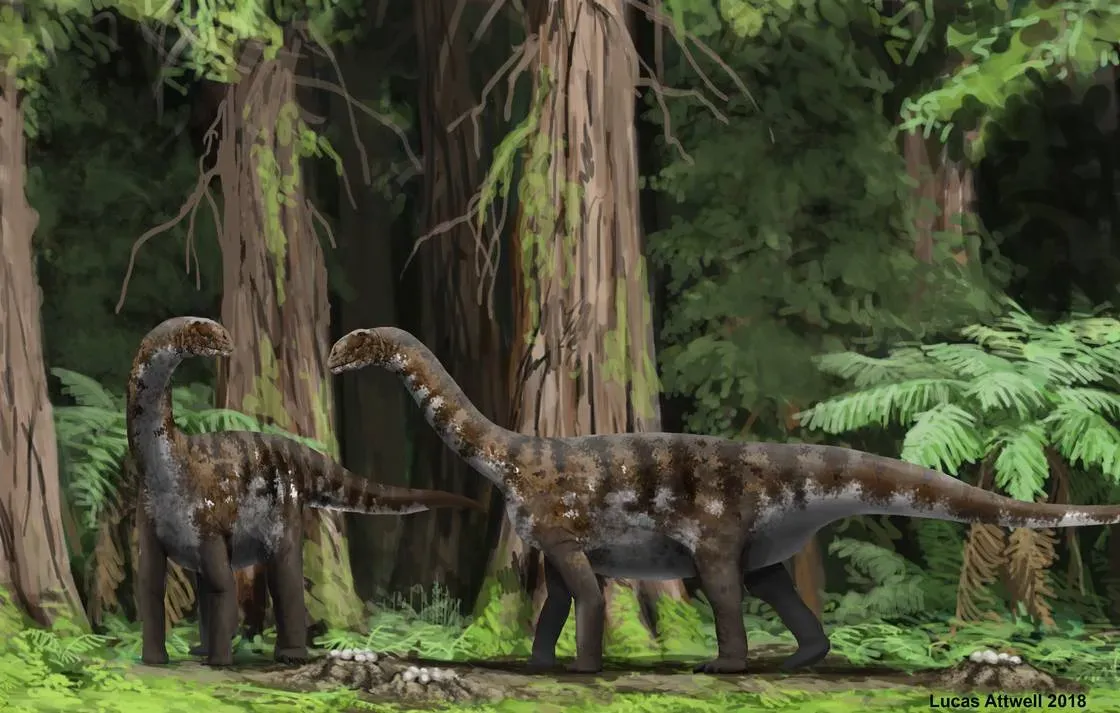
A study by University of Calgary paleontologist Darla Zelenitsky and colleagues found that some dinosaurs, like the 73 million-year-old horned dinosaur Protoceratops and the 215 million-year-old, long-necked dinosaur Mussaurus, laid soft-shelled eggs similar to the leathery eggs of some modern reptiles. Soft-shelled eggs are more sensitive to the environment, because they lose moisture easily in dry conditions. In addition, parents could not sit directly on top of them without risking a crushed shell. It’s a parenting challenge that reshapes everything we thought we knew about dinosaur nesting.
Incubation Methods Were Remarkably Diverse Across Species
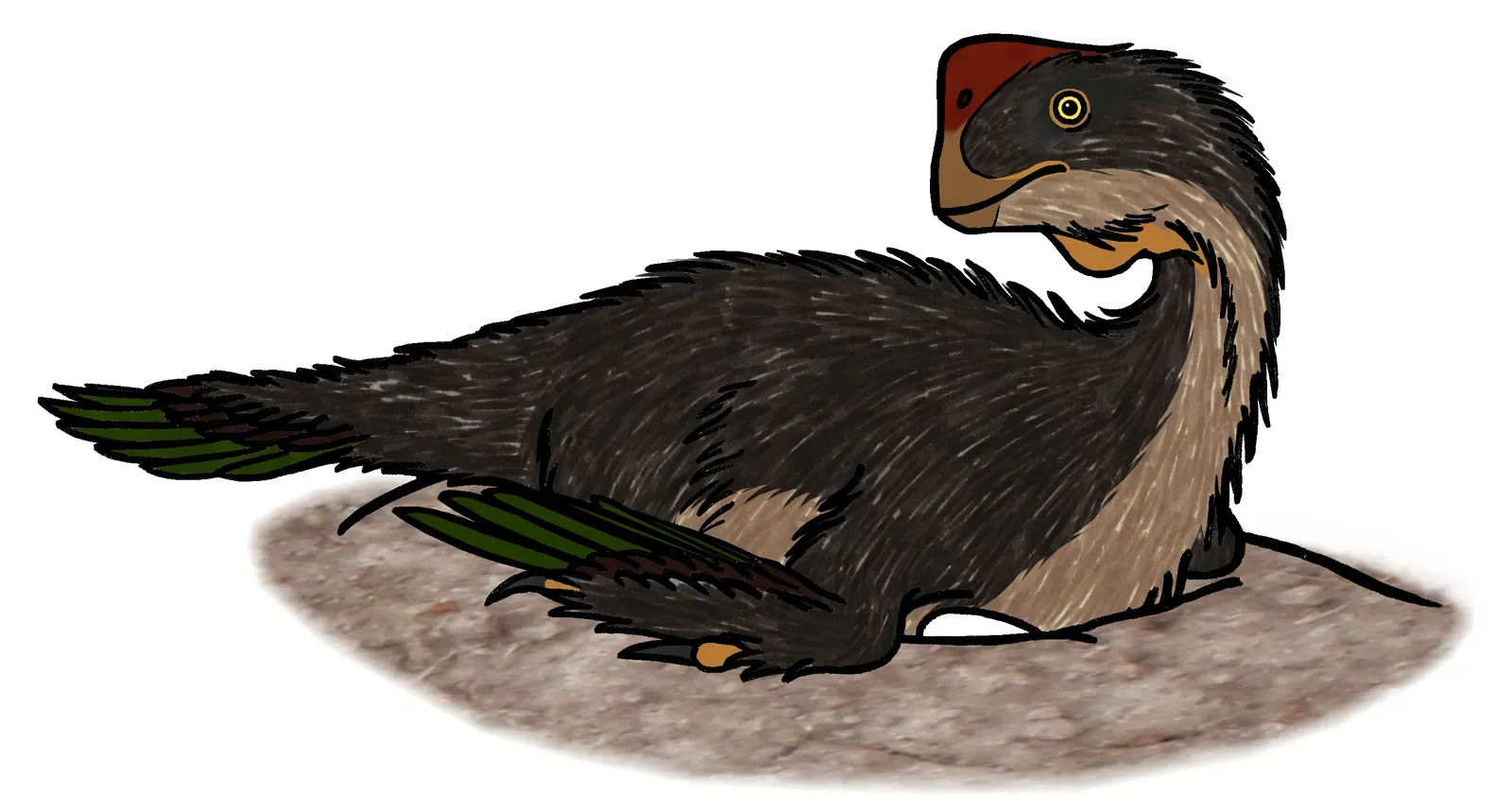
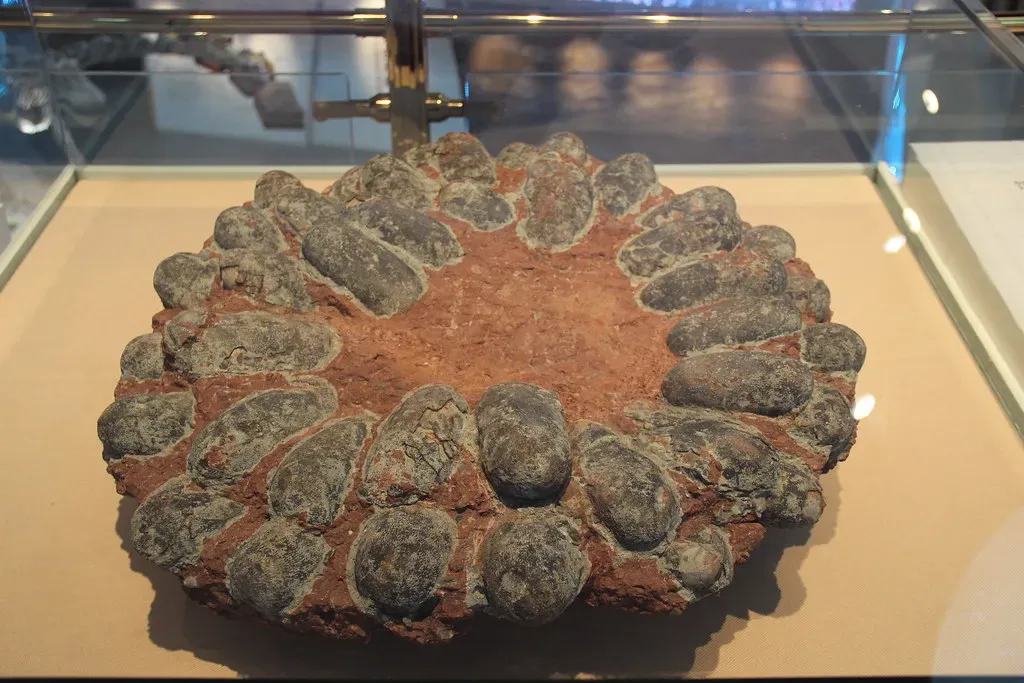
No typical dinosaur nest exists. Some species laid lots of round, hard eggs in a pile. Others laid eggs two-by-two and arranged them carefully. Some eggs are spheres. Some are cone-shaped. And as is the case with modern birds, different egg types relate to the ways adult dinosaurs behaved. It’s almost like each species invented its own rulebook.
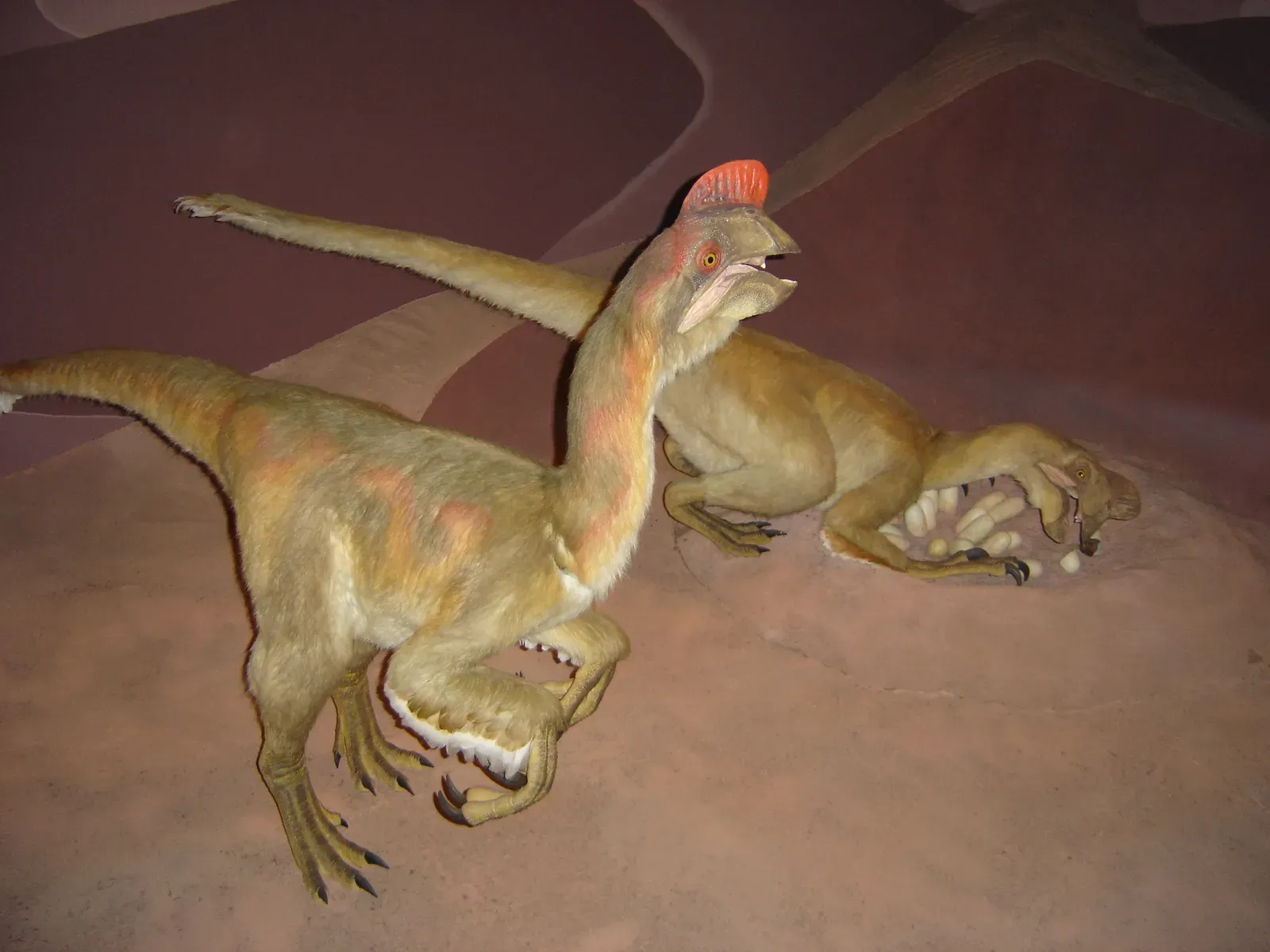
Some maniraptoran theropods, such as oviraptorosaurs and troodontids, in contrast to hadrosaurs and sauropods, are known to have built open nests where the eggs were at least partly exposed during incubation, which has been related to brood-like behaviors in these animals. Meanwhile, covered nesting appears to have been a common behavior among non-avian dinosaurs, particularly for taxa outside of maniraptoran theropods. These dinosaurs likely used either in-filled holes in sand or mound nests consisting of organic nest materials to incubate their eggs, as in living crocodylians and megapodes. The range of strategies is, quite frankly, remarkable.
Egg-Laying Timing and Polar Nesting Reveal Strategic Brilliance
You might assume dinosaurs only nested in warm, tropical climates. Think again. Dinosaur eggshell fragments attributed to the oofamilies Spheroolithidae and Prismatoolithidae, recovered from the latest Cretaceous Kakanaut Formation of northeastern Russia, constitute one of the northernmost records of dinosaur reproductive behaviors. The high palaeolatitude of the locality, roughly 75 degrees north, as well as the cool near-polar climate, raise questions about dinosaur reproductive strategies, particularly in terms of the timing of egg laying.
Results show that eggs were most likely laid in early spring, giving time for the hatchling to grow large enough to survive the harsh next winter period and possible southwards migration. Early spring egg laying implies nesting and incubation methods using enhanced heat sources, such as body heat transfer by brooding or nest mounds. I know it sounds almost unbelievable, but some dinosaurs were essentially timing their pregnancies to a seasonal calendar. Not exactly the mindless reptiles of old pop culture, are they?
Elaborate Mating Rituals Left Their Mark in Stone
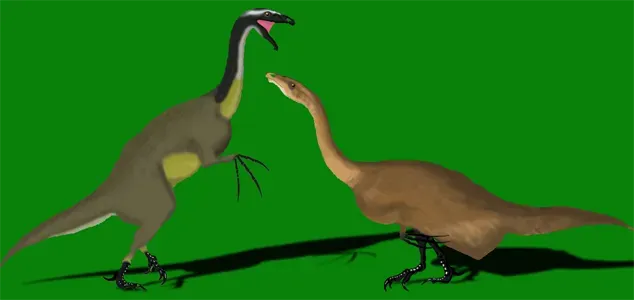
Reproduction doesn’t begin at the nest, of course. It begins with courtship. About 100 million years ago, large groups of male Tyrannosaurus-rex-like dinosaurs gathered to dance, twisting and kicking in what may have been one of the most elaborate mating rituals in the ancient world. That image alone should change how you picture the Mesozoic era.
New aerial images revealed dozens more trace fossils than previously documented, totaling 35 marks of different shapes and sizes at a site in Colorado. Although a few of these dinosaur lekking spots may have been found before, this site at Dinosaur Ridge indicates that this wasn’t just a behavior found in a specific spot or just a one-off thing. These dinosaurs were gathering, competing, and performing for one another, much like modern birds of paradise still do today.
Parental Care Was Far More Sophisticated Than a Simple Nest-and-Leave
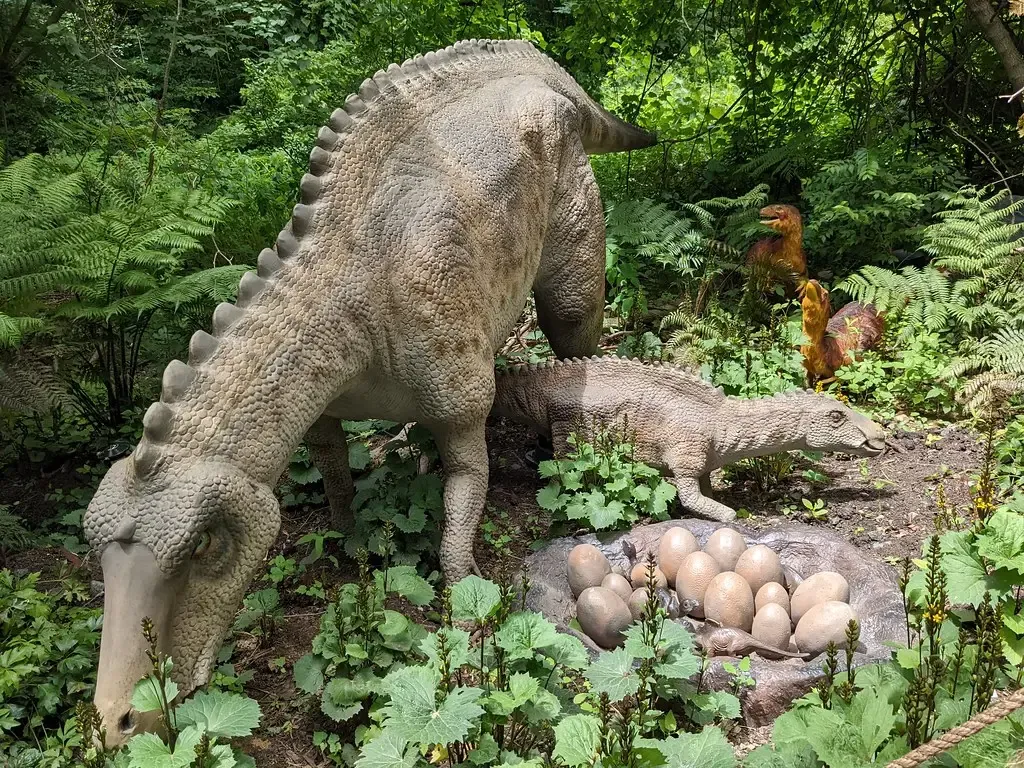
The discovery of Maiasaura in Montana fundamentally altered the conversation. The discovery of nests, eggs, and juvenile specimens in various growth stages suggested something unprecedented: these dinosaurs didn’t simply lay eggs and abandon them but appeared to care for their young in nest colonies. This revelation challenged the long-held notion that dinosaurs were solitary, cold-blooded reptiles with minimal parental investment, instead painting a picture of social, nurturing creatures more similar to modern birds than previously thought.
Juvenile specimens discovered in and around nests show worn teeth indicative of feeding rather than consuming yolk reserves, suggesting they remained in the nest while adults provided food. Bone histology of these juveniles reveals rapid early growth rates that would have been impossible without significant parental provisioning. Still, not every species was this devoted. Long-necked dinosaurs buried their eggs carefully, but like turtles, the evidence points to little further care, a strategy of lay them and leave them. The variation between species is as wide as the dinosaurs themselves.
Reproductive Strategy Shaped How Entire Ecosystems Functioned
Here is where things get genuinely mind-bending. It turns out dinosaur reproduction did not just affect individual species but shaped the ecology of entire prehistoric worlds. Dinosaurs exhibited limited parental care, with juveniles quickly becoming independent and occupying different ecological niches from adults. This life history strategy, combined with large broods and rapid growth, resulted in greater functional species diversity within dinosaur communities compared to mammals.
Because multiple offspring were born at once and reproduction occurred more frequently than in mammals, dinosaurs increased the chances of survival for their lineage without expending much effort or resources. It has been found that dinosaurs had rapid growth rates, reaching full body size in less than a decade for most groups, and less than two decades for even the largest. Compare that to an elephant, which takes over a decade just to reach reproductive maturity. The dinosaurian model was, in its own wild way, brutally efficient.
Conclusion: The Fossil Record Is Still Rewriting the Story
What we once believed about dinosaur reproduction was little more than a sketch, a vague outline drawn with the limited tools of an earlier era of science. What you now know, thanks to discoveries from Montana to Mongolia, from Arctic Russia to Colorado, is far richer, stranger, and more layered than anyone expected. The evolution of dinosaur nesting shows the diversity of strategies that arose during the millions of years that these animals walked the Earth.
An area that has benefitted greatly from recent discoveries of eggs, nests, and juveniles, and from the widespread adoption of osteohistological techniques, now allows accurate reconstruction of growth rates and ontogenetic stage, thereby offering new insights into dinosaur parenting, metabolism, taxonomy, and community structure. Every new fossil, every cracked eggshell fragment, and every microscopic tooth mark adds another sentence to a story still very much being written. The deeper science digs, the more complex and captivating these ancient creatures become.
So here is a question worth sitting with: if creatures that lived 66 million years ago were this nuanced in how they reproduced and raised their young, what does that say about our assumptions regarding all the other aspects of their lives we have yet to fully explore? What would you have guessed before you read this?