When most people picture dinosaurs, they imagine solitary, territorial monsters roaming a hostile prehistoric landscape, indifferent to everything around them except their next meal. It is a compelling image, partly shaped by decades of Hollywood blockbusters and partly by older scientific assumptions that have long since been overturned. The reality, as paleontologists are now discovering, is far more nuanced, emotionally layered, and honestly quite surprising.
Modern research is turning the old story on its head. From fossilized nesting colonies to evidence of something that looks suspiciously like a dinosaur daycare, the ancient world was a richer, more socially complex environment than anyone imagined just a few decades ago. If you thought dinosaurs were cold, emotionless killing machines, brace yourself. Let’s dive in.
The Myth of the Uncaring Dinosaur Parent Is Finally Crumbling
Here is the thing most people never stop to question: for a long time, scientists assumed dinosaurs simply laid their eggs and walked away, much like modern sea turtles. It was a tidy, simple idea. It was also, increasingly, proven wrong.
Early paleontologists had limited evidence to work with when considering dinosaur reproduction, often assuming these animals simply laid eggs and abandoned them, similar to modern reptiles like sea turtles. That assumption started crumbling in the 1970s and has barely stopped crumbling since.
This view began to shift dramatically in the 1970s and 1980s with groundbreaking discoveries in Montana’s Two Medicine Formation by paleontologist Jack Horner, who uncovered Maiasaura nesting grounds with evidence of parental care. What Horner found changed the field permanently.
Today, researchers employ advanced technologies such as CT scanning, chemical analysis of fossils, and comparative studies with modern birds to reconstruct these ancient parenting behaviors. The toolkit available to paleontologists now is almost unrecognizable compared to what existed even thirty years ago, and every new technique seems to reveal another layer of complexity.
Meet Maiasaura: The Good Mother Lizard That Changed Everything
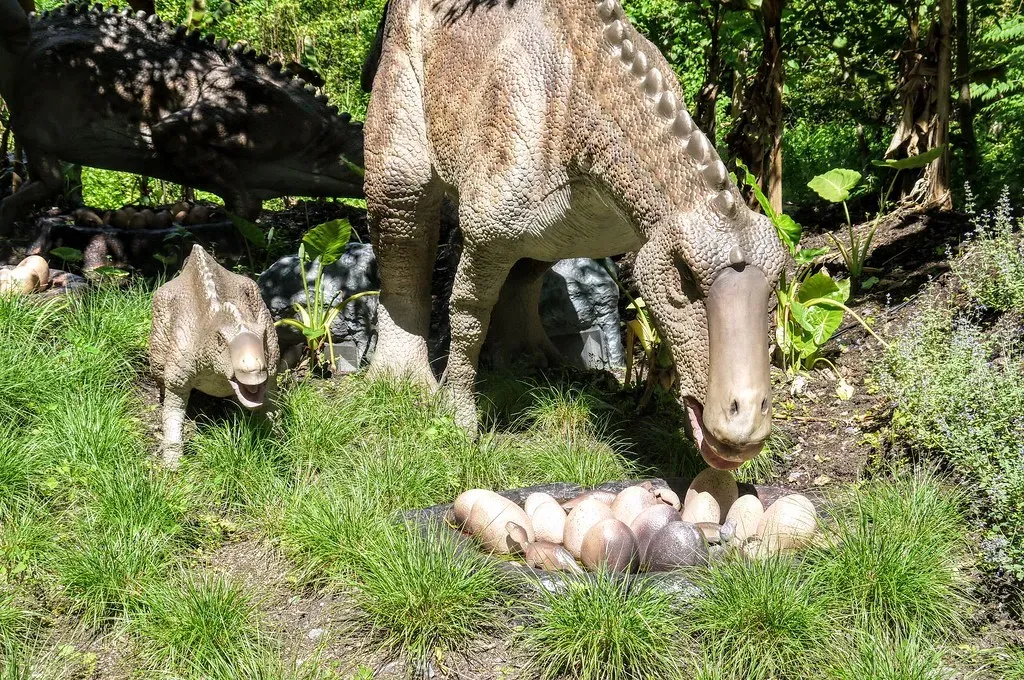
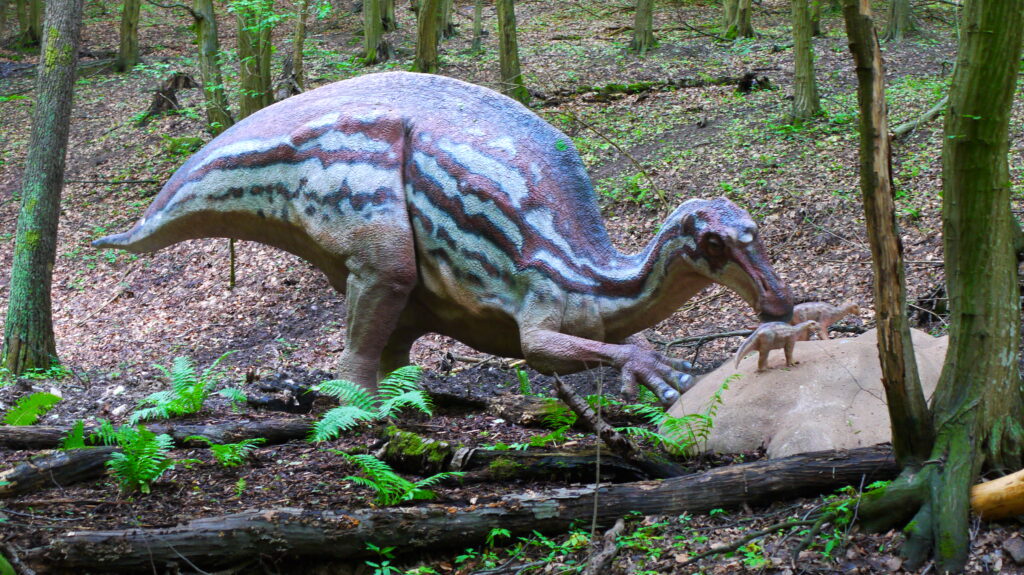
If there is one dinosaur that single-handedly forced science to rethink family life in the Mesozoic, it is Maiasaura. The name literally translates to “good mother lizard,” and that name was earned through genuine fossil evidence, not wishful thinking.
The Maiasaura, commonly known as the “good mother lizard,” is a prime example of dinosaur parental care. These dinosaurs lived during the Late Cretaceous period, around 80 to 75 million years ago, and exhibited remarkable nurturing behaviors. Fossil evidence suggests that Maiasaura parents nested in large colonies, creating a social structure similar to modern-day birds.
The discovery of trampled eggshells and plant matter in the nests suggests that the Maiasaura parents may have fed and cared for their young before they were old enough to leave the nest. Think about that for a moment. You are looking at fossils of food preparation and nest management from nearly 80 million years ago.
Fossil evidence reveals communal nesting, with up to 14 nests clustered together, showcasing significant parental investment and social behavior. High mortality rates, particularly a staggering 90% for young in their first year, highlight the precarious nature of early life. Parenting in the Mesozoic was clearly not for the faint of heart.
The Surprising Science of Dinosaur Nests and Eggs
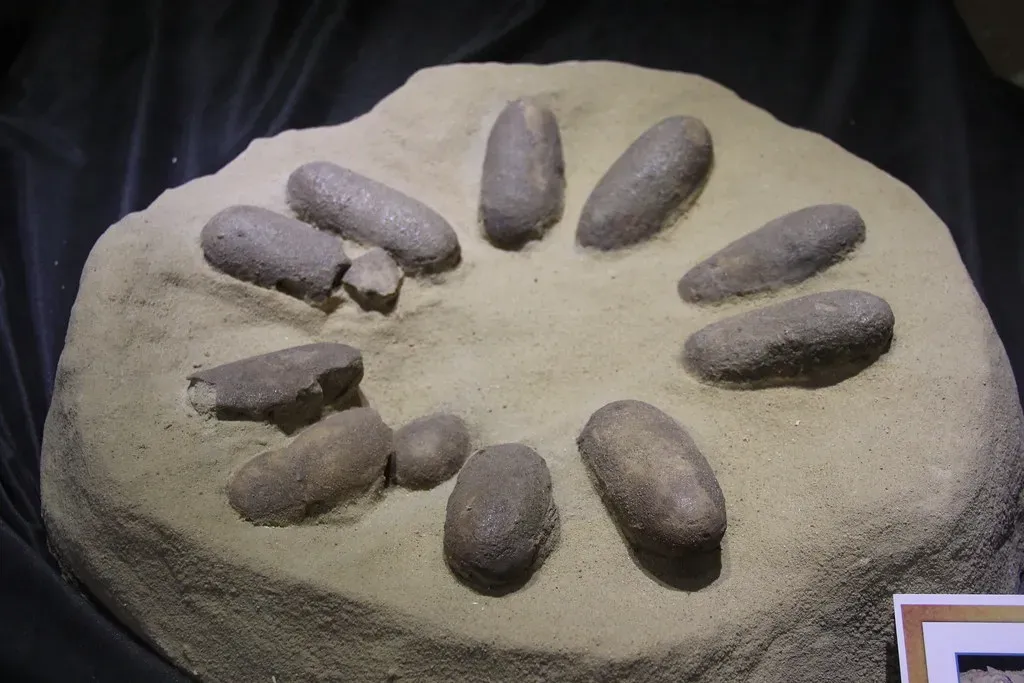
You might assume a dinosaur nest is just a hole in the ground. Some were, honestly. However, when you dig deeper into the fossil record, what you find is a spectrum of nesting strategies so varied it rivals anything seen in the modern animal kingdom.
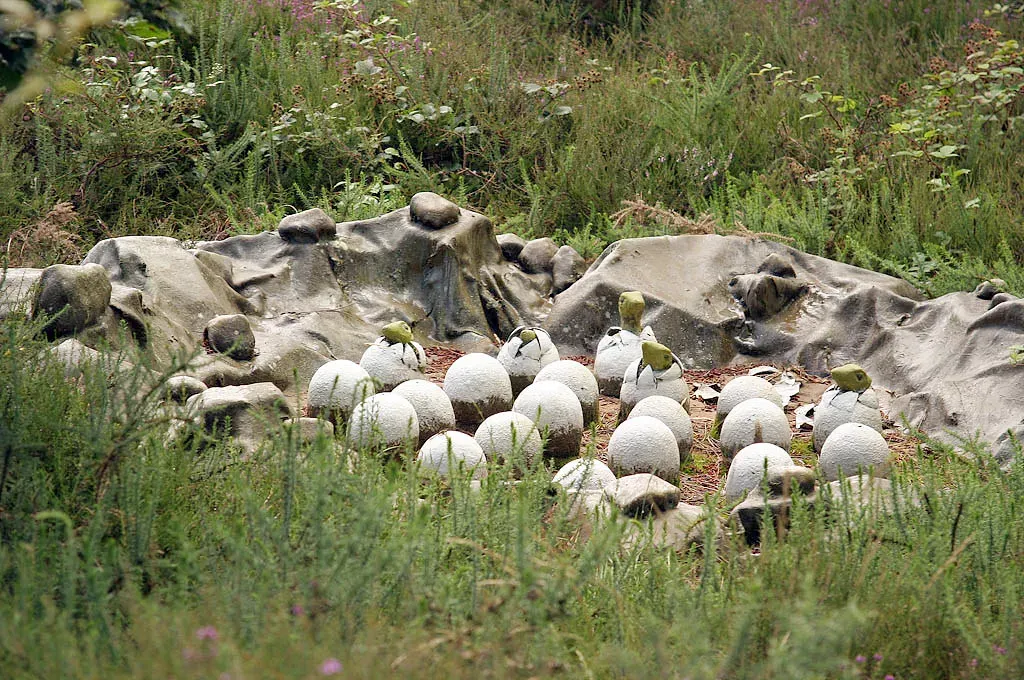
No typical dinosaur nest exists. Some species laid lots of round, hard eggs in a pile. Others laid eggs two-by-two and arranged them carefully. Some eggs are spheres. Some are cone-shaped. As is the case with modern birds, different egg types relate to the ways adult dinosaurs behaved. That variety is genuinely mind-bending.
In living archosaurs, birds and crocodilians, there are generally two types of nest. Some animals cover their nests entirely and leave them. Others, including the majority of living birds, leave their nests open and incubate the eggs by brooding. These tactics are thought to have been similar for dinosaurs.
Larger species may have used a heating system similar to that of crocodilians, piling plant matter on top of eggs to create a compost heap to generate warmth as the vegetation decays. So some of the largest creatures that ever walked the Earth were essentially composting to keep their babies warm. I think that is both practical and oddly charming.
Oviraptors: From Notorious Egg Thieves to Devoted Parents
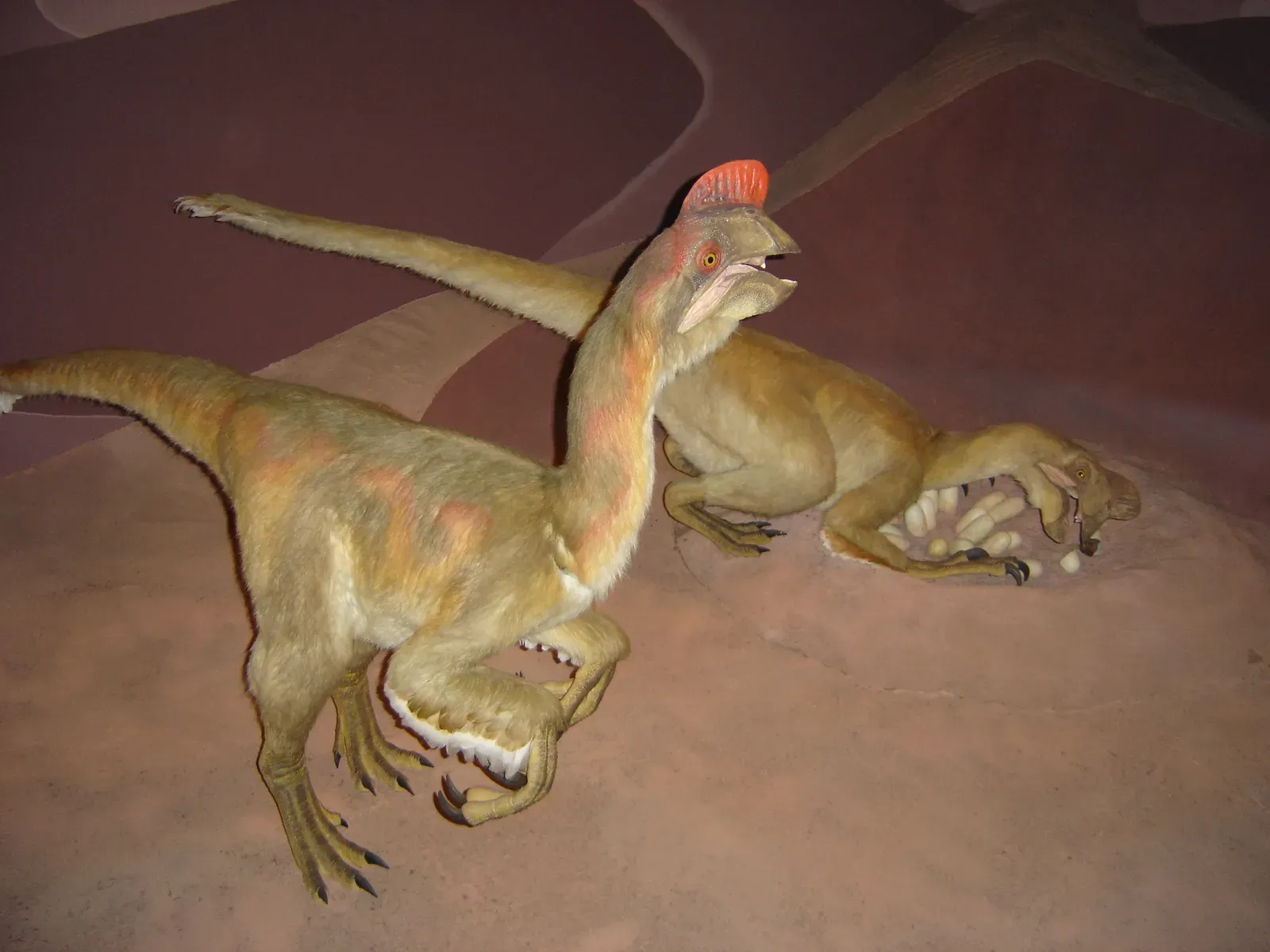
Few stories in paleontology are quite as satisfying as the complete rehabilitation of the oviraptor. For decades, this dinosaur carried a name that meant “egg thief,” branded a criminal based almost entirely on a misidentified fossil. The truth, it turned out, was quite the opposite.
As Protoceratops was the most common dinosaur in the area, the taxon was hypothesized to be the egg layer. This led to the naming of Oviraptor philoceratops, the “egg thief” assumed to be stealing Protoceratops eggs due to the unearthing of a skeleton next to a nest. In 1993, the American Museum of Natural History uncovered Citipati, an oviraptorosaur brooding a clutch of elongated eggs, and changed the narrative of the previously thought scenario. The egg thief was in fact displaying parental care.
Scientists know from previous finds that oviraptorids laid two eggs at a time in a clutch of 30 or more. That means a mother had to repeatedly return to the nest, arranging eggs day after day for weeks on end. That is dedication, not cold indifference.
Researchers have found a large number of oviraptorosaur nests with adult dinosaur skeletons nearby. The oviraptor was not robbing nests. It was protecting them with its life. That single realization reframes the entire species, and honestly, it makes you wonder what other prehistoric reputations need rewriting.
Dinosaur Daycare: When Ancient Parenting Got Communal
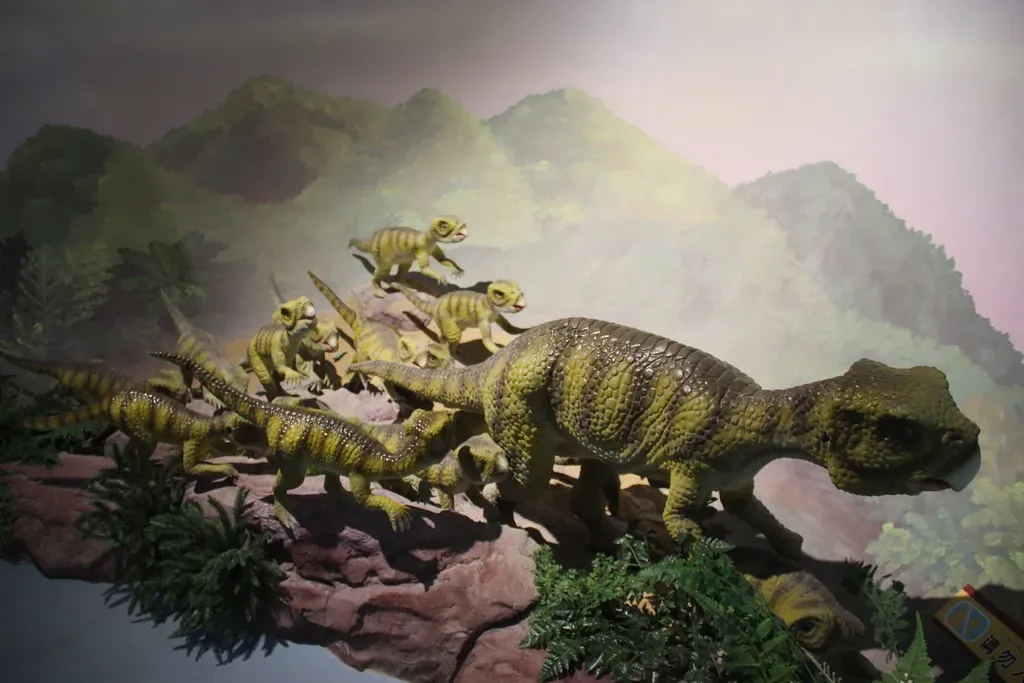
Now here is where things get truly fascinating, almost unbelievably so. Recent fossil finds suggest that some dinosaurs did not just care for their own offspring. Some appear to have watched over the young of multiple families at once. Yes, that is as close to a dinosaur daycare as science has ever found.
Particularly intriguing are discoveries of adult Psittacosaurus specimens surrounded by multiple juveniles of similar development stages but not necessarily direct offspring, hinting at possible “daycare” arrangements where adults watched over young from multiple families, a behavior observed in some modern birds like ostriches.
Emerging evidence suggests that some dinosaur species practiced sophisticated communal child-rearing strategies similar to those observed in modern birds. This is a massive conceptual leap from the image of a solitary, antisocial reptile.
This physical evidence points to a stratified group or herd of dinosaurs, like a troop of elephants today. This is so important because it is the first time we have found clear physical evidence of group rearing strategies in dinosaur populations. Think of it as prehistoric cooperative parenting, as surprisingly modern as it sounds.
Age-Segregated Herds: Dinosaurs Had Their Own Social Structure
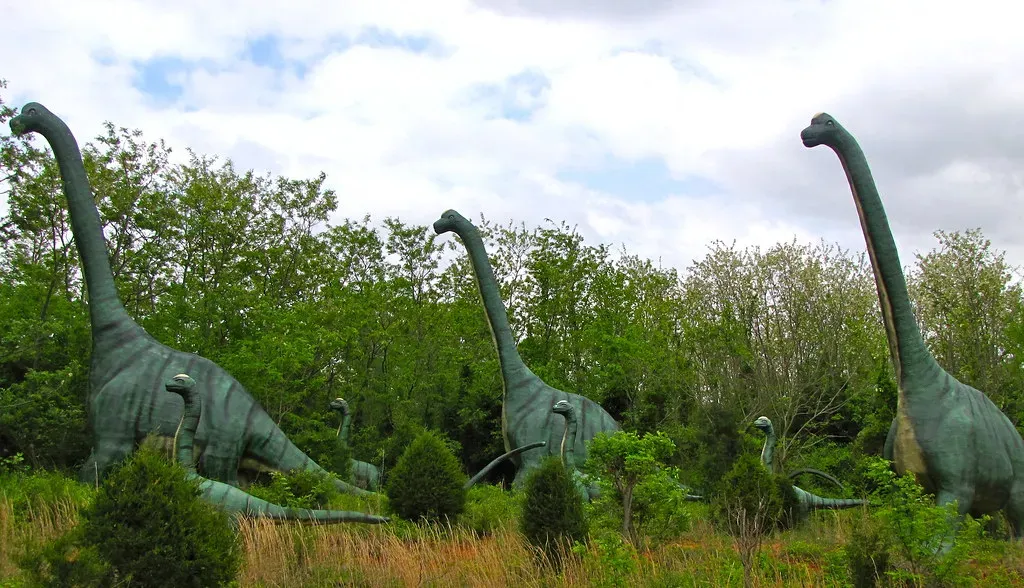
One of the most electrifying discoveries in recent paleontology is evidence that some dinosaurs did not simply live in undifferentiated mobs. They organized themselves, separating by age group the way a school divides students by grade level. The implications for how we understand dinosaur society are enormous.
An exceptional fossil occurrence from Patagonia includes over 100 eggs and skeletal specimens of 80 individuals of the early sauropodomorph Mussaurus patagonicus, ranging from embryos to fully-grown adults. Most specimens were found in a restricted area and stratigraphic interval, with some articulated skeletons grouped in clusters of individuals of approximately the same age.
What they discovered was evidence of a separation in the deposition of different age groups of dinosaurs. For example, the embryotic eggs were separate from the juveniles, and the juveniles were separated from older individuals. That kind of structured separation does not happen by accident.
These findings provide the earliest evidence of complex social behaviour in Dinosauria, predating previous records by at least 40 million years. The presence of sociality in different sauropodomorph lineages suggests a possible Triassic origin of this behaviour, which may have influenced their early success as large animals dominating their ecosystems. Social behavior, it turns out, may have been a key survival tool from the very beginning of dinosaur history.
How “Free-Range” Parenting and Rapid Growth Shaped an Entire Ecosystem
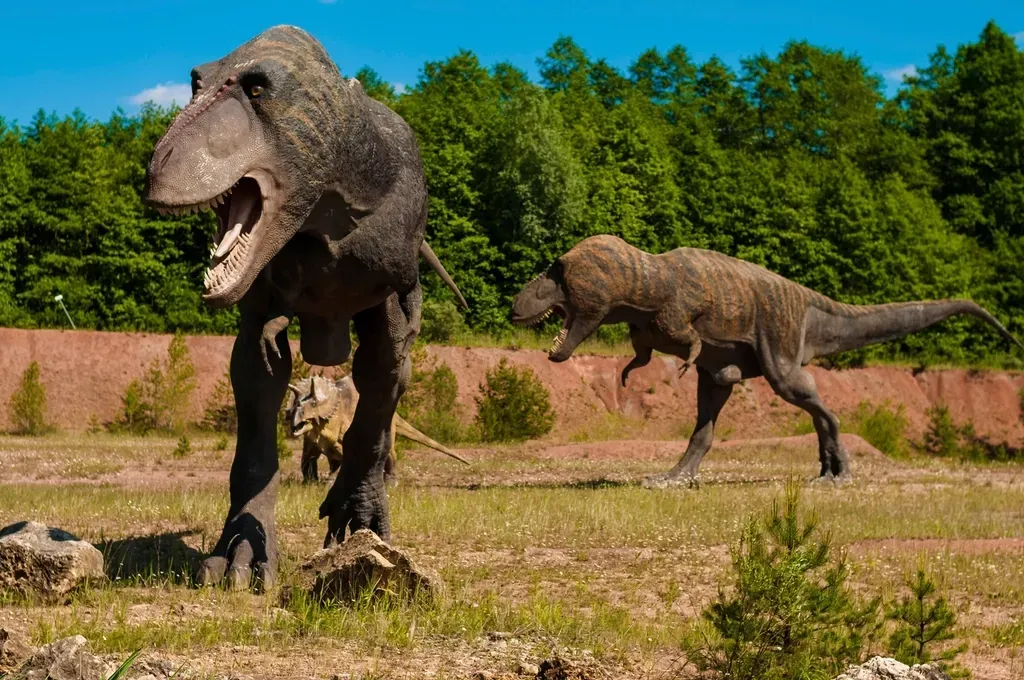
Not every dinosaur was a helicopter parent. In fact, a significant portion of the research now points to a “free-range” approach to parenting among many species, one where juveniles quickly became independent and went out to carve their own paths in the world. Remarkably, this had profound consequences for the entire ecosystem around them.
Dinosaurs exhibited limited parental care, with juveniles quickly becoming independent and occupying different ecological niches from adults. Imagine a teenager suddenly operating as an entirely different kind of predator or herbivore compared to its parents. That is essentially what was happening.
This life history strategy, combined with large broods and rapid growth, resulted in greater functional species diversity within dinosaur communities compared to mammals. Ancient ecosystems likely supported this diversity through higher plant productivity and possibly lower dinosaur metabolic rates. In other words, the way dinosaurs raised their young, or chose not to, helped shape the incredible biodiversity of the Mesozoic world.
By staying smaller for longer, young tyrannosaurs could fill different ecological niches. A 15-year-old T. rex was fast, agile, and likely hunted different prey than a 35-year-old, eight-ton behemoth. The family life of dinosaurs was not just an intimate story. It was an ecological engine driving the entire prehistoric world forward.
Conclusion: The Prehistoric Family Album Is Just Getting Started
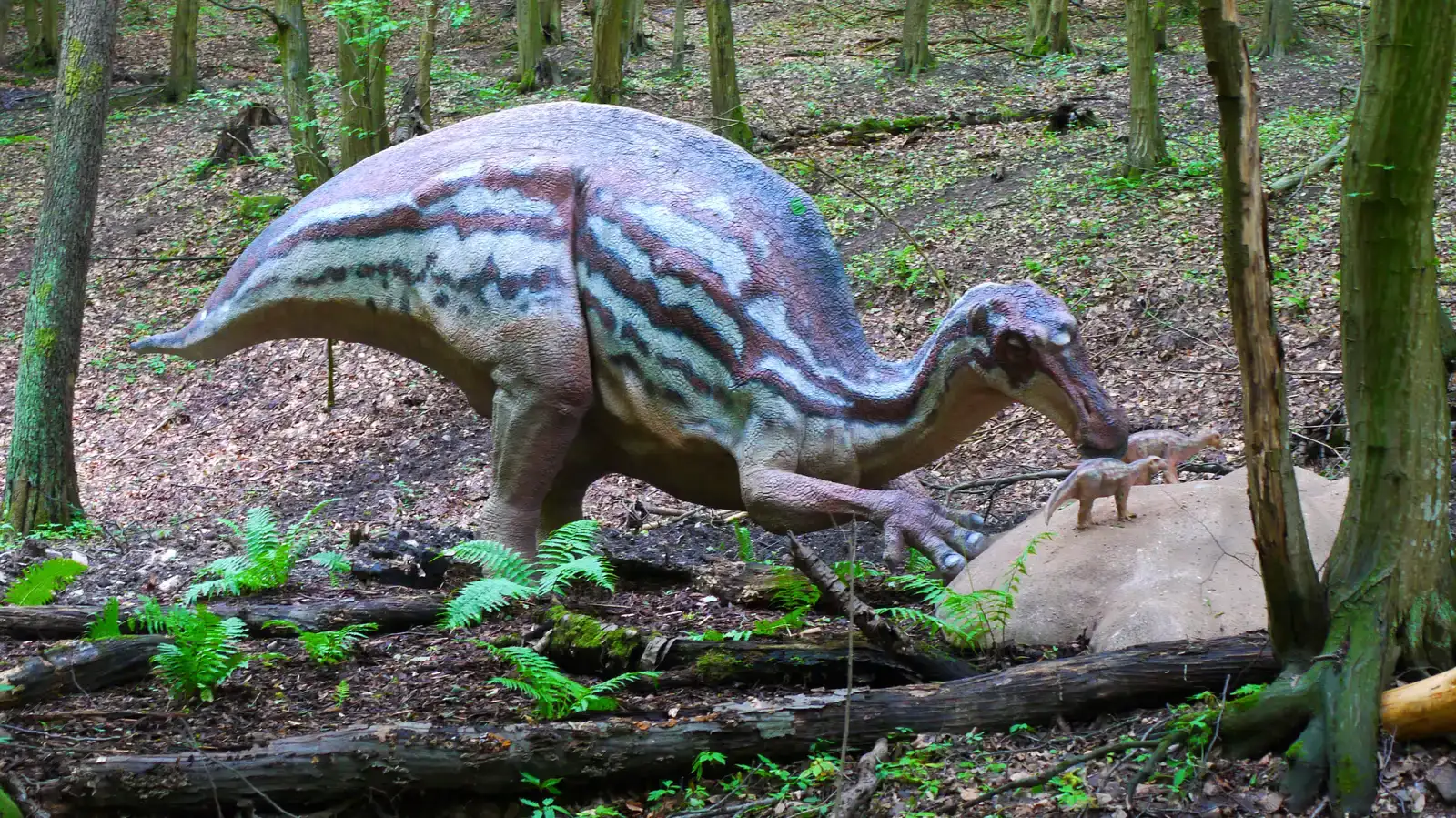
Honestly, the more science digs into dinosaur family life, the more remarkable the picture becomes. These were not the emotionless, solitary giants of old monster movies. They were parents, protectors, community members, and social creatures navigating a world every bit as demanding as our own.
You now know that some built elaborate nests and returned to the same nesting ground year after year. You know that some raised communal young, that others organized themselves into age-stratified herds, and that the so-called “egg thief” was actually a devoted parent. Every assumption you had about these animals deserves a second look.
Our understanding of dinosaur behavior has long been hampered by the inevitable lack of evidence from animals that went extinct more than sixty-five million years ago and whose daily behaviors are rarely reflected by the fossil record. Today, with the discovery of new specimens and the development of new and cutting-edge techniques, paleontologists are making major advances in reconstructing how dinosaurs lived and acted.
We are living in a golden age of dinosaur science, and that prehistoric family album is being filled in, one extraordinary fossil at a time. So here is the question worth sitting with: if this much has already been rewritten, what else about the ancient world are we still getting completely wrong?