You already know T. rex had tiny arms and that Triceratops was built like a tank. Most of us grew up with those images plastered on lunchboxes and museum walls. But honestly, the real magic of the dinosaur world lives far away from those household names. There is a whole universe of prehistoric creatures that barely get a mention, yet they are arguably far more fascinating, more bizarre, and more scientifically important than the stars we celebrate.
Think of it this way: if the Jurassic world were a concert hall, T. rex would be the headliner. The dinosaurs you are about to meet? They are the backstage acts that changed music history forever. So let’s dive in, because what you are about to discover might just flip everything you thought you knew about these ancient rulers of the Earth.
Trait #1: A Dinosaur That Swam, Walked, and Hunted Like No Other
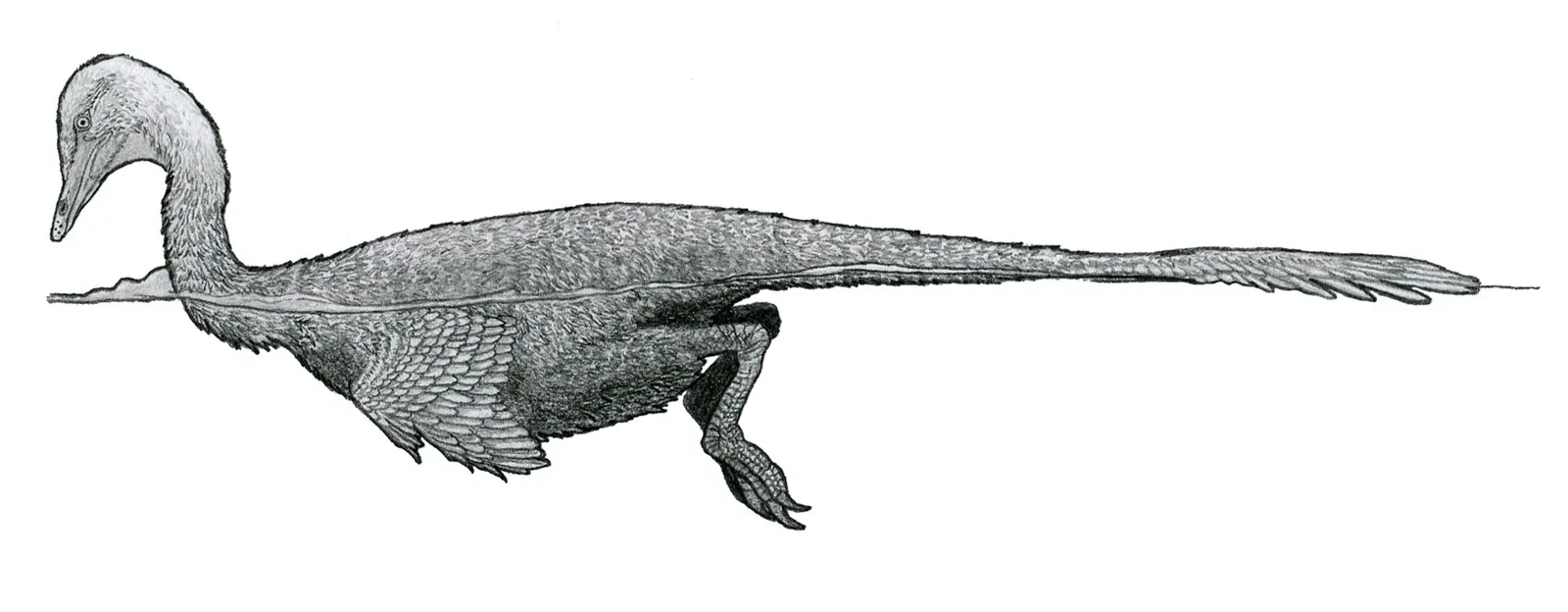
Here is the thing about Halszkaraptor escuilliei. When scientists first laid eyes on this fossil, some of them genuinely thought it was a fake. Its skeleton appeared so unusual that experts initially didn’t even think it was real. You can hardly blame them. The study that eventually confirmed it described a new genus and species of bird-like dinosaur that shed light on an unexpected amphibious lifestyle for raptorial dinosaurs. Nothing like it had ever been documented before.
It walked on two legs on land, with postural adaptations similar to short-tailed birds like ducks, but used its flipper-like forelimbs to maneuver in water like penguins and other aquatic birds, relying on its long neck for foraging and ambush hunting. In other words, you would have been looking at something that behaved like a duck, a crocodile, and a velociraptor all rolled into one. I know it sounds crazy, but that is exactly what the fossil record shows.
Trait #2: Sensory Superpowers Hidden in Its Snout
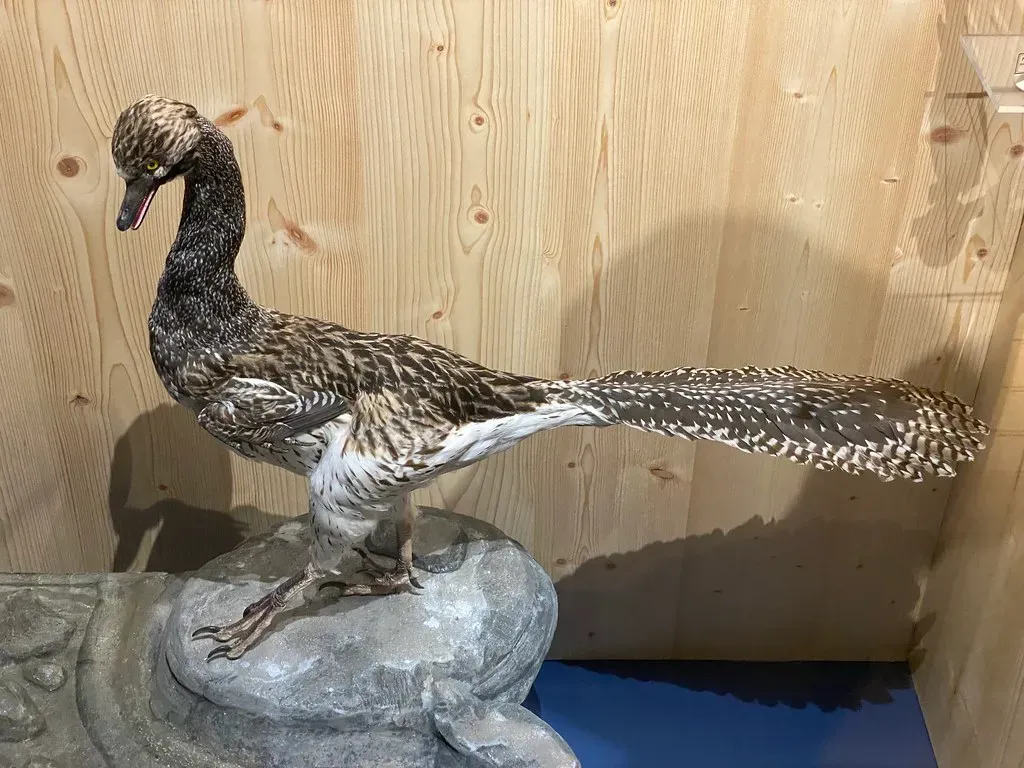
Halszkaraptor had many sharp, backward-curving teeth in its mouth, a long neck, and sensory neurons in its snout that may have allowed it to detect vibrations in water, leading scientists to believe that it hunted aquatic prey. That is not a minor detail. That is essentially a built-in motion detector. Think of it like a living submarine with biological sonar packed into the tip of its face.
Scientists identified a neurovascular mesh inside its snout that resembles those of modern crocodiles to a remarkable degree. This discovery suggests that this small, duck-sized predator was essentially scanning its watery surroundings for movement before striking. Its long neck and specialized teeth indicate a feeding strategy involving snatching prey with quick, precise movements, traits that resemble modern mergansers, which use similar methods to catch small prey in aquatic environments. Evolution, it turns out, invented the same hunting trick twice, millions of years apart.
Trait #3: The Dinosaur That Broke Every Classification Rule
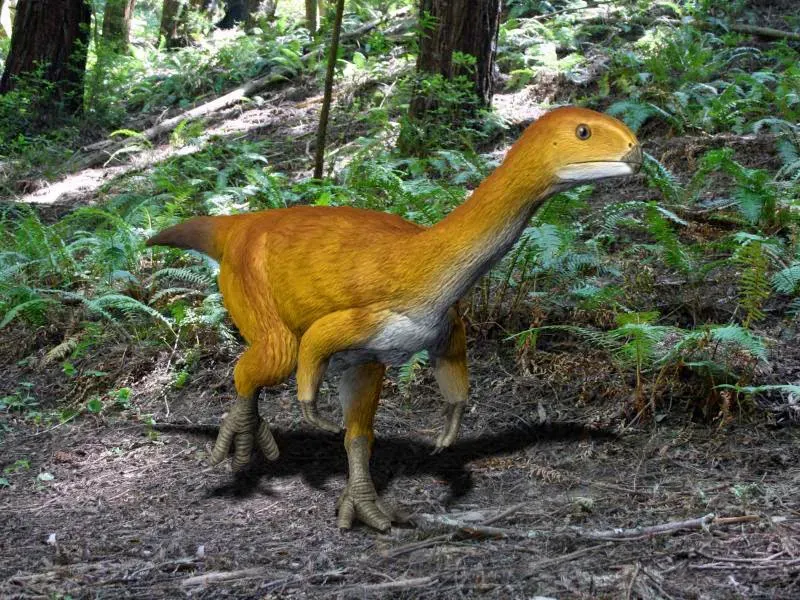
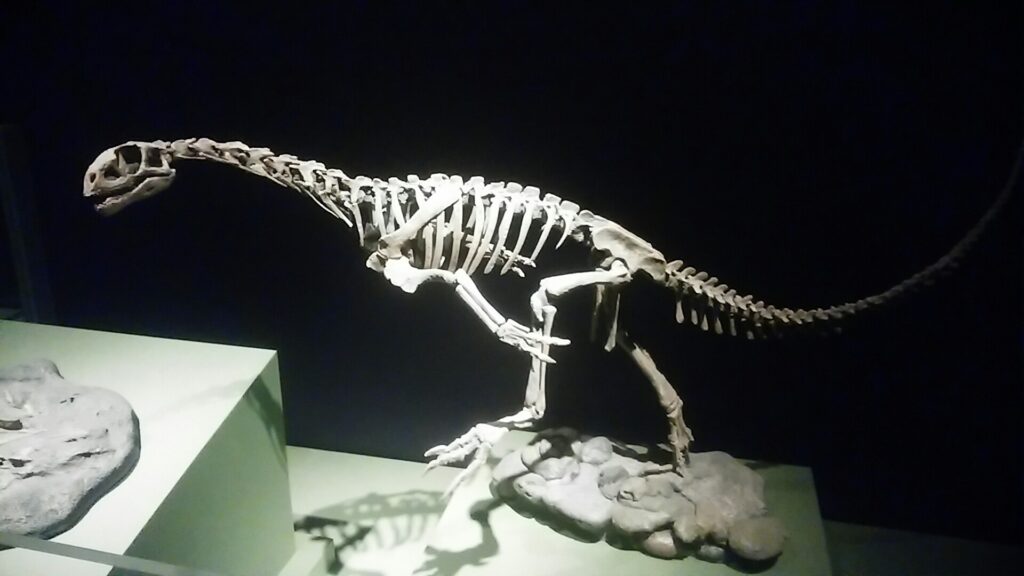
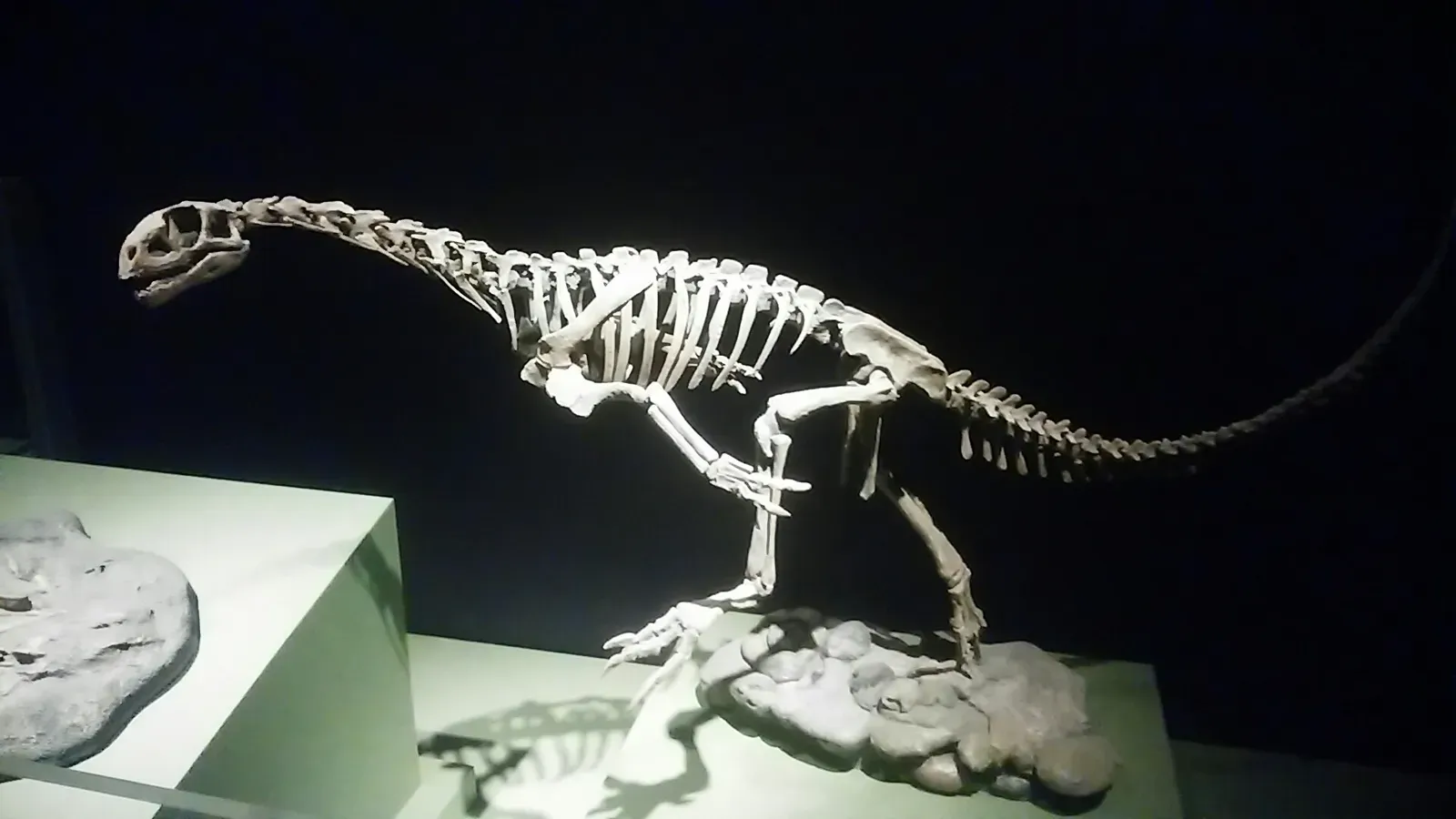
Now meet Chilesaurus diegosuarezi. If you thought Halszkaraptor was strange, prepare yourself. Paleontologists have referred to it as a ‘platypus’ dinosaur because of its extremely bizarre combination of characters, including a proportionally small skull and feet more akin to primitive long-neck dinosaurs. The scientific community was, to put it gently, baffled. Chilesaurus displays traits of several different dinosaur groups, including Theropoda, Ornithischia, and Sauropodomorpha.
Chilesaurus has a bizarre mix of anatomical features normally associated with quite different sets of dinosaurs. It has bird-like hips that look like those of an ornithischian dinosaur, similar to Stegosaurus. It has a body outline much more similar to the meat-eating dinosaurs, such as Tyrannosaurus. Yet it also has features, such as the structure of its ankle, that even hint at a relationship with some of the long-necked dinosaurs, like Plateosaurus. It is, in short, a creature that nature built by borrowing parts from the entire dinosaur catalogue.
Trait #4: Evolution Caught in the Act
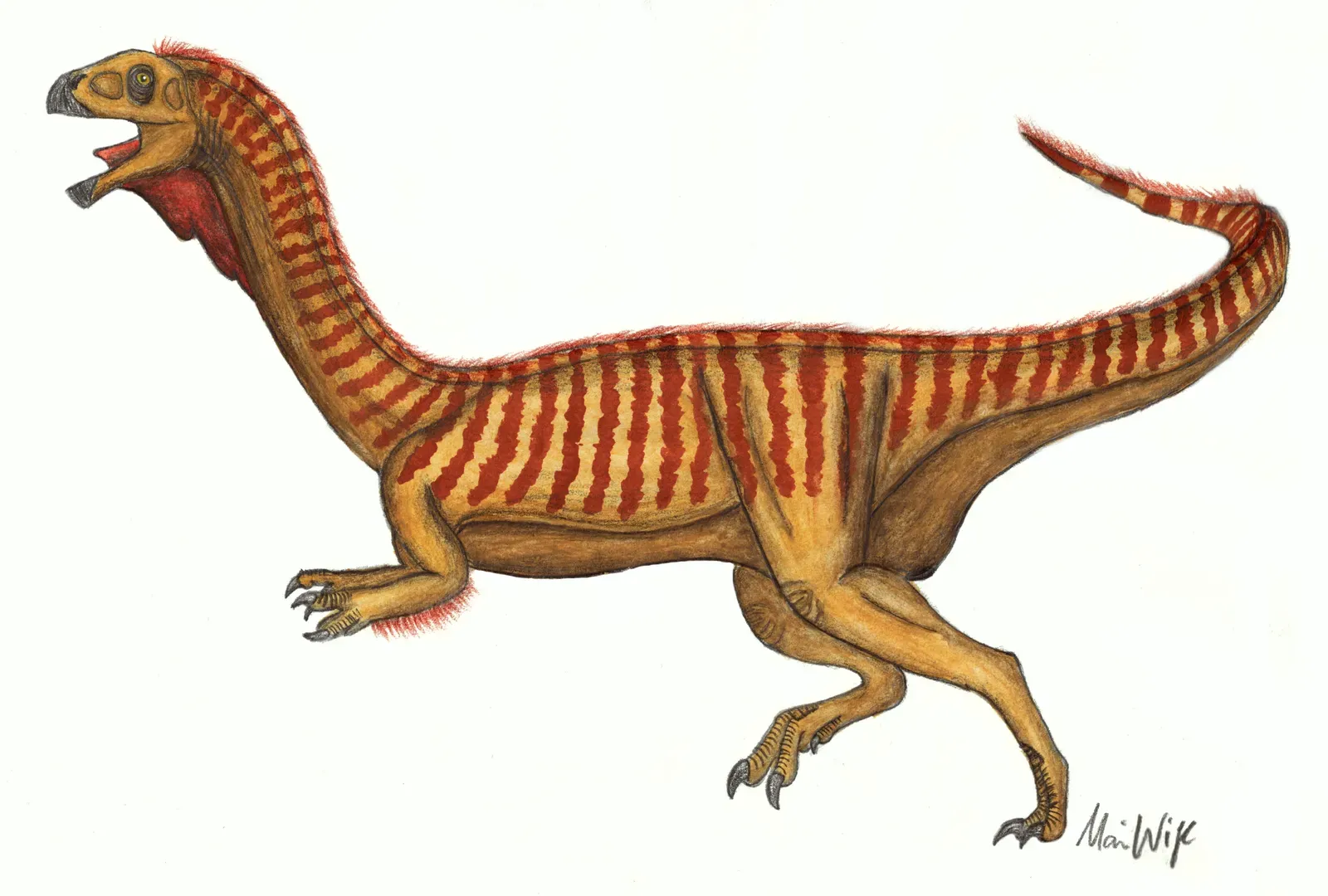
As a result of similar habits, different regions of the body of Chilesaurus evolved resembling those present in other, unrelated groups of dinosaurs, a phenomenon called evolutionary convergence. Chilesaurus represents one of the most extreme cases of mosaic convergent evolution recorded in the history of life. That is a remarkable statement, and it is not hyperbole. This little plant-eater from Chile is essentially a time capsule of evolution mid-experiment.
It has a combination of features still found in meat-eaters, but also advanced features only otherwise seen in bird-hipped dinosaurs. These suggest that it has been ‘caught in the act’ of turning into a plant-eating dinosaur from a meat-eater, helping to bridge those two groups. Scientists working on Chilesaurus described the discovery as potentially one of the most significant findings in terms of understanding how major dinosaur lineages actually connect to one another. This study identified Chilesaurus as a transitional ornithischian taxon, suggesting that the unique suite of anatomical features it possesses could be informative not only in unravelling dinosaur interrelationships, but also in shedding light on the evolution of the anatomical peculiarities that characterize ornithischians.
Why These Discoveries Keep Scientists Up at Night
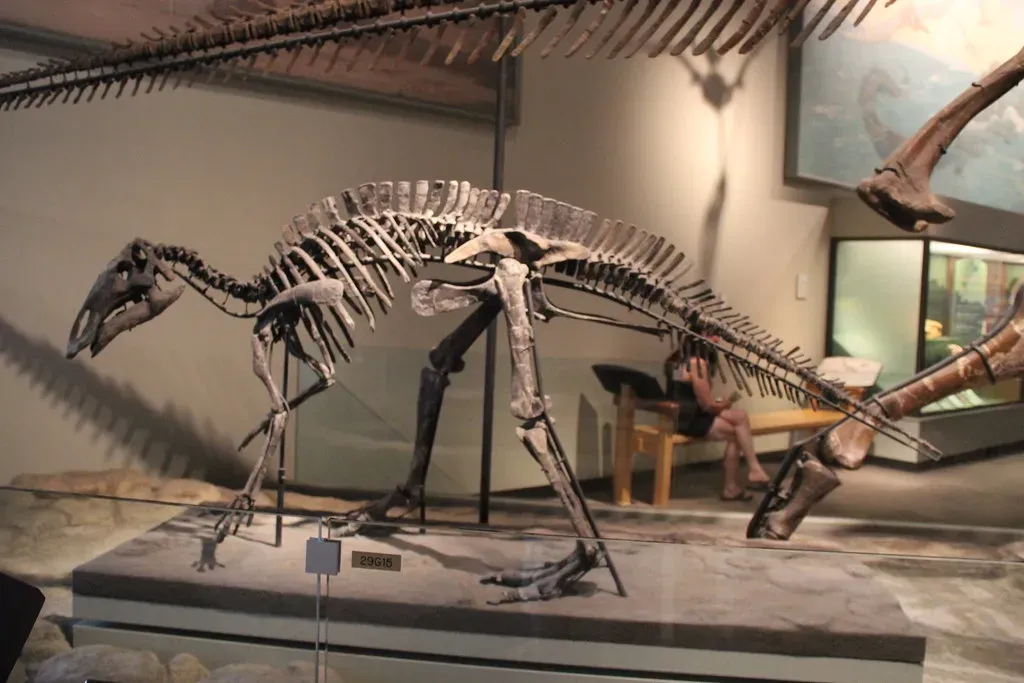
A golden era in dinosaur science is driving this fascination with dinosaurs. Around 1,400 dinosaur species are now known from more than 90 countries, with the rate of discovery accelerating in the last two decades. Still, what excites researchers the most isn’t just the new names being added to the list. It is what these lesser-known species reveal about the shape of evolution itself. Every bizarre trait is another clue in a puzzle we are only beginning to solve.
These finds, remarkable for their preservation, size, or scientific implications, showcase how much remains to be uncovered about life in the Mesozoic. Many of the discoveries made between 2015 and 2025 stand out for the way they challenge existing theories and open new lines of inquiry into the age of dinosaurs. Let’s be real: if discoveries this dramatic are still happening today, it is safe to say the prehistoric world still holds secrets that will rewrite textbooks. More than once.
Conclusion: The Dinosaurs You Never Knew Deserve the Spotlight
The world of lesser-known dinosaurs is not just a side story. It is, in many ways, the main event. From Halszkaraptor’s crocodile-like sensory snout to Chilesaurus’s mind-bending mosaic anatomy, these creatures force you to question every assumption you ever made about prehistoric life. They were complex, specialized, and deeply weird in the best possible sense of the word.
Science keeps proving that the past was stranger and richer than we dared to imagine. Every fossil, no matter how small, tells a story. A footprint might reveal how a dinosaur moved, a fossilized egg could shed light on its reproductive habits. The next time you walk through a natural history museum and stop in front of the famous giants, spare a thought for the hidden ones. The unsung, the bizarre, the misclassified. They might just be the most important dinosaurs of all. So, which one amazed you the most – and does it make you wonder what other secrets are still buried out there?