Most of us grew up thinking we had dinosaurs figured out. Big, scaly, slow-brained killing machines or lumbering vegetarians. Thundering across ancient plains with zero personality. That version, honestly, never quite sat right with me. Turns out, science agrees.
In the past few decades, paleontology has experienced a genuine revolution. With the discovery of new specimens and the development of new and cutting-edge techniques, paleontologists are making major advances in reconstructing how dinosaurs lived and acted. What they are uncovering is nothing short of breathtaking – and wildly unexpected. Some of these behaviors don’t just surprise us. They rewrite everything you thought you knew. So, buckle up. Let’s dive in.
1. Some Dinosaurs Were Devoted, Attentive Parents
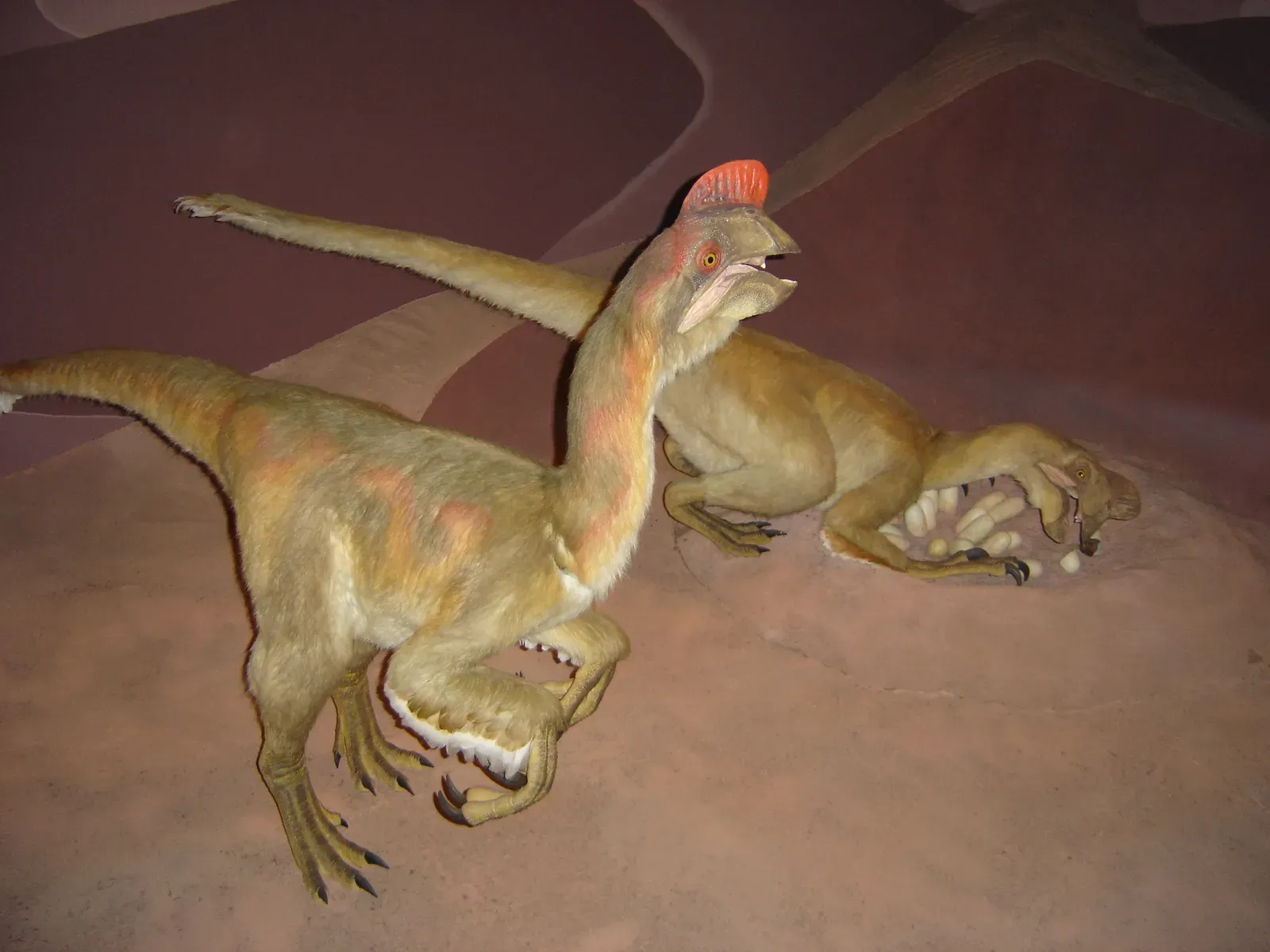
Here’s the thing – when most people picture a Tyrannosaurus rex, tenderness isn’t exactly the first word that comes to mind. Yet the fossil record keeps handing us evidence that parental care wasn’t just common among dinosaurs. It was, in some species, remarkably sophisticated. The duck-billed Maiasaura, whose name literally means “good mother lizard,” is one of the best-known examples of parental behavior. These Late Cretaceous dinosaurs, which lived around 80 to 75 million years ago, are thought to have nested in large colonies, with parents possibly providing food and protection for their hatchlings. Think of it like a prehistoric neighborhood, with communal childcare included.
The evidence gets even more compelling when you look at individual fossils. The Citipati osmolskae fossil dubbed “Big Mama” was a discovery that provided substantial evidence for how dinosaurs behaved with their eggs. This 75-million-year-old oviraptorid was found brooding directly on top of a nest of eggs. The Mongolian dinosaur was revealed to the world in 1995 and named Citipati in 2001. Even more striking, paleontologists have looked at how larger dinosaurs prevented damage by crushing, and the arrangement of eggs in the nest could be a major clue. By laying their eggs in a ring around themselves, heavier dinosaurs could incubate their eggs without directly sitting on them. That is not dumb instinct. That’s problem-solving.
2. Certain Dinosaurs Actually Burrowed Underground
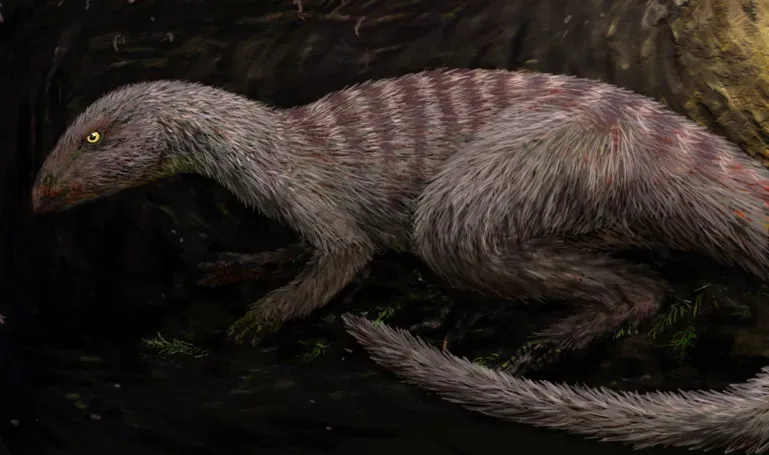
I know it sounds crazy, but imagine a dinosaur digging itself a burrow like a prairie dog or a rabbit. For a long time, scientists dismissed this idea entirely. Dinosaurs were assumed to be big, open-terrain creatures. That assumption collapsed when researchers found something extraordinary in Montana. A fossil discovery in the mid-Cretaceous Blackleaf Formation of southwest Montana yielded the first trace and body fossil evidence of burrowing behavior in a dinosaur. Skeletal remains of an adult and two juveniles of Oryctodromeus cubicularis, a new species of dinosaur, were found in the expanded distal chamber of a sediment-filled burrow.
Oryctodromeus exhibits features of the snout, shoulder girdle and pelvis consistent with digging habits while retaining cursorial hindlimb proportions. In other words, this dinosaur was built to dig. By denning, small dinosaurs could have potentially withstood severe conditions such as aridity, drought, and daily or seasonal temperature extremes. So, burrowing was not just bizarre behavior – it was actually a smart, adaptive survival strategy. It challenges the entire image of dinosaurs as purely surface-dwelling giants, and it raises exciting questions about just how many other species did the same.
3. Some Dinosaurs Hunted in the Dark of Night
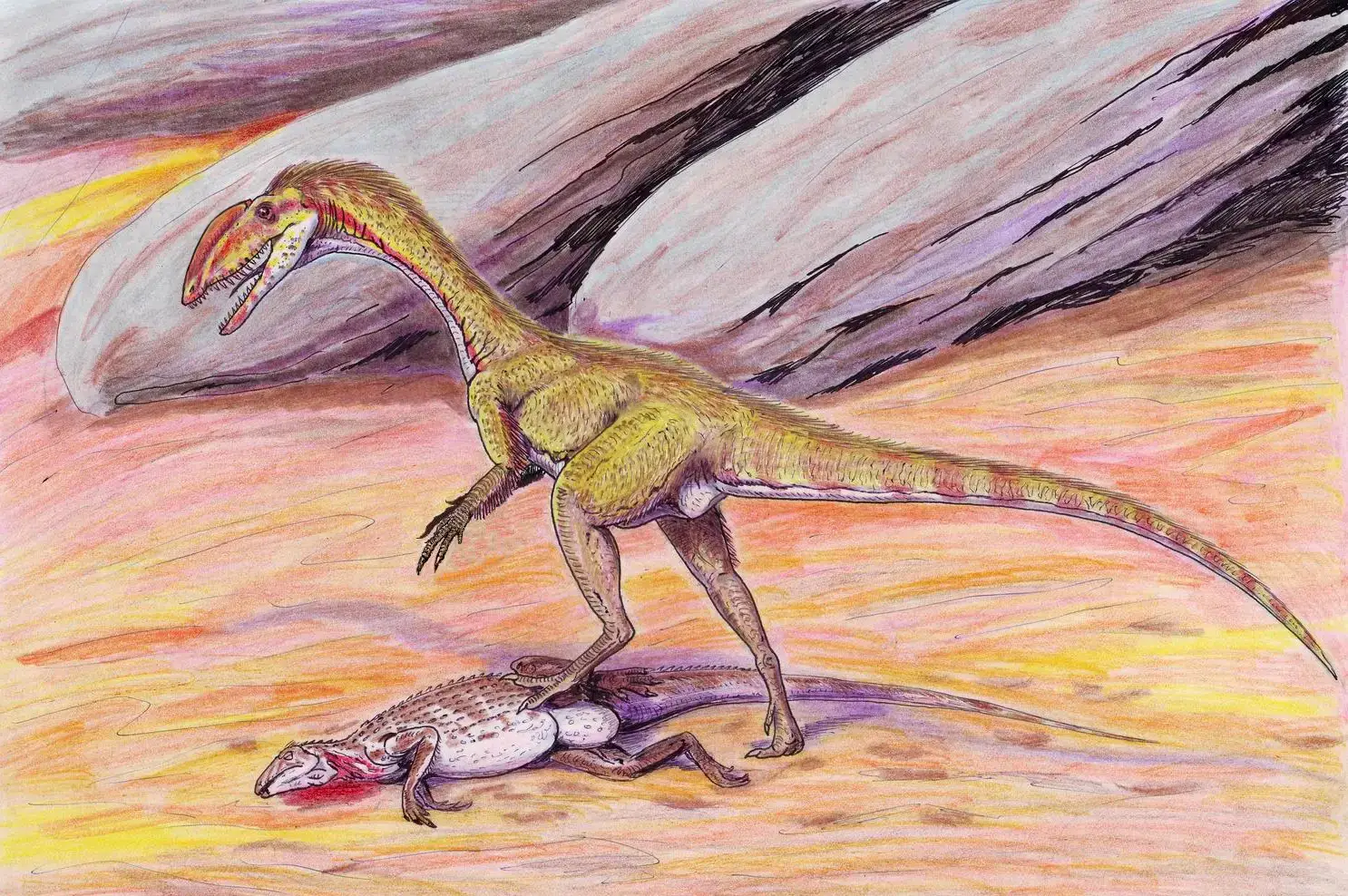
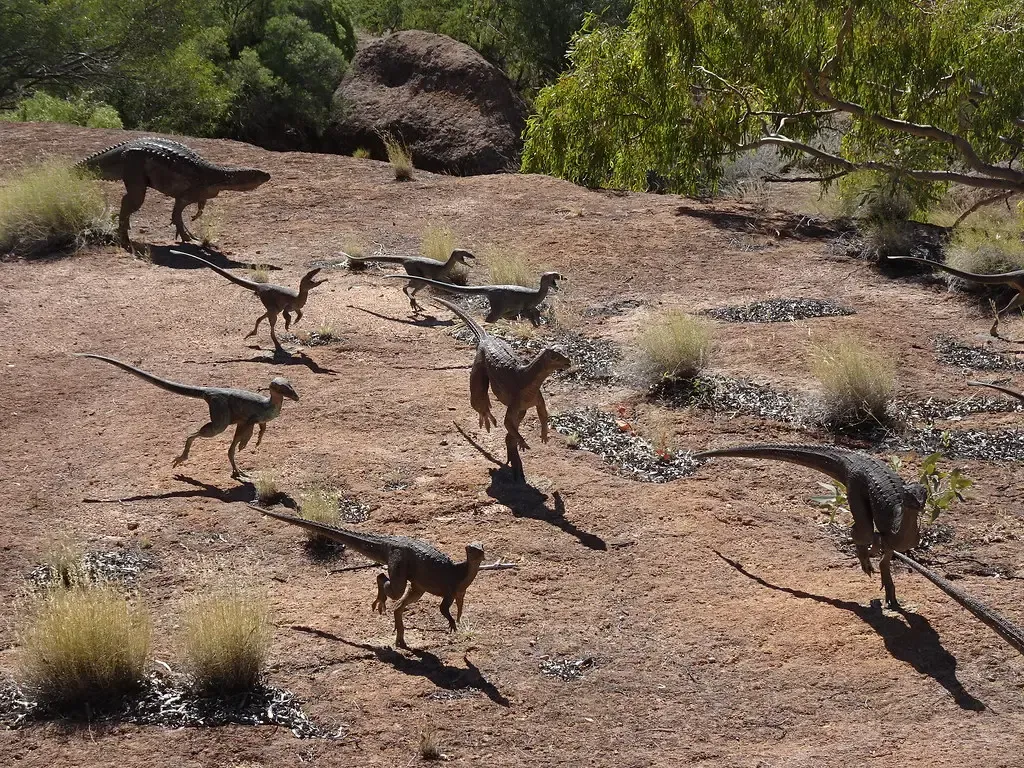
You probably imagined Mesozoic nights as eerily quiet, with all the dinosaurs safely tucked away. Think again. Comparisons between the scleral rings of dinosaurs and modern birds and reptiles have been used to infer daily activity patterns of dinosaurs. Although it has been suggested that most dinosaurs were active during the day, these comparisons have shown that small predatory dinosaurs such as dromaeosaurids, Juravenator, and Megapnosaurus were likely nocturnal. The ancient darkness was not as safe as prey animals might have hoped.
One particularly astonishing example involves the small dinosaur Shuvuuia. The cochlea of Shuvuuia was so long that it curled under the base of the skull. Nocturnal birds such as owls are known to have a similar arrangement. The hyperelongated cochlear duct of Shuvuuia indicates that its hearing was attuned to very high-frequency sounds such as those produced by insects. The team concluded that this small dinosaur prowled the desert dunes of Central Asia in the darkness, hunting for these small prey. A nocturnal, insect-hunting dinosaur with owl-like hearing. Honestly, that image is more fascinating than any movie ever captured.
4. T. Rex Practiced Cannibalism – Regularly
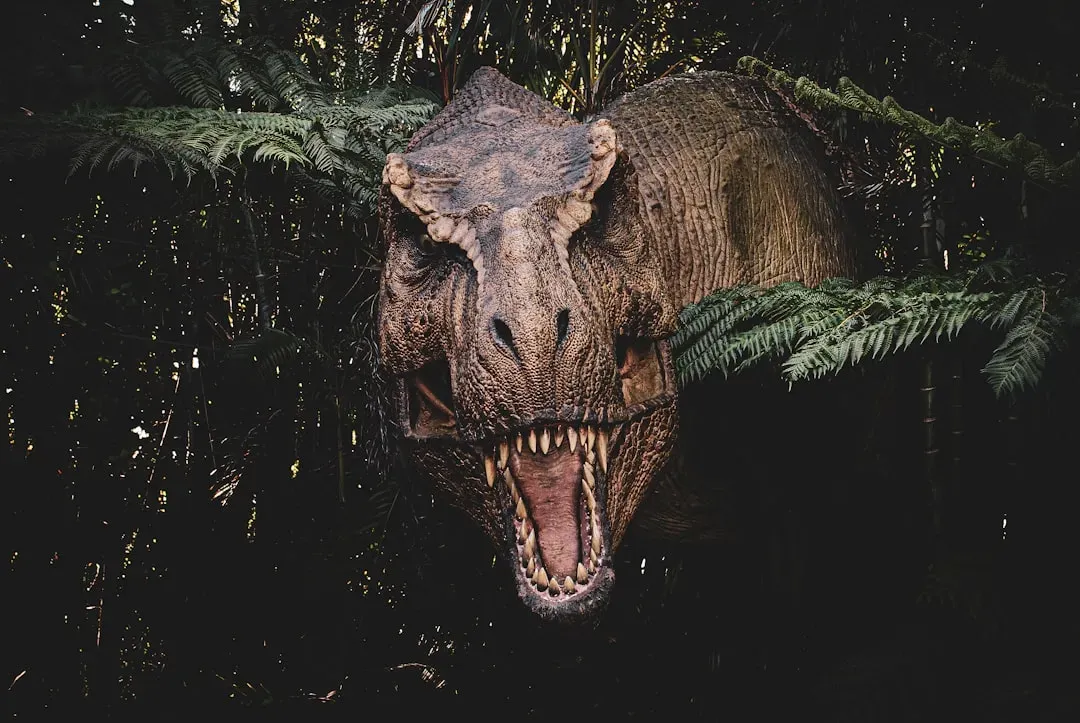
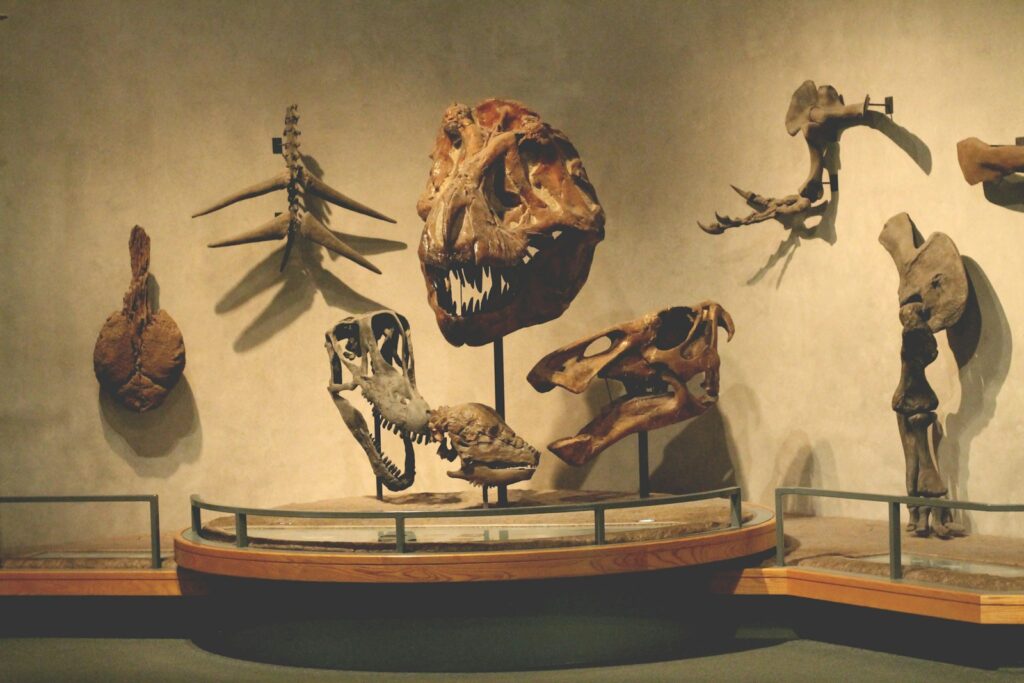
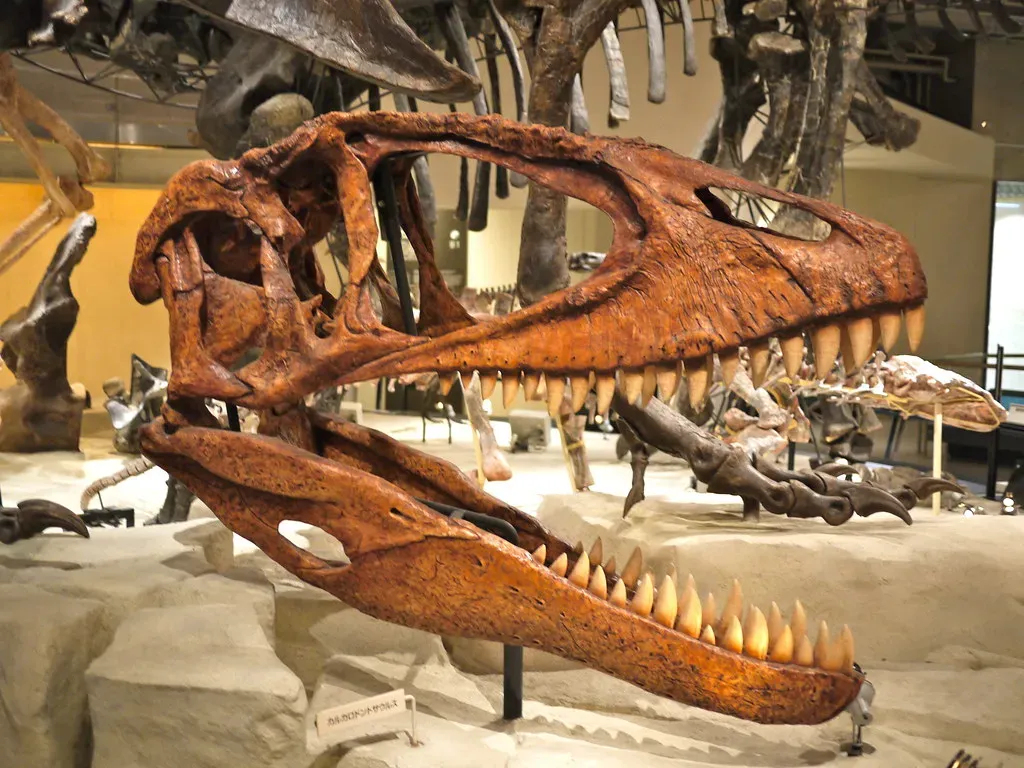
Few revelations in paleontology have landed with the cultural impact of this one. The king of all predators, the fearsome Tyrannosaurus rex, appears to have eaten its own kind. Examination of museum collections has revealed four specimens of Tyrannosaurus rex that bear tooth marks made by large, carnivorous dinosaurs. Because Tyrannosaurus is the only large carnivore known from the Late Maastrichtian of western North America, researchers infer that Tyrannosaurus made these tooth marks. The marks are interpreted as feeding traces, and these fossils therefore record instances of cannibalism. Given that this behavior has a low preservation potential, cannibalism seems to have been a surprisingly common behavior in Tyrannosaurus.
What’s especially chilling is the implication of rarity in the fossil record. Considering how rare fossils are to start with, and how much rarer carcasses destroyed by predators are, that scientists have found so many traces already suggests that Tyrannosaurus-on-Tyrannosaurus scavenging was relatively common. It is impossible to know whether these Tyrannosaurus were victims of predation or died from some other cause, but the damaged bones show that a hungry Tyrannosaurus would not let a good carcass go to waste. Brutal, yes. Shocking, absolutely. But also a deeply fascinating window into the ecological pressures these creatures faced every single day.
5. Dinosaurs Lived in Complex Social Herds Far Earlier Than Thought
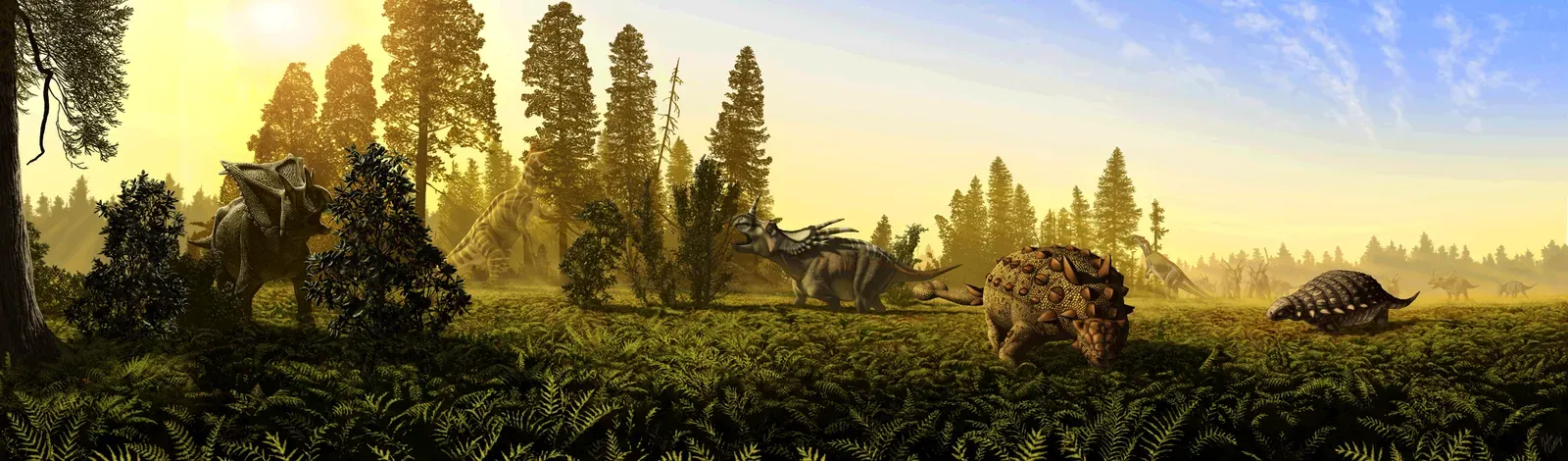
Pop culture has long shown dinosaurs in packs and herds, but science was slow to confirm just how early and how sophisticated that social behavior really was. A groundbreaking discovery in Patagonia changed the conversation entirely. Researchers from MIT, Argentina, and South Africa detailed their discovery of an exceptionally preserved group of early dinosaurs that shows signs of complex herd behavior as early as 193 million years ago – 40 million years earlier than other records of dinosaur herding. That is a staggering number. These weren’t simple groups of animals wandering together. The structure was genuinely organized.
The researchers observed that the fossils were grouped by age: dinosaur eggs and hatchlings were found in one area, while skeletons of juveniles were grouped in a nearby location. Meanwhile, remains of adult dinosaurs were found alone or in pairs throughout the field site. This “age segregation,” the researchers believe, is a strong sign of a complex, herd-like social structure. Think of it like a village with separate sections for children, teens, and adults. The dinosaurs likely worked as a community, laying their eggs in a common nesting ground, with juveniles congregating in groups while adults roamed and foraged for the herd. Social dynamics this intricate in creatures this ancient genuinely floors me.
6. Dinosaurs Communicated Through Scent
We talk a lot about how dinosaurs may have roared, trumpeted, or honked. But what about smell? This one tends to fly under the radar, yet the fossil evidence is surprisingly compelling. In 2021, scientists used an exceptionally preserved specimen of the herbivore Psittacosaurus to three-dimensionally reconstruct the dinosaur’s cloaca. Like today’s birds and reptiles, dinosaurs used this all-purpose orifice to urinate, defecate, and reproduce. The study revealed the cloaca had swellings that may have been similar to the musk glands of today’s crocodiles, suggesting scent may have been one way Psittacosaurus communicated. The crocodile comparison here is not trivial. It points to a deep evolutionary behavior.
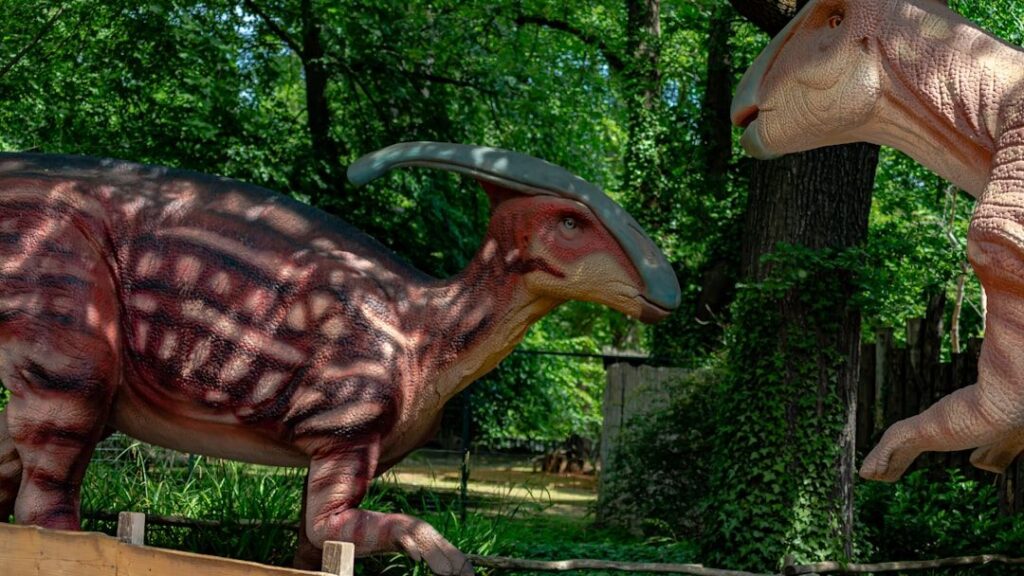
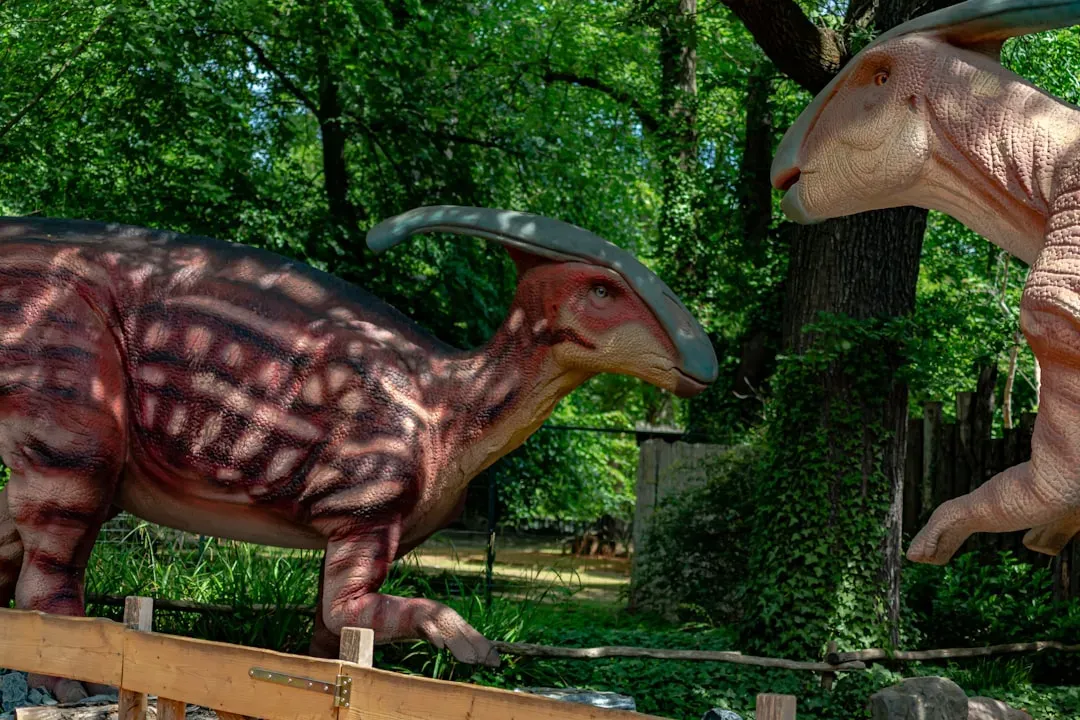
Meanwhile, some dinosaurs used sound in ways that were equally surprising. It’s thought that most species of Hadrosaur could honk, thanks to their expanded nasal cavities which reverberated with deep, resonating sounds as they expelled air. Of 40 known species, it is Parasaurolophus which holds the crown as the family’s best honker. These 10-meter-long giants were adorned with long, arching crests that resembled snorkels. Whether through scent, sound, or visual displays, dinosaurs were almost certainly far more communicative and socially aware than the classic “roar-and-charge” depiction we grew up with.
7. Paleontologists Are Uncovering Evidence of Dinosaur Play
This last one is perhaps the most emotionally resonant – and, honestly, the one that makes me grin. The idea of dinosaurs playing seems almost too human. Too warm. Too soft for creatures we’ve spent decades imagining as cold, efficient killing machines. Yet the evidence points in exactly that direction. Interpreting behavior from fossils remains challenging due to the limitations of fossil evidence and the risk of misapplying modern animal behavior to dinosaurs. Nevertheless, new technologies and a growing number of researchers are enhancing our understanding of dinosaur physiology, diet, and social structures, offering promising avenues for future research.
The broader picture emerging from modern research is one of extraordinary complexity. Emerging evidence suggests that many species of dinosaurs, particularly the more intelligent and social ones, lived in complex social structures akin to modern-day mammals and birds. Studies of dinosaur fossils and trackways have revealed evidence of herd-like behavior, with individuals cooperating for hunting, defense, and even childcare. And through most of the 20th century, most of the scientific community believed dinosaurs to have been sluggish and cold-blooded. Most research conducted since the 1970s, however, has indicated that dinosaurs were active animals with elevated metabolisms and numerous adaptations for social interaction. Play, in that context, isn’t such a stretch at all. It fits the profile of a warm, active, socially engaged animal perfectly.
Conclusion: The Dinosaurs We Thought We Knew Were Just the Beginning
The deeper science digs, the more these ancient creatures surprise us. They burrowed, communicated, raised their young, organized into sophisticated communities, and yes – sometimes turned on each other. Our understanding of dinosaur behavior has long been hampered by the inevitable lack of evidence from animals that went extinct more than 65 million years ago. Today, with the discovery of new specimens and the development of cutting-edge techniques, paleontologists are making major advances in reconstructing how dinosaurs lived and acted.
Let’s be real – the dinosaur story is far from finished. Every fossil discovery, every CT scan, every electron microscope image adds a new layer to a portrait that keeps getting richer. The future of the study of dinosaur behavior is looking bright. Coupled with more rigorous attempts to investigate and test hypotheses, scientists can establish a much firmer ground for understanding how these incredible creatures lived. Perhaps the most humbling thing about all of this is how much we still don’t know. The next world-changing discovery could be sitting in a forgotten drawer in a museum right now, just waiting for someone to look at it with fresh eyes. What behavior do you think we’ll uncover next?