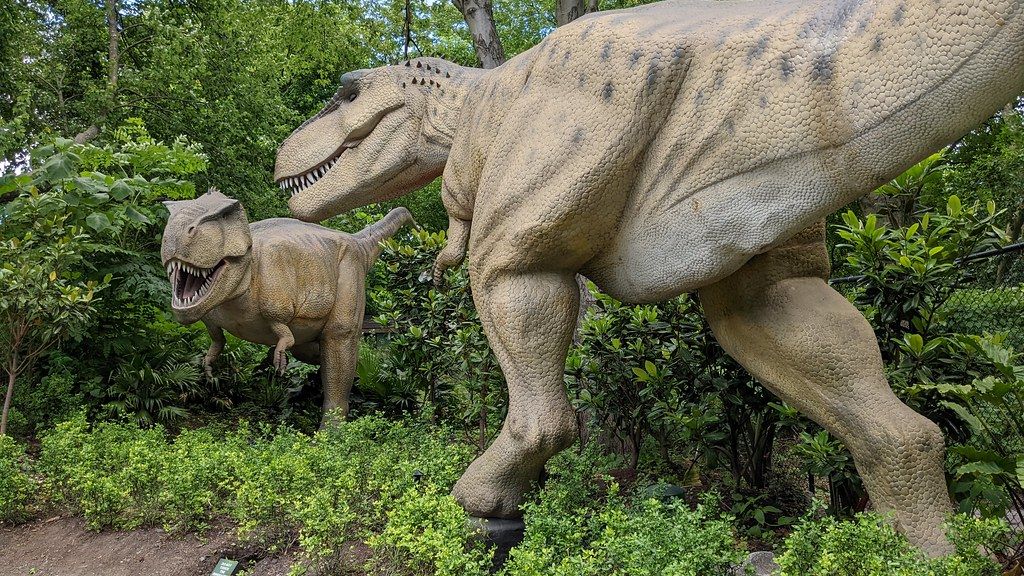
For decades, you probably pictured dinosaurs as solitary, savage creatures roaming prehistoric landscapes entirely alone. A lone T. rex crashing through a forest. A single sauropod neck reaching toward the treetops. That image, honestly, was never quite right – it just made for good movie posters.
The truth emerging from fossil beds, trackways, and cutting-edge paleontological research is far more surprising. Dinosaurs were, in many ways, profoundly social animals. They herded, they raised their young, they moved across ancient plains in mixed-species groups, and some may have even operated within complex community hierarchies. So if you thought dinosaurs were just prehistoric loners, prepare to rethink everything. Let’s dive in.
The Oldest Evidence: Herding Goes Back Nearly 200 Million Years
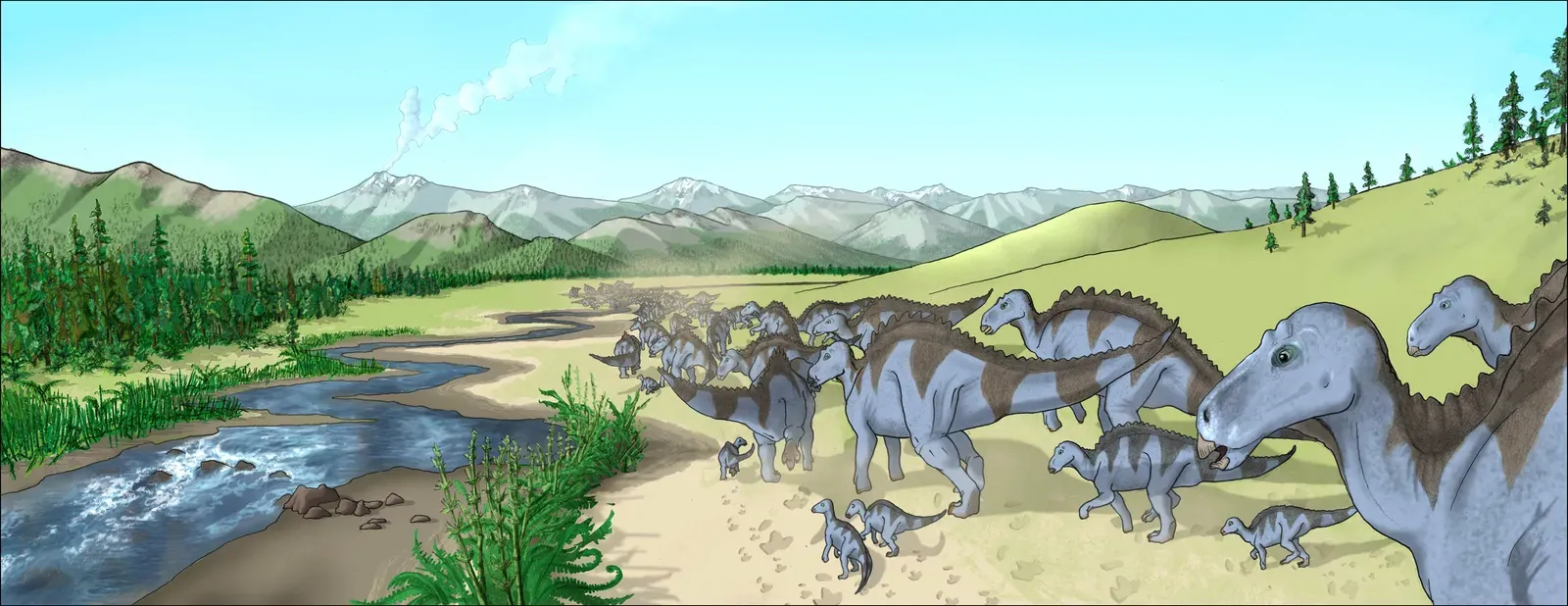
You might assume that herding behavior in dinosaurs was something that developed late in the Cretaceous period, closer to the time of extinction. That assumption, it turns out, couldn’t be further from the truth. Researchers from MIT, Argentina, and South Africa say Mussaurus patagonicus may have lived in herds as early as 193 million years ago – 40 million years earlier than other records of dinosaur herding. That is a staggering timeline. Think about it: complex group living was already deeply embedded in dinosaur behavior almost at the very dawn of their reign.
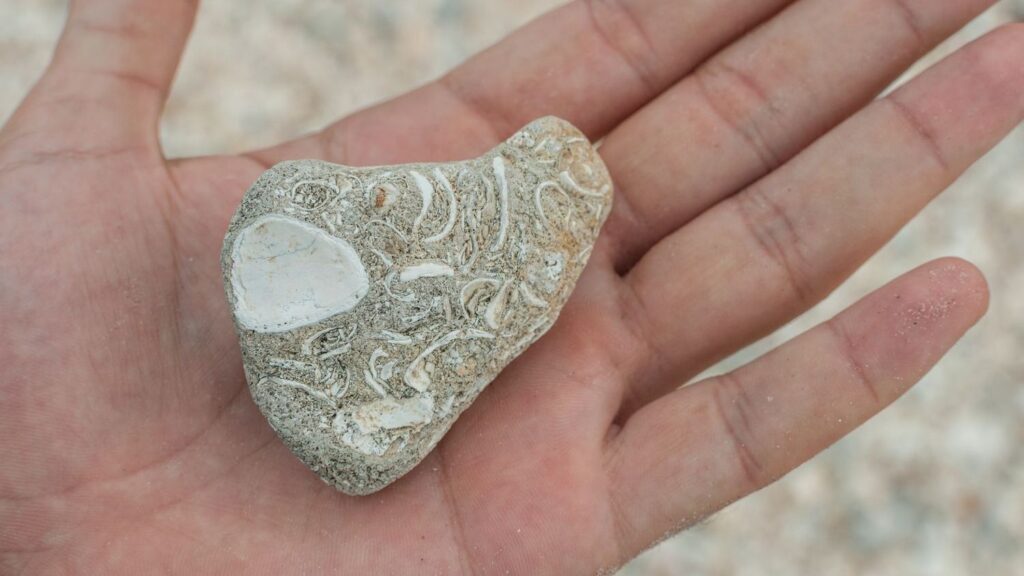
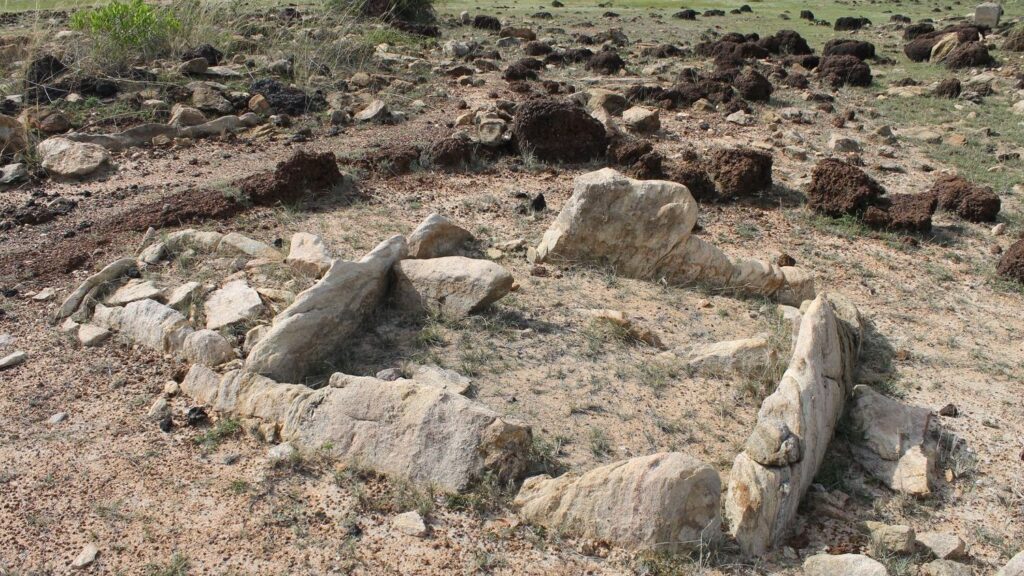
An exceptional fossil occurrence from Patagonia includes over 100 eggs and skeletal specimens of 80 individuals of the early sauropodomorph Mussaurus patagonicus, ranging from embryos to fully-grown adults. The sheer scale of that discovery is almost hard to process. New discoveries indicate the presence of social cohesion throughout life and age-segregation within a herd structure, in addition to colonial nesting behaviour, providing the earliest evidence of complex social behaviour in Dinosauria, predating previous records by at least 40 million years.
Age-Segregated Herds: Dinosaurs Organized Themselves Like Modern Mammals
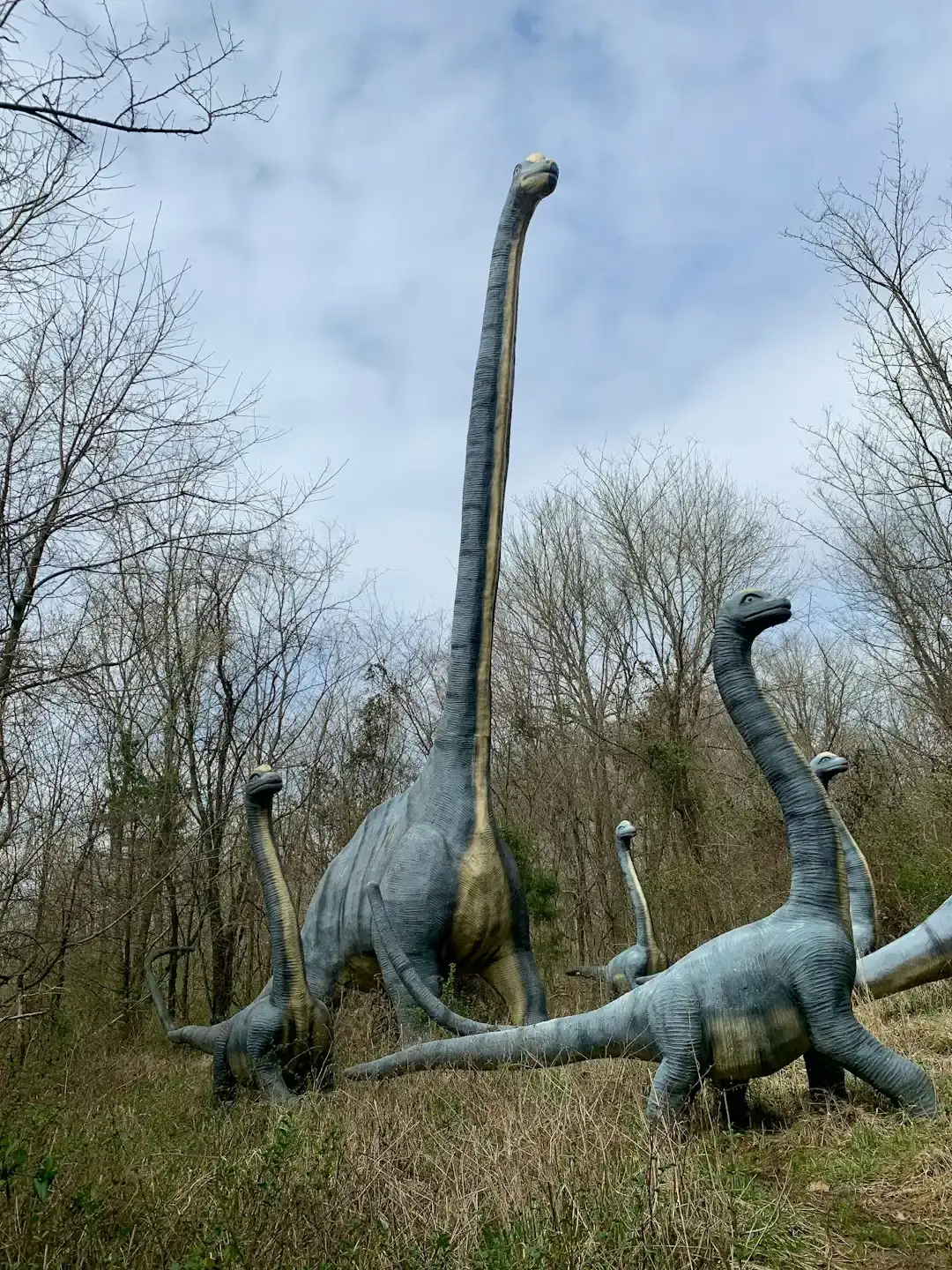
Here’s the thing that really blew me away when I first read about it. Dinosaurs didn’t just bunch together randomly. They organized themselves by age within those herds, in a way that closely mirrors what you see in elephants or wildebeest today. The age and distribution of bones indicates that Hypacrosaurus stayed in juvenile herds until they were about 4 years old, at which time they joined multigenerational herds. There’s something almost poignant about that. The young ones stayed with each other for protection and support before graduating into adult society.
Evidence suggests that Mussaurus optimized foraging potentials during the early Jurassic via age-based social partitioning – neonates, juveniles, and adults apparently foraged, and perished, in age-based groups. This kind of behavioral sophistication challenges the old narrative of the brutish, mindless dinosaur. Multifamily groups got together not just for breeding and nesting but potentially formed life-long herds, more like today’s elephants or wildebeests.
Mixed-Species Herding: When Different Dinosaurs Traveled Together
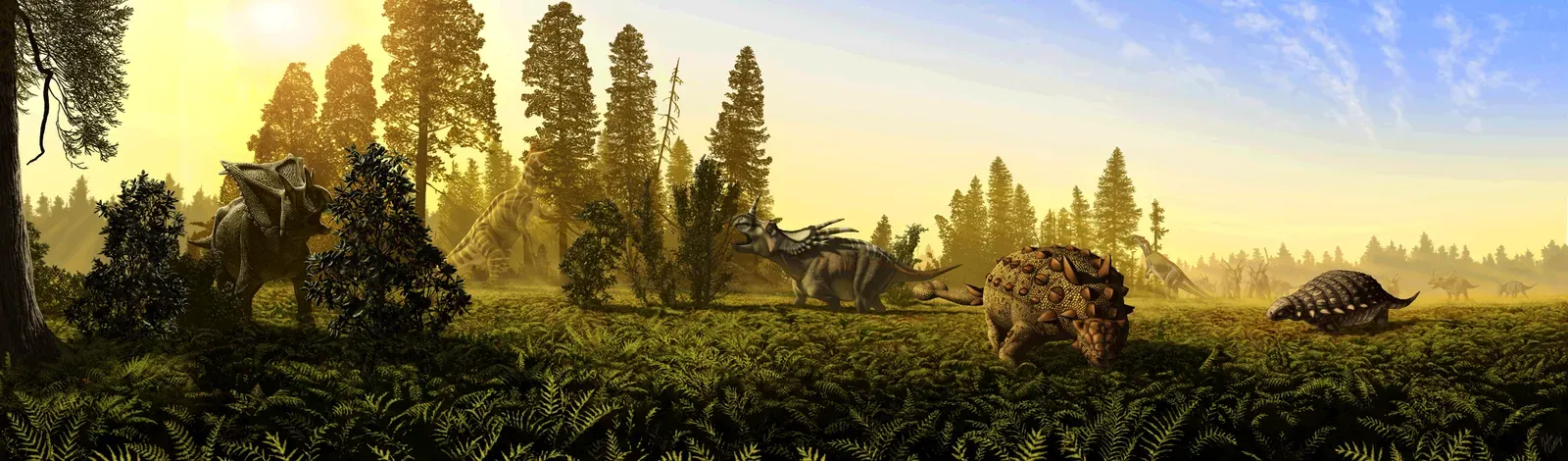
If age-segregated herds are impressive, the discovery of mixed-species herding is downright jaw-dropping. You can think of it like the famous African savannah scenes where zebras and wildebeest share the same migration routes, watching each other’s backs. The discovery, made during an international field course in July 2024, includes footprints from multiple dinosaur species walking alongside each other, providing the first evidence of mixed-species herding behaviour in dinosaurs, similar to how modern wildebeest and zebra travel together on the African plains.
The international team, led by Dr Brian Pickles (University of Reading, UK), Dr Phil Bell (University of New England, Australia), and Dr Caleb Brown (Royal Tyrrell Museum of Palaeontology, Canada), excavated 29 square metres of the site, revealing 13 ceratopsian (horned dinosaur) tracks from at least five animals walking side by side, with a probable ankylosaurid (armoured dinosaur) walking in the midst of the others. A horned dinosaur and a heavily armored tank-like creature literally travelling together. The 76-million-year-old trackways could offer a rare glimpse into the social lives of these ancient reptiles.
Tyrannosaurs on the Hunt: Were They Stalking the Herd?
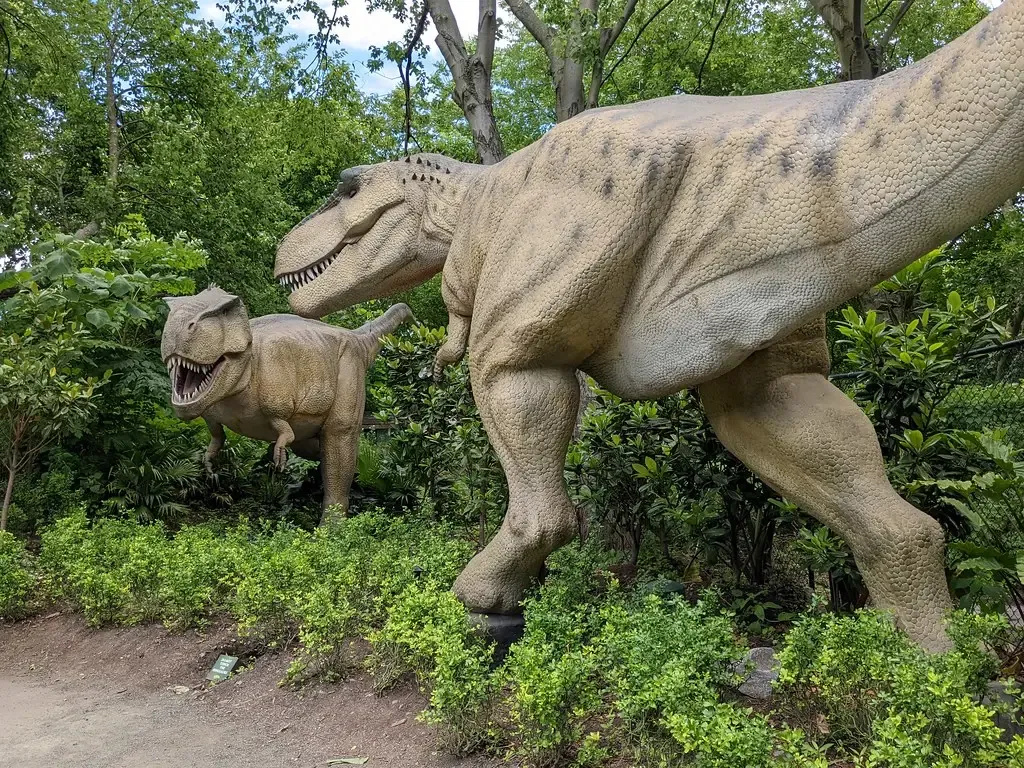
Now here’s where things get genuinely chilling. Alongside the mixed-species herd trackways, researchers found something else entirely unexpected – and it raises questions that paleontologists are still grappling with today. Two large Tyrannosaurus rex trackways were also discovered walking side-by-side and perpendicular to the herd, which has raised questions about whether these huge predators were stalking the group. Two of them. Walking side by side. Perpendicular to the herd, as if circling.
The researchers were also surprised to find the tracks of two large tyrannosaurs walking side-by-side and perpendicular to the herd, raising the prospect that the multispecies herding may have been a defence strategy against common apex predators. It’s hard to say for sure whether this was coordinated predator behavior or coincidence, but the implications are enormous. While controversial, there is evidence to suggest that some large theropod dinosaurs may have hunted cooperatively, which would have allowed them to take down larger prey than they could have handled individually.
Parental Care: Dinosaurs Were Devoted Caregivers
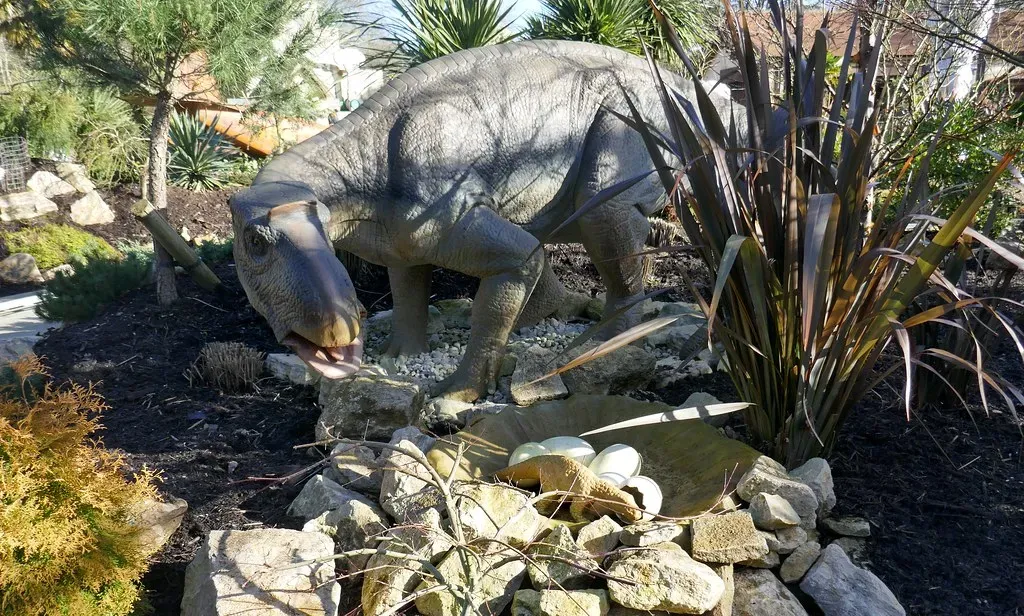
Forget the old cold-blooded reptile stereotype for a moment. The fossil record reveals something that is genuinely emotional to contemplate – many dinosaurs were involved, caring parents. Finding nests with juvenile dinosaur bones, such as in the proposed Maiasaura nesting colonies in Montana, suggests that the hatchlings were cared for by a parent. The name Maiasaura literally means “good mother lizard,” which tells you something about how strongly the evidence pointed toward devoted parenting behavior.
A dramatic specimen of the small ornithischian dinosaur Psittacosaurus from Liaoning in China reveals a single adult clustered with 34 juveniles within an area of 0.5 square metres, providing strong evidence for post-hatching parental care in Dinosauria. One adult. Thirty-four babies. In half a square metre. Cooperative nesting behaviours, such as shared nest guarding and communal brooding, highlight their dedication to ensuring the survival of their offspring, and by collectively protecting and caring for the nests, dinosaurs increased the chances of their young ones thriving in a challenging world.
Social Hierarchies: Who Was Actually in Charge?
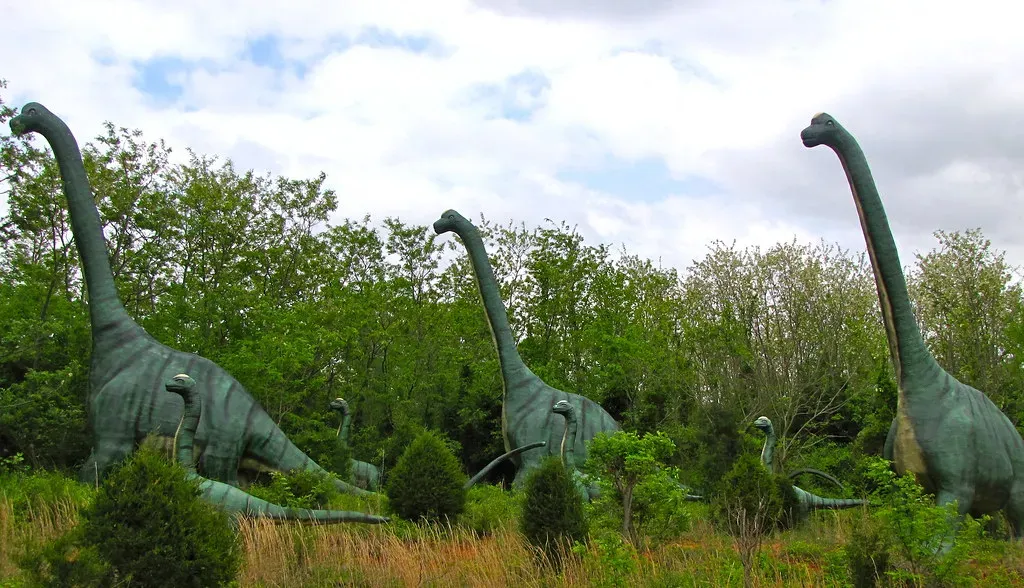
Let’s be real – any group of animals large enough to form structured herds almost certainly develops some kind of pecking order. And the evidence suggests dinosaurs were no different. Social hierarchies likely existed within dinosaur groups, with dominant individuals assuming leadership roles and exerting influence over group dynamics, and social bonding and hierarchical structures played crucial roles in the functioning of dinosaur communities. You can picture it as something like a wolf pack – not a free-for-all, but an organized social system where rank had real meaning.
Data suggests that dinosaurs such as the hadrosaurs and ceratopsians traveled in large aggregations and that they used their elaborate cranial ornaments for visual display, hierarchical combat, and mate selection. Those impressive horns, crests, and frills weren’t just for show in the decorative sense. They were tools of social communication – signals of strength, health, and rank within the group. Dominance hierarchies, resource competition, and even interspecies alliances were likely integral components of the dinosaur world.
Communication and Display: How Dinosaurs Talked to Each Other
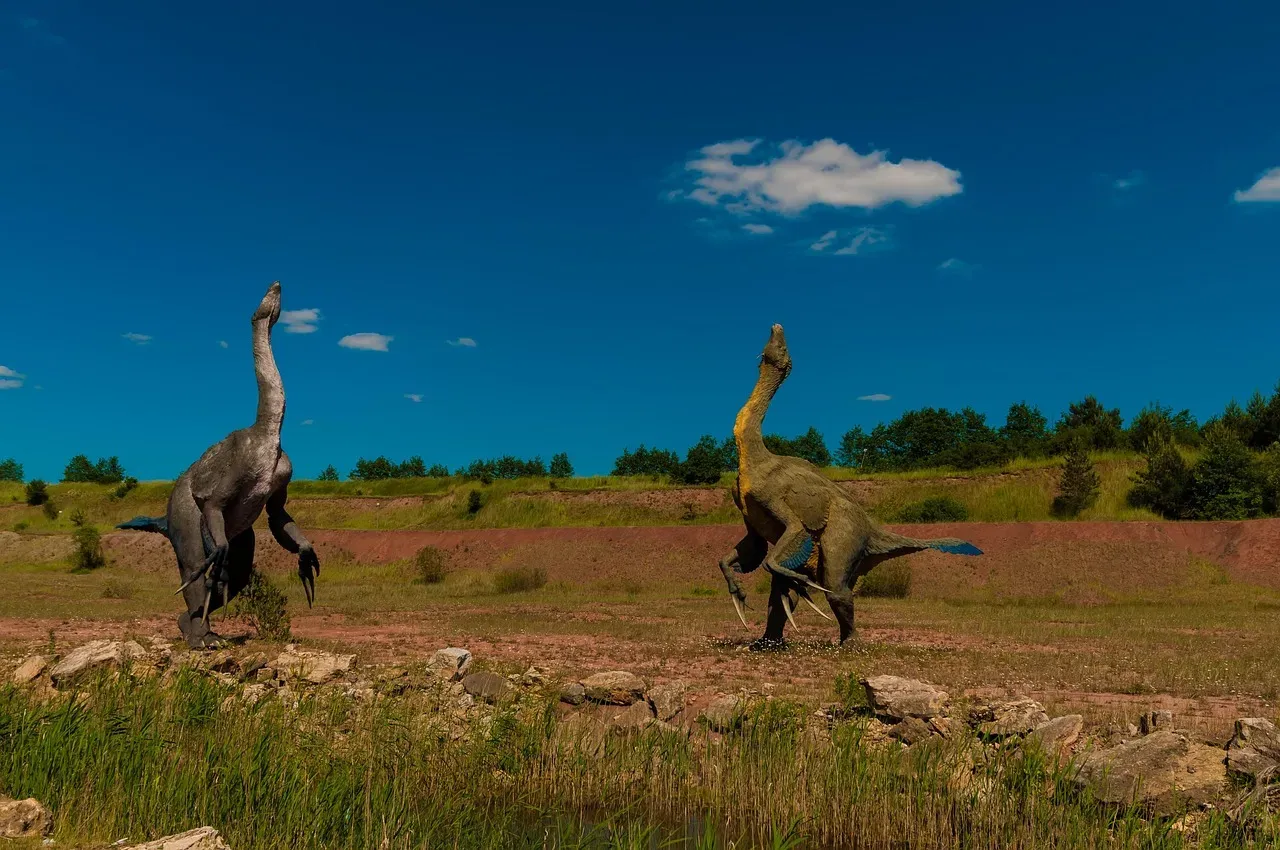
So how did animals without smartphones, gestures, or words manage to hold a complex social group together? The answer lies in something we can still observe in living animals today – communication through display, sound, and body language. Although it is difficult to directly study dinosaur vocalizations, researchers have inferred their communication abilities based on anatomical features, such as the structure of the larynx and the presence of hollow bones that could have resonated sound, and dinosaurs likely used body language, including postures, gestures, and displays, to communicate with each other.
Emerging theories suggest that communication and social signaling played a vital role in the political landscape of the dinosaur world, and vocalizations, visual displays, and even scent-marking behaviours may have been employed to assert dominance, establish territories, and negotiate resource-sharing agreements. Think of it as prehistoric politics, unfolding without a single word being spoken. Some dinosaurs may have used bright colors, feathers, or other visual cues to communicate with potential mates or rivals, and preserved pigments in fossilized feathers have provided evidence of this.
What New Technology Is Revealing About Dinosaur Behavior

The speed at which we’re unlocking dinosaur social secrets in 2026 is genuinely exciting. New tools are transforming what was once educated guesswork into verifiable, data-driven conclusions. We are continually getting insights and new lines of evidence about things like how and what dinosaurs ate, their underlying physiology, the environments in which they lived, how they moved, and how they changed as they grew. Every new scan, every newly excavated tracksite, opens a fresh window.
Paleontologists are advancing the study of dinosaur behavior by utilizing new techniques such as electron microscopy to determine the colors and patterns of feathered dinosaurs, which can provide insights into their camouflage, mating, and environmental adaptations. Even something as seemingly unrelated as color can tell you whether a dinosaur was likely to blend in or stand out, and standing out is almost always a social behavior. Preserved footprints can provide a rare insight into the lives of dinosaurs that we can’t always discern just by examining their bones, and trackways are important as they give a direct window into dinosaur behaviour.
Conclusion
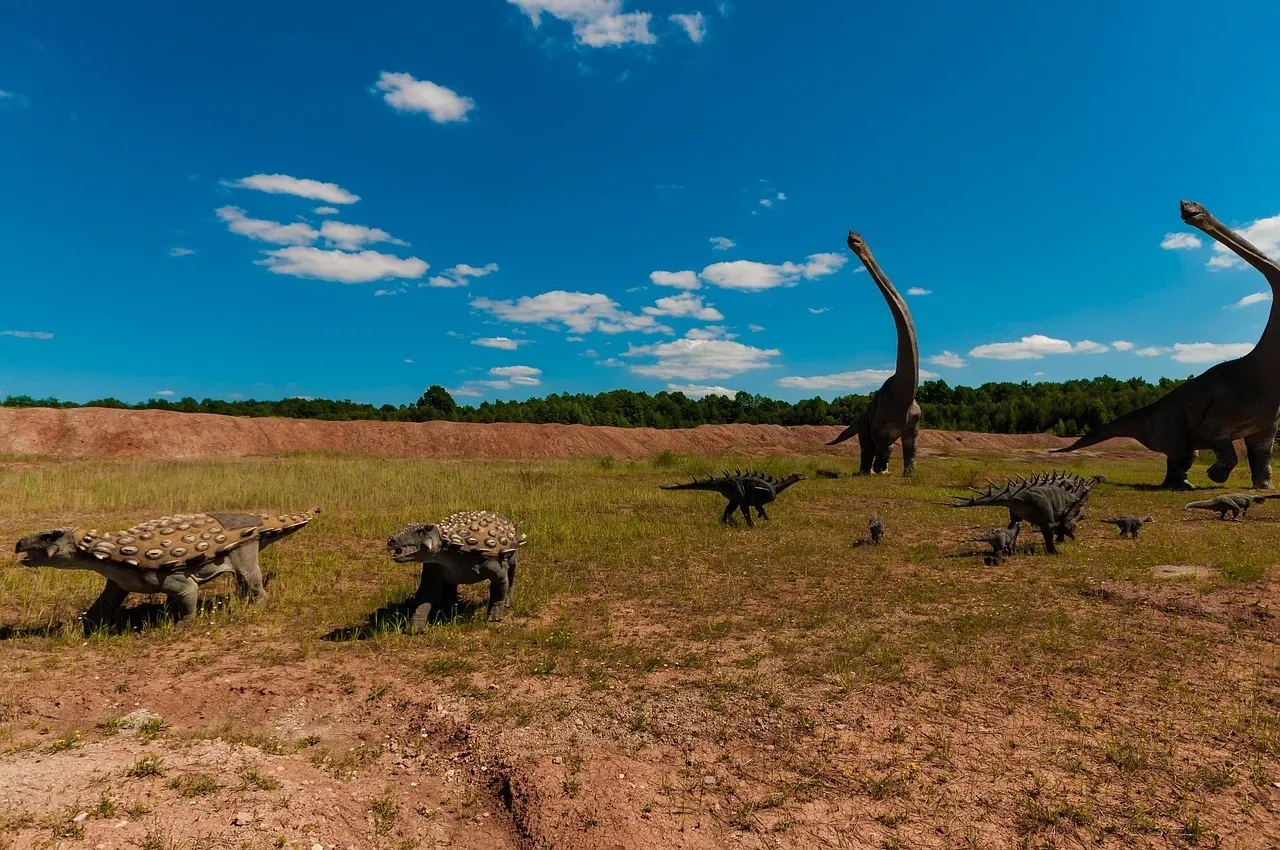
The picture of dinosaurs that emerges from the latest research is nothing like the solitary monsters of old movies and outdated textbooks. You’re looking at creatures that built communities, raised their young with care, traveled in organized multi-species groups, competed for social rank, and communicated through color, sound, and body language. They were, in their own ancient way, deeply social beings.
What’s even more remarkable is that we’re still in the early chapters of understanding just how rich dinosaur social life really was. Every new fossil site, every trackway, every microscopic bone analysis adds another layer to a story that has been 66 million years in the making. The next great revelation could be buried right now beneath a layer of rock somewhere in Alberta, Patagonia, or China – just waiting for someone to stumble across it.
The dinosaurs were not simple. They were never simple. The question is – how much more complexity are we going to discover? What do you think scientists will uncover next? Drop your thoughts in the comments.