
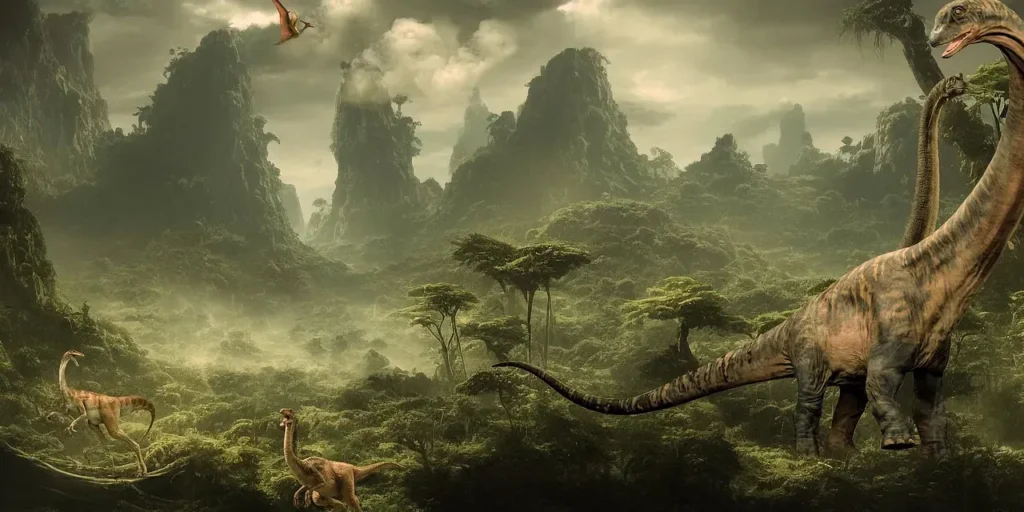
Long before the first giant footprint ever shook the earth, green life was quietly doing something extraordinary. It was rewriting the rules of the planet, building soils, transforming the atmosphere, and laying out an all-you-can-eat buffet that would one day feed some of the largest creatures ever to walk on land. Most people think of dinosaurs as the real story of the Mesozoic Era. Honestly, though, the plants deserve just as much credit.
The relationship between prehistoric flora and dinosaur evolution is one of the most underappreciated stories in natural history. You might be surprised to learn how tightly these two worlds were tangled together, how a shift in plant life could reshape an entire ecosystem almost overnight, in geological terms at least. Buckle up, because we’re going back roughly 250 million years. Let’s dive in.
A World Without Flowers: The Stage Is Set
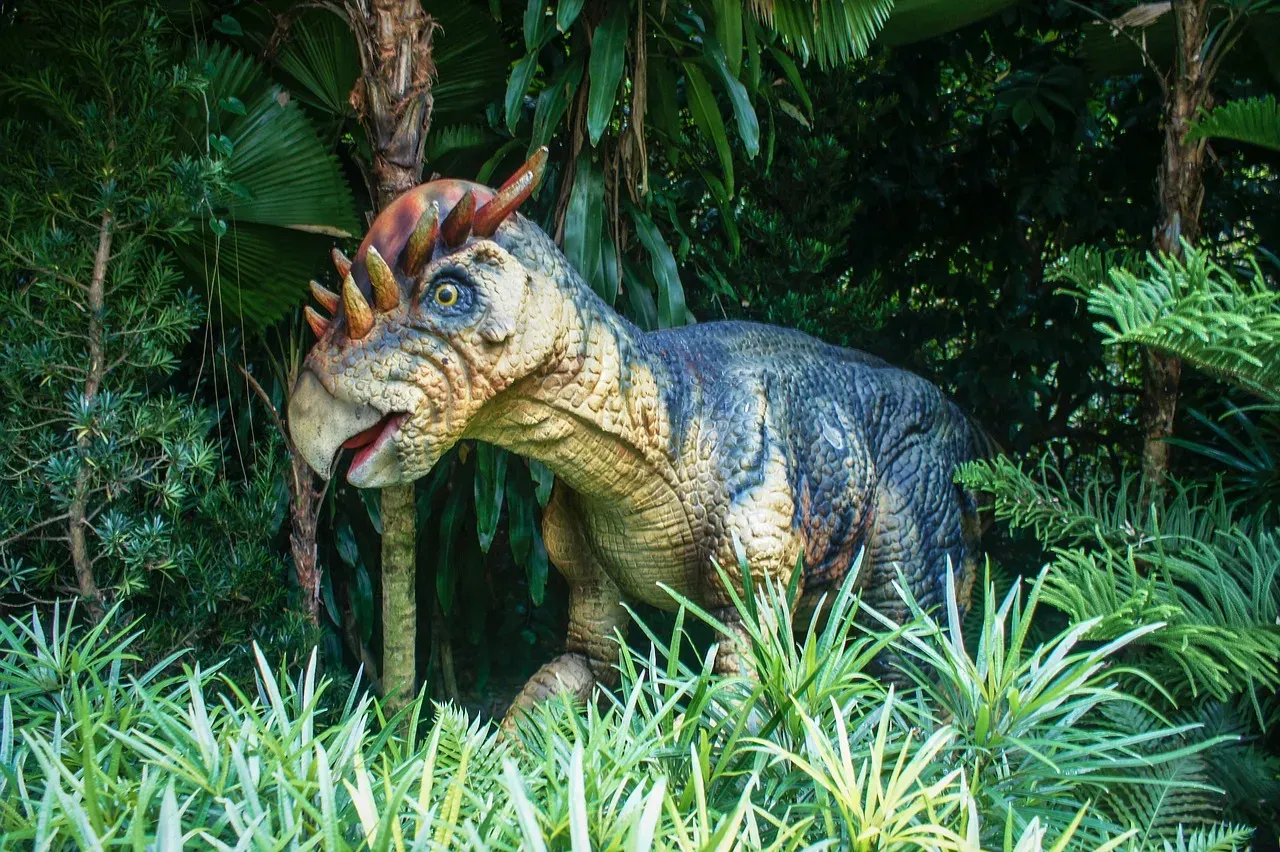
Here is something that genuinely blows people’s minds: when the very first dinosaurs appeared on Earth, there was not a single flower anywhere on the planet. Not one. When dinosaurs first evolved around 225 million years ago, flowers were nowhere to be found. The world looked utterly alien by today’s standards, carpeted instead by ancient ferns, mossy ground cover, and towering primitive conifers that had no interest in blooming for anyone.
The first land plants did not produce seeds at all; instead, they reproduced using spores. Like amphibians, they needed water for reproduction, which restricted them to habitats that were moist. You can think of it like this: the entire terrestrial world was locked inside a biological moisture trap. Only those organisms nimble enough to adapt to drier conditions would eventually dominate the landscape, and that shift would change everything for the animals feeding on them.
The Triassic Jungle: Hot, Dry, and Surprisingly Green
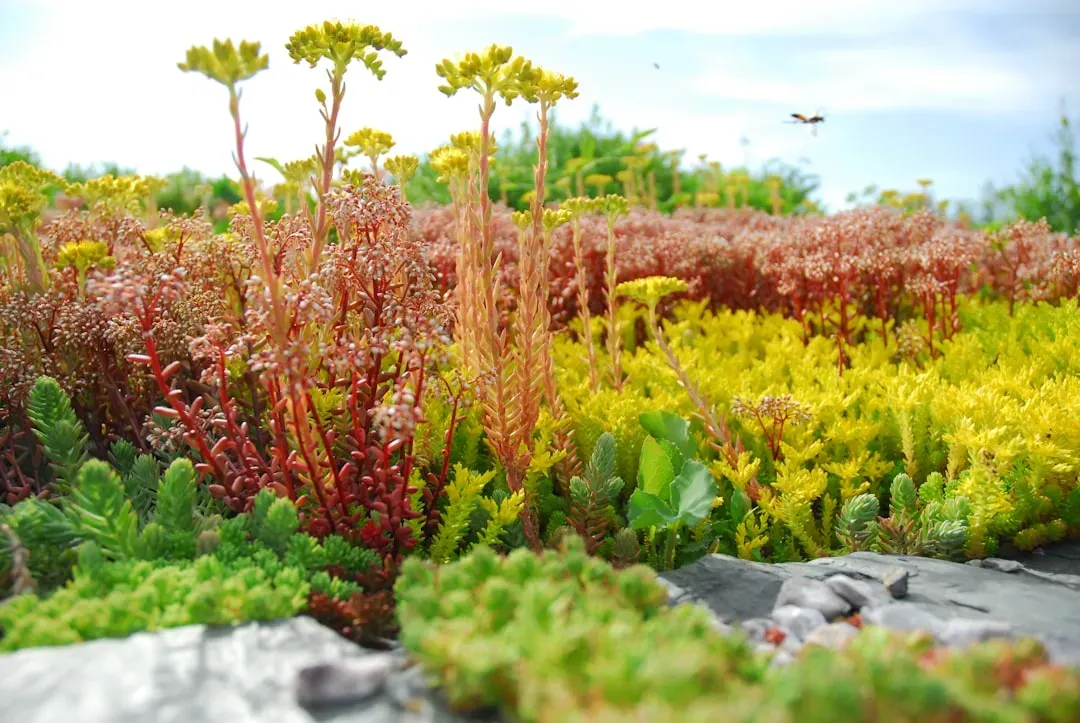
The dinosaurs evolved early in the Mesozoic Era, during the Triassic period, about 228 million years ago. At the start of the Mesozoic Era, the continents of the Earth were jammed together into the supercontinent of Pangaea, a land mass with a hot, dry interior and many deserts. Picture the entire world essentially looking like one vast, scorching continent, with only the polar fringes offering anything resembling temperate relief. It sounds bleak, yet life was already making its moves.
Herbivores that lived during the Triassic period likely chomped on cycads, ferns, ginkgo-like trees, and seed plants. Because the Triassic climate was so hot and dry, much like a modern-day desert, the plant life was made up of flora that best lived and grew in such conditions. This menu was tough, fibrous, and frankly not very nutritious by modern standards. Yet it was enough to sustain early plant-eating reptiles and set the engine of herbivory in motion.
Ferns: The Original Dino Salad Bar
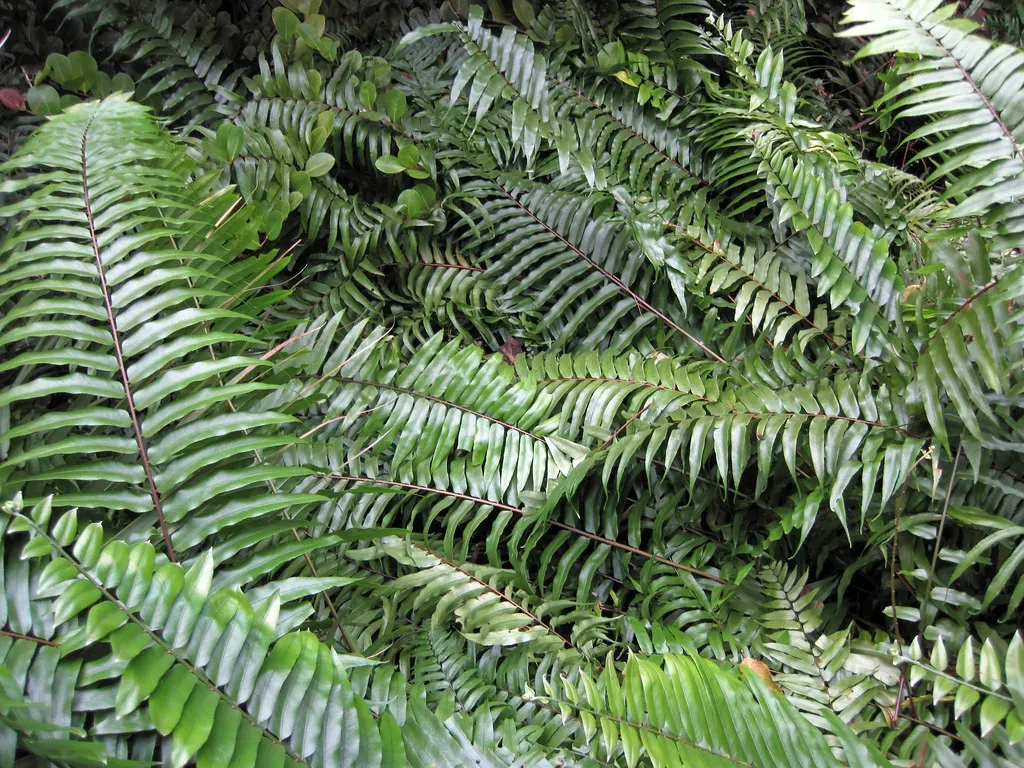
Ferns have been around for up to 350 million years, well before the dinosaurs. These ferns were one of the first big plants to live on land and helped make oxygen, which made the land ready for other life to start living too. That is a staggering thought. The humble fern you see growing along a shaded garden wall today is essentially a living relic of the Paleozoic Era, a survivor older than the dinosaurs themselves.
Pteridophytes are a group of primitive vascular plants that include club mosses, horsetails, and ferns. These plants reproduce with spores that germinate only in moist areas and also reproduce using rhizomes. Pteridophytes evolved during the Devonian and were mostly low-growing during the Mesozoic Era. These fast-growing, resilient plants were a source of food for plant-eating dinosaurs that lived in moist areas. Think of ferns as nature’s first reliable fast food option. They were everywhere, easy to find near water sources, and required little processing to consume in bulk.
Conifers: The Backbone of the Dinosaur Diet
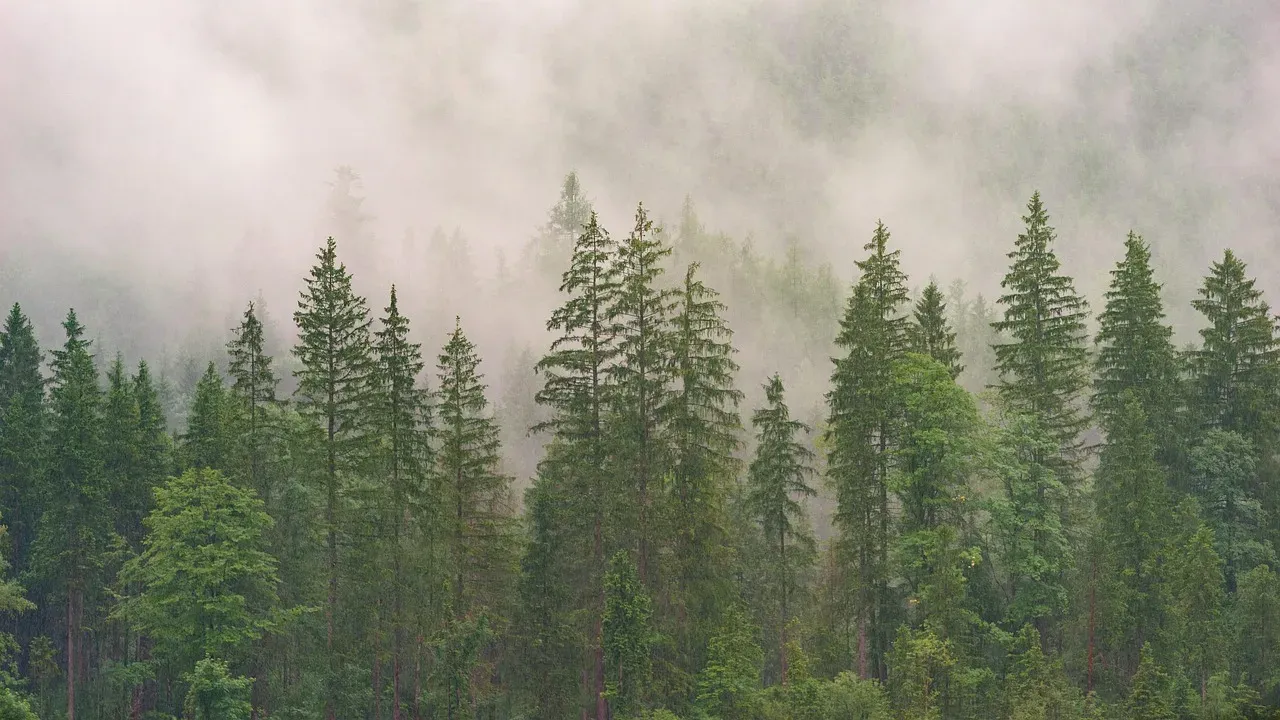
Conifers dominated the landscape during the Mesozoic when the dinosaurs lived. These slow-growing evergreen trees and shrubs probably constituted the majority of the herbivorous dinosaur’s diets. Let that sink in for a moment. The biggest animals to ever walk the face of the Earth were mostly fueled by the same basic group of trees that we harvest today for timber and Christmas decoration. Mesozoic Era conifers included redwoods, yews, pines, the monkey puzzle tree, cypress, and others.
The plentiful plant supply allowed huge plant-eating sauropods such as Apatosaurus, Diplodocus, and Brachiosaurus to evolve. These are some of the largest animals to have ever walked the Earth, and by the end of the Jurassic their herds dominated the landscape. It’s a remarkable chain of causation. More conifers meant more calories available, which meant that natural selection could keep pushing body size upward, generation after generation. If Brachiosaurus was warm-blooded, it has been estimated that it would have required more than 440 pounds of conifer and cycad plant food each day, spending most of its time feeding.
The Reign of Cycads: Jurassic Royalty
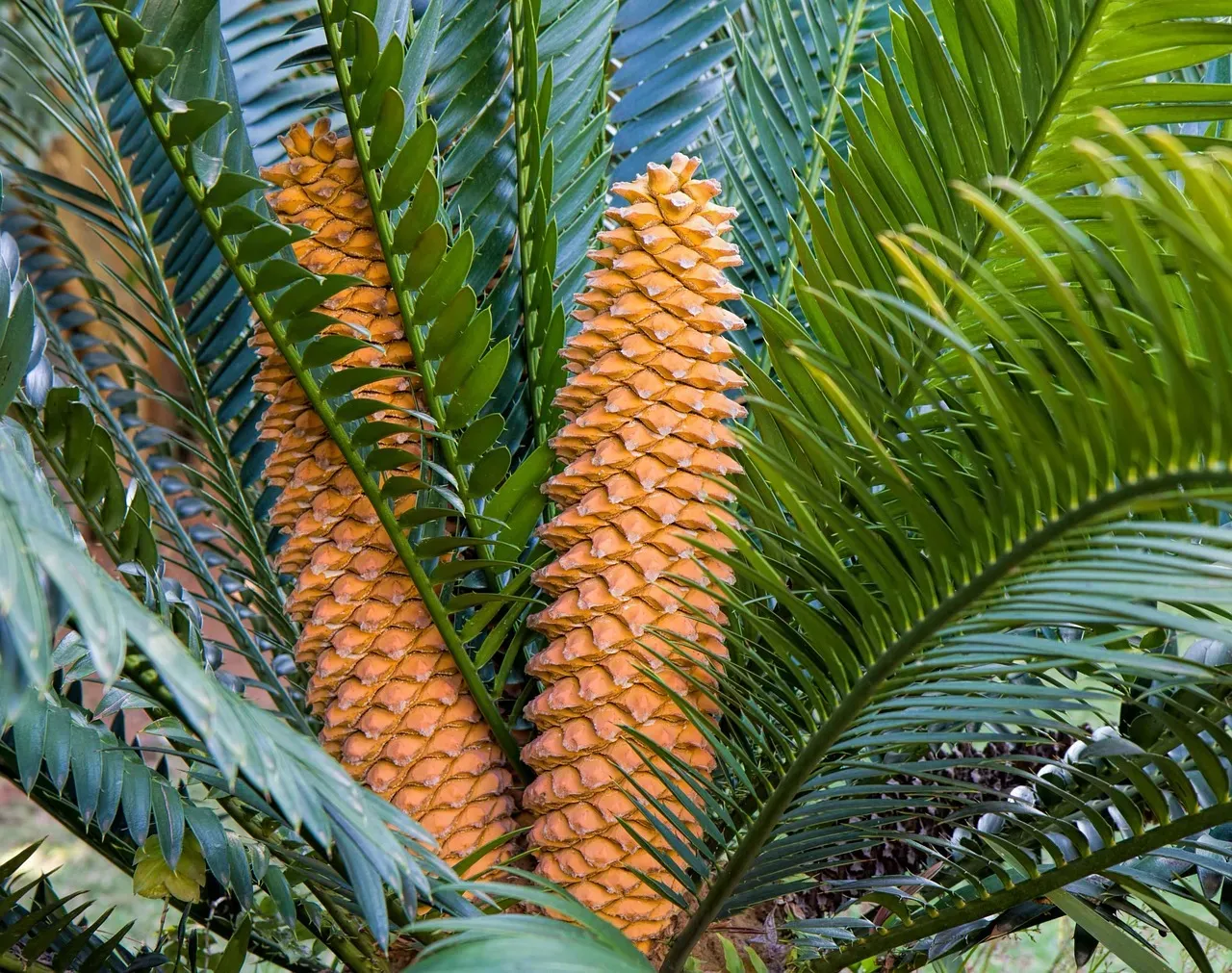
In the Mesozoic, cycads were an abundant component of the flora. During the Triassic and Jurassic, the time of their greatest diversity, cycads made up roughly a fifth of the world flora. For this reason the Mesozoic, and especially the Jurassic, is often referred to as the “Age of Cycads.” These plants were not the feeble ornamental shrubs you might see in someone’s garden today. They were the dominant woody vegetation across vast stretches of the prehistoric world, and dinosaurs were absolutely dependent on them.
Evidence shows that dinosaurs did in fact eat cycads. Fossilized dinosaur dung, known as coprolites, has been found containing fragments of cycad tissues and pollen. Some herbivorous dinosaurs like Stegosaurus and Ankylosaurus are believed to have browsed on cycads along with other tough plants of the Mesozoic landscape. These animals likely evolved strong jaws and specialized teeth capable of grinding down fibrous, sturdy plant material. Honestly, the evidence locked inside fossilized dino dung is one of the most wonderfully unglamorous ways science has ever revealed the truth about ancient ecosystems.
Ginkgos: Time Travelers Still Living Among You
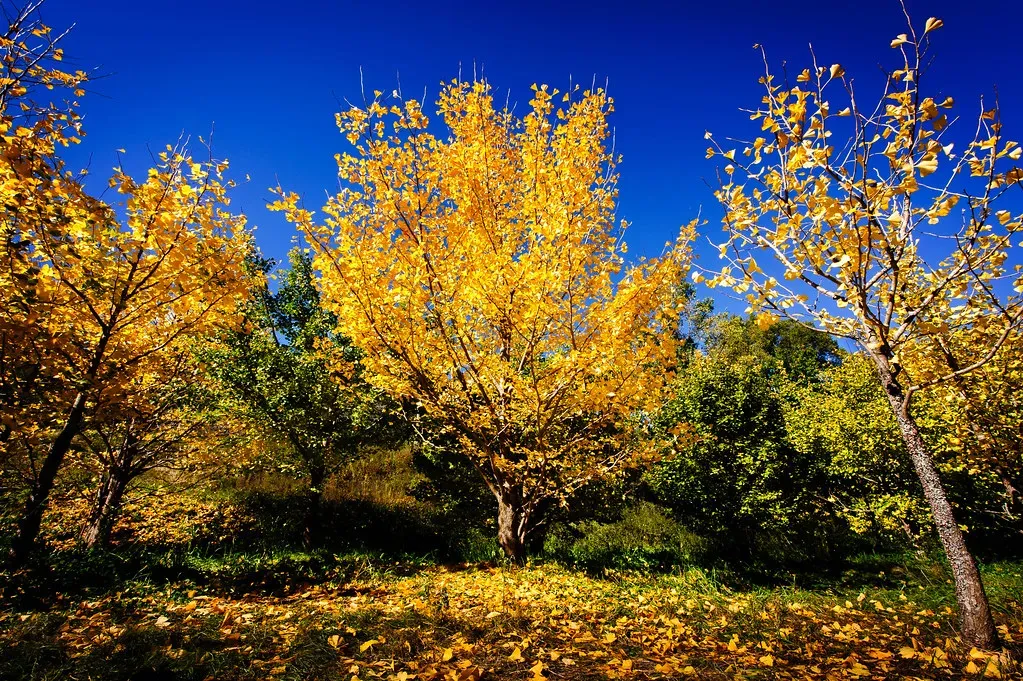
The extant ginkgo, Ginkgo biloba, is a living fossil, with fossils similar to the modern plant dating back to the Permian, 270 million years ago. When you walk past a ginkgo tree in a city park today, you are looking at something that was already ancient when T. rex was still alive. Fossils attributable to the genus Ginkgo with reproductive organs similar to the modern species first appeared in the Middle Jurassic, and the genus diversified and spread throughout Laurasia during the Jurassic and Early Cretaceous. That is an almost incomprehensible track record.
Modern maidenhair trees, Ginkgo biloba, are considered “living fossils” because they look almost exactly like Jurassic fossils of ginkgos. It is hard to say for sure how many millions of dinosaurs shaded themselves beneath a ginkgo tree, but it was almost certainly a very familiar sight across prehistoric forests. At the end of the Pliocene, about 3 million years ago, ginkgos disappeared worldwide. The species survived only in central China, where it was cultivated for millennia by Chinese monks. Without that human intervention, one of Earth’s oldest living connections to the dinosaur world might have vanished entirely.
The Flowering Plant Revolution and Its Cascading Impact
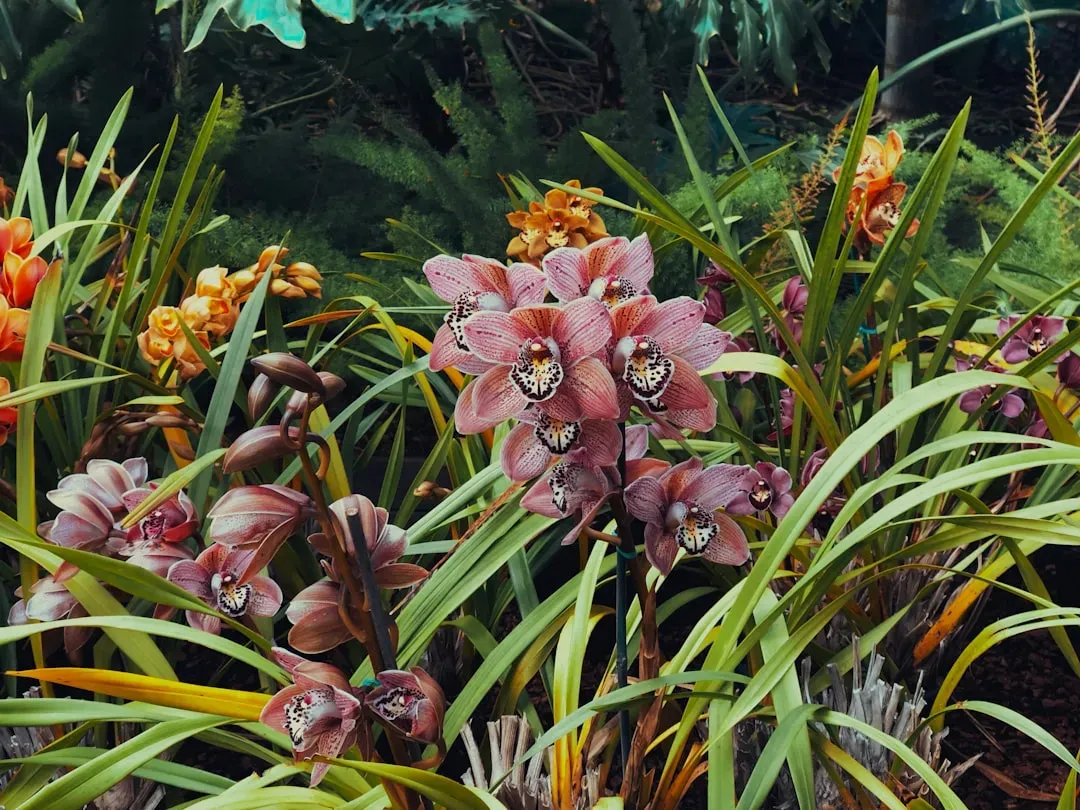
Perhaps the most important event for terrestrial life during the Cretaceous was the first appearance of the flowering plants, also called the angiosperms. First appearing in the Lower Cretaceous around 125 million years ago, the flowering plants first radiated in the middle Cretaceous, about 100 million years ago. This was not a slow, gentle transition. It was closer to a botanical explosion, and it rewired the food web from the ground up in ways that still ripple through every ecosystem on Earth today.
The rise of angiosperms had a significant impact on herbivorous dinosaurs. With the abundance of new plant species, herbivores had a greater variety of food sources, leading to the evolution of more specialized feeders. Some dinosaurs, like the hadrosaurs, developed complex teeth and jaw structures specifically for grinding and chewing tough plant material. Given the size of these dinosaurs, they would have consumed massive amounts of plant food, and their preferences opened up opportunities for fast-growing plants that could quickly grow in disturbed environments. Dinosaurs effectively cleared away the competition and allowed flowering plants to proliferate, and in turn, the changes in plant communities influenced the evolution of dinosaurs with heavy batteries of chewing power, such as the hadrosaurs and horned dinosaurs.
How Plants Literally Shaped Dinosaur Bodies
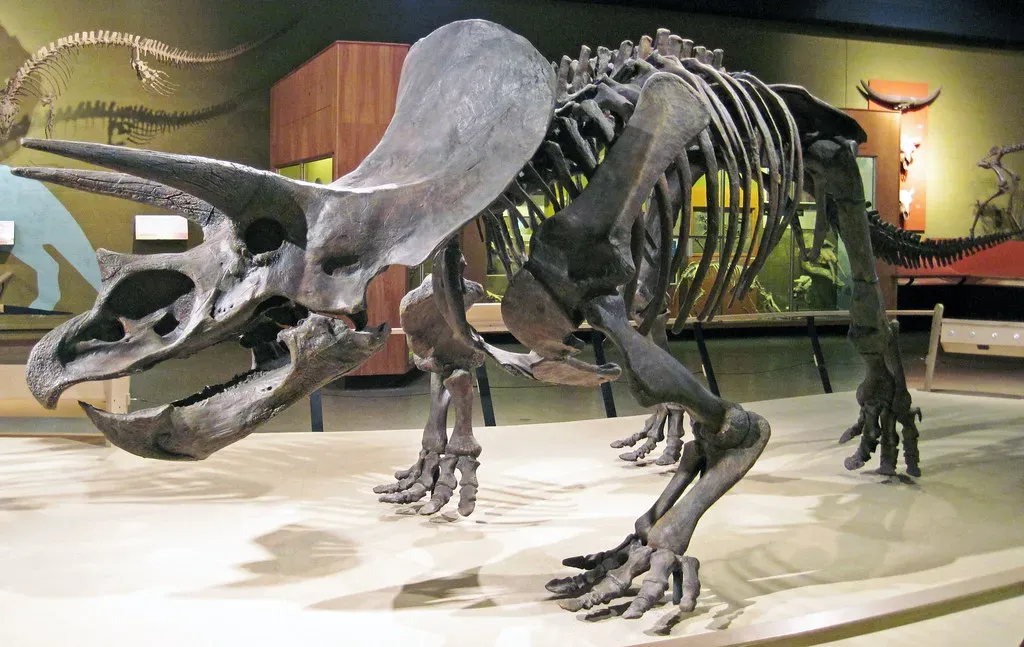
Herbivorous dinosaurs evolved many times during the 180 million-year Mesozoic era, and while they didn’t all evolve to chew, swallow, and digest their food in the same way, a few specific strategies appeared time and time again. This is one of those patterns in evolution that is genuinely surprising. Completely unrelated lineages of dinosaurs kept independently arriving at similar physical solutions to the same problem, namely how to process enormous quantities of tough, fibrous, nutrient-poor plant material.
Research shows that dinosaurs achieved remarkable herbivorous success following the evolution of vast numbers of replacement teeth, which allowed them to eat even the toughest of plants in large quantities. While herbivory is one of the most common ways of life for animals, it’s surprisingly difficult to eat plants. Unlike meat, which is easily broken down in the gut, plants are generally made up of tough fibres and complex carbohydrates which are hard to digest. Teeth are on the front line of this dietary battle, breaking open plants and cutting them into smaller pieces so that gut bacteria can break them down more efficiently. Your body faces the same challenge every time you eat a raw carrot. Now imagine having to do that all day long with conifers.
Plants as the Invisible Architects of the Food Chain
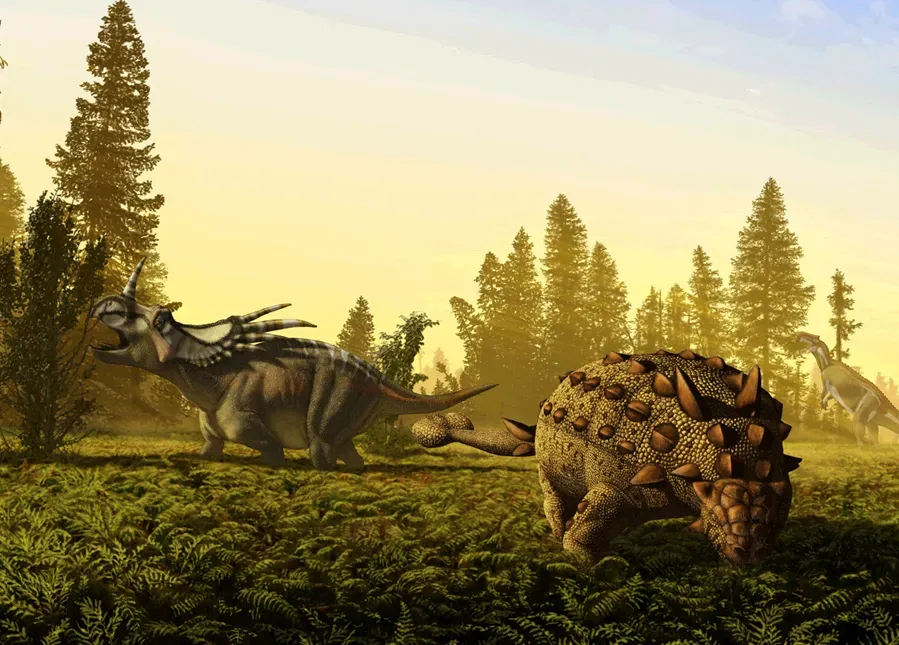
Without plants, there would have been no dinosaurs or any other land animals. Plants are at the base of the food web. Plants convert solar energy into chemical energy, which animals can eat. Plants are called producers or autotrophs because of this; they produce the fundamental food energy that all animals use. The predator-prey relationships people find so thrilling about the Mesozoic world, the T. rex chasing the hadrosaur, the Allosaurus stalking the sauropod, every single one of those moments was ultimately powered by photosynthesis. Without the green stuff, there is no drama.
The development of plants was closely tied to the fate of the dinosaurs. Since most dinosaurs were plant-eaters, the nature and amount of available plants dictated whether a plant-eating dinosaur would thrive or die, and indirectly, would even influence the fate of meat-eating dinosaurs. This is the kind of ecological interdependence that tends to get lost when museums focus almost entirely on the sharp teeth and dramatic size. The real engine driving all of it was rooted quietly in the soil, capturing sunlight, generation after generation.
Conclusion: Green Roots of a Giant Legacy
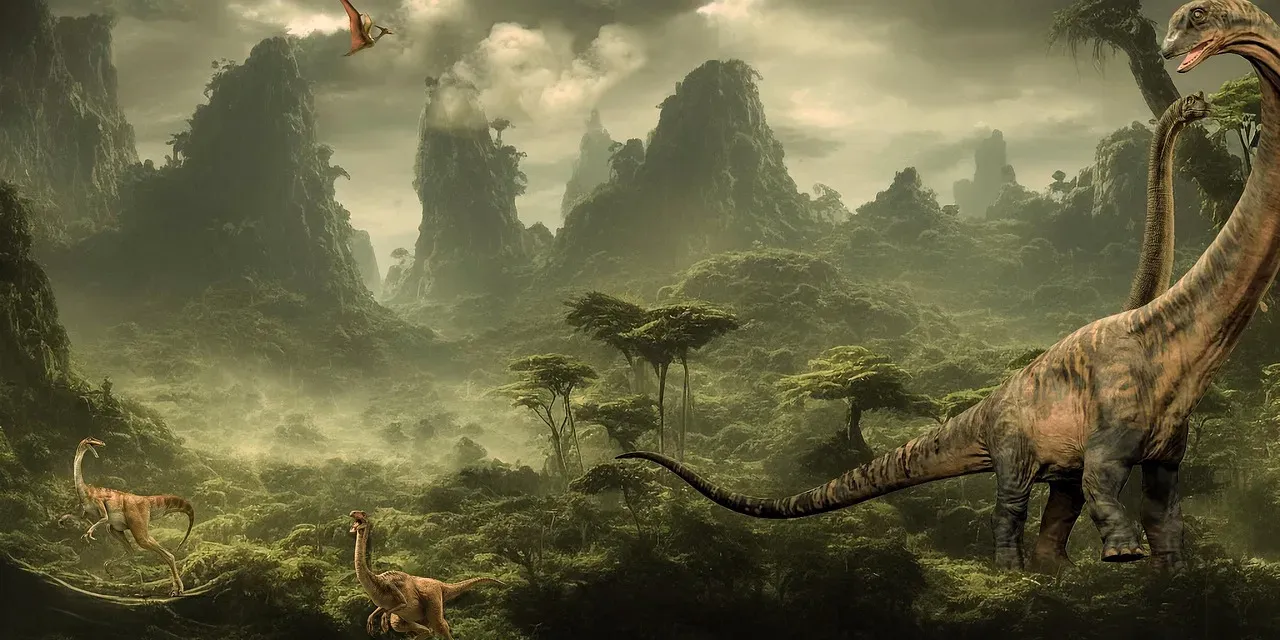
The story of dinosaur evolution cannot be told without telling the story of plant life first. You cannot have the sauropod without the conifer forest. You cannot have the hadrosaur without the revolution of flowering plants. You cannot have any of it without the ancient ferns and spore-bearing pioneers that spent hundreds of millions of years transforming a barren rock into a living world rich enough to sustain the most spectacular animals in Earth’s history.
The plants did not just feed the dinosaurs. They shaped their teeth, determined their size, directed their migrations, and quietly held the entire Mesozoic food web together. And here is the part that I think deserves more wonder: many of those same ancient plant lineages, the ginkgos, the cycads, the conifers, are still here today, growing in parks and gardens, largely unchanged since the age of giants. Every time you walk past one, you’re standing next to a living witness to one of nature’s greatest chapters.
What do you think is more impressive: the dinosaurs themselves, or the plants that made them possible? Drop your thoughts in the comments.