History is full of empires that rose, flourished, and eventually fell – but most of them left behind a trail of records, conquerors, and explanations. Then there are the others. The ones that simply stopped. No farewell note. No obvious last battle. Just ruins swallowed by jungle, desert, or ocean, whispering questions we still cannot fully answer.
These are not small, obscure tribes. You’re talking about some of the most sophisticated societies the ancient world ever produced. Civilizations that built cities rivaling anything in their era, developed writing systems, mastered astronomy, and engineered water infrastructure that would impress engineers today. So how does something that powerful just vanish? That is the question that has haunted archaeologists, historians, and honestly anyone with a sense of wonder. Let’s dive in.
1. The Maya: Jungle Kings Who Abandoned Their Own Thrones
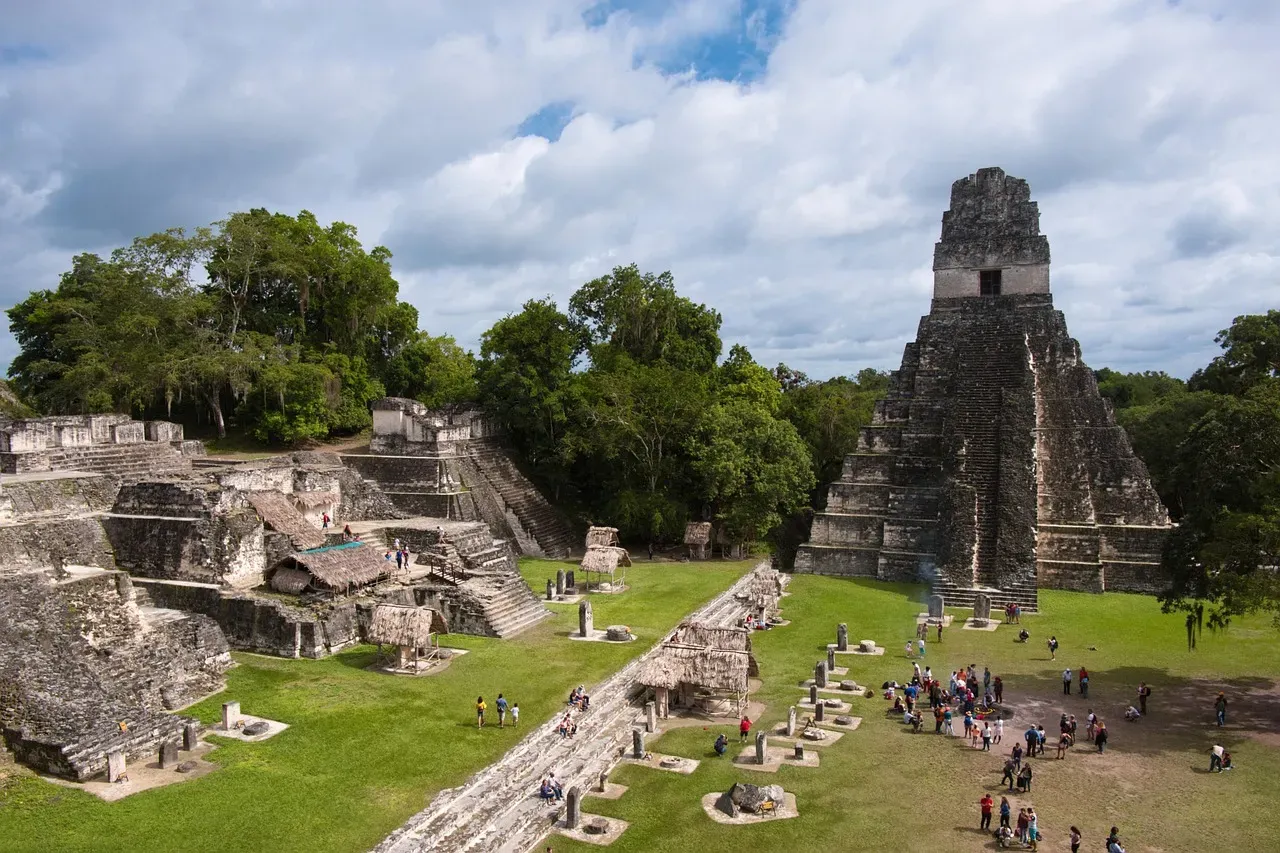
Imagine waking up one morning and finding that every major city in your country has been silently abandoned overnight. That is essentially what happened to the Maya. Arguably the most advanced pre-Columbian civilization in the New World, the Maya carved large stone cities into the jungles of southern Mexico and Central America, complete with elaborate plazas, palaces, pyramid temples, and ball courts. They were known for their hieroglyphic writing, calendar-making, mathematics, astronomy, and architectural brilliance, reaching the peak of their influence during what is called the Classic Period, running from around A.D. 250 to A.D. 900.
At the end of the Classic Period, in one of history’s most compelling enigmas, the populace suddenly deposed its kings, abandoned the cities, and ceased technological innovation. Scholars have suggested a number of potential reasons for the downfall, including overpopulation, environmental degradation, warfare, shifting trade routes, and extended drought. Honestly, it’s less of a clean answer and more of a perfect storm – one that should make every modern civilization take a long, hard look in the mirror.
Research has shown that rapid deforestation exacerbated an already severe drought, reducing precipitation significantly and contributing the majority of the total drying that occurred over the course of a century as Mayan civilization collapsed. The lack of forest cover also contributed to erosion and soil depletion. Armed conflict stemming from power struggles undoubtedly contributed as well. Fighting blocked roads and trade routes so that goods could not be moved quickly, leading to shortages, economic collapse, and mass population migrations.
2. The Indus Valley Civilization: The Giant Nobody Remembers
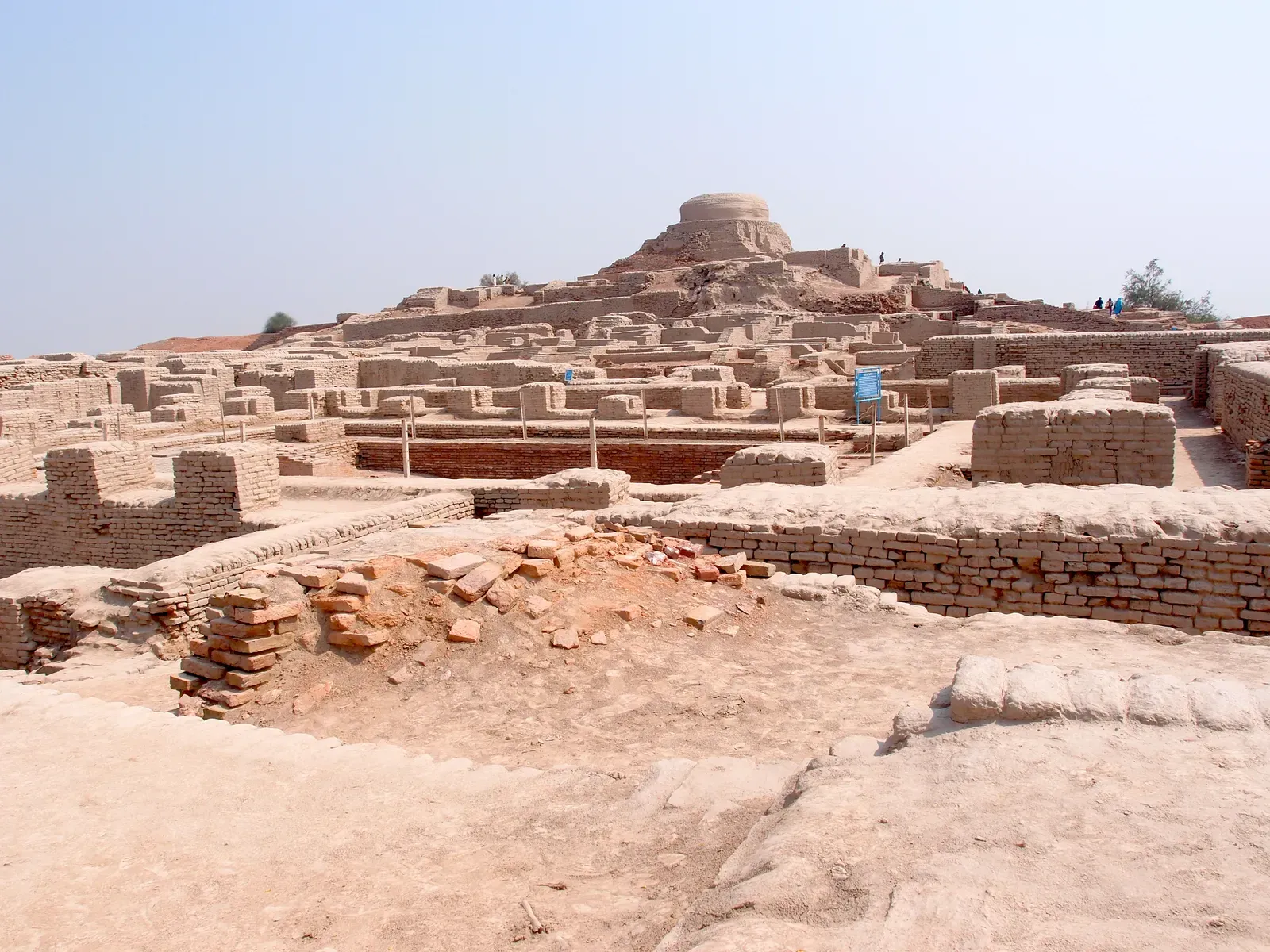
Here is something that should genuinely surprise you. The Indus Valley civilization was equal in power to ancient Mesopotamia and Egypt, reigning between about 2500 B.C. and 1700 B.C. in what is now mainly Pakistan on the Indian subcontinent. Mesopotamia and Egypt evolved over time, merging with other cultures through conquest. The Indus Valley civilization, the largest of the three, simply collapsed and vanished. That is staggering when you consider its scale.
Renowned for their meticulous urban planning, the Harappans constructed sophisticated cities like Mohenjo-daro and Harappa, characterized by advanced drainage systems, grid layouts, and uniform brick sizes. Around 1900 B.C., the civilization went into freefall. The population abandoned the cities and purportedly migrated southeast. Originally, scholars believed that an Aryan invasion from the north brought about the collapse, but that theory is no longer accepted. Recent research instead suggests that the monsoon cycle essentially stopped for two centuries, making agriculture nearly impossible. Other factors such as earthquakes or outbreaks of disease may have also played a role.
3. The Minoans: Europe’s First Great Civilization, Erased by Fire and Sea
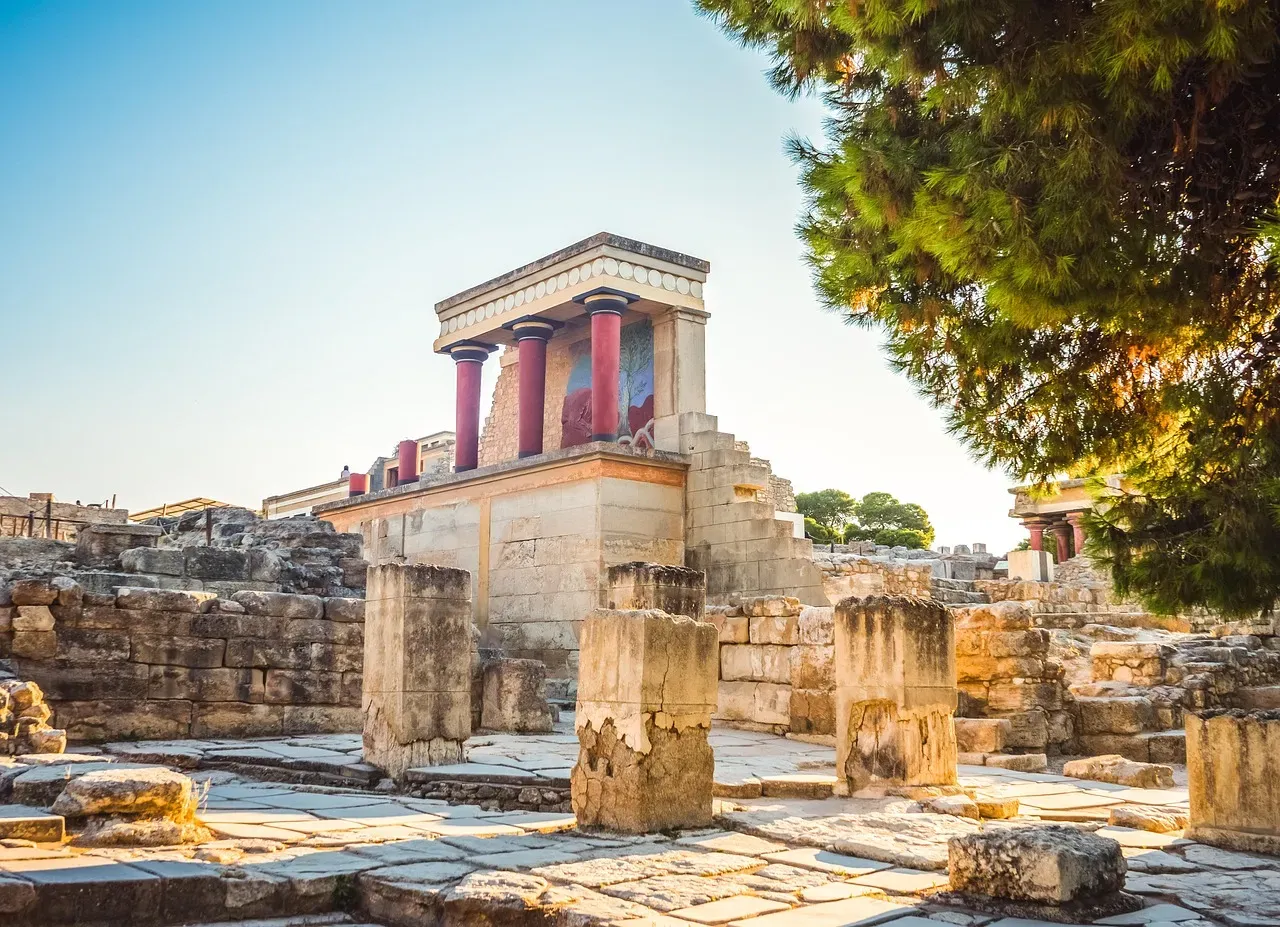
You may not know the Minoans as well as you know the Greeks or Romans, but I think that is a genuine shame. This Bronze Age civilization emerged on the island of Crete and thrived from around 3000 BCE to 1450 BCE. The Minoans were known for their thalassocracy, advanced architecture, and far-reaching trade relations. Despite their remarkable accomplishments, the Minoan civilization came to an abrupt end around 1450 BCE.
Their structures showcased advanced architecture and vibrant frescoes, reflecting a sophisticated society with complex religious and economic systems. The Minoans were also adept seafarers, establishing trade networks across the Mediterranean. A catastrophic volcanic eruption on the nearby island of Thera, modern-day Santorini, around 1600 BC is often cited as a pivotal event in their decline. The eruption likely triggered tsunamis and climatic changes that severely impacted agriculture and trade. The subsequent tsunamis severely impacted maritime routes, while the rise of the Mycenaeans disrupted the balance of power and commandeered trade paths once dominated by the Minoans. This combination of environmental calamity and geopolitical upheaval likely led to economic instability, contributing to the enigmatic decline of one of the Mediterranean’s most advanced ancient civilizations.
4. The Ancestral Puebloans: Cliff Builders Who Disappeared Into Thin Air
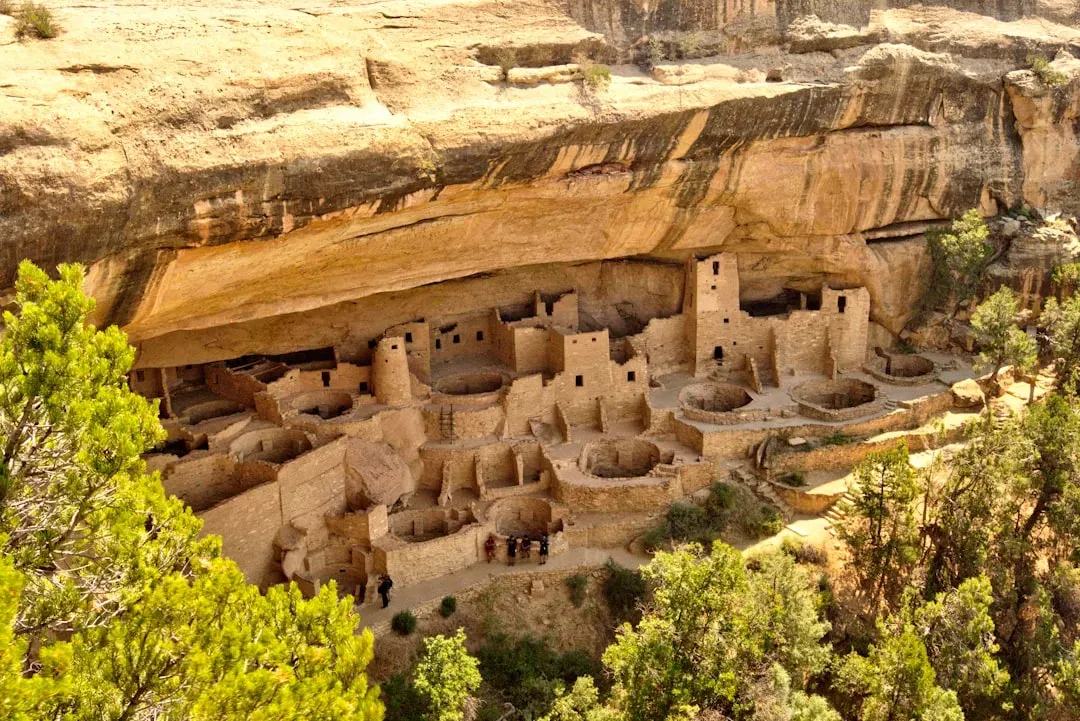
Picture this: you come across a multi-story apartment complex built directly into the side of a sheer cliff face, hundreds of feet above the valley floor, perfectly constructed, completely empty. That is exactly what cowboys stumbled upon in the American Southwest in the 1880s. The Anasazi civilization flourished in the American Southwest from approximately 100 AD to 1300 AD. Known for their remarkable cliff dwellings, kivas or ceremonial underground rooms, and intricate rock art, the Anasazi developed a complex society deeply connected with their environment. They were skilled farmers, hunters, and gatherers, growing corn, beans, and squash in irrigated fields.
Toward the end of the 13th century, some cataclysmic event forced the Anasazi to flee those cliff houses and their homeland, moving south and east toward the Rio Grande and the Little Colorado River. It seems to have originated with environmental catastrophes, which in turn may have given birth to violence and internecine warfare after 1250. Researchers have uncovered signs of massacres and cannibalism, as well as evidence of deforestation, water management problems, and a crippling long-term drought that many believe precipitated the slide into violence. It is one of those mysteries where every answer only raises three more questions.
5. The Khmer Empire: Masters of Angkor Who Lost Everything
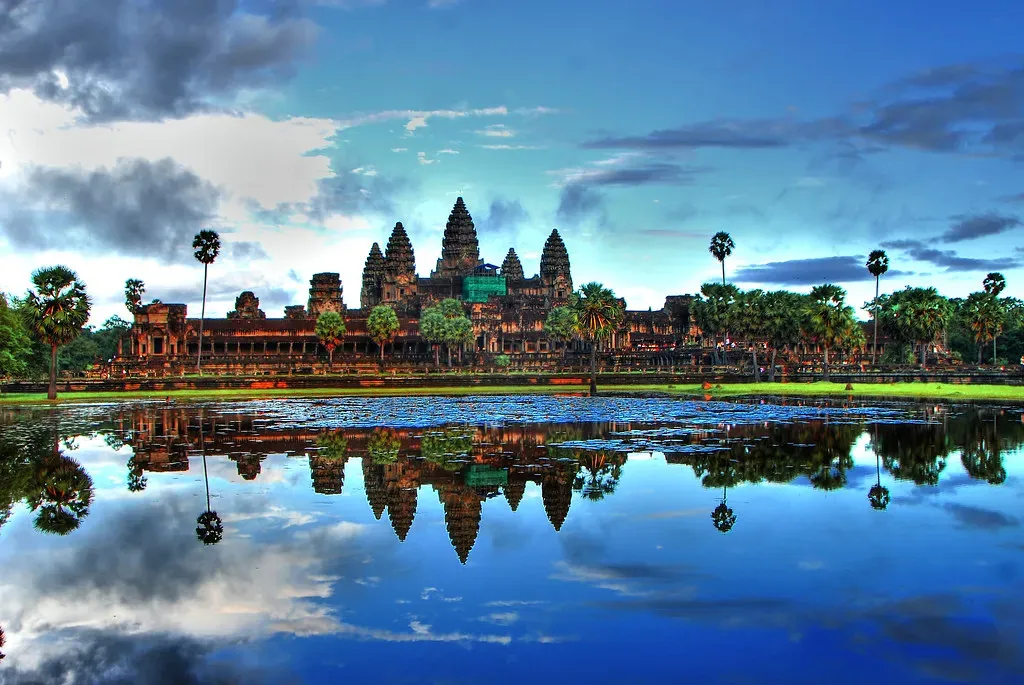
When people think of Southeast Asia’s ancient wonders, Angkor Wat immediately comes to mind. Few, however, stop to ask the genuinely unsettling question: where did the civilization that built it actually go? The Khmer Empire was centered on hydraulic cities in what is now northern Cambodia. Known by its inhabitants as Kambuja, it grew out of the former civilization of Chenla and lasted from 802 to 1431 AD. Historians call this period of Cambodian history the Angkor period, after the empire’s most well-known capital.
By the 14th century, the empire had suffered a long, arduous, and steady decline. Historians have proposed different causes: religious conversion from Hinduism to Theravada Buddhism that affected social and political systems, incessant internal power struggles among Khmer princes, vassal revolt, foreign invasion, plague, and ecological breakdown. Historians believe that water management failures, combined with invasions and changing trade routes, led to their downfall. Research highlights how climate variability, particularly severe droughts, may have disrupted their sophisticated hydraulic systems. Think of it like a brilliant city that ran entirely on one power grid – and then the grid failed.
6. The Rapa Nui: Statue Builders on the Edge of the World
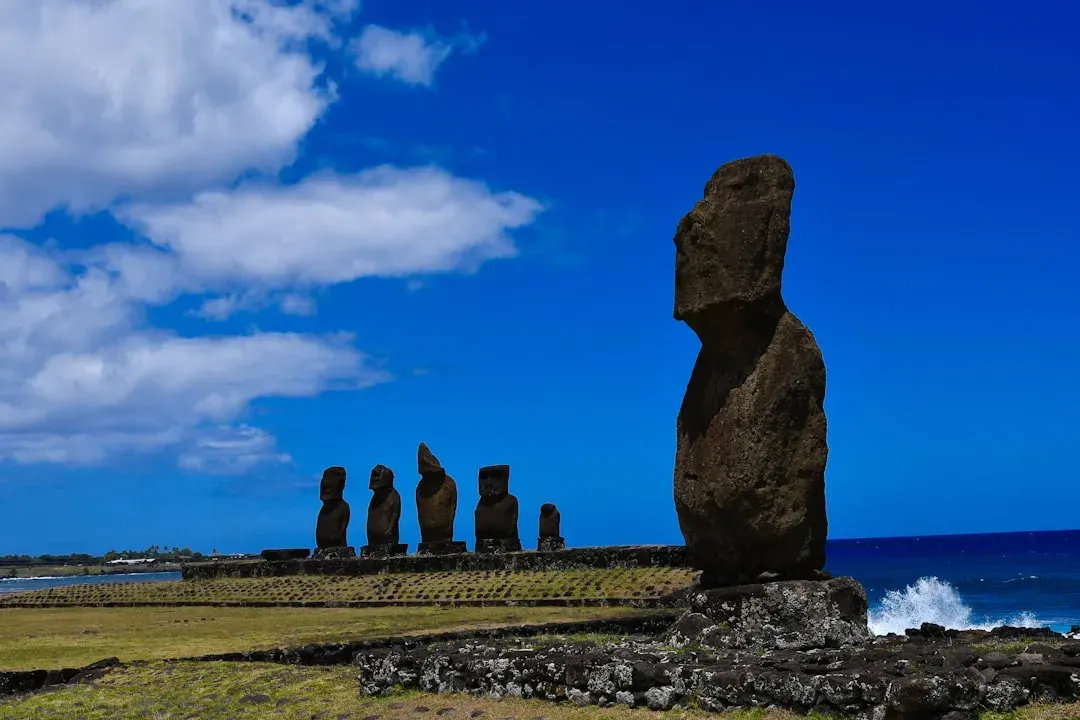
Easter Island sits in the middle of the South Pacific, so remote it takes hours of flight to reach from anywhere. Yet someone not only found it but built one of history’s most haunting civilizations there. The remote island was once a thriving hub of commerce along a heavily trafficked trade route through the Southern Pacific Ocean. Settled by a small group of Polynesian sailors sometime in the 9th century AD, the island had an estimated population reaching 15,000. The most famous remnants of this lost civilization are, of course, the Easter Island Heads, which are actually connected to a much larger body that was buried underground when Europeans arrived in the 18th century.
By analyzing charcoal fragments and pollen in sediment cores, scientists have discovered that Easter Islanders cut down almost every last tree, and that rats ate the trees’ seeds before the forest could regenerate. This ecological catastrophe eliminated the ability to make rope or seagoing canoes and reduced the populace to burning grass for fuel, potentially ushering in a period of mass starvation and civil war. The arrival of Europeans only added to the decimation, starting in 1722 when the first Europeans to land on Easter immediately killed several islanders. By the 1870s, several waves of smallpox along with a major Peruvian slave raid had reduced the number of natives to roughly 100. A civilization of 15,000 reduced to a hundred souls is not a quiet decline – it is a catastrophe.
7. Cahokia: North America’s Forgotten Metropolis
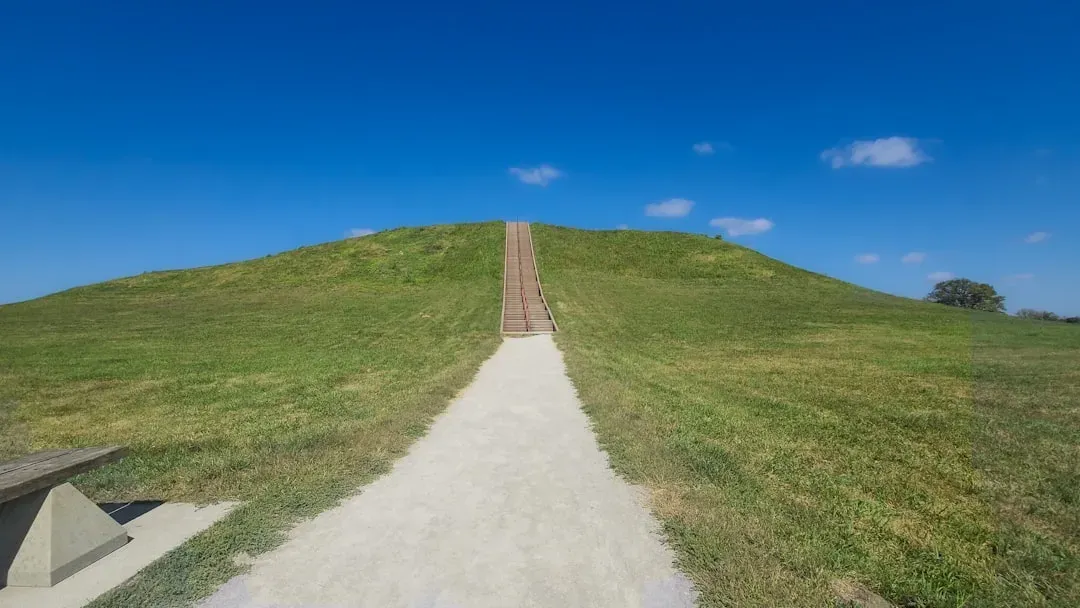
Most people, when asked about ancient North American civilizations, think of the Aztecs or the Inca. What they rarely think about is the massive, sophisticated city that once stood just a few miles from where St. Louis, Missouri stands today. Cahokia’s decline began around 1250 or 1300 and culminated in the site’s mysterious abandonment by 1350. At its peak it hosted a population of up to 20,000, similar to that of London at the time. Surrounded by a high wooden stockade, the city featured many plazas and at least 120 earthen mounds, the largest of which, known as Monks Mound, stood 100 feet tall and was built with some 14 million baskets of soil. Just outside the wall, a ring of red cedar posts dubbed Woodhenge likely served as a sort of solar calendar.
The city was a natural trade hub due to its position near the confluence of the Mississippi, Illinois, and Missouri rivers, and thrived in the 1000s and 1100s. It allegedly started declining around A.D. 1200, right when a calamitous flood is known to have hit, and was long deserted by the time of Columbus’ arrival. In addition to the flood, researchers have identified overexploitation of natural resources, political and social unrest, diseases, and the so-called Little Ice Age as possible causes for Cahokia’s fall. It is fascinating and a little sobering to think that a city the size of medieval London once thrived in the American heartland, and most of the world has never heard of it.
What These Vanished Worlds Are Still Trying to Tell You
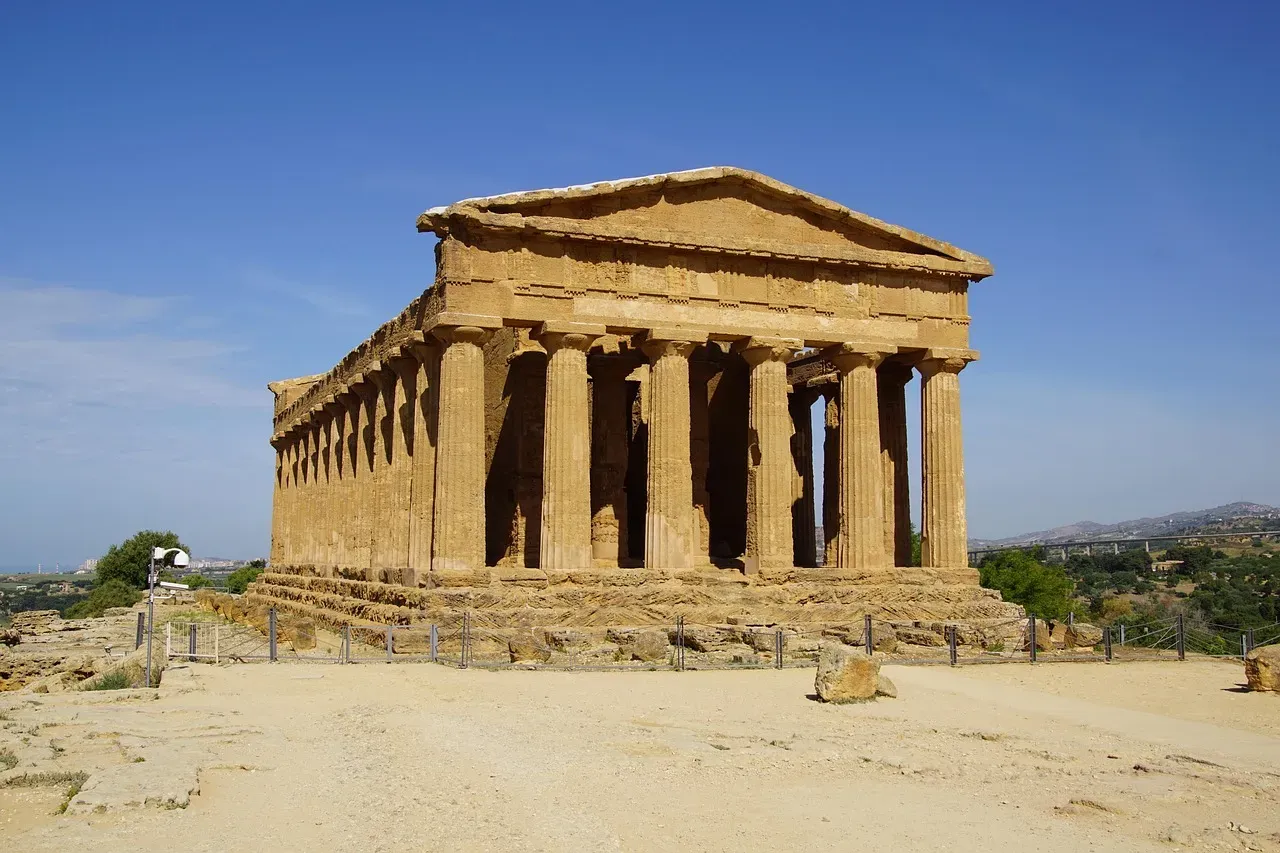
Looking across all seven of these lost civilizations, a few unsettling patterns begin to emerge. Climate stress, environmental overreach, political fragmentation, and resource collapse appear again and again like a recurring nightmare. These were not primitive peoples who didn’t know better. The Maya were brilliant mathematicians. The Harappans had indoor plumbing before most of Europe. The Khmer engineered water systems of breathtaking complexity. The disappearance of these ancient civilizations serves as a reminder of the fragility of human societies. Whether due to environmental factors, resource mismanagement, or external pressures, their declines offer valuable lessons for the modern world. By studying their histories, we gain insight into resilience, adaptation, and the importance of sustainable practices.
Honestly, there is something both humbling and urgent about these stories. The warnings these civilizations left behind are not buried under rubble – they are written in plain sight, carved into cliffs and encoded in sediment cores, waiting for us to take them seriously. Every day, new mysteries are uncovered, and each answer seems sometimes to only beget more questions as we dig deeper beneath the surface of our globe. So the next time you stand before a ruined wall or a crumbling pyramid, maybe the real question is not what happened to them. Maybe it’s whether we’re paying close enough attention to avoid the same fate. What do you think – are we learning from these lost worlds, or are we repeating their mistakes? Share your thoughts in the comments below.