Earth has never been a stable, forgiving place. It has frozen over, dried out, flooded, burned, and shifted in ways that should have erased life entirely. Yet here we are. The fact that anything survived the planet’s wild climatic mood swings across billions of years is, honestly, one of the most astonishing stories science has ever uncovered.
What makes it even more gripping is how creative life got in response. Not just survival, but transformation. Migration, invention, body redesign, cultural revolution. You might think climate change is a purely modern concern, but the ancient world was already wrestling with it in ways that will leave you genuinely stunned. Let’s dive in.
1. The Woolly Mammoth’s Full-Body Cold-Weather Makeover
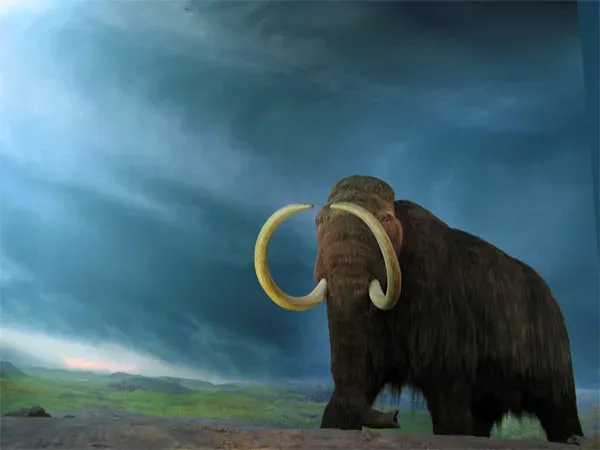
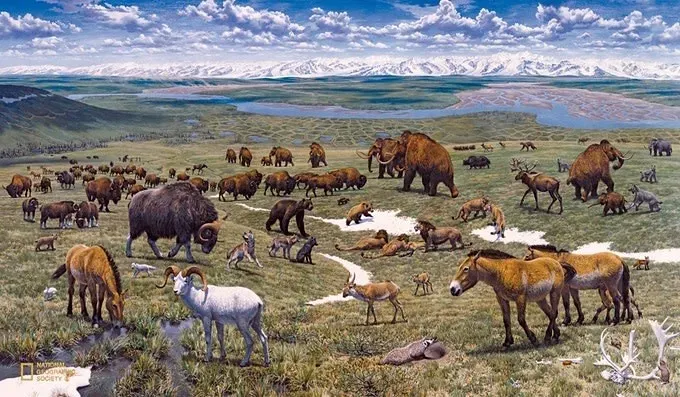
Few images from prehistoric life are as iconic as the woolly mammoth, and for good reason. This enormous creature was essentially a walking masterpiece of cold-climate engineering. The woolly mammoth was well adapted to cold environments present during glacial periods, covered in fur with an outer covering of long guard hairs and a shorter undercoat. Think of it like the most extreme winter coat you could ever imagine, one that literally grew on the animal itself.
Under the extremely thick skin was a layer of insulating fat at times 8 centimeters thick, its ears were small to reduce surface area exposure to cold, and a mound of fat on the back served as an energy and water reserve. Every single feature on this animal was a direct answer to a climate question. Woolly mammoths may have even used their tusks as shovels to clear snow from the ground, reach the vegetation buried below, and break ice to drink. That is not just survival. That is problem-solving on a prehistoric scale.
2. How Early Humans Reinvented Their Tools When the World Fell Apart
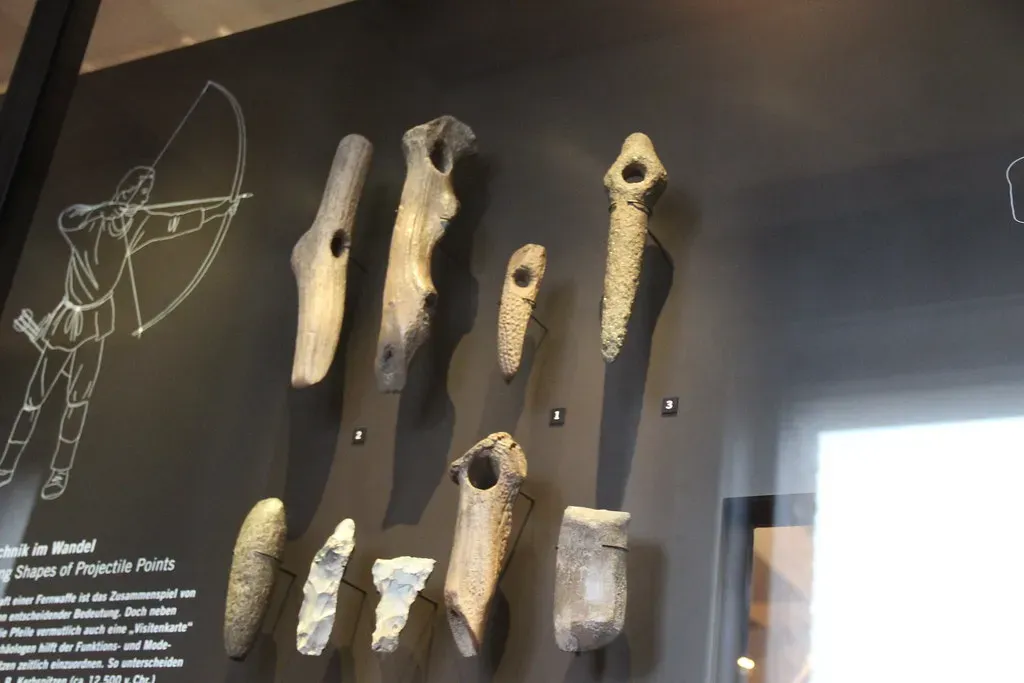
Here’s the thing about early humans: when the environment stopped cooperating, they did not just sit down and accept it. Geological evidence at Olorgesailie shows how some 400,000 years ago, earthshaking tectonic activity began to reshape the region, segmenting the landscape, raising hills and cliffs, and draining huge lakes, making the area more sensitive to changes like more variable rainfall. In other words, the world around them became completely unpredictable.
Early humans at Olorgesailie relied on the same tools, stone handaxes, between 500,000 and 1.2 million years ago. Then, beginning around 320,000 years ago, they crafted smaller, more sophisticated weapons, including projectiles. That leap in technology coincided almost perfectly with ecological upheaval. The materials chosen to craft some of those tools were not even available locally, evidencing the expansion of ancient trade networks, with early humans sourcing black obsidian for projectile points from at least 50 miles away. Climate stress, it seems, sparked one of humanity’s earliest creative revolutions.
3. The Ancient Mammals That Simply Walked Into the Ocean
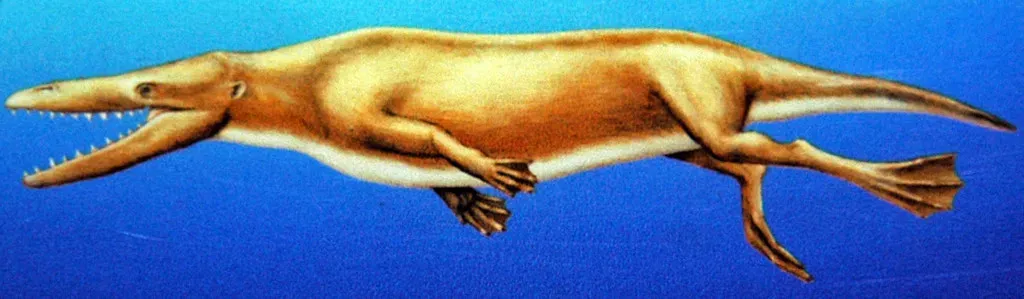
If you think adapting to climate change means putting on a thicker coat or migrating south, you have clearly never considered what happened roughly 56 million years ago. About 56 million years ago, during a climate that was hot and wet, two groups of mammals moved from land to water – the cetaceans, which include whales, dolphins and porpoises, and the sirenians, which include sea cows, manatees and dugongs. This is not a small adjustment. This is a total reinvention of existence.
Over time, their bodies began to adapt to their new environment. They lost their hind limbs and their forelimbs began to resemble flippers. Their nostrils moved higher on their skulls. The cetaceans became carnivores, eating fish and squid, while the sirenians became herbivores, living on sea grasses and algae. It is hard to say for sure exactly what climate tipping point sent them seaward, but it is one of the most dramatic biological pivots in planetary history. The ocean, once alien to them, became home.
4. Prehistoric Humans Who Migrated Rather Than Perished
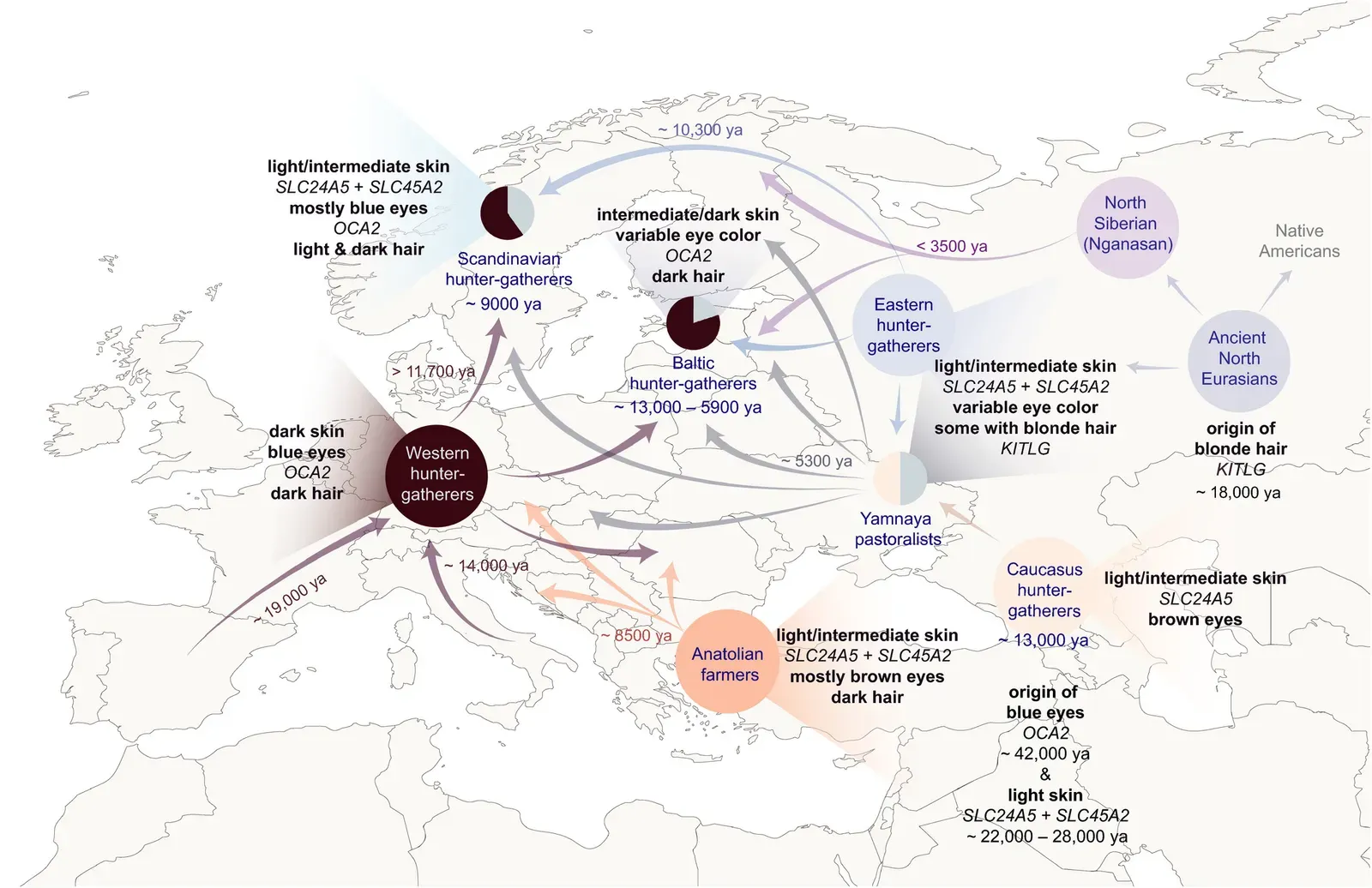
Migration is arguably the oldest human survival strategy in existence. When the world went cold, many ancient populations did not adapt in place. They moved. During a warmer period of the Final Palaeolithic, humans continued to repopulate and expand into northern and north-eastern central Europe, making this region the centre of demographic dynamics in Europe for the first time in prehistory. Warming opened new doors. Cooling closed old ones.
The Cologne researchers are familiar with extreme population declines in Prehistory, such as during the late Gravettian, when cooler temperatures reduced populations in western and central Europe by up to two-thirds, leading to the extinction of regional populations. That is a staggering statistic. Nearly two thirds of a population, gone. These observations probably reflect the eastward movement of people in response to very abrupt and pronounced climatic cooling, with humans during the Final Palaeolithic apparently responding by migrating to more favourable areas. Survival, in many cases, was a matter of knowing when to leave.
5. How the Body of Neanderthals Was Literally Shaped by Cold
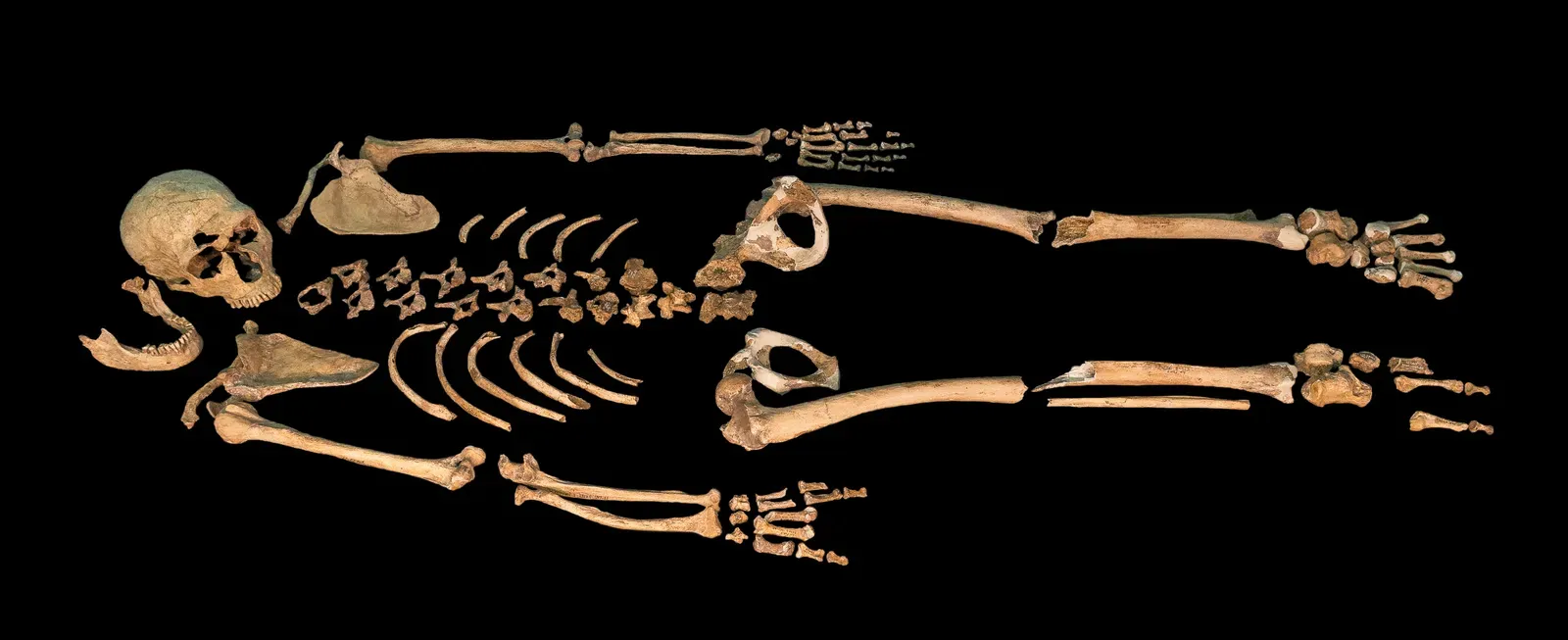
You might not think of anatomy as a climate response, but the fossil record tells a different story. The physical differences between Neanderthals and modern humans were not random. They were, in many ways, written by temperature. Neanderthals were shorter with more robust limb bones and shorter forearms, comparable with cold-adapted peoples of today such as the Inuit, whereas the modern human skeleton possesses longer and slenderer limb bones indicating adaptations for warm environments. Two species, two body types, two completely different climate histories.
Climatic changes included periods of cooling and warming and shifts in dry and wet conditions, which influenced where early humans lived and the cultural and biological adaptations that contributed to their evolution. This is the part that genuinely blows my mind. Your body shape, your bone structure, even the length of your forearms, could arguably trace back to the temperature your ancestors lived in thousands of years ago. Over the last 25 years, scientists exploring human origins have become increasingly interested in the ways that changing climate and variable ecological conditions helped to guide evolution, with the idea that surviving in variable environments would favor humans with genetic changes that made them more adaptable.
6. Africa’s Vanishing Forests Triggered the Rise of Walking Upright
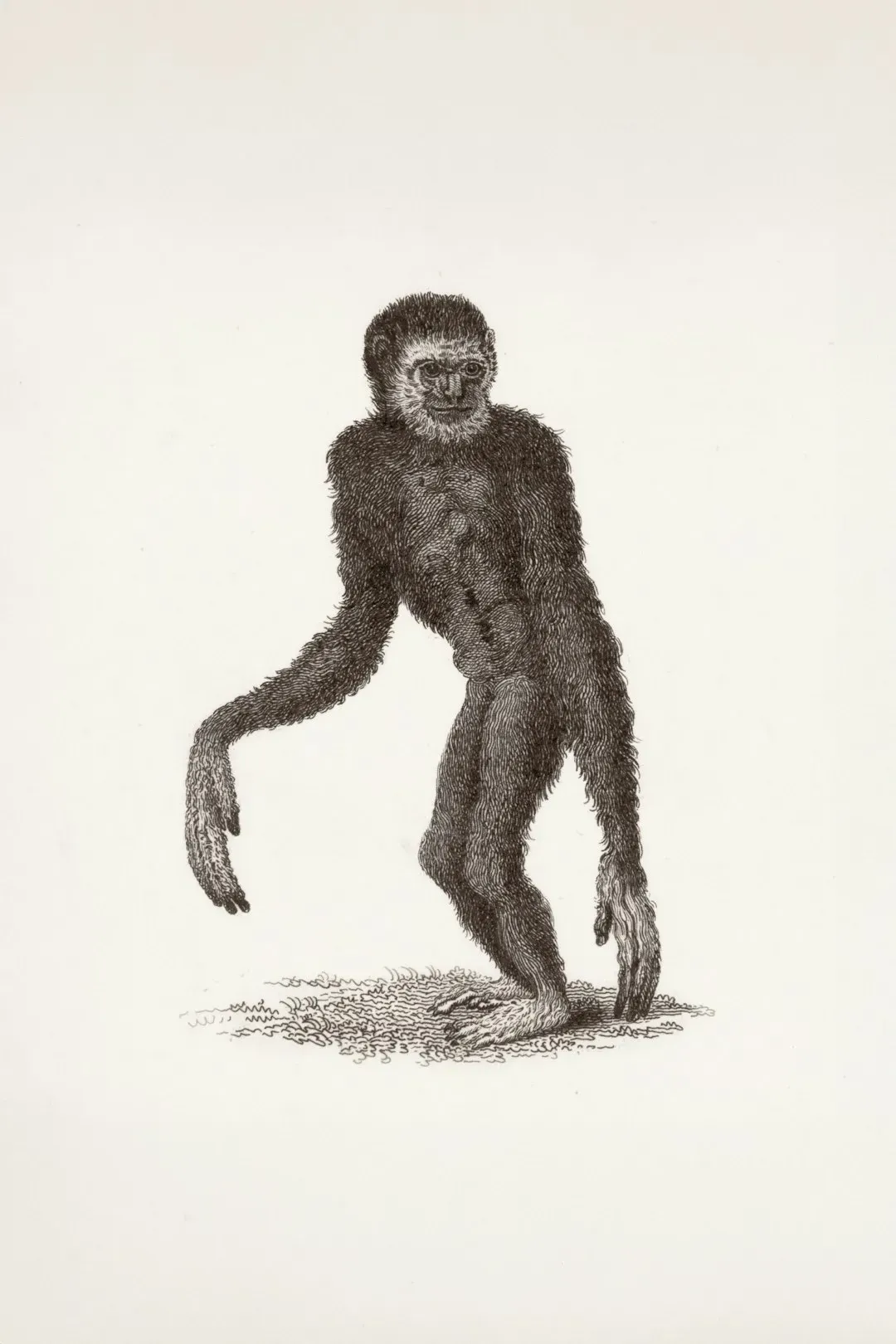
Bipedalism, the ability to walk on two legs, is one of the defining characteristics of being human. It turns out, the climate may have played a massive role in making it happen. Three million years ago an Ice Age began which produced a worldwide trend toward cooler, drier climates. In east Africa, this climate change brought about changes where broad expanses of woodland were replaced by grassland. This environmental change probably resulted in physical and behavioral changes by some species, and soon after the first human fossils and manufactured stone tools appeared in east Africa. The forest retreating was, in a sense, the beginning of us.
In Africa, rainforests were replaced by shrublands and grasslands during the mid-Pleistocene. Furthermore, precessional cycles caused oscillations in the vegetation of North Africa, which is believed to have created green corridors that facilitated human migration between Africa and the neighboring regions. Think of those green corridors like ancient highways, briefly opening through an otherwise inhospitable landscape. There has been a long-standing assumption that hominins became bipedal as a consequence of the climatically controlled expansion of grasslands in Africa. Walking upright, our most human trait, may have started as an answer to a drying planet.
7. Ancient Civilizations That Engineered Their Way Through Drought
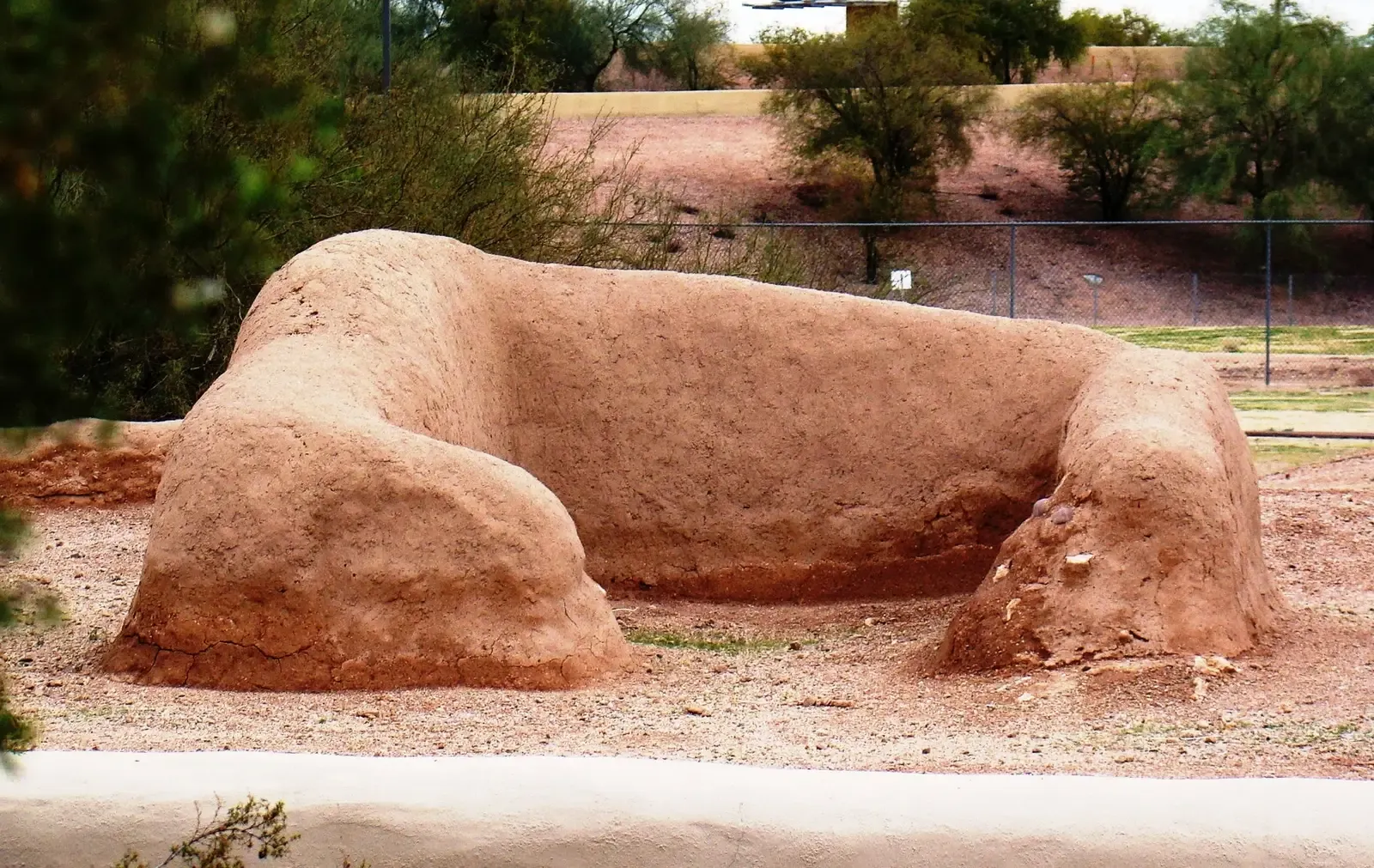
Let’s be real, some ancient peoples did not just endure climate shifts. They outsmarted them. The Maya are perhaps the most extraordinary example of a civilization that built elaborate water systems precisely because the climate could not be trusted. The Mayans employed a technique known as “sinkhole reservoirs,” which utilized natural depressions in the landscape to collect water, not only conserving water but also reducing evaporation losses typical in open systems. This is Stone Age hydrology, and it is impressive.
The hydraulic engineering of the peoples made it possible to build reservoirs, retention basins or irrigation canals, and these installations proved extremely effective in dealing with short or moderate climatic hazards, as shown for the Mayan cities of Palenque, Tikal, and the Khmer city of Angkor. Meanwhile, in Southeast Asia, the wealth and success of the Khmer Empire can be directly attributed to highly developed hydraulic systems, and the techniques used to regulate the water supply at Angkor are evidence of excellent engineering capabilities that allowed the region to effectively irrigate crops, manage floods, and store water. Water, it turns out, was civilization itself.
8. Prehistoric Patagonian Hunters Who Followed the Fish Instead of Fighting the Freeze
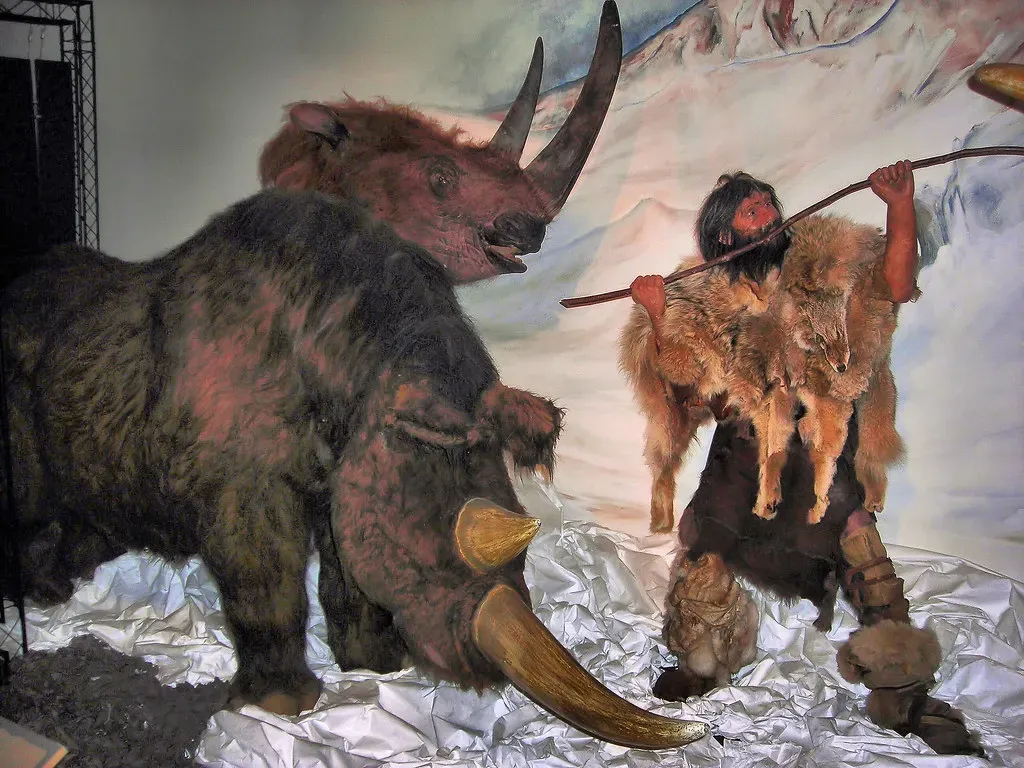
Not every ancient climate response was grand or civilization-wide. Sometimes survival was local, seasonal, and deeply practical. New research has uncovered how an ancient human population adapted effectively to climate change by examining the fishing patterns of prehistoric hunter-gatherers in Patagonia, with archaeologists using fish remains to piece together thousands of years of history, painting a fuller picture of prehistoric societies and how they interacted with their natural surroundings.
Some sites may have been occupied only during certain times of year, reflecting the nomadic lifestyles of communities travelling from place to place and adjusting to natural conditions. This kind of flexible, seasonal movement was not aimless wandering. It was a finely tuned response to an environment in constant flux. Fishing was one of the ways prehistoric Patagonians adapted to the fruits of their environment, with the waters surrounding the southern tip of South America highly productive and abundant with fish and marine life. Small communities, big adaptability.
9. The Prehistoric Creatures That Shifted Entire Latitudes to Survive
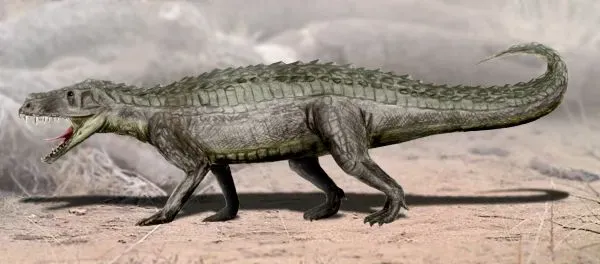
You probably know that species today are moving poleward in response to warming. What is genuinely surprising is that this is not new. Ancient life did exactly the same thing, millions of years ago. The end-Permian mass extinction, which took place 251 million years ago, resulted in the extinction of over 80 percent of species on Earth, caused by an unstable climate after widespread volcanic eruptions. The survivors had to scramble.
Climate affects organisms in many ways, including where they can live, when they reproduce, and even how they control their internal processes such as temperature regulation, with modern biodiversity peaking in low-latitude equatorial regions such as in the tropical rainforests of the Amazon and central Africa. That pattern was shaped, in part, by ancient mass relocations triggered by climate collapse. As global temperatures continue to rise, some studies have predicted that species will disperse towards the poles from equatorial regions, but if the pace of change is too rapid, they risk going extinct. The ancient world lived this story first. We are watching the sequel.
10. When Climate Instability Forced Ancient Humans to Become More Flexible Thinkers
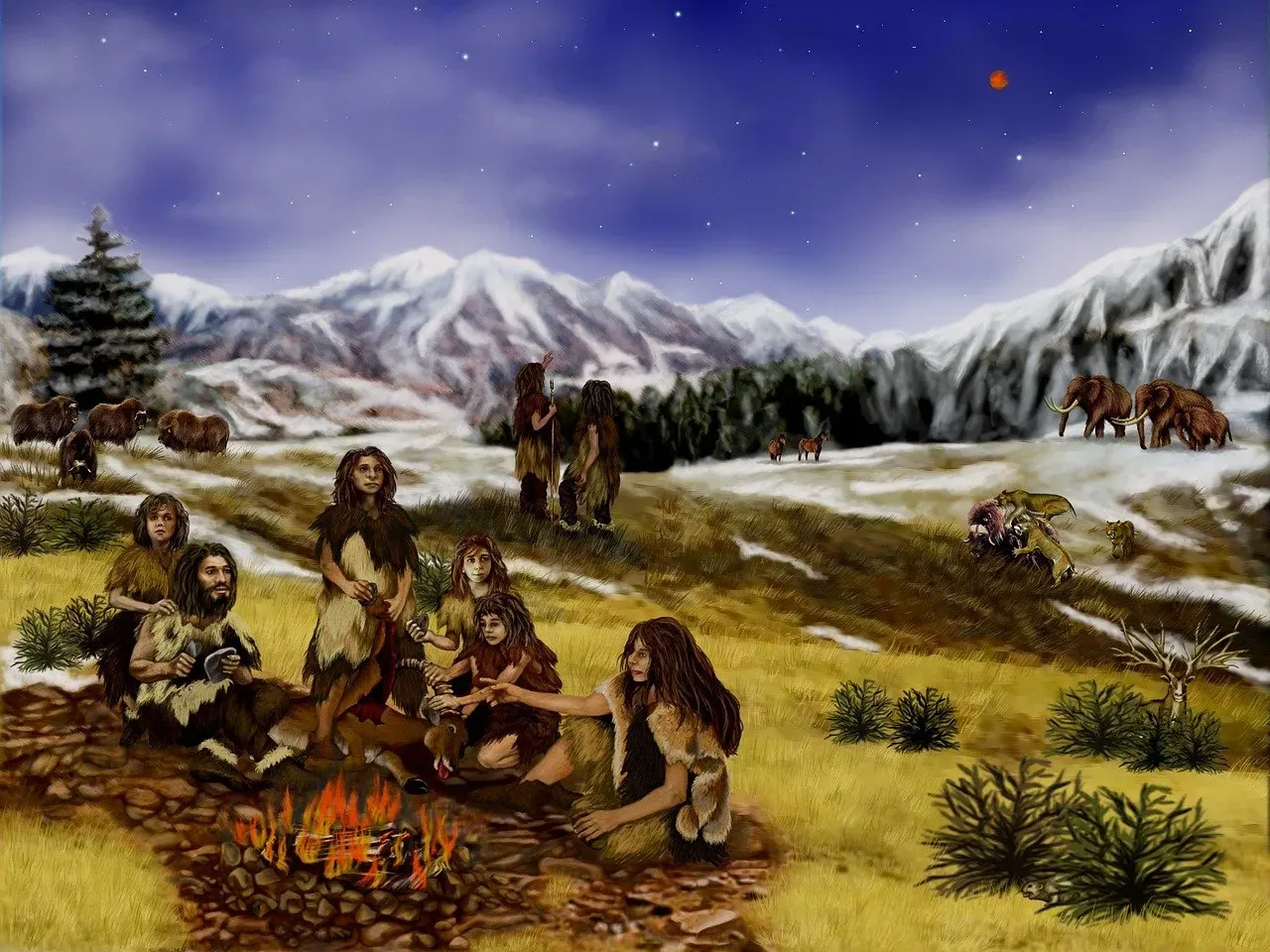
Here is perhaps the most mind-bending idea of all. Climate instability may not just have changed what ancient life did. It may have fundamentally changed how early humans thought. Climate instability favored genetic traits and behaviors that promoted the evolution of flexibility in how well early humans responded to change, which is quite different from the idea of adaptation to a particular ancestral habitat. Adaptability itself became the survival advantage.
Drilling revealed that the instability early humans experienced was not just a disruption of climate, but disruption to all the factors that matter for an organism’s survival, including vegetation, food, and water. Everything collapsed at once, repeatedly. Since ecological changes have also occurred in more recent times, researchers poring over studies of more than 150 historically known and living hunter-gatherer communities found that when resources become unpredictable, they often tend to respond in the same way, foraging more widely, extending trading networks and investing more time and energy in their tools and technology. The brain that eventually built cities, philosophies, and science may have been forged in the fire of ancient climate crisis. Now there’s a thought worth sitting with.
Conclusion
The story of ancient life and climate change is not a story of helpless creatures being swept away by forces beyond their control. It is a story of extraordinary invention, resilience, and sometimes heartbreaking failure. From mammoths redesigning their entire bodies for the cold, to early humans expanding trade routes when their food sources vanished, to ancient civilizations engineering hydraulic systems that still inspire engineers today, the ancient world was never passive.
Studying paleoclimate shows us how the Earth and life on Earth responds to change, and while Earth’s climate has changed a lot in the past, these changes usually took many thousands of years. Today, that timeline is compressed in ways that make ancient strategies harder to lean on. The fossil record is more than just a museum of the past. It is a mirror held up to the present.
Perhaps the most humbling takeaway is this: life did not survive by being the strongest. It survived by being the most adaptable. What do you think – are we, as a species, still living up to that ancient legacy?