
Australia – States confront escalating bushfire threats through mechanical forest thinning, a practice gaining traction after native logging ended in key regions.
Black Summer’s Lasting Echoes Drive Change
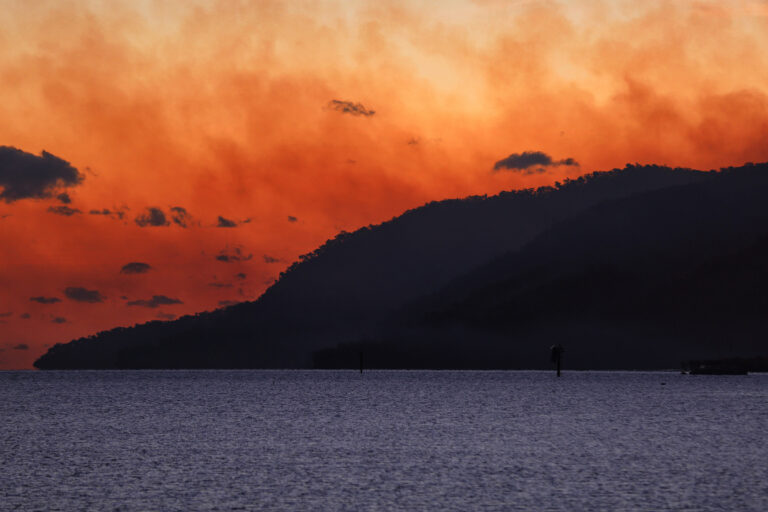
Black Summer’s Lasting Echoes Drive Change (Image Credits: Imgs.mongabay.com)
The 2019-20 Black Summer bushfires scorched millions of hectares and claimed dozens of lives, reshaping national conversations on forest management. Governments responded with promises of resilience, while communities sought safer landscapes. Industries hit by market declines pivoted toward new roles. Western Australia and Victoria halted commercial native forest logging on January 1, 2024, marking a pivotal shift.
Thinning emerged as a compromise, targeting dense stands to curb fuel loads. Proponents viewed it as proactive stewardship, especially near population centers.
Does Thinning Truly Temper Flames?
Studies present a mixed verdict on thinning’s impact. Research from the Australian National University examined forests burned during Victoria’s 2009 Black Saturday fires and found thinning rarely lessened severity. In many cases, it left excess fuel on the ground that dried out rapidly.
“What you have left is an abundance of fuel that dries out and becomes a fire risk,” noted Dr. Chris Taylor, lead author of the study.
Griffith University researchers reviewed 51 studies and concluded logging and mechanical thinning elevate fire risks for decades, with crown scorch likelihood jumping from 10% in old-growth to 70% in regrowth forests 15 years post-treatment. Mechanisms include canopy loss spurring flammable understory growth and increased wind exposure.
Yet, University of Melbourne experts argued thinning, paired with prescribed burns, cuts fire intensity by up to 30% in modeled severe conditions for species like alpine ash.
| Approach | Potential Benefits | Drawbacks |
|---|---|---|
| Thinning Alone | Reduces tree density | May dry fuels, boost wind |
| Thinning + Burning | Lowers intensity 20-30% | Requires repeat efforts |
| Prescribed Burns Only | Slows spread moderately | Weather-dependent |
Industry Push Meets Environmental Pushback
Forestry groups champion thinning as essential for hazard reduction, citing job preservation and timber offsets for costs. They target “excess biomass” near towns for defensible space.
Conservationists counter that it masquerades as logging, felling mature trees vital for wildlife like greater gliders. A 2026 Biological Conservation paper highlighted biodiversity erosion and carbon emissions from such interventions.
In Victoria, critics labeled ongoing operations “de facto native logging.” Tasmania and New South Wales continue limited harvesting, fueling calls for nationwide consistency.
Balancing Risks in a Warming World
Effectiveness wanes under extreme weather, now more frequent due to climate change. Modeling shows thinning sometimes accelerates surface fires via drier conditions.
Ecological costs compound: habitat fragmentation, soil disruption, and shifts toward fire-prone understories. Indigenous practices, like cool burns, offer complementary paths but face modern hurdles.
Key Takeaways
- Thinning aids moderate fires but falters in extremes.
- Combines best with burns; standalone risks outweigh gains.
- Prioritize community buffers over vast treatments.
Australia must weigh thinning’s targeted promise against broader vulnerabilities. Integrated strategies – hardened infrastructure, restored fire regimes – hold greater potential. What do you think about it? Tell us in the comments.