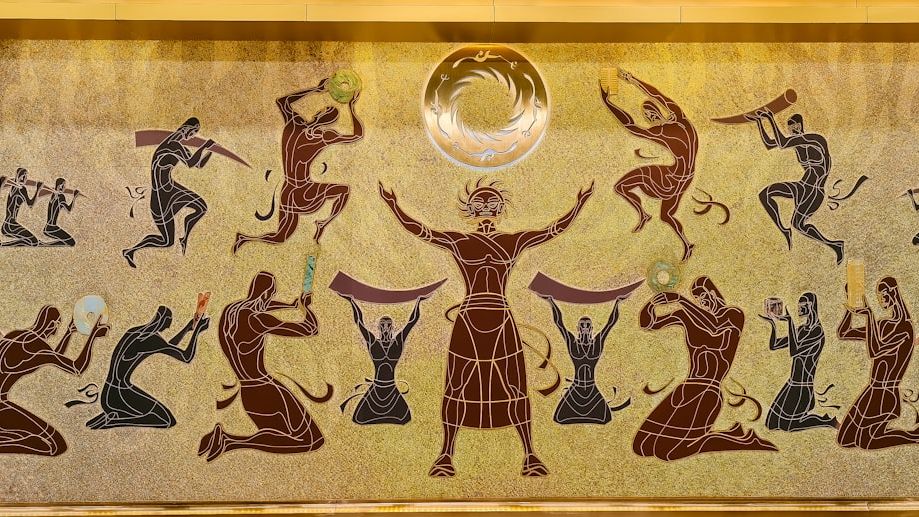
Imagine standing in the middle of an open field thousands of years ago, long before city lights swallowed the darkness. Above you, a sky absolutely blanketed with stars. No phones. No distractions. Just you, the wind, and a cosmos you cannot explain. That was the everyday reality for ancient peoples, and rather than feeling lost, they felt something remarkable: a sense of meaning.
Early stargazers tracked the movements of stars and planets and found ways to incorporate them both practically and symbolically into their daily lives. They used celestial objects and events to tell time and navigate, but they also used the stars and planets to tell stories, build societies, and even understand their own human relationship to the universe surrounding them. Honestly, when you think about it, that is not so different from what we still try to do today. Let’s dive in.
The Sky as the Original Textbook: How Ancient People First Made Sense of the Cosmos
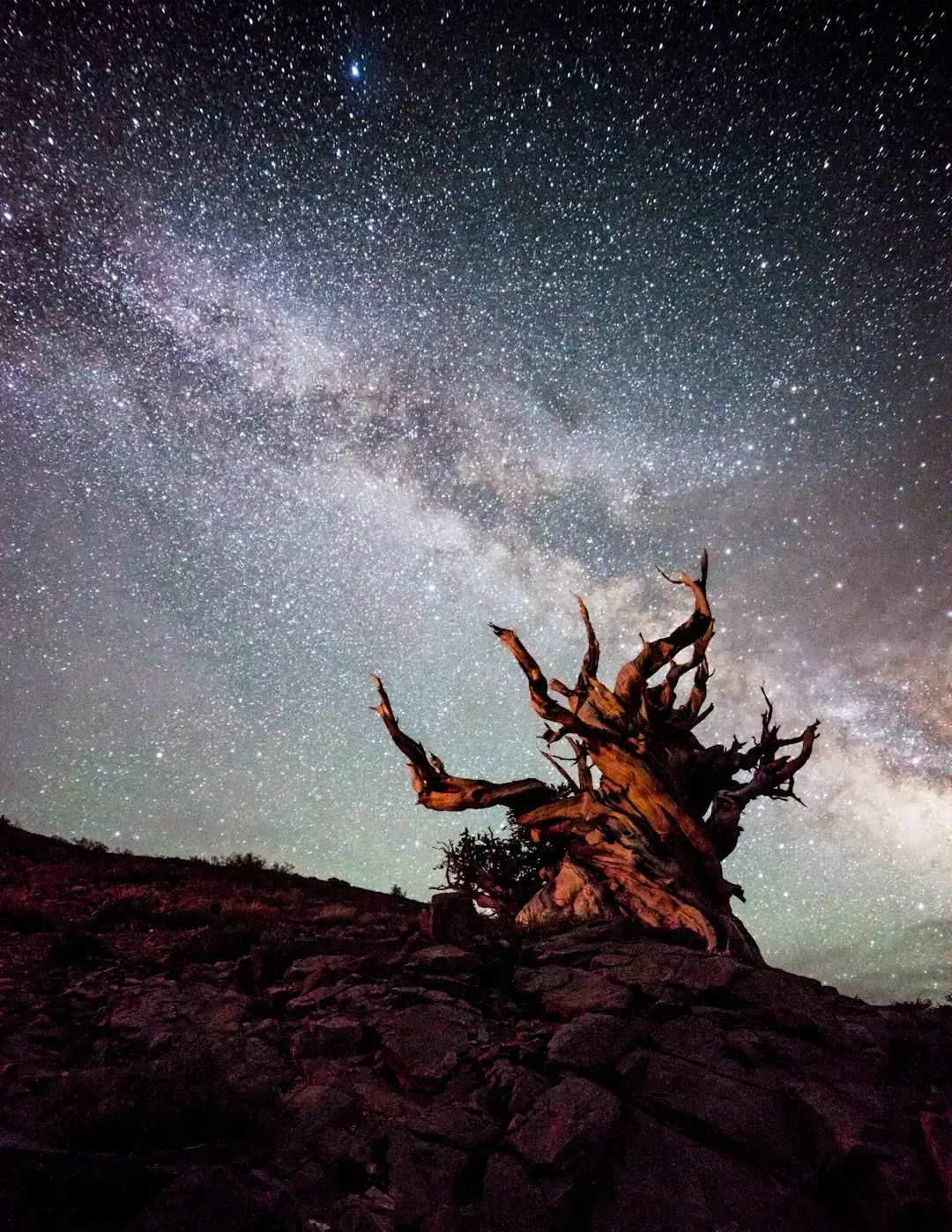
Before there were books, schools, or laboratories, the night sky was the greatest source of information ancient humans had access to. Early cultures identified celestial objects with gods and spirits, relating their movements to phenomena such as rain, drought, seasons, and tides. It is generally believed that the first astronomers were priests who believed celestial objects and events to be manifestations of the divine. Think about how powerful that would have felt – to be someone who could interpret the heavens for your entire community.
The earliest evidence of astronomical observations comes from prehistoric times, where archaeological findings, such as cave paintings and stone arrangements, suggest that early humans tracked celestial events. For instance, the Lascaux Cave paintings in France, dating back to around 17,000 years ago, are believed to depict constellations like the Pleiades and Taurus. That is not just art. That is a record. A prehistoric star catalog painted onto rock walls, left behind for us to find millennia later.
Babylonians: The World’s First True Astronomers
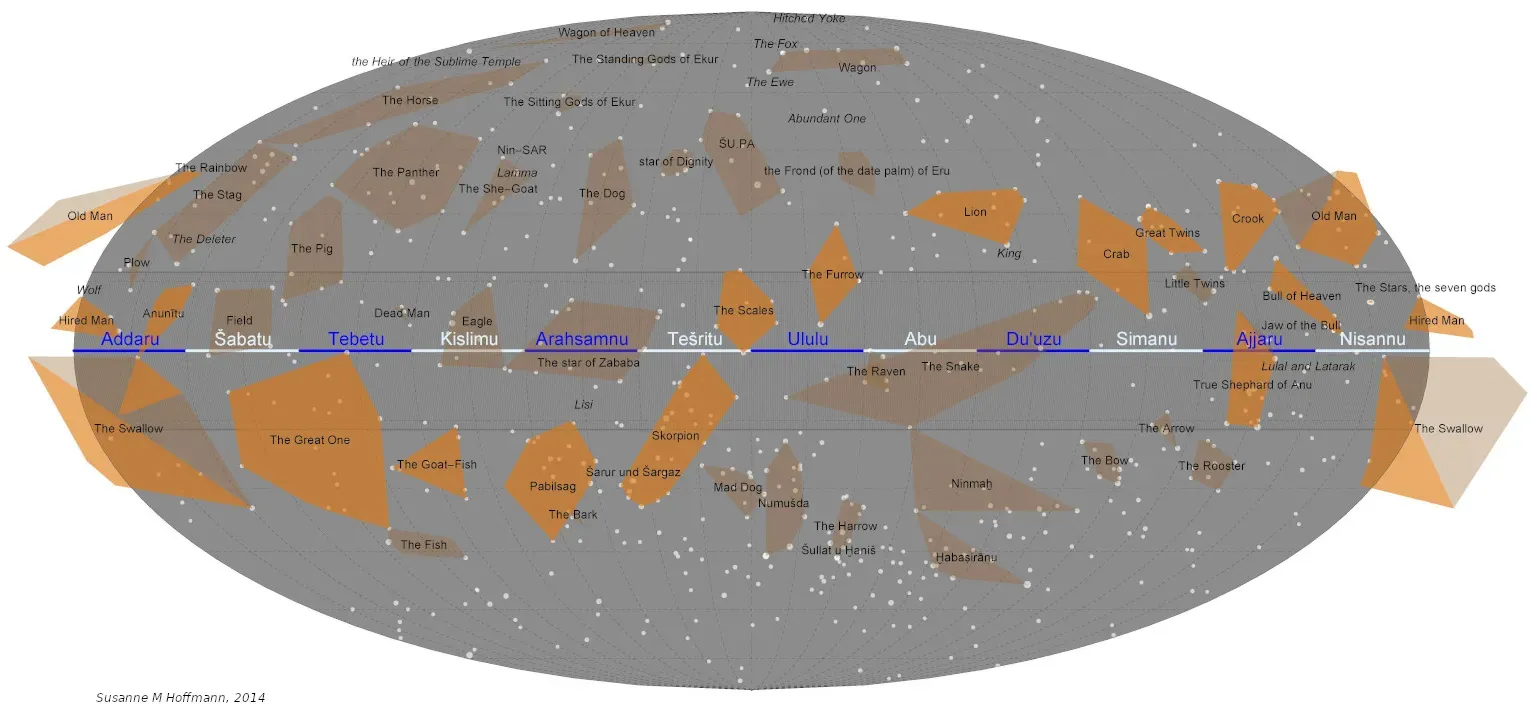
Considered the world’s first-known astronomers, the ancient Babylonians were avid stargazers. Some 6,000 years ago, they erected watch towers to scan the night sky, mapped the stars and visible planets, and recorded their observations on clay tablets. Their meticulously compiled data provided the foundation to create the first calendars, used to organize the growing and harvesting of crops and the timing of religious ceremonies. That is an astonishing level of dedication, especially when you realize they were doing all of this with nothing but sharp eyes and curiosity.
The Babylonians’ meticulous records of celestial events allowed them to predict lunar and solar eclipses with considerable accuracy. They divided the sky into 12 sections, each associated with a zodiac sign, laying the groundwork for Western astrology. Mesopotamian priests and scholars used these astronomical insights to guide agricultural practices, religious festivals, and political decisions. Here’s the thing – every time you glance at a zodiac sign today, you are unknowingly participating in a tradition that stretches back to ancient Babylonia. That connection is surprisingly hard to wrap your head around.
Ancient Egypt: Where the Stars Literally Determined Life and Death
Ancient Egyptians believed that the stars were not just distant celestial bodies but also divine entities that watched over them. They saw the night sky as a reflection of the divine order and sought guidance and protection from the stars. This was not casual spiritual interest. It was a whole civilizational framework built around what was happening overhead. Ancient Egyptians used a solar calendar based on the annual rising of the star Sirius, which signaled the impending flooding of the Nile, a vital event for agriculture. Their 365-day calendar, one of the earliest solar-based calendar systems, laid the foundation for modern timekeeping.
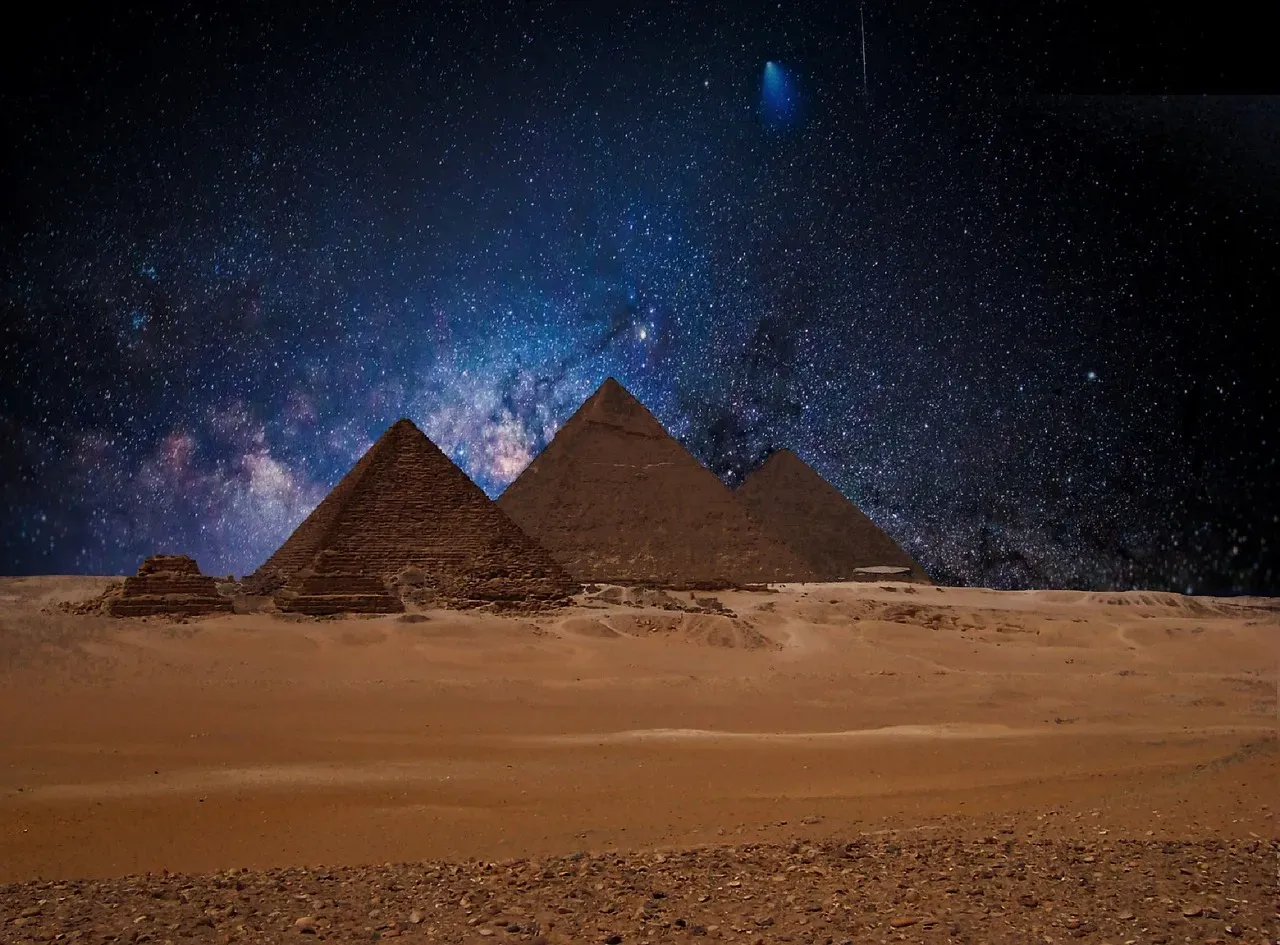
Egyptians believed that their gods lived in the Duat, the kingdom of Osiris, which was located in the region of the sky where the Orion constellation rose. The three pyramids in Giza represented the three stars in the belt of Orion, while the Sphinx corresponded to the Leo constellation, and the Nile was considered to be a representation of the Milky Way. Let that sink in for a moment. An entire landscape was deliberately designed to mirror the sky. The Egyptians were not just watching the cosmos – they were recreating it on earth. Few civilizations in history have attempted anything quite so audacious.
The Maya: Celestial Obsession Carved in Stone
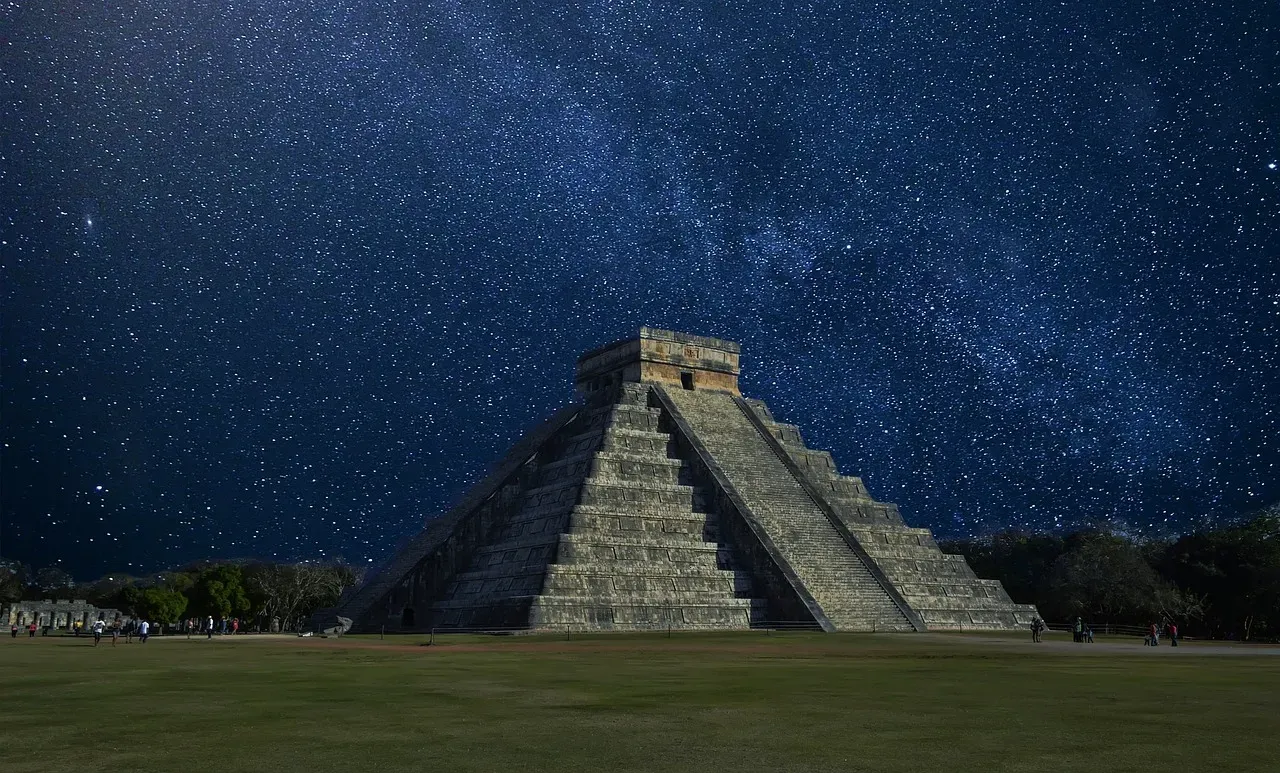
Mayan astronomy was a sophisticated blend of empirical observations and mythological interpretations, deeply ingrained in their society’s fabric. Let’s be real – calling it sophisticated is almost an understatement. The Maya constructed observatories such as El Caracol in Chichen Itza to track the movements of the sun, moon, and Venus. The Dresden Codex, one of the few surviving Mayan manuscripts, contains intricate astronomical tables that demonstrate their sophisticated understanding of planetary cycles and eclipses.
Stars and celestial bodies held significant symbolic meaning for the Maya. They believed the sky was a canvas where deities enacted mythological events, with celestial movements conveying divine messages. The Milky Way, or “the World Tree” in their belief, was seen as the pathway linking the underworld, terrestrial realm, and the heavens. You can almost picture ancient Mayan priests gazing upward on a cloudless night, mapping constellations the way a general maps a battlefield, every movement loaded with cosmic significance and political consequence.
Stonehenge and the Architecture of the Heavens
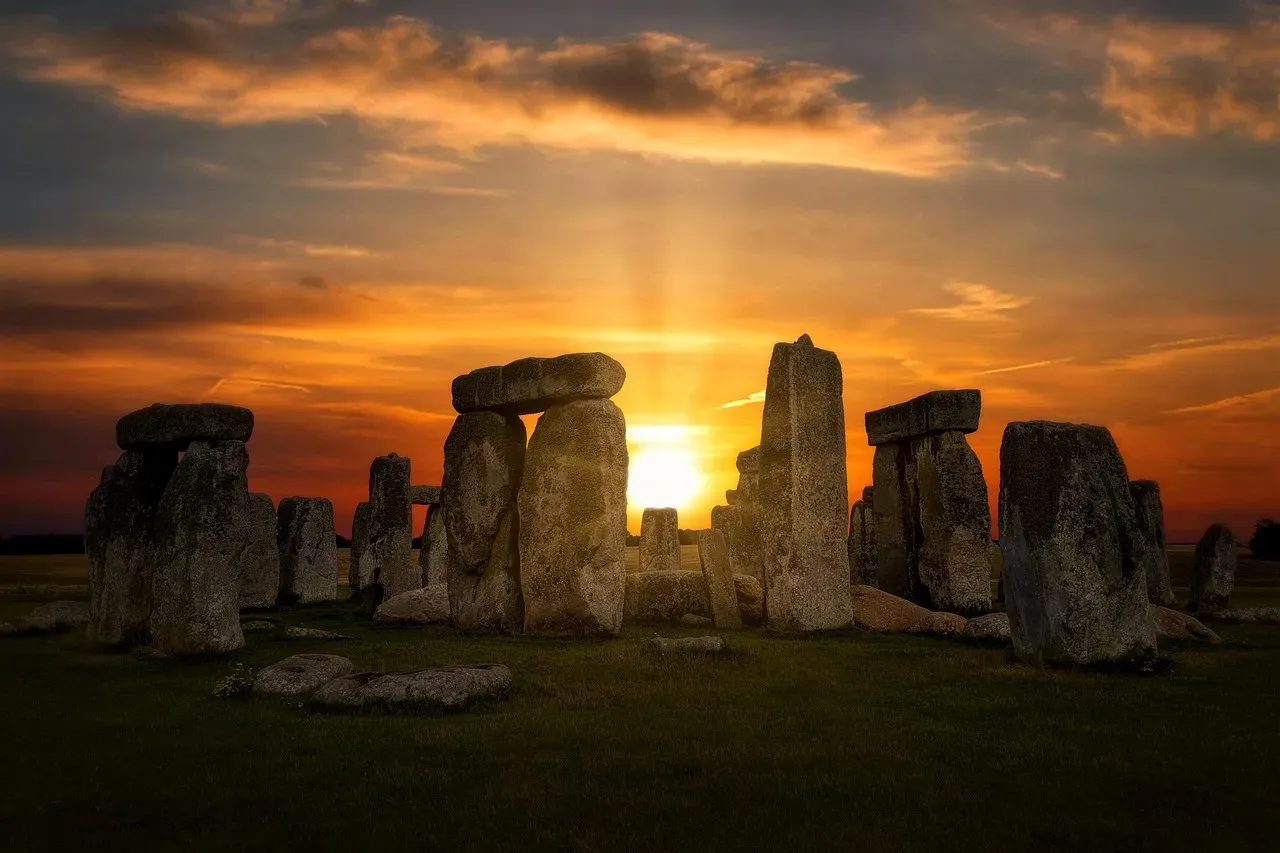
Stonehenge, located in Wiltshire, England, is one of the most famous prehistoric monuments, dating back to around 3000 BCE. It consists of a ring of standing stones, each about 13 feet high, seven feet wide, and weighing approximately 25 tons. Stonehenge is believed to have been an astronomical observatory, aligned with the movements of the sun. The alignment of the stones with the summer solstice sunrise and the winter solstice sunset suggests that it was used to mark important seasonal events, which were crucial for agricultural societies.
It is hard to fully grasp the scale of will required to build something like Stonehenge without modern machinery, unless you understand that the sky meant everything to those people. Many historic structures were designed by ancient civilizations to align with astronomical events like solstices and equinoxes, offering insights into how early civilizations understood, tracked, and utilized celestial cycles. Stonehenge was not just a monument. It was a working instrument, a community gathering point, and a calendar all rolled into one impossibly heavy ring of stone.
Supernovae, Eclipses, and the Celestial Events That Rewrote Societies

Some celestial events were so dramatic that they did not just inspire stories – they physically changed the course of civilizations. Specific celestial events such as the 1054 A.D. supernova provide even greater insight into the importance of astronomy on ancient civilizations. This supernova was visible for close to two years and marked a turning point for several Native societies. In Cahokia culture, this marked a turning point from Old Cahokia to New Cahokia, termed a “big bang moment” by archaeologists who studied the Mississippian site. Small farm villages were razed to the ground to make room for a new city filled with plazas and mounds with religious and political structures on top. The radiocarbon dating of New Cahokia puts the formation of the city within four years of the supernova, indicating its contribution to the incredible changes.
I know it sounds crazy, but a single exploding star – visible both day and night – essentially triggered urban development on a continent. In China, the emperor’s authority was justified by the Mandate of Heaven, a cosmological principle that linked the ruler’s virtue to celestial harmony. Eclipses and other celestial events were interpreted as signs of the emperor’s virtue or warning of impending disaster, prompting political and social actions. The sky was, in the most literal sense, a political tool. If an eclipse happened on the wrong day, an emperor’s throne could tremble.
The Lasting Legacy: How Ancient Stargazing Built the Foundation of Modern Science
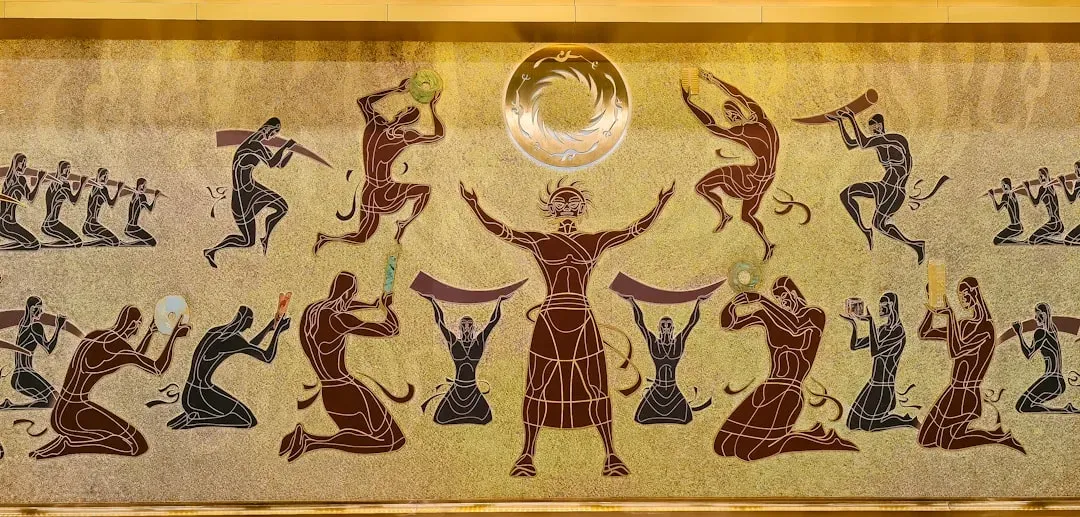
The meticulous observations and mathematical models developed by these ancient civilizations provided the groundwork for later scientific advancements. The Babylonians’ predictive methods, the Greeks’ geometric models, and the Mayans’ precise calendrical calculations continue to influence contemporary astronomical studies. Modern astronomy owes much to these early stargazers, whose legacy endures in the tools and theories still used today. It is remarkable to realize that something as fundamental as how we divide time owes its origins to people watching the sky from rooftops and watchtowers thousands of years ago.
A surge of interest in archaeoastronomy is reemerging among scholars and stargazers alike. Advances in satellite imaging, drone technology, and computational modeling allow researchers to construct celestial alignments of ancient sites with precision, revealing insights into how early civilizations observed and interpreted the night sky. The more we dig into what ancient people knew, the more humbling it becomes. These were not primitive guesses. The astronomical knowledge amassed by these ancient civilizations helped shape their identities, their histories, and their philosophies. These early contributions continue to echo through time, underpinning modern astronomy’s foundations.
Conclusion
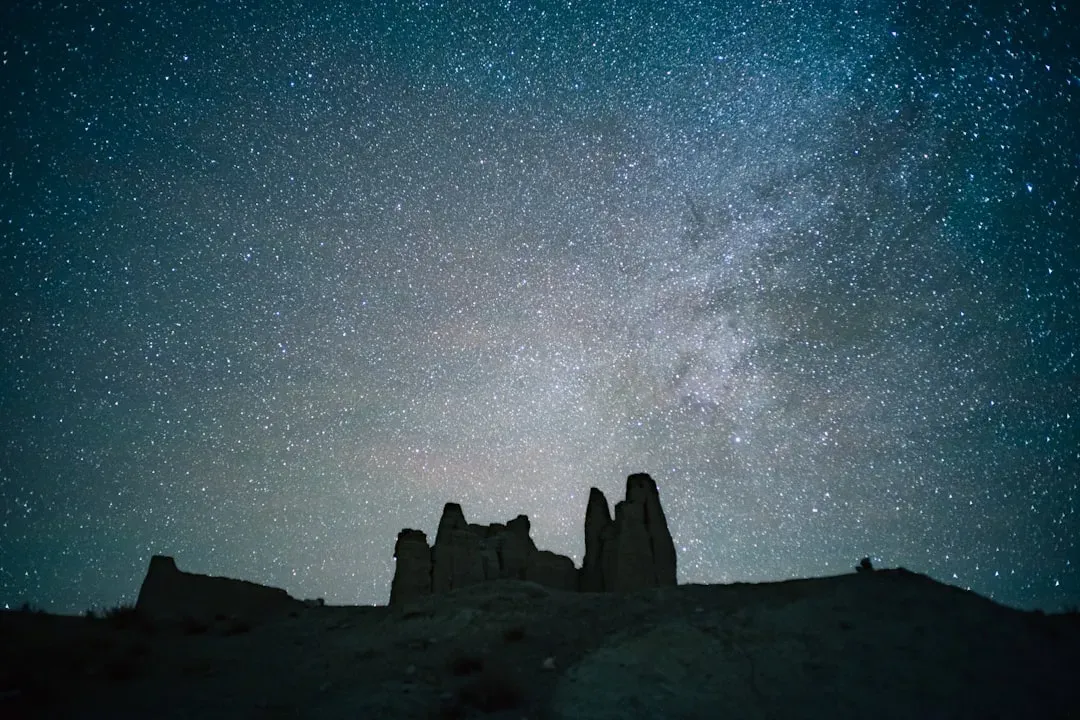
What you take away from all of this depends on how willing you are to look up. Ancient stargazers had no satellites, no computers, no textbooks – yet they built calendars that tracked Venus cycles with stunning accuracy, designed monuments aligned to sunrise events that happen only once a year, and constructed entire cosmologies that bound together religion, agriculture, politics, and identity. All from watching the sky.
There is something deeply moving about that. The stars have been humanity’s oldest shared experience, equally visible to a Babylonian priest, a Mayan mathematician, and you. The only difference is that today, most of us rarely look up long enough to notice. Perhaps the most radical thing you could do is step outside tonight, let your eyes adjust, and see what our ancestors saw. What would you make of it if you had no words for any of it yet?