
Florida Panhandle – Black bears in the region’s Apalachicola area have experienced robust population growth over the past decade, fueled by dedicated conservation efforts.
A Near-Extinction Story Turns Triumphant
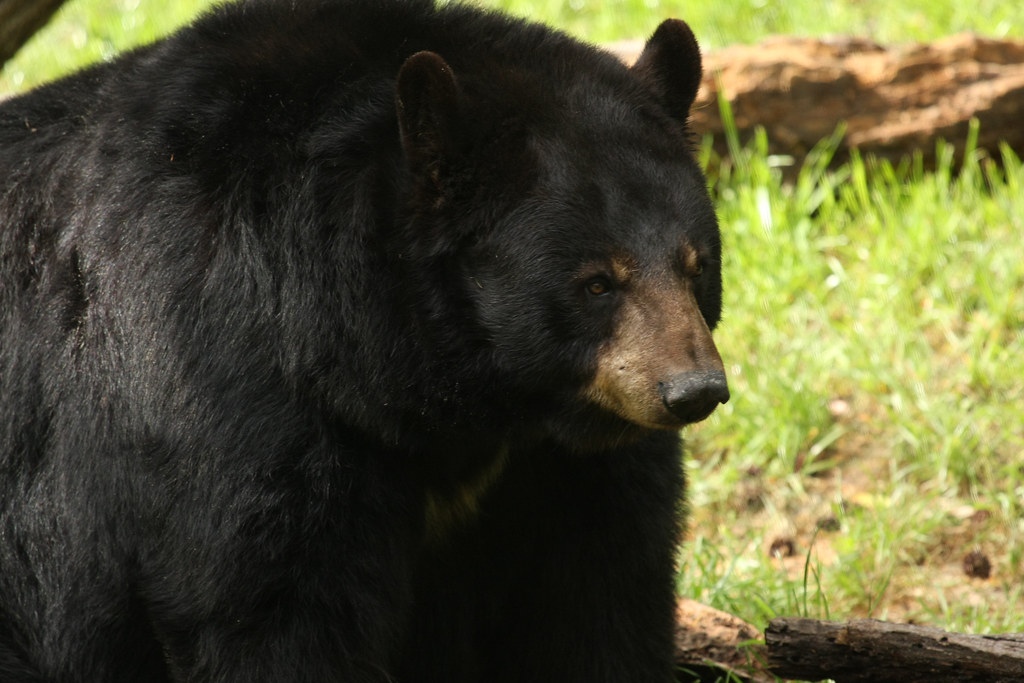
A Near-Extinction Story Turns Triumphant (Image Credits: Flickr)
Florida black bears once roamed widely across the state but dwindled to just a few hundred individuals by the 1970s. Habitat loss and poaching pushed the subspecies to the brink, with populations below 200 reproductively active bears risking severe genetic problems.
State officials listed the bears as threatened in 1974, aligning with broader environmental protections. Authorities halted legal hunting in 1994, a move that marked a turning point. By 2012, the Florida black bear earned removal from the threatened species list after steady gains.
Today, approximately 4,000 black bears inhabit Florida, spread across seven distinct subpopulations.
Apalachicola Subpopulation Leads the Charge
The Apalachicola group in the eastern panhandle stands out with an impressive annual growth rate of nearly 12 percent. Researchers tracked this surge through GPS collars on cubs from 2016 to 2019, revealing high survival rates: 92 percent for adult females and 65.5 percent for cubs.
These figures exceed averages in other bear populations, underscoring the area’s success. Protected lands have kept bears distant from human development, roads, and attractants like trash. Bears here maintain a natural diet, with 95 percent consisting of insects and vegetation.
- Abundant space reduces cub infanticide by males, a primary mortality factor.
- Anti-poaching laws boost adult survival.
- Mild winters allow above-ground dens, monitored effectively by scientists.
- Resource-rich habitats support mother bears in raising litters.
Expert Research Highlights Proven Strategies
A recent study in The Journal of Wildlife Management detailed the Apalachicola findings, crediting land conservation and legal safeguards. Lead author Darcy Doran-Myers, a University of Florida doctoral candidate and former Florida Fish and Wildlife Conservation Commission researcher, noted, “We have a well-studied example now of how a bear subpopulation can come back from the brink of extinction if they’re given habitat and legal protections.”
Doran-Myers emphasized nuance across subpopulations: “I think a lot of people would read the study’s headline and think, ‘Oh, bears must be doing fine across the entire state,’ but it’s more nuanced than that.” The Wildlife Society article summarizes this work, drawing from the peer-reviewed paper.
Management includes bear-proof trash initiatives and public education, which curbed conflicts since 2013. The state’s Black Bear Management Plan guides dispersal of males to link groups and bolster genetics.
Balancing Growth with New Pressures
Florida reopened limited bear hunting in 2025 through a lottery system targeting healthy areas like Apalachicola, after a decade-long ban. Officials deemed quotas scientifically sound, though a lawsuit challenged the process.
Human population influx – about 1,000 newcomers daily – threatens progress amid sprawling development. Vehicle strikes claim over 300 bears yearly, while some subpopulations like Osceola have declined sharply.
| Subpopulation | Status | Trend |
|---|---|---|
| Apalachicola | Healthy | 12% growth |
| Osceola | Smaller | Declined 2/3 |
| Statewide | Recovered | ~4,000 bears |
Success in the panhandle offers a blueprint: prioritize habitat amid expansion.
Key Takeaways
- Habitat protection and poaching bans drove 92% female survival.
- Space from humans sustains natural behaviors and cub viability.
- Ongoing monitoring ensures balanced management as bears expand.
The Apalachicola bears prove conservation works when space and rules align. What steps should Florida take next to sustain this momentum? Tell us in the comments.