You probably think you know the big names. T. rex. Triceratops. Stegosaurus. You’ve seen the museum displays, watched the blockbuster movies, maybe even dragged your kids through a natural history exhibit or two. Yet here’s what most people don’t realize: the dinosaur story of North America is far deeper, stranger, and more dramatic than anything you’ve been shown.
Think of everything known about North American dinosaurs as the tip of an iceberg. Below the surface lies a world full of ancient rivalries, chicken-sized beasts that rewrote the textbooks, and massive inland seas where reptilian monsters ruled. You’re about to discover stories that the classic dinosaur books left out. Let’s dive in.
A Tiny Chicken That Changed Everything We Thought We Knew
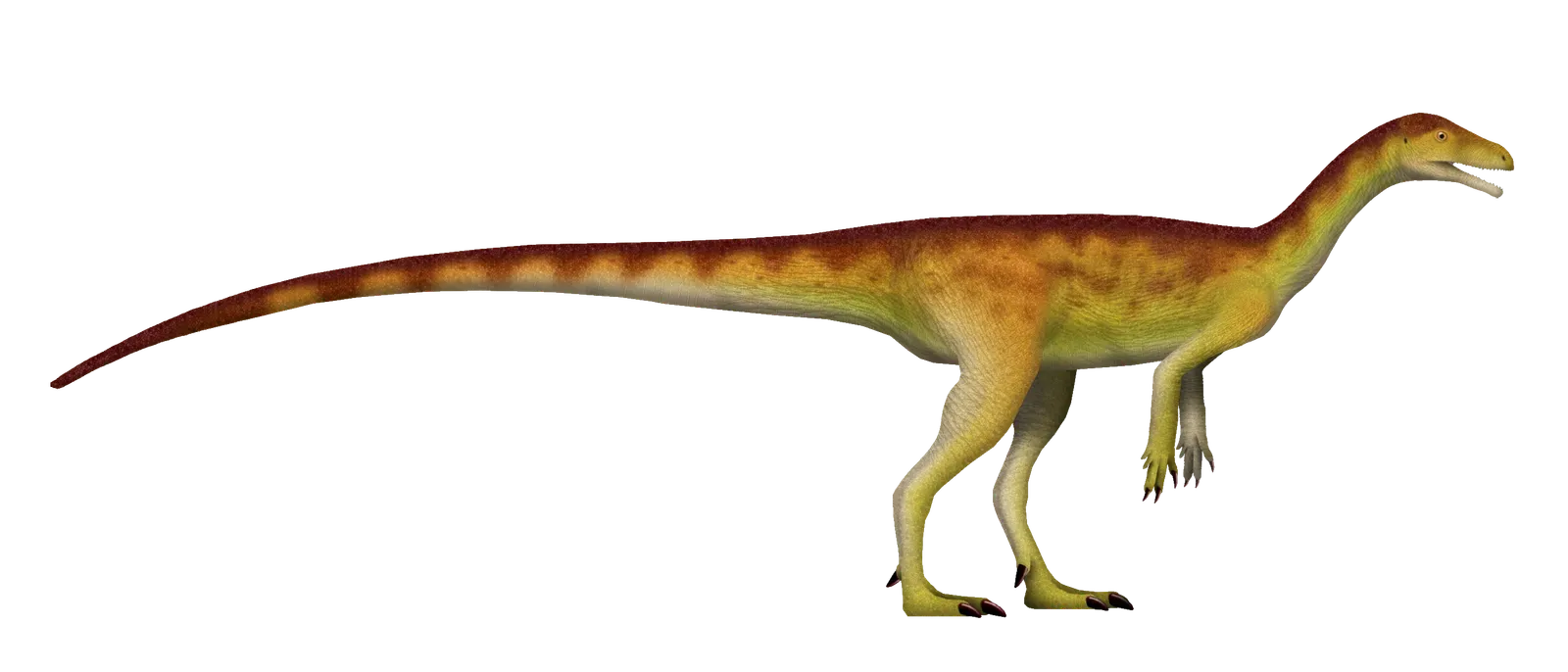
If someone told you that North America’s oldest known dinosaur was roughly the size of a chicken, you’d probably laugh. Honestly, I would have too. Yet science has a way of humbling us all.
A newly described dinosaur whose fossils were uncovered by University of Wisconsin-Madison paleontologists is challenging a long-held narrative, with evidence that reptiles were present in the northern hemisphere millions of years earlier than previously known. The team had been analyzing the fossil remains since they were first discovered in 2013 in present-day Wyoming.
Using high-precision radioisotopic dating, scientists determined that this creature, named Ahvaytum bahndooiveche, lived in Laurasia about 230 million years ago, making it one of the oldest known dinosaurs from the Northern Hemisphere. Older tracks in the same region suggest that dinosaur-like creatures were present there even earlier, challenging previous beliefs that dinosaurs originated solely in the Southern Hemisphere before spreading northward.
The distantly related Ahvaytum bahndooiveche lived millions of years earlier and was smaller, much smaller. It was basically the size of a chicken but with a really long tail. In fact, the type specimen stood a little over one foot tall and was around three feet long from head to tail.
North America Was Once Two Completely Separate Continents
Here’s something that genuinely stops people in their tracks. When you picture North America today, you see one continuous landmass. For a vast stretch of prehistoric time, that was simply not the case.
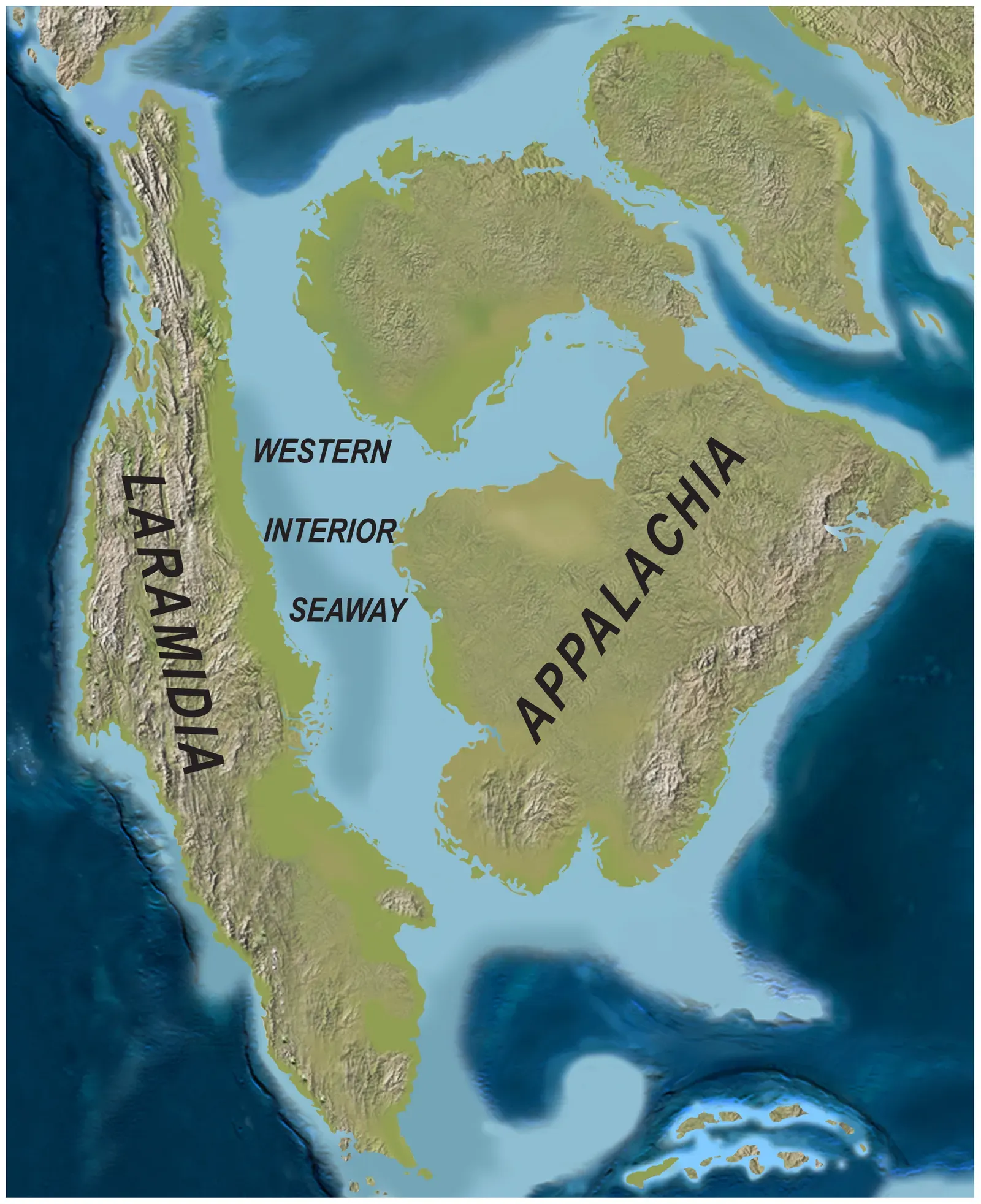
Toward the middle of the Cretaceous, rising sea levels driven by the ongoing breakup of Pangaea submerged the shallow lowlands of the center of the continent, while the western margin was thrust up into a volcanic mountain range. North America was like two continents at this time, a narrow western landmass and a broader eastern landmass, with the Western Interior Seaway between them.
In the Cretaceous, the Western Interior Seaway had split North America into two island continents that paleontologists call Laramidia and Appalachia. At that point in time, the dinosaurs were trapped on their respective mini-continents, isolated and free to evolve differently.
For most of the second half of the Cretaceous, which ended 66 million years ago, North America was divided into two land masses, Laramidia in the West and Appalachia in the East, with the Western Interior Seaway separating them. While famous dinosaur species like T. rex and Triceratops lived throughout Laramidia, much less is known about the animals that inhabited Appalachia.
The Lost World of Appalachia and Its Mystery Dinosaurs
Western North America gets all the spotlight. Let’s be real, when you think of American dinosaur digs, you picture dusty badlands in Wyoming or Montana, not New Jersey or Delaware. Yet eastern North America was hiding its own extraordinary creatures for millions of years.
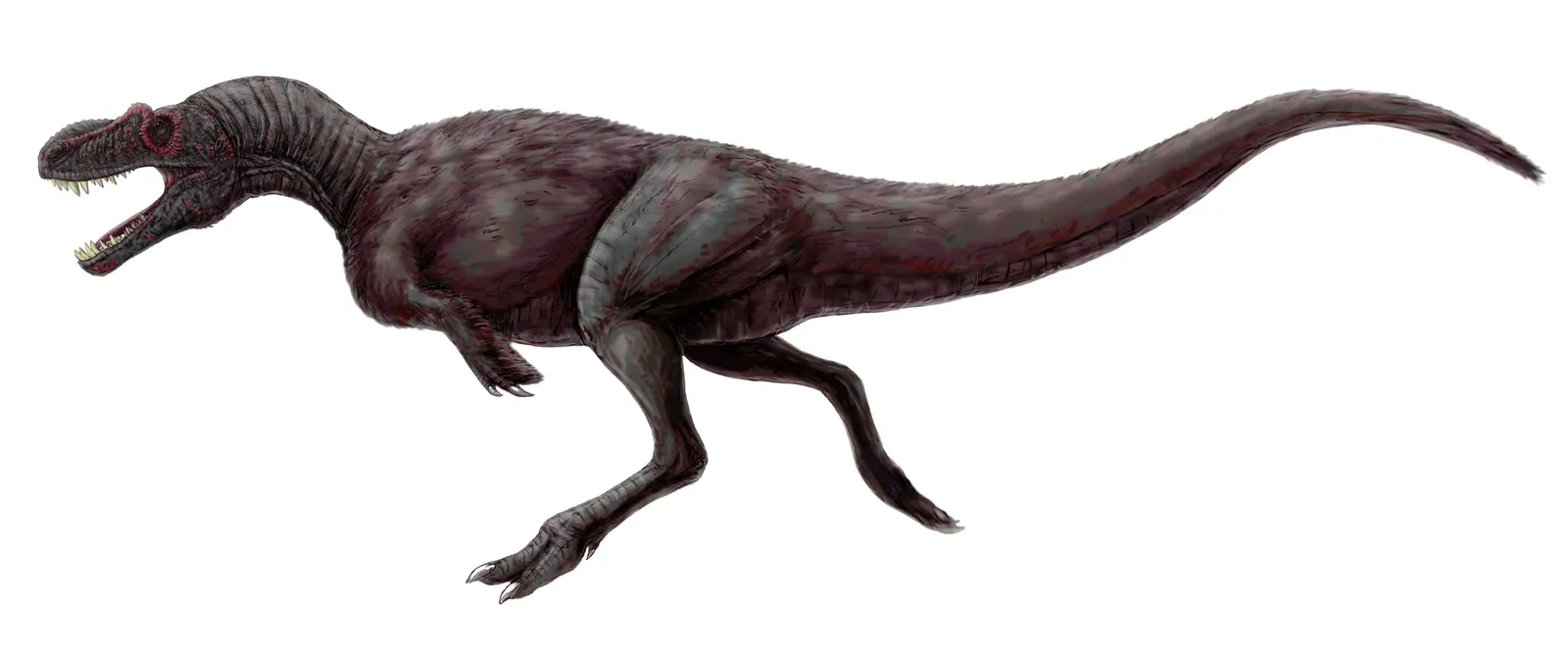
Tyrannosaurus rex, the fearsome predator that once roamed what is now western North America, appears to have had an East Coast cousin. A study describes two dinosaurs that inhabited Appalachia, a once isolated land mass that today composes much of the eastern United States, about 85 million years ago: an herbivorous duck-billed hadrosaur and a carnivorous tyrannosaur.
The Ceratopsians and Hadrosaurids found in places like New Jersey and North Carolina seem to be more primitive than the mass herds found in Laramidia. The endemic Tyrannosaurids of Appalachia, Dryptosaurus and Appalachiosaurus, are less derived than contemporary genera like Albertosaurus and Daspletosaurus, instead possessing traits found in older members of the lineage.
From elusive Triassic footprints in the Mid-Atlantic to fragmented Early Jurassic bones and prints in Nova Scotia and New England, Eastern North America has never cooperated in giving up its dinosaur secrets. In fact, the Eastern dinosaur record of the late Jurassic does not exist at all.
The Bone Wars: Science’s Most Spectacular Feud
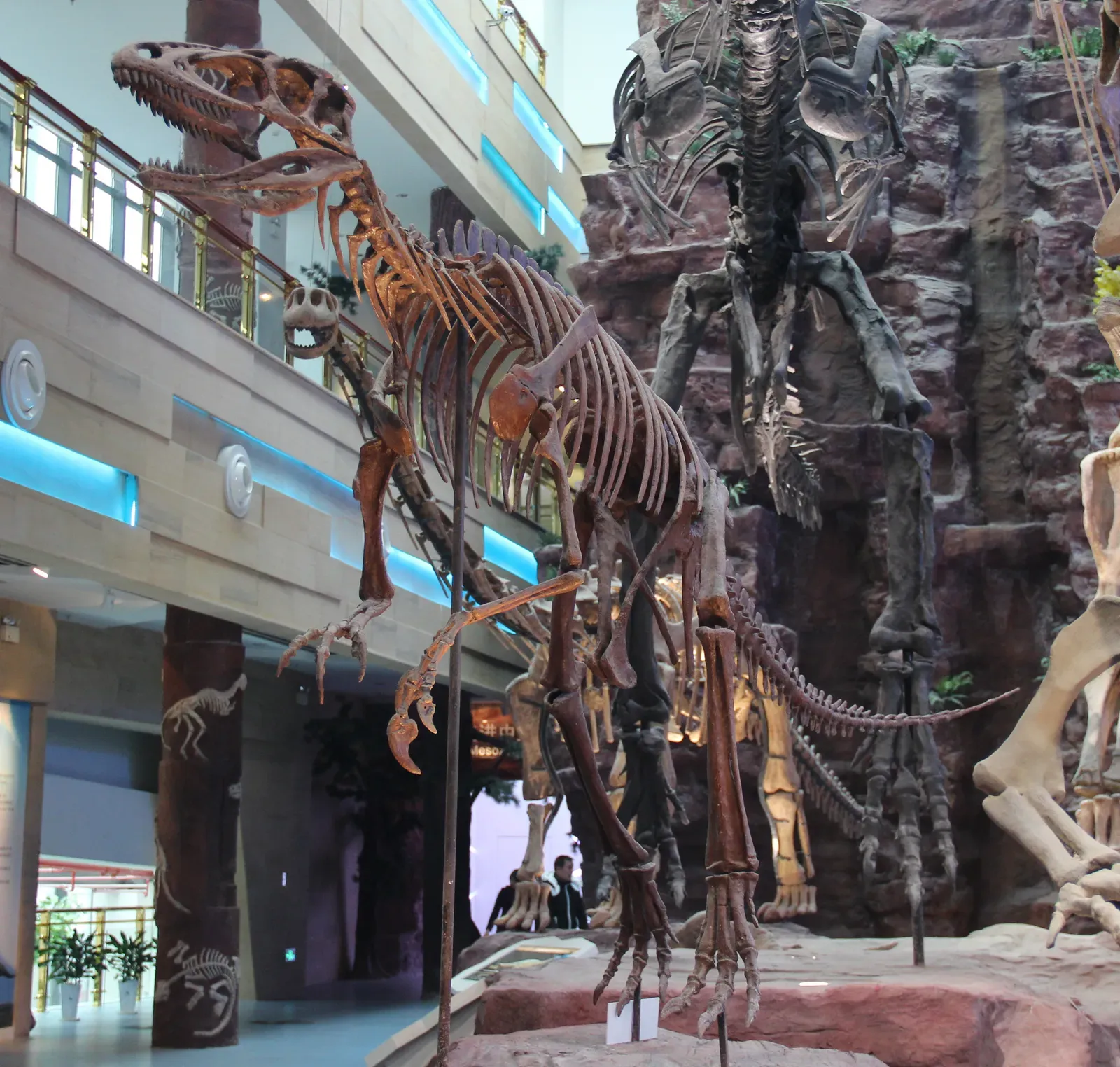
Now we get into the stuff that feels more like a Hollywood thriller than a science history lesson. Imagine two brilliant men, both obsessed with fame, fueled by money, and utterly consumed by mutual hatred. What you get is one of the most insane chapters in the history of science.
The Bone Wars, also known as the Great Dinosaur Rush, was a period of intense and ruthlessly competitive fossil hunting during the Gilded Age of American history, marked by a heated rivalry between Edward Drinker Cope and Othniel Charles Marsh. Each of the two paleontologists used underhanded methods to try to outdo the other in the field, resorting to bribery, theft, and the destruction of bones. Each scientist also sought to ruin his rival’s reputation and cut off his funding using attacks in scientific publications.
In 1870, a mere eight species of dinosaur had been unearthed in the United States. By the 1890s, that number had ballooned to over 140. Think about that for a moment. That is an extraordinary explosion of knowledge driven almost entirely by two men who couldn’t stand each other.
Cope and Marsh were financially and socially ruined by their attempts to outcompete and disgrace each other, but they made important contributions to science and provided substantial material for further work. The efforts of the two men led to 142 new species of dinosaurs being discovered and described. The products of the Bone Wars resulted in an increase in knowledge of prehistoric life and sparked the public’s interest in dinosaurs, leading to continued fossil excavation in North America in the decades to follow.
The Morrison Formation: The World’s Greatest Dinosaur Treasure Chest
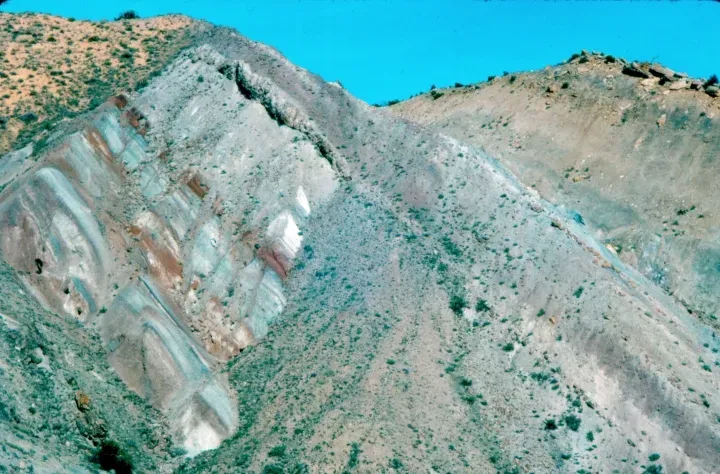
If you ever want to understand just how staggeringly rich North America’s dinosaur history is, you need to know about the Morrison Formation. Think of it as a massive underground library, written in rock, stretching across much of the western United States.
The Morrison Formation is a distinctive sequence of Upper Jurassic sedimentary rock found in the western United States, which has been the most fertile source of dinosaur fossils in North America. It is composed of mudstone, sandstone, siltstone, and limestone. Most of the fossils occur in the green siltstone beds and lower sandstones, relics of the rivers and floodplains of the Jurassic period. It is centered in Wyoming and Colorado, with outcrops in Montana, North Dakota, South Dakota, Nebraska, Kansas, New Mexico, Arizona, Utah, and Idaho.
The Morrison Formation was deposited during the Late Jurassic, between approximately 157 and 150 million years ago, across rivers, floodplains, lakes, and other environments. At this time North America was farther south and the Rocky Mountains did not yet exist. Flowering plants had not yet evolved; instead, the land was covered by ferns, cycads, and horsetails, with stands of conifer trees, ginkgoes, and tree ferns.
Many famous dinosaurs were named from these discoveries, including the carnivores Allosaurus, Ceratosaurus, Coelurus, and Ornitholestes; the sauropods Apatosaurus, Brontosaurus, Camarasaurus, and Diplodocus; and the stegosaur Stegosaurus. It reads like a who’s who of everything you loved about dinosaurs as a kid.
Indigenous Peoples and the Ancient Bones They Knew Long Before Science Did

Here’s one of the most overlooked and genuinely moving untold stories. Long before any trained scientist set foot in the American West with a brush and a notebook, Indigenous peoples across North America had been living among these fossils, interpreting them, and incorporating them into their understanding of the world.
The Indigenous people of the United States interpreted the fossil record through a mythological lens. Some of the tactics they used to understand the fossil record were nevertheless similar to scientific approaches. Native American fossil legends often derived from observation and rational speculation based on fossil finds.
Indigenous fossil legends also frequently show motifs resembling major themes in scientific paleontology, like deep time, extinction, change over time, and relationships between different life forms. Fossils have been used by Native Americans for evidence about the past, healing, personal protection, and trade. Fossil sites were often chosen as the setting of vision quests.
The discovery of Ahvaytum bahndooiveche alters the timeline of dinosaur evolution in North America while highlighting a significant collaboration with the Eastern Shoshone Tribe. The species’ name, meaning “long ago dinosaur,” honors the Indigenous people whose ancestral lands were home to the fossil site. That is a beautiful and long-overdue kind of recognition.
The Tyrannosaur Story Is Far More Complex Than You Think
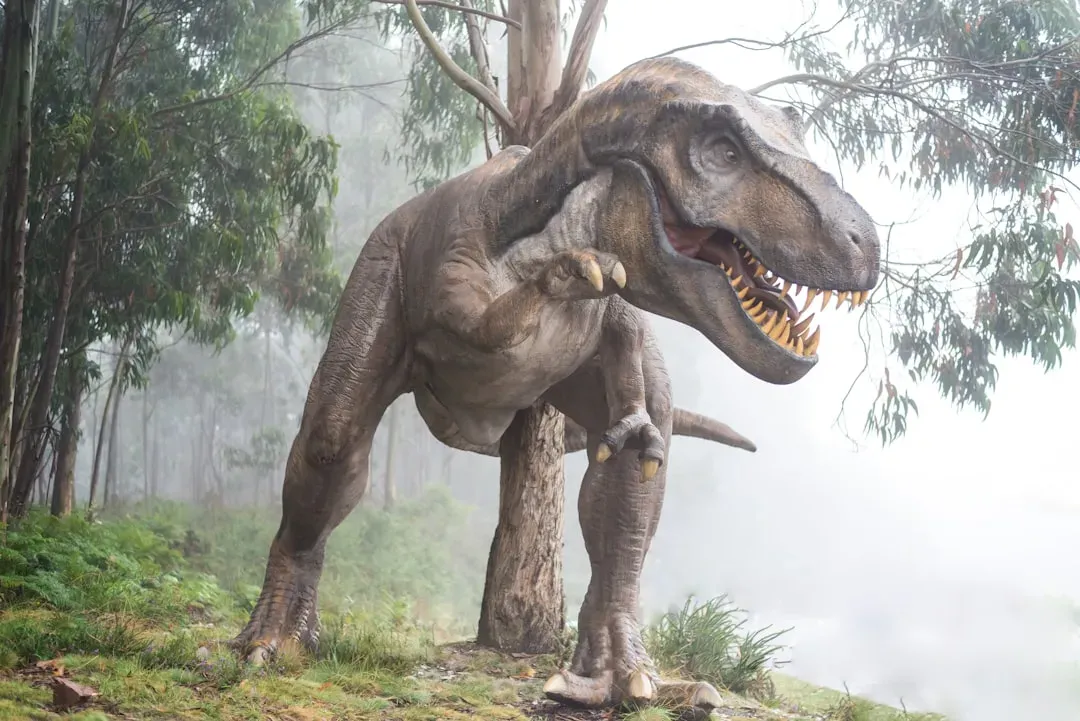
You know T. rex. Of course you do. Everyone does. It’s the king, the icon, the monster that sells millions of plastic toys every year. The thing is, the tyrannosaur story involves millions of years of global migration, evolution, and mystery that most people have never heard about.
Tyrannosaurs were part of a burst of evolution that led to slender, agile creatures crossing into prehistoric North America around 85 million years ago and proliferating there. Some of those tyrannosaurs then crossed back into Asia, evolving into new forms and eventually leading one big, bone-crushing lineage to enter North America once more and give rise to the iconic T. rex.
Nanotyrannus lived alongside T. rex and likely competed with young T. rex for space and prey. Nanotyrannus is nothing short of a notorious dinosaur. Since the predatory creature was first named in 1988, paleontologists have argued over whether medium-sized tyrannosaur fossils found in the same rocks as the iconic Tyrannosaurus rex were juvenile T. rex or a unique and distinct predator.
For more than a million years, Tyrannosaurus rex ruled what is now western North America, from Canada to New Mexico. Yet a few scientists think that some of the fossils we call T. rex are actually two new species of tyrannosaur. The debate continues, and honestly, I think that’s exactly what makes paleontology so thrilling.
Dinosaurs Were Thriving Right Until the Very End
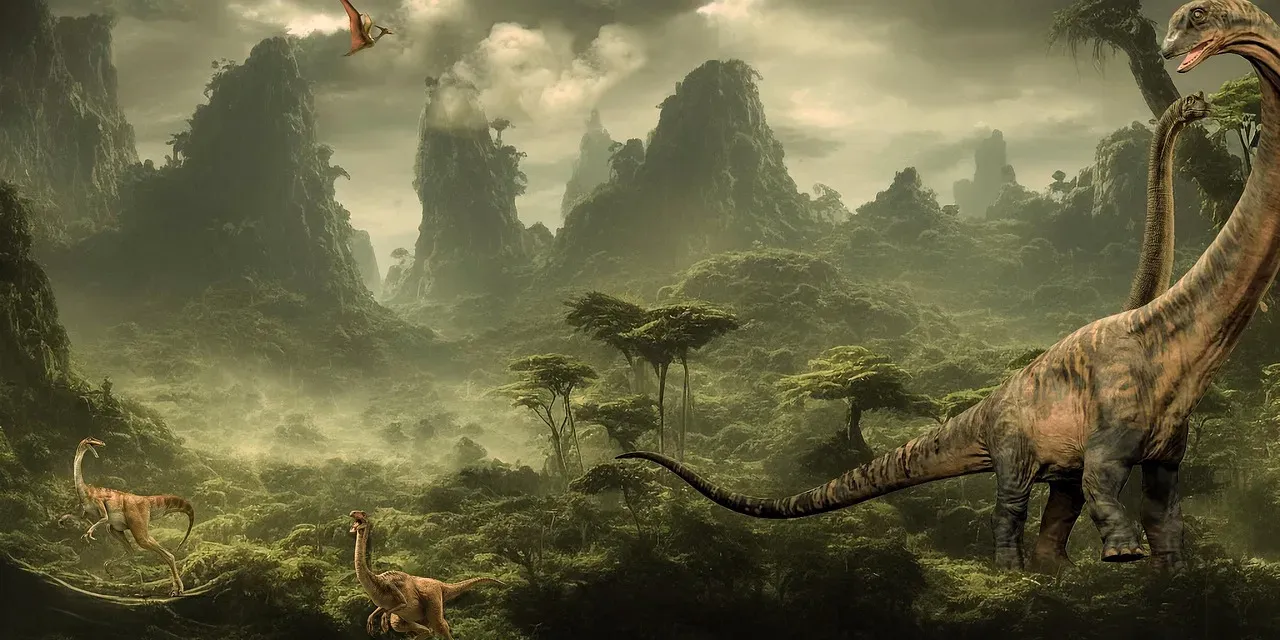
One of the most persistent myths about dinosaurs is that they were already in decline before the asteroid struck. The Hollywood narrative loves a slow, tragic fade. The fossil record, however, tells a far more startling story.
Dinosaurs weren’t dying out before the asteroid hit. They were thriving in vibrant, diverse habitats across North America. Fossil evidence from New Mexico shows that distinct bioprovinces of dinosaurs existed until the very end.
A Science study reported in October 2025 that an array of dinosaurs found in New Mexico lived within 400,000 years of the impact and were not millions of years older, as previously reported. That is breathtakingly close to the extinction event in geological terms. It’s like finding out the neighbors were having a party the night the house burned down.
The end of the Cretaceous is famously marked by a major extinction that killed off all dinosaurs except birds, along with many groups of early birds, pterosaurs, marine reptiles, shelled squid-like ammonites, and many other groups. This extinction is attributed to an impact in the Yucatan. Yet the world those creatures left behind remains buried in rock formations across North America, waiting to be found.
Conclusion: The Ground Beneath Your Feet Still Has Stories to Tell
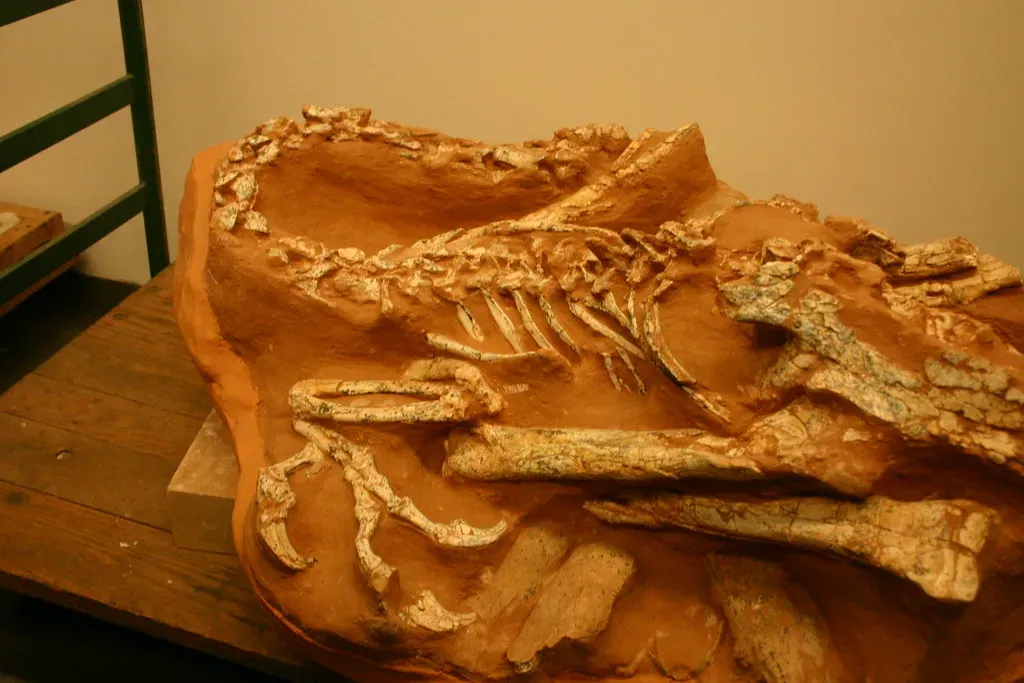
North America’s dinosaur history is not a finished book. Far from it. It’s more like a library where entire wings haven’t been explored yet. Scientists find more than 45 new dinosaur species each year, and with every dig season, the story grows richer, stranger, and more surprising.
You’ve now seen that the ancient past of this continent stretches from chicken-sized pioneers who shattered long-held theories, to a bitter scientific war that gifted the modern world its love of paleontology, to Indigenous cultures who understood these ancient bones long before science caught up. Every layer of rock across the western plains, every badland cliff face, every eroding gully holds the potential for a discovery that rewrites what you think you know.
The most exciting chapter of North America’s dinosaur story hasn’t been written yet. What do you think is still out there waiting to be found? Share your thoughts in the comments.