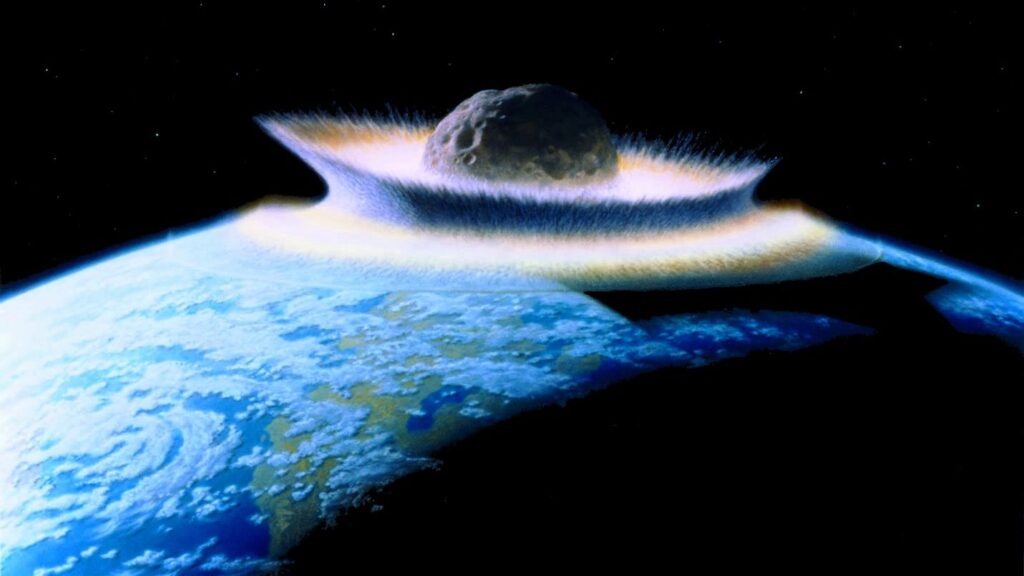
Picture this: a rock the size of a small city hurling through space at tens of thousands of miles per hour, then slamming into a planet with the force of a billion nuclear bombs. That is not a science fiction plot. That is actual Earth history, and it happened more than once. What followed was not simply destruction, it was, in many ways, a reset button for all life on the planet.
The story of how meteorite impacts shaped evolution is one of the most astonishing tales in all of science. You might assume that a massive space rock hitting the Earth would only end things. Wipe out life. Sterilize. Annihilate. Yet the more scientists dig into the rock record, the more they find something completely unexpected: in certain cases, these catastrophic events may have actually sparked, redirected, or even supercharged the evolution of life. Let’s dive in.
Earth’s Ancient Cosmic Bombardment: A Planet Under Siege
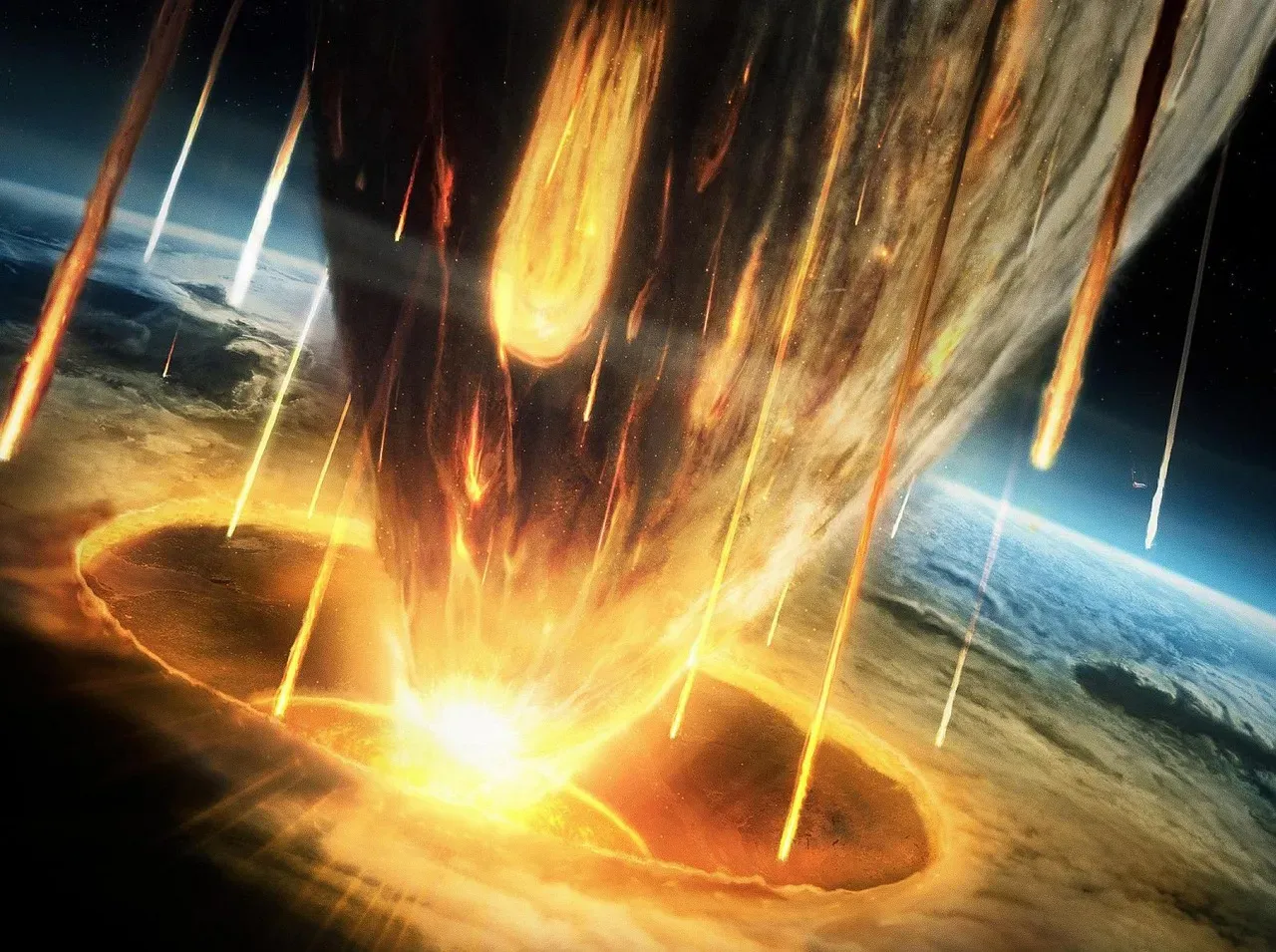
You need to understand just how violent Earth’s early history was before you can fully appreciate what meteorite impacts actually did to life. Early in Earth’s history, space rocks frequently hit the young planet. It is estimated that “giant impactors,” greater than 6.2 miles across, pummeled the planet at least every 15 million years, meaning that at least 16 giant meteorites hit Earth during the Archean Eon, which lasted from 4 billion to 2.5 billion years ago. That is staggering. Imagine a planet being hammered repeatedly, barely recovering between blows.
Impact events are not just isolated catastrophic geological events but a fundamental process in planetary evolution that plays an important role in the origin of life and in controlling planetary habitability. Scientists have now confirmed over 190 impact craters on Earth’s surface, though the real number of ancient impacts is almost certainly much higher, since erosion and tectonic activity have buried or erased the evidence of many more. Several major impact events have significantly shaped Earth’s history, having been implicated in the formation of the Earth-Moon system, the evolutionary history of life, the origin of water on Earth, and several mass extinctions. The planet we live on was literally sculpted by collisions from space.
The S2 Impact: When a “Fertilizer Bomb” Kickstarted Early Life
Here’s the thing that really blew my mind when I first read about it. One of the most dramatic impacts in Earth’s history may have actually helped life flourish rather than destroy it. The S2 meteorite, estimated to have been up to 200 times larger than the one that killed the dinosaurs, triggered a tsunami that mixed up the ocean and flushed debris from the land into coastal areas. Heat from the impact caused the topmost layer of the ocean to boil off, while also heating the atmosphere. A thick cloud of dust blanketed everything, shutting down any photosynthetic activity taking place. You would think nothing could survive that.
Yet survive they did. Bacteria are hardy, and following the impact, bacterial life bounced back quickly. With this came sharp spikes in populations of unicellular organisms that feed off the elements phosphorus and iron. Iron was likely stirred up from the deep ocean into shallow waters by the tsunami, and phosphorus was delivered to Earth by the meteorite itself and from an increase of weathering and erosion on land. A student aptly called this impact a “fertilizer bomb.” Overall, this is very good news for the evolution of early life on Earth, as impacts would have been much more frequent during the early stages of life’s evolution than they are today. Honestly, calling a cataclysmic space rock a “fertilizer bomb” might be one of the best scientific descriptions ever coined.
How Meteorite Craters Became Cradles of Life
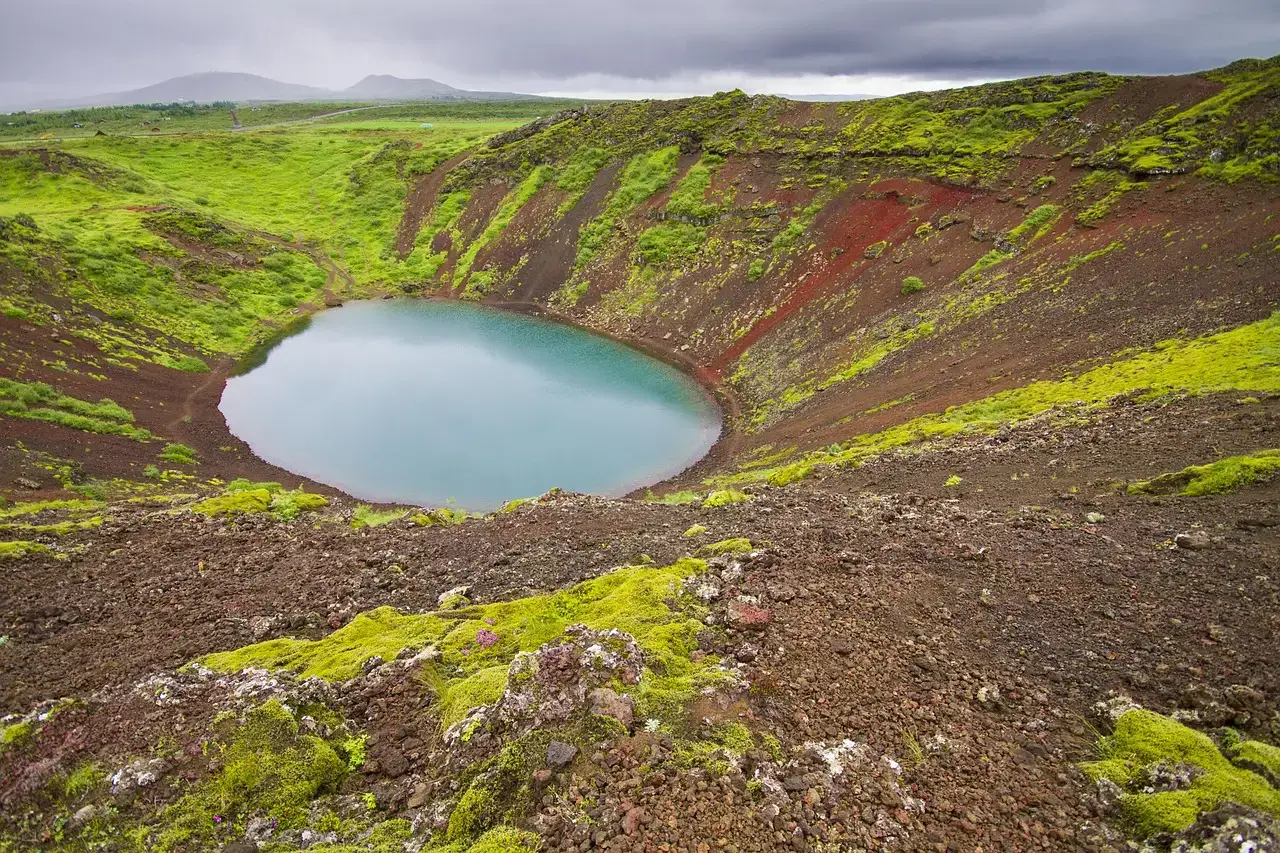
It sounds counterintuitive. A massive crater torn into the Earth’s surface becoming a nursery for life? Yet that is precisely what the science is showing. The formation of a meteorite impact crater results in the production of a habitat that was not present before the impact but that can then be viewed as being beneficial from a biological standpoint. The three major habitats generated by impact events are impact-generated hydrothermal systems, lithophytic habitats both near the surface and deep subsurface, and impact crater lakes.
Meteorite impacts can generate both subaerial and submarine hydrothermal vents, abundant hydrothermal-sedimentary settings, and impact analogues for volcanic pumice rafts and splash pools. Think of it like this: an impact crater is basically an enormous wound in the Earth, but wounds heal, and as they do, they become rich in warmth, chemistry, and shelter. During a time known as the Early Bombardment, when the Earth was a half-billion years into its 4.5 billion-year history, a barrage of meteorites smashed into the young planet, which could have provided the necessary materials for a hydrothermal system, similar to today’s deep-sea vents. Life, it turns out, is remarkably good at exploiting freshly blasted real estate.
The Iridium Clue: How Scientists Cracked the Impact Code
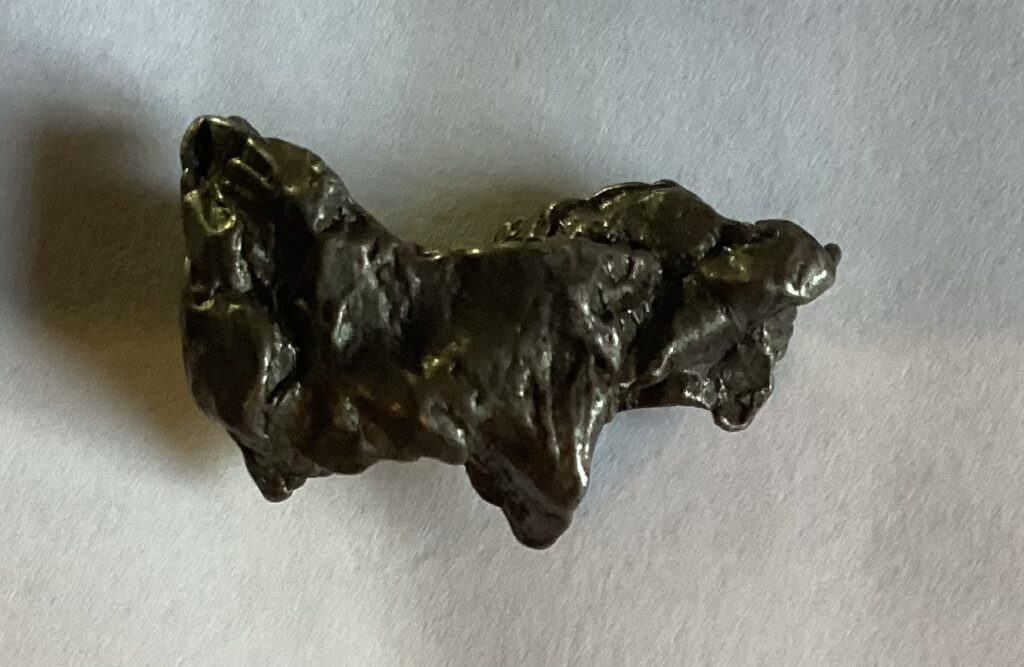
The big breakthrough in understanding meteorite impacts and mass extinction didn’t come from a dramatic discovery in the field. It came from a quiet laboratory observation. In 1980, physicist Luis Alvarez, his son geologist Walter Alvarez, and nuclear chemists Frank Asaro and Helen V. Michael from the University of California, Berkeley, discovered unusually high concentrations of iridium in a specific layer of rock strata in the Earth’s crust. Iridium is an element that is rare on Earth but relatively abundant in many meteorites. That single anomalous layer of rock changed everything scientists thought they knew about how life’s history unfolds.
The boundary sediments contained huge amounts of cosmic debris that could only be explained by the impact on Earth of an approximately 10-kilometer-diameter meteorite. On the basis of this finding, they hypothesized that the mass extinction at the K/T boundary was caused by the shutdown of photosynthesis by a global cloud of impact debris. In 1991, a more than 200-kilometer-wide impact crater was discovered in Yucatan, Mexico, that coincided with the extinctions. Since then, the impact hypothesis has gained overwhelming acceptance within the scientific community. It was a remarkable scientific detective story, spanning continents and decades.
The Chicxulub Impact: Death of the Dinosaurs, Birth of the Mammals
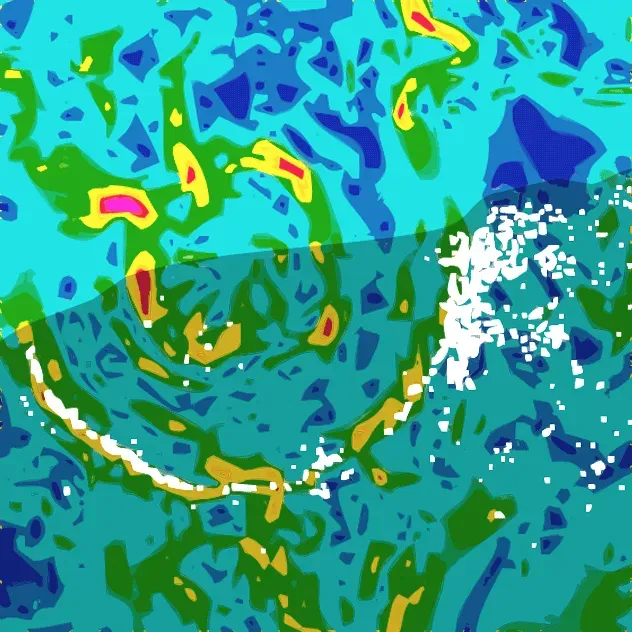
The most famous meteorite impact in history remains the Chicxulub event. An impact 66 million years ago in what is now the Yucatan Peninsula in Mexico is hypothesized to have caused the extinction of many plant and animal species, including all dinosaurs, except the ancestors of the living birds. The chain of destruction that followed was almost incomprehensible in scale. This meteorite impact temporarily heated the surface of the Earth to several hundred degrees Celsius from the friction of airborne particles that had been ejected into orbit by the impact as they fell back to Earth. This intense heat might have lasted just a few minutes. Following the intense heating, temperatures likely dropped for several months due to limited sunlight caused by a partial blocking of sunlight by airborne particles.
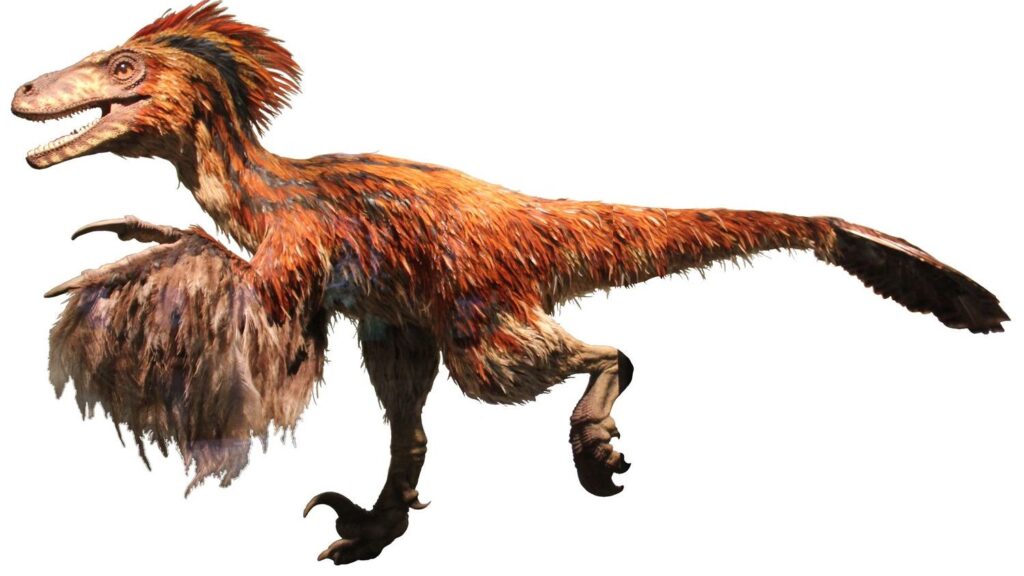
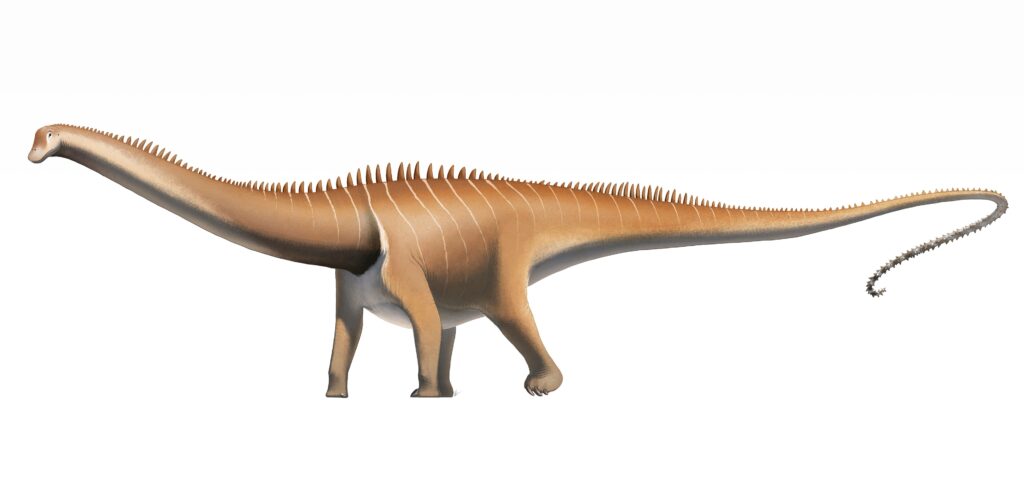
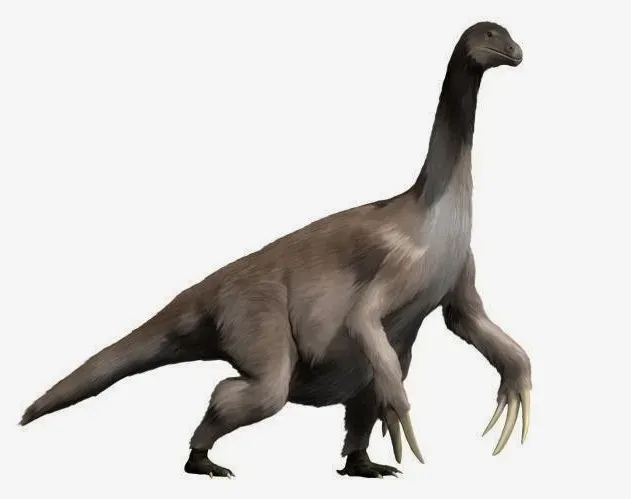
The ecological devastation was followed by something remarkable. The impact caused the extinction of many organisms, altering the evolutionary history of life on Earth, for example, by paving the way for the emergence of large-bodied mammals with the extinction of the large-bodied dinosaurs. The prehistoric Chicxulub impact, 66 million years ago, is believed to be the cause not only of the Cretaceous-Paleogene extinction event but the acceleration of the evolution of mammals, leading to their dominance and, in turn, setting in place conditions for the eventual rise of humans. Let that sink in. Without that asteroid, there may never have been humans. You and I exist because a space rock hit the Yucatan Peninsula tens of millions of years ago.
The Size Doesn’t Always Matter: What Really Triggers Mass Extinctions
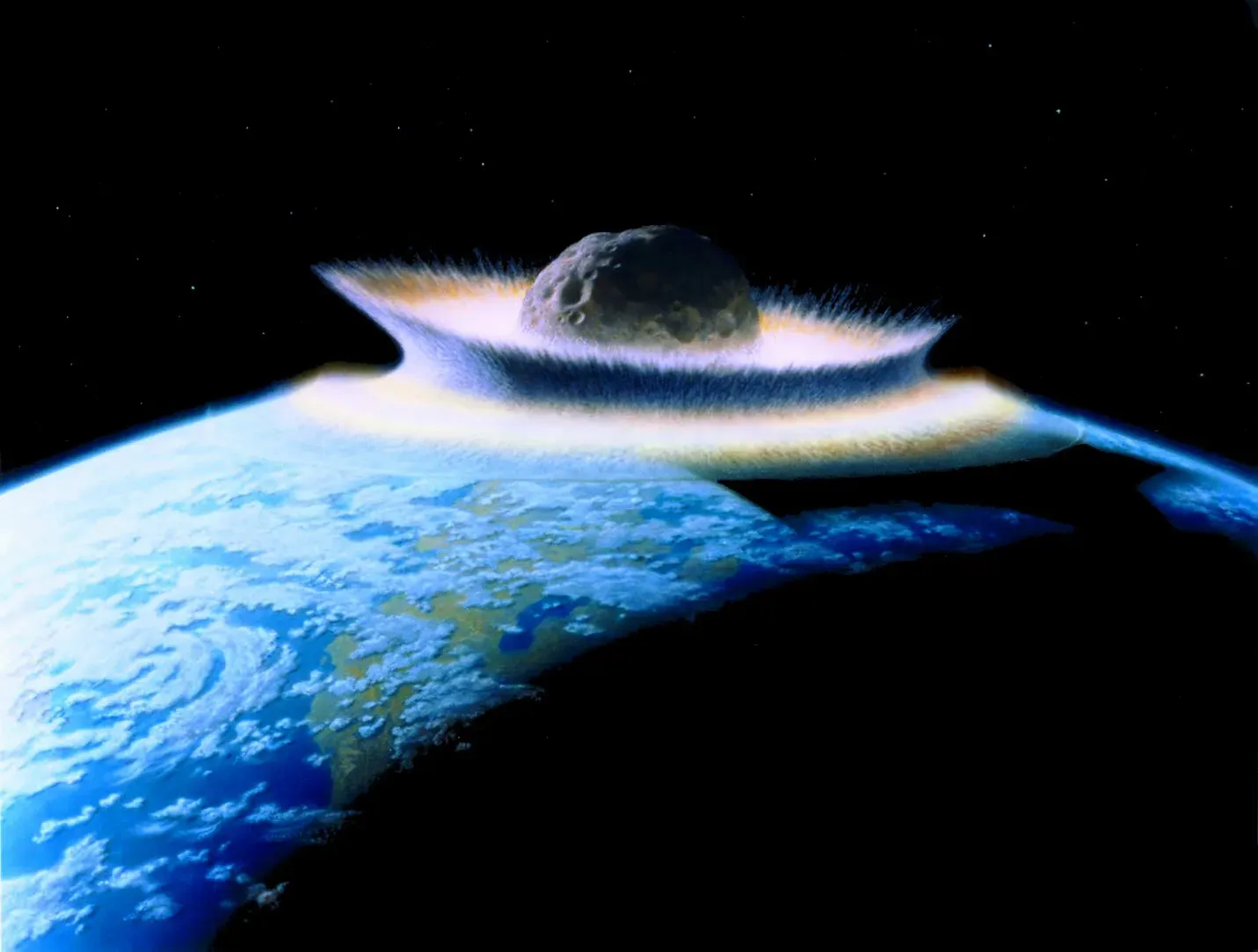
You might assume that the bigger the meteorite, the more catastrophic the extinction. Logical enough, right? New research shows it’s the composition of the rock a meteorite hits, and not the impactor’s size, that causes an extinction-level event. This was a genuinely surprising finding. Whenever a common mineral called potassium feldspar was present in high concentrations in the rocks that an incoming meteorite hit, the impact resulted in a mass extinction. In the 33 impacts studied, this occurred regardless of the size of the impactor, meaning smaller meteorites that strike areas rich in potassium feldspar are more likely to cause mass extinctions than larger ones that hit regions without much of it.
As paleontologists and geologists have studied Earth’s history, they’ve noticed something interesting: sometimes, major catastrophes pass with hardly a blip in extinction rates. For example, the Manicouagan crater in Canada is several miles wide and constitutes strong evidence that a huge asteroid struck Earth one and a half million years ago, yet the fossil record indicates no major dip in diversity associated with this event. Mass extinctions seem to occur when multiple Earth systems are thrown off kilter and when these changes happen rapidly, more quickly than organisms evolve and ecological connections adjust. The moral of the story is that context matters enormously. It is not just what hits, it is where it hits and what it triggers.
The Scottish Impact and the Rise of Complex Life on Land
Not all game-changing impacts happened at the scale of the Chicxulub event. A new study pushes the date of a Scottish meteorite impact from the often-cited 1.2 billion years to about 990 million years. That single change reshapes a key chapter in Earth history and reframes when complex life began to spread beyond the oceans. A shift of roughly 200 million years in the dating of one Scottish impact event sounds like an obscure academic detail, but it has enormous implications for understanding the entire timeline of life on land.
The timing now lines up with evidence for early freshwater eukaryotes in nearby rocks. Those are complex cells, the group that includes plants, animals, and fungi, showing a foothold outside the sea around one billion years ago. Independent fossil evidence shows freshwater and marginal terrestrial habitats hosted diverse eukaryotes by about one billion years ago, and that context now matches the Scottish impact window. Tracking impact timing also helps calibrate how Earth processes recover after large disturbances. This is the kind of finding that quietly rewrites textbooks. It is hard to say for certain that the impact caused the spread of complex life onto land, but the timing alignment is too compelling to ignore.
Conclusion: Earth’s Story Is Written in Craters
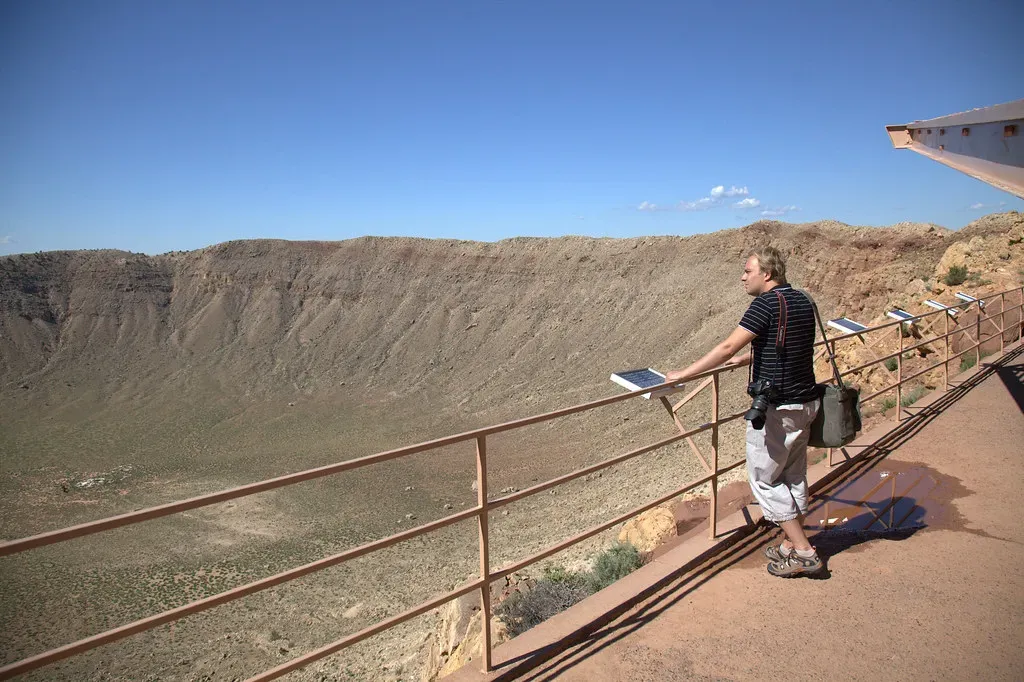
When you step back and look at the full picture, something profound comes into focus. Life on Earth has never simply evolved in peaceful, isolated increments. It has been disrupted, redirected, and at times outright accelerated by enormous collisions from space. The dinosaurs fell so that mammals could rise. Early bacteria were fed by the nutrient shockwave of a prehistoric “fertilizer bomb.” Complex cells found a foothold on land, possibly in the shadow of a Scottish crater. Although the bombardment of planets and satellites by asteroids and comets has long been viewed as a destructive process that would have presented a barrier to the emergence of life, a comprehensive synthesis of data and observations reveals the beneficial role of impacts in a wide range of prebiotic and biological processes.
Meteorite impact events are a fundamental geobiological process in planetary evolution that played an important role in the origin of life on Earth. That is not a fringe idea anymore. It is backed by field research, geochemistry, isotope analysis, and decades of global scientific collaboration. The available evidence suggests that, until modern times, only meteorite impacts could change the atmospheric mineralogy with such geological suddenness and persistence. Every major turn in the story of life on this planet has an origin that is stranger and more violent than most people ever imagine. So the next time you look up at a clear night sky, remember: you might be looking at the source of your own existence. What do you think, does knowing that a random space rock is the reason humans walk the Earth change the way you see your own place in the universe? Share your thoughts in the comments below.