
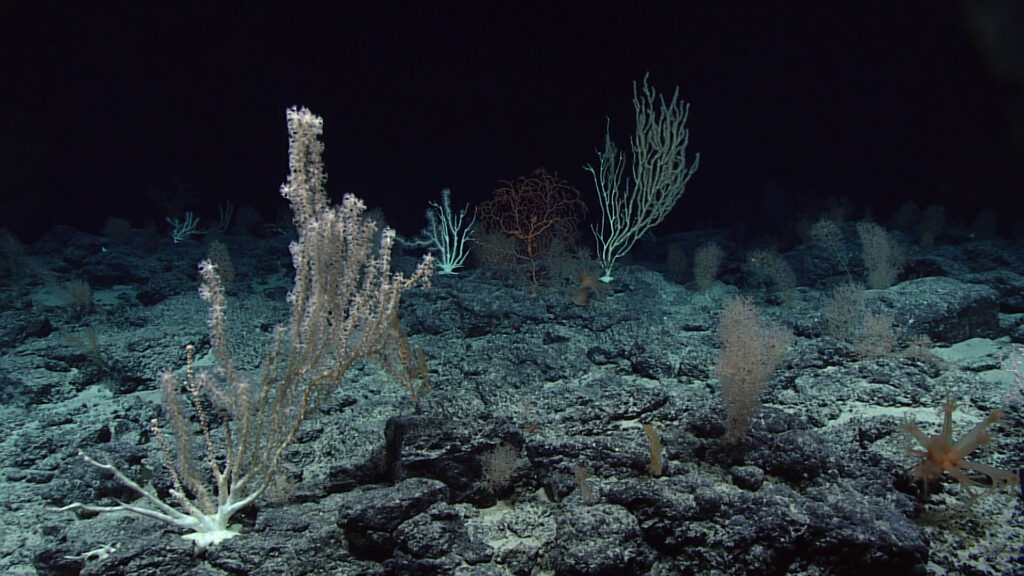
There is a place on this planet more alien than the surface of Mars, more unexplored than the far side of the Moon, and older in its secrets than almost anything you can touch with your bare hands. It lies beneath miles of crushing black water, in silence so absolute it borders on the surreal. You would never see it from a window. You would never stumble across it by accident. Yet these dark, vertical wounds in the ocean floor may hold more answers about the origins of life, the structure of our planet, and the future of our climate than almost any other place on Earth.
We are talking about deep ocean trenches, and honestly, the more you learn about them, the more you realize we have barely begun to scratch the surface. Let’s dive in.
The Incomprehensible Depth of the Hadal World
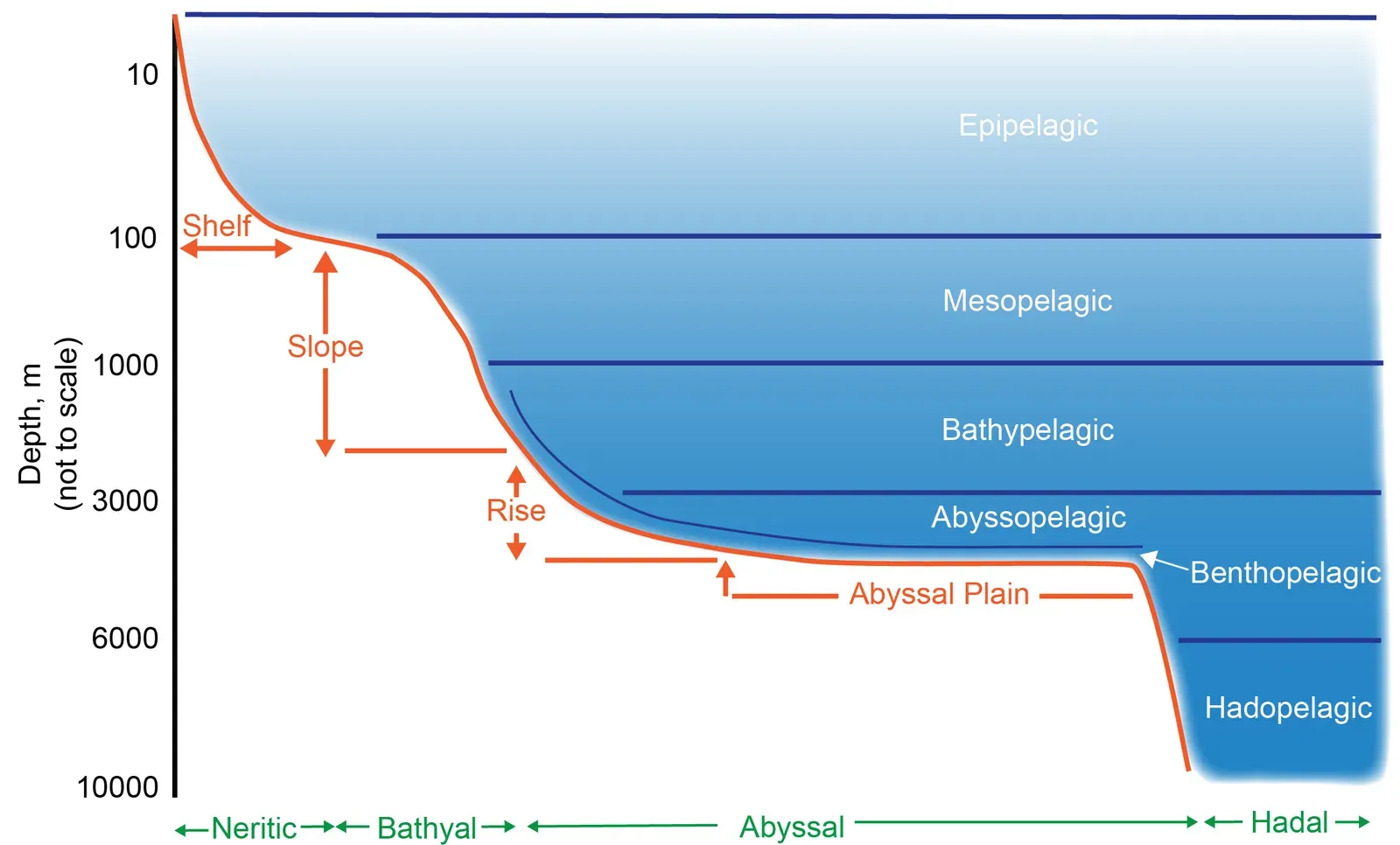
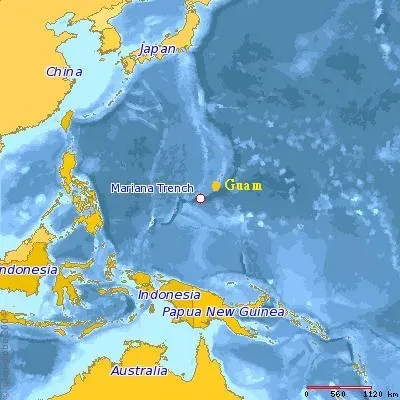
Here’s the thing most people don’t fully grasp: the ocean isn’t just deep. Parts of it are so deep that your entire frame of reference for large distances breaks down. The deepest point, known as the Challenger Deep, reaches approximately 10,984 meters, or about 36,037 feet, below sea level, making it the deepest known point on Earth. To put that in perspective, if you flipped Mount Everest upside down and dropped it in, the Mariana Trench would surpass Mount Everest in height. That is not a metaphor. That is math.
The regions that exceed roughly 3.5 miles, or 20,000 feet, are known as the hadal zone, named after Hades, the Greek god of the underworld. The hadal zone covers just one to two percent of the ocean floor, yet it accounts for the deepest 45 percent of the ocean’s vertical depth, and it is a realm of extreme conditions where immense pressure, total darkness, limited food sources, and near-freezing temperatures create an environment commonly considered inhabitable by only a few specialized organisms. Sounds like the underworld is a fitting name, doesn’t it?
How These Ancient Scars Were Formed
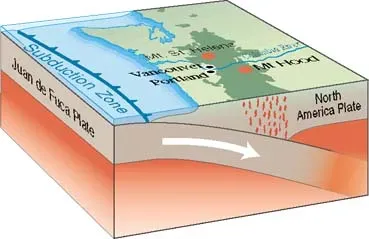
Trenches are formed by subduction, a geophysical process in which two or more of Earth’s tectonic plates converge and the older, denser plate is pushed beneath the lighter plate and deep into the mantle, causing the seafloor and outermost crust to bend and form a steep, V-shaped depression. Think of it like two slow-motion freight trains colliding, except one slides beneath the other over millions of years. The result is a gash in the planet’s skin that dwarfs anything you’ll find on the surface.
The Mariana Trench itself was created by a dramatic geological process called subduction, where one massive slab of Earth’s crust, the Pacific Plate, slid under a smaller one, the Mariana Plate. That ancient collision literally tore a wound into the planet’s skin. These trenches mark the locations of convergent plate boundaries, along which lithospheric plates move towards each other at rates that vary from a few millimeters to over ten centimeters per year. Slow by human standards. Catastrophic by any other measure.
A Window Into Earth’s Geological Memory
These underwater chasms hold geological secrets, host unique ecosystems, and are often the birthplace of seismic activity like earthquakes and tsunamis. You might wonder why any of that matters to you sitting on dry land, but here is where it gets personal. Much of the world’s seismic activity takes place in subduction zones, which can have devastating impacts on coastal communities and even the global economy. Seafloor earthquakes generated in subduction zones were responsible for the 2004 Indian Ocean tsunami and for the 2011 Tohoku Earthquake and tsunami in Japan.
The deepest rock samples ever obtained from the inner slope of the Mariana Trench represent some of the earliest volcanic eruptions of the Mariana island arc. These rocks can provide significant information on the geology of the trench system. There is something genuinely thrilling about the idea that you can hold a piece of rock and essentially be holding a page from Earth’s very first chapters. Because the ocean floor is so young, orogenic belts are the only record of subduction and collision events prior to 200 million years ago. If subduction is the only mechanism responsible for orogeny, plate tectonics must have been active since early in the history of the Earth.
Life That Defies Every Rule You Were Taught
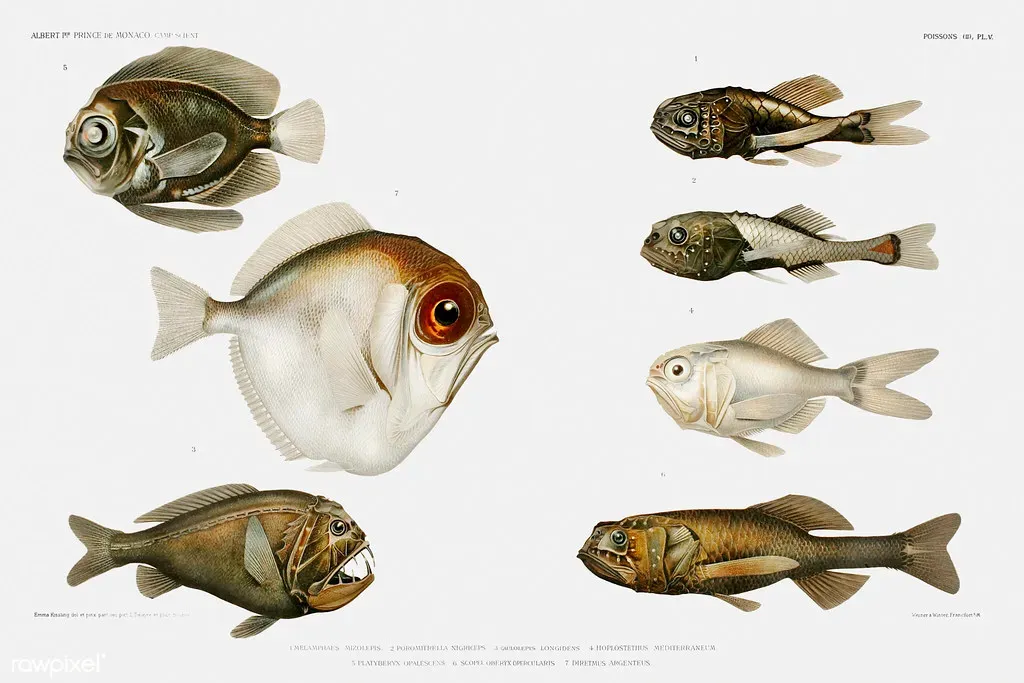
Let’s be real: when most people picture deep sea life, they’re probably thinking of something vaguely monstrous with too many teeth. Reality is far stranger. Despite the extreme pressure, lack of light, and frigid temperatures, the Mariana Trench hosts a variety of life forms. These include microorganisms as well as larger organisms like amphipods and possibly even fish, adapted to the extreme conditions. The adaptations these creatures have developed are nothing short of biological engineering masterclasses.
Larger species have also been found living at remarkable depths within the trench, including the hadal snailfish, a small, pink and completely scaleless species found living at depths of almost 8,200 meters. With skin so transparent that you can see right through to its liver, it holds the record for the deepest fish captured on the seafloor. I know that sounds like science fiction. Along with sea cucumbers, tiny flea-like crustaceans known as amphipods are among the most abundant animals in the hadal zone, scavenging on debris floating down from upper ocean zones, with one unusually large species, Alicella gigantea, reaching up to 13 inches in length.
Ancient Microbes and the Rewriting of Evolutionary History
Here is where things get truly mind-bending. A groundbreaking Chinese expedition sent researchers down more than 33 times in a manned submersible, and what they brought back rewrote the scientific rulebook almost immediately. One study uncovered more than 7,000 microbial species from the Mariana Trench, with nearly 90 percent of them entirely new to science. Nearly 90 percent. That means for every ten organisms they found, roughly nine of them were completely unknown. Unknown to anyone, anywhere, ever.
Some microbes have small, highly specialized genomes optimized for the scarcity of light and nutrients, while others boast larger, more flexible genomes for coping with change. Many also possess genes that break down hard-to-digest compounds, such as carbon monoxide, which is key to surviving in a realm with limited food sources. Shared adaptation mechanisms across microbes and macrofauna suggest convergent evolutionary strategies in hadal environments. In plain terms, completely different organisms, from microscopic bacteria to crustaceans, independently evolved the same survival tricks to deal with the same crushing conditions. Evolution, it turns out, keeps returning to the same playbook no matter the organism.
Hydrothermal Vents: Life Without Sunlight, Driven by Earth Itself
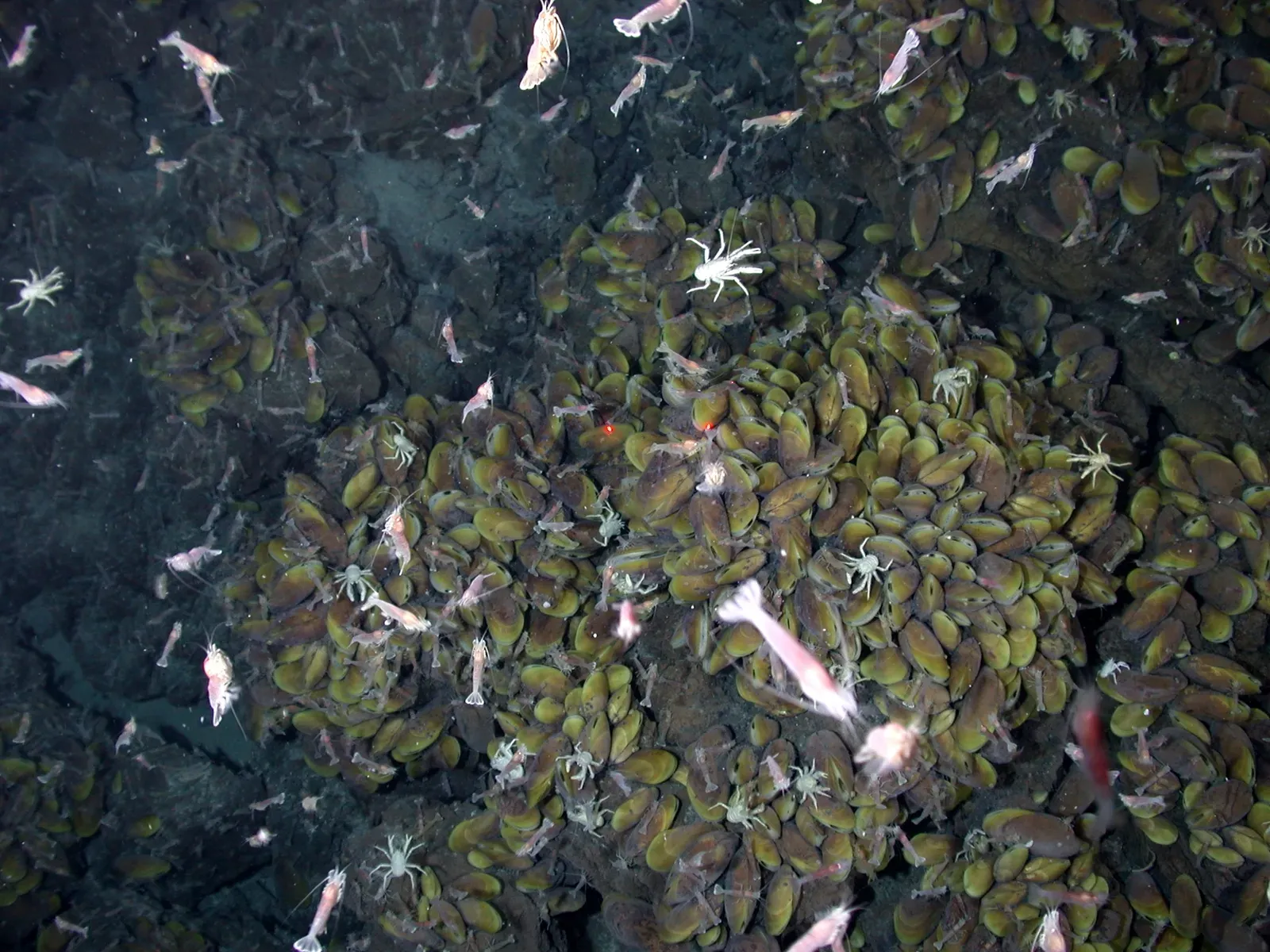
One of the most staggering revelations in all of modern science happened in 1977 when researchers aboard the submersible Alvin dove along the Galapagos Rift and found something nobody was expecting. What they found were hot springs 2.5 kilometers deep along mid-ocean ridges. These ridges allow seawater to percolate into Earth’s crust, where it is heated by magma and expelled as mineral-rich superheated water. These hot springs, or hydrothermal vents, emit fluids that can reach temperatures as high as 400°C. Hot enough to melt lead, essentially, yet life absolutely thrives there.
Dominated by tube worms and clams, these communities are able to survive at depths through a process known as chemosynthesis, meaning that life is nourished by fluids rich in hydrogen sulfide and methane seeping from the seafloor, which they then turn into energy. This discovery proved to scientists that life does not need sunlight to exist and that energy can emanate from the Earth itself, a realization that changed not only how scientists think about life on this planet but about life elsewhere in the vast universe. Think about that. These discoveries have transformed our understanding of life’s potential on Earth and beyond, suggesting that similar ecosystems could exist on other celestial bodies, such as Europa, one of Jupiter’s moons.
The Trench as a Climate Regulator and a Threatened Frontier
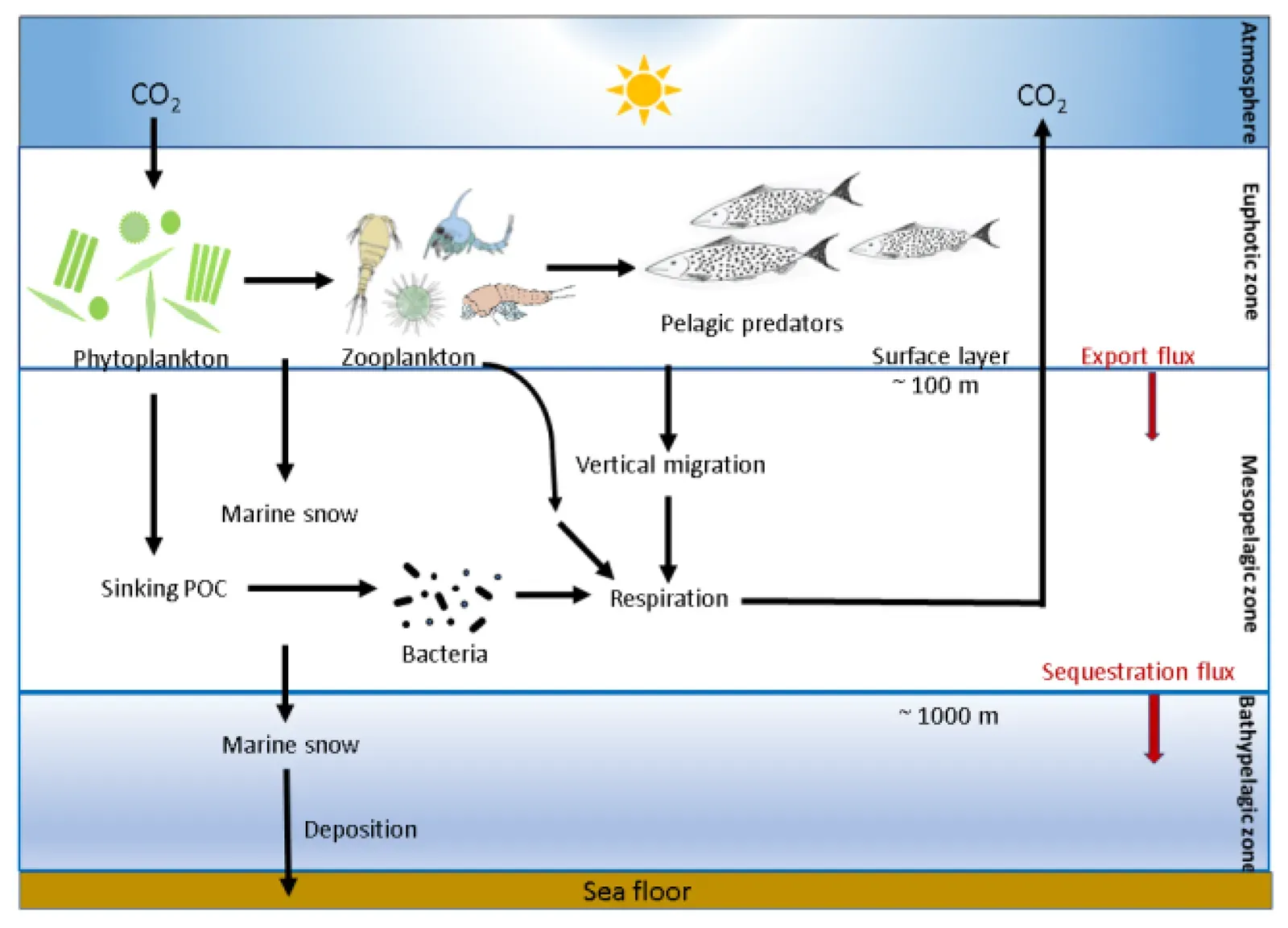
You might assume that something so far removed from human life would also be removed from human consequences. Unfortunately, that is not the case. Recent research has revealed unexpectedly large amounts of carbon matter accumulating in trenches, which may suggest that these regions play a significant role in Earth’s climate. This carbon is either sequestered in Earth’s mantle through subduction or consumed by trench bacteria. The discovery presents opportunities for further research on the role of trenches both as a source and a sink in the planetary carbon cycle that could influence the way scientists understand and predict the impacts of human-generated greenhouse gases and global climate change.
Yet even these extraordinary places are now under threat. Recent studies have found toxic terrestrial chemicals like PCBs and PBDEs in the tissues of animals living in the deepest places on Earth. Where once scientists assumed the deep ocean was rather isolated from the surface, new studies have shown that the two are closely connected and that material can pass quickly into the depths. Nations continue to wrangle over the highly contentious issue of deep-sea mining, with China and the United States having expressed more than a cursory interest in mining the deep seabed for minerals, while ocean scientists have unanimously warned that mining the under-explored seafloor could decimate fragile ecosystems that we know all too little about.
Conclusion: The Deepest Chapters Are Still Unwritten
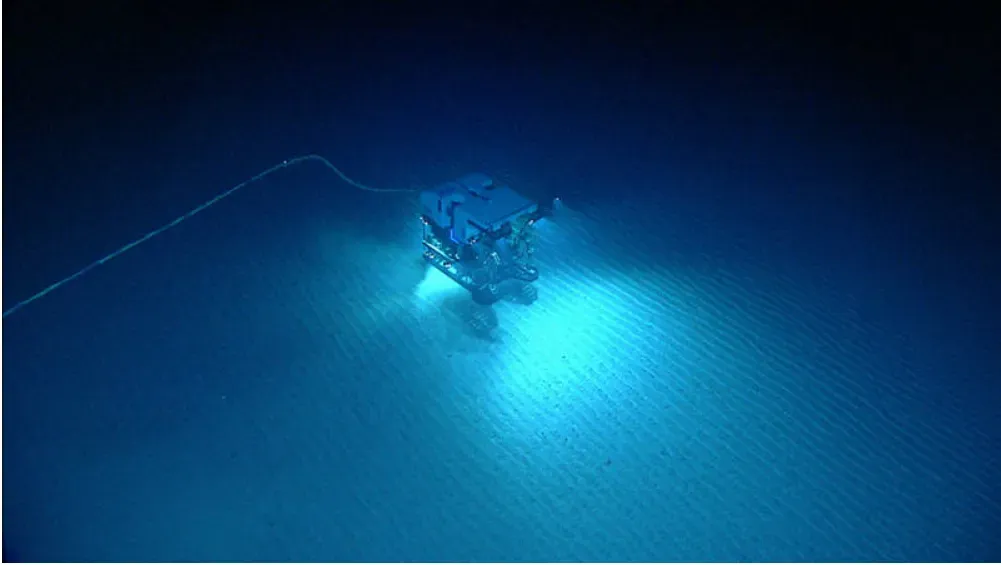
You do not have to be a marine biologist or a geologist to feel the weight of what these trenches represent. They are Earth’s memory banks, stored in darkness, pressure, and silence. The deep ocean is still one of the most puzzling places on Earth, a place where imaginations run wild and discoveries exceed expectations. Every strange or surprising find reaffirms how much we still do not know about the vast world beneath the waves.
The study of trenches gives researchers insight into the novel and diverse adaptations of deep-sea organisms to their surroundings that may hold the key to biological and biomedical advances. Studying the way that hadal organisms have adapted to life in their harsh surroundings could help advance understanding in many different areas of research, from diabetes treatments to improved laundry detergents. The answers to tomorrow’s medical breakthroughs may literally be sitting at the bottom of the ocean right now, waiting in the dark.
Exploring the hadal zone will advance knowledge that can be used when exploring oceans beyond Earth, such as those on the moons of Jupiter and Saturn. Every expedition down there is not just a mission of discovery about our planet. It is a rehearsal for our eventual reach across the solar system. The deepest trenches on Earth are not an ending. They are, in many ways, just the beginning. So – what do you think is still waiting down there, undiscovered? Tell us in the comments.