There are creatures that roam the earth and vanish quietly into the fossil record, barely leaving a scratch on our collective memory. Then there is the Tyrannosaurus rex. This animal has been extinct for roughly 66 million years, yet it stares back at you from museum halls, movie screens, children’s lunchboxes, and viral internet memes. That is not the legacy of just another predator. That is the legacy of something far bigger than bone and teeth.
What made the T. rex so extraordinary? Was it purely the size, the force of those legendary jaws, or something deeper woven into its biology and behavior? The truth turns out to be far more layered and, honestly, far more fascinating than most people realize. Buckle up, because this king of the Cretaceous still has plenty of surprises left to offer. Let’s dive in.
A Body Built to Rule the Cretaceous
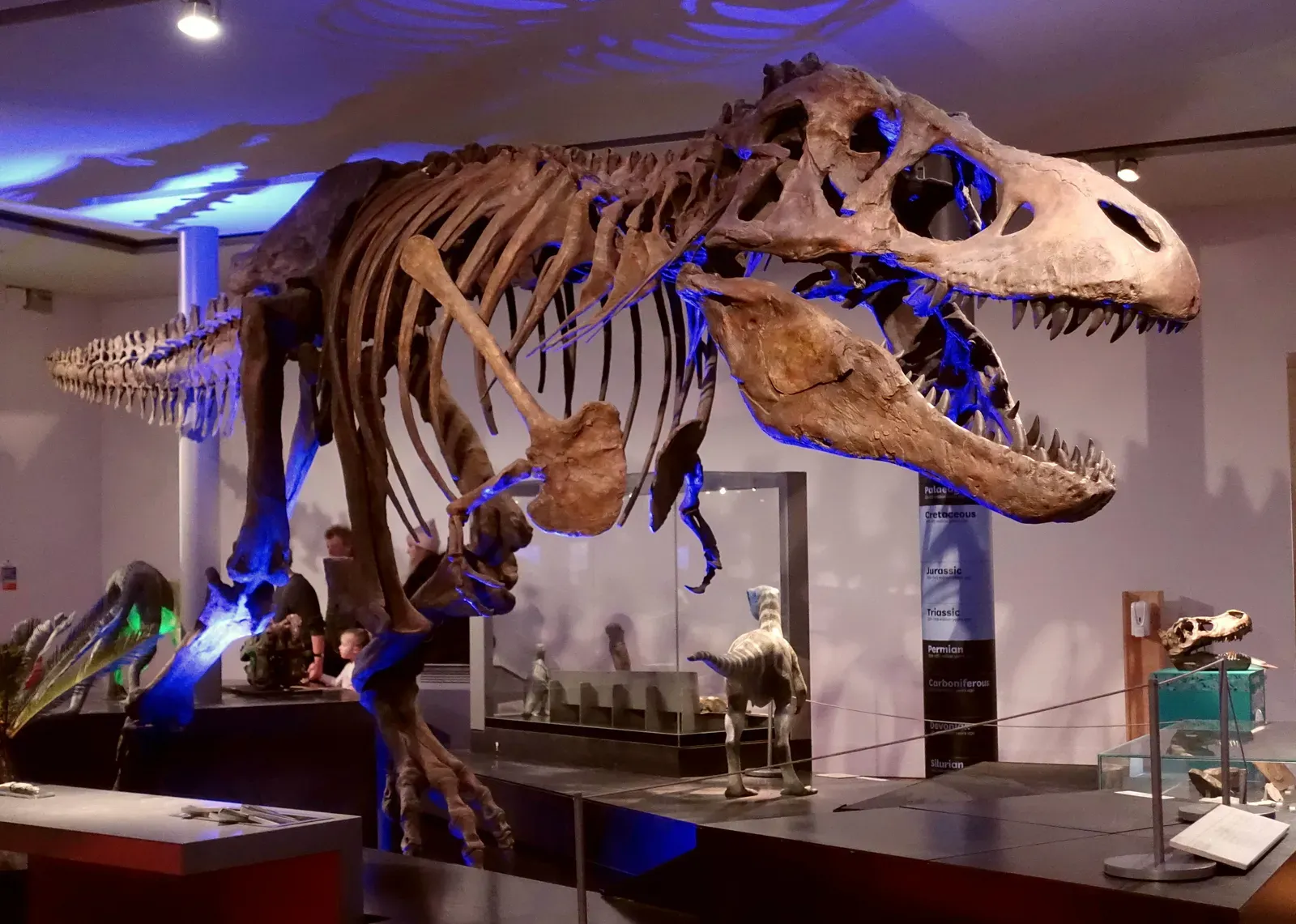
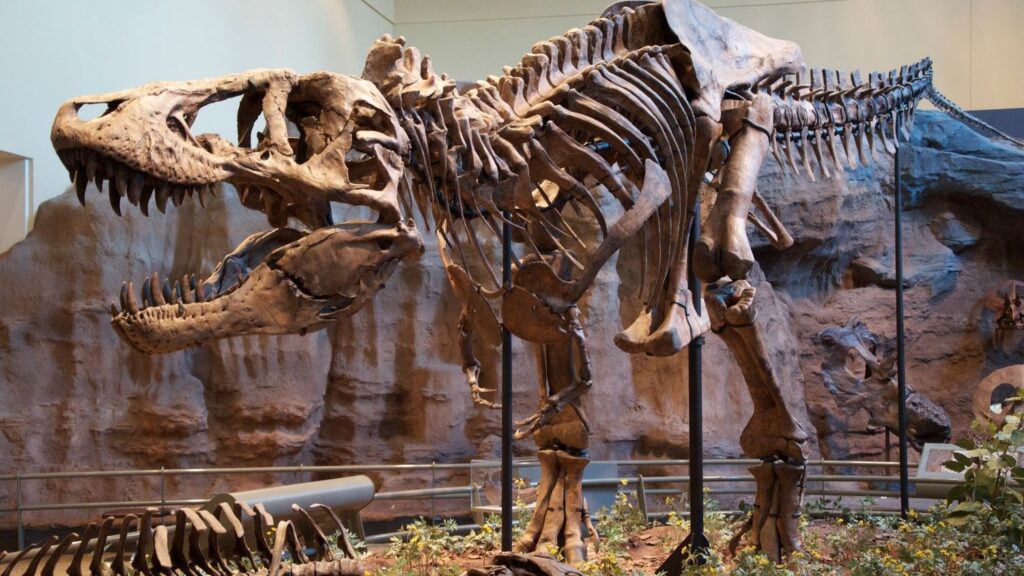
If you ever stood next to a full T. rex skeleton in a museum, you already know the feeling. It is something between awe and mild existential dread. Named the “king of the tyrant lizards,” this dinosaur’s muscular body stretched as long as 40 feet from its snout to the tip of its powerful tail, and weighing up to eight tons, it stomped headfirst across its territory on two strong legs. Think about that for a moment. The length of a school bus, balanced on two legs, hungry.
T. rex walked on powerfully developed hind limbs, which scientists estimate could have enabled the animal to run up to 32 km, or 20 miles, per hour for short distances. If it had stood upright, it would have been more than 6.5 meters tall, but its usual posture was horizontal, with the body carried parallel to the ground. That horizontal, forward-leaning posture made it a precision predator rather than a lumbering upright monster. Nature rarely wastes a design.
The Most Powerful Bite Ever Recorded on Land
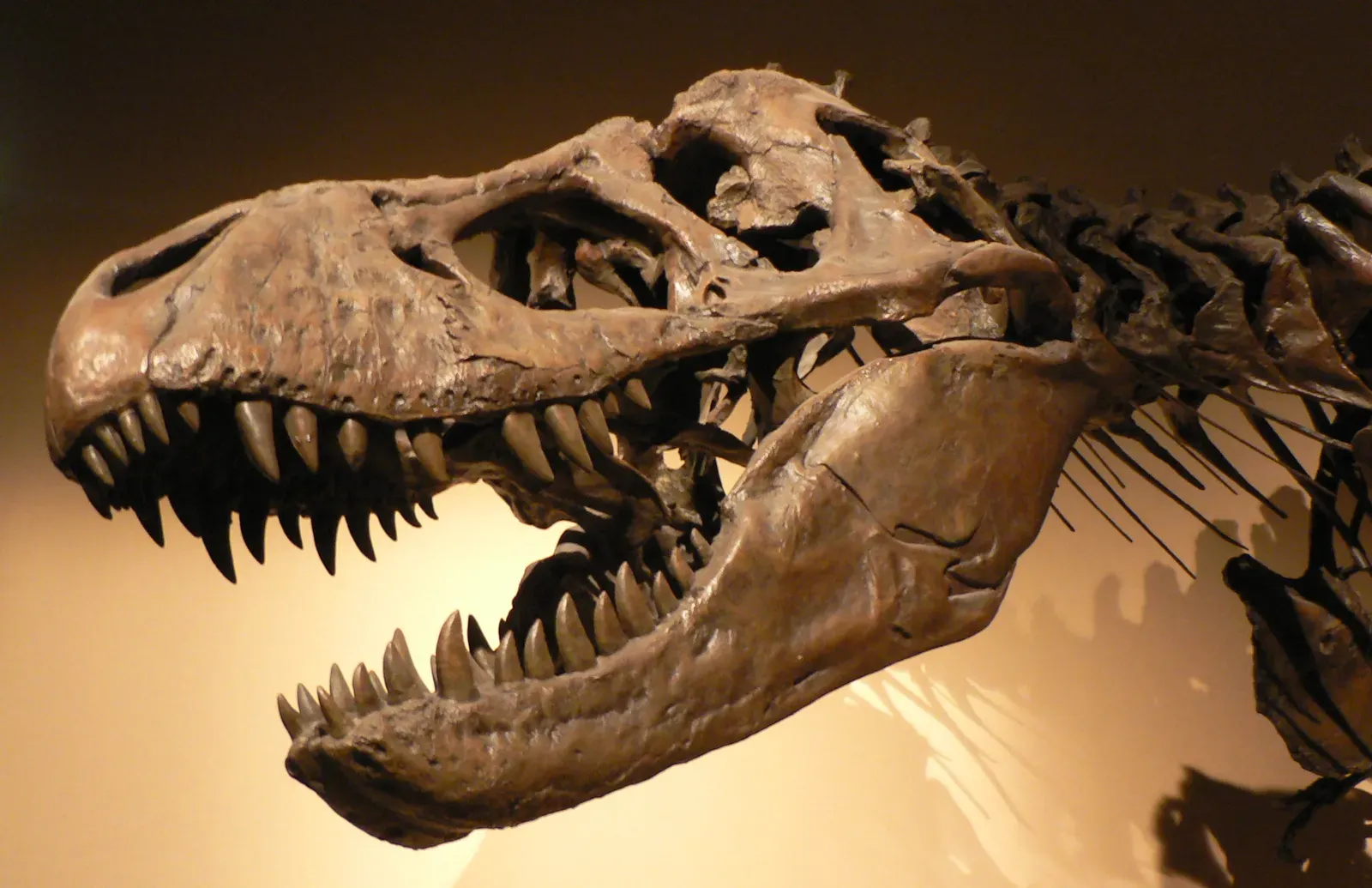
Here is the thing about T. rex that truly sets it apart from every other predator that has ever existed. It was not just big. It was catastrophically powerful in the most focused way imaginable. The head of a T. rex was the real stuff of nightmares. This fierce carnivore was optimally built for crunching through its meals, with a stiff skull that allowed it to channel all the force of its muscles into one bite, delivering up to six tons of pressure. It used its 60 serrated teeth, each about eight inches long, to pierce and grip flesh, throwing prey into the air and swallowing it whole.
The bite of T. rex may have been the most powerful of any land animal that ever lived. Modern studies estimate it could exert forces exceeding 12,000 pounds, enough to pulverize the bones of prey and leave deep puncture marks still visible on fossilized skeletons today. Paleontologists have found Triceratops bones with healed bite wounds, evidence that some victims actually survived attacks, offering a rare glimpse into real predator-prey struggles from deep time. That image is genuinely striking. Something survived a T. rex bite and lived to tell the tale. In bone, at least.
A Nose That Could Track You Across Continents
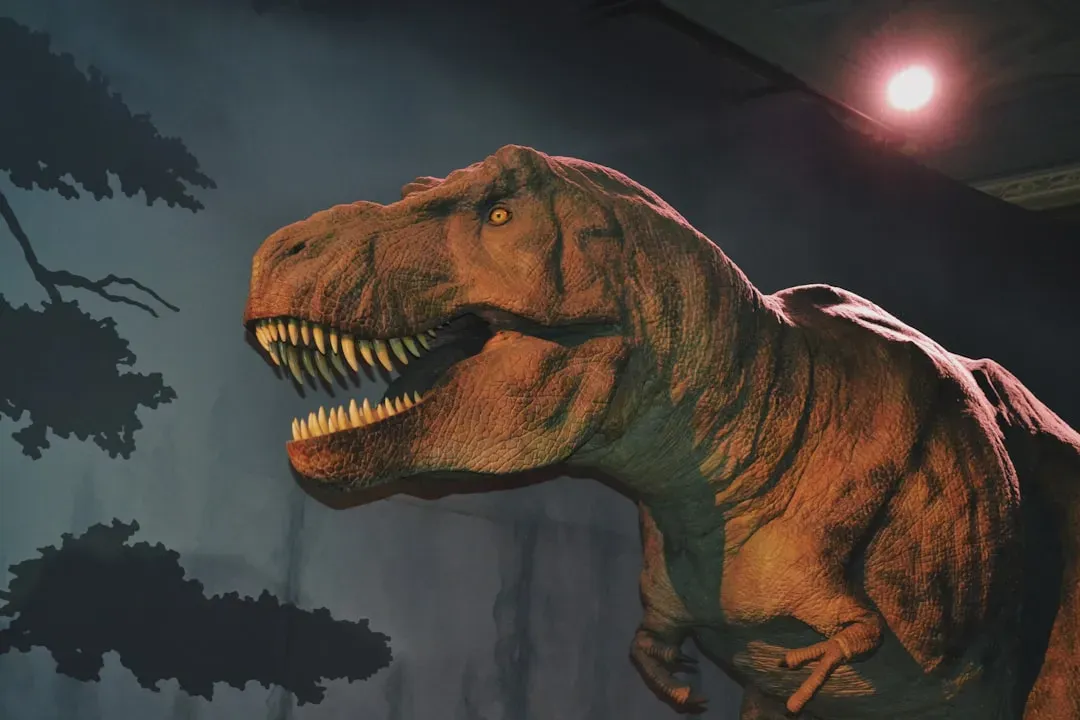
You might imagine the T. rex relying on its sheer size to ambush prey. But the real secret weapon? Smell. Tyrannosaurus rex was adept at finding its prey thanks to a keen sense of smell. While scientists have known for a while that this dinosaur devoted large portions of its brain to processing smell, studies have recently revealed that T. rex had almost as many genes encoding its olfactory receptors as a house cat does today. This powerful snout also likely helped T. rex find mates and detect other predators.
Tyrannosaurus had very large olfactory bulbs and olfactory nerves relative to their brain size, the organs responsible for a heightened sense of smell. This suggests that the sense of smell was highly developed, and implies that tyrannosaurs could detect carcasses by scent alone across great distances. The sense of smell in tyrannosaurs may have been comparable to modern vultures, which use scent to track carcasses for scavenging. Research on the olfactory bulbs has shown that T. rex had the most highly developed sense of smell of 21 sampled non-avian dinosaur species. Let that sink in. The top-ranked nose of all non-avian dinosaurs, by a wide margin.
Vision That Could Spot You Before You Spotted It
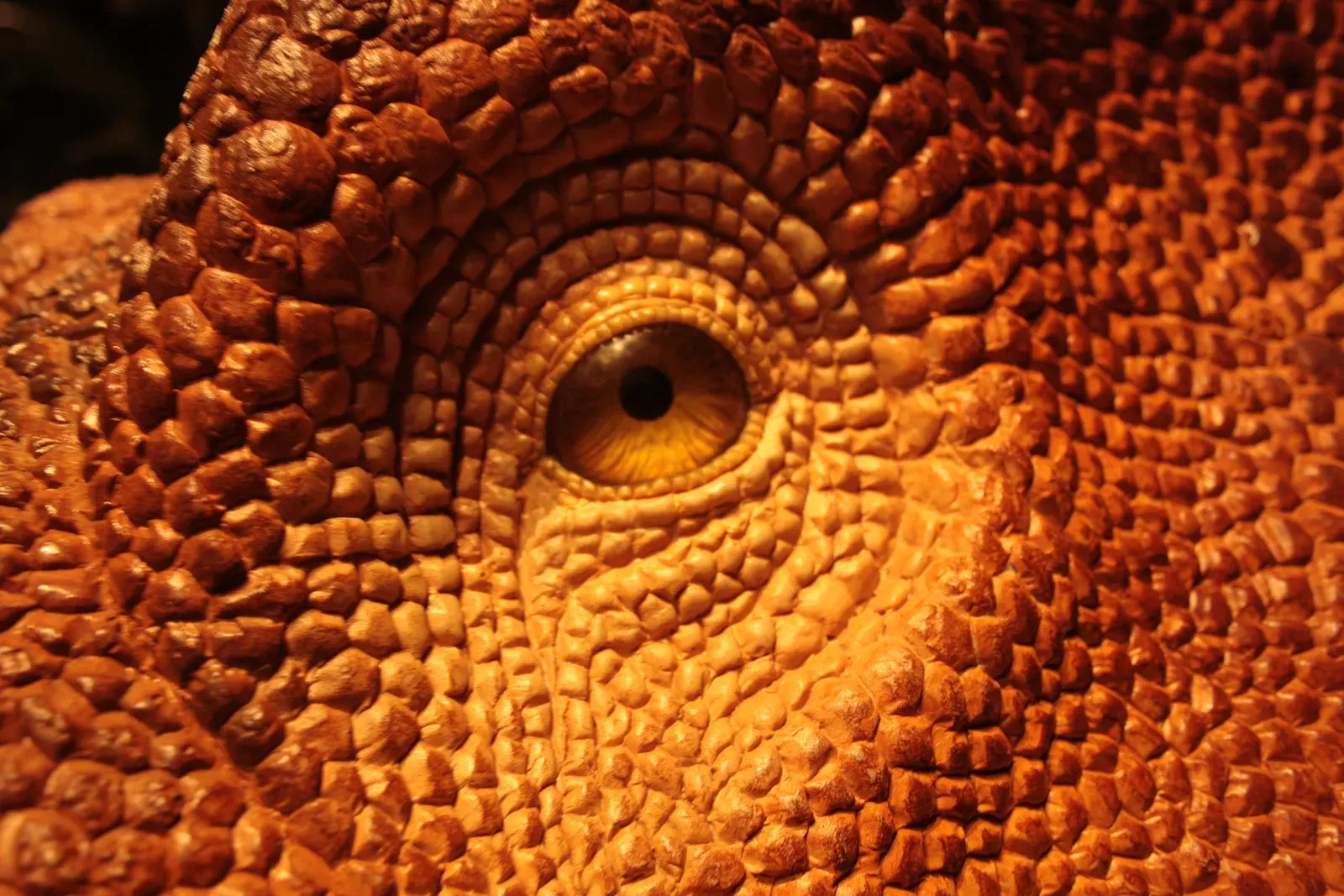
Most predators in the ancient world had eyes on the sides of their heads, useful for spotting threats from multiple directions. T. rex, however, was different in a way that tells you everything about how it lived. Tyrannosaurus’s skull was significantly different from those of large non-tyrannosaurid theropods. It was extremely wide at the rear but had a narrow snout, allowing unusually good binocular vision. Forward-facing eyes mean depth perception. Depth perception means precision strikes.
Its forward-facing eyes are obvious from the angle of the eye sockets, which point inward rather than outward. That arrangement creates strong binocular overlap, giving T. rex excellent depth perception. Researchers have even modeled its field of view and found it may have rivaled modern birds of prey, an advantage for judging distance when striking prey with a single bite. I think that comparison to birds of prey is one of the most underappreciated facts about this animal. When you picture a hawk locking eyes on a mouse from 100 feet up, you start to understand just how precisely this creature hunted.
How Smart Was It, Really?
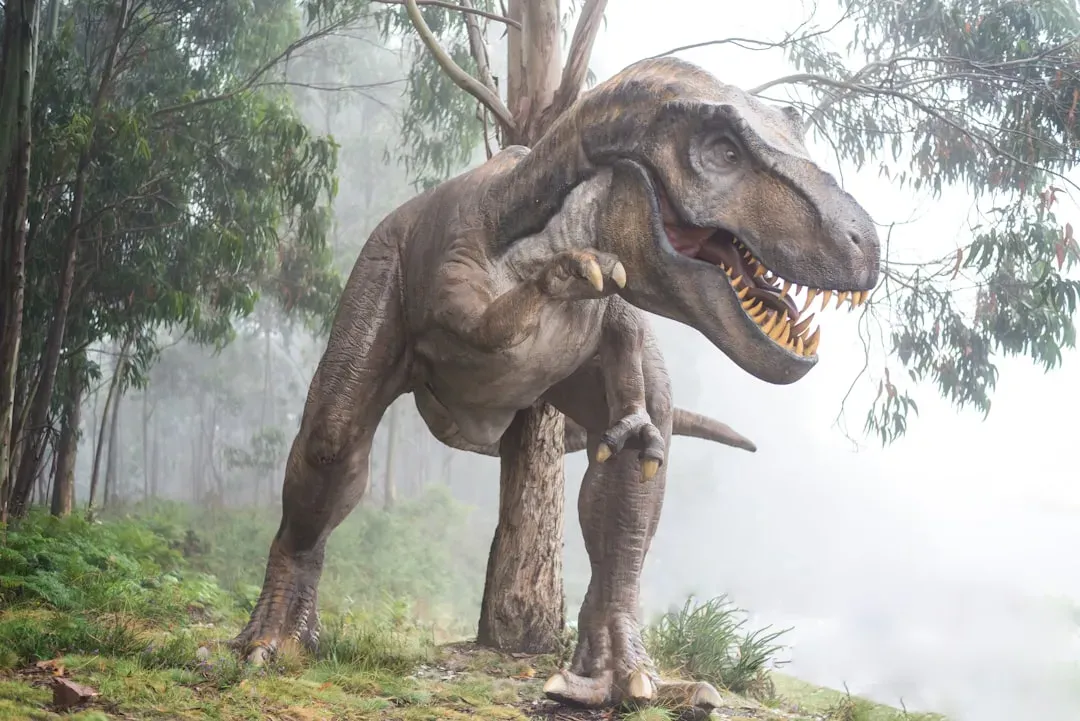
Here is where things get genuinely interesting, and a little contentious. For a while, the scientific community was divided over just how smart the T. rex actually was. An international team of palaeontologists, behavioural scientists and neurologists re-examined brain size and structure in dinosaurs and concluded they behaved more like crocodiles and lizards. That may sound like a downgrade, but honestly, crocodiles are not exactly dimwits.
The team concluded that these dinosaurs were as smart as reptiles, such as crocodiles and lizards, but not as smart as monkeys. They found the T. rex brain size had been overestimated, especially the forebrain, and that earlier estimates of neuron counts were likely way off base. Even though T. rex probably had the intelligence of a crocodile, researchers caution not to consider it a downgrade. Crocodiles, after all, are ancient, successful survivors who outlasted dinosaurs entirely. Being “as smart as a croc” is no small thing.
The Eternal Mystery of Those Tiny Arms
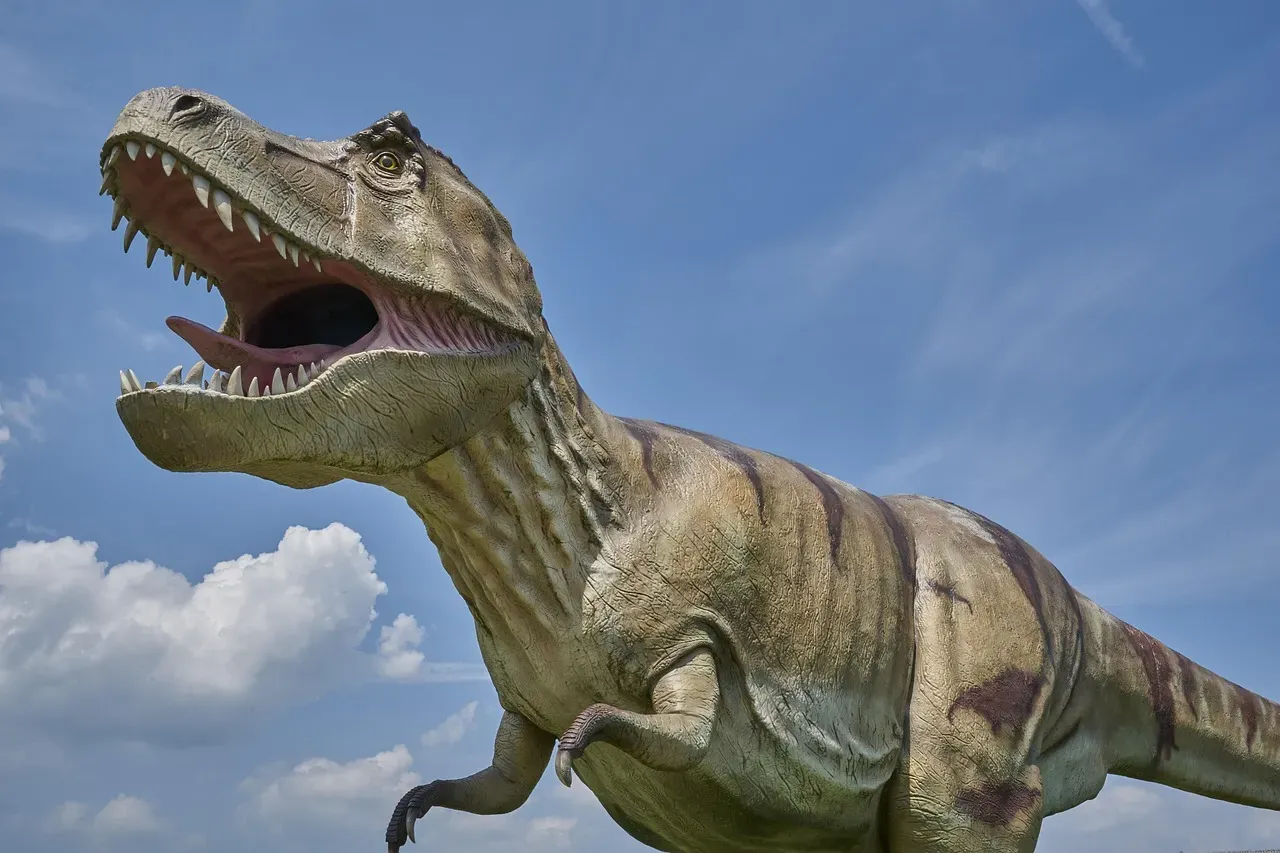
Let’s be real. Those arms are the elephant in the room. Every person who has ever visited a natural history museum has thought the same thing: why on earth did an animal this massive have arms that look like they belong on something a tenth its size? Tyrannosaurus rex is renowned for its enormous teeth and gargantuan size, but also its comparatively tiny arms. The fearsome predator was around 12 meters long, and yet its arms measured just 1 meter, or 3 feet. That ratio is, by any standard, absurd.
Scientists have proposed several theories, and none has conclusively won the debate. The famously tiny arms of Tyrannosaurus rex may have become so diminutive to protect the predator from accidental, or even intentional, amputations during feeding frenzies. One hypothesis is that T. rex’s arms became so small to prevent accidental amputation during the feeding frenzy of a pack of these dinosaurs, since severe wounds such as the loss of a limb to an over-eager packmate could lead to life-threatening complications. Others suggest the arms may have helped T. rex rise from the ground, assisted in mating, or were simply evolutionary leftovers. The truth? Despite much research, the purpose of T. rex’s small arms remains unknown.
Did It Have Feathers? The Debate That Won’t Quit
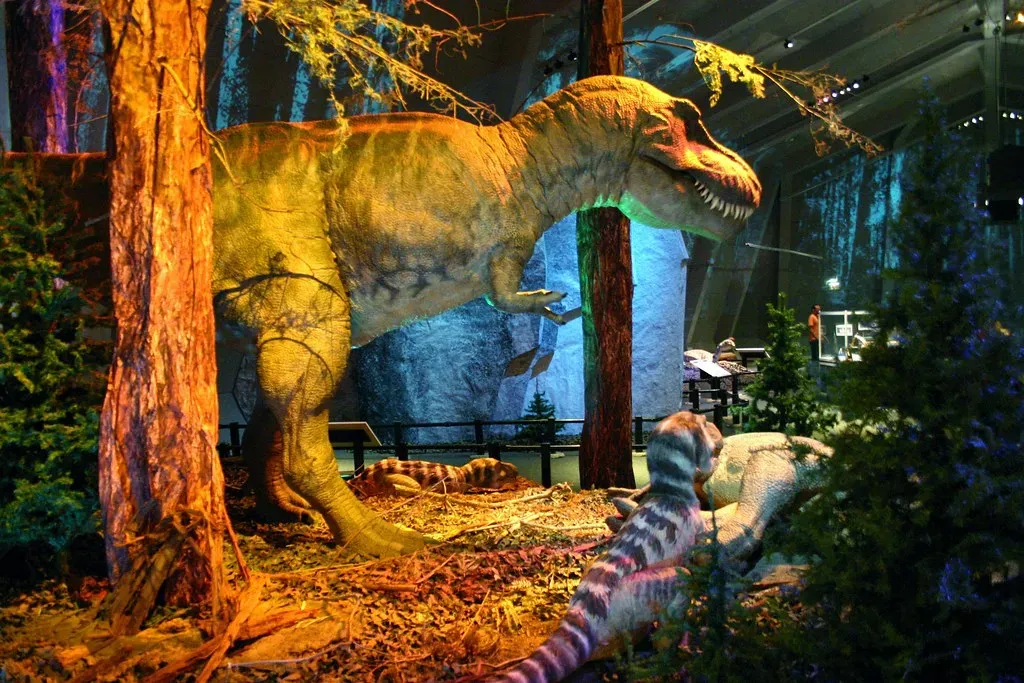
If someone told you the T. rex may have been at least partially feathered during parts of its life, you would probably stare blankly for a moment. Yet that conversation is very much alive in paleontology circles. The discovery of feathered dinosaurs led to debate regarding whether, and to what extent, Tyrannosaurus might have been feathered. The debate is fueled by what we know about its closest relatives.
Paleontologists think feathers may have first evolved to keep dinosaurs warm. While a young T. rex probably had a thin coat of downy feathers, an adult T. rex would not have needed feathers to stay warm. Large warm-blooded animals like T. rex or modern elephants generate a great deal of body heat so they usually do not need hair or feathers to keep warm. Meanwhile, scientists examined the world’s only known fossils of T. rex skin, from the neck, pelvis, and tail, and found no sign of feathers, just smooth, scaly skin. So a feathery youth and a scaly adult life? It is hard to say for sure, but the possibility alone flips the popular image on its head.
Hunter, Scavenger, or Both?
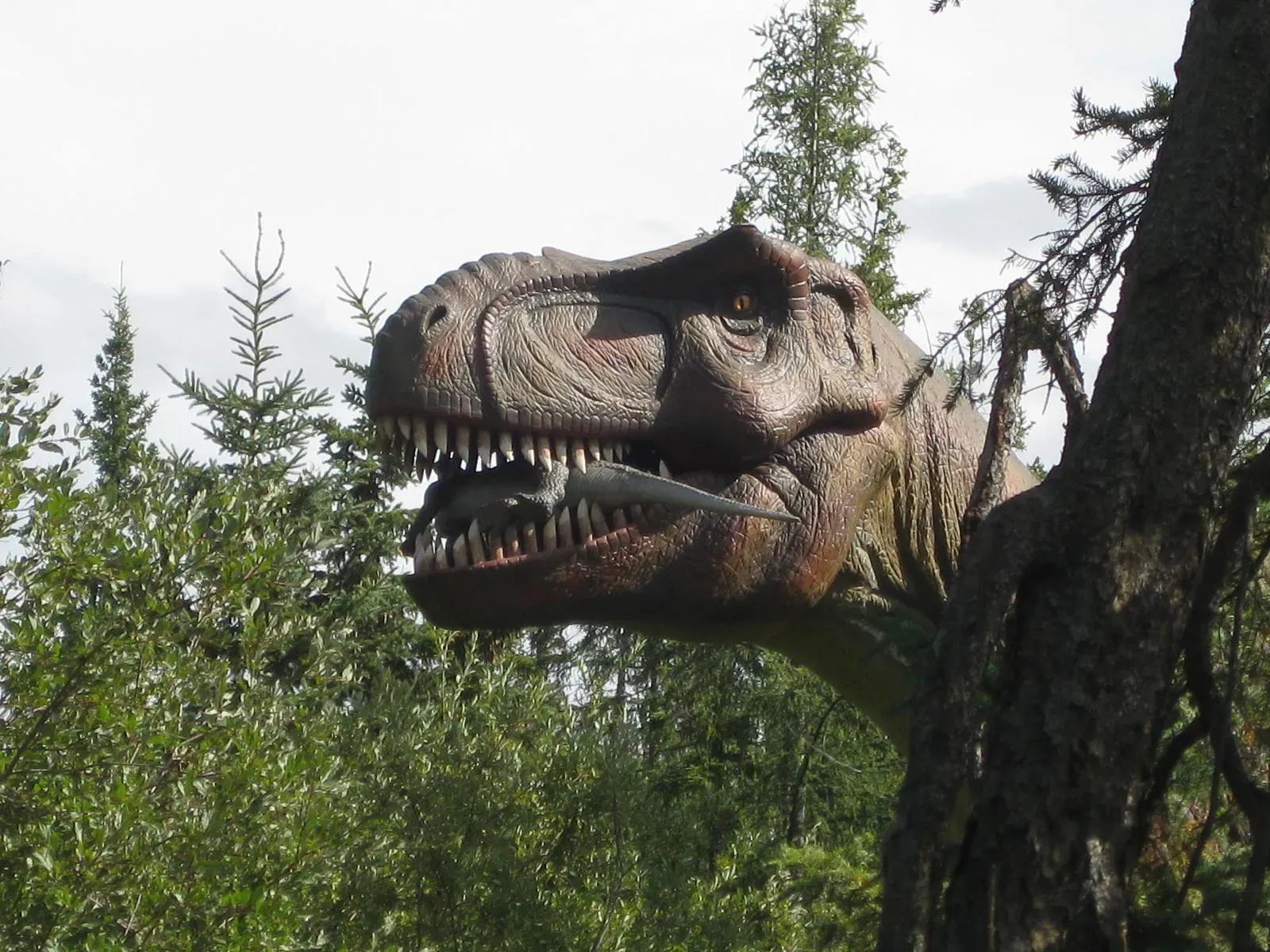
For decades, one of paleontology’s longest-running debates has been whether T. rex was an active apex hunter or a glorified prehistoric garbage collector. The answer, it turns out, is neither extreme. The question of whether Tyrannosaurus was an apex predator or a pure scavenger was among the longest debates in paleontology. Most paleontologists today accept that Tyrannosaurus was both a predator and a scavenger. Think of it less like a lion and more like a hyena with a much bigger attitude problem.
By far the largest carnivore in its environment, Tyrannosaurus rex was most likely an apex predator, preying upon hadrosaurs, juvenile armored herbivores like ceratopsians and ankylosaurs, and possibly sauropods. These dinosaurs likely preyed on living animals and scavenged carcasses, and sometimes they even ate one another. Yes, that last part is true. Cannibalism was apparently on the menu. Suddenly those tiny arms feel like the least alarming thing about this animal.
How the T. Rex Became a Cultural Phenomenon
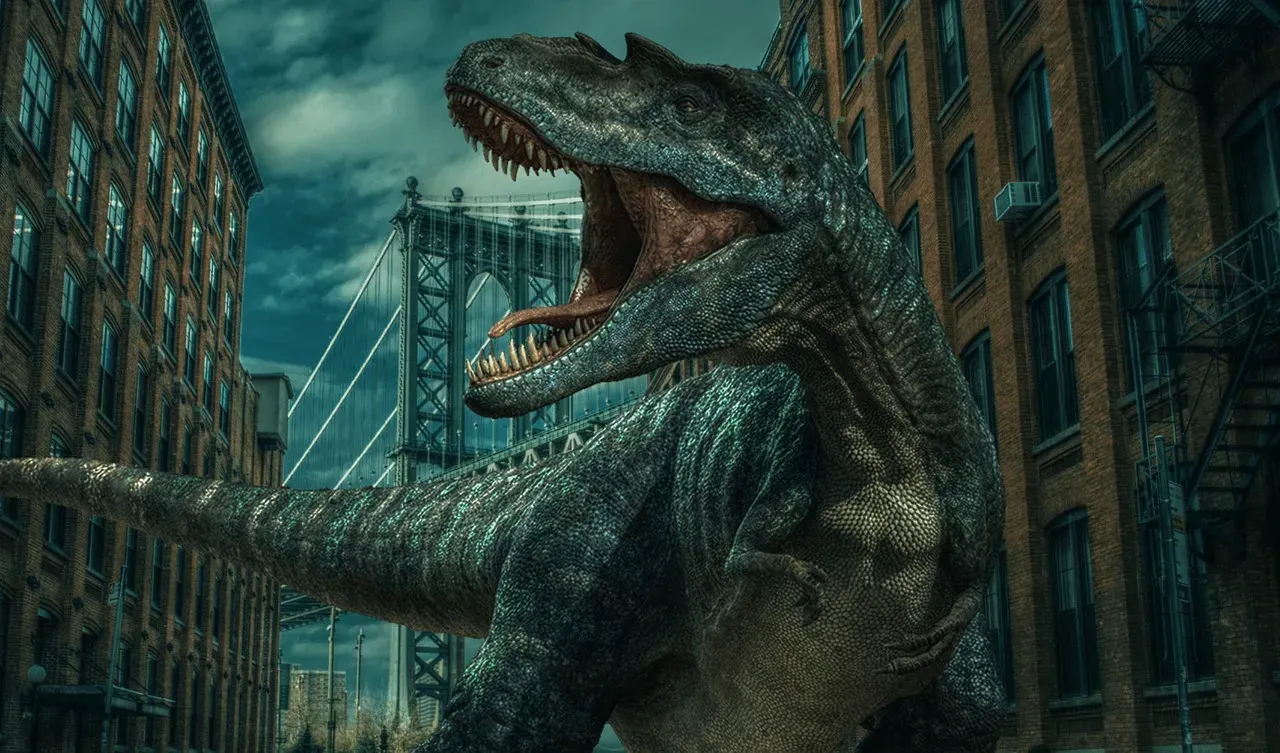
Here is something worth pausing on. The T. rex is not just a scientific subject. It is a full-blown cultural icon in a way that no other prehistoric creature has ever managed to achieve. Its enormous skull, powerful jaws, and towering height captured both scientific curiosity and public imagination, cementing its place as one of the most famous prehistoric predators ever discovered. During the early decades of the twentieth century, much of what people believed about T. rex was still speculative. It was often portrayed as an upright, tail-dragging monster, an image that dominated museum displays, films, and popular culture for generations.
The answer to why outdated images persist is that the imprinting of bad dinosaur anatomy at the earliest ages from unscientific sources, be they children’s shows or dino-shaped chicken nuggets, is nearly impossible to overcome. This, combined with the general public’s fascination with dinosaurs, has led to what researchers call a “cultural inertia” in which outdated science remains in the public consciousness. Honestly, that might be the most human thing in this entire article. We cling to the monster we were shown first, even when science keeps showing us something more nuanced and far more interesting.
Conclusion: A Legend Still Being Written
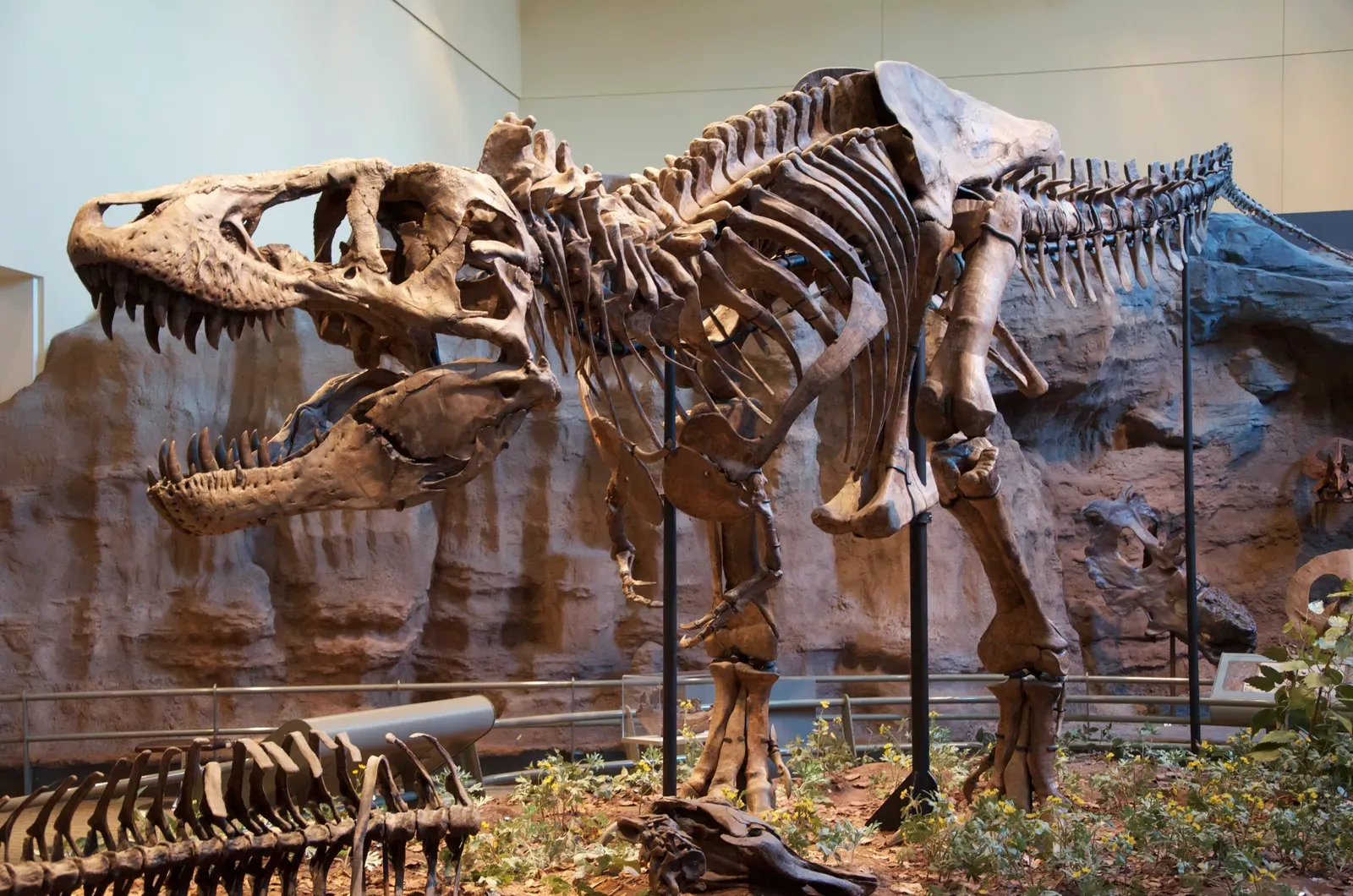
The Tyrannosaurus rex was never just a hunter. It was a sensory specialist with an extraordinary nose, precision vision, and bone-crushing force that remains unmatched in land animal history. It grew at a staggering rate, likely sported feathers in its youth, and may have moved through its world with a level of behavioral complexity we are still trying to fully understand. Every decade, a new study rewrites something we thought we knew.
What makes the T. rex a true legend is exactly that quality: its story is not finished. New fossils are still being discovered. New technology is still being applied to bones that have sat in museum storage for decades. Although T. rex is a household name, what we know about this tyrannosaur is constantly evolving. Improved technologies, such as biomechanical modeling and X-ray imaging, have allowed scientists to gain a deeper understanding of how this apex predator lived. The king keeps revealing itself, piece by piece.
After 66 million years of silence, the T. rex still manages to make the world stop and stare. What does that tell you about the nature of legends? What would you have expected from a creature that most people cannot even name a rival for, even today?