
You live in a time when dinosaurs are no longer just lumbering monsters from old movies; they’re vivid, complex animals that keep surprising you. Every few years, a new fossil drops that forces scientists to redraw family trees, rewrite museum labels, and sometimes swallow decades of assumptions. Those discoveries do not just change expert opinions – they change the picture you carry in your own head of what a dinosaur even is.
What makes this so electrifying is not just the age of these fossils, but the way each one ignites arguments: bird or dinosaur, one species or many, real tissue or just mineral ghosts? You see passionate scientists disagree, new technology overturn old beliefs, and long‑settled “facts” suddenly look fragile. As you move through these eleven discoveries, you’ll notice a pattern: every time you think you’ve got dinosaurs figured out, the ground shifts under your feet again.
1. Archaeopteryx and the Century‑Long Bird‑Versus‑Dinosaur Debate
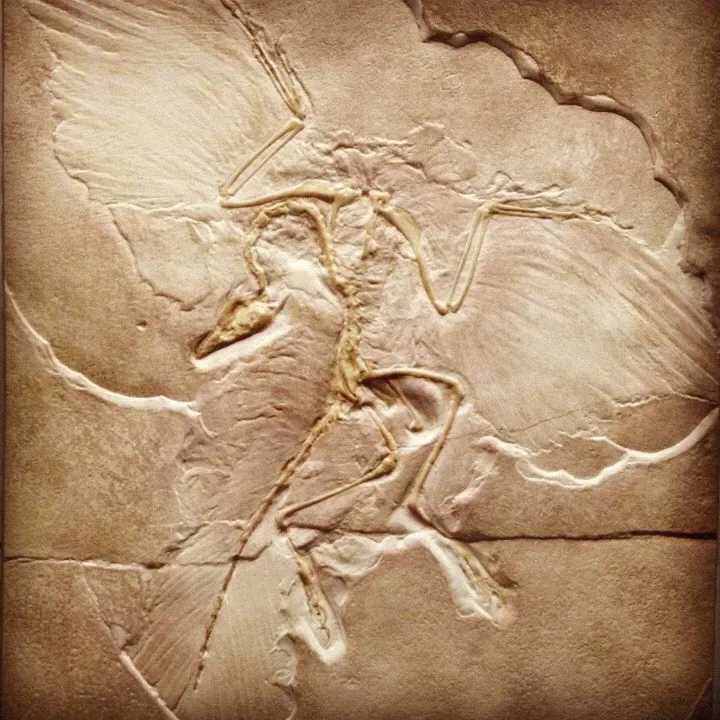
When you look at Archaeopteryx, you’re staring right into one of the biggest battlegrounds in paleontology: is it a bird, a dinosaur, or something in between? You see a small, crow‑sized creature with feathers and wings, but also teeth, claws on its wings, and a long bony tail – a mix that has fueled arguments since the 1860s. For more than a hundred years, people have used this fossil as a key piece of evidence either to support evolution or to question how neat that evolutionary story really is.
In the last few years, detailed CT scans and new specimens have only cranked up the drama. You now see evidence of asymmetric flight feathers, features in the skull that suggest a mobile tongue and advanced food handling, and even hints of early flight adaptation more like modern birds than some non‑flying dinosaurs. Yet some researchers push back, warning you not to over‑interpret every tiny bone and calling for caution about how directly Archaeopteryx leads to today’s birds. You end up witnessing a living debate about what “first bird” actually means and how messy evolution really looks in the fossil record.
2. Liaoning’s Feathered Dinosaurs That Forced You to Rethink What a Dinosaur Looks Like
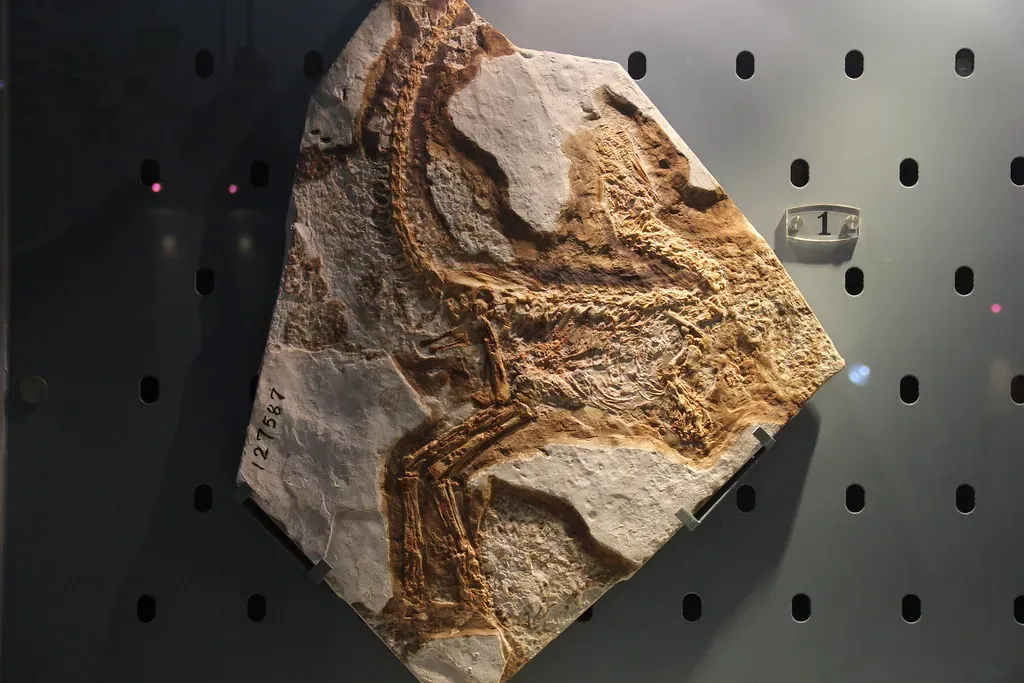
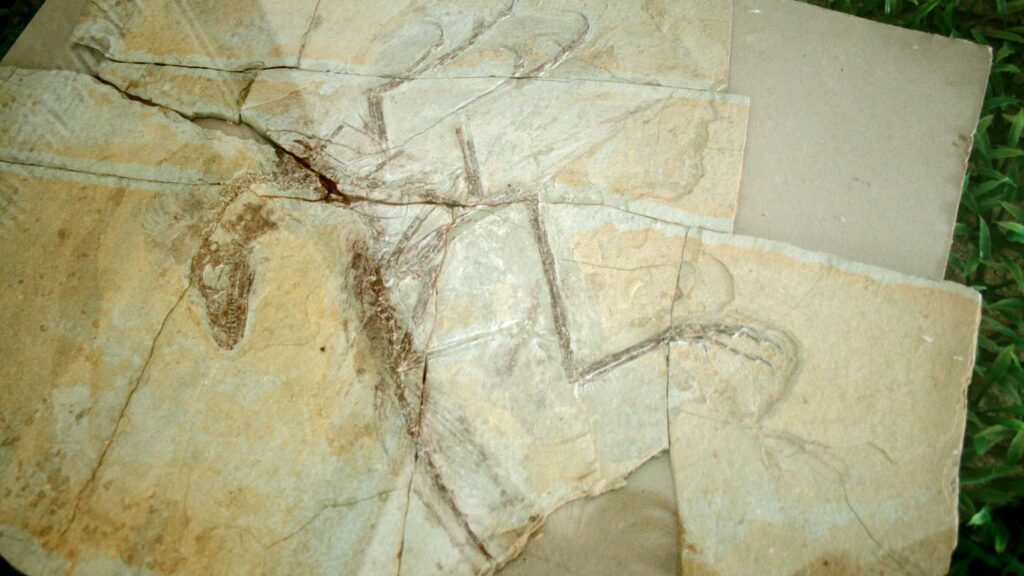
If you grew up imagining dinosaurs as giant scaly reptiles, the fossils from China’s Liaoning Province hit you like a plot twist. Starting in the 1990s, farmers and scientists unearthed small theropods such as Sinosauropteryx, Microraptor, and others with clear feather impressions around their bodies. Instead of bare skin, you suddenly see filaments, tufts, and even complex, modern‑style feathers, turning the old stereotype completely upside down.
These discoveries force you to accept that feathers did not appear suddenly with birds; they were already widespread in non‑avian dinosaurs. You also watch debates break out over what those feathers were for: warmth, display, camouflage, early experiments in gliding, or all of the above. Even more provocatively, you now find that relatives of famous predators such as Velociraptor almost certainly had feathers too, which means your mental picture from the movies has to change. The Liaoning fossils pull you into a new reality where dinosaurs look a lot more like oversized, sometimes terrifying, birds.
3. Yutyrannus, the Giant Feathered Tyrant That Shook Up T. rex’s Image
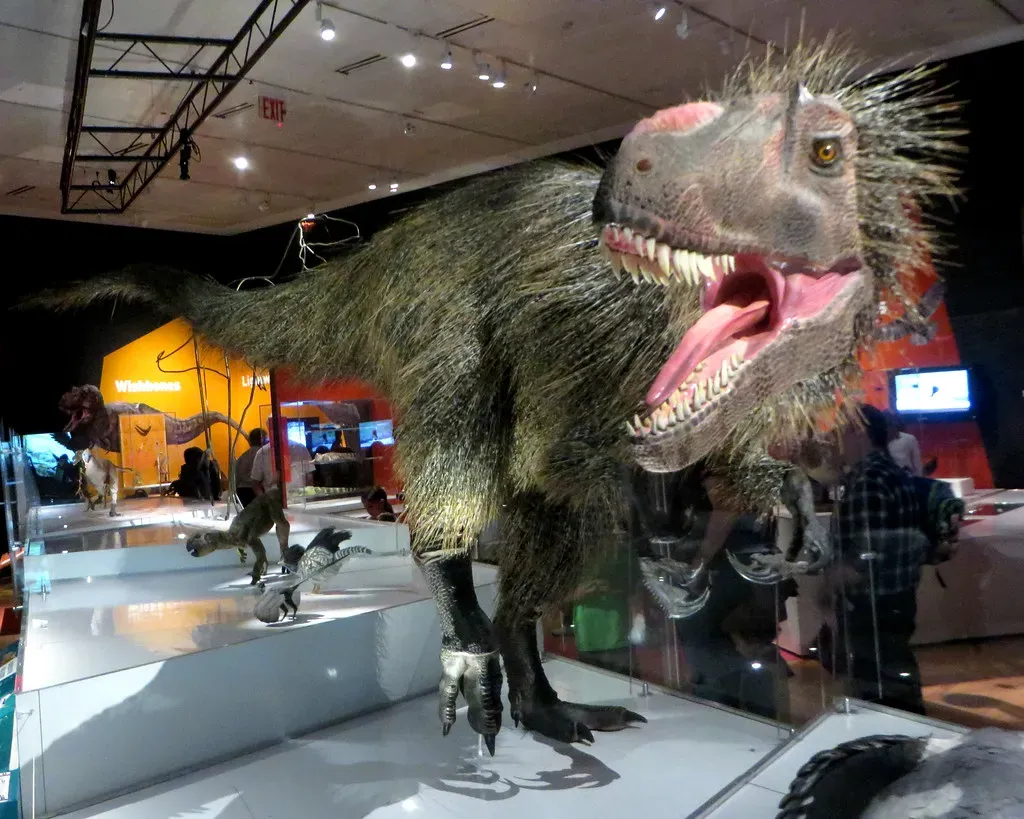
For years, you might have heard that if a dinosaur had feathers, it was probably small and lightweight. Then Yutyrannus showed up and blew that assumption to pieces. This massive predator from early Cretaceous China, a cousin of Tyrannosaurus rex, reached roughly bus‑size proportions and still carried clear evidence of long, filamentous feathers along its body. Suddenly, you had to imagine a one‑ton, shaggy, possibly fluffy carnivore stalking through a cool climate.
This fossil pushed you to reconsider the whole tyrannosaur family. If a large, earlier tyrannosaur sported feathers, it became harder to insist that the famous T. rex was purely scaly. You also saw new questions erupt: were these feathers mostly for temperature control in cooler environments, for display to rivals and mates, or something else entirely? Yutyrannus turned what seemed like a niche detail into a central talking point about how giant predators kept warm, communicated, and evolved, and it left you wondering how many of your favorite movie monsters are visually out of date.
4. Dakota the Dinosaur “Mummy” and the Race to Understand Fossilized Soft Tissues
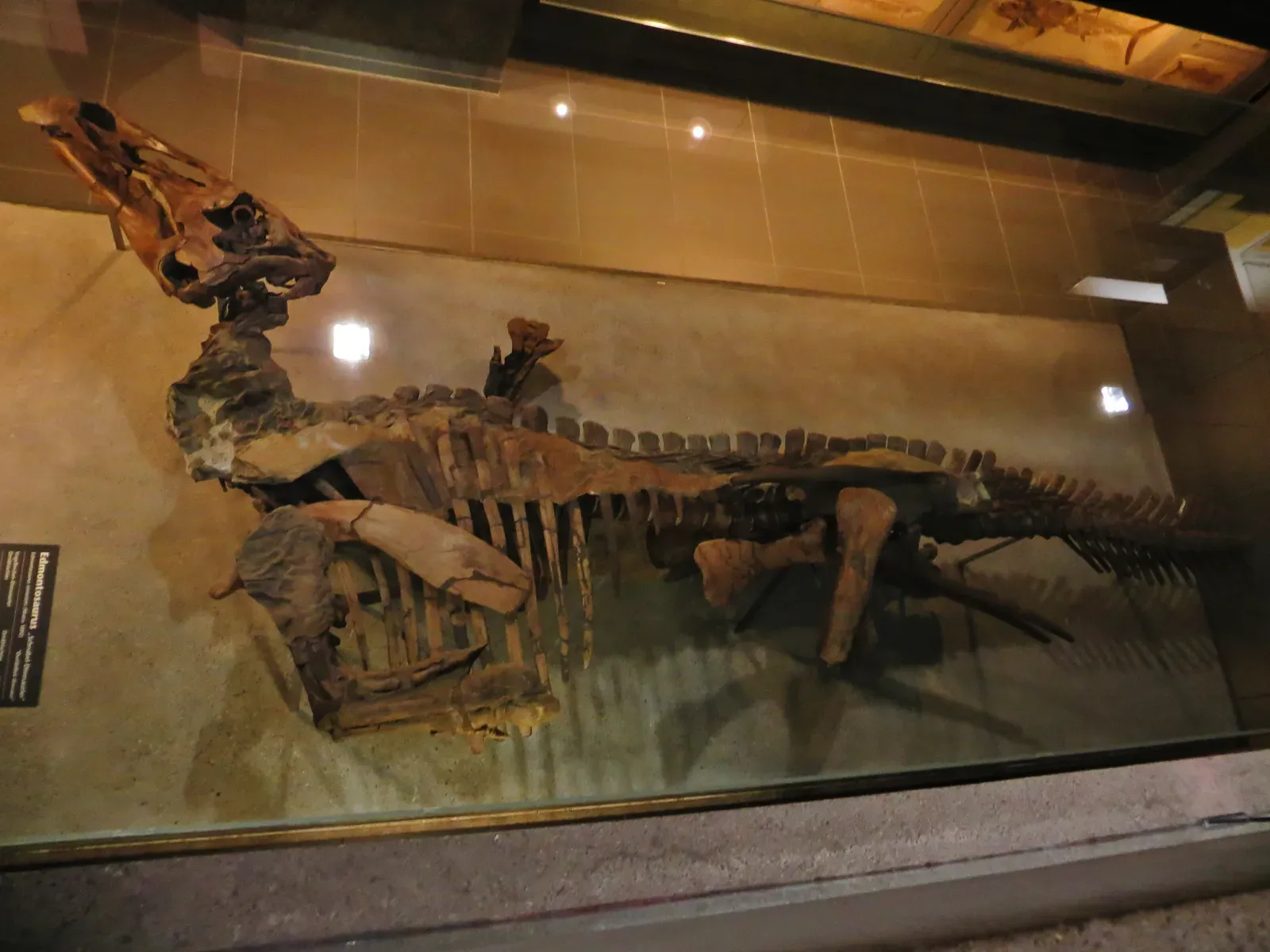
When you first hear about Dakota, a hadrosaur fossil from North Dakota, it sounds like a marketing gimmick: a dinosaur “mummy.” Then you see why researchers chose that word. This specimen preserves not just bones but a collapsed envelope of skin, tendons, and other soft tissues, giving you something astonishingly close to the outer surface of a living dinosaur. Instead of a rough outline, you see scale textures, evidence of possible striping, and even clues about muscle bulk and limb shape.
The excitement does not end with the visuals. Studies of Dakota suggest that this animal was more muscular and faster than earlier reconstructions had implied, changing how you think about hadrosaurs as potential easy prey. Researchers have detected chemical signals that hint at degraded organic molecules, sparking heated debates over how much original material can truly survive tens of millions of years. Each time you read about Dakota, you feel that line between stone and once‑living tissue blur a little more, and with it, the possibility of learning unexpected details about dinosaur biology.
5. Soft Tissue Claims in T. rex Bones and the Chemistry Controversy
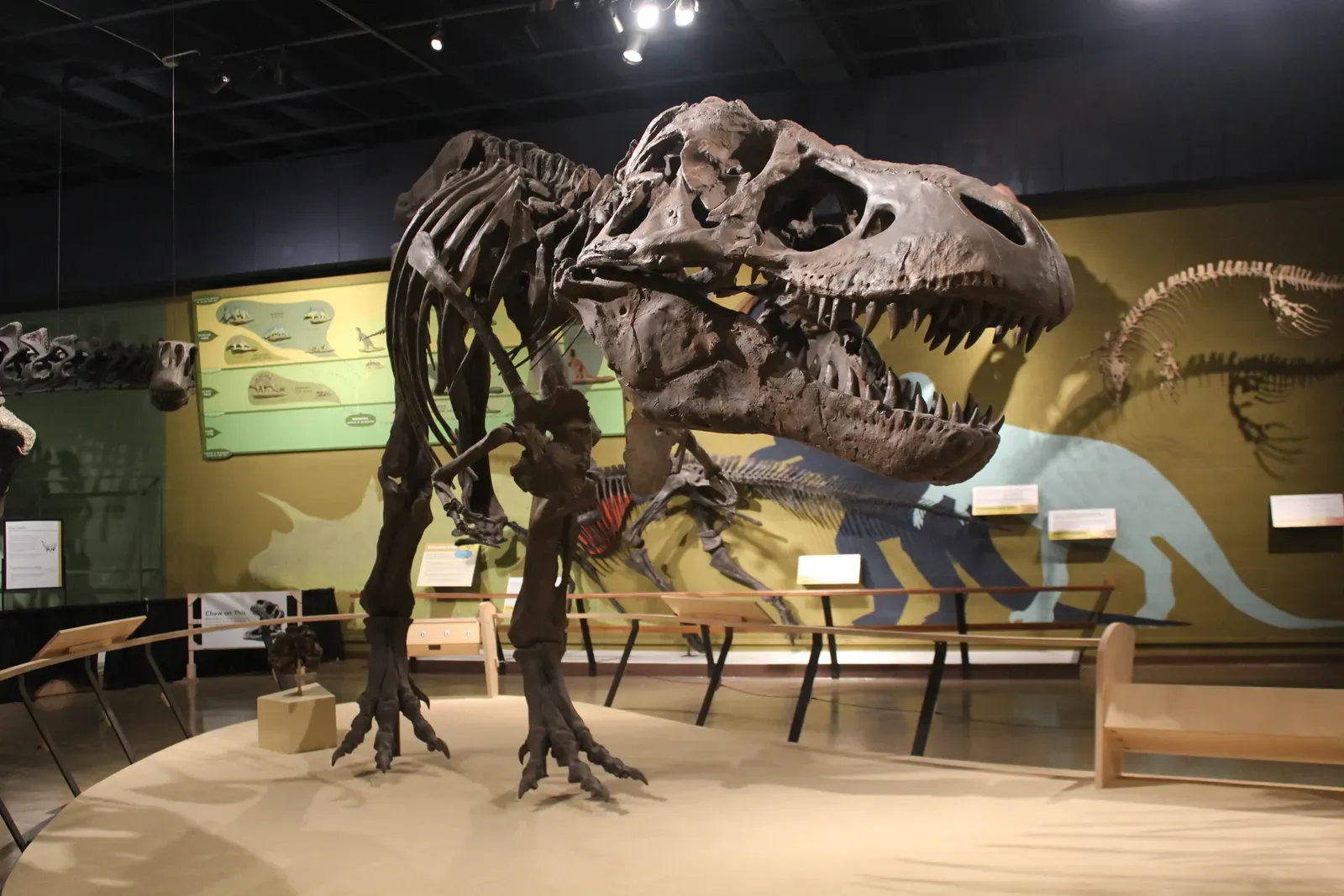
Few discoveries have stirred as much public fascination – and skepticism – as reports of soft, elastic structures in Tyrannosaurus rex bones. When researchers described blood‑vessel‑like tubes, cell‑shaped structures, and possible protein fragments in a T. rex femur, you were invited into a discussion that sounded almost impossible at first glance. How could anything resembling original tissue survive roughly sixty‑six million years underground?
The scientific back‑and‑forth pulled you into the nitty‑gritty world of fossil chemistry. Some studies supported the idea that fragments of collagen and other molecules might persist, stabilized by iron and mineralization, while critics suggested that bacterial biofilms or modern contamination could mimic true tissue. As more analyses rolled in, including work on other dinosaur specimens, you watched a new field of “molecular paleontology” take shape in real time. The argument is far from settled in every detail, but the core message to you is clear: fossils may preserve more of an animal’s original biology than anyone dared to hope a few decades ago.
6. Nanotyrannus and the Fight Over Whether It’s Just a Teenage T. rex
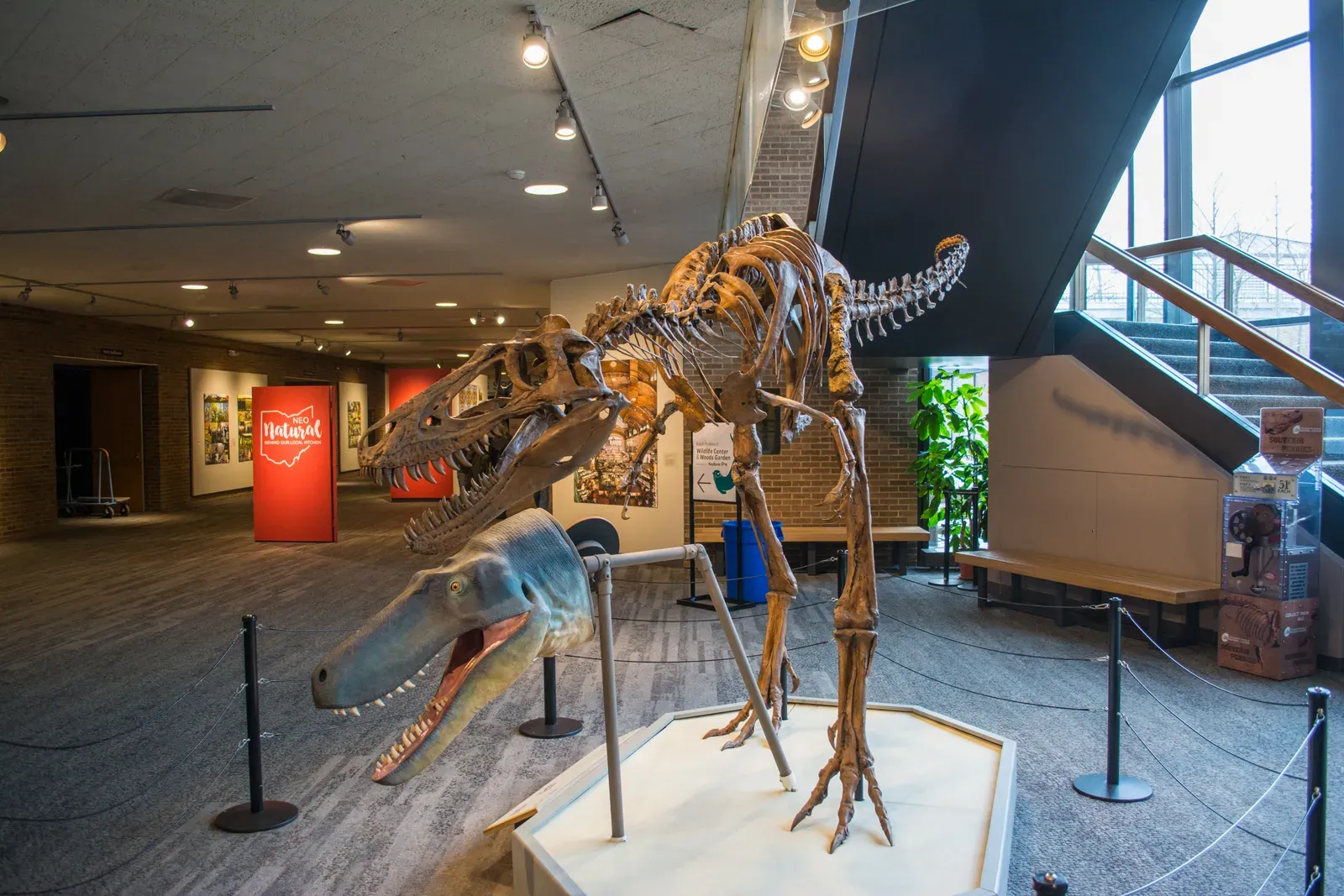
You know that teenagers can be hard to classify, and Nanotyrannus is the dinosaur version of that problem. For years, paleontologists argued over whether small, slender tyrannosaur skulls belonged to a separate species called Nanotyrannus or were simply juveniles of Tyrannosaurus rex. You could watch this dispute turn almost personal, with passionate papers on both sides dissecting tooth counts, skull shapes, and growth patterns in microscopic detail.
Recently, new work on the spectacular “Dueling Dinosaurs” fossil from Montana – a tyrannosaur intertwined with a Triceratops – has added fresh fuel to the debate. Detailed study of bone growth rings and anatomy suggests this animal was nearly fully grown yet far smaller and more lightly built than a mature T. rex, pushing several researchers to support Nanotyrannus as its own species. Others remain cautious or unconvinced, proposing that it might be a closely related cousin rather than something totally distinct. For you, this ongoing clash is a vivid reminder that even with high‑tech tools and famous fossils, the basics of “how many species lived here” can still be surprisingly hard to nail down.
7. The Dueling Dinosaurs Fossil and Its Explosive Scientific Potential
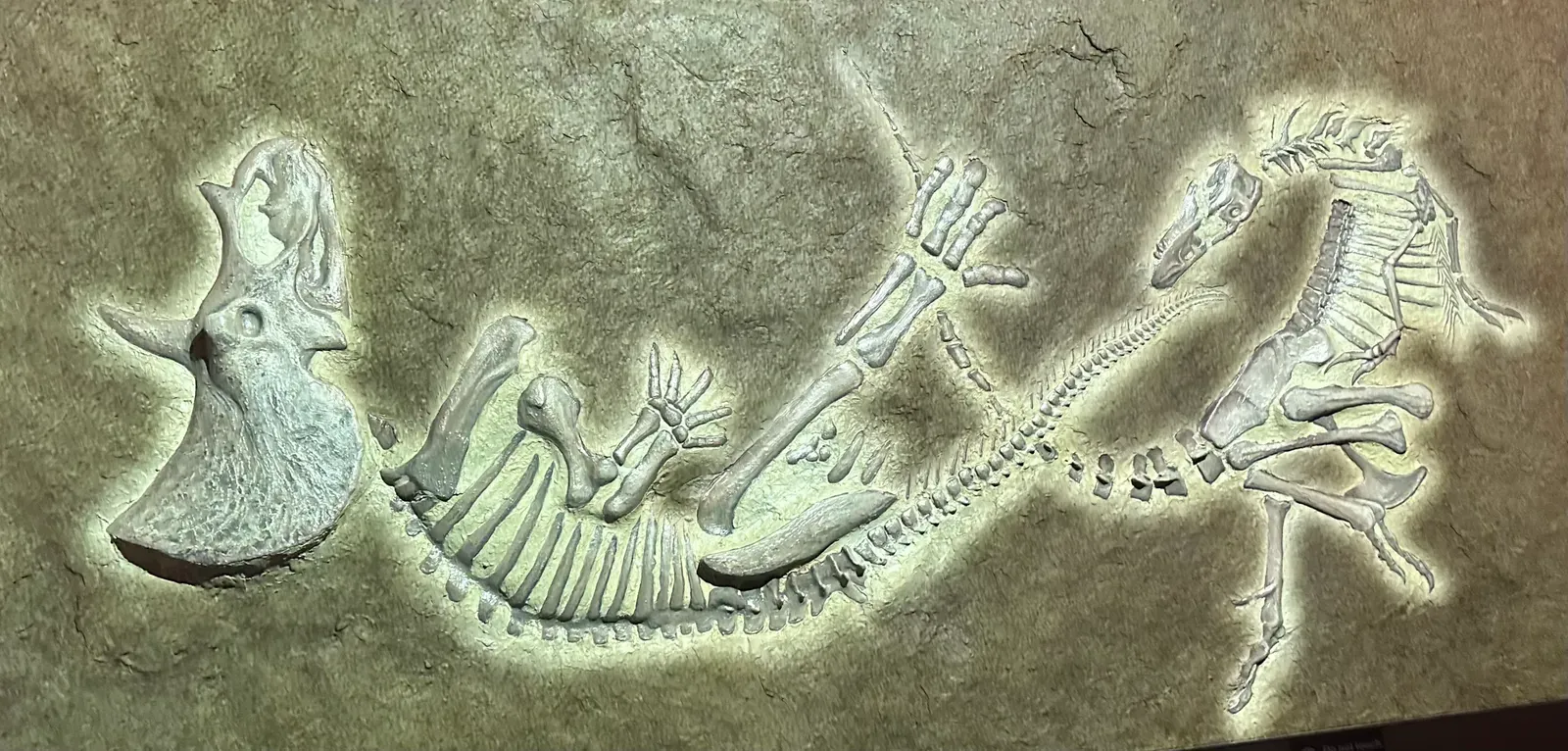
The “Dueling Dinosaurs” fossil is one of those discoveries that seems almost too cinematic to be real: a tyrannosaur and a Triceratops locked together in death, preserved in three‑dimensional detail. When you hear that this specimen sat in legal and ownership limbo for years before finally reaching a public museum, you realize how much science can be delayed by human disputes. Now that researchers can fully study it, you’re watching a flood of new data pour out about behavior, anatomy, and growth.
For you, the most thrilling part is how many big questions this single block of stone can address simultaneously. It offers new evidence on the Nanotyrannus debate, shows you exceptionally preserved bones and potential soft tissue microstructures, and provides clues about how these two dinosaurs might have interacted in life. Was this truly a snapshot of a deadly fight, or did two bodies just happen to be buried together? You get to follow the unfolding detective story in journals and museum exhibits, with researchers openly revising their interpretations as more of the fossil is scanned and prepared.
8. The Hell Creek Formation and the Question of How Dinosaurs Actually Died Out
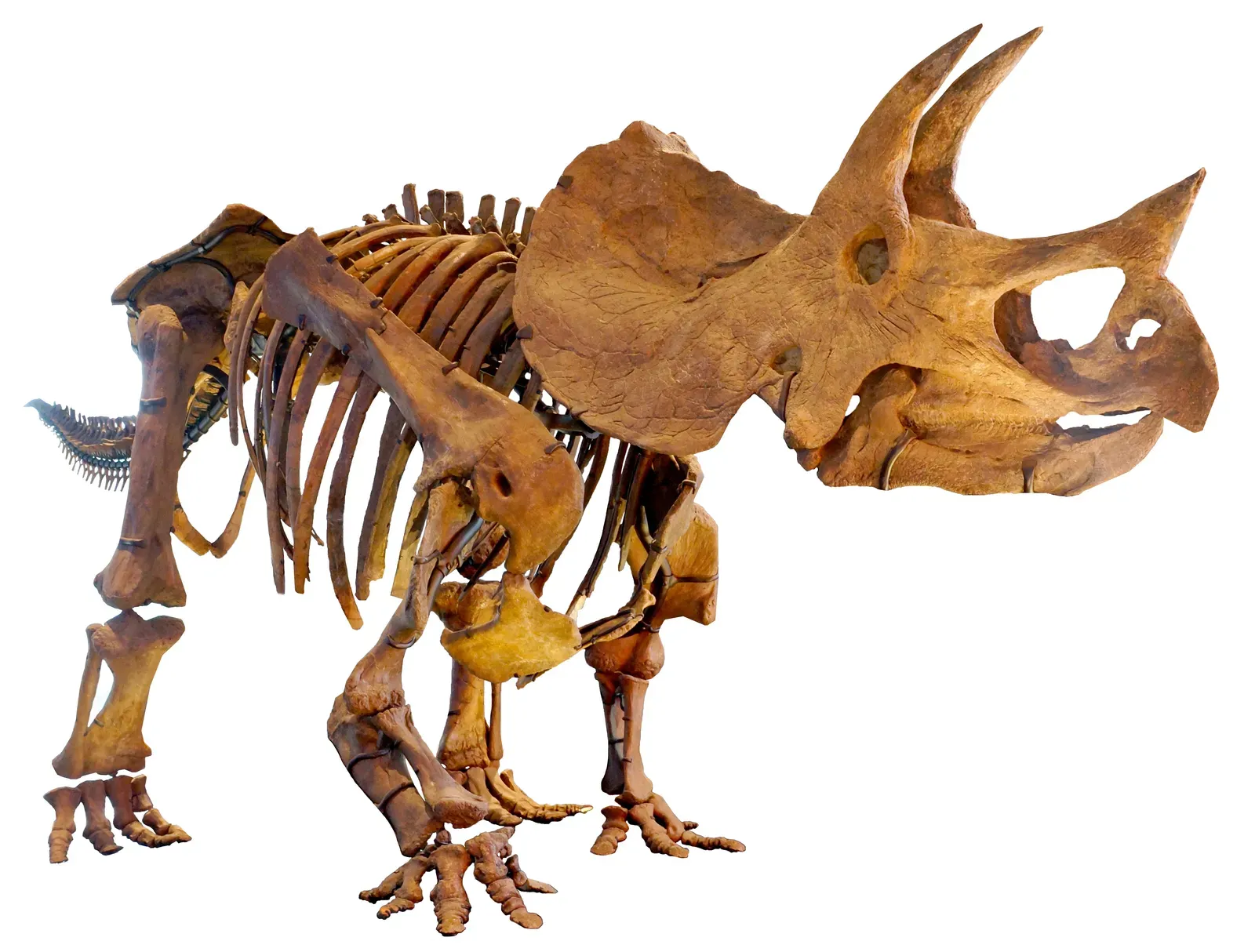
When you hear about dinosaur extinction, it’s easy to picture a single apocalyptic moment. The rocks of the Hell Creek Formation in the United States tell you a more nuanced story. This late Cretaceous deposit, famous for T. rex and Triceratops, preserves an ecosystem leading right up to the boundary layer marked by the asteroid impact. As teams collect more fossils and analyze changes in species over time, they invite you into a debate over whether dinosaurs were already declining or still thriving before disaster struck.
Some studies suggest a drop in diversity among large herbivores, while others argue that sampling bias and incomplete records can mislead you into seeing patterns that are not really there. On top of that, evidence of volcanic activity, climate shifts, and sea‑level changes complicates any simple “asteroid did everything” narrative. You’re left with a more complex picture in which multiple stresses likely set the stage, and the impact delivered the final blow. Instead of a clean, movie‑style ending, you get a drawn‑out, data‑driven argument that continues to evolve as new sites and fossils are uncovered.
9. Dinosaur Color from Fossil Pigments and What It Means for Behavior
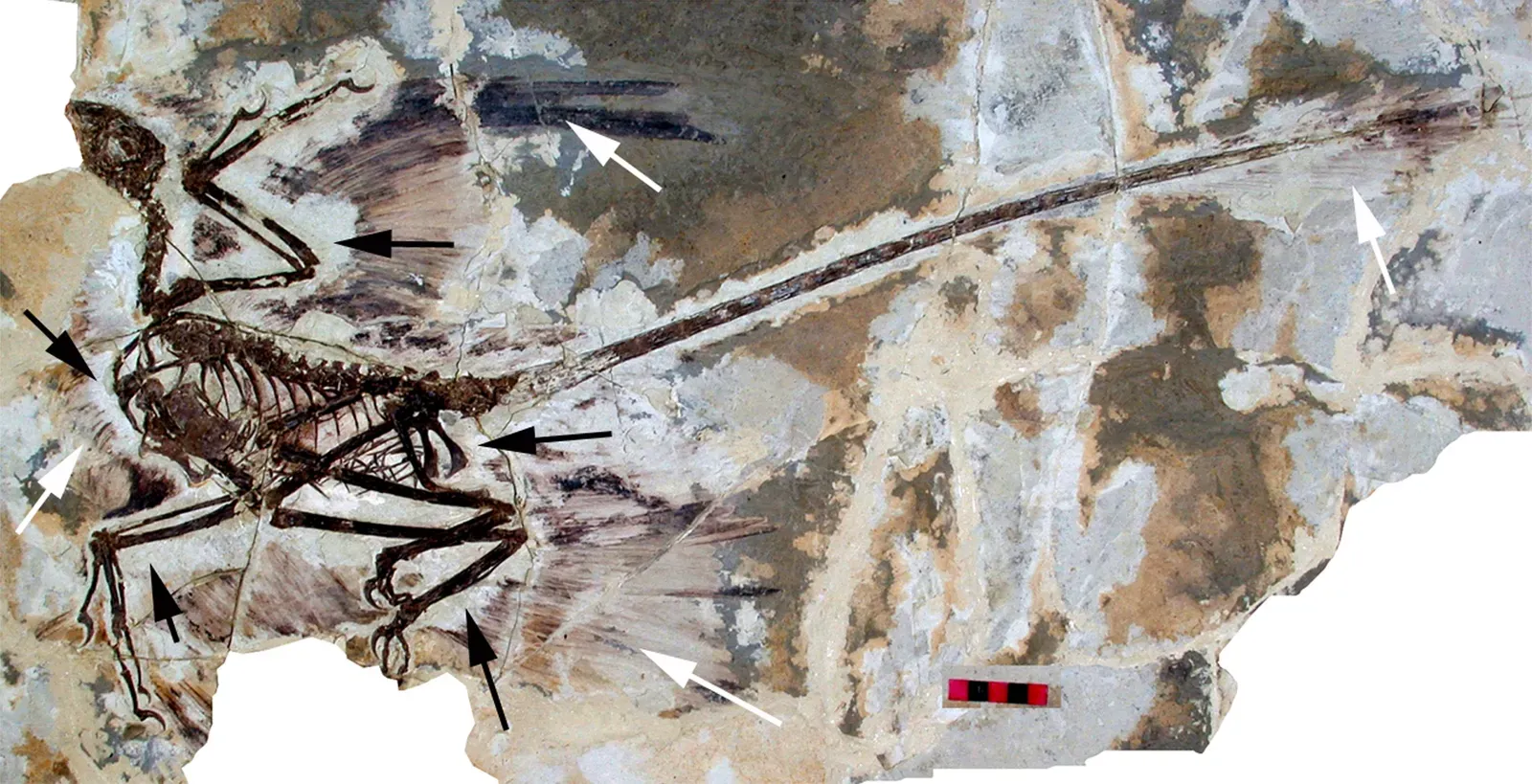
Not long ago, if you tried to imagine dinosaur colors, you were guessing in the dark. Then scientists began identifying fossilized structures interpreted as melanosomes – pigment‑carrying bodies – in the feathers and skin of some dinosaurs. By comparing their shapes and patterns to those in modern birds, researchers proposed that certain dinosaurs had banded tails, dark backs, or contrasting patterns, pulling you closer than ever to seeing them as living animals instead of stone outlines.
This leap, however, came with fresh controversy that you have to take seriously. Some experts question how confidently you can match fossil pigment structures to exact colors, given that burial, decay, and mineralization can alter them. Others warn about over‑simplifying behavior from color alone, like assuming a striped tail always meant display rather than camouflage. Even so, the core idea that you can now talk about dinosaur coloration based on physical evidence rather than pure imagination is revolutionary. It changes how you picture them in your mind’s eye, museums adjust their reconstructions, and artists suddenly have a scientific foothold rather than a blank canvas.
10. New Feathered Species like Huadanosaurus That Keep Expanding the Family Tree
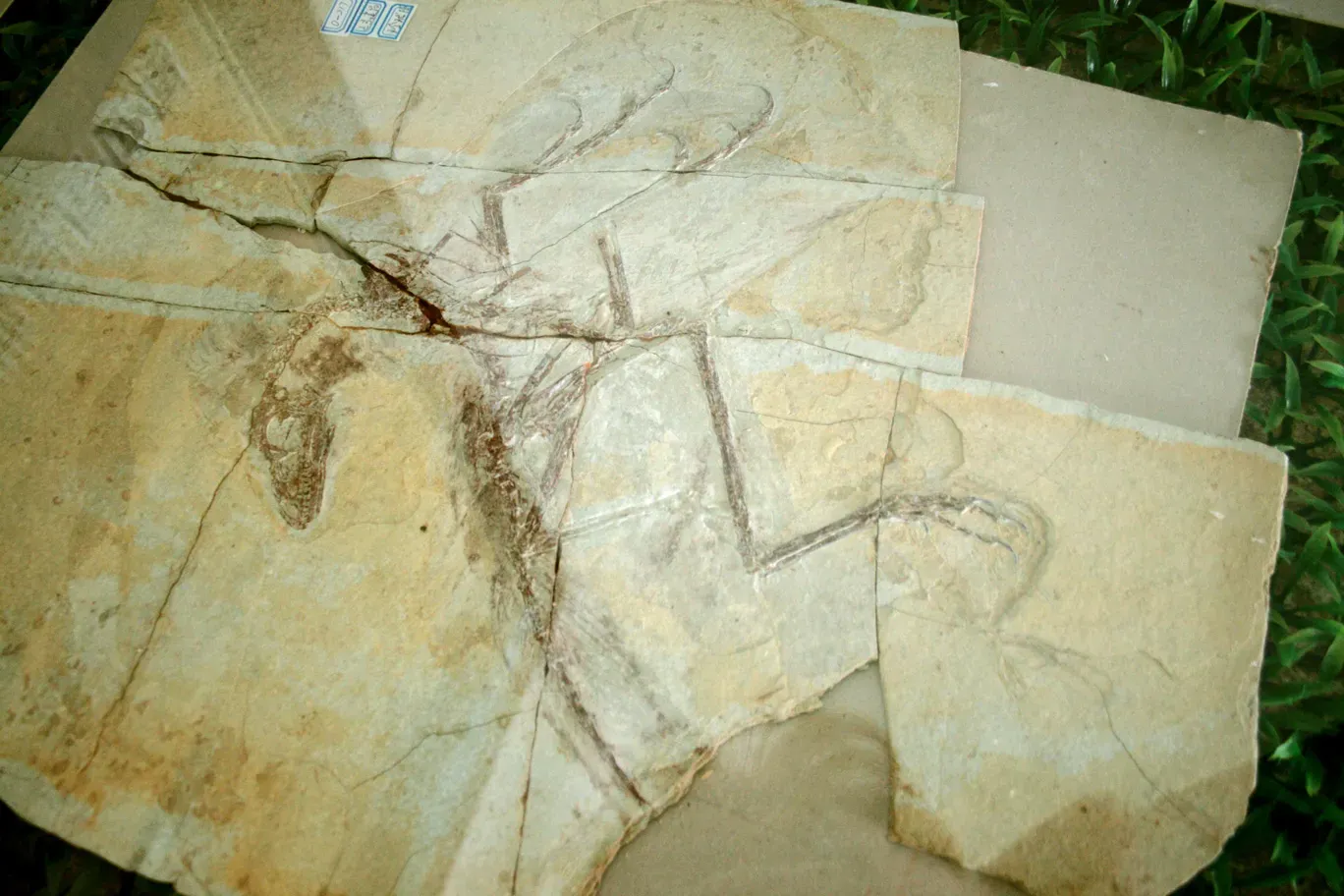
Just when you think the story of feathered dinosaurs has settled into a neat pattern, a new species pops up to complicate things again. Recently described fossils such as Huadanosaurus from the Yixian Formation add yet another small, feather‑bearing theropod to an already crowded cast. When you see photos and line drawings of these nearly complete skeletons with filamentous coverings, you realize that feathers were not a rare, experimental feature – they were common, diverse, and probably served many functions.
For you, the real impact is what these finds do to the dinosaur family tree. Each new species forces researchers to rerun evolutionary analyses and reassess which features are primitive and which are advanced. Traits like filamentous feathers, long tails, or particular limb proportions shuffle around the base of the bird lineage, challenging simple “ladder” models of evolution. You come away with a sense that you are looking at a dense, branching bush of related forms, not a tidy march from scaly carnivore to graceful bird, and that sense only deepens with every new fossil announced.
11. High‑Tech Scanning and Brain Studies That Change How Smart You Think Dinosaurs Were
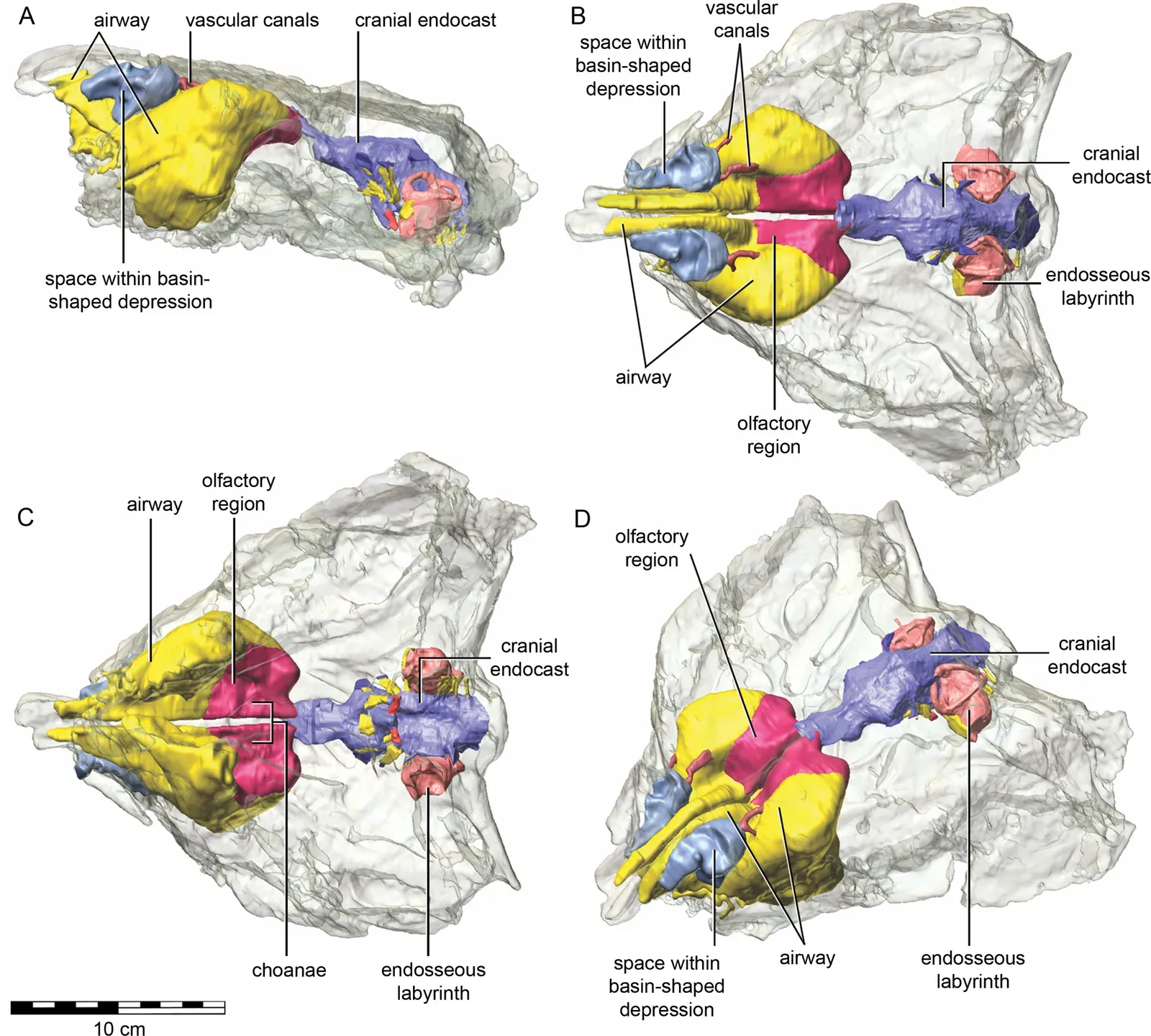
One of the quieter but equally explosive revolutions in dinosaur science comes from CT scans and digital reconstructions of skulls. By peering into the internal cavities where brains and sensory organs once sat, researchers can estimate brain size, hearing sensitivity, balance, and even smell in various species. When you see these 3D models, you start to realize that some dinosaurs – especially small theropods and early birds – had relatively large brains and sophisticated sensory systems, far from the dull, sluggish caricatures of older documentaries.
This new knowledge sparks deep debates about behavior and intelligence that you can follow almost like a serialized story. Were certain raptors pack‑hunters with coordinated tactics, or mostly solitary predators with sharp senses but limited cooperation? How did early birds balance the high energy demands of flight with brainpower and sensory needs? As studies compare brain structure estimates across different groups, you’re invited to rethink which dinosaurs might have been problem‑solvers, social strategists, or fast‑learning survivors. The more detail the scans reveal, the more you feel that you are not just looking at bones, but at the minds that once animated them.
In the end, each of these discoveries pulls you a little further away from the cartoon vision of dinosaurs and closer to a world of feathered, sometimes fuzzy, often complex animals living in dynamic ecosystems. You see that science does not move in straight lines; it lurches, argues, and occasionally flips its own script when new evidence demands it. The real thrill for you is knowing that the next fossil pulled from a hillside might once again force everyone to redraw the past from scratch.