
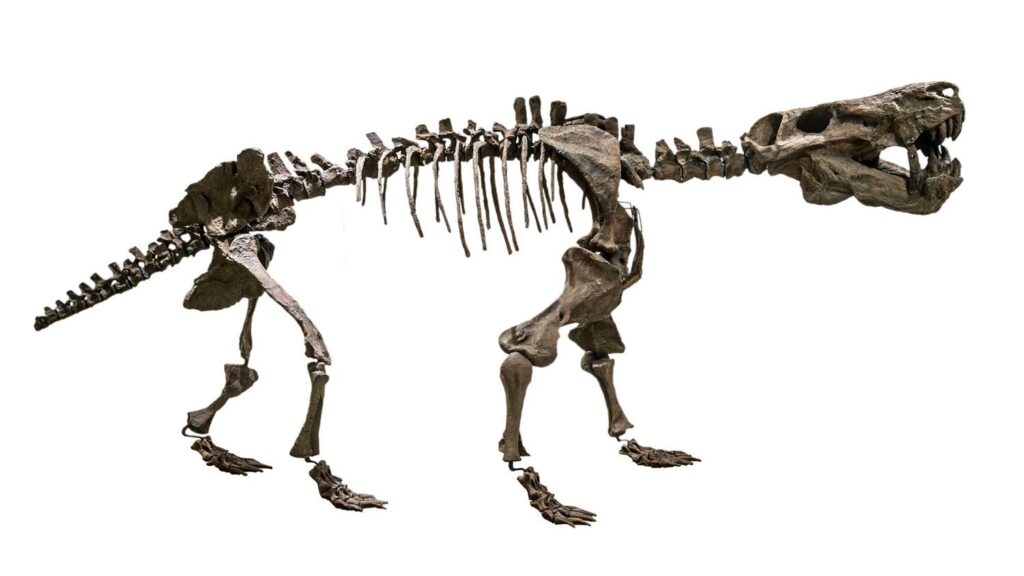
When you picture prehistoric life, chances are your mind jumps straight to T. rex crashing through a forest or a long-necked Brachiosaurus stretching toward the treetops. That’s understandable. Dinosaurs have dominated pop culture for generations, and honestly, they’ve become the mascots of all things ancient and wild. But here’s the thing – they were not the only extraordinary creatures to ever stalk this planet.
After the emergence of the first true animals around 700 million years ago, evolution ran amok, creating countless bizarre groups before the dinosaurs finally arrived 450 million years later. The creatures that came before, alongside, and after dinosaurs were often just as jaw-dropping. Some were, if you ask me, even more fascinating. Get ready, because what you’re about to discover might just rewrite everything you thought you knew about prehistoric life.
The World Before Dinosaurs Was Already Unrecognizably Strange
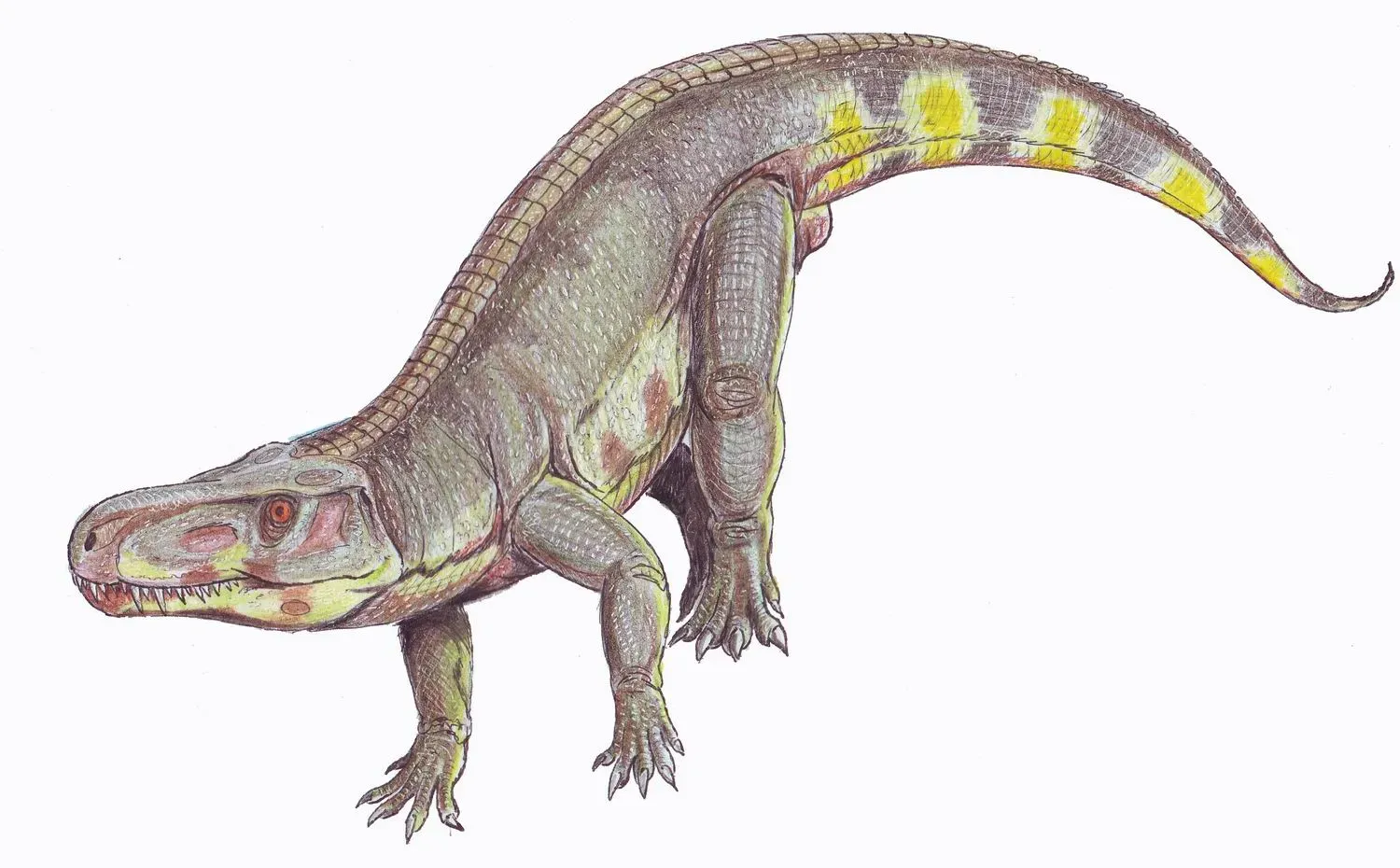
Most people assume life was somehow smaller or simpler before the age of dinosaurs. Nothing could be further from the truth. This was a world without grass, without flowers – a world that was, for a time, dominated by a single supercontinent surrounded by a vast ocean. Life was experimenting wildly, throwing shapes and sizes at the wall to see what stuck.
For the general public, the word “dinosaur” is often used as a catch-all term to describe any sort of reptilian creature no longer living and hailing from the vaguely distant past. This is unfortunate, because dinosaurs are actually a very specific group of animals that share the same evolved traits. Think of it like calling every large cat a lion. The deeper you look, the more astounding the variety becomes.
Anomalocaris: The Ocean’s First Nightmare
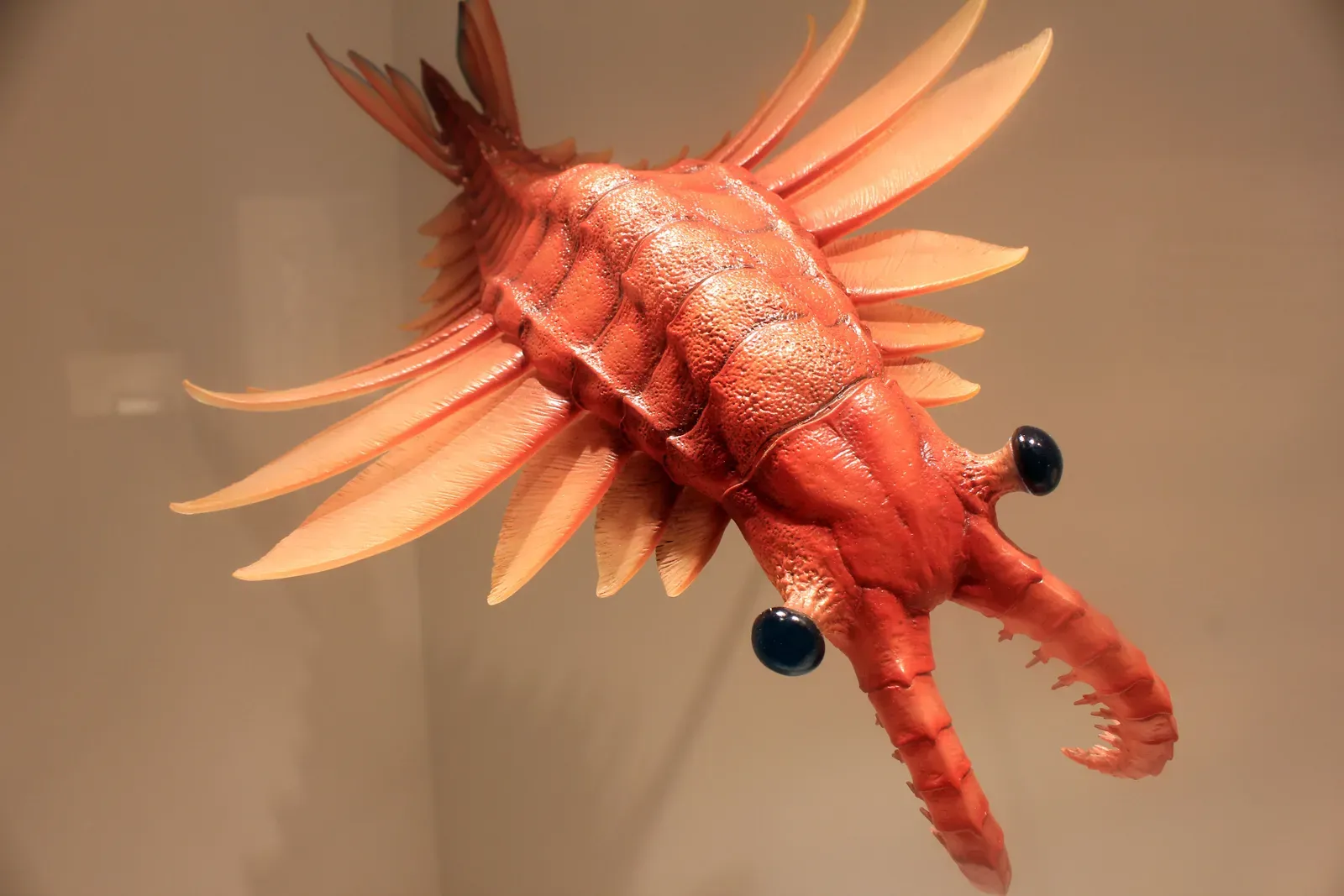
More than half a billion years ago, the world’s oceans were stalked by a soft-bodied predator that looked unlike anything alive today. This bizarre-looking animal was Anomalocaris, or “unusual shrimp,” and is widely regarded as the world’s first apex predator – the killer whale of its day. Anomalocaris was the largest hunter of the Cambrian period, measuring up to a metre in length from its grasping, frontal appendages to the tips of its tail fans.
Anomalocaris had a bizarre appearance by today’s standards – with large compound eyes, a circular mouth full of sharp plates, and two large front appendages perfect for grabbing prey. Its name means “abnormal shrimp” because early fossils were initially misidentified. This creature swam using fin-like flaps along its body and could likely move with impressive speed to chase down smaller creatures. I think that if this thing existed today, no one would believe it was real. It looks like something a science fiction writer invented after too much coffee.
Dimetrodon: Your Distant, Sail-Backed Cousin
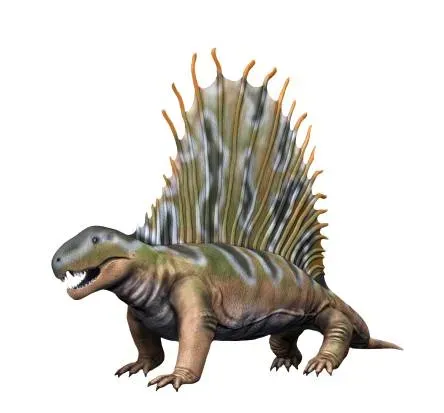
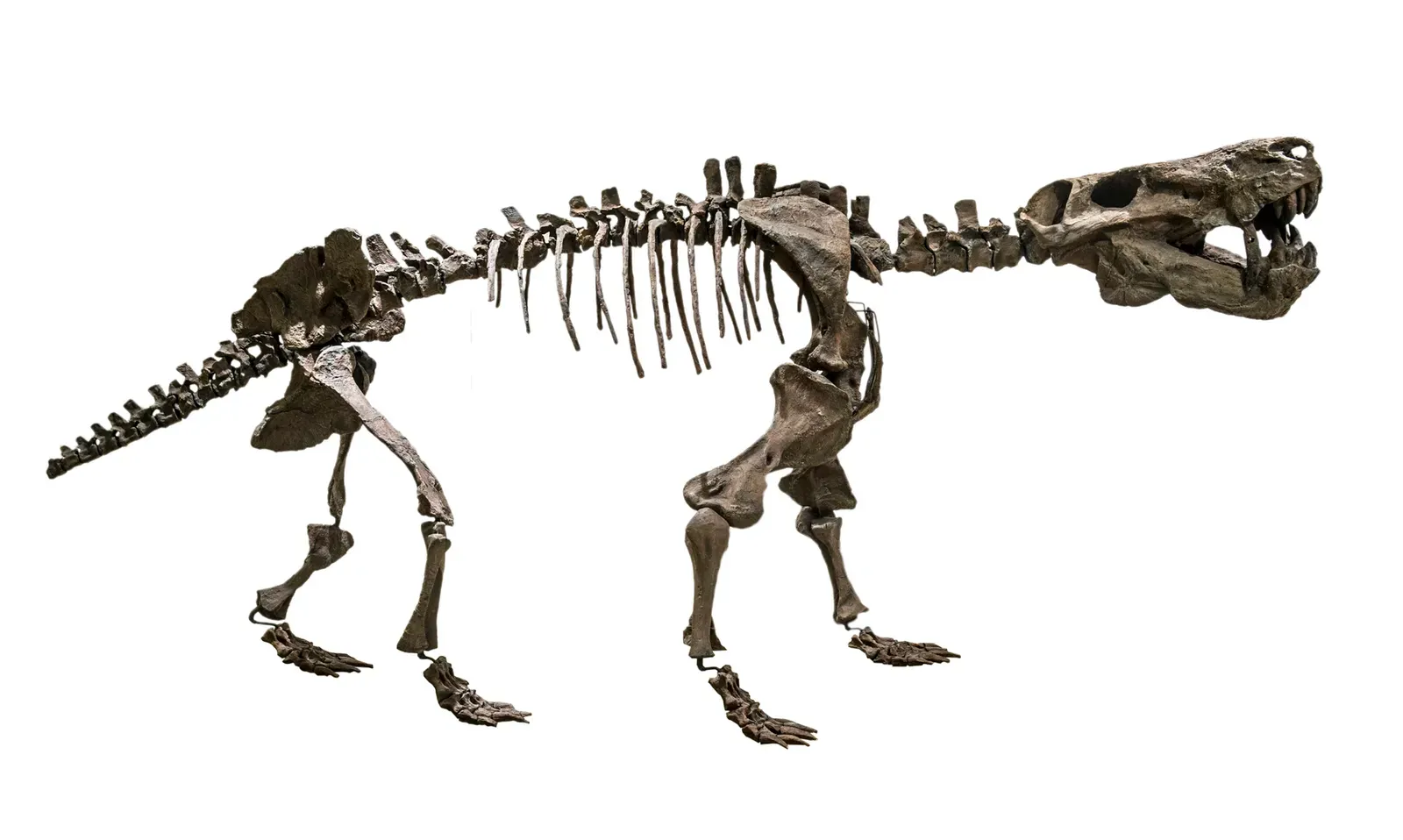
Dimetrodon is often mistaken for a dinosaur or portrayed as a contemporary of dinosaurs in popular culture, but it became extinct by the middle Permian, some 40 million years before the appearance of dinosaurs. That’s a staggering gap in time. To put it in perspective, that’s roughly twice the length of the entire dinosaur era itself. Yet somehow you’ll still find Dimetrodon toys sold right next to T. rex in toy stores. Go figure.
Dimetrodon is an early member of a group called synapsids, which include mammals and many of their extinct relatives. It is often mistaken for a dinosaur in popular culture, despite having become extinct some 40 million years before the first appearance of dinosaurs in the Triassic period. As a synapsid, Dimetrodon is more closely related to mammals than to dinosaurs or any living reptile. That’s right – this sail-backed predator is technically more your cousin than T. rex ever was.
The Giant Sea Scorpions That Ruled Before Fish Took Over
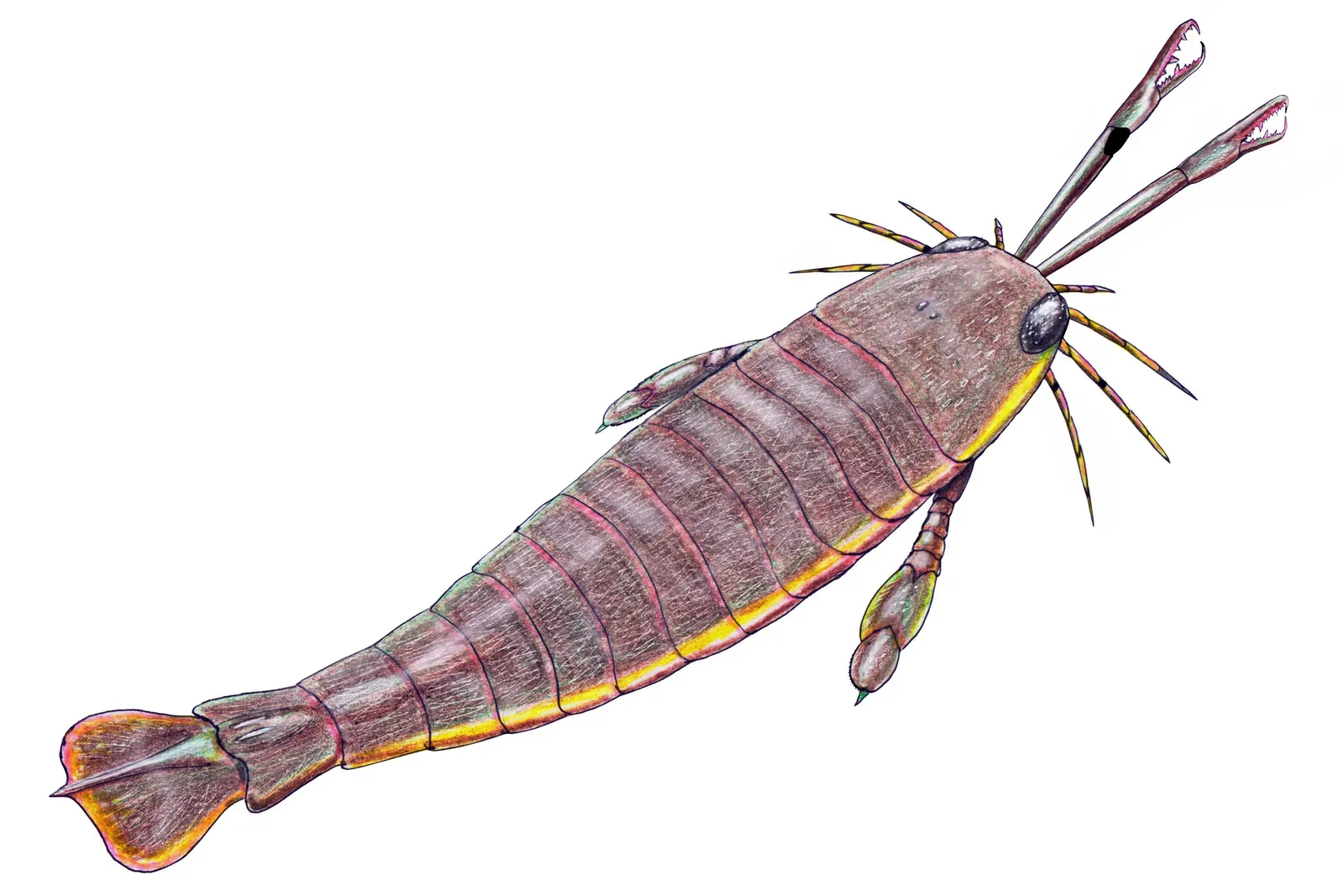
The biggest arthropods – the group that contains insects, spiders, crabs, and lobsters – that ever existed were eight-foot sea scorpions called eurypterids. Eight feet. That’s the height of a professional basketball player, waving claws at you from the seafloor. Let’s be real – there is nothing in the modern ocean that quite prepares you for imagining that.
Jaekelopterus had segmented bodies with multiple specialized limbs, some with spikes. They had spring-loaded claws to snatch up fish as they passed by, with the largest having an 18-inch spiked claw. Smaller sea scorpions are known to have crawled ashore to mate and even shed their outer skin. Imagine finding the molt of one of these monsters on the shore just before going swimming. Terrifying, to say the least.
Titanoboa: The Snake That Swallowed the World
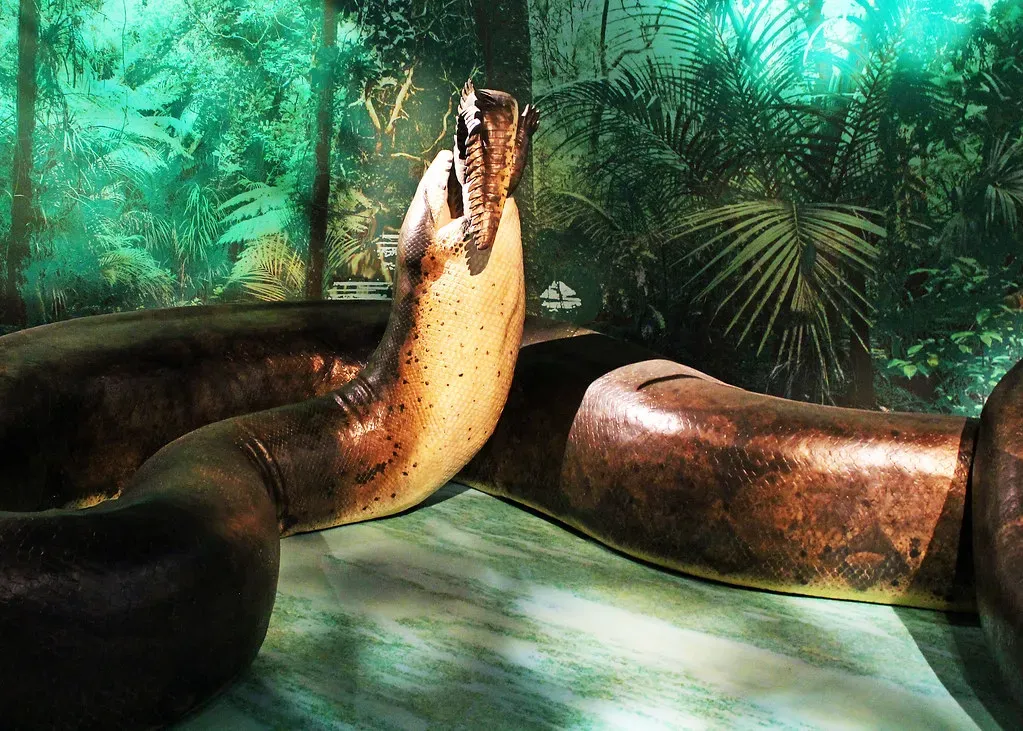
Slithering through the ancient rainforests of South America about 60 million years ago, Titanoboa was the largest snake ever discovered. At up to 50 feet long and weighing over a ton, this massive serpent makes today’s anacondas look tiny by comparison. Living after the dinosaurs went extinct, Titanoboa thrived in the hot, humid climate of prehistoric Colombia. It’s almost comforting to know that something this big can’t currently be lurking in any river you plan to visit.
Titanoboa is simultaneously the largest, heaviest, and longest snake known to man. Appearing during the Paleocene age just after the extinction of dinosaurs, Titanoboa was so muscular it crushed its gigantic prey to death with massive force. Its discovery was especially important as it showed Earth’s tropical areas were likely warmer than previously expected. In other words, this enormous snake didn’t just tell us something wild about prehistoric life – it told us something important about ancient climate too.
Megalodon: The Ocean Predator That Makes Great Whites Look Like Goldfish
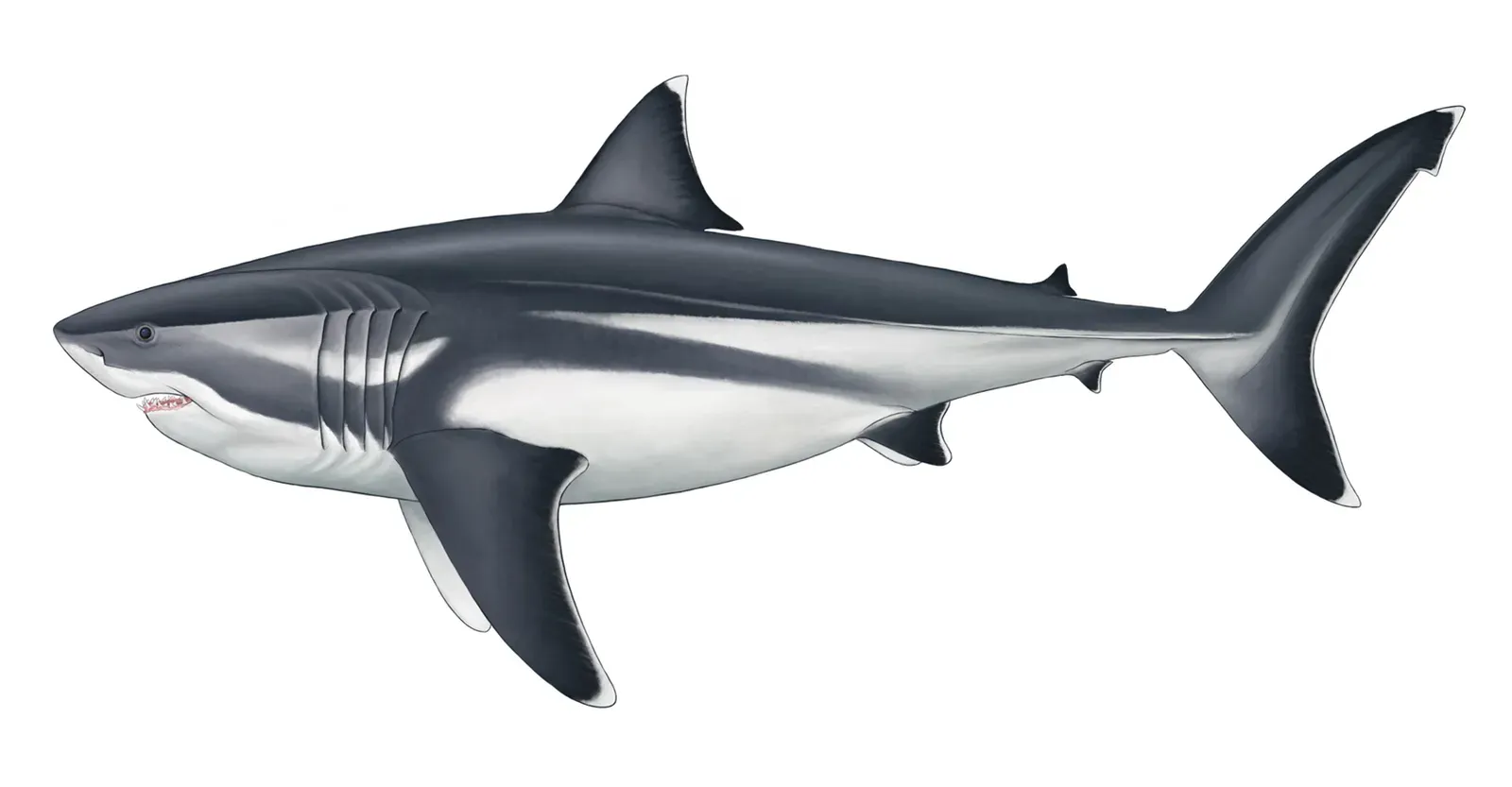
Imagine a shark the size of a school bus with teeth bigger than your hand. Megalodon ruled the ancient oceans between 23 and 3.6 million years ago, long after dinosaurs disappeared. These massive predators could grow up to 60 feet long and had jaws powerful enough to crush a whale’s skull. Scientists estimate they needed to eat about 2,500 pounds of food daily just to sustain themselves.
The largest predator of the prehistoric world wasn’t a dinosaur or even a marine reptile. Carcharodon megalodon is a possible ancestor of modern great white sharks, and for 20 million years they sat atop the ocean’s food chain. Based on their 7-inch teeth, paleontologists imagine the leviathans growing from 43 to 82 feet long. Like today’s sharks, they had cartilaginous bodies, so all that remains of the extinct creatures are teeth and some vertebrae. It’s hard to say for sure exactly how large the biggest individuals got, but even the conservative estimates are deeply unsettling.
Megatherium: The Giant Ground Sloth Nobody Talks About
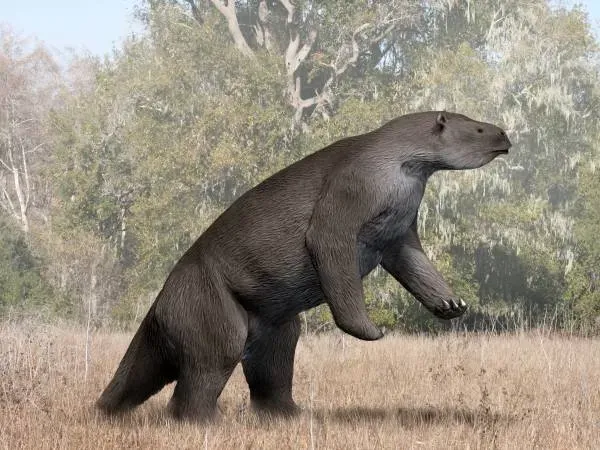
Megatherium was a pretty large mammal. It was actually a giant ground sloth related to modern sloths. An inhabitant of South America during the Quaternary period, an adult standing on its hind legs could reach a height of 20 feet. That’s roughly as tall as a two-story house. The modern sloth, which famously sleeps most of the day and moves at an almost laughably slow pace, had an ancestor that could look over your roof.
Megatherium was previously regarded as a slow tree ripper. Recent studies show that its great claws might have been used for stabbing and killing. If this was the purpose of its claws, it would make the giant sloth the largest predator of the South American plains. Honestly, the idea of a 20-foot sloth as an apex predator might be the most unexpectedly thrilling paleontological revision in recent memory.
Plesiosaurs and Pterosaurs: Famous Faces That Were Never Dinosaurs
Modern birds are technically dinosaurs, but the scaly creatures that took to the skies hundreds of millions of years ago weren’t. Pterosaurs are a group of flying reptiles distinct from the clade Dinosauria. Unlike birds, Pterodactylus, Quetzalcoatlus, and other pterosaurs relied on featherless wing membranes to achieve lift. They were the first vertebrates capable of flight, and with wingspans reaching 33 feet, they remain the biggest.
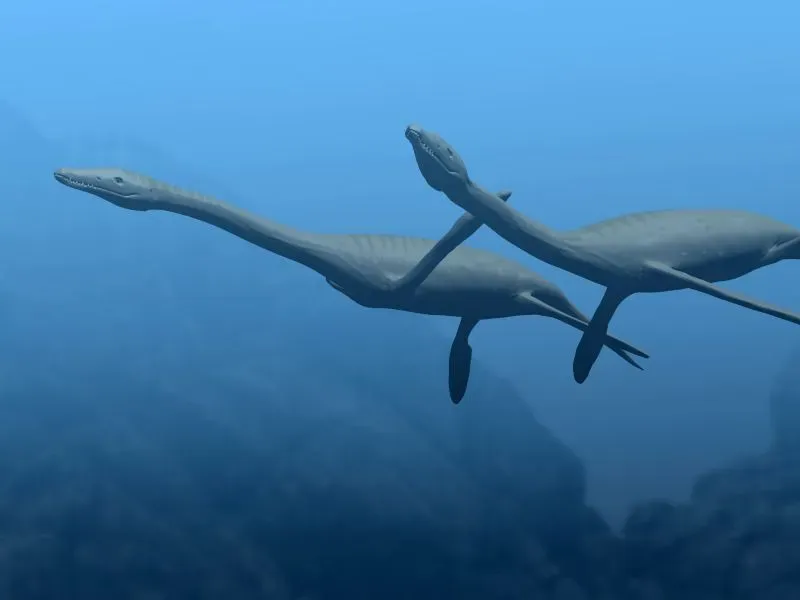
If there is a prehistoric monster living in Loch Ness, it’s not a dinosaur. Plesiosaurs, the clade of aquatic creatures famously tied to Nessie, are technically marine reptiles. The long-necked, flippered beasts occupied oceans until the mass extinction event at the end of the Cretaceous period, so they may have had run-ins with dinosaurs who explored the shore. Two of the most iconic prehistoric animals in global pop culture, and neither one was actually a dinosaur. Surprising, right?
Conclusion: The True Zoo of Ancient Earth
Dinosaurs deserve their fame – they were remarkable animals that dominated Earth for an extraordinary stretch of time. But they were, in the grand timeline of our planet, one spectacular chapter among many. The creatures covered here represent the jaw-dropping breadth of what life on Earth has produced across billions of years.
From the ocean’s first apex predator to a snake bigger than a school bus and a sloth that may have been a killing machine, ancient Earth was running wild with evolutionary experiments that no science fiction writer could fully capture. This list contains some of the world’s most awesome and strangest prehistoric animals, many of which were early relatives of familiar modern-day animals. The next time someone says “back when dinosaurs ruled the Earth,” you’ll know the full, far stranger picture.
The real question is this: which of these creatures do you think would have been the most terrifying to encounter face to face? Think about that for a moment – and let us know in the comments.