There is something almost magical about a dinosaur egg. It is not a bone, not a footprint, not a tooth. It is the earliest possible moment of an ancient life, frozen in stone. You might picture a simple round object buried in the dirt, but science has been quietly demolishing that image for years.
What researchers have uncovered goes far beyond a shell. Dinosaur eggs tell us about color, behavior, climate, parental love or its absence, and even the evolutionary roots of the birds singing outside your window right now. The story is much stranger, richer, and more emotionally resonant than anything a museum diorama has ever shown you. Buckle up, because what you are about to read will likely flip everything you thought you knew.
The First Egg Was Not What Anyone Expected
Here is the thing that stopped paleontologists cold: for well over a century, scientists confidently assumed that all dinosaurs laid hard-shelled eggs, just like modern birds and crocodilians. It seemed like a completely safe assumption. For more than a century, most paleontologists hypothesized that all dinosaurs laid hard-shelled eggs, and this assumption seemed reasonable because the closest living relatives of dinosaurs – crocodilians and birds – also lay hard-shelled eggs. Logical, right? Well, logic just ran headfirst into the fossil record.
In 2020, that assumption was completely overturned, opening an exciting new realm of research on dinosaur reproduction and offering vivid glimpses into the lives of long-dead dinosaurs. The common ancestor of all dinosaurs, it turns out, started with something far more humble. The common ancestor of all dinosaurs laid soft-shelled eggs buried in moist soil, and hard-shelled eggs evolved multiple times in several lineages. Think of it like the difference between a turtle and a chicken. The soft-shell strategy came first, and hardness was essentially reinvented over and over again.
Soft Shells, Buried Secrets, and Surprising Vulnerability
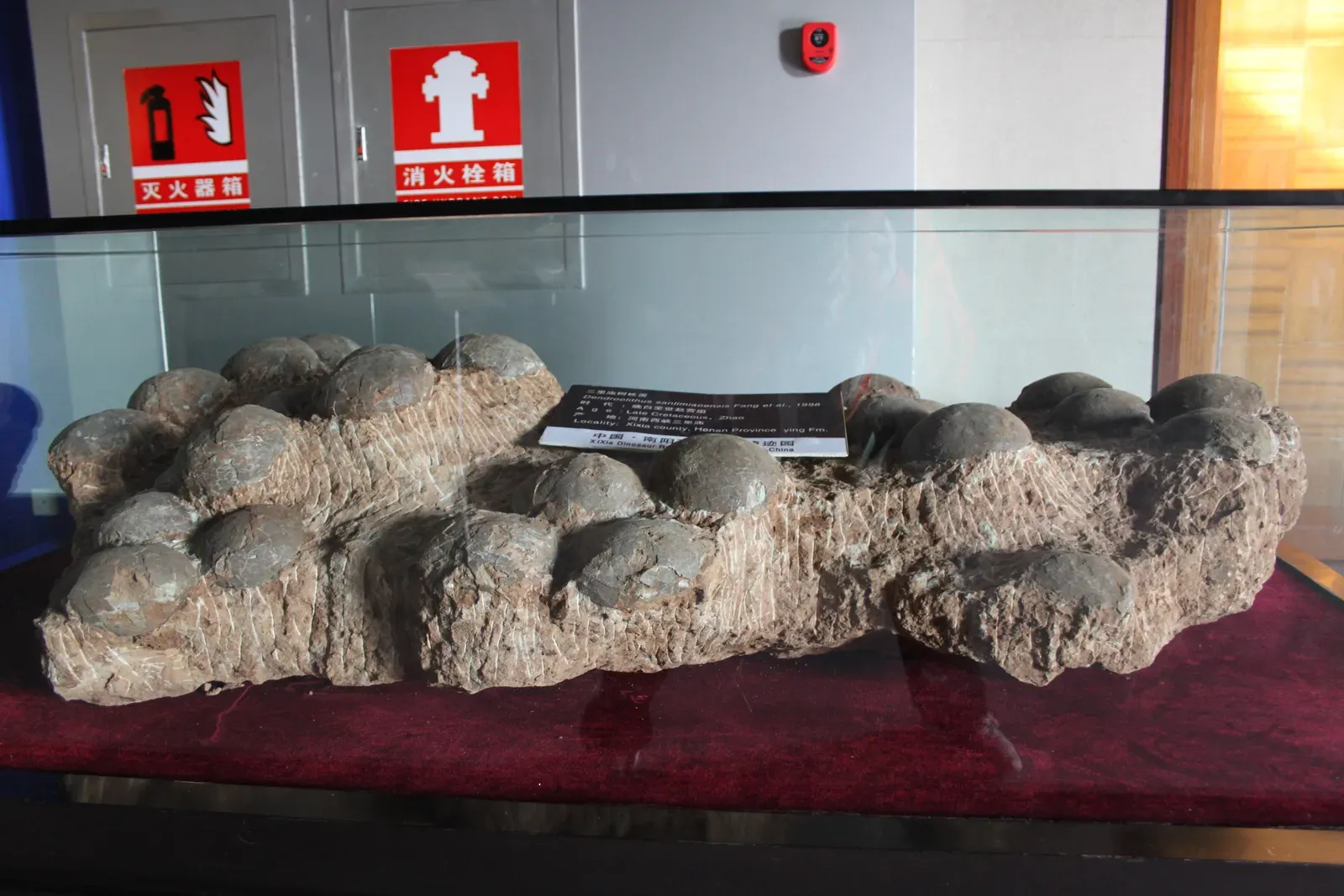
You might wonder why any creature would choose a soft shell over a hard one. The answer is more nuanced than you’d expect. Soft-shelled eggs are more sensitive to the environment because they lose moisture easily in dry conditions. In addition, parents could not sit directly on top of them without risking a crushed shell. Given these limitations, Protoceratops likely buried its eggs in moist sediment and left them to be incubated by external heat sources such as decaying plants or sunlight.
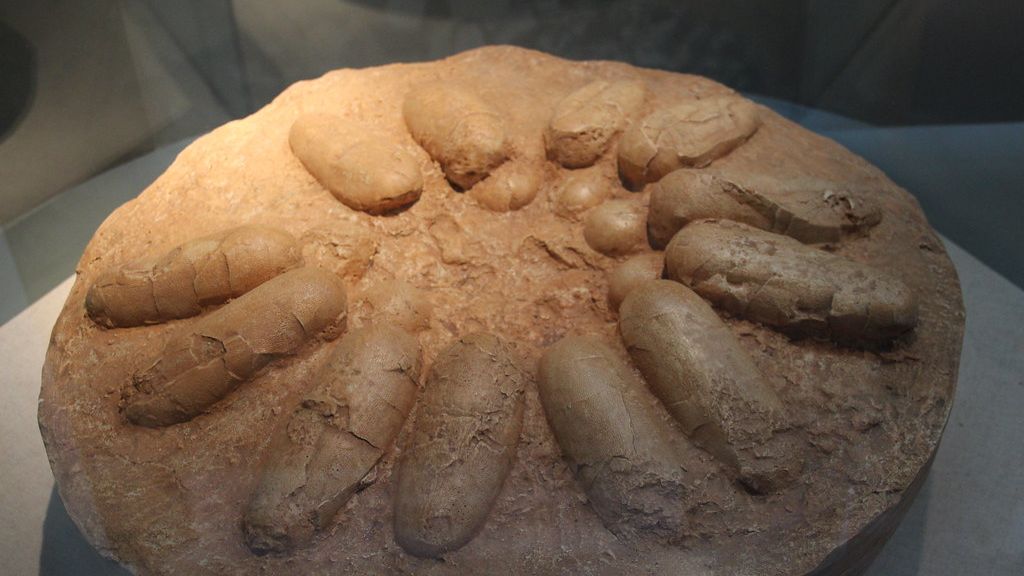
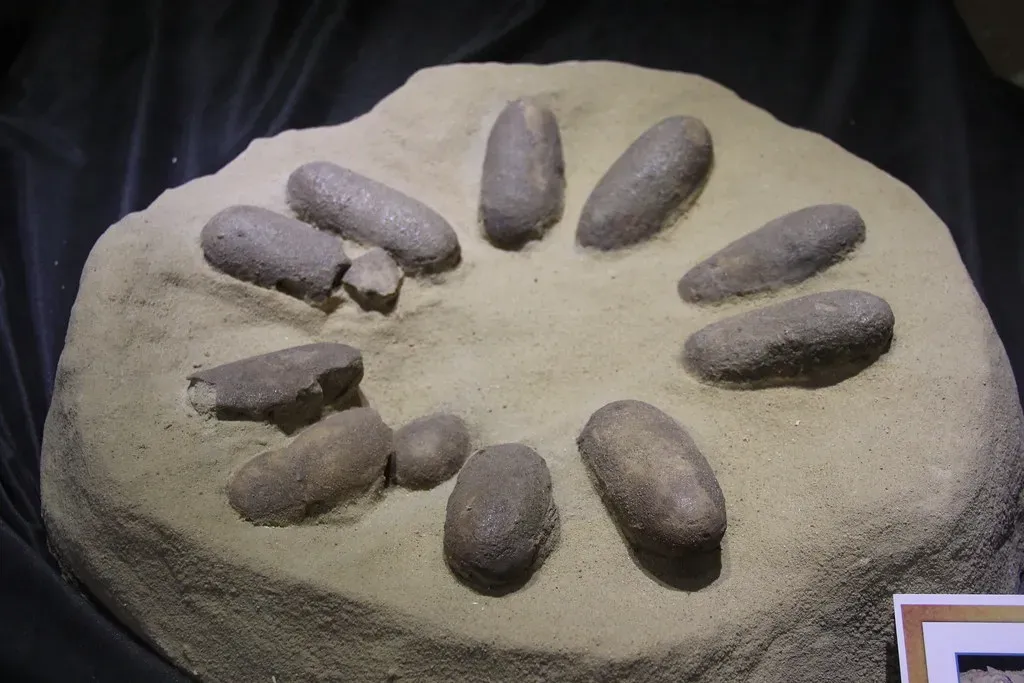
For most dinosaurs, clutches consisted of a single layer of spherical to sub-spherical, highly porous eggs that were probably fully buried. Both eggs and clutch form change drastically with pennaraptoran theropods, the clade that includes birds. Here, far less porous, more elongate eggs are arranged with additional complexity, and only partially buried. That transition from a completely hidden clutch to a partially exposed one is not just a nesting habit. It is essentially a preview of the whole evolutionary arc that leads straight to the robin’s nest in your backyard tree.
The Shocking Discovery of Dinosaur Egg Color
Honestly, when you first hear this one, it sounds made up. Dinosaur eggs had color? Yes, they absolutely did, and the story of how scientists figured that out is almost as remarkable as the discovery itself. Birds are the only living amniotes with coloured eggs, which have long been considered to be an avian innovation. A recent study demonstrated the presence of both red-brown protoporphyrin IX and blue-green biliverdin – the pigments responsible for all variation in avian egg colour – in fossilized eggshell of a nonavian dinosaur. This raises the fundamental question of whether modern birds inherited egg colour from their nonavian dinosaur ancestors.
The answer, it turns out, is a resounding yes. Researchers applied high-resolution Raman microspectroscopy to eggshells representing all of the major clades of dinosaurs, and found that egg colour pigments were preserved in all eumaniraptorans: egg colour had a single evolutionary origin in nonavian theropod dinosaurs. Even more striking, birds were not the first amniotes to produce coloured eggs: this is an attribute that evolved deep within the dinosaur tree and long before the spectacular radiation of modern birds. You have been giving birds too much credit all along.
Who Laid What Color, and Why It Mattered
Not every dinosaur was painting its eggs in blues and greens. There was a surprisingly clear pattern to who had color and who did not. The oviraptorid Heyuannia and the famous sickle-clawed dromaeosaur Deinonychus turned out to have laid colorful blue-green eggs. Some troodontid eggs were found to have been brown, while others were white with speckled or spotted patterns. By contrast, all non-theropod dinosaurs seem to have lacked eggshell pigments. The reconstructions of sauropod and hadrosaur eggs showed their color was plain white.
So what was the point of color in the first place? Scientists have pieced together a compelling explanation tied directly to behavior. The rise of colored eggs in the fossil record coincides with the shift to partially open nests that dinosaurs incubated by sitting on them, much as many modern birds do. In other words, color and camouflage evolved together as a kind of package deal. Once you stop burying your eggs and start sitting on them out in the open, you suddenly have a serious predator problem. Color was the solution. Egg color serves several ecological purposes, including post-mating signaling and camouflage. Egg camouflage represents a major character of open-nesting birds which accomplish protection of their unhatched offspring against visually oriented predators by cryptic egg coloration.
The Eggshell Itself Was an Engineering Marvel
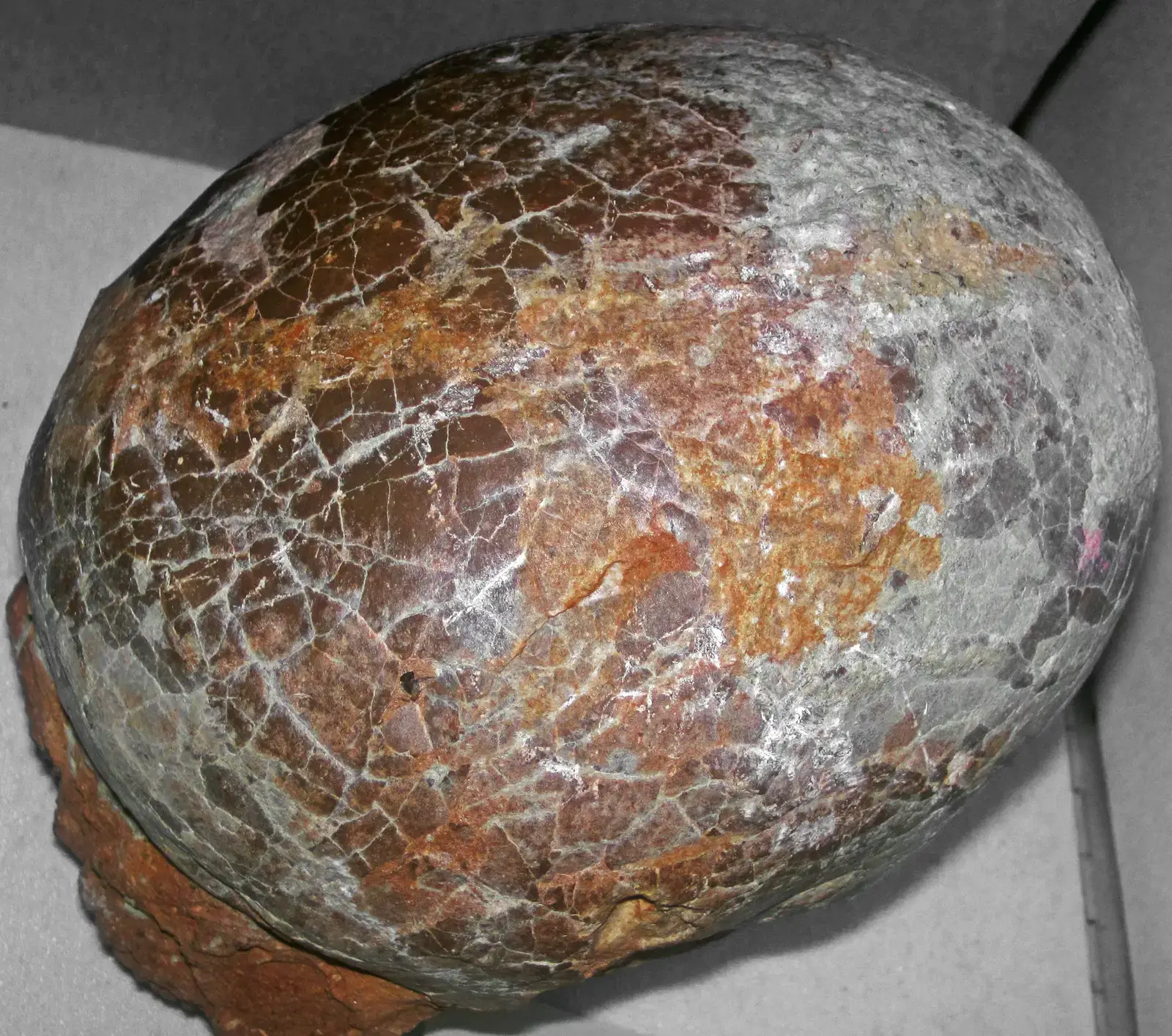
You might think of an eggshell as simply a container. But the shell of a dinosaur egg was a sophisticated biological structure doing several jobs at once. Fossil eggshell is textured with ridges or nodes, and all eggshell is perforated by a network of pores which allow gases – oxygen, water vapor, and carbon dioxide – to be exchanged between the embryo and the environment outside the egg. These features can provide information about both nesting behavior and climate. Some researchers speculate that a surface texture of nodes and ridges can help in preventing plant debris from plugging the pores, thereby protecting embryos from suffocation.
The external surfaces of non-avian dinosaur eggs are not usually smooth like those of their avian descendants. Unique ornamentation patterns sculpt the exterior of the eggs, a trait that is difficult to interpret because of its scarcity in modern taxa. It is a bit like comparing a smooth modern car door panel to a highly embossed piece of medieval armor. The complexity was there for a reason. Meanwhile, lower porosity and water vapor conductance have been associated with a more bird-like open (uncovered) incubation of eggs, while high porosity and conductance rates have been associated with the non-avian reptile-like behavior of burying egg clutches. A single pore pattern could reveal the entire nesting lifestyle of a species.
How Long Did It Actually Take to Hatch?
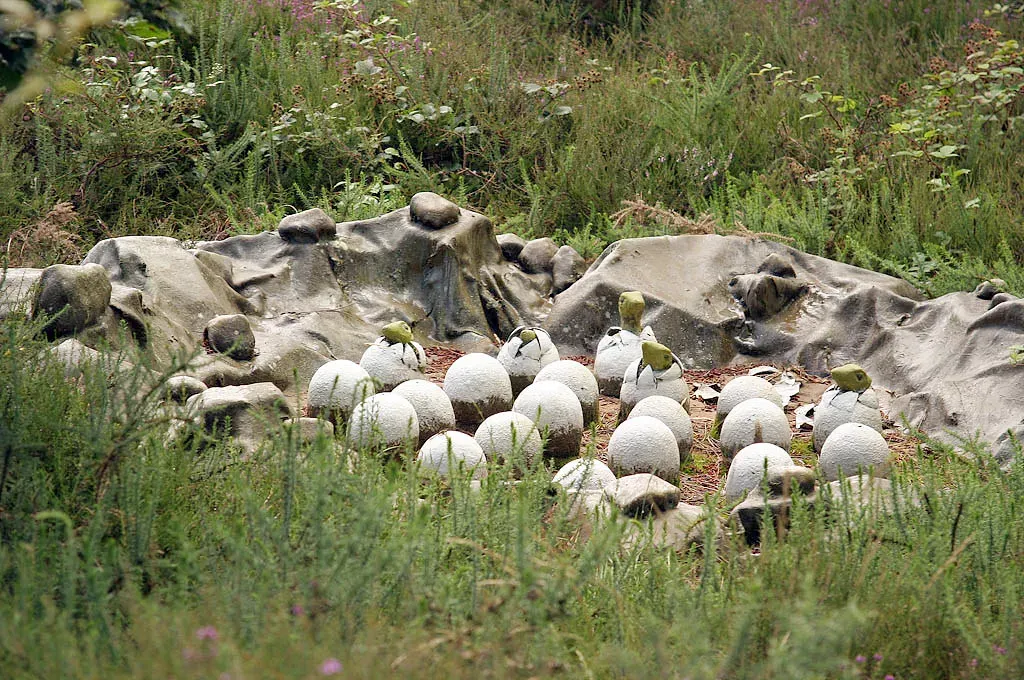
This is where things get genuinely surprising, and a little poignant. For a long time, scientists assumed dinosaur eggs hatched quickly, much like bird eggs. They were wrong by a huge margin. Birds are often called living dinosaurs, and scientists generally thought that dino eggs hatched relatively quickly. A study found that dinosaur eggs took between three and six months to hatch – twice as long as predicted from bird eggs of similar size. Those long incubation times likely made it tough for them to outcompete faster-generating animals, such as modern birds and mammals, in the aftermath of a mass extinction.
The method used to figure this out is one of science’s more clever tricks. Researchers discovered daily forming growth lines in teeth of embryonic nonavian dinosaurs revealing incubation times. These lines show slow reptilian-grade development spanning months. Think of it like counting tree rings, but in a tooth no bigger than a sesame seed. By counting the lines, the researchers found that the little Protoceratops embryos were almost three months old, while the larger Hypacrosaurus embryos were nearly six months old. That is a long, vulnerable stretch of time for any nest to survive in a world full of hungry predators.
Parental Care: Who Stayed, Who Left, and What That Tells You
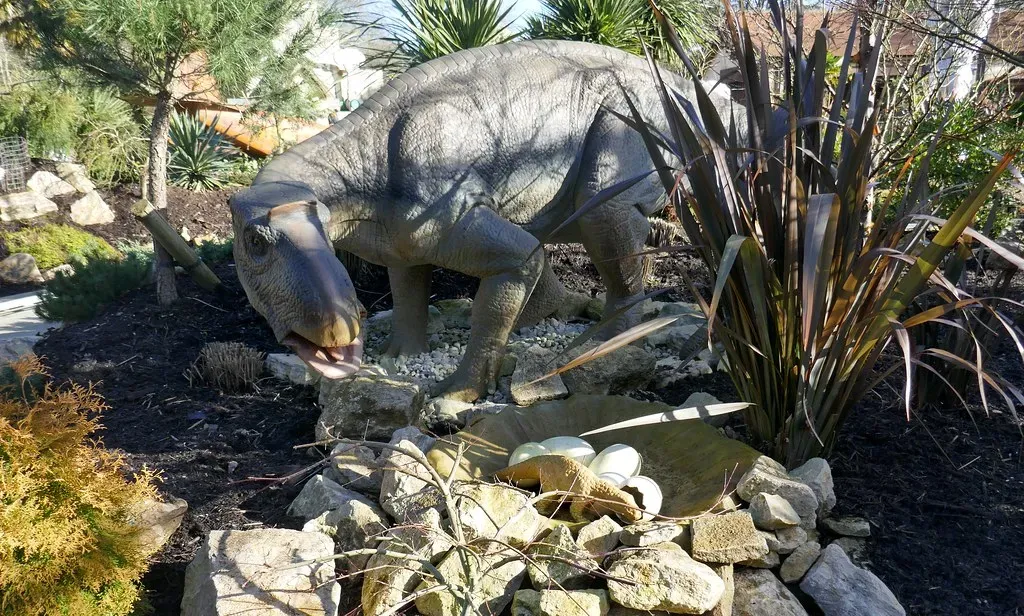
One of the most emotionally loaded questions in dinosaur science is whether these animals actually cared about their offspring. Let’s be real: the answer is complicated, and it varies wildly by species. Such varied eggshell structure indicates vastly different nest styles, incubation methods, and times between egg-laying and hatching. The answer as to whether parents stuck around seems to vary by species. Some dinosaurs were attentive parents. Others, not so much.
Giant sauropods, for example, appear to have been the ancient equivalent of the “lay and leave” parenting strategy. The biggest dinosaurs might have done little to look after the next generation. For some groups, like sauropods, there is no evidence of post-laying care. Paleontologists have found their expansive nesting grounds, including some sites where dinosaurs laid eggs in areas that were warm with geothermal activity, perhaps to incubate the offspring. On the other end of the spectrum, the fossil record has given us something truly breathtaking. A spectacular Citipati fossil provides remarkable evidence of how these dinosaurs incubated their eggs. The large adult skeleton is preserved at the center of a ring of eggs, with its arms wrapped around the precious clutch. This Citipati parent was shielding the eggs when it perished in a sandstorm.
Eggshells as Time Capsules: Dating the Deep Past
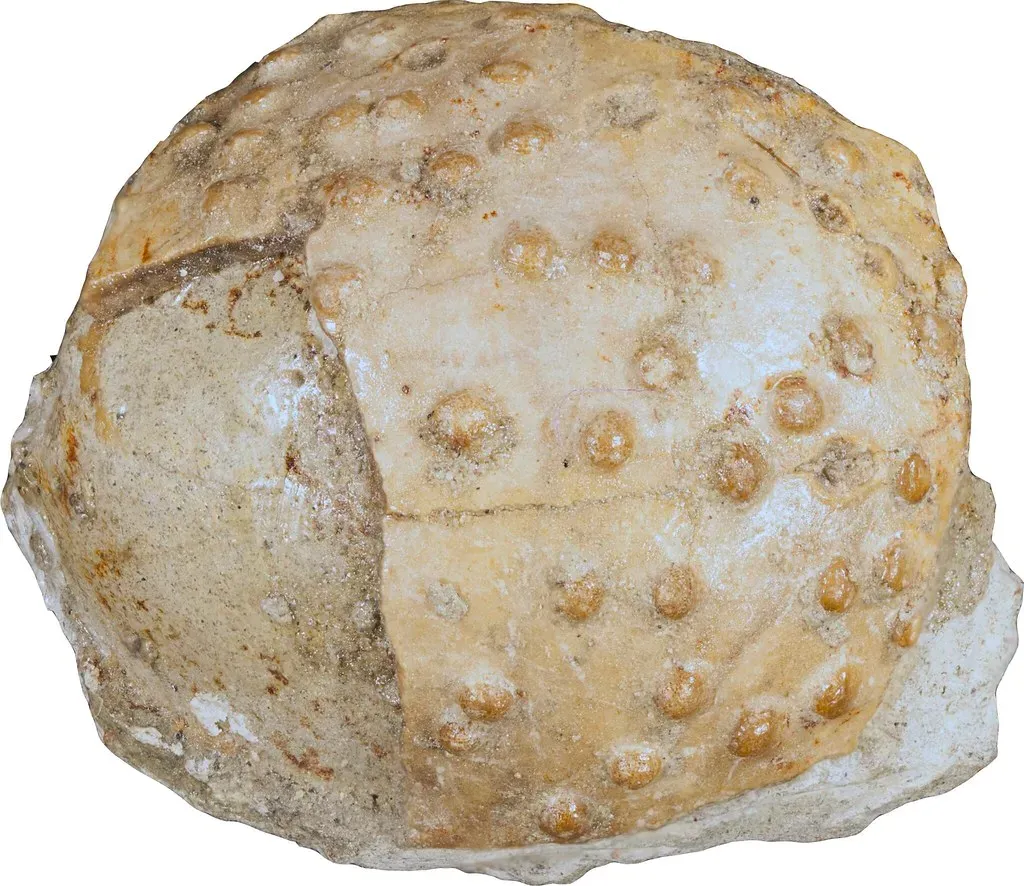
Here is perhaps the most jaw-dropping development in recent dinosaur egg science, and it happened just in the past couple of years. Scientists have found a way to use the eggshell itself as an atomic clock. Dating dinosaur eggs is difficult: available methods are limited and prone to errors because measurement proxies may have changed between egg laying and dating attempts. Now, in a first for paleontology, researchers used a new method to date dinosaur eggs by firing lasers at eggshell fragments. This way, eggs in central China have been dated to the late Cretaceous, making them about 85 million years old.
Researchers have directly dated these preserved eggshells, tightly constraining when the eggs were laid – a first for dinosaur eggs that promises more detailed study of the ancient creatures. The technique works by measuring uranium and lead atoms inside calcite crystals within the shell. Traditionally, dating dinosaur eggs involves indirect methods, such as dating volcanic rock, ash layers, or minerals around eggs. These, however, may have formed before or after the laying of the eggs, or geological processes may have altered them. The method used here allows for precise dating of eggs without having to rely on anything but the eggs themselves. It is hard to overstate how significant that is. You are no longer relying on rocks that happened to be nearby. You are reading time directly from the egg.
Conclusion: The Egg Rewrites the Dinosaur
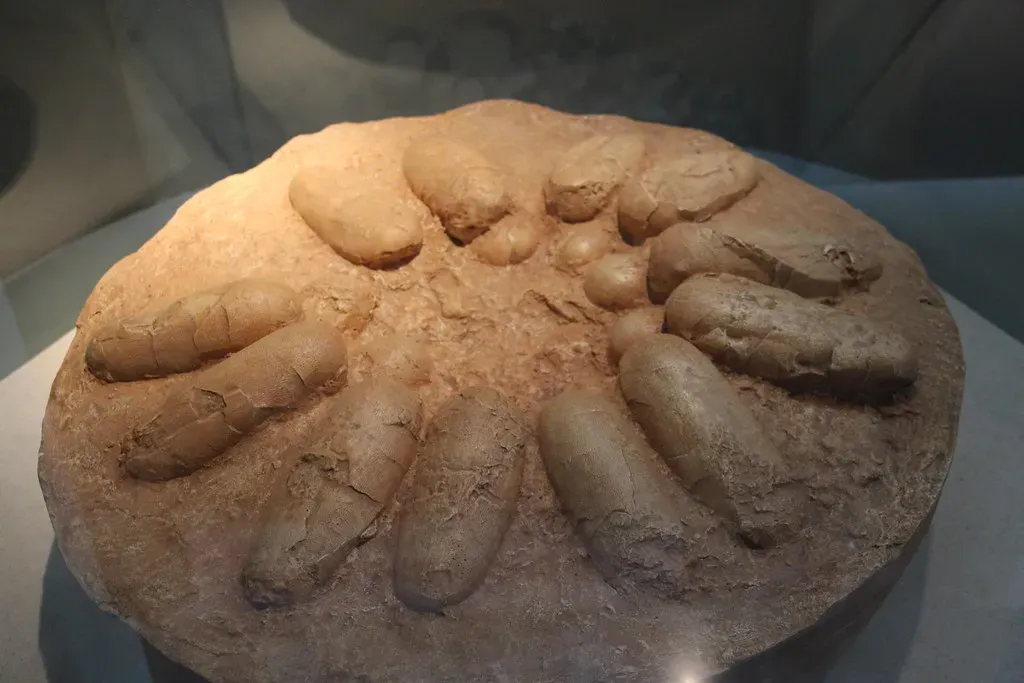
Every time science cracks open a new dinosaur egg discovery – metaphorically speaking – another piece of the dinosaur story gets completely rewritten. The evolution of dinosaur nesting shows the diversity of strategies that arose during the millions of years these animals walked the Earth. Some recent discoveries emphasize the similarities between theropods and birds, such as colored eggs and evidence of tending nests and young. On the other hand, some dinosaurs were far from avian in their nesting ecology, burying soft-shelled eggs in the ground like sea turtles to incubate on their own over extended periods.
What you are really looking at, through each fossilized shell and ancient nest, is a window into the full sweep of prehistoric family life. Dinosaurs were not a uniform army of scaly giants. They were a breathtaking spectrum of behaviors, strategies, and adaptations, and their eggs contain proof of that variety locked in stone. Dinosaurs were remarkable creatures. Although we tend to emphasize the shared features of dinosaurs and birds, dinosaurs in fact possessed a mixture of birdlike traits, reptilian traits, and unique traits not seen in either group. The next time you crack an egg into a pan, just consider for a moment how deep that lineage actually runs. What part of this story surprised you most? Drop your thoughts in the comments below.