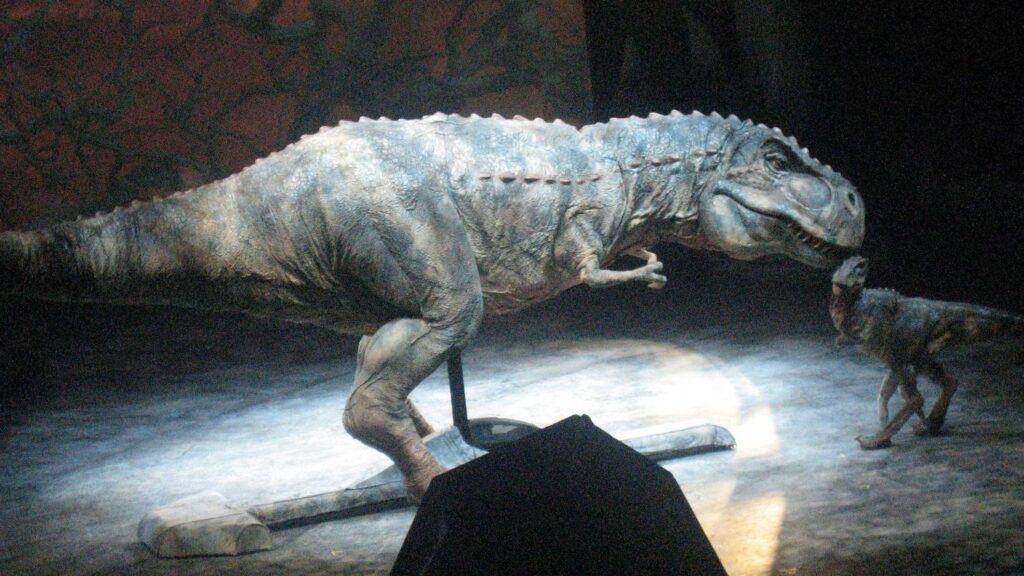
You have probably stood under the skeleton of a T. rex in a museum, craned your neck upward, and thought something like – how on earth did this happen? How did creatures this enormous, this wildly varied, and this utterly dominant come to rule the planet for such an impossibly long stretch of time? It’s a question that feels simple on the surface, but when you start pulling at the threads, you find yourself staring into a world of catastrophe, survival, wild luck, and breathtaking biological invention.
The story of dinosaur conquest isn’t one clean narrative. It’s messier, more dramatic, and honestly more fascinating than any documentary has fully captured. So let’s dive in.
A World Before Dinosaurs: The Stage Was Set by Catastrophe
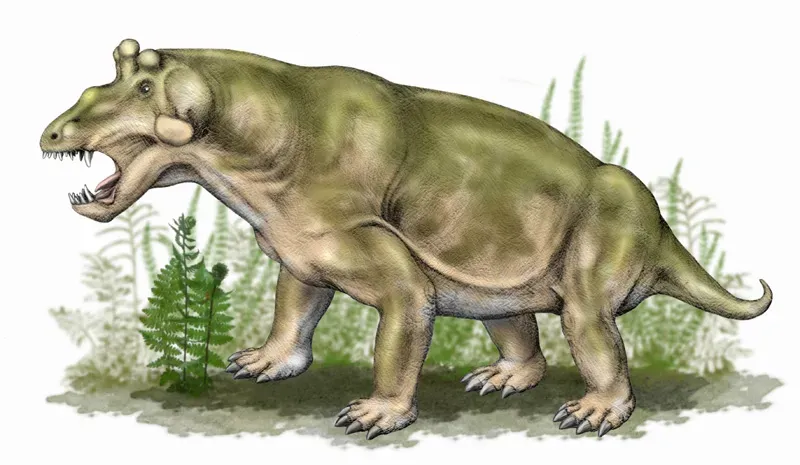
Imagine a planet almost unrecognizable to you. This takes you back roughly 252 million years, to the period before the Triassic – the Permian period – a time when the world consisted of one huge supercontinent called Pangaea, with a climate that was hot, dry, and deeply unforgiving. There were no flowering plants, no birds, and certainly no humans. The rulers of the land were something altogether different.
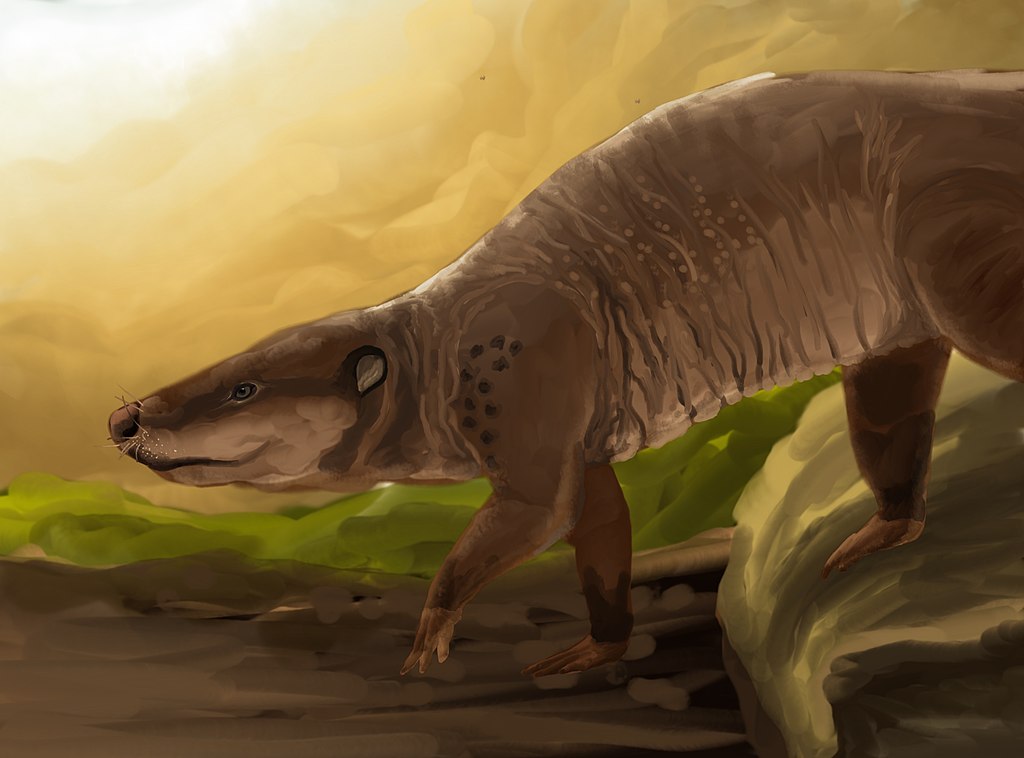
The dominant large animals on land were the therapsids – early forerunners to mammals. These shrew to hippo-sized creatures came in a variety of forms, from tubby, tusked herbivores to agile, saber-toothed predators. It’s a world you’d barely recognize. Then, everything collapsed.
The Great Dying: Earth’s Worst Day in History
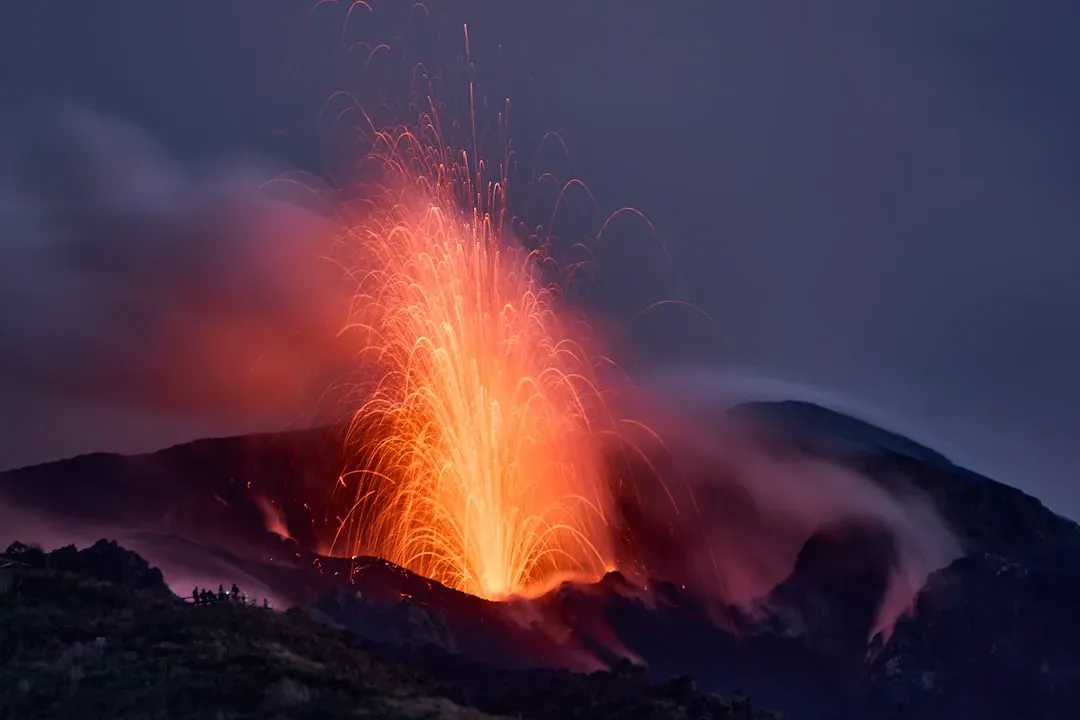
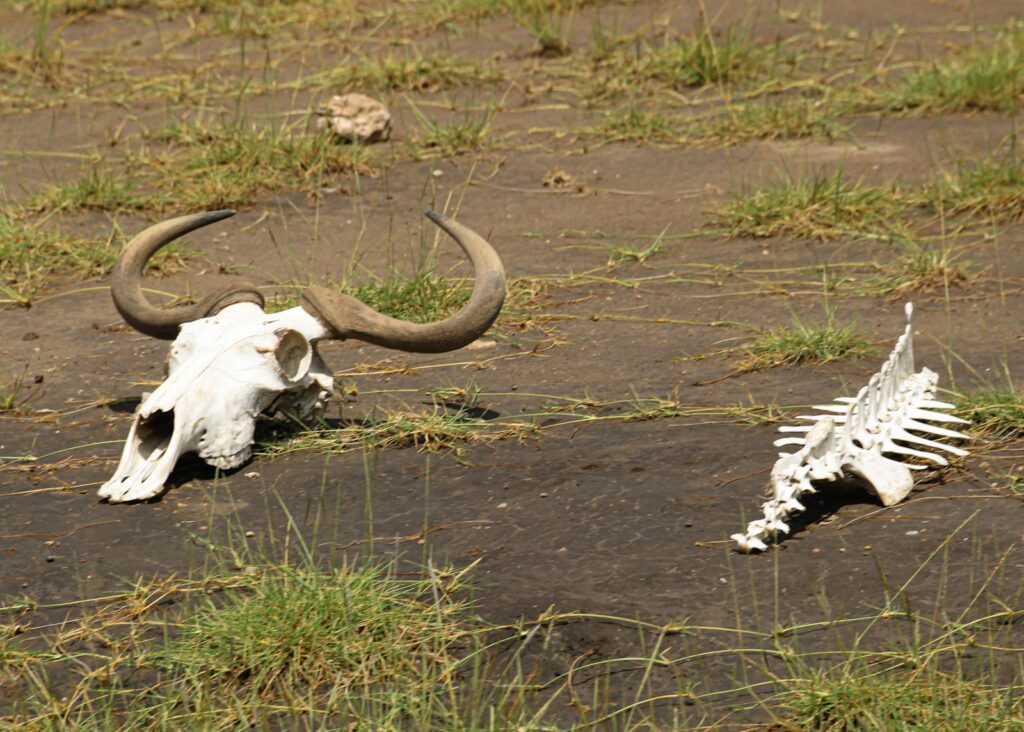
The Permian-Triassic extinction event, colloquially known as the Great Dying, occurred approximately 251.9 million years ago. It is Earth’s most severe known extinction event, with the extinction of nearly 57 percent of biological families, 62 percent of genera, 81 percent of marine species, and 70 percent of terrestrial vertebrate species. Let that sink in. The sheer scale of it is almost beyond comprehension.
About 252 million years ago, intense volcanic activity spewed tons of carbon dioxide and other greenhouse gases into the atmosphere, and the heat ignited coal beds that threw even more ash and particulates into the air. The cataclysm blotted out the sun, acidified the oceans, spurred global warming, and even reduced oxygen levels in the air and water. Day after day, for about a million years, organisms perished as virtually no habitat was left untouched. Honestly, it’s hard to picture. Think of the largest volcanic eruption you’ve ever seen footage of, and then multiply it by a scale that makes your brain hurt.
The First Dinosaurs: Small, Scrappy, and Nobody’s Favorite
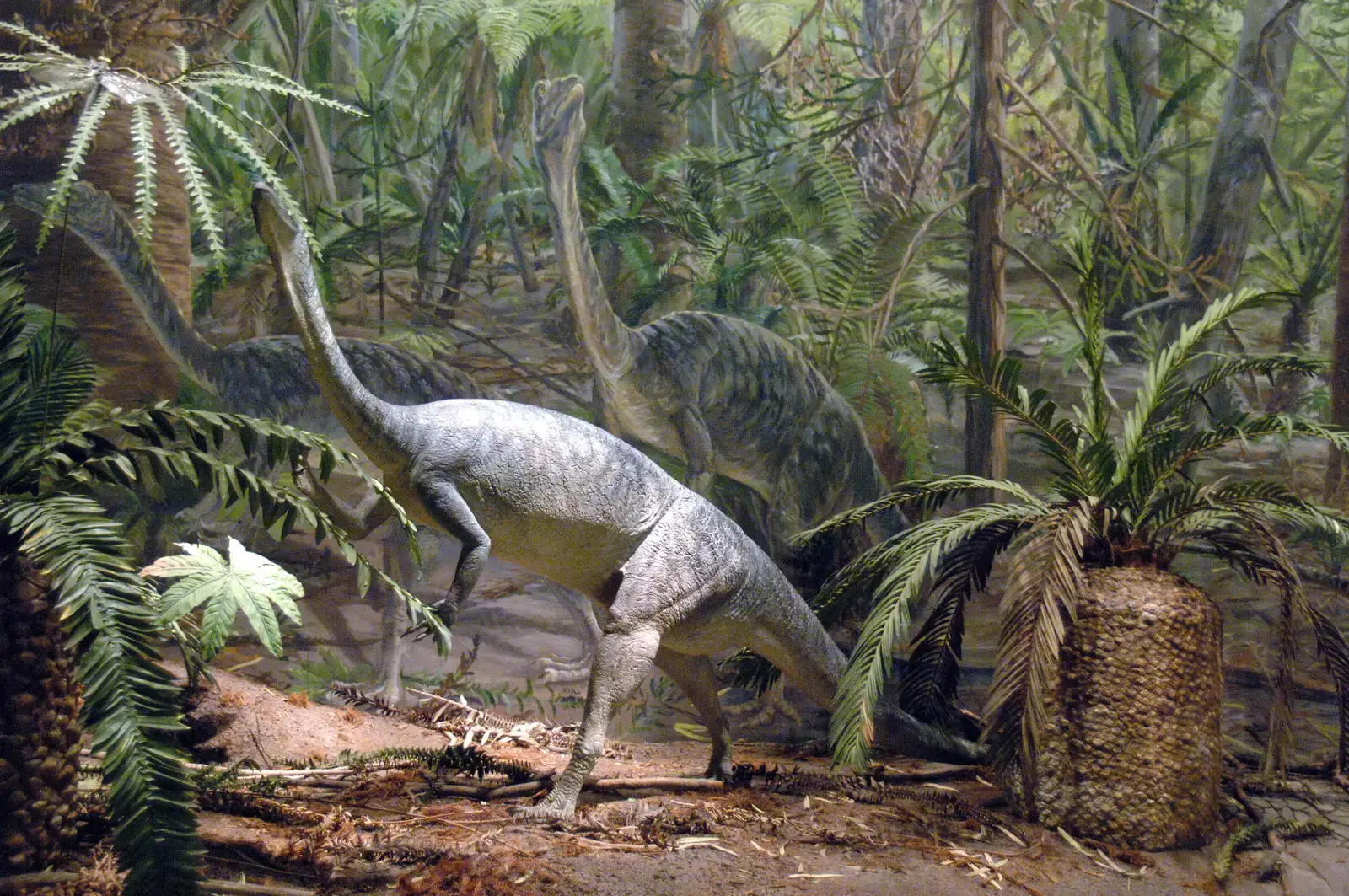
Here’s the thing people don’t realize. Dinosaurs didn’t swagger onto the scene fully formed and dominant. The very first dinosaurs evolved around 245 to 240 million years ago during the middle of the Triassic Period. They evolved from small, swift reptiles called dinosauromorphs that were among the survivors of the devastating End-Permian extinction. Species like the dog-sized Eoraptor from Argentina give us a glimpse of what the first dinosaurs were like – relatively small, bipedal, and mostly meat-eaters.
For the first 40 million years of their evolution, dinosaurs remained the minority in a world ruled by other reptile groups – those with obscure names such as therapsids, aetosaurs, and rauisuchians. They were, in a word, underdogs. Nobody would have looked at these small, fast creatures and predicted they were about to inherit the Earth.
Their Real Competition: The Crocodile Cousins Nobody Talks About
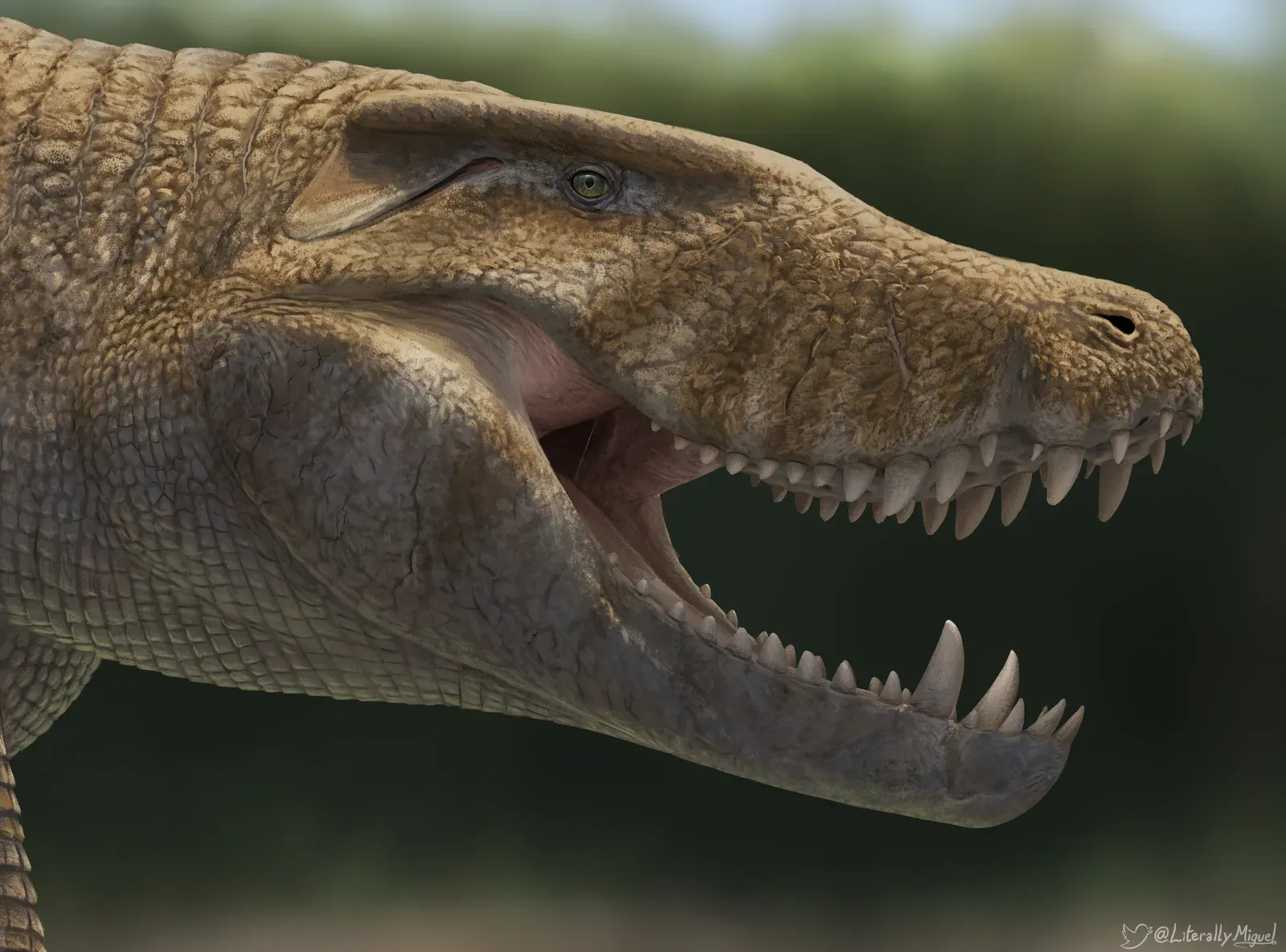
Most land on the planet was consolidated into one continent called Pangaea, and the true rulers of the animal world were the crurotarsans – creatures closely related to modern crocodiles. Yet the Earth stood on the cusp of an epic shift in climate, and the reign of the dinosaurs was about to begin. These crurotarsans were extraordinary animals that history has largely forgotten.
During the Triassic period, the crurotarsans were at their most diverse, ranging from top predators like Postosuchus to armoured aetosaurs like Desmatosuchus, to swift, two-legged runners like Effigia and Shuvosaurus. Many of them were incredibly similar to the dinosaurs we know and love, and some were even mistaken for dinosaurs when they were first discovered. Think of them as the Betamax to dinosaurs’ VHS – arguably more sophisticated in some ways, but ultimately swept aside by history.
The Secret Weapon: How Dinosaurs Walked Their Way to Dominance
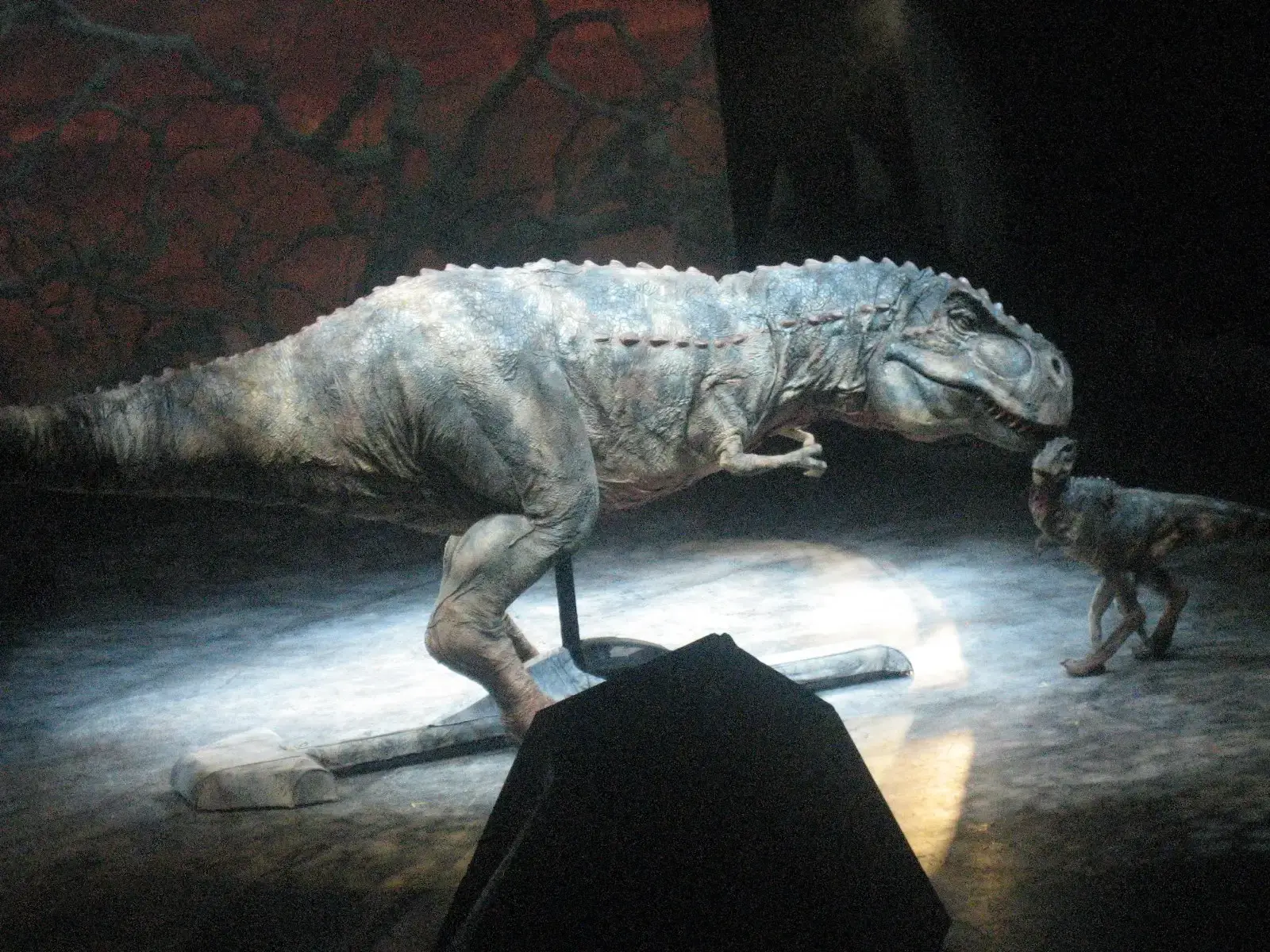
Dinosaurs may have taken over the planet and ruled for over 160 million years thanks to the way they walked. By adapting to walk on both two and four legs, they diversified and outcompeted other organisms to become the dominant terrestrial vertebrates from the end of the Triassic until their extinction around 66 million years ago. It sounds almost too simple. Legs. The answer was legs.
Dinosaurs were initially bipedal and could run, rather than just lumber along like their ancestors. Being able to move quickly enhanced their abilities to evade predators and catch prey, giving them a distinct advantage during the drying climate of the Triassic. In a world that was becoming increasingly arid and resource-scarce, the ability to cover ground quickly was the difference between eating and being eaten. It’s the kind of elegant evolutionary logic that makes you nod and say – of course. Of course it was that.
The End-Triassic Extinction: Dinosaurs Get Their Moment
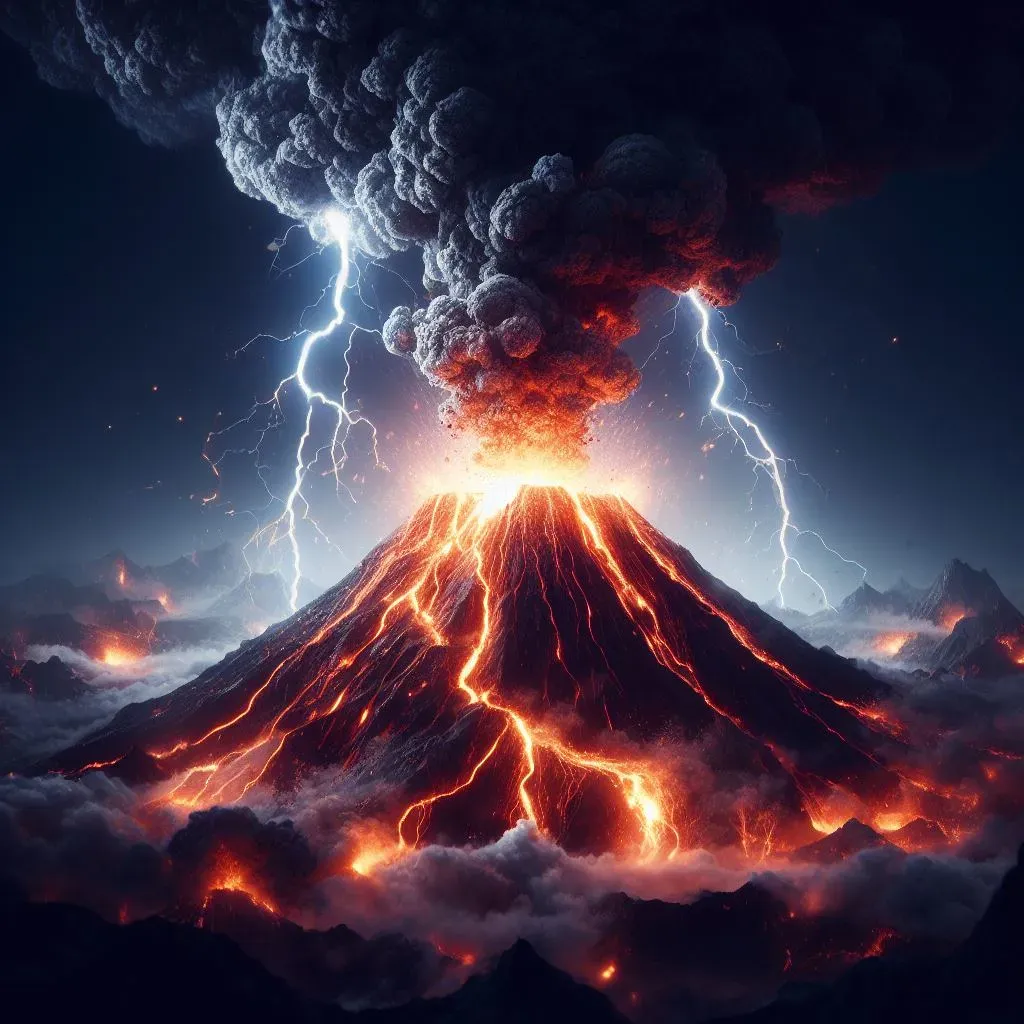
The end-Triassic extinction was a global event occurring about 201 million years ago that resulted in the demise of roughly 76 percent of all marine and terrestrial species and about 20 percent of all taxonomic families. It is thought that this event was the key moment that allowed dinosaurs to become the dominant land animals on Earth. This is where the story gets genuinely wild.
Scientists established through the fossil record that an abrupt rise in atmospheric gases decimated the crurotarsans, which had competed vigorously with the earliest dinosaurs during the Triassic. Thanks to this climatic catastrophe, those early, small dinosaurs were freed from their main competitors to become the dominant force in the animal world. Was it skill? Was it superiority? They eventually supplanted these other groups because of luck rather than because they possessed any special advantage. Sometimes the universe just gives you a break.
The Jurassic Period: When Dinosaurs Finally Went Wild
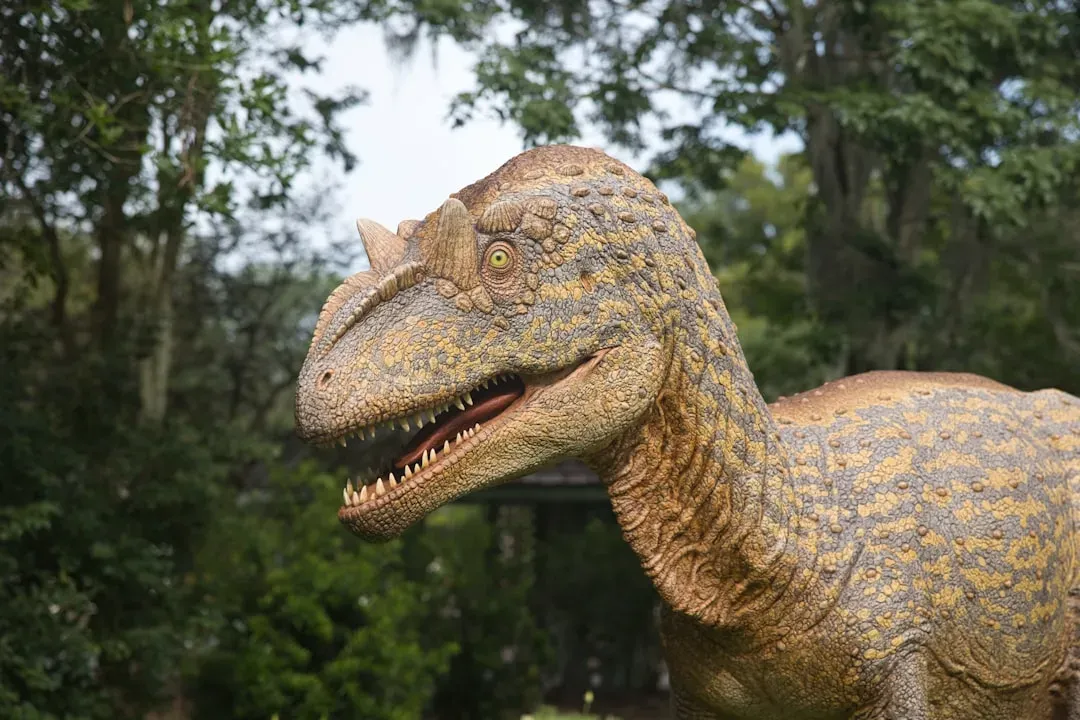
With their main competitors gone, dinosaurs would go through one of the most spectacular and rapid evolutionary radiations of any group of animals in Earth’s history. In the early Jurassic Period, dinosaurs diversified into a bewildering variety of species and grew to large sizes within just a few million years. This is the moment you have been waiting for. This is the golden age.
In the Early Jurassic, the first herbivorous sauropods and ornithischians evolved, and huge, long-necked sauropods would go on to become the largest land animals of all time, with immense species like the 100-plus-foot Supersaurus. Allosaurus and other large theropod carnivores evolved to prey on them. Meanwhile, smaller bipedal plant-eaters scampered through the undergrowth, while fleet-footed ornithomimids ran across the plains. Stegosaurs and ankylosaurs evolved armour plating for defense. Picture an entire ecosystem built from scratch, evolving at breathtaking speed – that’s exactly what you’re looking at.
Feathers, Warm Blood, and the Birth of Birds
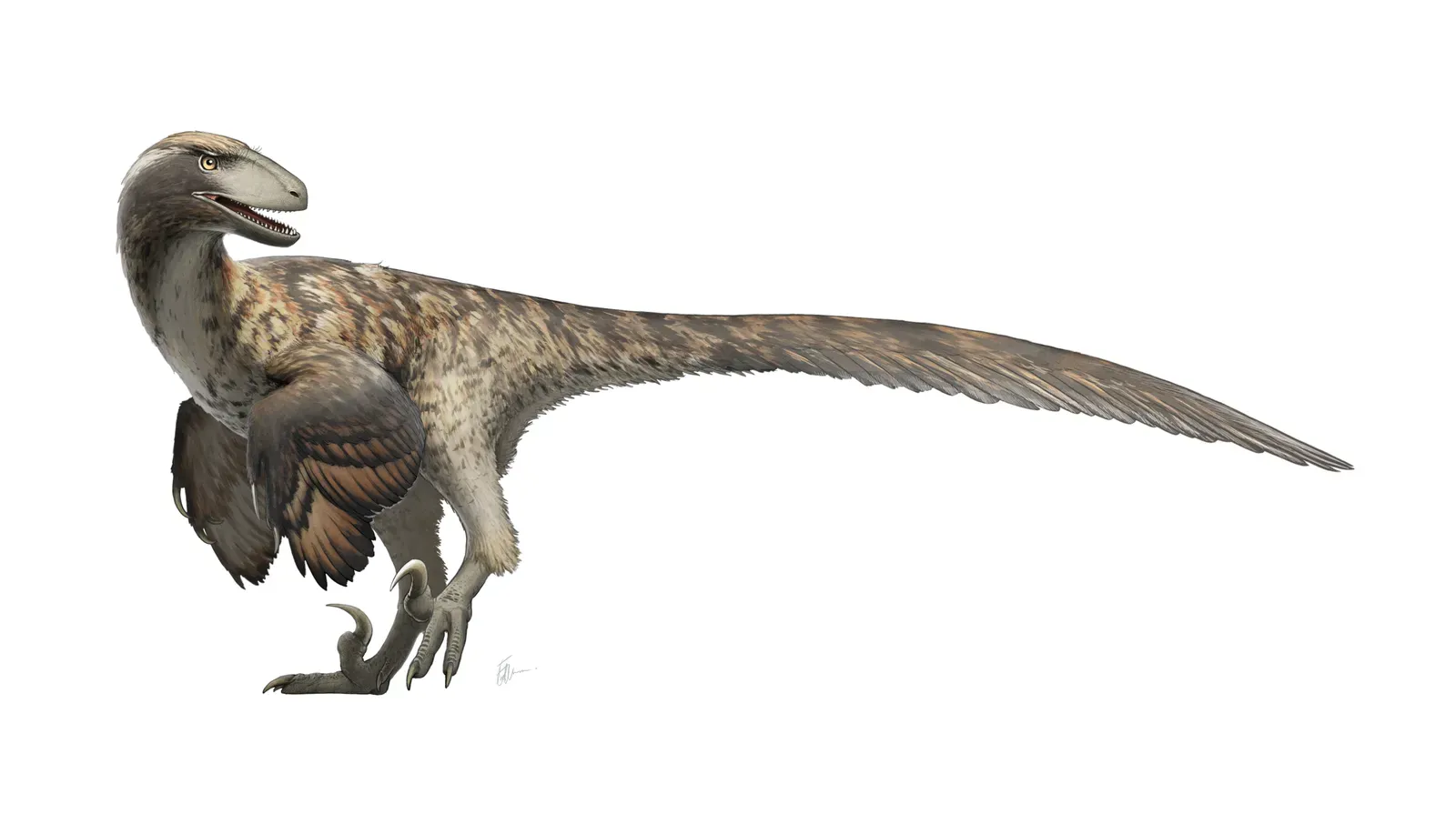
I think this is the part of the dinosaur story that blows most people’s minds. Feathers evolved before flight and may have functioned as insulation to keep dinosaurs warm, or for display as a way to attract mates. So the next time you see a bird at your window, you are looking at a living dinosaur. That’s not a metaphor. That is literally what’s happening.
The adoption of endothermy – the ability to regulate body temperature – perhaps as a result of an environmental crisis, may have enabled theropods and ornithischians to thrive in colder environments, allowing them to be highly active and sustain activity over longer periods, to develop and grow faster and produce more offspring. Theropods also include birds, and research suggests that birds’ unique temperature regulation may have had its origin in this Early Jurassic epoch. In other words, the very trait that makes you a warm-blooded human has ancient dinosaurian echoes encoded in biology going back nearly 200 million years.
The Asteroid Strike and the Legacy That Never Truly Ended
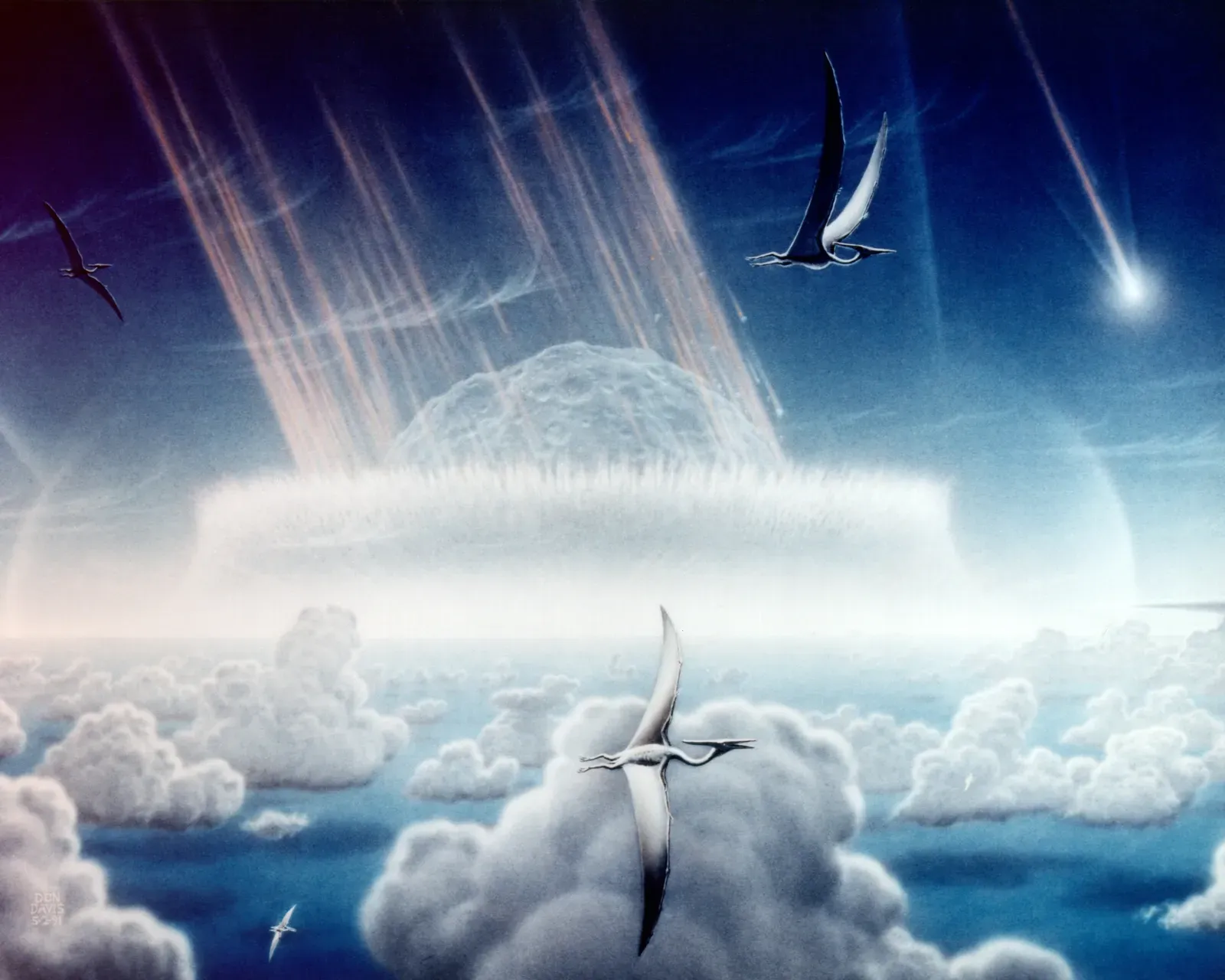
An asteroid more than 6 miles across struck what is now the Yucatan Peninsula, triggering the fifth mass extinction in the world’s history. Some of the debris thrown into the atmosphere returned to Earth, the friction turning the air into an oven and sparking forest fires as it landed all over the world. Then the intensity of the heat pulse gave way to a prolonged impact winter, the sky blotted out by soot and ash as temperatures fell. For the giants that had ruled for over 150 million years, there was no coming back from this.
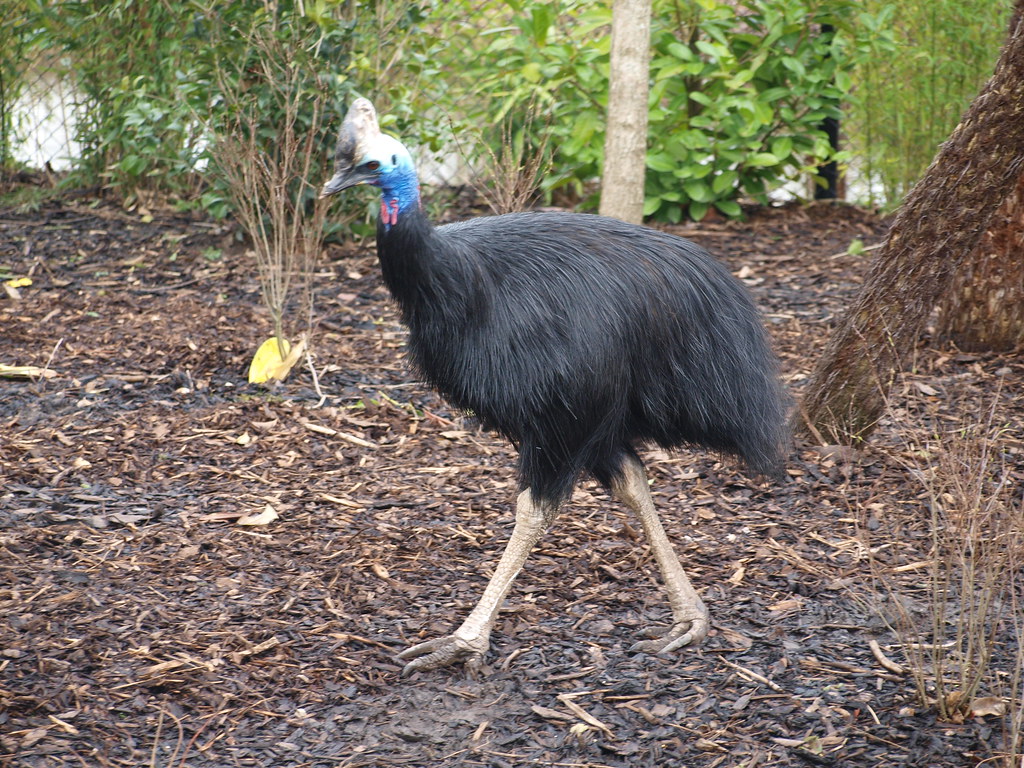
Surprisingly, birds survived the extinction and would go on to re-evolve many of the sizes and shapes of their dinosaur ancestors. As the descendants of dinosaurs, the over 10,000 species of birds alive today are a testament to the dinosaurs’ incredible 150-plus-million-year reign as the dominant land animals of our planet – an unrivaled success story in the history of life on Earth. So in a real sense, dinosaurs never fully vanished. They are singing outside your window right now. They are migrating across continents. They are sitting in your backyard feeder, blissfully unaware of their own extraordinary legacy.
Conclusion: The Greatest Comeback Story Never Told
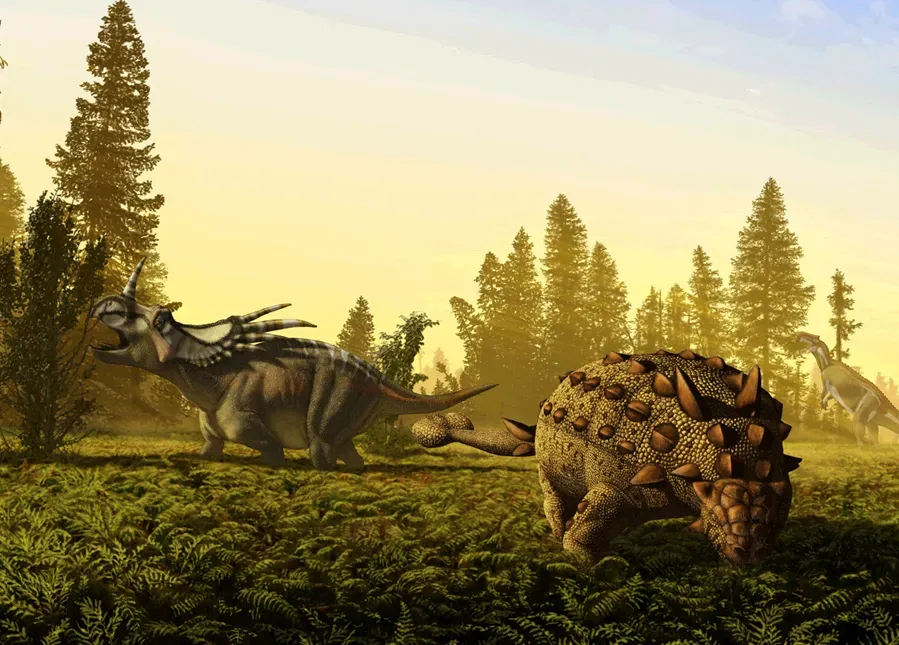
is not one of inevitable triumph. It’s a story of survival against the odds, of being in the right place at the right time, of biological adaptations that seem almost accidental in hindsight. Catastrophe after catastrophe cleared the path ahead of them – and they took it, every single time.
What makes this story truly remarkable is its ending – or rather, the fact that it has no real ending at all. Every bird that crosses your sky carries within it the biological echo of creatures that once shook the ground beneath their feet. The dinosaurs didn’t just conquer the planet. In a very real sense, they never left it.
Next time you hear birdsong in the morning, ask yourself: what would you have thought if someone told you, 66 million years ago, that the dinosaurs would survive? What would you have guessed?