You probably grew up picturing dinosaurs as enormous, thundering, green-scaled reptiles that dragged their tails across muddy swamps. Maybe your mental image comes from old museum dioramas, childhood encyclopedias, or a certain 1993 blockbuster film. Honestly, that image is almost entirely wrong. And what makes this so fascinating is that the truth is far more thrilling than the Hollywood version.
is rewriting everything we thought we knew about these creatures, and the pace of new discoveries is genuinely breathtaking. Every single week, researchers identify a new dinosaur species. Every new fossil pulls the rug out from under some assumption we’ve carried since childhood. So if you think you know your dinosaurs, get ready. Let’s dive in.
Myth 1: T. Rex Was a Terrifyingly Fast Runner
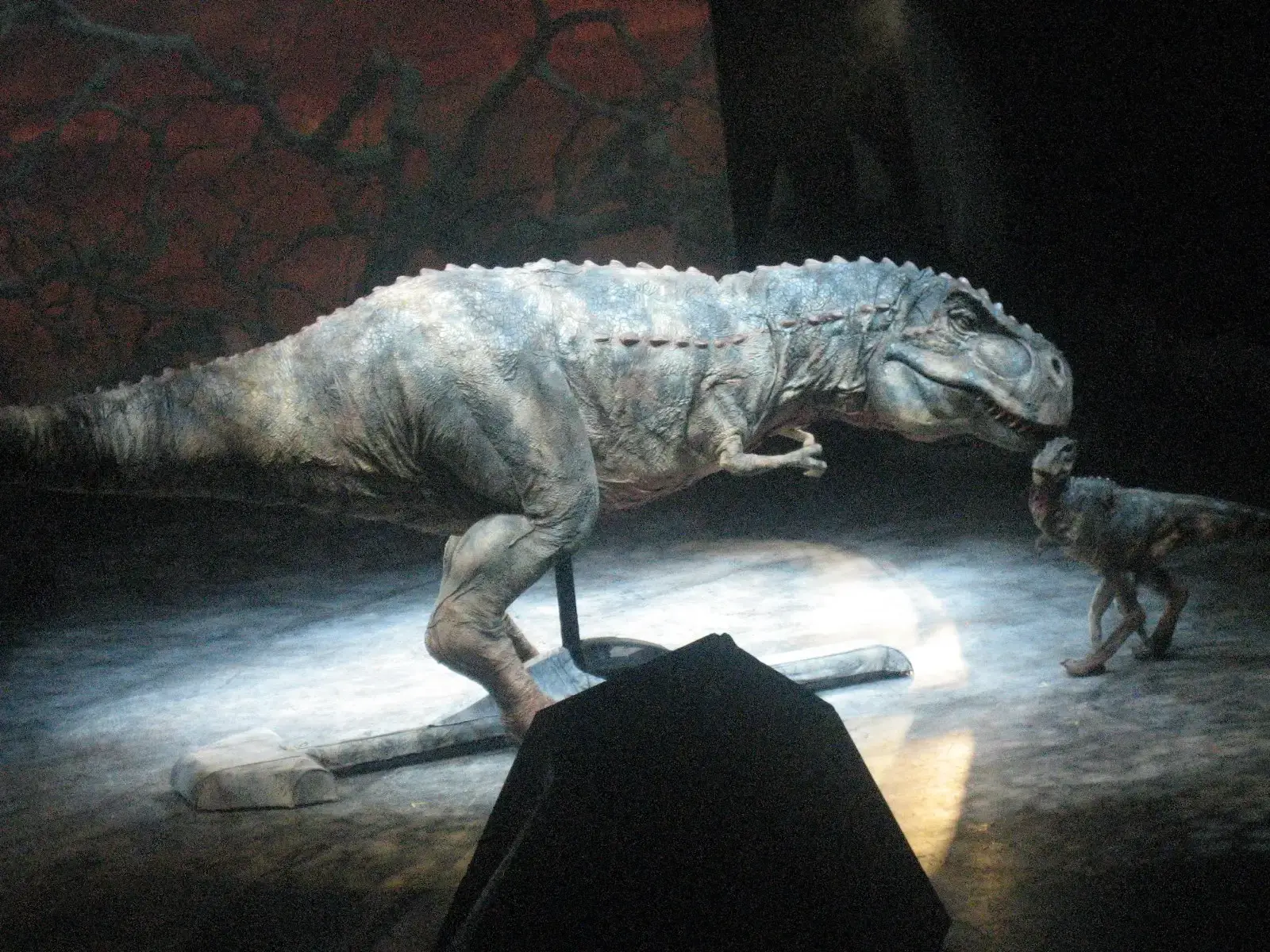
Picture that iconic scene from Jurassic Park: a Jeep barreling down a jungle road, a massive T. rex closing in, breath fogging the rear window. It is genuinely one of cinema’s greatest moments. There is just one small problem. It never could have happened that way.
Contrary to popular belief, the tyrant lizard king was not built for speed. Instead, the mighty Tyrannosaurus rex was typically restricted to a brisk walk, according to rigorous new computer modeling. A sprinting T. rex was essentially a physical impossibility. A six-ton tyrannosaur would have required about three tons of leg muscle just to reach speeds of 70 kilometers per hour.
T. rex would have covered just under 3 miles in an hour at its preferred walking speed, a pace similar to that of humans and many other animals, according to calculations by Dutch paleontologists. They arrived at this estimate by factoring in the massive role of the creature’s tail, something earlier researchers had largely ignored. T. rex and many other dinosaurs had unique tails not found on any other living animals today. That tail was not just for balance. It was the engine of locomotion, and it set a surprisingly leisurely rhythm for one of history’s most feared predators.
Myth 2: All Dinosaurs Were Cold-Blooded Reptiles
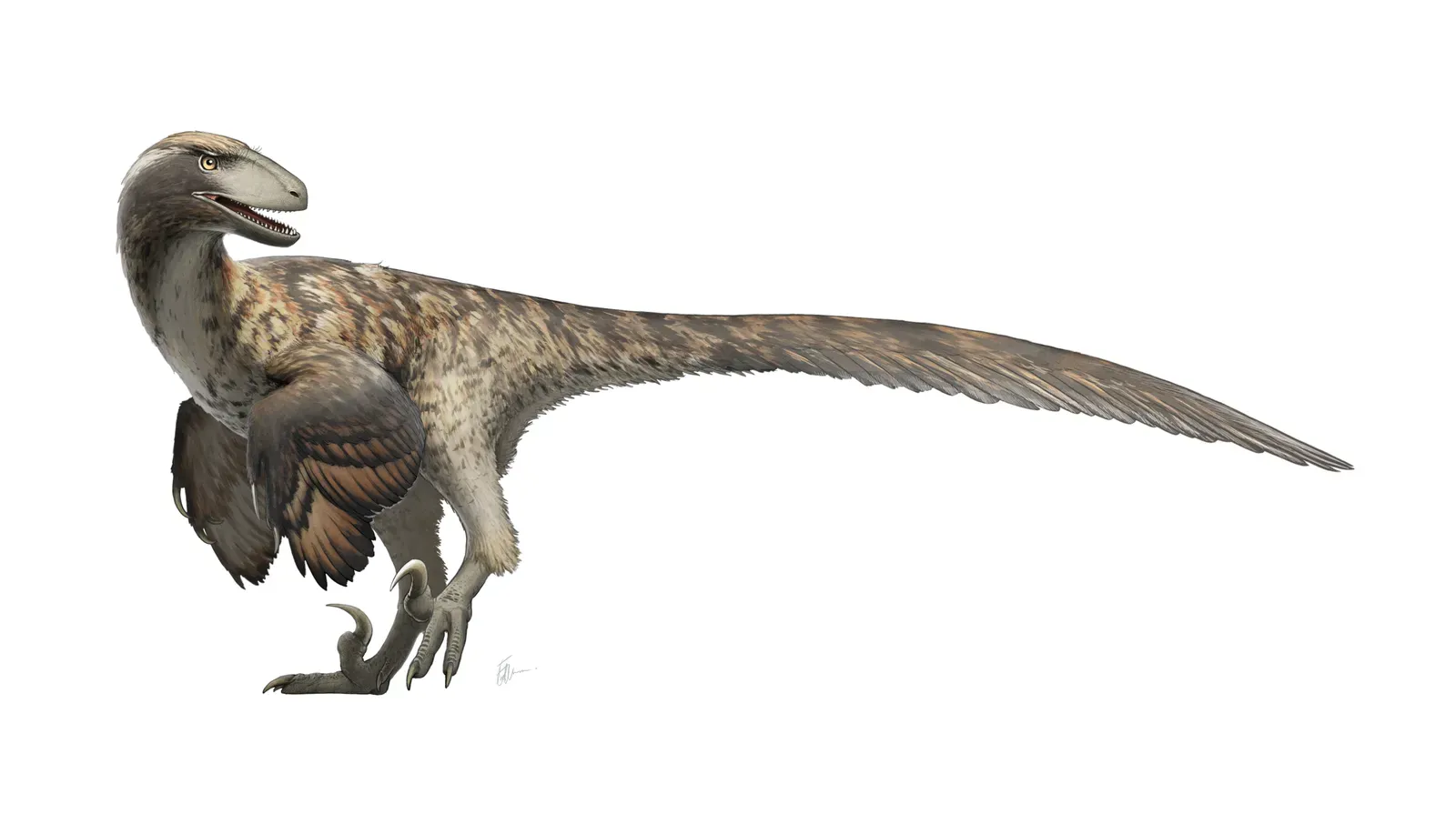
For most of the twentieth century, the assumption was simple: dinosaurs were reptiles, so they were cold-blooded, basking in the sun like oversized lizards. It felt logical. It was also, for many species at least, deeply incorrect. This is one of the most dramatic reversals in paleontological thinking of the past few decades.
Fearsome predators like T. rex and towering, telescope-necked dinosaurs such as Brachiosaurus were warm-blooded creatures in the same way birds and mammals are, according to a groundbreaking study. Researchers used a clever technique, measuring the molecular waste products preserved inside fossilized bones to determine how much oxygen individual animals were consuming. The results were extraordinary. Researchers were surprised to find that some of these dinosaurs weren’t just warm-blooded. They had metabolic rates comparable to modern birds, much higher than mammals.
Here is the twist, though. It turns out the picture is more complicated than a simple warm versus cold divide. The bird-hipped dinosaurs, like Triceratops and Stegosaurus, had low metabolic rates comparable to those of cold-blooded modern animals. The lizard-hipped dinosaurs, including theropods and the sauropods like Velociraptor, T. rex, and Brachiosaurus, were warm or even hot-blooded. Think of it like this: the dinosaur world contained the metabolic equivalent of both lizards sunbathing on rocks and sparrows buzzing around a feeder, sometimes living right alongside each other.
Myth 3: T. Rex and Stegosaurus Lived at the Same Time
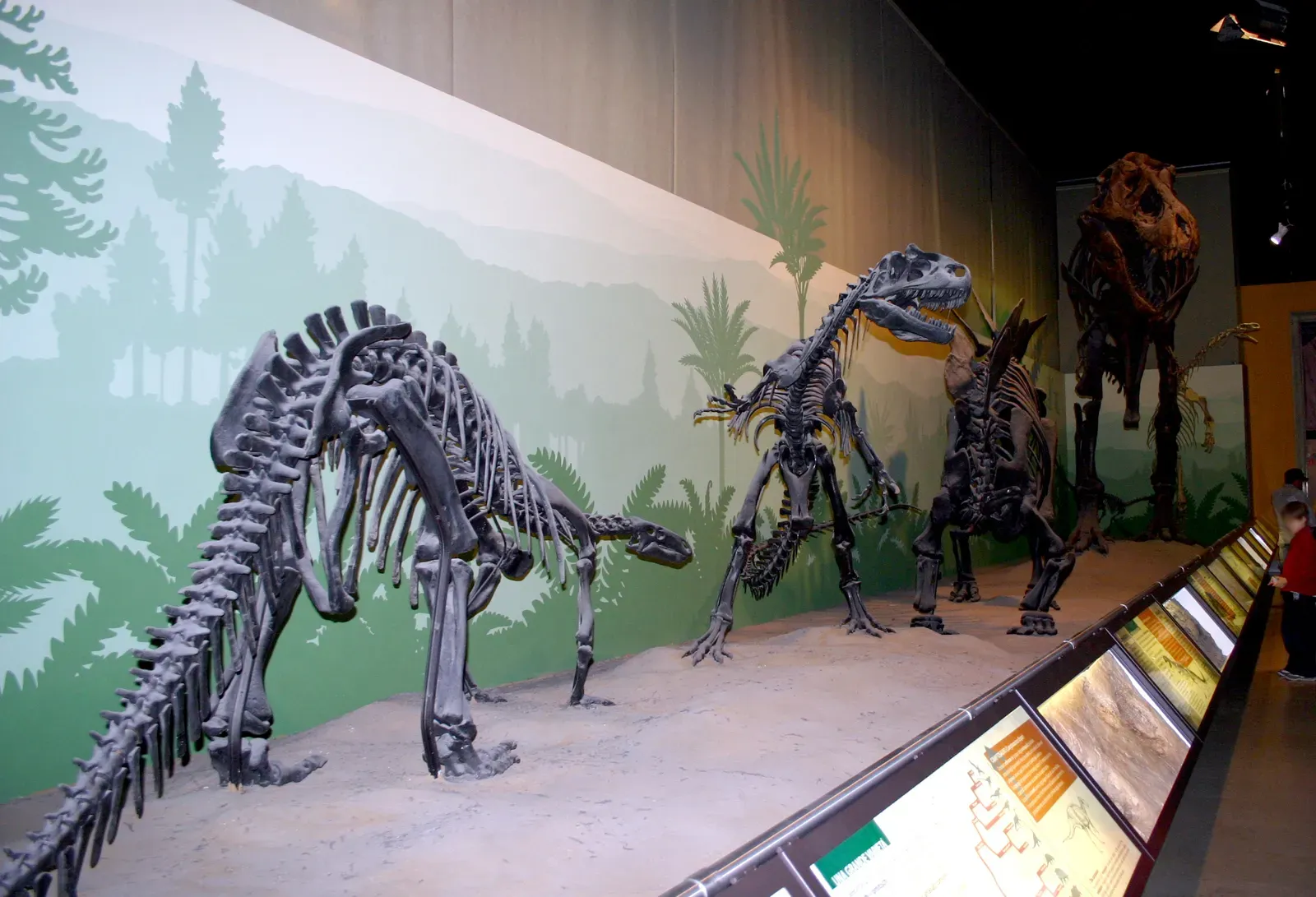
This one still trips people up constantly, and you can’t entirely blame the movies for it. Walk through almost any natural history exhibit and you’ll see reconstructions of various dinosaurs sharing a prehistoric landscape, as though they were all neighbors. The reality of geological time is something the human mind genuinely struggles to grasp.
Dinosaurs ruled for over 150 million years and lived on every continent, and the assemblages of dinosaurs evolved constantly. Most of the dinosaurs in the Jurassic Park movies did not meet each other in the real world, and most lived in the Cretaceous. Here is a comparison that should genuinely blow your mind. Tyrannosaurus rex was closer in time to us than it was to the plate-backed, spike-tailed Stegosaurus, which is frequently shown battling it.
Let that settle in for a moment. The gap between Stegosaurus and T. rex is roughly 80 million years, while the gap between T. rex and you reading this article is only about 66 million years. The word “dinosaur” is often used as a put-down for something outdated and obsolete. Yet dinosaurs ruled for over 150 million years before the end of the Cretaceous, were incredibly diverse and successful, and evolved rapidly to fill many ecological niches. That is not the track record of a failure. That is one of the most remarkable survival stories in the history of life on Earth.
Myth 4: Dinosaurs Were Dull-Colored, Scaly, Lizard-Like Creatures
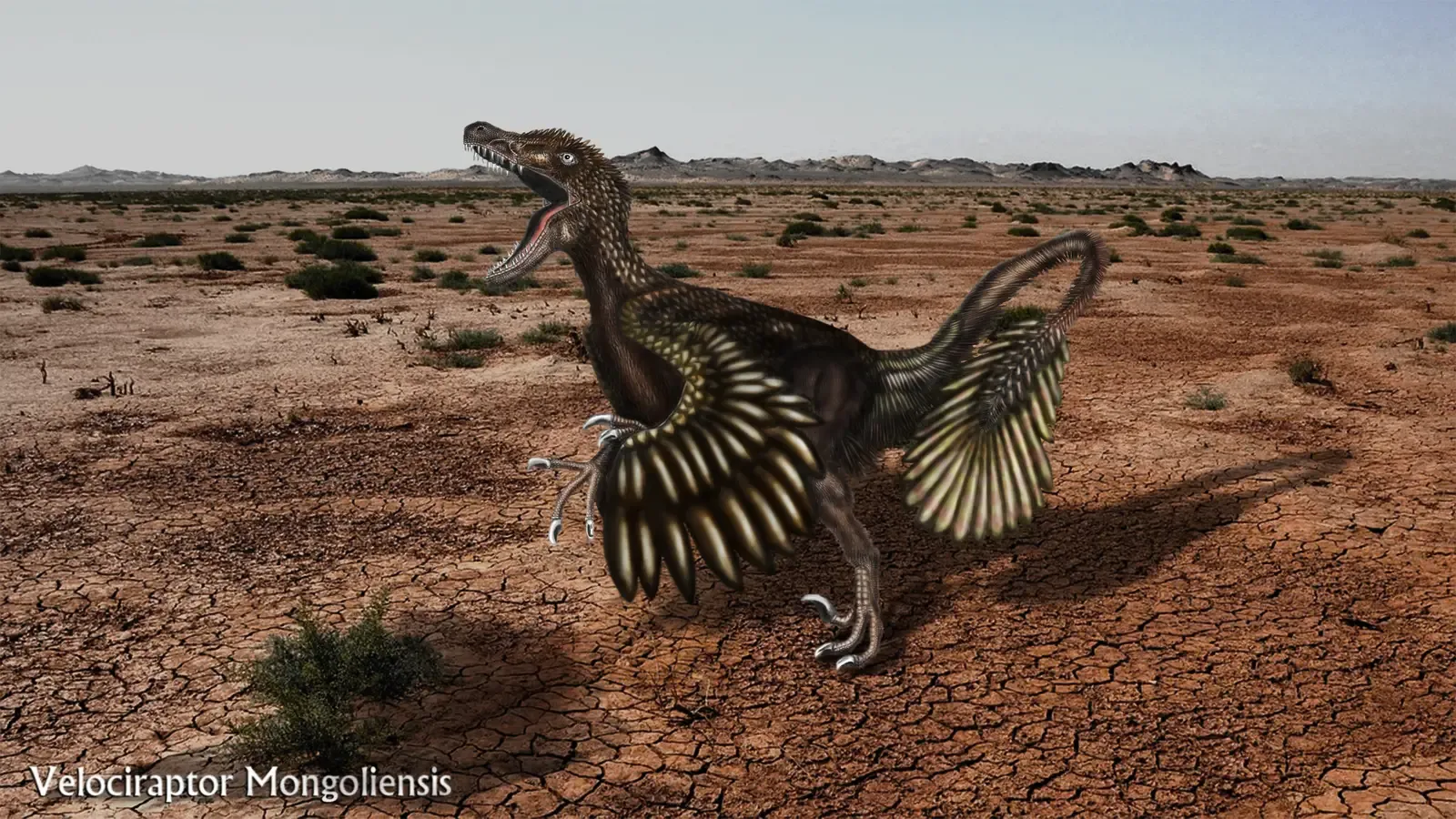
Close your eyes and picture a Velociraptor. Chances are you’re seeing something brownish-green, slick-skinned, maybe a bit muddy. That image is understandable. It’s been reinforced by decades of film and illustration. But it is almost certainly far from the truth, and the real version is far more spectacular.
Dinosaurs were actually quite colorful. Amazingly, paleontologists can determine what colors some of them were because they’ve found really well-preserved fossilized feathers containing structures called melanosomes. These held pigments, and their different shapes and arrangements indicate what colors they were. For example, a small carnivorous dinosaur in northeastern China called Sinosauropteryx probably had a striped brown tail and a raccoon-like bandit mask. That’s not a lizard. That sounds almost adorable.
In a lot of books, most dinosaurs look like giant, dull-colored lizards, often scaly in muted shades of brownish green. But in the past several decades, paleontologists around the world have uncovered dinosaur bones with feathers around them, representing species they didn’t realize were feathered before, including tyrannosaurs. The real world of Mesozoic dinosaurs was probably a riot of color and texture, more like a modern aviary than a reptile house. I think that image is infinitely more exciting than what old Hollywood gave us.
Myth 5: T. Rex Was Either Fully Feathered or Fully Scaly
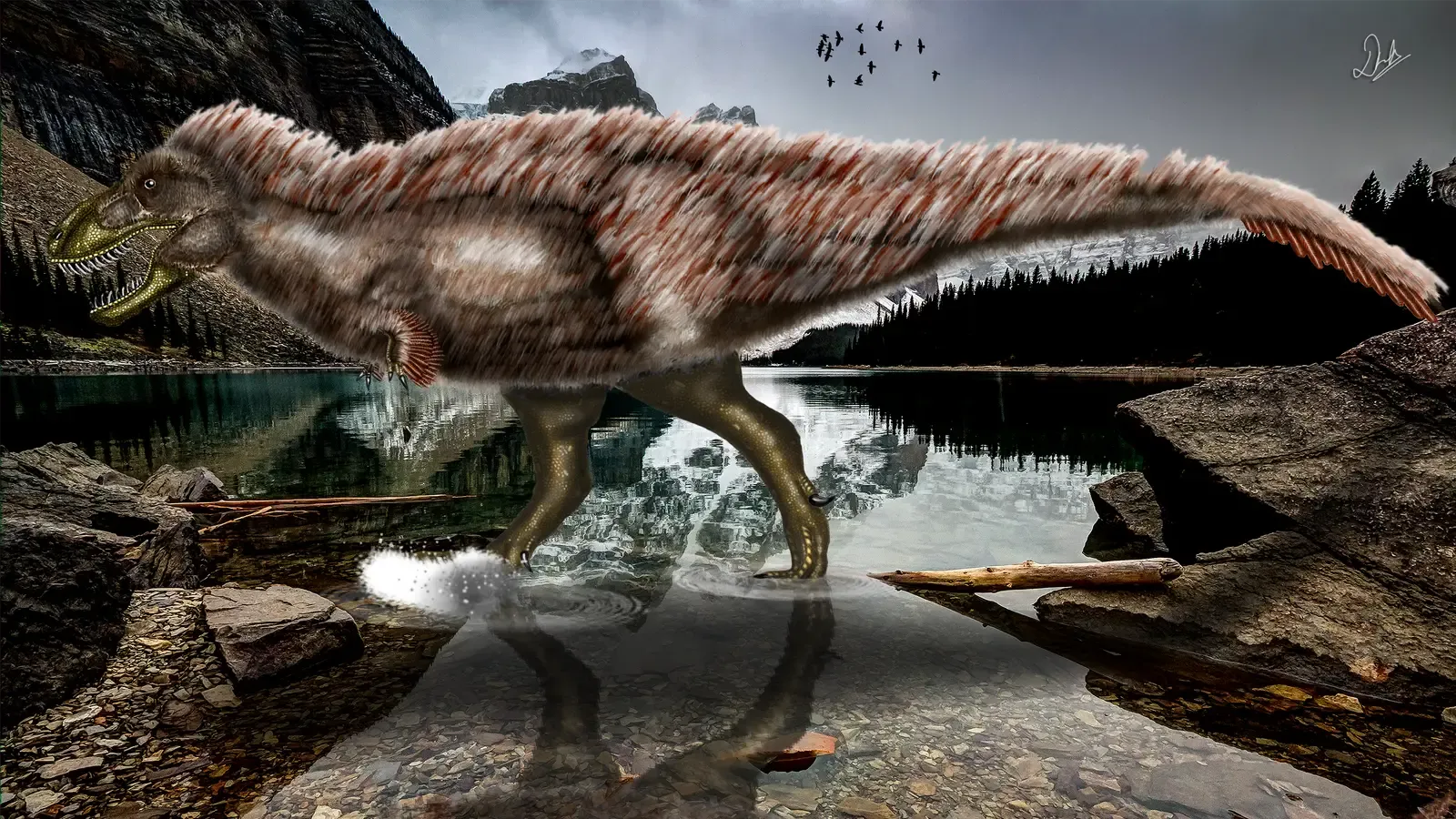
The great feather debate has been raging for years, and the internet loves to declare a definitive winner every time a new study drops. Was T. rex a fluffy bird-beast or a classic scaly monster? Here is the honest answer: it’s complicated, and the nuance is exactly what makes it so interesting.
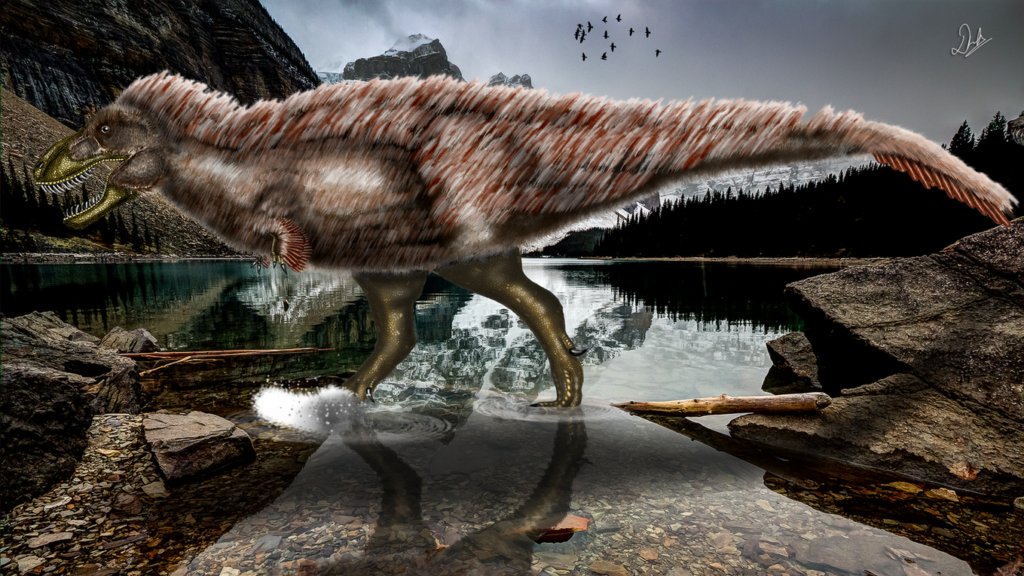
Paleontologists think feathers may have first evolved to keep dinosaurs warm. While a young T. rex probably had a thin coat of downy feathers, an adult T. rex would not have needed feathers to stay warm. Two earlier members of the tyrannosaur group, Dilong and Yutyrannus, were found with long, hair-like covering. This tells us the ancestors of T. rex were feathered, which makes it biologically plausible that T. rex inherited at least some of that coverage, especially in youth.
Large and active animals don’t cool down as quickly as smaller creatures. So as they got bigger, researchers think that the dinosaurs may have lost their plumage. Think of an elephant: warm-blooded, massive, and almost entirely hairless for the same thermal reason. Although we have discovered impressions showing scales on the feet and underside of the tail, the distribution is similar to Juravenator, a coelurosaur known to have had both feathers and scales. Additionally, skin impressions from other parts of tyrannosaurs’ bodies are described as naked or “plucked,” which is consistent with animals that may have had feathers in life but lost them before fossilization. The truth is genuinely somewhere in between, and that in-between answer is actually more scientifically honest than any tidy Hollywood version.
Myth 6: Dinosaurs Were Dim-Witted, Slow-Brained Creatures
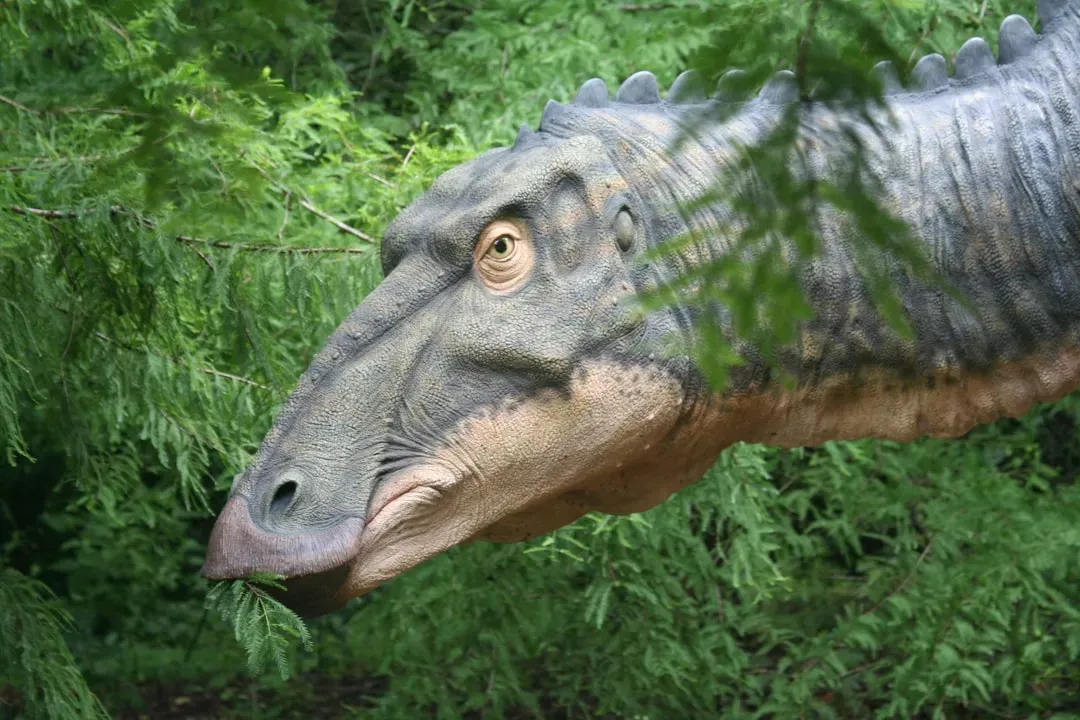
Pop culture loves a stupid dinosaur. The giant sauropod too dumb to notice it’s being eaten, the T. rex outsmarted by a pair of children in a kitchen. It’s a satisfying narrative. The truth, as modern neuroscience-informed paleontology reveals, is more nuanced and, frankly, more interesting.
Dinosaurs were as smart as reptiles but not as intelligent as monkeys, as former research suggests. An international team of paleontologists, behavioral scientists, and neurologists re-examined brain size and structure in dinosaurs and concluded they behaved more like crocodiles and lizards. This might sound like a demotion, but consider: crocodiles are remarkably sophisticated animals, capable of ambush strategy, parental care, and complex social communication. The team found that dinosaur brain size had been overestimated, especially that of the forebrain, and thus neuron counts as well. In addition, they showed that neuron count estimates are not a reliable guide to intelligence.
To reliably reconstruct the biology of long-extinct species, the team argues, researchers should look at multiple lines of evidence, including skeletal anatomy, bone histology, the behavior of living relatives, and trace fossils. It’s hard to say for sure exactly how clever a T. rex was on its best day. But the idea that it was simply a walking stomach with no behavioral sophistication whatsoever is almost certainly wrong. Crocodilians, after all, have been managing just fine for over 200 million years, and nobody calls them stupid to their face.
Myth 7: All Dinosaurs Went Extinct 66 Million Years Ago
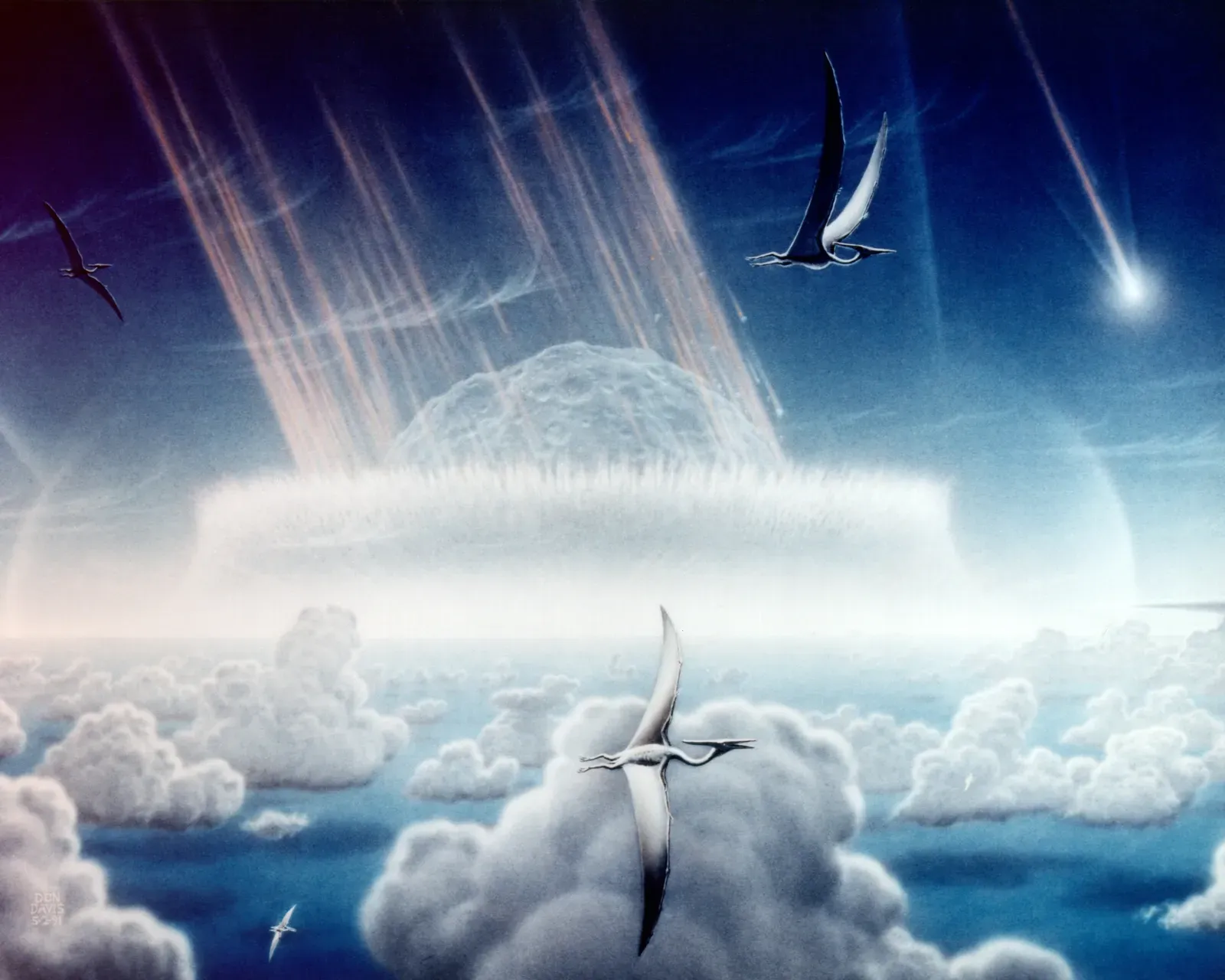
This is the grandest myth of all, and in a way, it’s the most beautiful one to debunk. The asteroid hit. The world changed. The dinosaurs vanished. It’s the ultimate story of extinction, dramatic and total. Except, here is the thing: it wasn’t total. Not even close.
There was definitely a mass extinction event 65 million years ago, probably related to a giant asteroid that smashed into Mexico’s Yucatán Peninsula, and it did spell the end for most dinosaur species. Most. Not all. There are more species of birds alive today, at least 10,000, than any other group of land-living animals with backbones. Every sparrow on your windowsill is, taxonomically and evolutionarily speaking, a dinosaur. So is every penguin, every hummingbird, every ostrich.
Fossils are being discovered at a rapid pace, with a new dinosaur species being identified every week, on average. Dinosaurs ruled for over 150 million years before the end of the Cretaceous, were incredibly diverse and successful, and evolved rapidly to fill many ecological niches. If something had not happened to end their reign, there is no reason to think they would not still dominate the planet. The birds at your backyard feeder are not a consolation prize. They are the continuation of one of evolution’s most spectacular lineages, still very much alive, still very much thriving, 66 million years after an asteroid tried to end everything.
Conclusion: The Real Dinosaurs Were More Extraordinary Than Any Myth
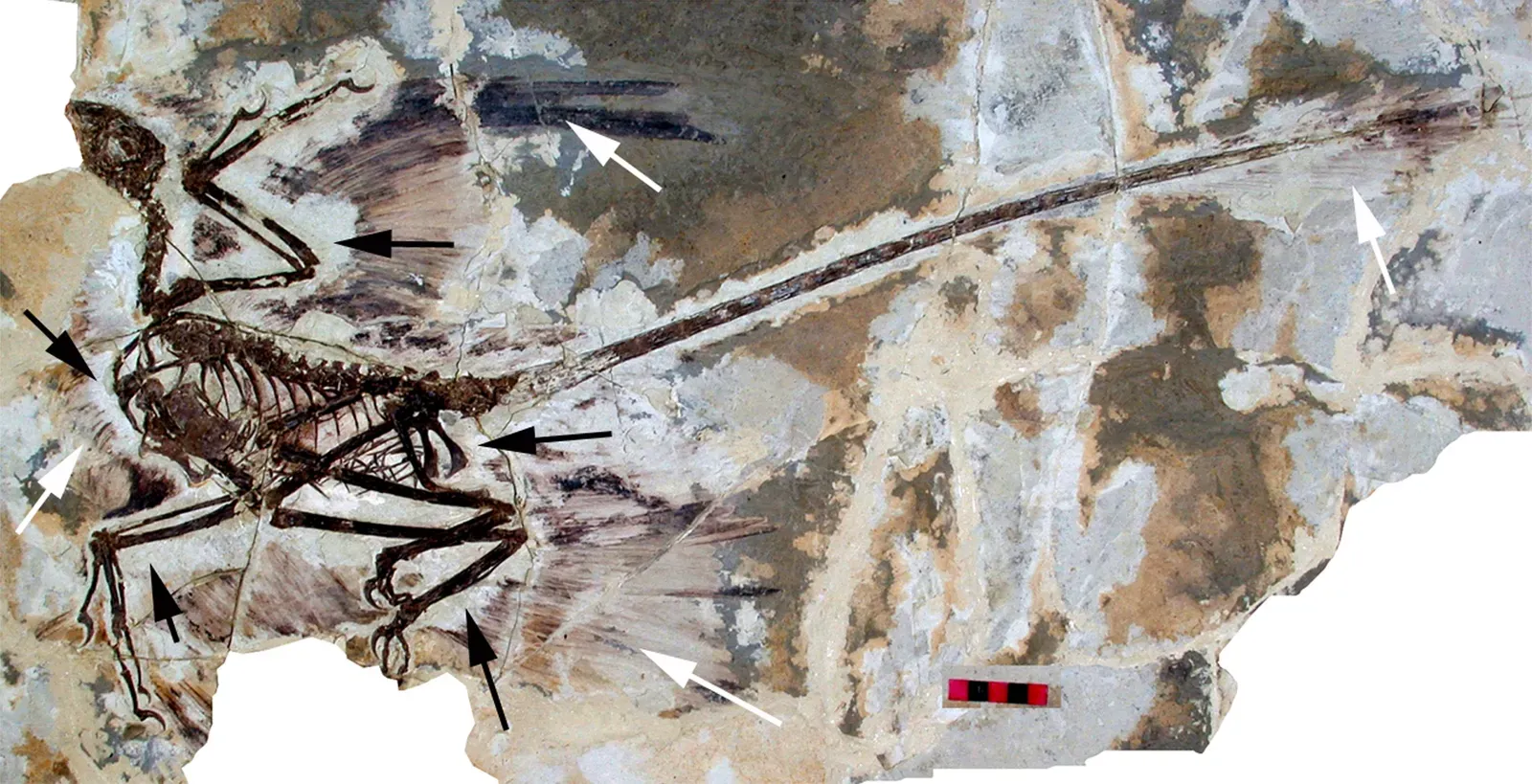
Let’s be real: the mythologized dinosaur, the roaring green monster charging at full speed, was always less interesting than the real thing. has handed us creatures that were warm-blooded, colorful, feathered in some stages of life, metabolically complex, and cognitively more sophisticated than we gave them credit for. They weren’t the slow, stupid, scaly failures of legend. They were extraordinarily successful animals that ruled this planet for an almost incomprehensible stretch of time.
Every new fossil that surfaces somewhere in China, Argentina, or the American Badlands chips away at another myth and replaces it with something stranger and more wondrous. The science is moving fast, faster than any T. rex ever could. What surprises you most about how wrong we’ve been, and what other “facts” about prehistoric life do you think might crumble next? Tell us in the comments.