There is something almost haunting about looking at a dinosaur skeleton. Perfectly still, stripped of color and muscle and motion, it gives you almost nothing. No sound. No movement. No hint of whether it lived alone, called out to its young, or performed elaborate dances to win a mate. Yet the more paleontologists dig, the more they discover that these ancient creatures had rich, complex lives that most of us have never even begun to imagine.
Our understanding of dinosaur behavior has long been hampered by the inevitable lack of evidence from animals that went extinct more than sixty-five million years ago, whose daily behaviors are rarely reflected by the fossil record. Still, science is catching up. Bones, footprints, bite marks, even the chemistry inside eggshells are slowly whispering secrets back to us. What follows are ten of the most stunning behavioral glimpses we now have into the lives of these creatures. Be prepared to think differently about everything you thought you knew.
1. They Performed Elaborate Mating Dances
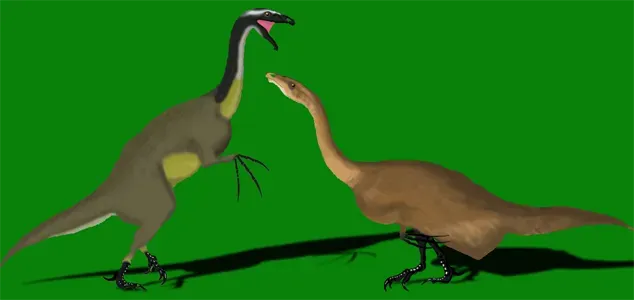
Picture this: a massive theropod dinosaur, cousins of the famous T. rex, grinding its clawed feet into the earth in rhythmic backward kicks, turning in slow clockwise circles, performing what can only be described as a prehistoric dance. These traces were generated by backward kicking movements repeated by both the left and right foot, and some of the impressions suggest the dinosaurs turned clockwise as they scraped their claws through the sand, indicating a unique, repetitious dance. That is not science fiction. That is a real fossil discovery.
The discovery suggests the site is a large mating display arena, also called a lek, rather than a small nesting area. Although a few of these dinosaur “lekking” spots may have been found before, new discoveries indicate that this wasn’t just a behavior found in a specific spot. You might find it hard to believe, but these lekking arenas, repeated gathering sites where males showed off for females, have now been found across multiple locations in Colorado and beyond. Since that initial study was published, more scrapes have been found in different sizes and in other countries, with paleontologists describing scrapes from sites in Canada and South Korea, where smaller versions suggest this behavior might have been common to theropods generally.
2. Some Dinosaurs Formed Herds as Early as 193 Million Years Ago
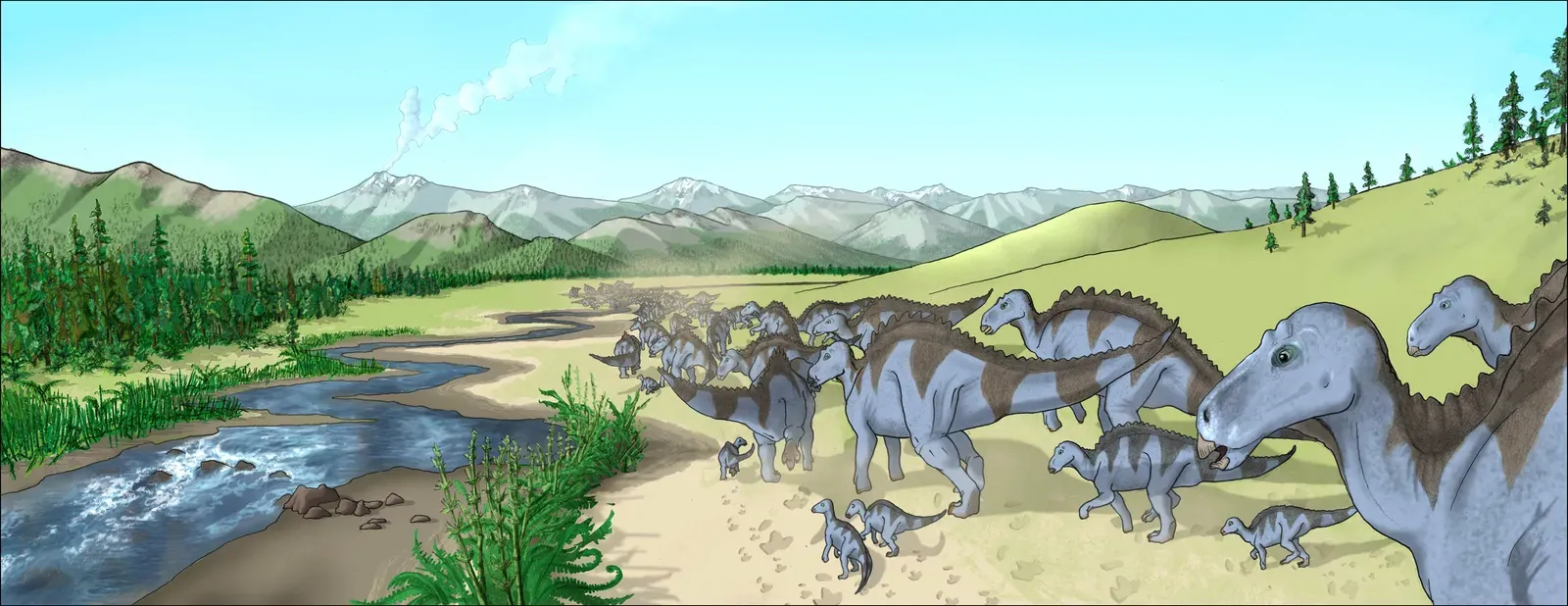
You might think of dinosaurs as solitary, prowling predators, but you would be missing a huge part of the picture. Scientists believe they have found the earliest evidence for complex herd behavior in dinosaurs, with researchers from MIT, Argentina, and South Africa saying Mussaurus patagonicus may have lived in herds as early as 193 million years ago, some 40 million years earlier than other records of dinosaur herding. That is genuinely jaw-dropping, if you think about it.
Fossils of eggs, hatchlings, juveniles, and adults were found together, and clues from this fossil find tell us that Mussaurus lived in herds, nested in colonies, and spent time in age-separated groups. It is the oldest fossil evidence of dinosaur social behavior ever found. Think of it like a modern buffalo herd, but on a Jurassic timescale. Dinosaurs may have congregated in herds for defense, for migratory purposes, or to provide protection for their young. The reasons were not so different from those of animals alive today.
3. Mixed-Species Groups May Have Traveled Together
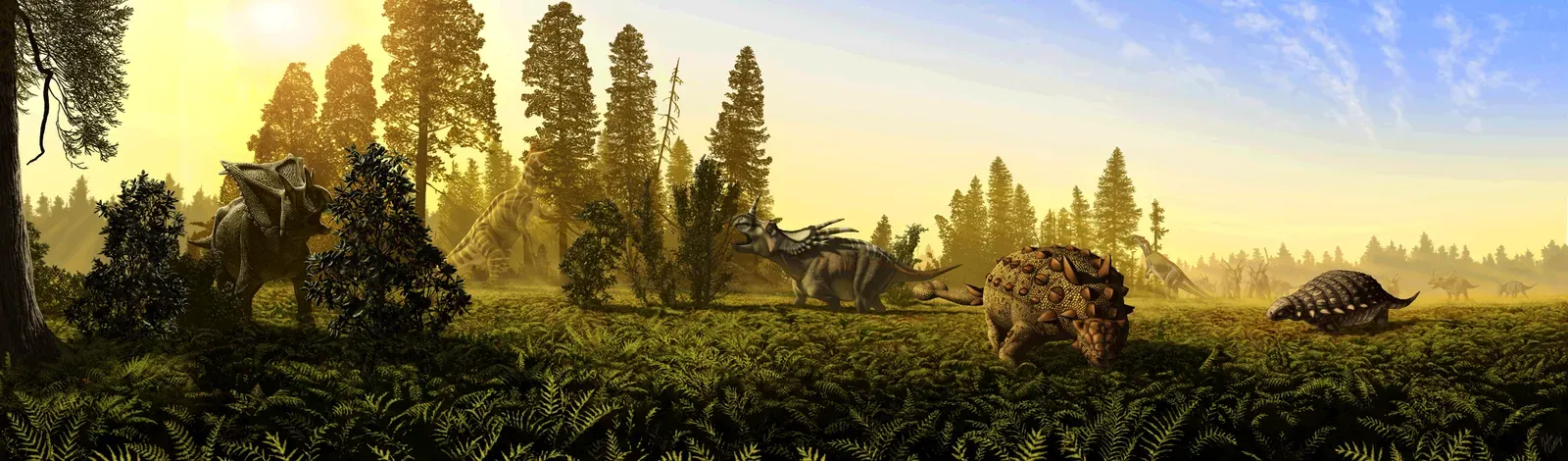
Here is where it gets really interesting. It was one thing to accept that dinosaurs of the same species lived together. It is another thing entirely to consider that different species may have traveled side by side. A discovery made in July 2024 at the world-famous fossil site Dinosaur Provincial Park, studied by an international team including scientists from the University of Reading and the Royal Tyrrell Museum of Palaeontology in Canada, and published in PLOS ONE, brought the first evidence of mixed-species herding.
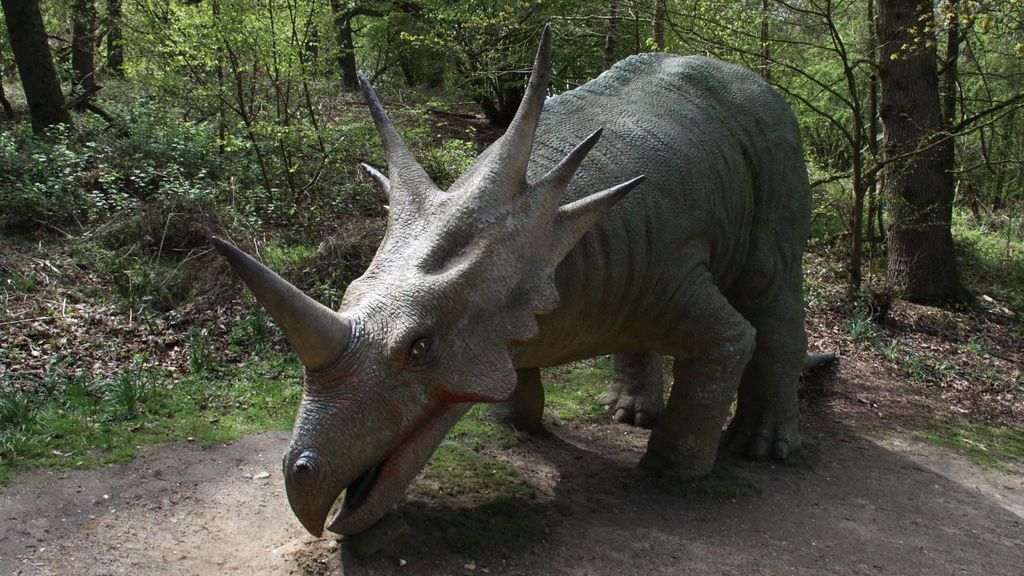
Honestly, the idea of a ceratopsian dinosaur and an armored ankylosaur wandering the same landscape together and potentially moving as a loose group challenges pretty much everything we assumed about prehistoric ecosystems. Some trackway sites have enough tracks to represent multiple individuals and even multiple species. When this happens, paleontologists can infer social behaviors that would never be preserved otherwise. Every time you think you understand these creatures, the fossil record throws you a curveball.
4. Dedicated Fathers Who Stayed on the Nest
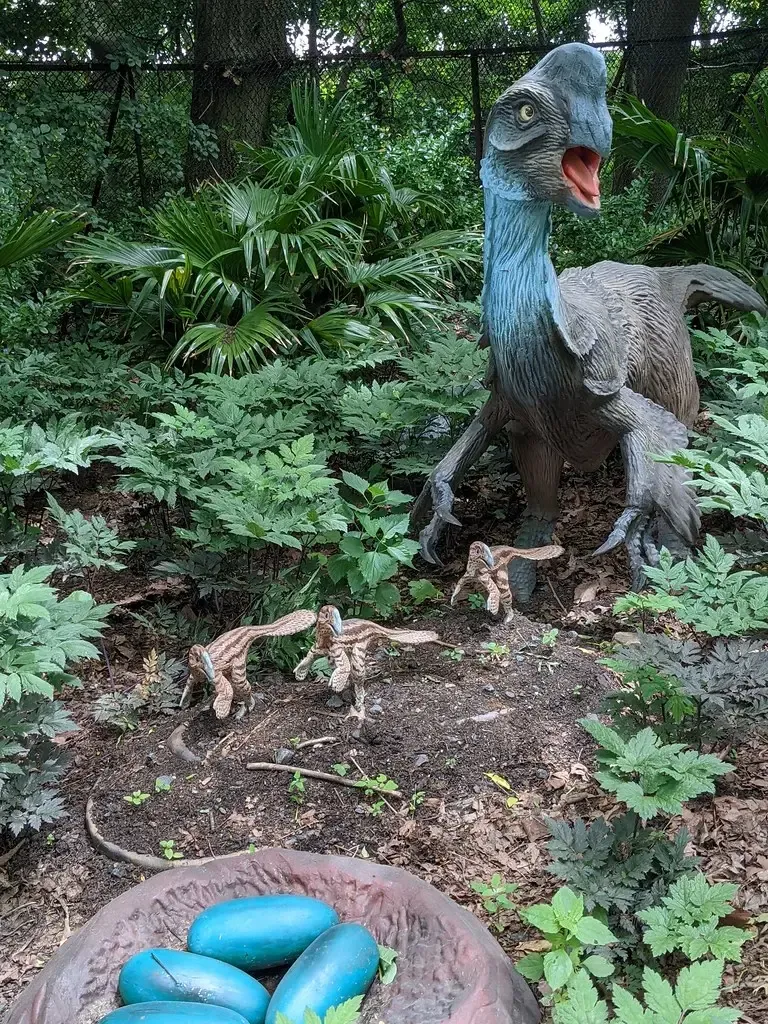
Modern culture loves to project parental roles onto ancient animals, but you may be surprised to learn that, at least in some dinosaur species, it appears dad was the one holding down the nest. Researchers report that males in three species were stay-at-home dads that incubated the eggs in their nests. The three species studied were Oviraptor, Citipati, and Troodon, all birdlike theropods with large clutch sizes that pointed directly to paternal care.
All three types of dinosaurs were found on nests, and those nests contain large clutches of eggs, as many as 30 each. Varricchio and his colleagues investigated whether they could discern the nesting behavior from the relationship of the clutch size to the animal’s body size. Measurements in 433 living birds and crocodiles revealed that, for a given body size, species in which males took care of the nest tended to have the largest clutches. The numbers, in other words, matched a paternal care pattern. Let that sink in for a moment.
5. Mothers Who Literally Died Protecting Their Eggs
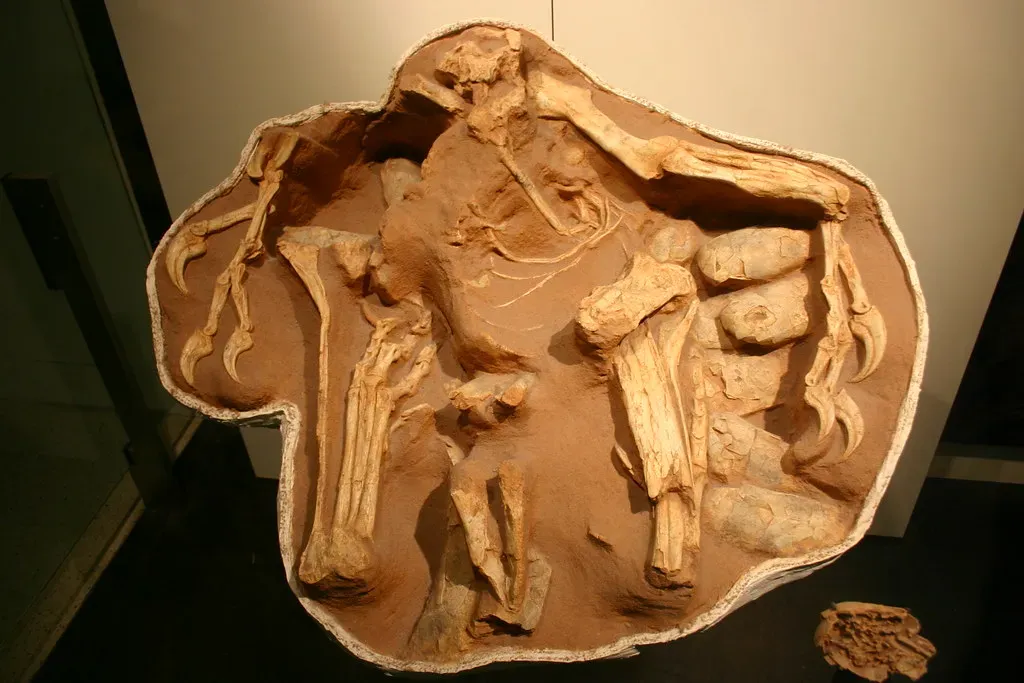
If there is one fossil that stops people in their tracks, it is the story of “Big Mama.” The Citipati osmolskae fossil dubbed “Big Mama” was a discovery that provided substantial evidence for how dinosaurs behaved with their eggs. “Big Mama” is a 75-million-year-old oviraptorid that was uncovered brooding on, meaning sitting on top of, a nest of eggs. She was buried in a sandstorm, fossilized in the act of protecting her clutch.
Scientists know from previous finds that oviraptorids laid two eggs at a time in a clutch of 30 or more, meaning the mother would have to stay with or at least return to the nest, lay her pair of eggs, arrange them carefully in the circle, and bury them appropriately every day for two weeks to a month. That is a level of devotion you would not expect from a prehistoric reptile. Oviraptorids show substantial evidence of putting their lives on the line for their young. It is, in a word, moving.
6. Hadrosaurs May Have Parented Through Polar Darkness
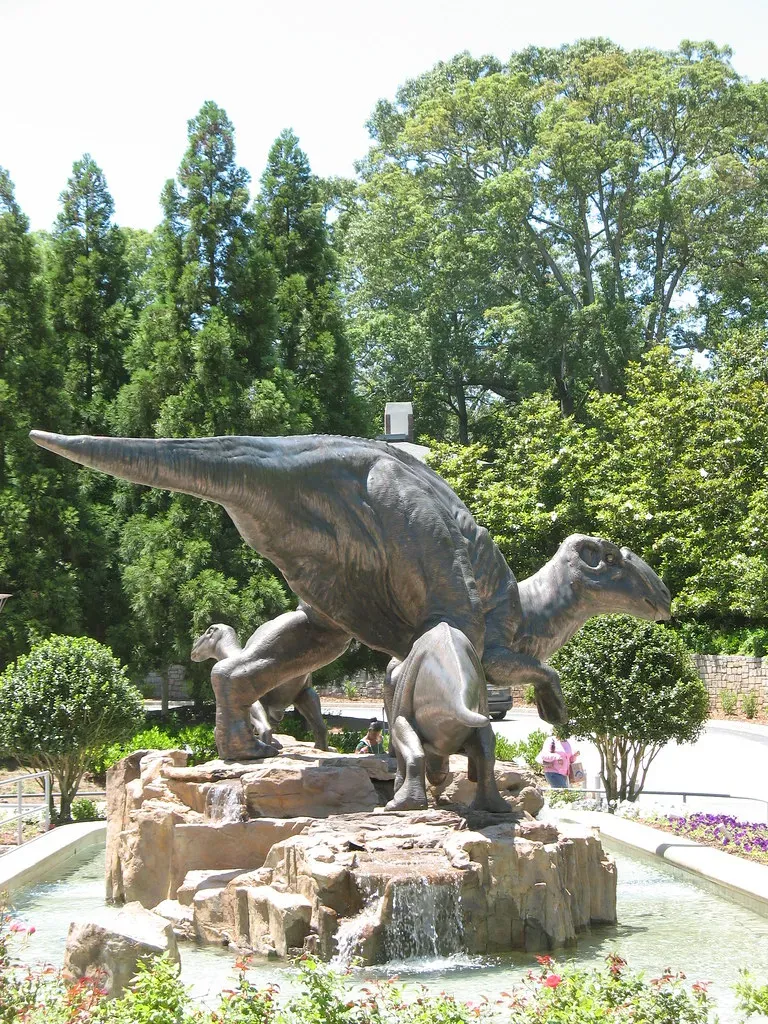
Of all the behaviors on this list, this one feels the most cinematic. Imagine a herd of duck-billed hadrosaurs, deep within the Arctic Circle, carefully tending to their hatchlings through weeks of near-total darkness in a Cretaceous winter. Paleontologists once thought dinosaurs could not have survived so far north, but today it is recognized that many dinosaurs thrived above the Arctic Circle.
Combined with evidence from other hadrosaur species that parents tended to their hatchlings, a remarkable picture emerges: Ugrunaaluk herds may have carefully tended their babies through many weeks of polar darkness, helping them forage on “leftover” bark, ferns, and moss under the northern lights. Such a lifestyle may have been possible due to the warmer Cretaceous climate, which would have meant snowy conditions for part of the year but less extreme Arctic temperatures than today. It is a level of resilience and parental commitment that is almost difficult to fathom.
7. Dinosaurs Communicated With Their Young Before Hatching
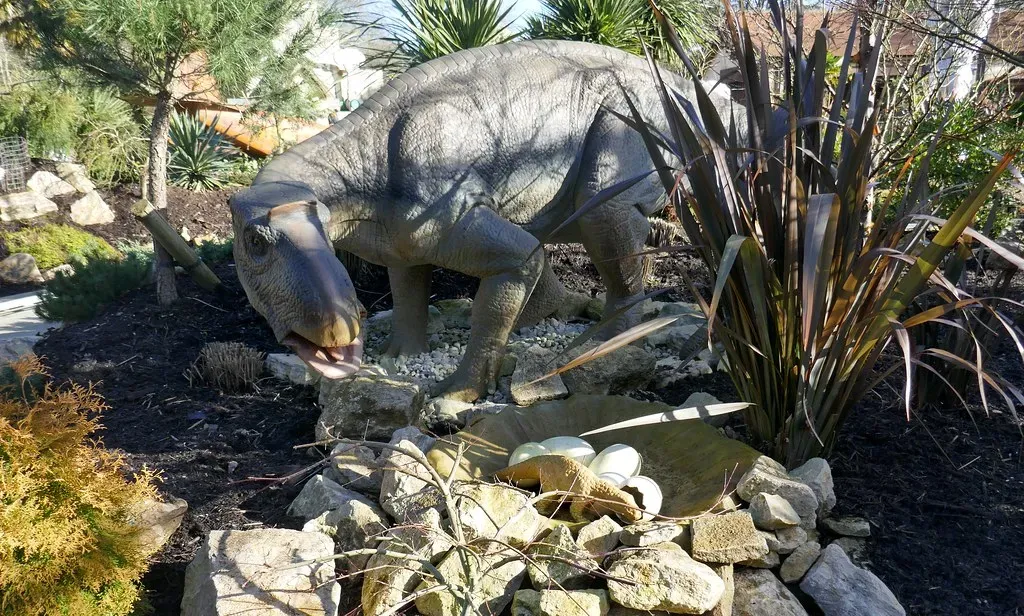
Think about the last time you heard a bird call out to its chick, or a crocodile mother nudge her babies toward water. Those behaviors have a far deeper evolutionary history than most people realize. Living dinosaurs, meaning birds, and their closest living relatives, crocodilians, share many derived features of reproduction, including vocal communication between parents and offspring prior to hatching, and some degree of parental care for at least a few weeks. If birds and crocodiles both do this, the evidence points strongly toward dinosaurs having done the same.
Nests and eggs have been found for most major groups of dinosaurs, and it appears likely that dinosaurs communicated with their young in a manner similar to modern birds and crocodiles. Scientists cannot play back the sound of a Maiasaura calling to its nest, but the logic of evolutionary comparison is compelling. Although it is difficult to directly study dinosaur vocalizations, researchers have inferred their communication abilities based on anatomical features, such as the structure of the larynx and the presence of hollow bones that could have resonated sound. The silence of the fossil record hides what was almost certainly a noisy, communicative world.
8. Feathers Used for Visual Signaling and Attraction
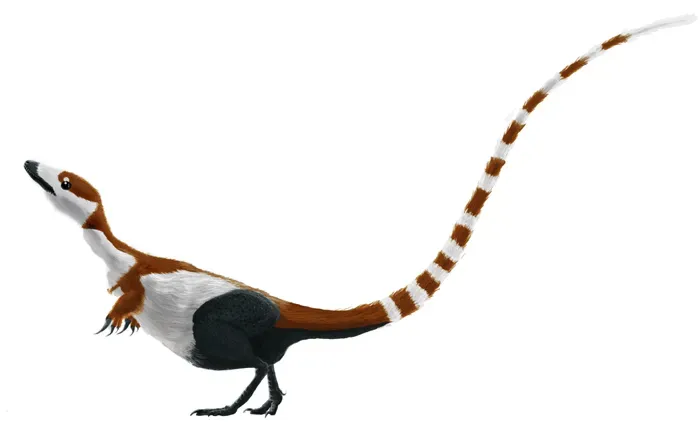
You probably already know that many dinosaurs had feathers. That part has become common knowledge. What is less widely understood is that those feathers were not always about flight or warmth. Many served an entirely different, far more social purpose. Even feather patterns on some dinosaurs, such as the striped tail of the fuzzy dinosaur Sinosauropteryx, hint at visual signals being very important to dinosaurs in terms of socializing and impressing potential mates.
The crests and frills of some dinosaurs, like the marginocephalians, theropods and lambeosaurines, may have been too fragile to be used for active defense, and so were likely used for sexual or aggressive displays. Think of it the way you would think of a peacock’s tail. Flashy. Impractical. Perfectly designed to be noticed. Evidence of sexual dimorphism and courting displays have been found from fossil scrapings in sandstone and feathers on dinosaurs that lacked flight, which paints a picture of dinosaur social lives that were far more visually rich than most of us ever imagined.
9. Juveniles Likely Lived in Age-Segregated Groups
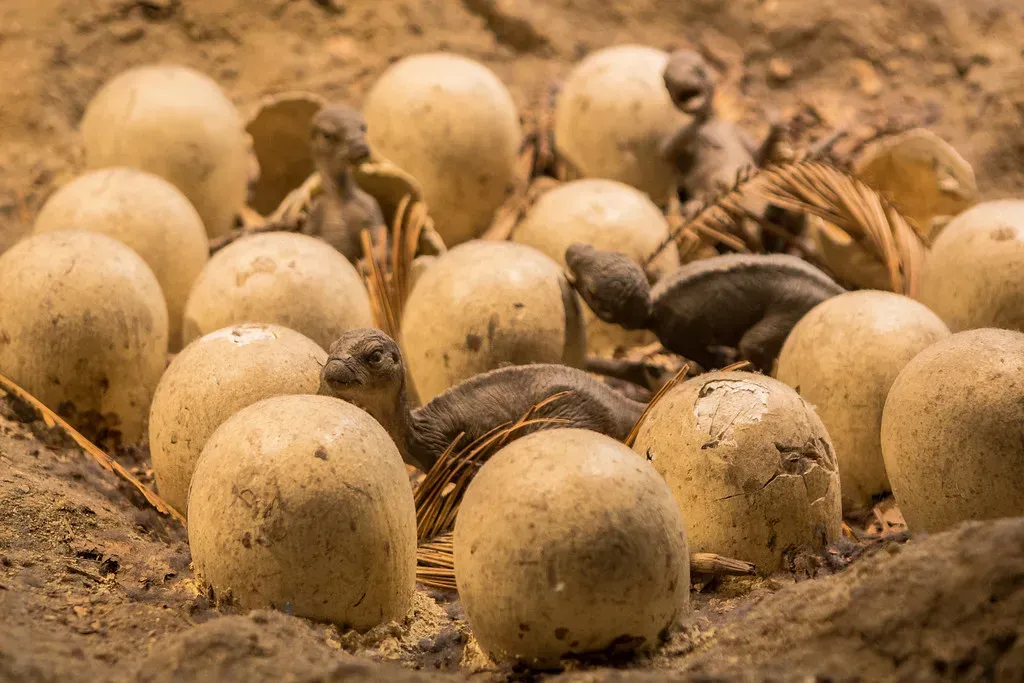
Here is something that feels strangely familiar. Just like schools of children separated by age, or college dormitories full of young adults, some dinosaur species appear to have organized their young into separate social groups. The bones were segregated by age, with eggs in a common nesting ground. Juveniles were likely left in “schools” while adults foraged. This was discovered from the remarkable Mussaurus fossil site in Patagonia.
After baby dinosaurs left the nest, they at least seem to have traveled together. Packs and herds of baby ankylosaurids, ceratopsians, and ornithomimosaurs are known, and in at least the case of the ceratopsian Psittacosaurus and the ornithomimosaur Sinornithomimus, these herds can include individuals of different ages, including adults. There is something oddly reassuring about this. It suggests that even in the Mesozoic, the young stuck together, learning to survive in a dangerous world. Maybe that instinct is older than we ever gave it credit for.
10. Raptors That Ran and Flapped Their Wings Simultaneously
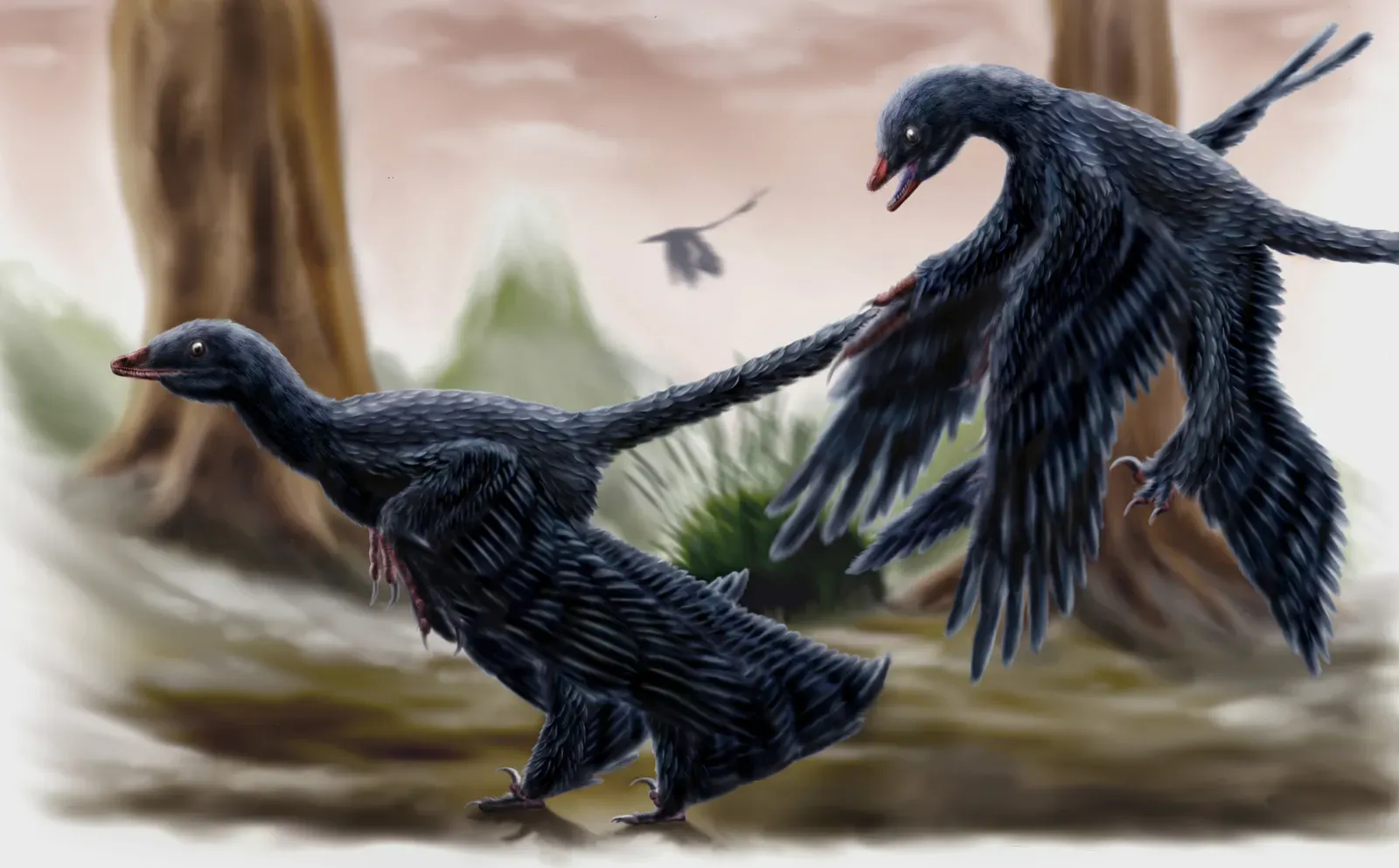
This one is genuinely strange and wonderful. You think of raptors running, slashing, leaping. What you probably never imagined is them flapping their arms while sprinting at full speed, looking for all the world like something caught between a runner and a bird mid-takeoff. Paleontologists described a trackway made by a dinosaur that was flapping as it ran. Detailed in the Proceedings of the National Academy of Sciences, the Cretaceous trackway was made by a two-toed dinosaur like Microraptor. The spacing between the tracks indicates the dinosaur was moving at high speed, but it seemed to be moving even faster than expected if it was just propelling itself with its legs alone. The little raptor was likely flapping as it kicked with its feet, even though experts are not sure if it was trying to take off, land, run up an incline, or something else.
It is a behavior that blurs every clean line we draw between dinosaurs and birds. The tracks indicate that flapping wings could be as important to running as long, strong legs. Think of it like watching someone on a balance bike suddenly realize they can pedal too. It speaks to a creature caught in an extraordinary evolutionary moment, still figuring out what its own body could do. Dinosaur tracks are fossilized behavior. Each footstep represents an actual moment in the dinosaur’s life, affected by how it was moving. That one sentence, more than almost anything else, reminds us how vivid and immediate the ancient past really was.
Conclusion: The More We Dig, the More They Come Alive
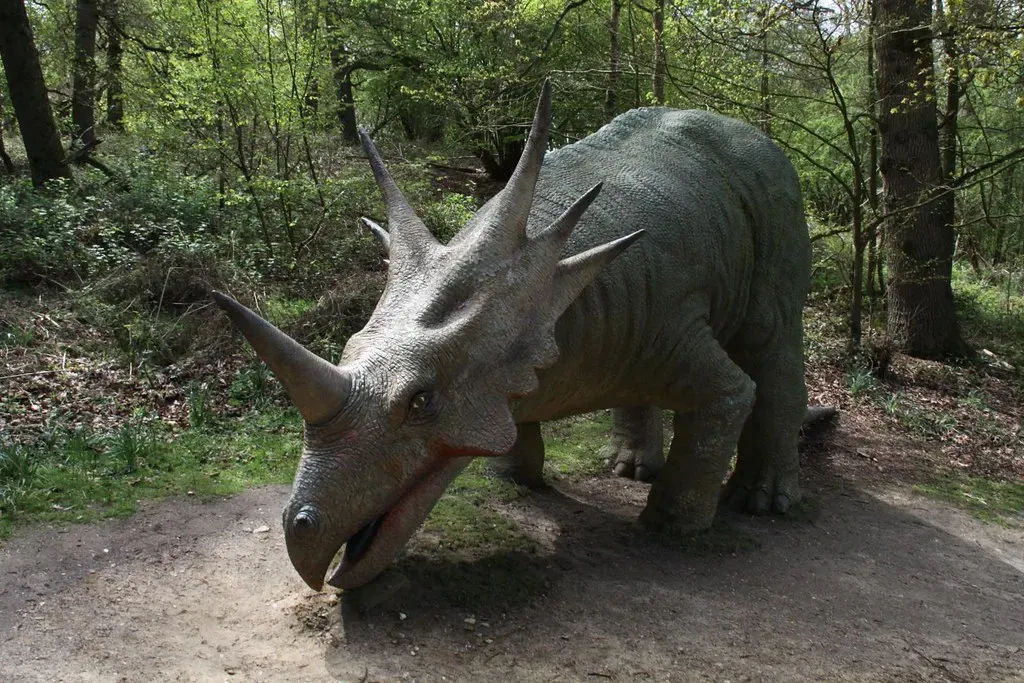
Every one of these ten behaviors forces you to rethink the dinosaur. Not as a monster. Not as a skeleton behind glass. But as a creature with something like a social life, with attachment to offspring, with the drive to attract a mate, with the instinct to move in groups and protect what was precious. Today, with the discovery of new specimens and the development of new and cutting-edge techniques, paleontologists are making major advances in reconstructing how dinosaurs lived and acted.
What truly gets you, if you sit with it long enough, is that these creatures lived in a world of behavior. They danced. They called to their unhatched young. They gathered in leks and herds and age-divided schools, following instincts that evolution had shaped over millions of years. Dinosaur behavior is the one area where we see the greatest disconnect between what we know and what people think we know. You now know more than most. Which of these ten behaviors surprised you the most? Drop your thoughts in the comments below.