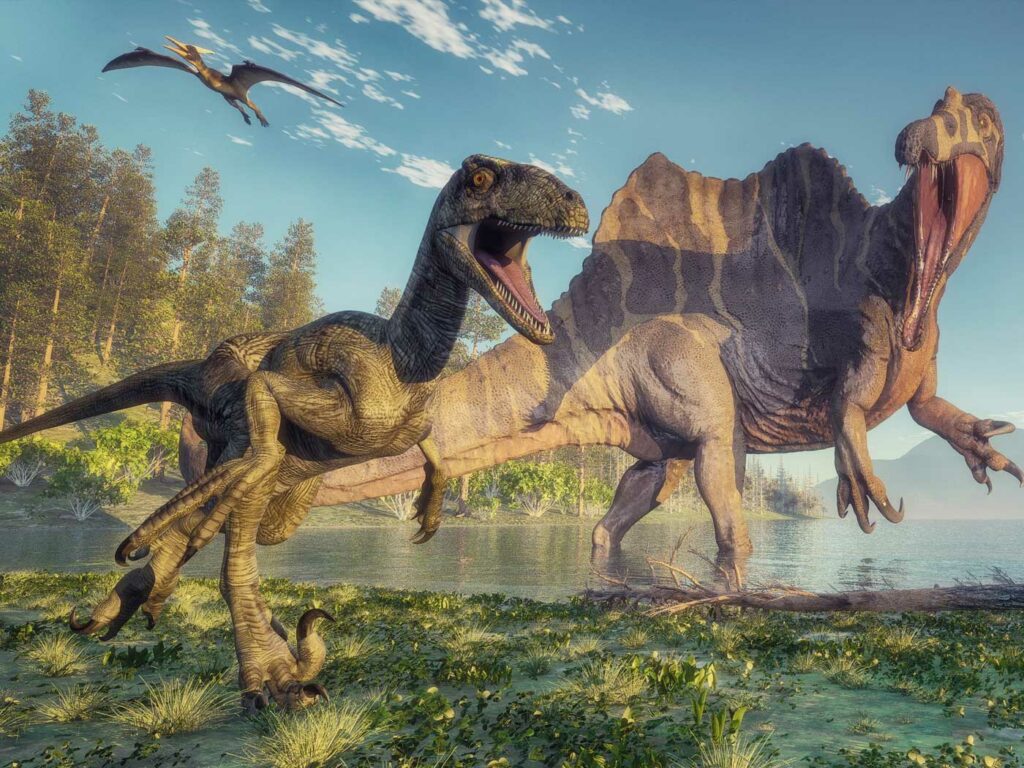
Picture this: you’re standing in a Cretaceous forest, 75 million years ago. The air is thick and humid, towering conifers stretch endlessly overhead, and somewhere nearby, an enormous creature is trying to reach out to its herd. You just can’t hear it – at least, not the way Hollywood told you it would sound. The thunderous roar from Jurassic Park? Turns out, science has a very different, and honestly far more fascinating, story to tell.
Dinosaur communication is one of the most captivating puzzles in all of paleontology. Researchers across the globe are piecing together clues hidden in fossilized bones, ancient ear structures, and the biology of living animals to reconstruct a prehistoric soundscape that no human ear has ever caught. From deep, ground-shaking rumbles to dazzling visual color displays, what you are about to discover might completely reshape the image of dinosaurs you grew up with. Let’s dive in.
Jurassic Park Got It Wrong – What the Science Actually Says
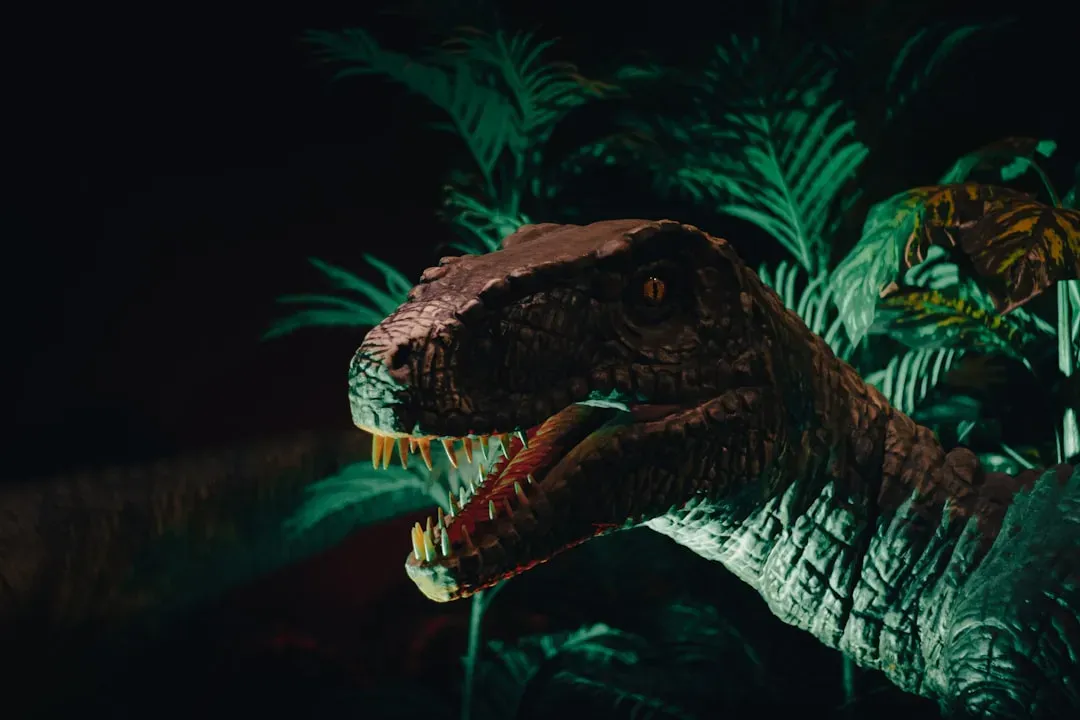
Let’s be real: most of us built our mental image of dinosaur sounds around one movie. That iconic T. rex roar reverberating through a rain-soaked night felt like the truth. For over 30 years, we heard the terrifying roars of dinosaurs in Jurassic Park – but new scientific findings reveal the surprising truth about how dinosaurs actually communicated. The honest answer is jarring, and I think that’s what makes it so exciting.
The famous Tyrannosaurus rex roar was assembled from a baby elephant, a tiger, and an alligator – sounds chosen for dramatic effect rather than anatomical plausibility. Today, scientists believe that large theropods like the T. rex likely produced much deeper, resonating sounds, akin to those of modern crocodiles or ostriches. That’s the science, not the spectacle.
Closed-Mouth Vocalizations: The Silent Rumble You Never Expected
Think of closed-mouth vocalizations as being lower and more percussive, as opposed to bird calls, which are more varied in pitch and almost melodic. Modern examples include crocodilian growls and ostrich booms. As a result, scientists reasoned that many dinosaurs did not perform open-mouth vocalizations, but could have generated closed-mouth vocalizations instead. Think of it like the deep, chest-vibrating rumble of a massive sub-woofer – felt as much as heard.
A separate line of research published in the journal Evolution in 2016 examined vocalization data from more than 200 bird and crocodilian species – the closest living relatives of dinosaurs. Researchers found that closed-mouth vocalization evolved independently at least sixteen times within this group. The study indicated that large sauropods, ceratopsians, and theropods likely used this mechanism to communicate across vast Mesozoic landscapes. So instead of roaring, your T. rex was probably more of a deep-humming, low-frequency boomer.
The Parasaurolophus and Its Built-In Trombone
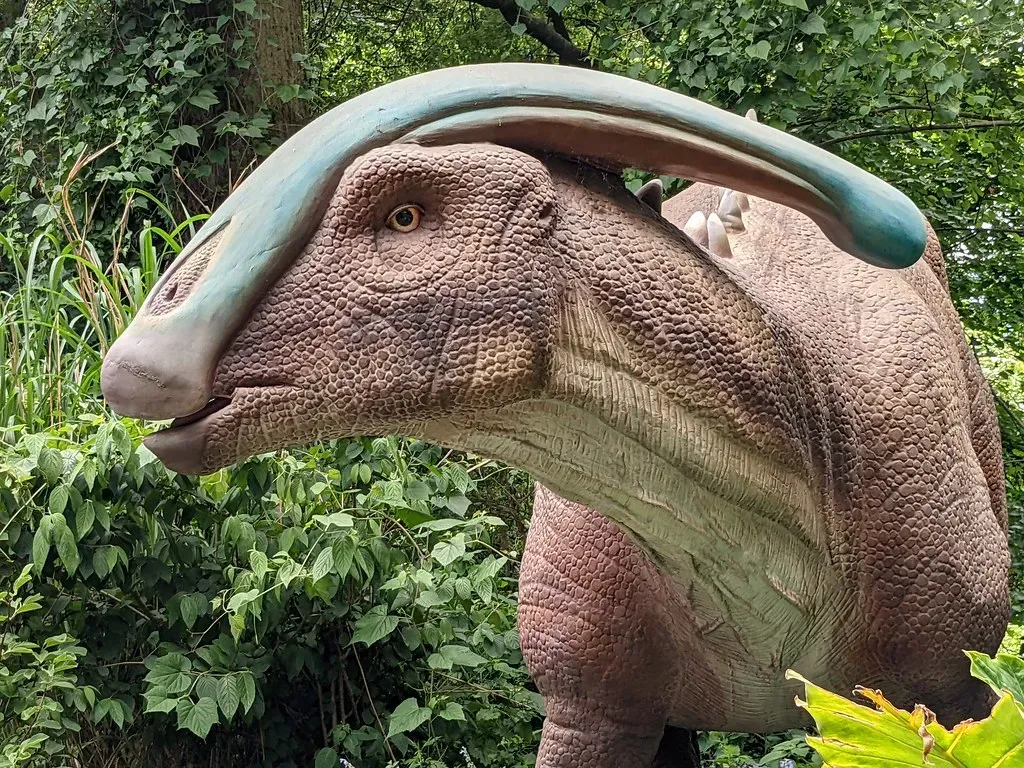
The study of dinosaur vocalization gained significant momentum after the discovery in August 1995 of a rare Parasaurolophus skull fossil measuring about 4.5 feet long. The dinosaur had a bony tubular crest that extended back from the top of its head. Many scientists believed the crest, containing a labyrinth of air cavities and shaped something like a trombone, might have been used to produce distinctive sounds. You can think of it like a living brass instrument, grown directly out of the skull.
Based on the structure of the crest, the dinosaur apparently emitted a resonating low-frequency rumbling sound that could change in pitch. Each Parasaurolophus probably had a voice that was distinctive enough to not only distinguish it from other dinosaurs, but from other Parasaurolophuses. This anatomical feature may have allowed it to generate low-frequency calls, which could travel across long distances – a valuable adaptation for herd communication over expansive territories.
Fossil Discoveries That Changed Everything
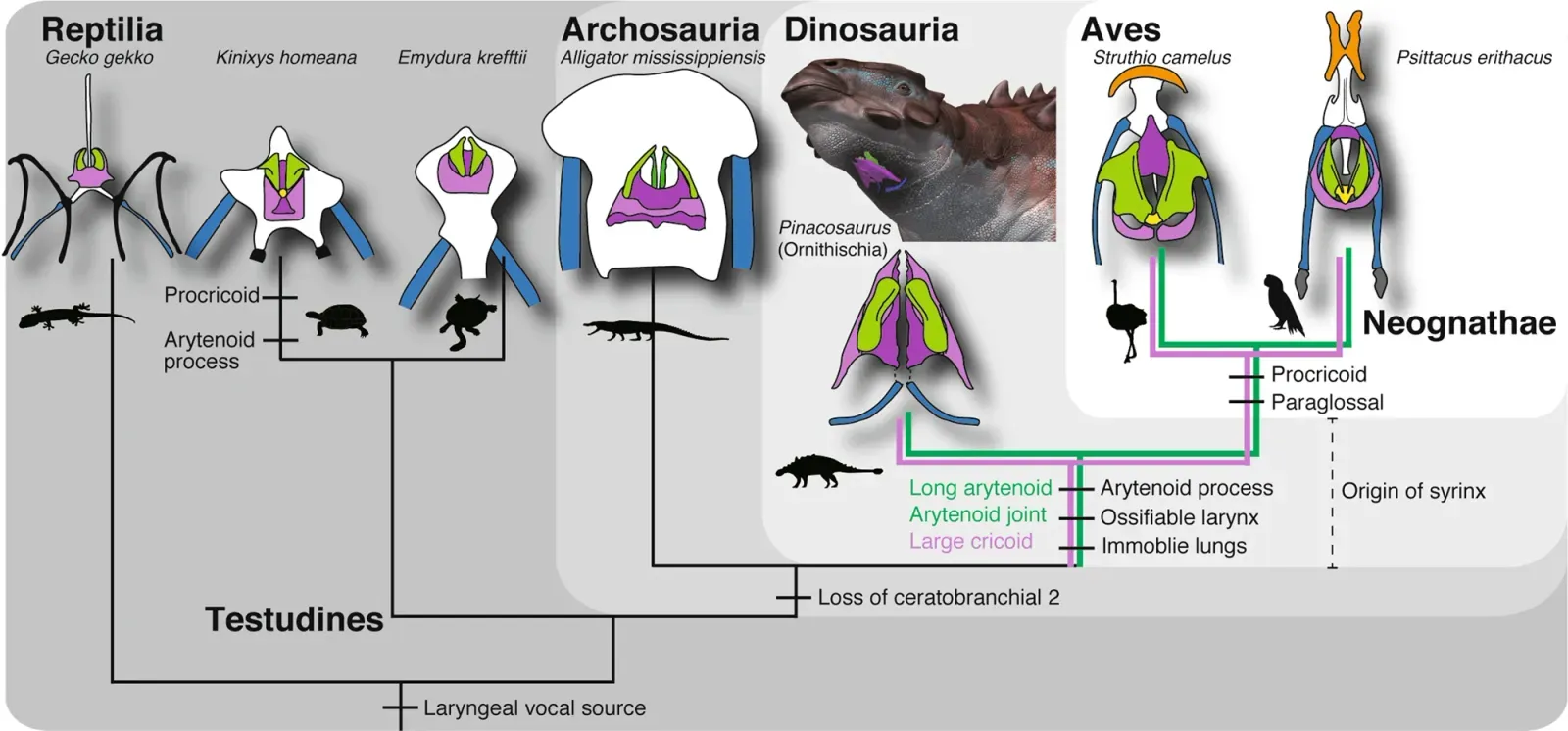
The problem was always the evidence: vocal cords, larynxes, and soft tissues decompose, leaving only bones and teeth for scientists to interpret. Without direct fossil evidence, the debate over dinosaur sounds remained speculative. That changed in 2023. Researchers published the first description of a fossilized voice box from a non-avian dinosaur, and a second discovery followed in early 2025. These two findings sent shockwaves through the paleontology community.
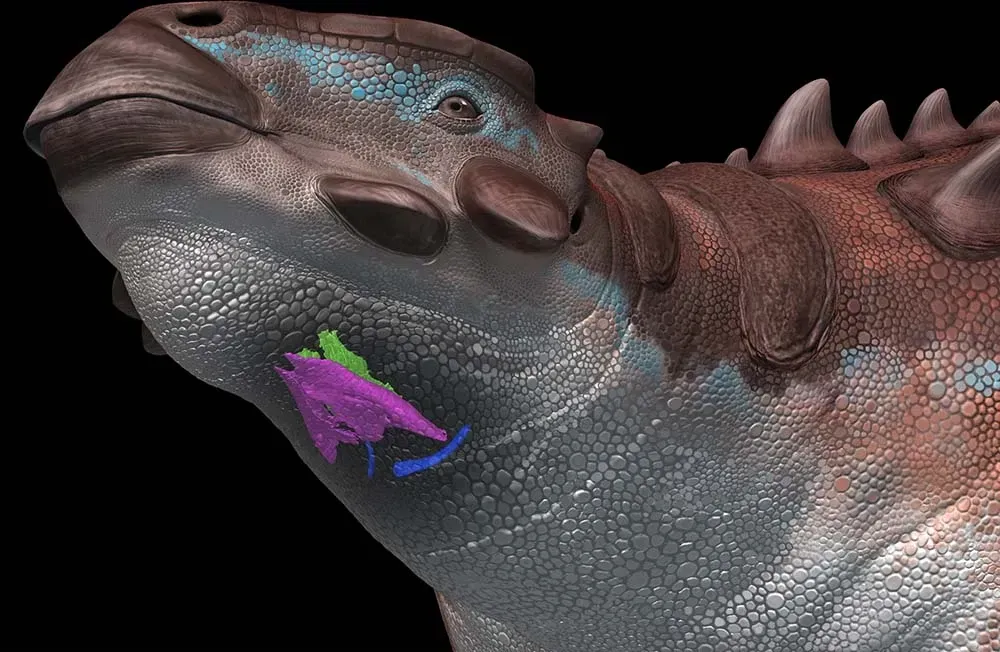
The 2023 discovery involved Pinacosaurus grangeri, a Late Cretaceous ankylosaur from what is now Mongolia. An international team described the specimen in Communications Biology, noting that while its larynx shared structural features with modern crocodilians, it also exhibited specialized characteristics. The study concluded the dinosaur likely used its larynx as a vocal modifier capable of producing bird-like sounds, despite lacking the syrinx. Researchers confirmed that Pinacosaurus’ larynx was likely capable of producing a wide range of sounds: rumbling, grunting, roaring, and even chirping.
Birds as Living Blueprints: The Phylogenetic Bracket Method
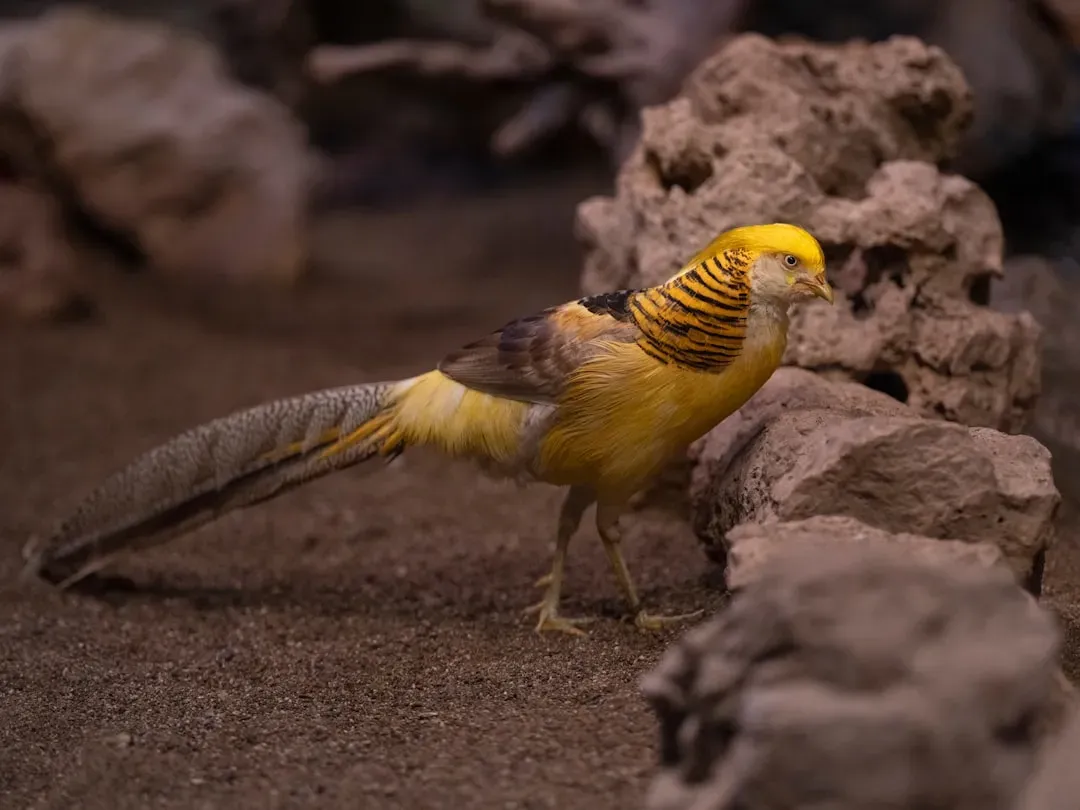
Here’s the thing – when you can’t directly study an extinct animal’s soft tissue, you work with what you have. When creating a reconstruction of an extinct animal, it’s useful to look at their living relatives for comparison. In the case of dinosaurs, scientists have two points on their family tree to draw from: the crocodilians, who share a common ancestor with the earliest dinosaurs, and birds, who are their living descendants. With these two points of reference, scientists can create a “bracket” around a segment of the tree of life, comparing the biology and behavior of its living representatives – a process known as phylogenetic bracketing.
Modern birds use various sounds for mating calls, warnings about predators, or simply to establish territory. The possibility exists that dinosaurs employed similar strategies using their own unique vocalizations. Paleontologist Dr. Julia Clarke has conducted extensive research into this area and suggests that some dinosaurs likely had complex social structures requiring varied forms of communication – much like today’s avian species do. Such low-frequency sounds could “penetrate through thick vegetation and over large distances, and may have allowed individual dinosaurs to be heard over vast areas.”
Color, Feathers, and the Language of Vision
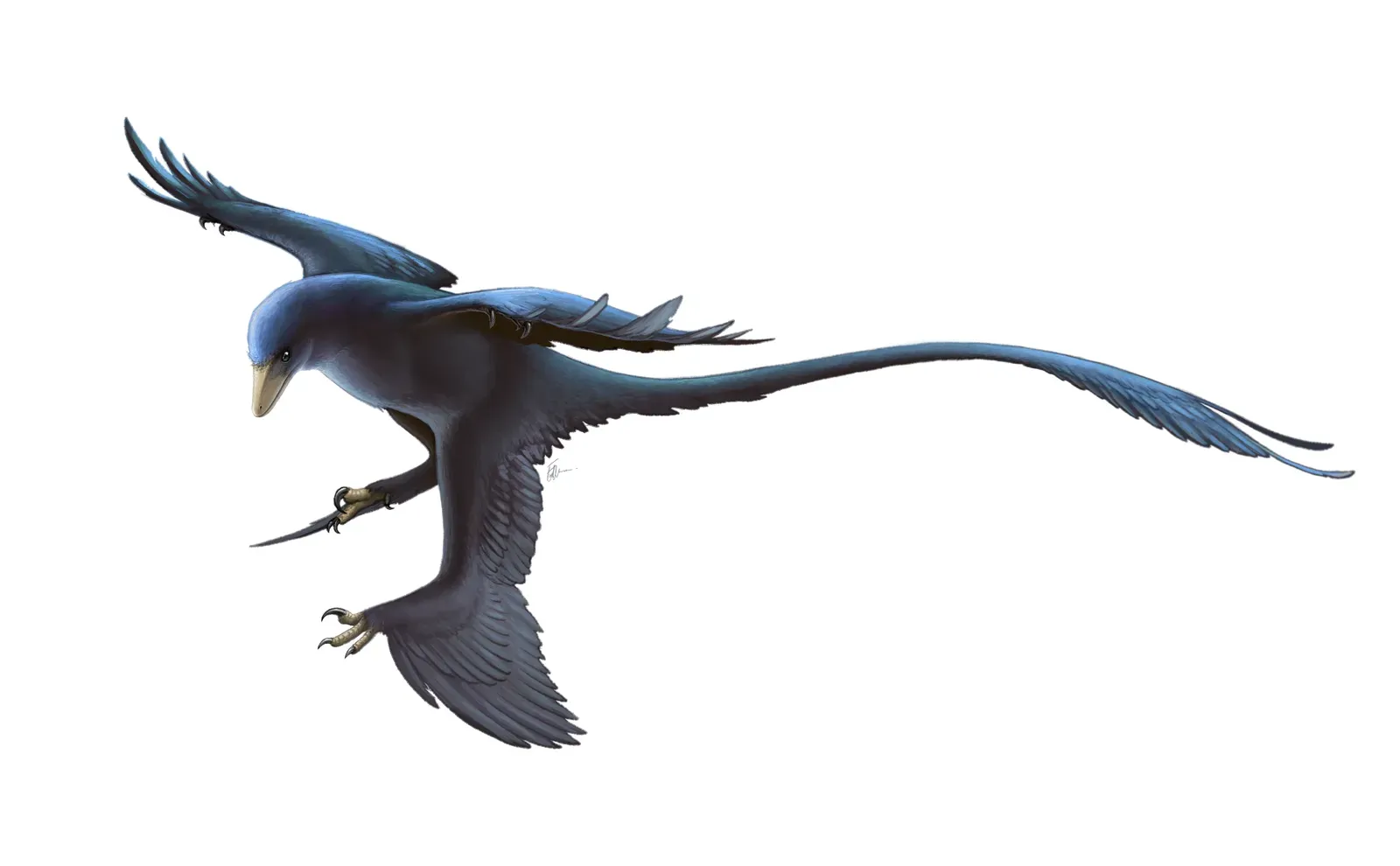
Sound was only part of the story. Honestly, when you start reading about dinosaur visual communication, it becomes clear that some of these creatures were nature’s ultimate show-offs. Scientists report that a complicated pattern of reddish brown, black, gray, and white feathers covered fossilized dinosaurs, leading to speculation that this coloration was used for attracting mates or some form of visual communication, as is often the case in living birds. Think of it as the prehistoric equivalent of wearing the flashiest outfit in the room.
Researchers postulate that these ancient reptiles had a highly developed ability to discern color. Their hypothesis: the evolution of feathers made dinosaurs more colorful, which in turn had a profoundly positive impact on communication, the selection of mates, and on dinosaurs’ procreation. Their physical features, such as crests, frills, and horns, played a significant role in signaling dominance, age, or attracting potential mates. These visual displays were designed to catch the attention of others, either as a form of courtship or as a means of intimidation towards rivals.
Infrasound, Tail Signals, and the Sounds Beneath Our Hearing
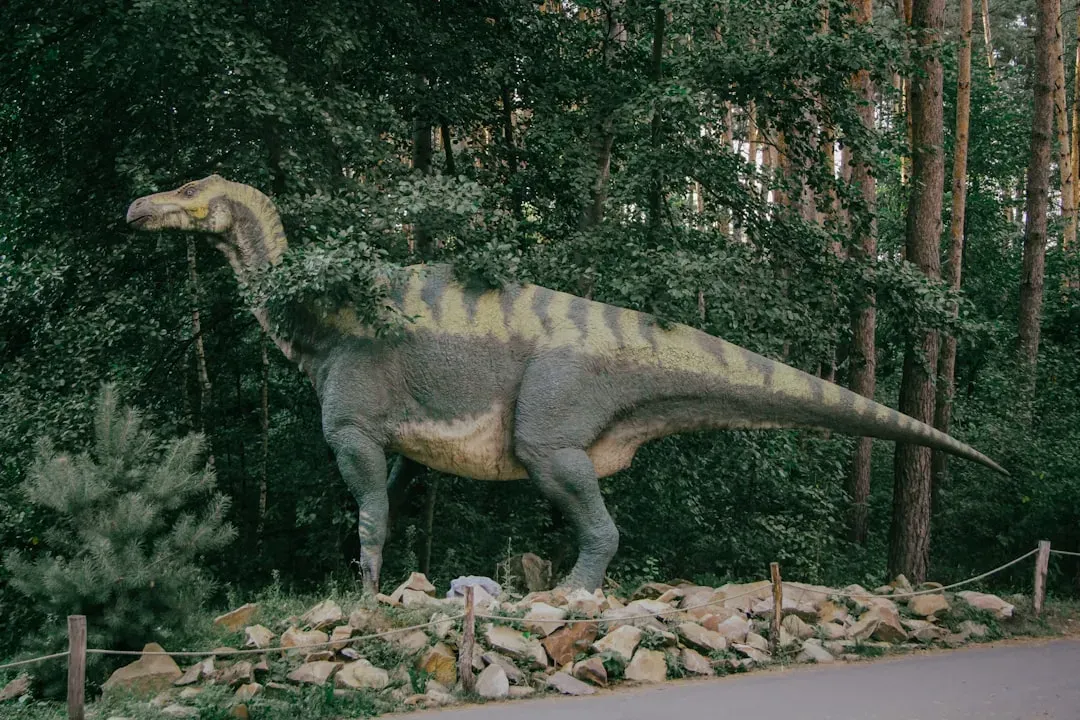
It’s hard to say for sure, but some of the most intriguing theories involve communication channels that humans can barely even perceive. Infrasound refers to sound waves with frequencies below the lower limit of human hearing, typically below 20 Hz. These low-frequency sound waves have remarkable properties that make them particularly useful for long-distance communication. Unlike higher-frequency sounds, infrasound can travel for miles without significant degradation, allowing it to pass through obstacles like dense forests, hills, and even buildings.
Large predators like Tyrannosaurus rex might have used low-frequency vocalizations to communicate with pack members during hunts without alerting prey species sensitive to higher frequencies. Conversely, herbivorous dinosaurs may have evolved the ability to detect infrasound as an early warning system for approaching predators. Some researchers speculate that certain herbivores could sense the low-frequency vibrations created by the footfalls of large theropods, similar to how modern elephants detect the vibrations of distant herds through the ground. Meanwhile, for the enormous sauropods like Diplodocus, scientists have hypothesized that diplodocid dinosaurs might have whipped their long, skinny tails as a means of defense or even communication – a theory debated for well over a century.
Conclusion: A Prehistoric Symphony Still Being Written

The more science uncovers about dinosaur communication, the more you realize just how alive and complex the Mesozoic world truly was. Communication would have played a pivotal role in coordinating movement, warning of approaching predators, or even engaging in mating rituals. As research progresses, scientists hope to unravel whether these sounds were unique to each species, locality, or even individual, offering a more nuanced picture of dinosaur life.
Reconstructing dinosaur vocalizations isn’t just about satisfying curiosity; it has broader scientific implications. Understanding how dinosaurs communicated provides insights into their social behavior, mating rituals, and predator-prey interactions. Dinosaur sounds can even help reconstruct ancient ecosystems, revealing how these creatures interacted with their environment. From low booming rumbles felt through the earth, to iridescent feathers flashing in filtered Cretaceous sunlight, these ancient giants had far more to say than Hollywood ever imagined.
The prehistoric world was not silent. It was not even simple. It was a layered, multi-sensory communication network stretching across continents and millions of years. The question now is not just what dinosaurs sounded like, but what we still don’t know – and that mystery is exactly what makes paleoacoustics one of the most thrilling fields of science today. What do you think the Mesozoic actually sounded like? Tell us in the comments.