There are creatures from Earth’s past that no Hollywood budget could truly do justice to. The megalodon is one of them. For tens of millions of years, this colossal shark patrolled every warm ocean on the planet, eating whales for breakfast and leaving a trail of shattered bone in its wake. It wasn’t just big. It was engineered, almost frighteningly so, to be the most powerful predator the seas had ever produced.
Even now, in 2026, scientists are still piecing together just how dominant this animal truly was. Every new fossil discovery, every isotopic analysis of ancient teeth, reveals something more staggering than the last. So how did one creature come to rule an entire planet’s oceans for so long? The answer is more layered, and far more impressive, than you might expect. Let’s dive in.
A Size That Defies Imagination
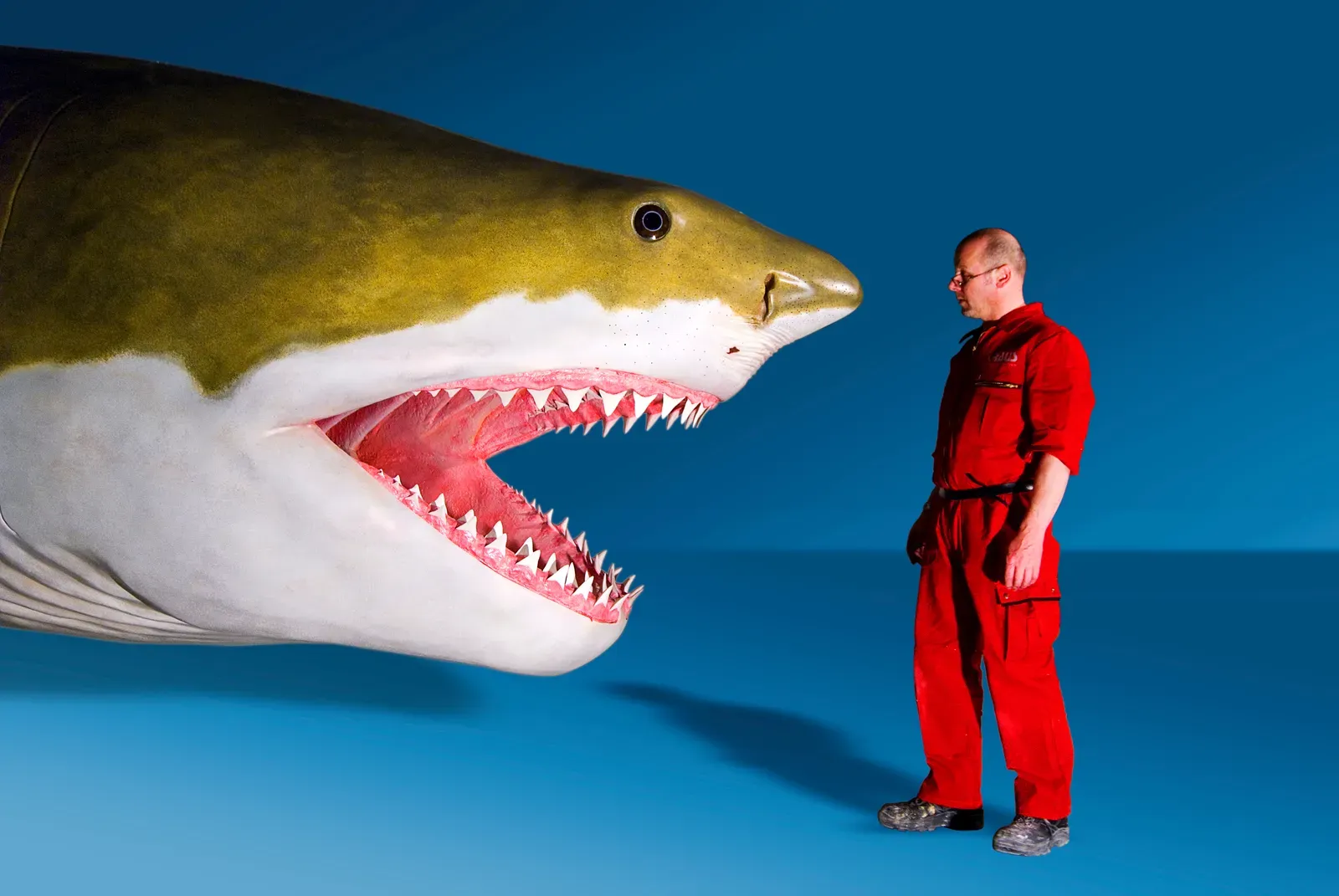
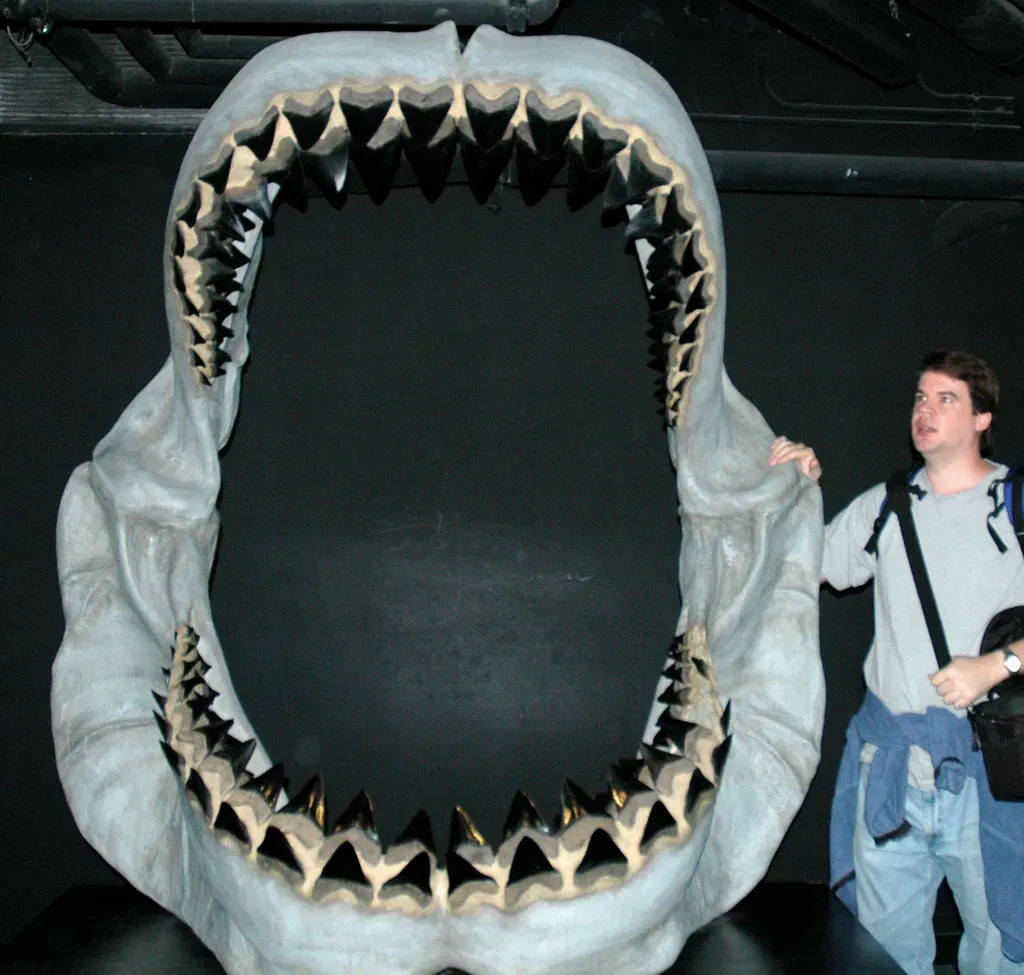
Here’s the thing about the megalodon’s size: no number quite captures it until you stand next to a reconstruction. Otodus megalodon was not only the biggest shark in the world but one of the largest fish ever to exist, with a 2025 study written by 29 fossil shark experts finding it may have grown up to 24.3 metres long. That’s roughly the length of a semi-truck trailer, plus another semi on top of that.
The fossil record leads the scientific community to estimate that the largest megalodon was up to 65 feet long, nearly the length of two school buses. When compared to modern great white sharks, megalodons pale them in both body size and body mass, and even the whale shark, the largest fish swimming in today’s oceans, is dwarfed by comparison. Honestly, trying to imagine something that big moving silently through prehistoric water is almost unsettling. It wasn’t just a large animal. It was a force of nature.
Teeth Built for Absolute Destruction
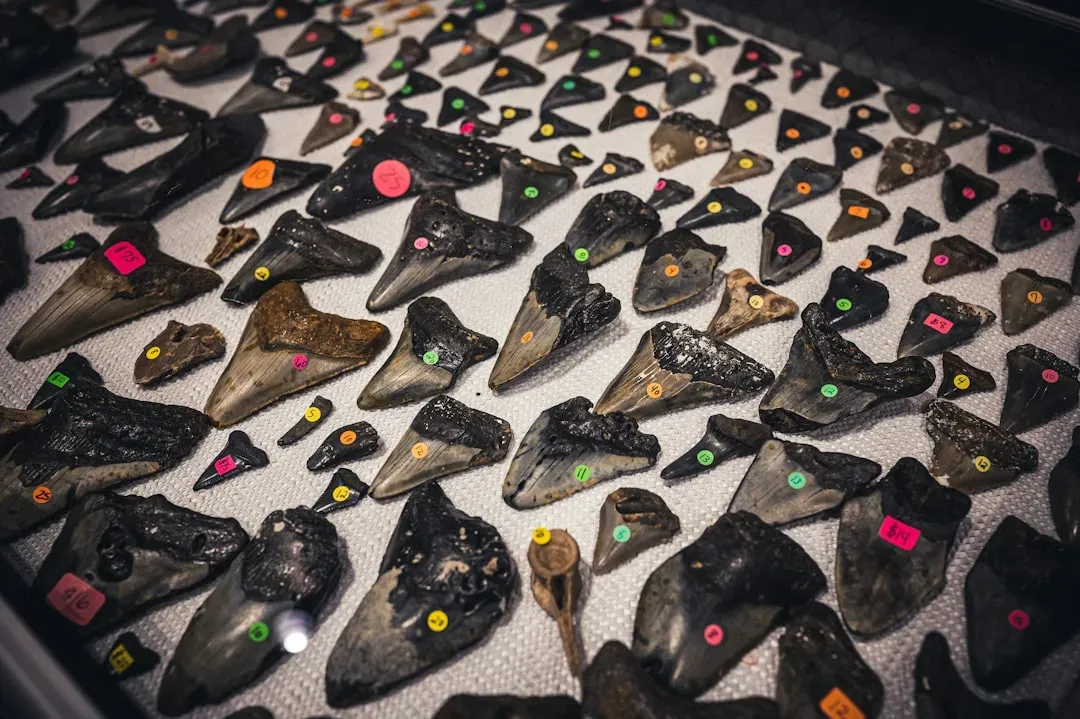
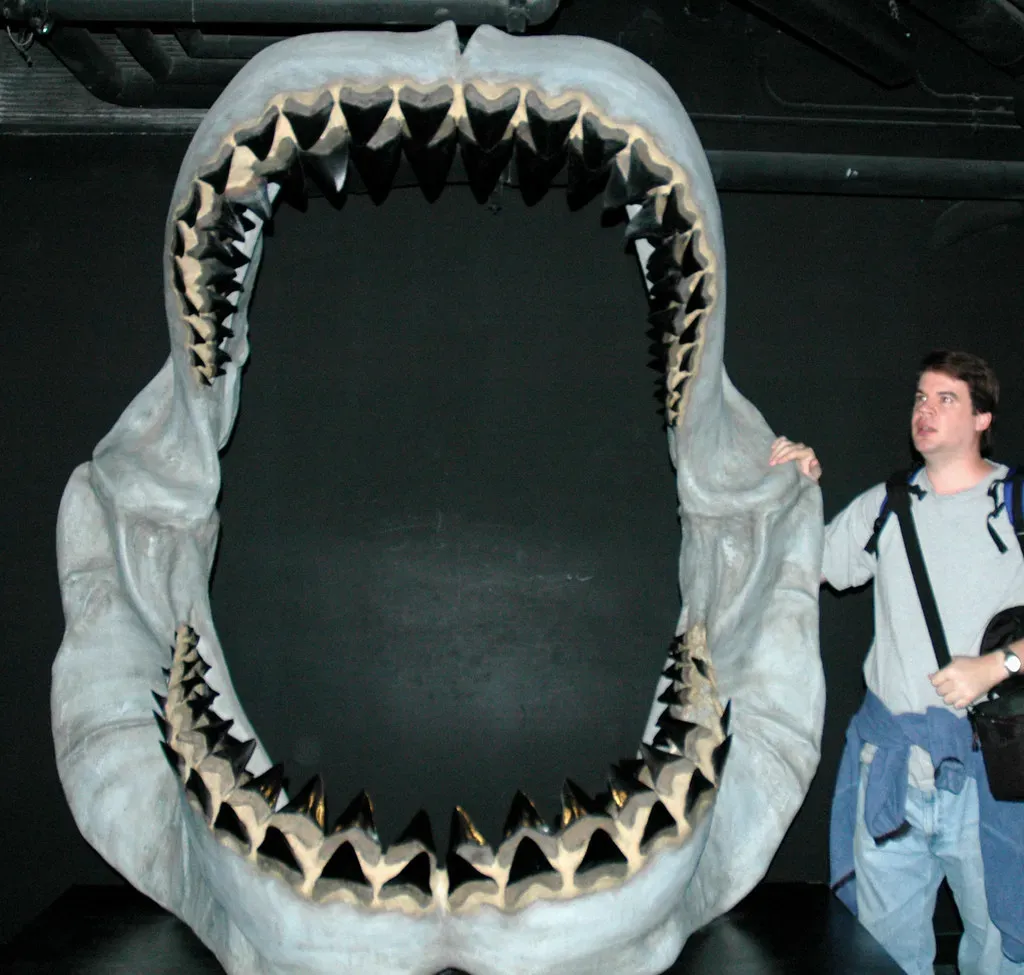
The megalodon ruled the seas approximately 23 to 3.6 million years ago, and its colossal, blade-like teeth, some measuring over 7 inches, were not only iconic but critical for its success as a predator. Think about that for a moment: a single tooth larger than most people’s hands, designed to slice through bone and blubber. It’s the kind of weapon evolution takes millions of years to perfect.
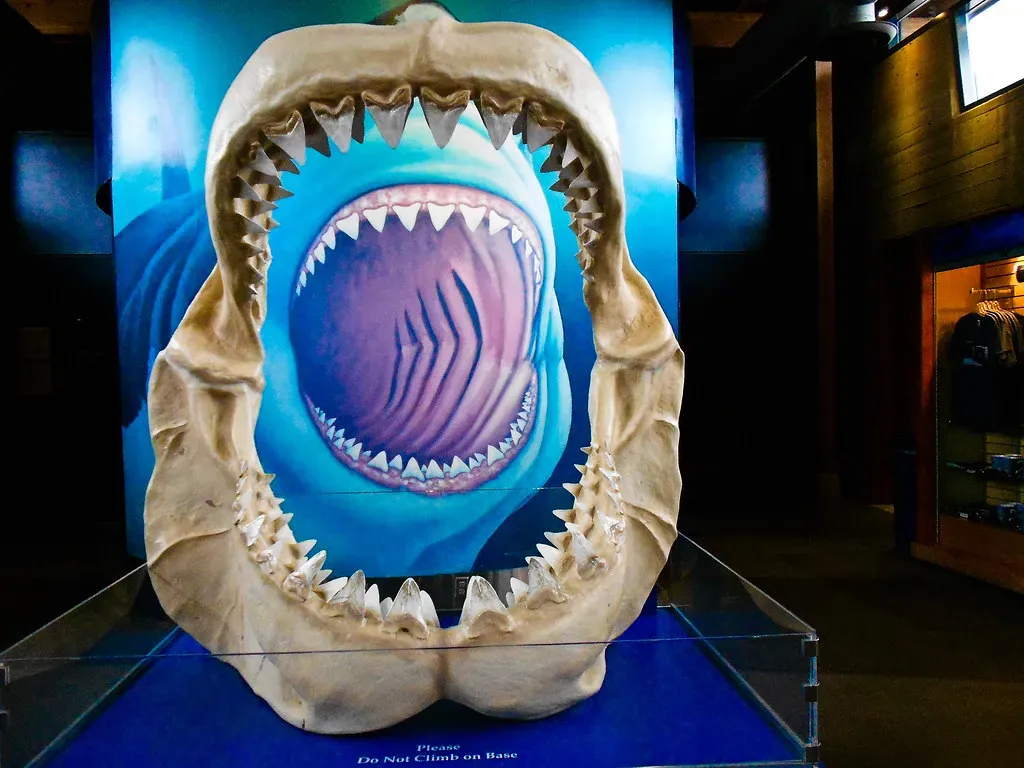
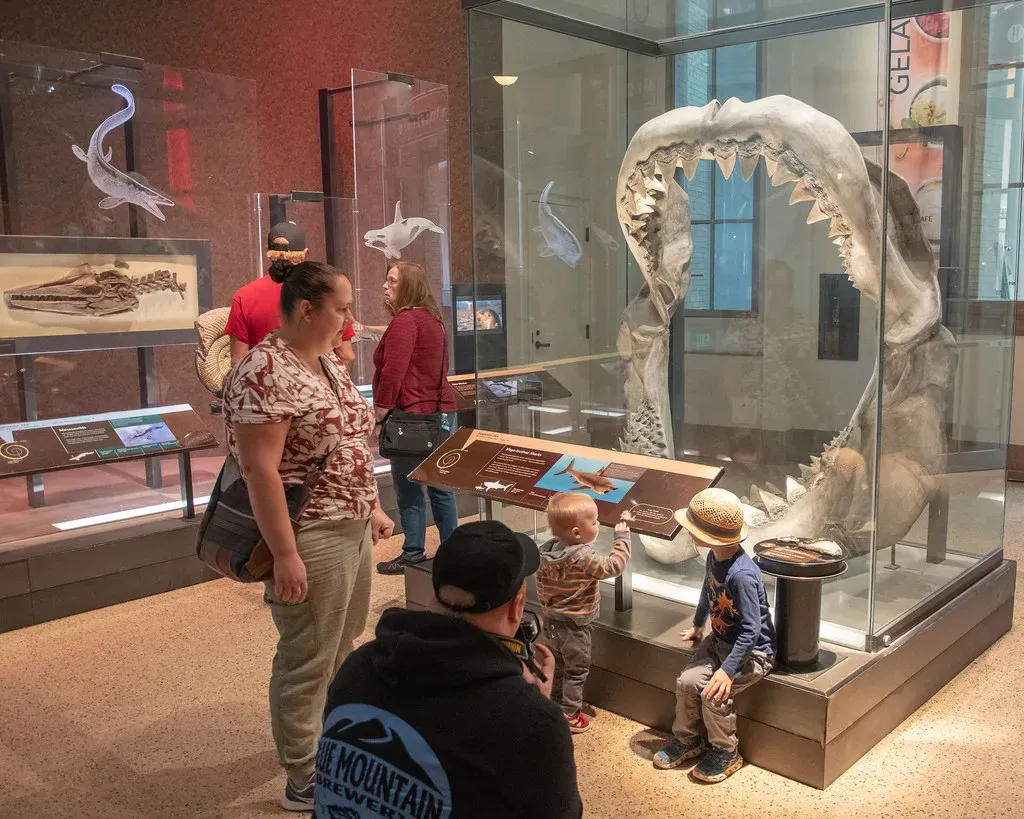
One of the most important advancements in its dentition was the development of serrated edges. These serrations enabled megalodon to slice through bone and thick blubber with ease, making large marine mammals like whales its primary prey. The megalodon had a very robust dentition with over 250 teeth in its jaws spanning five rows, and it is possible that large individuals had jaws spanning roughly 2 meters across. The teeth were also serrated, which would have improved efficiency in cutting through flesh or bone. No other predator in Earth’s history carried an arsenal quite like this.
A Bite Force That Breaks Every Record
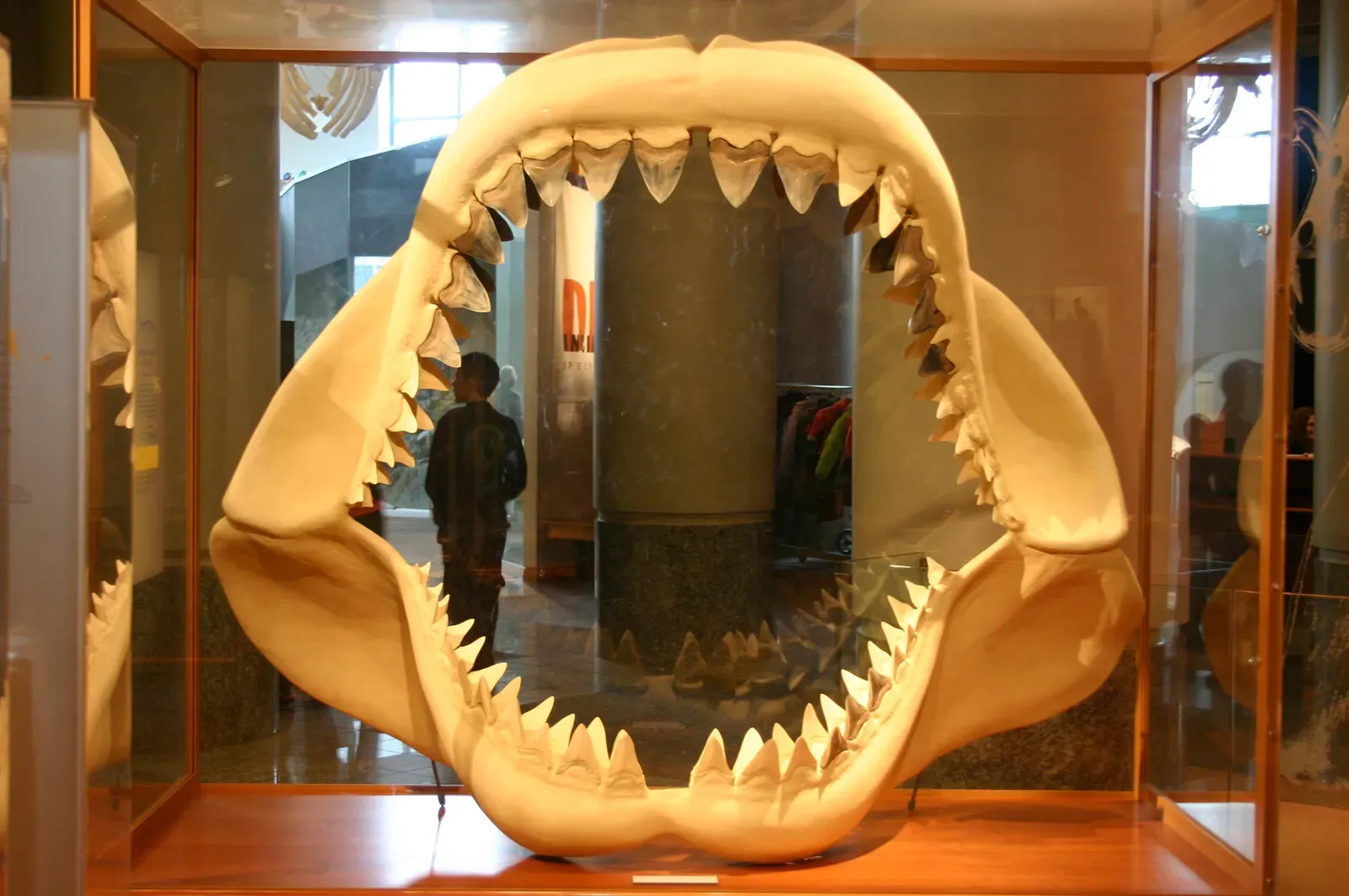
If you want to understand why the megalodon was so dominant, the bite force numbers will settle any debate. The megalodon had an impressive bite force roughly six to ten times stronger than that of a great white shark and at least three times stronger than that of a Tyrannosaurus rex. This incredible bite force, combined with a massive jaw, allowed the megalodon to dominate the ancient seas. Let that sink in. Three times stronger than a T-rex.
Megalodons’ jaws were so strong that they had the most powerful bite of any known creature, prehistoric or modern. Scientists have estimated the force of a megalodon bite at between 24,000 to 40,000 pounds. That force was powerful enough to bite a small whale in half. In comparison, the bite force of a great white shark is six to ten times less powerful. Even the bite force of a Tyrannosaurus rex fell short of the megalodon. Nothing alive today comes close. Not even remotely.
Master Strategies of a Deep-Sea Predator
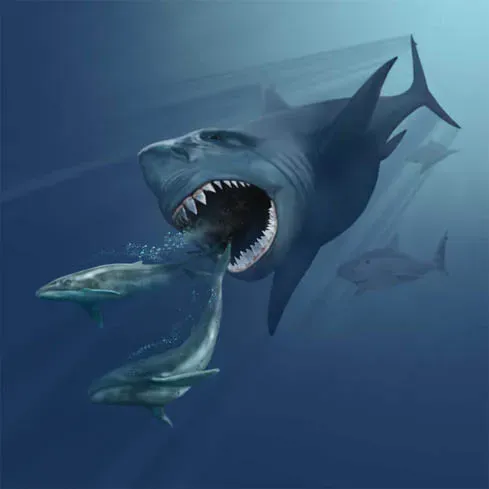
Megalodon bite marks on whale fossils suggest that it employed different hunting strategies against large prey than the great white shark. One particular specimen, the remains of a 30-foot-long undescribed Miocene baleen whale, provided the first opportunity to quantitatively analyze its attack behavior. Unlike great whites which target the underbelly of their prey, megalodon probably targeted the heart and lungs, with their thick teeth adapted for biting through tough bone. It went straight for the vital organs. Precise, ruthless, and devastatingly effective.
Paleontologists have found whale vertebrae and ribs with bite marks consistent with megalodon’s dentition. In some cases, the pattern of injuries suggests a deliberate hunting strategy. Rather than attacking randomly, megalodon may have targeted flippers or tails to immobilize its prey before delivering a fatal bite. This behavior mirrors hunting strategies observed in some modern sharks, but scaled up to a magnitude that feels almost cinematic. It wasn’t mindless brute force. This was calculated, intelligent predation on a planetary scale.
Warm Blood in Cold Oceans: The Physiology Advantage
This is one of the most fascinating and relatively recent discoveries about megalodon. I think a lot of people assume ancient predators were simply bigger, dumber versions of today’s animals. The megalodon was anything but. Being at least partially warm-blooded was a key factor in megalodon’s global spread, according to a study published in the journal PNAS. The giant shark’s heightened body heat allowed it to swim faster and travel farther than other predators, pursuing whales and other blubber-rich prey into cool waters where cold-blooded hunters couldn’t venture. The ability to feed on fat-rich mammals opened a path for it to grow so big.
After analyzing isotopes in the tooth enamel of the ancient shark, scientists concluded that megalodon could maintain a body temperature about 13 degrees Fahrenheit warmer than the surrounding water. That temperature difference is greater than those determined for other sharks that lived alongside the megalodon and is large enough to categorize megalodons as warm-blooded. Warm blood meant faster swimming, more energy, and the ability to hunt across wider oceanic ranges. It was a biological superpower that no other shark of the time could match.
A Global Reign and Its Dramatic End
Fossils have been discovered on every continent except Antarctica. This wide distribution suggests that megalodon inhabited warm and temperate oceans across the globe. During its time, Earth’s climate was generally warmer than today’s, and sea levels were higher. Coastal regions appear to have been important habitats, especially for juveniles. Some fossil sites are interpreted as nursery areas, where young megalodons grew in relatively protected shallow waters before venturing into deeper seas. This wasn’t a regional predator. It owned the world’s oceans.
Yet even the mightiest empires fall. Multiple compounding environmental and ecological factors including climate change and thermal limitations, collapse of prey populations, and resource competition with white sharks are believed to have contributed to the decline and extinction of megalodon. The end of the megalodon was an effect of the dramatic shift in global ocean ecologies kickstarted by climate changes of the Miocene-Pliocene boundary. The extinction of such a successful apex predator created a cascade of ecological effects. With the large oceanic superpredator niche opened up, large predatory sharks and cetaceans filled the space left behind. The world it had mastered simply changed too fast.
Conclusion: The Measure of True Dominance
The megalodon was not simply a big shark. It was the product of millions of years of relentless evolutionary refinement: extraordinary size, unmatched bite force, sophisticated hunting strategies, partial warm-bloodedness, and a global presence that no marine predator before or since has matched. Over those millions of years, ocean ecosystems changed, climates shifted, and prey species evolved. Yet megalodon remained at the top of the marine food chain. It was not an experimental fluke of evolution. It was a dominant, stable apex predator for an immense span of geological time.
Its extinction is sobering. A creature that ruled the oceans for roughly 20 million years was ultimately undone not by a faster predator but by a changing world. Despite having traits that allowed it to be a commanding presence in the ocean, marine apex predators such as megalodon were not immune to the effects of climate change. There is something haunting and humbling about that truth. The megalodon remains the most powerful ocean predator our planet has ever produced, and knowing it once swam the same oceans you can see from any beach today makes the world feel both smaller and infinitely more mysterious. What do you think would happen to our oceans if it still roamed them today? Tell us in the comments.