Think about the last time you curled up in bed, pulled the covers tight, and drifted off into a deep, dreamful sleep. Now imagine doing the same thing but weighing forty tons, having a neck the length of a school bus, and sharing your neighborhood with creatures that would happily eat you alive. Sleep, for dinosaurs, was not exactly a cozy affair. Yet scientists now believe these ancient giants absolutely did sleep, and some of their rest habits are surprisingly familiar.
What’s wild is that the question of how dinosaurs slept was barely even asked for decades. Paleontologists were too busy figuring out what they ate, how they hunted, and how they died. Sleep? That was the quiet, boring side of prehistoric life. Turns out, it’s anything but. Let’s dive in.
The Challenge of Fossilizing a Bedtime
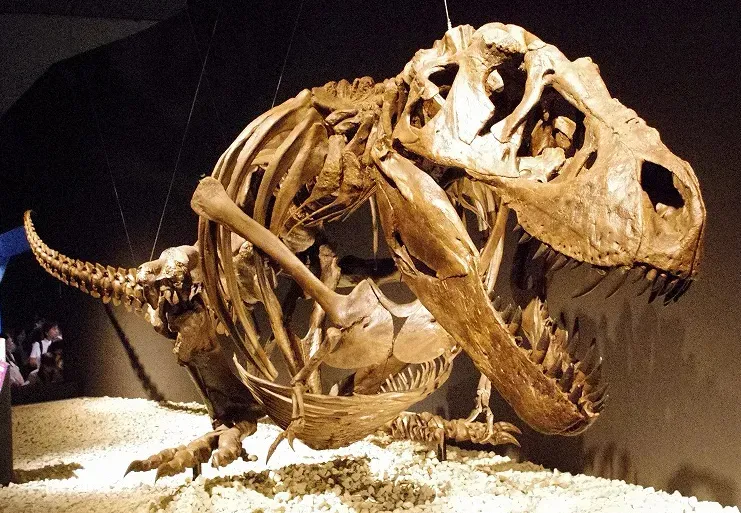
Here’s the thing about studying dinosaur sleep: you can only know how a dinosaur rested if it happened to die that way. It’s difficult to know how dinosaurs slept because most dinosaurs didn’t die that way. Finding a dinosaur in a sleeping position is uncommon because most fossils show dinosaurs in a classic death pose, with their bodies contorted. It’s a bit like trying to reconstruct someone’s nightly routine from a crime scene photo. You’re rarely catching them mid-snooze.
The only way scientists can know how a dinosaur slept would be if it fossilized in a sleeping position, and while this has happened, it’s rare. A few key specimens found in recent years have provided some clues into the sleeping world of these ancient creatures. Every one of these fossils is incredibly precious, almost priceless really, because behavioral evidence in the fossil record is incredibly scarce.
It is rare for a fossil to be preserved in a “life pose,” which can tell us about an animal’s behavior as well as its body. Think of it this way: most of what we know about dinosaurs comes from their deaths. Learning about their sleep is like finding a photograph of someone laughing, tucked inside a folder full of obituaries.
The “Sleeping Dragon” That Changed Everything
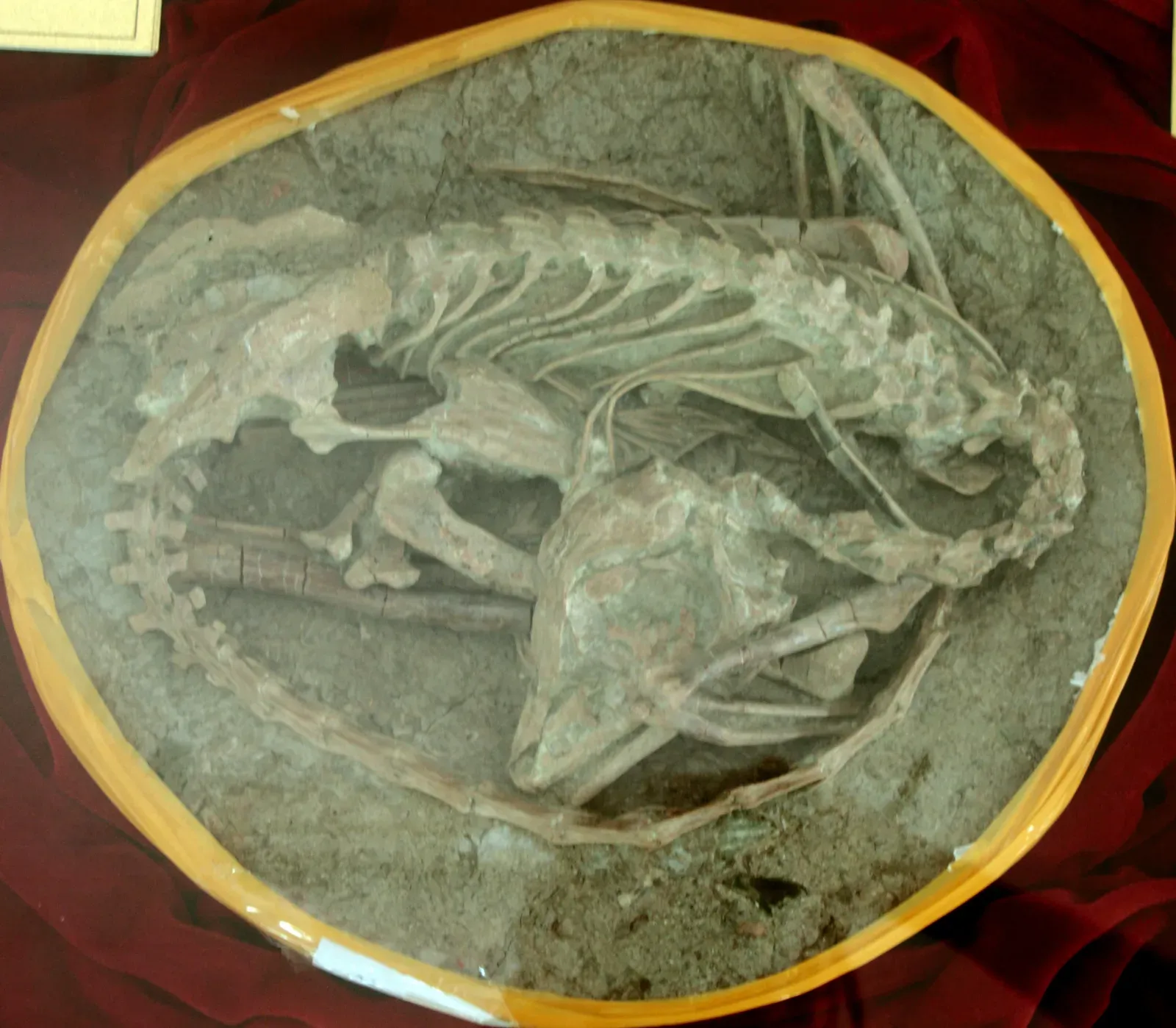
The first fossil of a sleeping non-avian dinosaur was described by American Museum of Natural History paleontologists. The small bird-like dinosaur was preserved in a remarkable life-like pose, with its head tucked between its forearm and trunk and its tail encircling its body. The pose matched the typical sleeping or resting posture found in living birds, supporting the evolutionary connection between extinct dinosaurs and modern birds. Honestly, when you see an illustration of that pose, it’s almost cute.
The specimen was named Mei long, referring to the Chinese words for “soundly sleeping dragon.” Two skeletons of this 125-million-year-old dinosaur have been found fossilized in a sleeping position. It seems as if a volcanic eruption suffocated and buried these dinosaurs while they were napping, similar to how some humans were caught unaware at Pompeii by the eruption of Mount Vesuvius. There is something strangely moving about that image: a small creature, peacefully asleep, frozen in time forever.
Curled Up and Bird-Like: What the Fossils Reveal
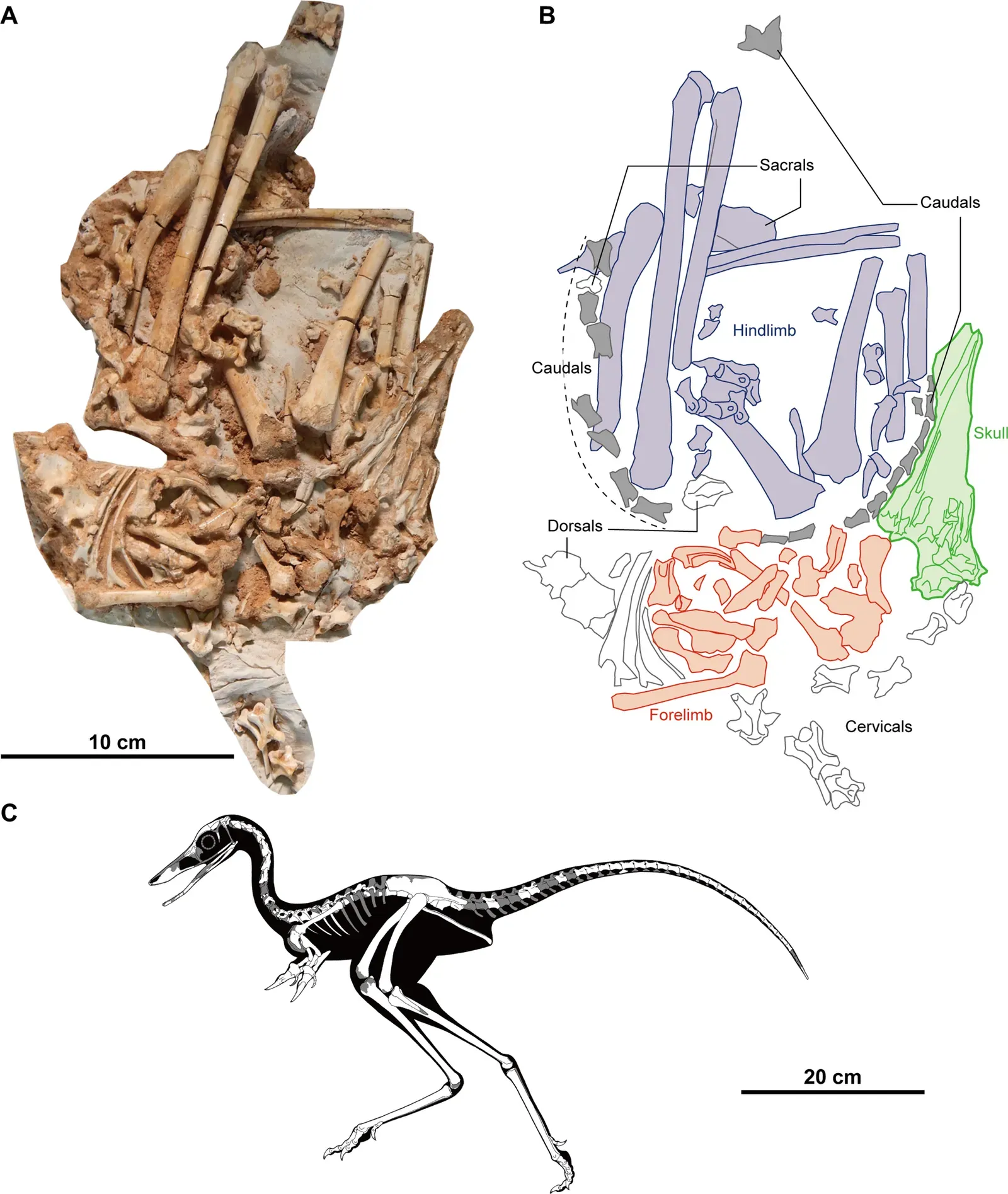
When a drowsy raptor, for example, set about going to sleep, the dinosaur probably took a familiar pose. Rare skeletons and trace fossils indicate that at least some dinosaurs shuffled their feet beneath them, folded their arms, and rested their heads on their backs just like some slumbering birds today. This is not a small discovery. It suggests that bird-style sleeping behavior is millions of years older than birds themselves.
One dinosaur’s neck and tail were bent, and its hind limbs were folded under its pelvis, resembling the sleeping position of modern birds. This suggests that Maniraptorans, a group of dinosaurs that includes birds’ ancestors, may have adopted similar sleeping positions for comfort and heat preservation. The consistent appearance of these postures across different theropod species suggests this wasn’t random positioning but an established behavioral pattern. Importantly, these sleeping positions help conserve body heat, indicating dinosaurs may have faced similar thermoregulatory challenges during rest as modern birds do.
Day Sleepers, Night Hunters: When Did Dinosaurs Actually Rest?
You’d assume all dinosaurs slept at night, right? Classic predator-rests-by-day, prey-hides-by-night logic. It’s more complicated than that, and honestly, more fascinating. In 2011, paleontologists Lars Schmitz and Ryosuke Motani suggested that various non-avian dinosaurs were active at different times of the day. They investigated the delicate eye bones of various dinosaurs, called scleral rings, to see how those structures related to when the reptiles might have been active. The bones not only outline how large the eyes were, but how much light they let in.
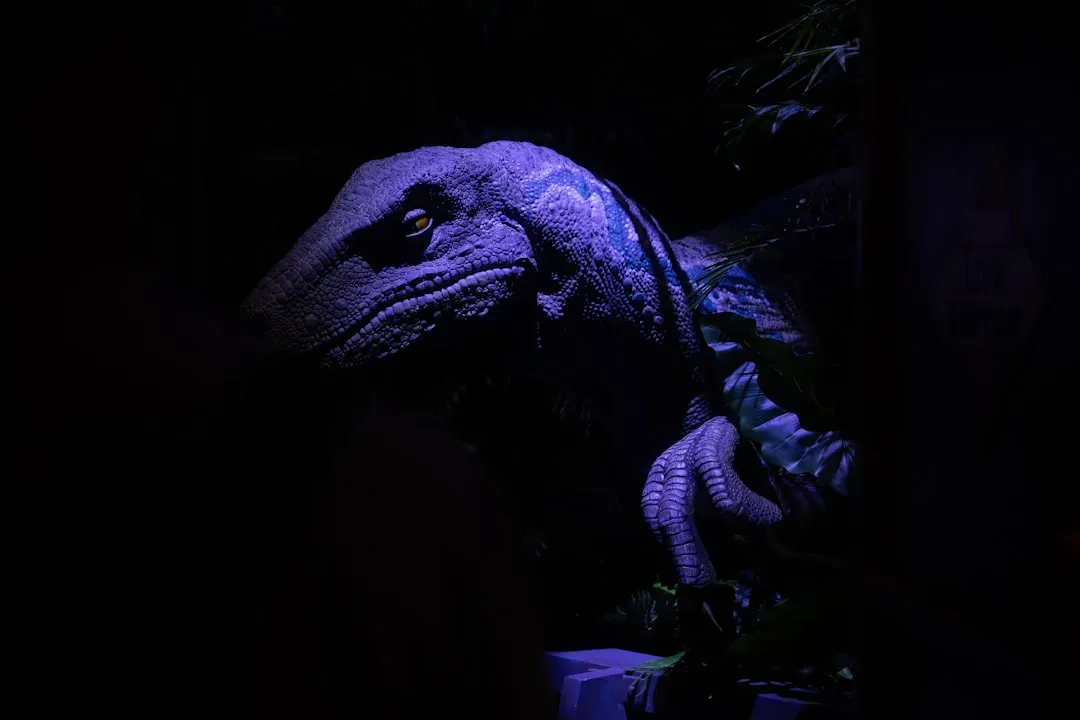
The measurements revealed that the big plant-eating dinosaurs were active day and night, probably because they had to eat most of the time, except for the hottest hours of the day when they needed to avoid overheating. Modern megaherbivores like elephants show the same activity pattern. Velociraptors and other small carnivores were night hunters. So the next time someone calls a Velociraptor a daytime predator, you now know better. These were creatures of the dark.
Giants With a Sleep Problem: How Big Dinosaurs Rested
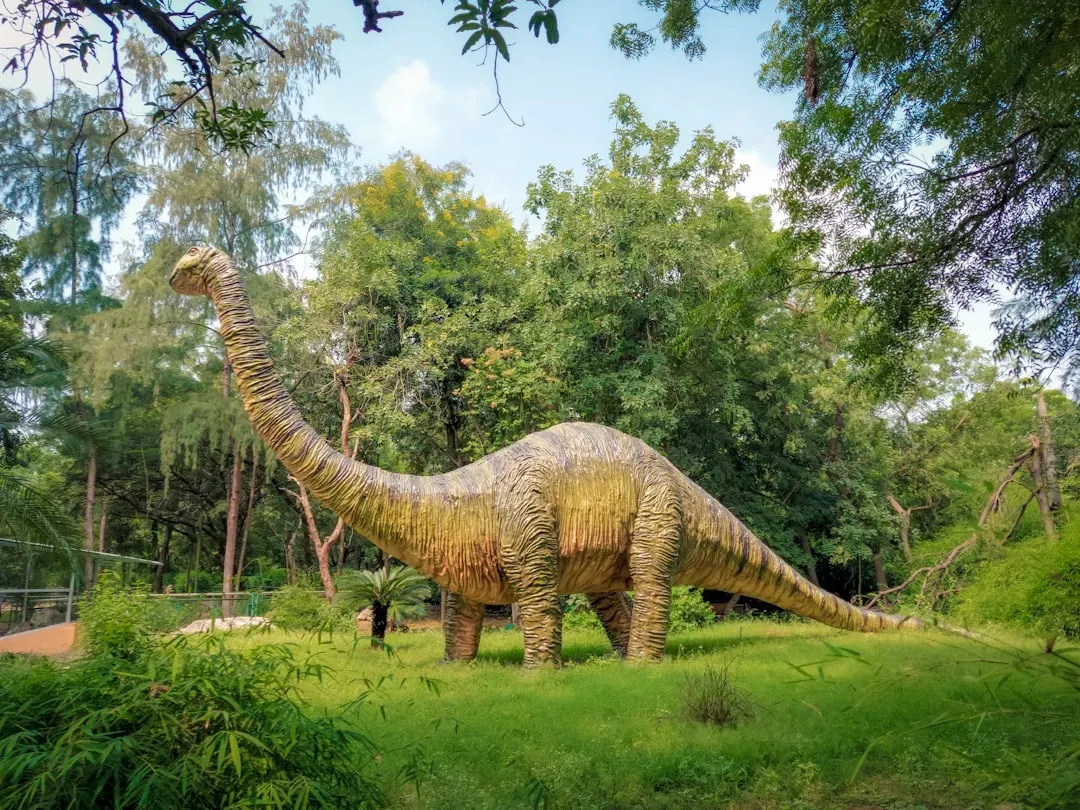
Okay, let’s talk about the elephant in the room. Or rather, the 80-ton sauropod. The enormous size of many dinosaurs presents a particular challenge when theorizing about their sleep patterns. Giant sauropods like Brachiosaurus and Diplodocus, weighing up to 80 tons, would have faced significant physiological constraints regarding rest positions. Lying down for something that size is not like flopping onto a mattress. It could be genuinely dangerous.
It’s thought that many dinosaurs, particularly large herbivores such as the Diplodocus, would have slept standing up. This is not unusual considering many modern-day animals also sleep standing up, including cows, elephants, horses, and giraffes. What is fascinating, however, is why they did it. Sauropods would have needed to be aware of their surroundings at all times, even when resting, due to the risk of predators. Many paleontologists believe large dinosaurs may have developed specialized adaptations for resting while standing, similar to but perhaps more extreme than those seen in elephants and horses. Some have proposed that sauropods might have slept standing in water, using buoyancy to offset their weight, though this remains speculative.
Did Dinosaurs Dream? The Science of REM Sleep
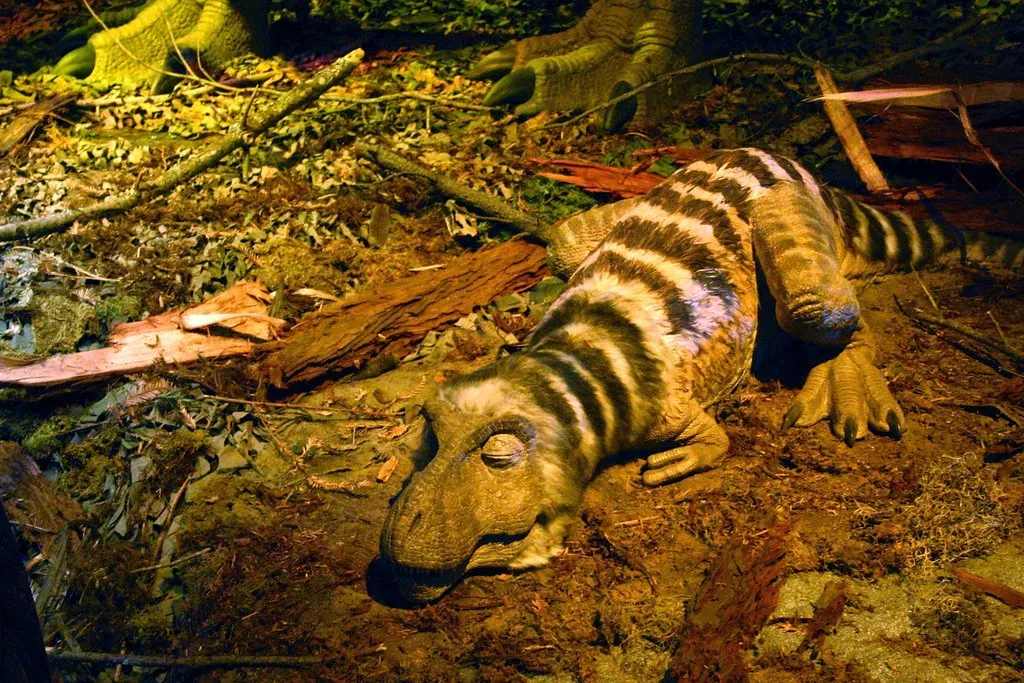
This is where things get genuinely mind-bending. Reptiles experience the same stages of sleep as humans do, according to a study published in the journal Science, which analyzed results from probes placed in the forebrains of five Australian bearded dragons monitoring brain activity as they slept. The researchers found that the dragons cycled through REM and slow-wave sleep patterns, just like mammals and birds do, although with different frequency and timing of the cycles.
The results also show that these sleep cycles evolved much earlier than previously thought, possibly back to the emergence of amniotes. Amniotes are the common ancestor shared by mammals, birds, and reptiles and existed about 300 million years ago. This means that dinosaurs, too, may have gone through REM and slow-wave sleep cycles. I think this is one of the most astonishing scientific findings in this whole field. The idea that a Triceratops might have been dreaming, even in the most basic neurological sense, is something that feels almost poetic.
Communal Sleeping, Nesting, and the Social Side of Dino Rest
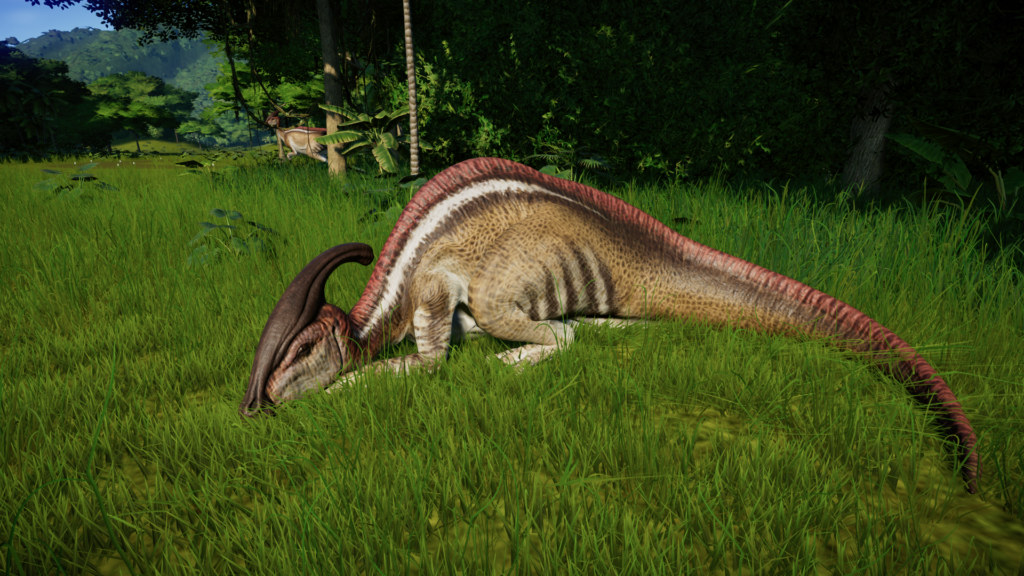
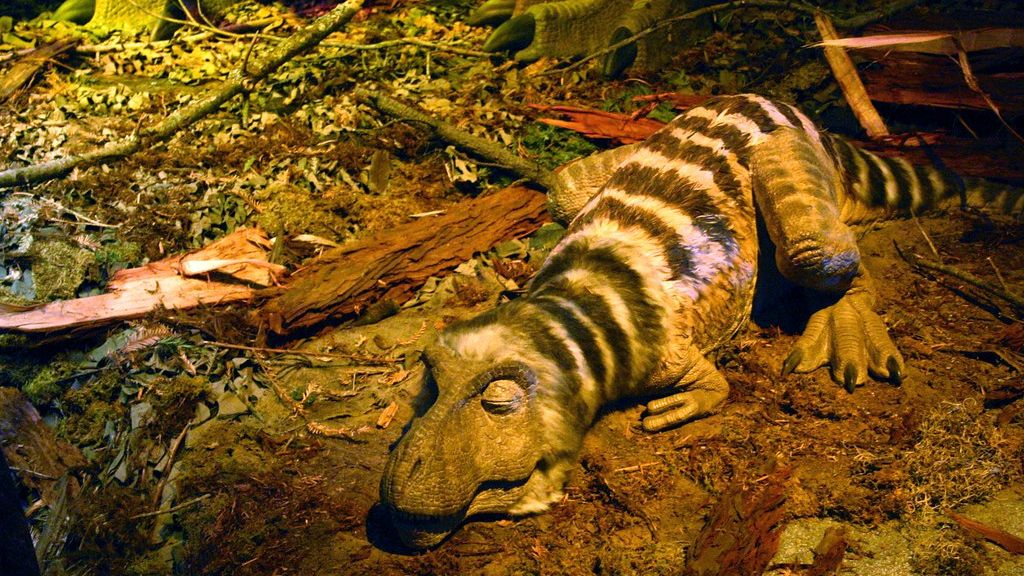
Sleep wasn’t always a solitary activity in the Mesozoic world. Fossilized remains have suggested that some dinosaurs might have rested in groups, a practice used by modern species to help regulate their body temperature and keep them safe from predators. In 2017, researchers discovered the remains of three young dinosaurs snuggled together for a nap, providing the first evidence of communal roosting. That image, three small dinosaurs huddled together against the Mesozoic night, feels oddly tender.
It’s believed that smaller dinosaurs such as the Velociraptor and the Oviraptor would build nests to sleep in, similar to modern birds. These nests would have also been used to rear young. Nests provided warmth and safety from predators. Surrounded by twigs, shrubs, and other foliage, dinosaurs would have been concealed by their environment, enabling them to rest more easily. Many modern birds and mammals practice sentinel behavior, where members of a group take turns sleeping and watching for predators. Fossil evidence of dinosaurs found in groups has led some paleontologists to propose similar behaviors among certain dinosaur species.
Conclusion: The Quiet Side of a Roaring World
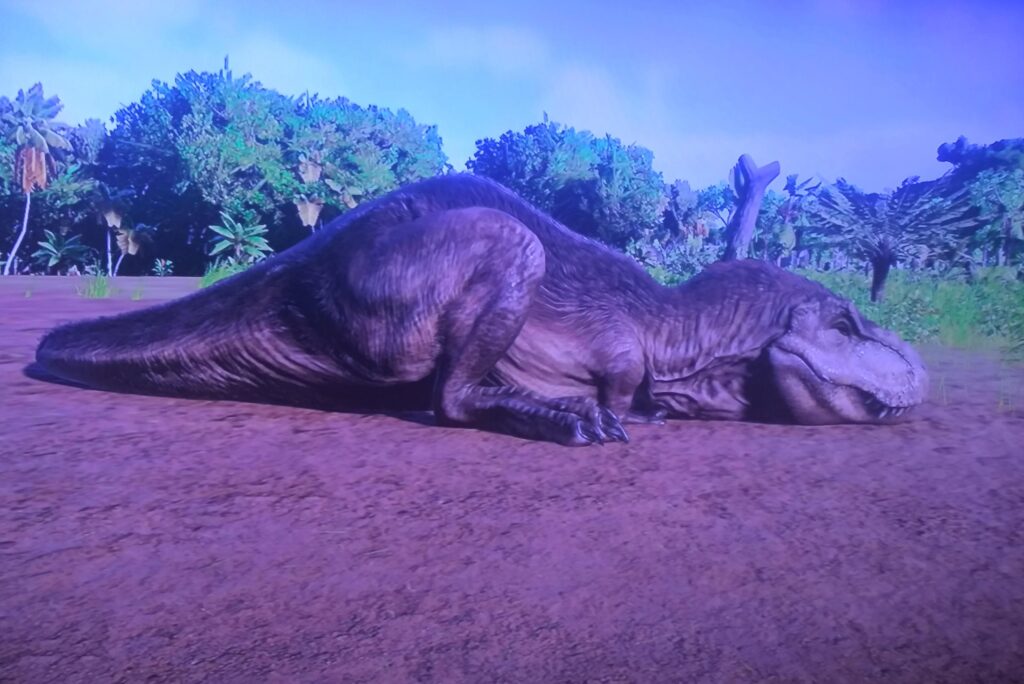
We tend to picture the age of dinosaurs as one long, violent spectacle: teeth, claws, thunderous footsteps, and chaos. Yet every single one of these creatures had to stop at some point. They had to rest. They had to sleep. The combination of fossil evidence, comparative biology, and evolutionary reasoning suggests dinosaurs likely exhibited sleep patterns somewhere between those of modern reptiles and birds, with considerable variation across different dinosaur groups. As research techniques continue to advance, we may further refine our understanding of how these magnificent creatures rested.
Cutting-edge technologies are revolutionizing how scientists investigate dinosaur sleep patterns. High-resolution CT scanning allows unprecedented visualization of dinosaur brain endocasts, revealing neurological structures potentially involved in sleep regulation. Biomechanical modeling software can simulate dinosaur musculoskeletal systems to assess which resting postures would have been physically sustainable. Environmental reconstruction techniques help scientists understand the habitats where dinosaurs slept, providing context for interpreting adaptive pressures on their rest patterns.
The deeper you look into this subject, the more you realize that sleep is one of the great unifiers of life on Earth. Dinosaurs, for all their terrifying majesty, were living creatures that needed rest just as much as you do tonight. The fact that they curled up, tucked their heads under their arms, and possibly even dreamed says something quietly profound about the continuity of life across deep time. What would you have guessed they were doing while the Mesozoic world went dark?