
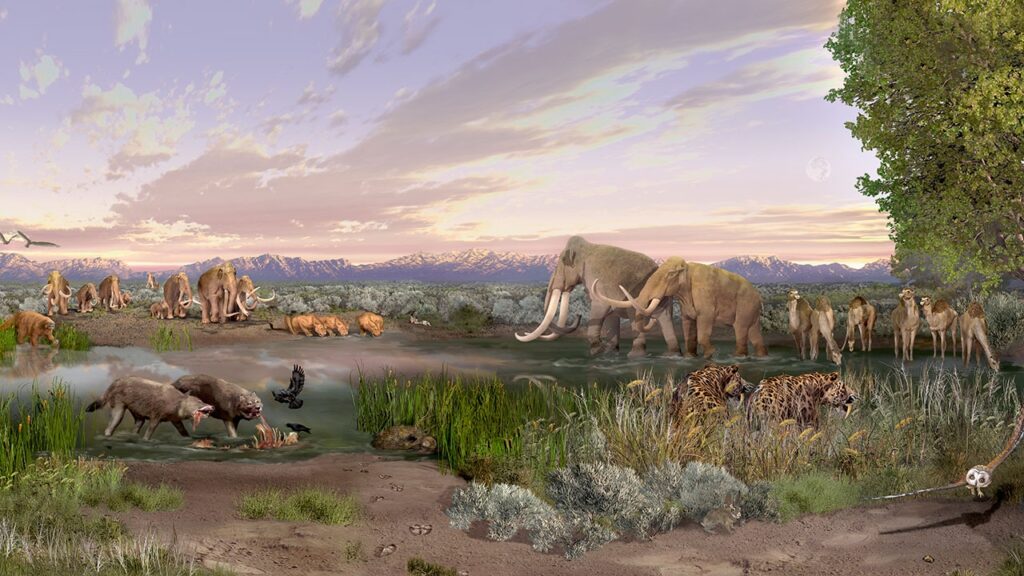
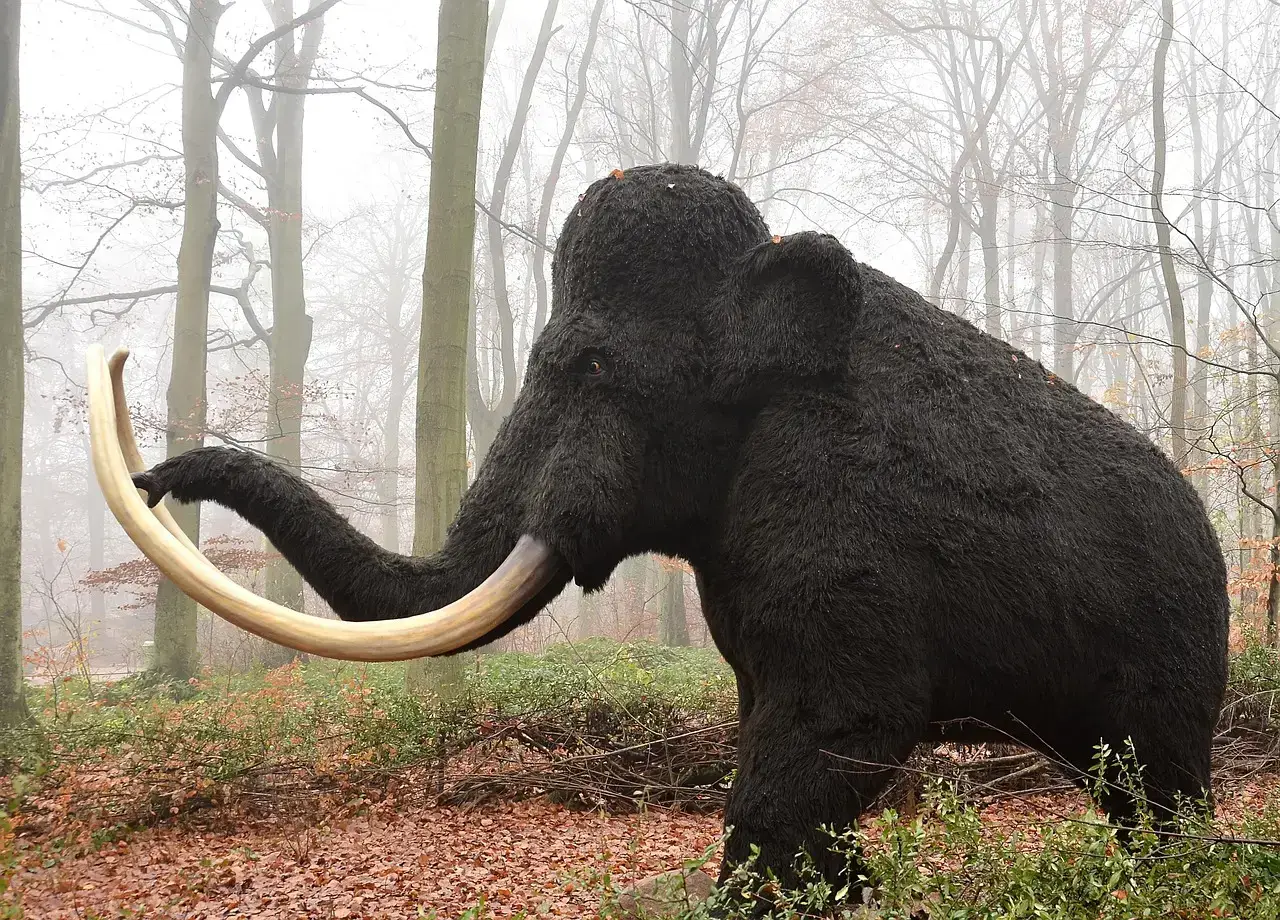
Imagine a world where enormous ground sloths the size of elephants wandered the forests of North America, saber-toothed cats stalked the plains, and woolly mammoths thundered across landscapes that are now cities and farms. That world was real, not too long ago in geological terms. It vanished with a speed that still shocks scientists today.
This is not a story buried in the deep past of dinosaurs or asteroid impacts. We are talking about creatures that walked the same earth as early modern humans, animals that our ancestors hunted, feared, and sometimes painted on cave walls. So what happened? The answer is stranger, more troubling, and more hotly debated than most people realize. Let’s dive in.
A World Filled With Giants: What Megafauna Actually Were
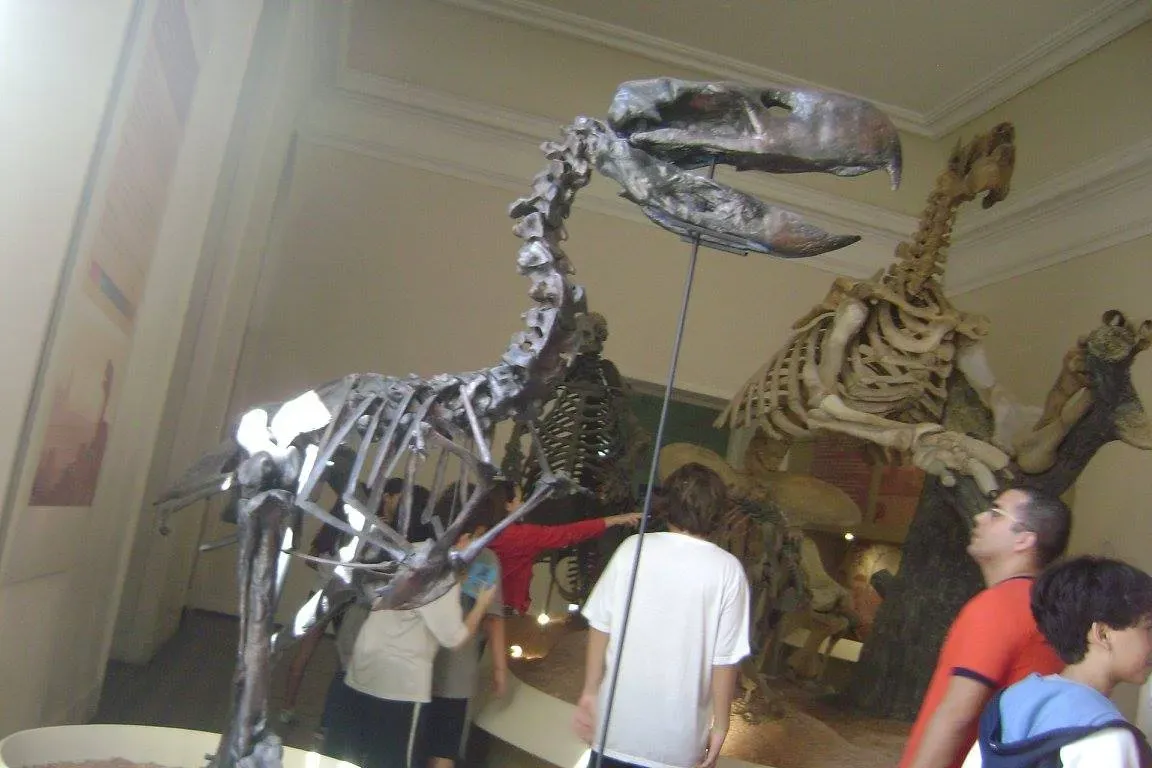
You might picture megafauna as just mammoths, but the truth is far more spectacular. The Late Pleistocene to the beginning of the Holocene saw the extinction of the majority of the world’s megafauna, typically defined as animal species having body masses over 44 kg. Think about that for a moment. We are not just talking about the size of a large dog. We are talking about creatures that could weigh hundreds, even thousands of kilograms.
During the Pleistocene, megafauna were diverse across the globe, with most continental ecosystems exhibiting similar or greater species richness in megafauna as compared to ecosystems in Africa today. Africa, with all its lions, elephants, rhinos, and hippos, gives you just a pale shadow of what the rest of the world once looked like. The Americas, Australia, Europe – all of them teemed with giant creatures on a scale that is genuinely hard to imagine.
The Scale of the Loss: How Many Giants Actually Disappeared?
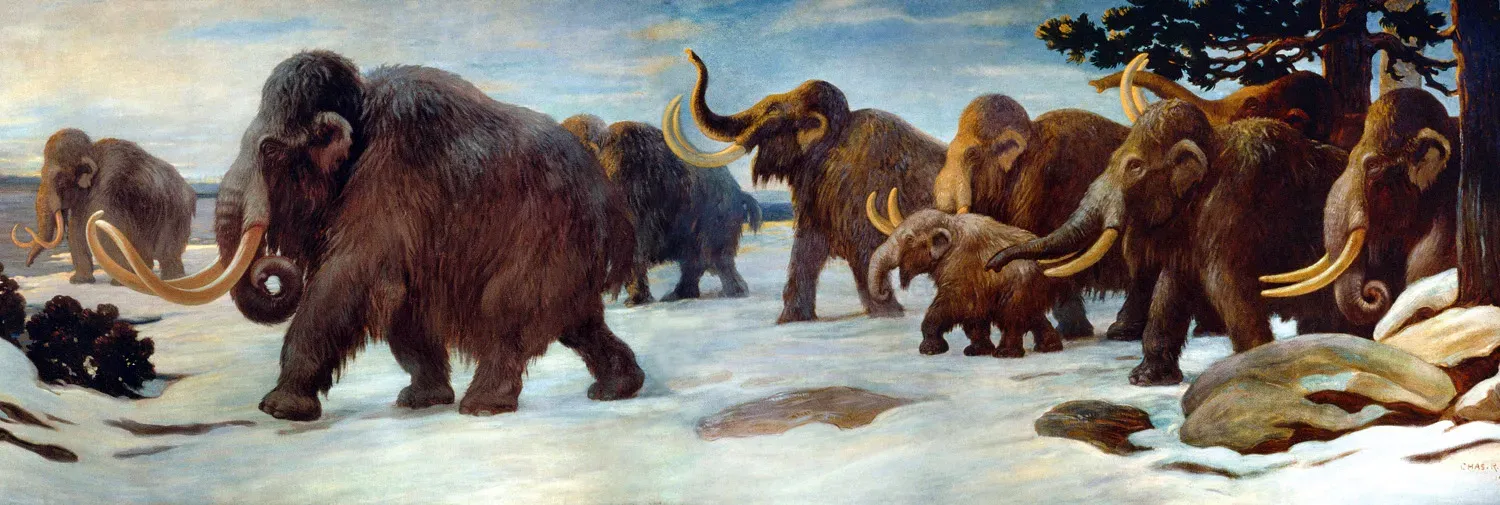
Here is where the numbers become truly staggering. Between 52,000 and 9,000 BCE, more than 178 species of the world’s largest mammals were killed off. These were mammals heavier than 44 kilograms, ranging from mammals the size of sheep to mammoths. Entire ecological roles, entire branches of life, simply erased.
The largest of them were hit the hardest – land-dwelling herbivores weighing over a ton, the megaherbivores. Fifty thousand years ago, there were 57 species of megaherbivores. Today, only 11 remain. Roughly a fifth of what once existed is left. And honestly, even those survivors, your elephants and rhinos, are clinging on by a thread in the modern world.
The Overkill Hypothesis: Did Humans Hunt Them Into Oblivion?
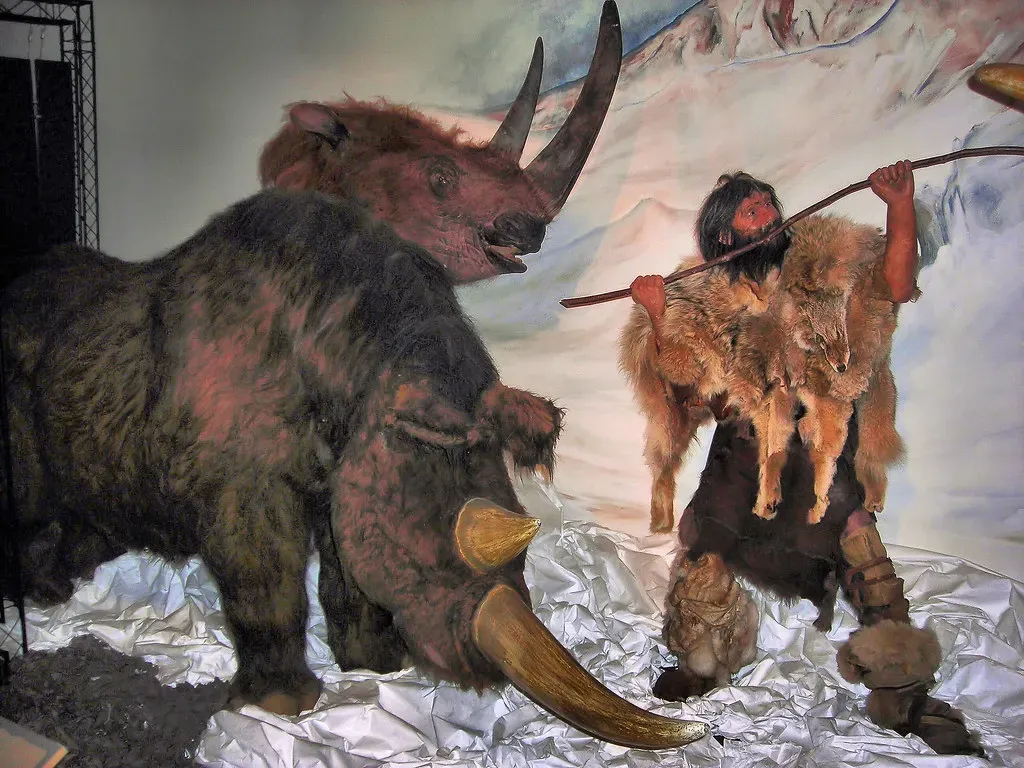
This is the theory that makes people uncomfortable, and rightly so. Discussion of the topic became more widespread during the 20th century, particularly following the proposal of the “overkill hypothesis” by Paul Schultz Martin during the 1960s. The idea was straightforward but explosive: early humans, armed with clever weapons and spreading rapidly across continents, simply hunted the giant mammals to death.
Part of the success was humans’ ability to hunt large animals. With clever hunting techniques and specially built weapons, they perfected the art of killing even the most dangerous mammals. What made this particularly devastating for megafauna was that these enormous animals had never evolved a fear of human hunters. They had no instinct for it. Approaching a group of hunters, to them, was like a modern bison casually walking up to a parked car.
The Climate Change Argument: Could Ice Ages Be the Real Culprit?
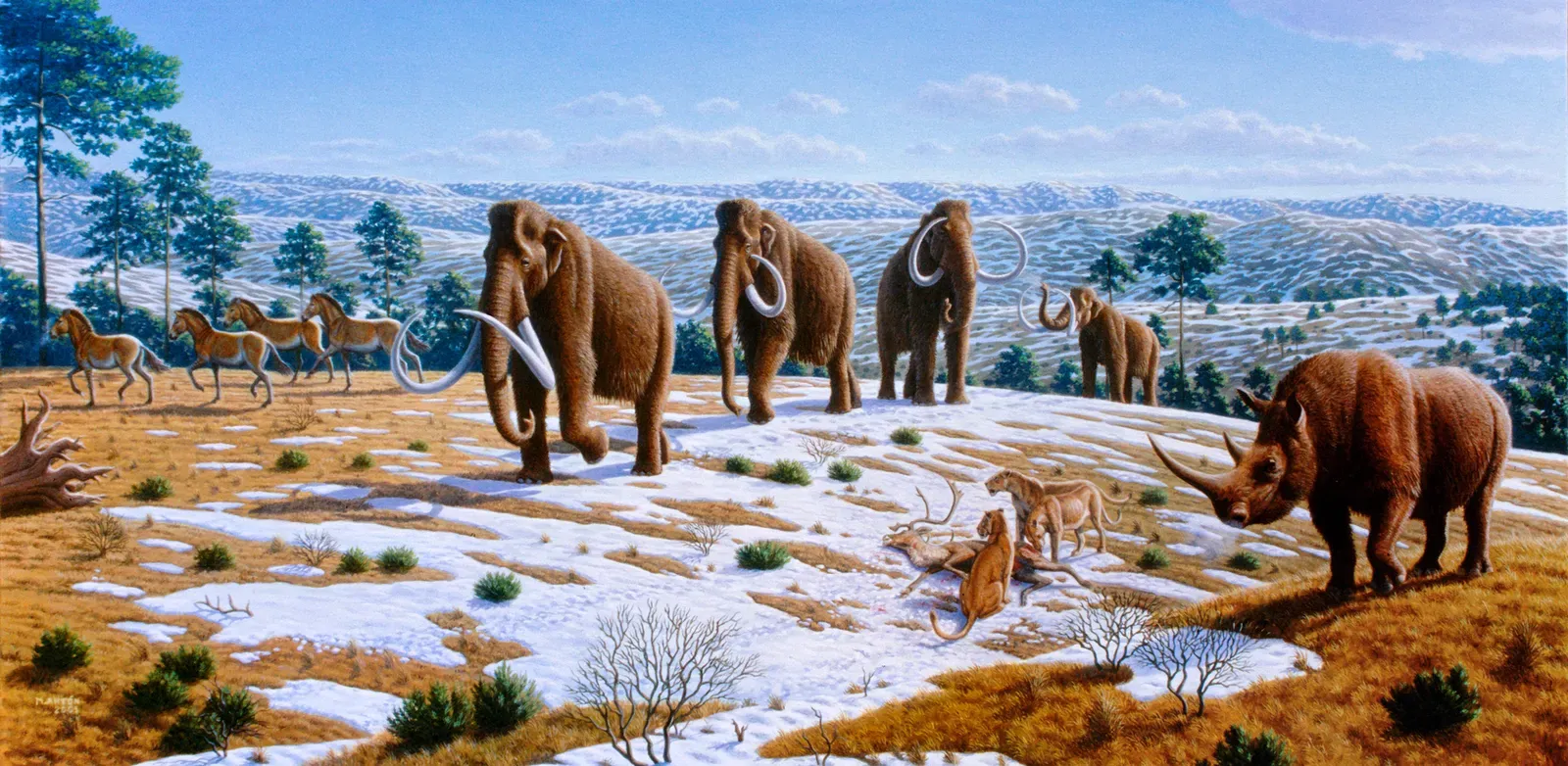
Not everyone is convinced by the overkill story. The climate camp argues that dramatic shifts at the end of the last Ice Age simply made the world uninhabitable for animals adapted to cold, stable environments. There is the hypothesis of climate change associated with the advance and retreat of major ice caps or ice sheets causing reduction in favorable habitat. It sounds compelling on the surface, especially when you look at how profoundly the Earth’s vegetation changed during this period.
Here’s the thing though – the climate argument has a serious problem. The dramatic climate changes during the last interglacial and glacial periods certainly affected populations and distributions of both large and small animals and plants worldwide. However, significant extinctions were observed only among the large animals, particularly the largest ones. An important observation is that the previous, equally dramatic ice ages and interglacials over the past couple of million years did not cause a selective loss of megafauna. In other words, the planet had been through equally brutal climate swings before, and the big animals survived. Something was different this time around.
What the Evidence Actually Points To: The Human Fingerprint
When you look at the global pattern of extinctions, one thing jumps out immediately. Extinction timings closely match the timing of human arrival. The timing of megafauna extinctions was not consistent across the world; instead, the timing of their demise coincided closely with the arrival of humans on each continent. This is not a coincidence you can easily explain away. It follows a pattern as predictable as footprints in sand.
Everywhere, extinction occurred after modern humans arrived, or in Africa’s case, after cultural advancements among humans. Species went extinct on all continents except Antarctica and in all types of ecosystems, from tropical forests and savannas to Mediterranean and temperate forests and steppes to arctic ecosystems. The sheer geographic variety of the habitats involved basically rules out any single climate event as the cause. Models with anthropic predictors were compared to models that considered late-Quaternary climate change and it was found that models including human factors outperformed all purely climatic models.
Why Africa Still Has Its Big Animals: The Coevolution Advantage
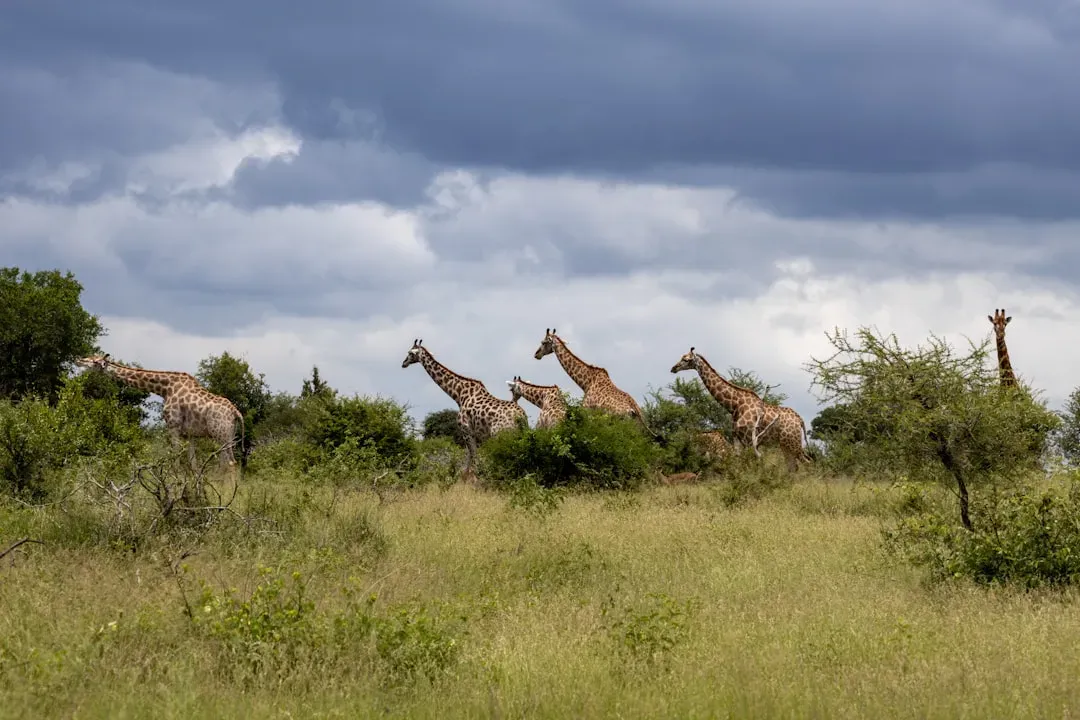
You may have noticed that Africa today is the one place on Earth where you can still see rhinos, elephants, hippos, lions, and giraffes all living in the same landscape. That is not an accident, and it is one of the most revealing clues in this entire mystery. Africa was the least hard-hit, losing only about a fifth of its megafauna. Humans evolved in Africa, and hominins had already interacted with mammals for a long time.
Think of it like a game of chess where one side has been practicing for hundreds of thousands of years. The only continent on Earth where a diverse assemblage of megafauna remains is Africa, which is also where modern humans arose. The “African anomaly” is typically explained by long-term coevolution of megafauna with humans such that the prey and predator are matched evenly, thereby creating trophic equilibrium. By contrast, the extra-African megafauna are characterized as completely naive to the human predator and therefore vulnerable to overkill and the disintegration of food webs. The African animals had time to learn. The animals in Australia and the Americas simply never saw it coming.
What We Lost: The Ecological Consequences of an Empty World
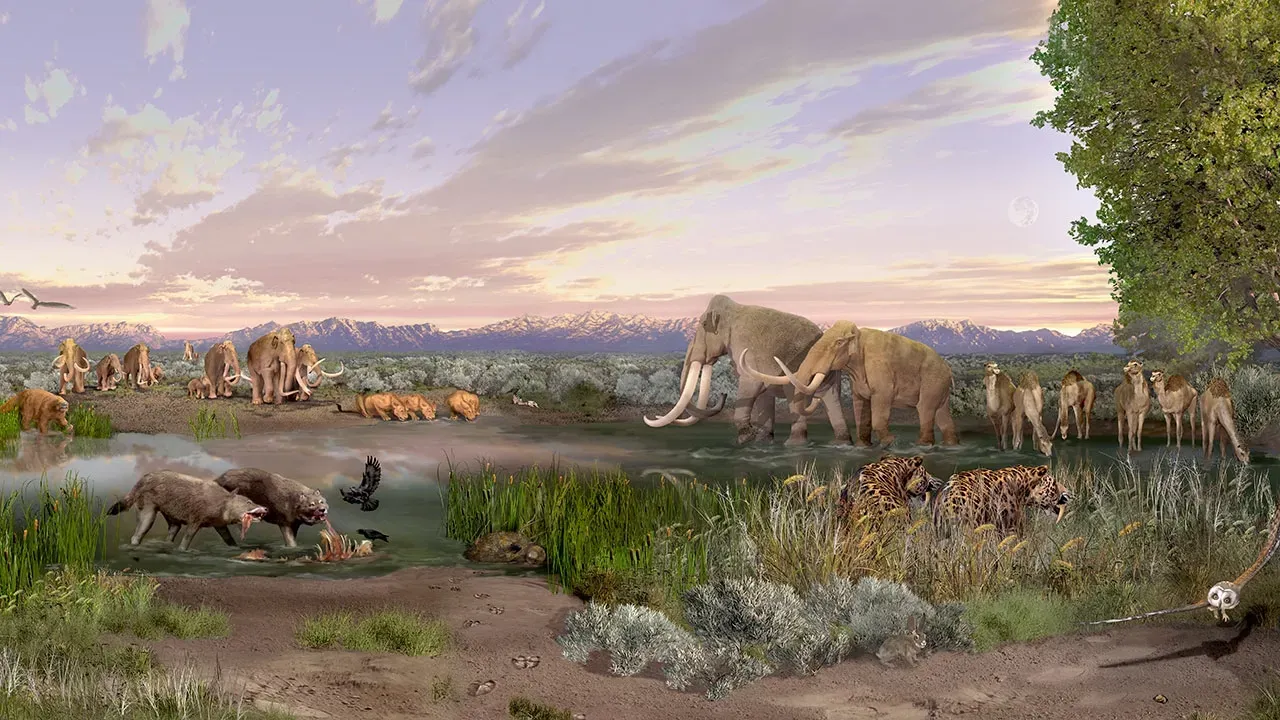
It’s tempting to see the loss of megafauna as just a sad historical footnote, but the ecological consequences ripple forward into the present day. The disappearance of so many large animal species constitutes a fundamental re-shaping of terrestrial ecosystem worldwide. The landscapes you walk through today, including forests, grasslands, and wetlands, are in many ways ghost landscapes, shaped by the absence of giants that should still be there.
Megafauna consume fibrous vegetation, which can benefit smaller herbivores, reduce fire risk, accelerate rates of nutrient cycling by orders of magnitude, and shift plant community structure by facilitating coexistence between different plant functional types. Remove these animals, and you do not just lose the species – you lose the entire engineering function they served. Loss of megafauna can result in simpler ecosystems with fewer interspecies interactions and shorter food chains, which in turn makes the animal communities and ecosystems less resilient and more affected by external pressures such as climate change. The world became, in a very real sense, ecologically poorer.
Conclusion: A Mirror Held Up to the Present
The extinction of the world’s megafauna is not just a paleontological curiosity. It is, I think, one of the most important stories our species has never quite grappled with honestly. The late-Quaternary extinctions represent the first planet-wide, human-driven transformation of the environment. Long before factories, highways, or deforestation, our ancestors were already reshaping the living world at a planetary scale.
The loss of megafauna cascades through all levels of functioning of ecosystems. Even the apparently wildest contemporary landscapes likely carry the legacies of lost megafauna, and the consequences of contemporary decline of elephants and other megafauna may be felt for centuries or millennia to come. Yet there is a flicker of hope. Research highlights the need for active conservation and restoration efforts. By reintroducing large mammals, we can help restore ecological balances and support biodiversity, which evolved in ecosystems rich in megafauna.
The giants are gone, but their absence still echoes. The question worth sitting with is this: now that you know what was lost, and why, what are you willing to do differently this time?