Imagine standing in an open field, only to hear the ground shake beneath you. Not from an earthquake. From footsteps. Something enormous is approaching, and your entire frame of reference for what is “big” is about to collapse. That is what life on Earth looked like for tens of millions of years, a world where the creatures that roamed the land made our modern African elephants look like house cats by comparison.
You might think you know the biggest animals Earth has ever produced. Chances are, you only know a fraction of the story. From colossal dinosaurs that would dwarf a five-story building, to hornless rhinos the size of a small house, to slow-moving sloth-like giants that walked beside early humans, the history of Earth’s largest land animals is packed with jaw-dropping surprises. Let’s dive in.
The Titanosaur Club: Where Size Stopped Making Sense
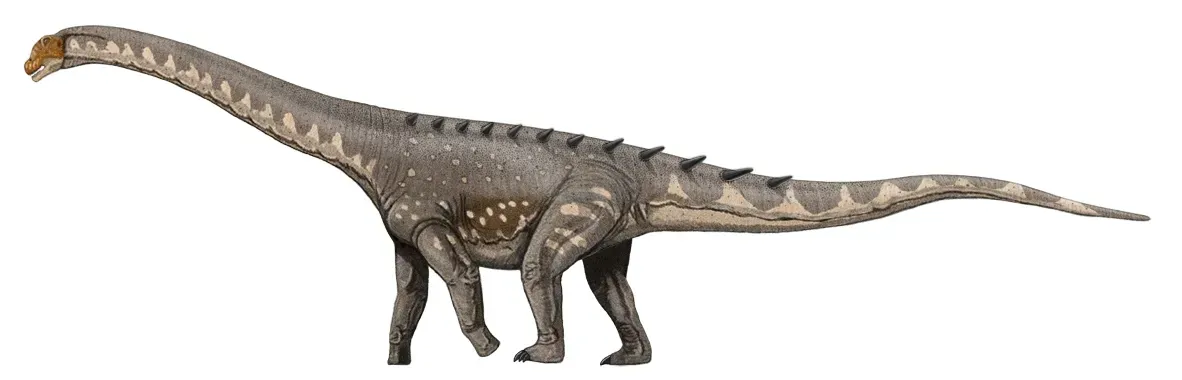
Let’s be real – when you first hear that some dinosaurs were the size of commercial aircraft, part of you assumes that’s an exaggeration. It is not. The biggest dinosaurs in the world were titanosaurs, and these prehistoric reptiles are the largest land-dwelling animals that have ever existed. Think about that for a moment. Not just the biggest dinosaurs. The biggest land animals. Ever. Full stop.
Although the sizes of the titanosaurs varied greatly, the largest dinosaurs known belong to this group, which includes Dreadnoughtus, Patagotitan, and Argentinosaurus. These weren’t just big animals – they were living proof that evolution, when given the right conditions, will keep pushing the boundaries of what biology can physically achieve. You would need to see one in person to truly process the scale, and even then, your brain might refuse to cooperate.
Patagotitan Mayorum: The Dinosaur That Redefined Everything
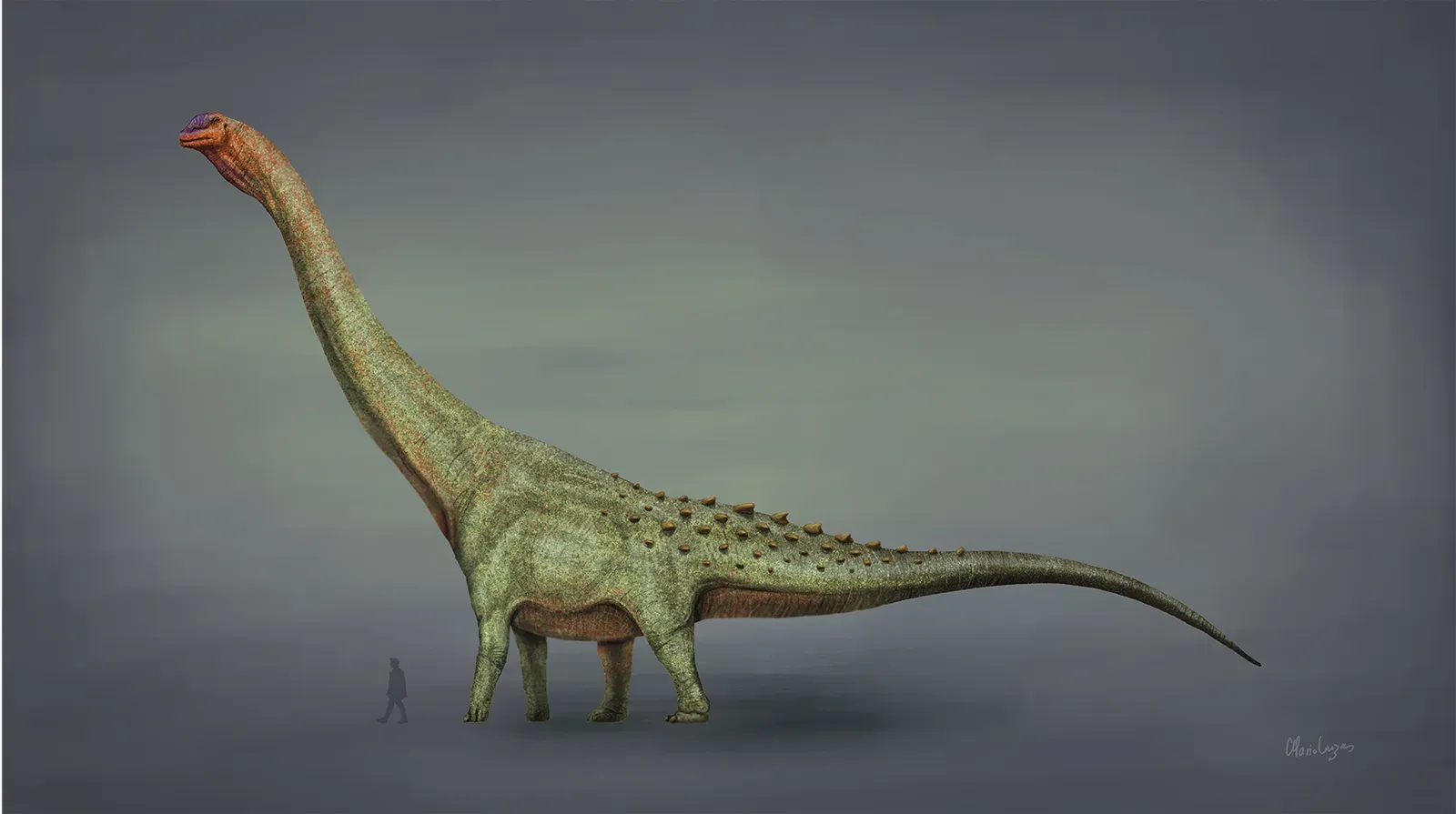
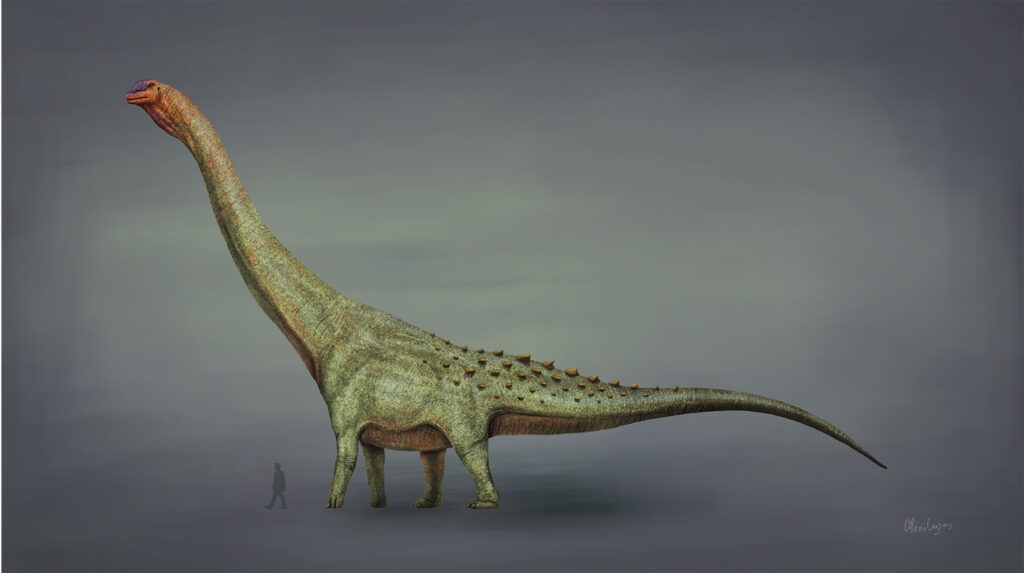
Paleontologists suggest that Patagotitan mayorum, a giant herbivore that belongs to a group known as titanosaurs, weighed in at around 70 tons. The species lived in the forests of today’s Patagonia about 100 to 95 million years ago, during the Late Cretaceous period. To give you a sense of scale, that is roughly the same as stacking more than a dozen African elephants on top of each other and squeezing them into one creature that still needed to walk around and eat its lunch.
Patagotitan is also potentially the longest dinosaur to have ever lived. It is thought to have stood around eight meters tall, and one of its leg bones alone was over two meters long – taller than most people. Patagotitans were believed to have lived in herds, moving together to find food. Living in a group likely offered safety from predators such as theropods, which were a danger to young Patagotitans. Even in a group of giants, the young ones needed protecting – some things never change.
Argentinosaurus: The Giant That Started With a Farmer’s Discovery
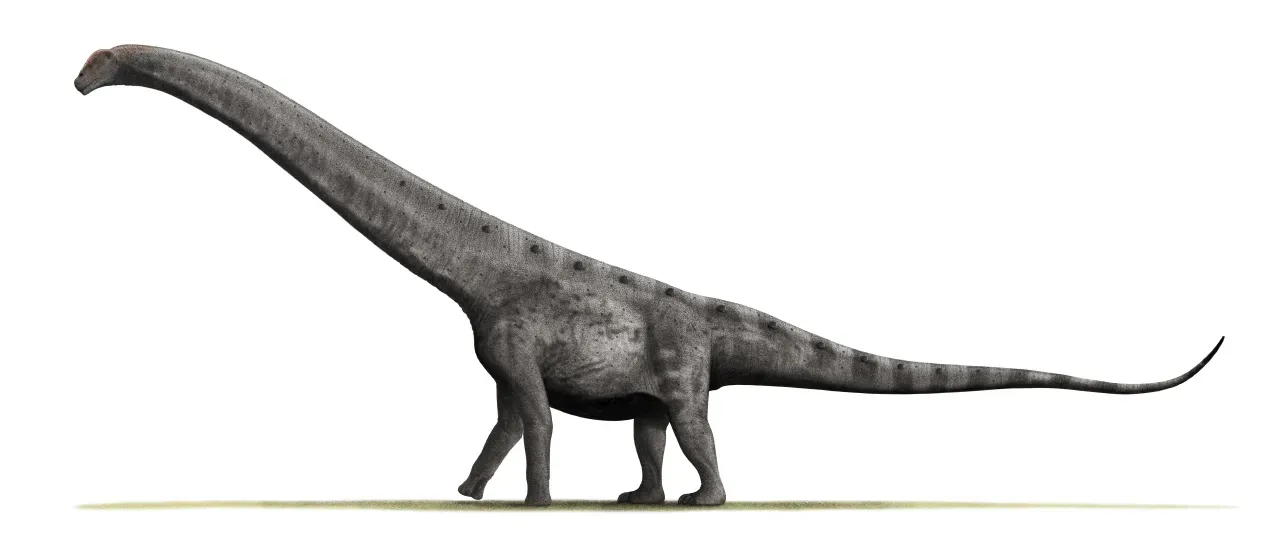
Here is a story that honestly sounds too good to be true. Evidence of Argentinosaurus was originally discovered in 1987, when a fossil the size of a fully grown human being was unearthed on a ranch in Argentina. The rancher thought the fossil specimen was a large chunk of petrified wood, and it wasn’t until 1993 that it was reclassified as a single vertebra belonging to a new species of sauropod. One bone. The size of a man. And it was just a vertebra.
Although no complete skeletons of Argentinosaurus have been found, estimates of the dinosaur’s length range from 37 to 40 meters, and it was thought to have weighed 90 to 100 metric tons. By these measures, Argentinosaurus was the largest dinosaur, as well as the largest land animal, ever known. Whether Argentinosaurus or Patagotitan truly holds the top spot is still actively debated by paleontologists – the fossil record is simply too incomplete for a definitive verdict. It’s hard to say for sure, but either way, both creatures were something that should not have been physically possible.
Why Did Prehistoric Animals Grow So Impossibly Large?
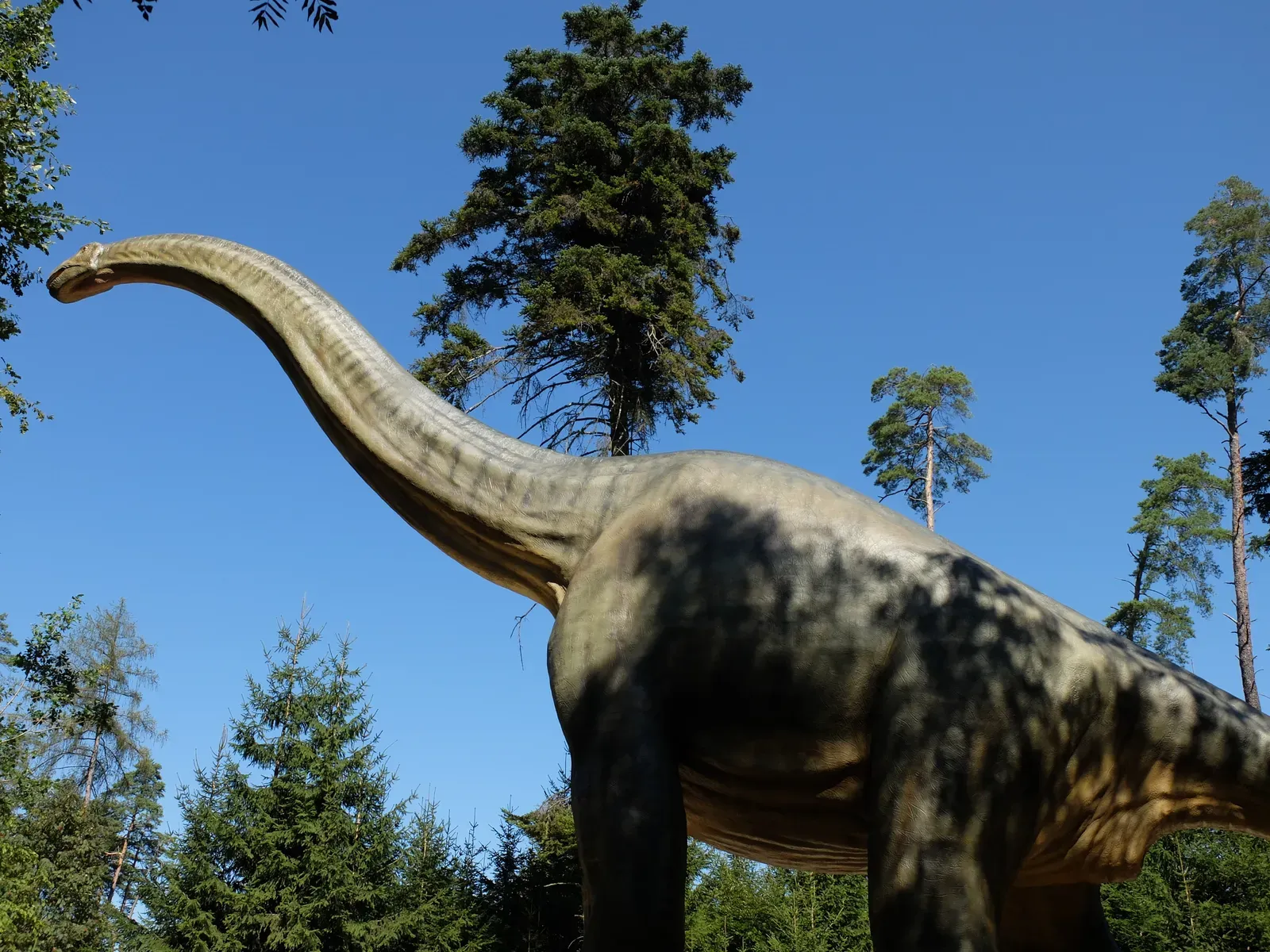
You might be wondering what on Earth was going on with the atmosphere and food supply that allowed animals to grow to the size of buildings. Prehistoric animals such as dinosaurs grew large due to higher oxygen levels, efficient food intake, and evolutionary trends like Cope’s Rule. Features like long necks allowed them to access more food, while light bones and air sacs helped support their massive sizes. These factors, along with fewer predators and rapid reproduction, contributed to their gigantic size.
The existence of sauropods leads to a hypothesis about why these animals grew so giant: efficient food uptake. Because sauropods had such long necks, they must have been more efficient eaters than other large herbivores, meaning they could cover much larger feeding grounds and reach food that was inaccessible to other dinosaurs. So in theory, the massive sauropods were able to grow larger than other dinosaurs because they fed more efficiently. Think of the long neck like a crane arm on a construction site – reach further, gather more, repeat daily for millions of years.
Paraceratherium: The Hornless Giant That Ruled After the Dinosaurs
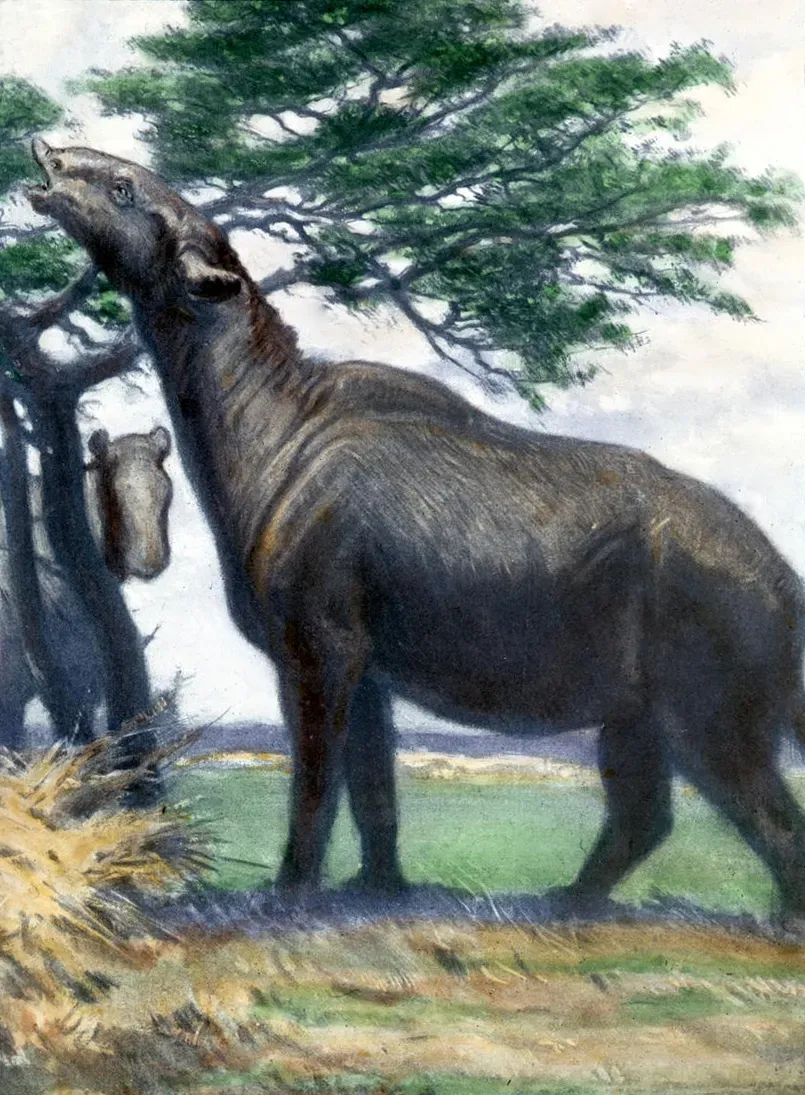
Once the dinosaurs were gone, you might expect the world to have become a quieter, more modestly sized place. You would be wrong. Long before humans walked the planet, a massive creature ruled the forests and open plains of ancient Eurasia. Paraceratherium, a hornless giant and a distant relative of today’s rhinoceroses, lived during the Oligocene epoch, between 34 and 23 million years ago. With a shoulder height of nearly 16 feet and a body length over 24 feet, it is considered the largest land mammal ever to walk the Earth. Fossils suggest it may have weighed up to 24 tons, about three times heavier than the largest African elephants today.
Weighing as much as 20 tons as an adult, Paraceratherium could stretch its long neck to nibble leaves high in the treetops of the central Asian forests. Needing to eat massive amounts of vegetation to survive, Paraceratherium suffered as the central Asian forests were replaced by grassland habitats, causing this huge mammal to become extinct. Its story is almost poetic – a creature so specialized for abundance that when the world changed, it simply could not adapt fast enough. Environmental shifts, combined with low birth rates and specialized feeding, likely made it hard for Paraceratherium to adapt. Its extinction marked the end of an era in mammalian evolution.
The Woolly Mammoth: A Giant That Walked Beside Your Ancestors
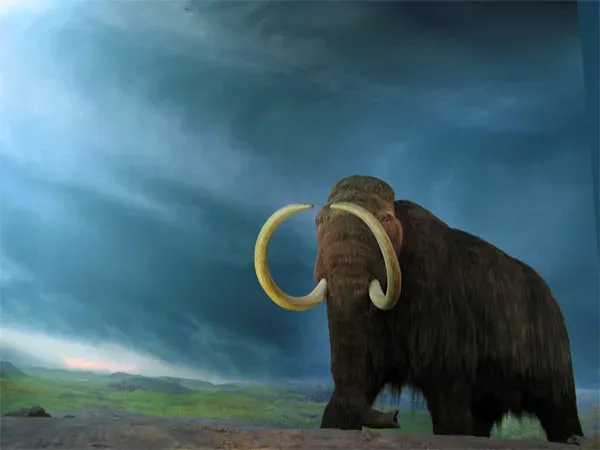
Most prehistoric giants existed so far back in time they feel almost mythological. The woolly mammoth is different. This was an animal that your ancient ancestors hunted, feared, and carved into cave walls. The woolly mammoth coexisted with early humans, who hunted the species for food and used its bones and tusks for making art, tools, and dwellings. These weren’t creatures from a distant, alien world. They were neighbors.
Scientists are divided over whether hunting or climate change, which led to the shrinkage of its habitat, was the main factor that contributed to the extinction of the woolly mammoth, or whether it was due to a combination of the two. The last known fossil population remained on Wrangel Island in the Arctic Ocean until 4,000 years ago, around 2000 BCE, centuries after the dawn of human civilization and the construction of the Great Pyramid and Sphinx of ancient Egypt. While humans were building monuments, a few last mammoths were still walking the Earth. That is genuinely mind-bending when you sit with it.
Megatherium: The Sloth That Was Anything But Lazy
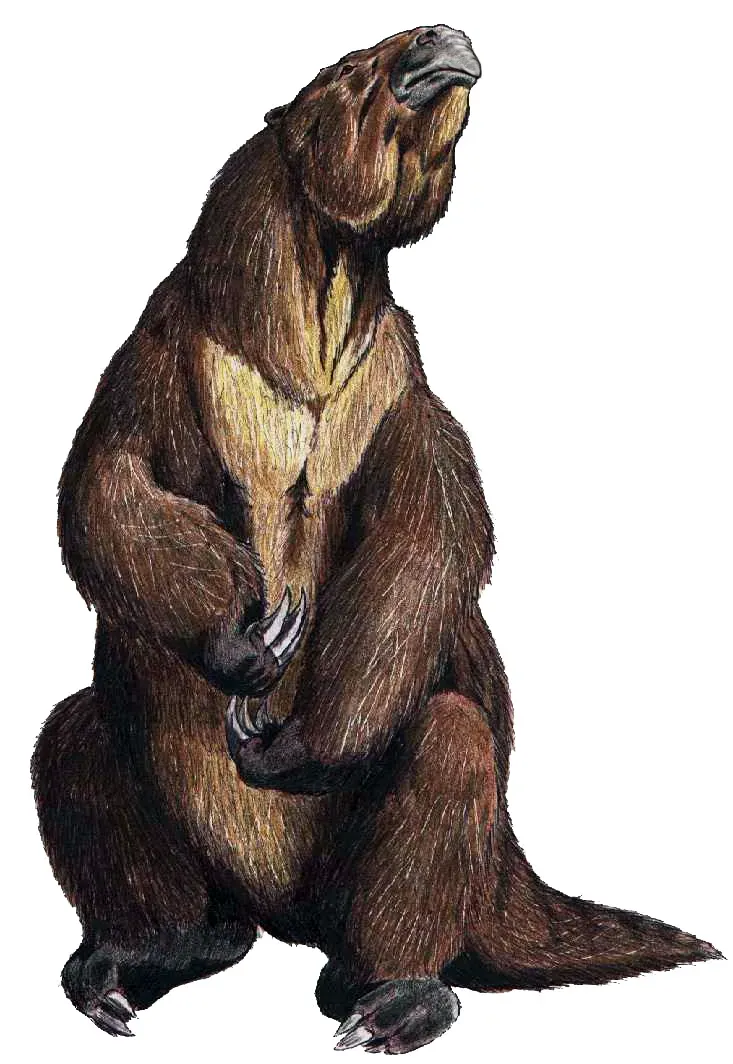
When most people hear “sloth,” they picture a tiny, slow-moving creature dangling from a branch and looking vaguely confused. Megatherium would like a word. Megatherium was up to ten times the size of living sloths, reaching weights of up to four tonnes, similar to a bull elephant. On its hind legs, it would have stood a full 3.5 metres tall. Standing on two legs, it would tower over the roof of most modern houses.
It was able to stand and walk on its hind legs, making it the largest bipedal mammal of all time. The extinction of the Megatherium seems more to have been the work of the emergence of mankind. Indeed, Megatherium fossils have been found with cut marks on them, suggesting that they were hunted by humans. Slowly and methodically, early humans appear to have hunted this giant into oblivion – which is either an inspiring testament to human persistence or a sobering reflection of our destructive tendencies, depending on how you look at it.
The African Elephant: Living Proof That Giants Still Walk Among Us
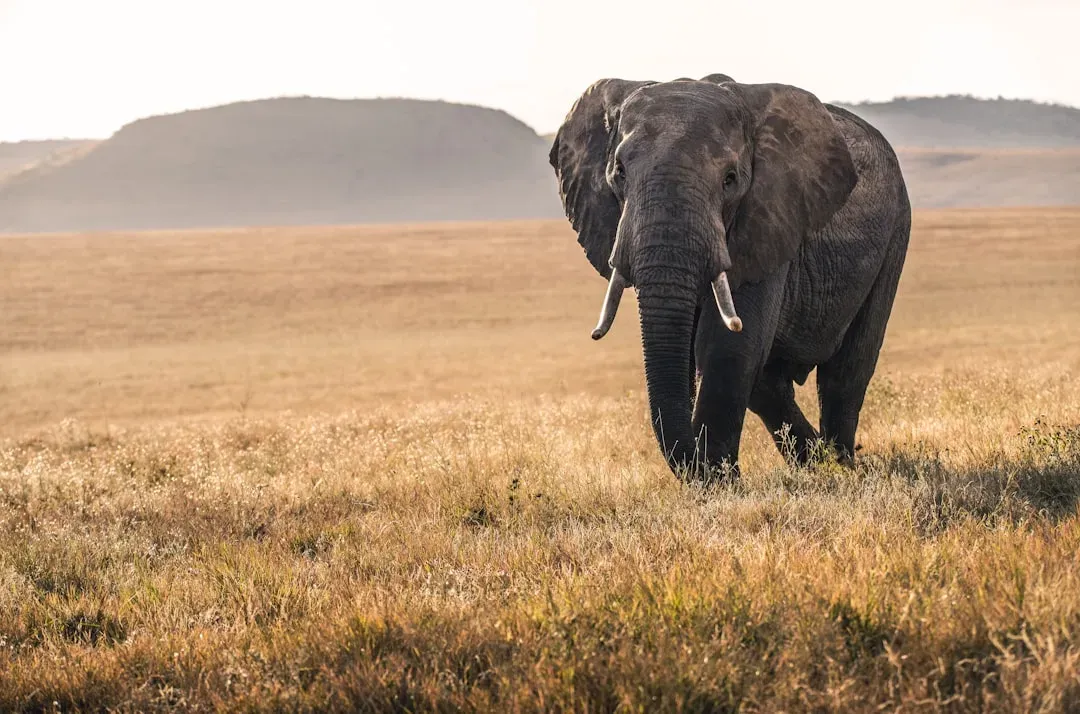
You do not have to time-travel to see a giant land animal. The African bush elephant is the largest living land animal. A native of various open habitats in sub-Saharan Africa, males weigh about 6.0 tonnes on average. That is already an astounding figure – until you remember that Paraceratherium weighed roughly three times as much. Still, the African elephant is an astonishing creature in its own right.
The largest elephant ever recorded was shot in Angola in 1974. It was a male measuring 10.67 metres from trunk to tail with a standing shoulder height of 3.96 metres. This male had a computed weight of 10.4 to 12.25 tonnes. African bush elephants function as ecosystem engineers, dispersing seeds across vast distances, creating vital waterholes, and preventing forests from overrunning grasslands. Even the largest living land animal earns its place – not just by its size, but by the massive ecological role it plays every single day.
Palaeoloxodon Namadicus: The Elephant That Might Beat Them All
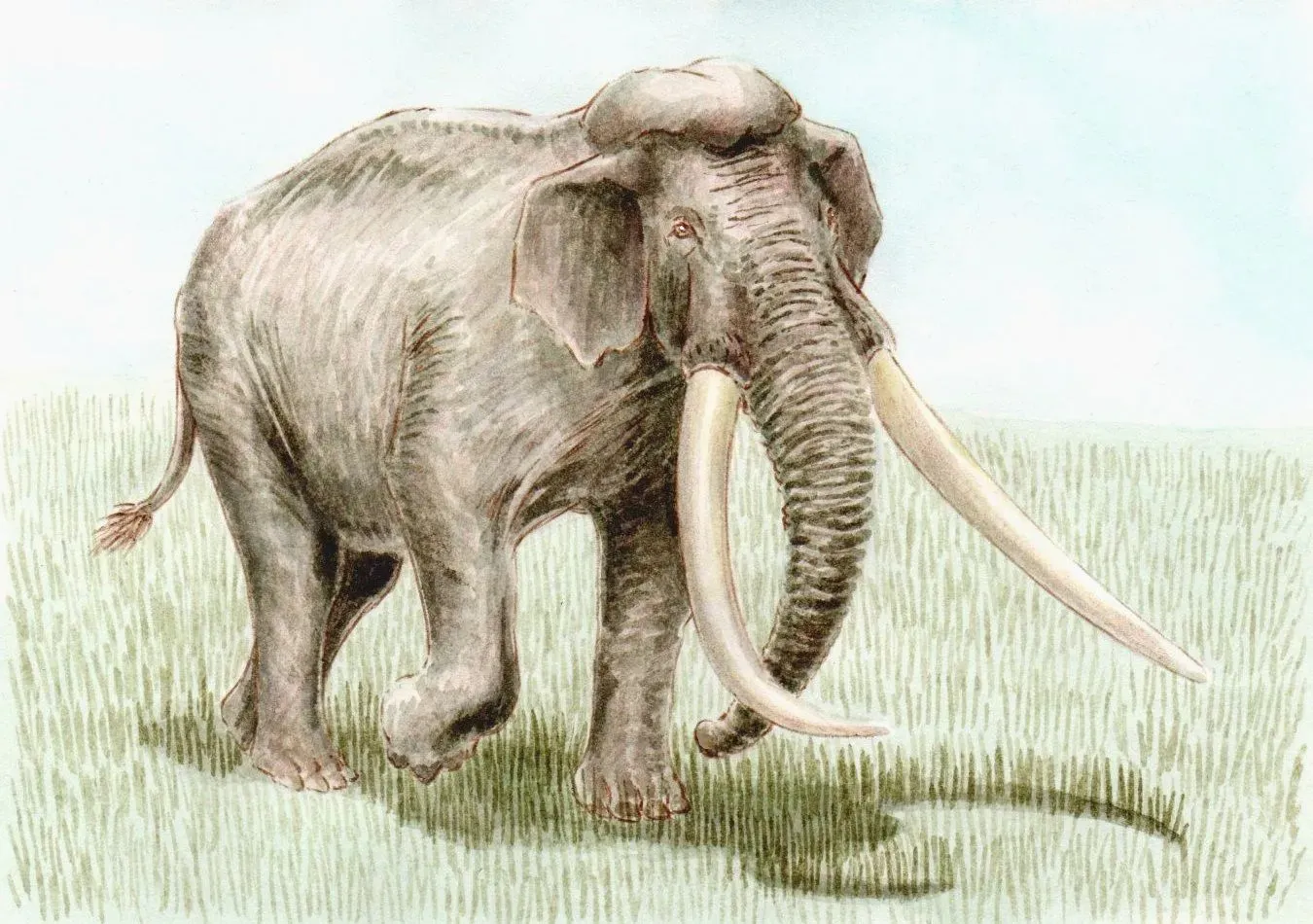
Here is one that most people have never heard of, and honestly that feels like a crime. Palaeoloxodon namadicus stands out as what might be the largest land mammal that ever lived. This straight-tusked elephant roamed Earth during the Pleistocene epoch. The remains suggest it stood 5.5 meters at the shoulder and reached 8 meters in total height. Scientists estimate it weighed an impressive 22 tons, making it one of the heaviest land animals in prehistoric times.
A 2016 study suggested that the extinct straight-tusked elephant Palaeoloxodon, which lived some 700,000 to 50,000 years ago, surpassed Paraceratherium in size with a weight up to 22 tonnes and a shoulder height of 4.5 meters. Yet this estimate was only based on a fragmentary femur found in India, so is rather speculative. The maddening thing about prehistoric giants is that the evidence is always incomplete. You get a bone here, a partial skull there, and from those fragments, scientists attempt to reconstruct creatures that shook the ground. It’s equal parts science and detective work.
The Fossil Record: An Incomplete Window Into a World of Giants
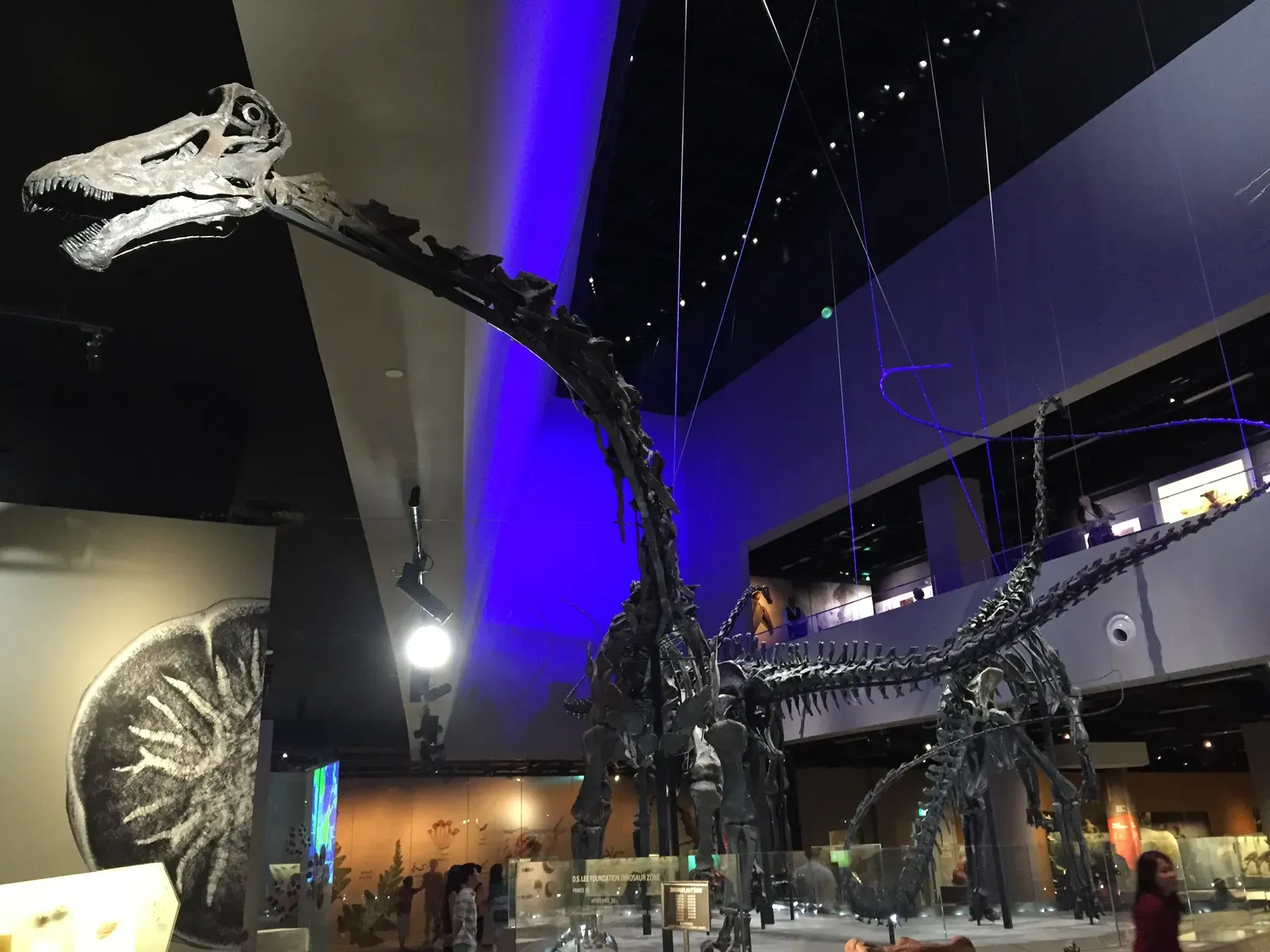
Dinosaur size estimates often need to be taken with a pinch of salt. It’s one thing to work out how long a dinosaur was when you have a relatively complete skeleton. It’s a trickier task when you’ve only got a few bones to work with. This is a point that cannot be overstated. Every single size estimate you read about prehistoric giants comes with an asterisk, shaped like a missing backbone or an absent skull.
Size estimates often need revision, sometimes dropping to half their original proposed value. Comparing extinct and living species raises questions about what truly counts as the largest land mammal. Weight estimates for prehistoric animals continue to evolve as measurement techniques improve and new fossil evidence surfaces. We are currently experiencing something of a golden age of dinosaur discovery. An average of 50 new species are being added to the tally each year, with a current running total of about 700 and counting. Somewhere out there, buried under millions of years of rock and sediment, there may be an animal that makes everything on this list look small. That is not a wild speculation – it is a genuine scientific possibility.
Conclusion: The Giants Are Gone, But Their Story Isn’t Over
There is something deeply humbling about the story of Earth’s largest land animals. These were not just big bodies wandering around eating vegetation. They were the engineers and architects of entire ecosystems. They shaped the forests, carved the paths, and in the case of elephants, are still doing so today. The giants that are gone left behind a world that still bears their imprint in ways we are only beginning to understand.
What strikes you most when you look at this history is how consistently life pushes toward extremes when conditions allow. Give evolution the right oxygen, the right food supply, the right absence of threats – and nature will build something that strains the limits of what bone and muscle can physically support. The fact that we know about these creatures at all, from fragments of bone scattered across six continents, is a small miracle of human curiosity.
We may never know everything about the giants that walked this Earth. Some of them will remain forever mysterious, reconstructed from a single bone or a handful of teeth, their true scale still up for debate. Yet that mystery is part of what makes this story so compelling. Which of these ancient giants surprised you most? Drop your thoughts in the comments below.