
Undercover investigations exposing conditions on farms and in slaughterhouses have fueled animal welfare campaigns, yet their effectiveness hinges on emerging evidence from studies and real-world outcomes.
Footage Sparks Attitude Shifts
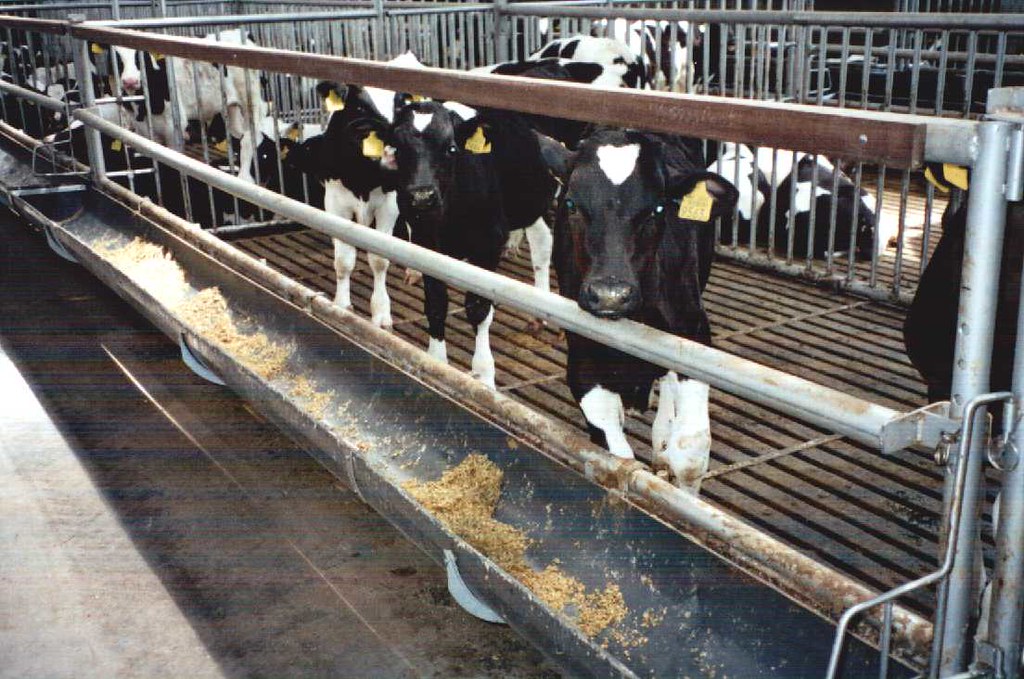
Footage Sparks Attitude Shifts (Image Credits: Flickr)
Viewers exposed to graphic footage of animal cruelty often experience immediate emotional responses that linger. Research from Mercy for Animals in 2016 demonstrated small but noticeable medium-term changes in attitudes among specific demographics after watching such videos.
A randomized controlled trial by Animal Equality and Faunalytics in 2018 further showed that pig confinement and slaughter videos boosted anti-pork sentiments right away and persisted a month later. Participants reported heightened concerns, though follow-up rates stood at 58 percent. Other work, like Udale’s 2024 study on welfare-washing videos, noted 28 percent of viewers contemplating meat elimination, up from 22 percent beforehand. These findings highlight footage’s power to evoke concern, particularly when blending systemic issues with individual stories.
Translating Views into Behavior
While attitudes shift, actual changes prove rarer and smaller in scale. The 2018 trial detected only marginal drops in pork consumption self-reports, with no tracking of shifts to other meats.
Espinosa and colleagues in 2024 observed a 23 percent rise in donations to animal groups after video exposure, albeit with modest amounts involved. Surveys like Tiplady’s from 2012 and 2015 revealed negative emotions from media coverage but scant follow-through, such as politician contacts. Still, public surveys in Germany and the U.S. indicated broad acceptance of non-destructive undercover work and opposition to restrictive ag-gag laws once abuses surfaced.
Driving Legal and Policy Change
Investigations extend beyond public opinion by bolstering court cases and reforms. Footage contributed to victories like the EU rabbit cage ban, UK pig farm closures, and bans on chick culling in Italy.
- Supported Proposition 12 legal briefs in the U.S.
- Aided civil suits against foie gras operations in Spain.
- Validated claims in criminal prosecutions worldwide.
- Primed corporate campaigns, as noted in Bollard’s 2017 analysis.
Legal methods, including drones and whistleblowers, minimize risks while sustaining impact. Public backlash against ag-gag measures further eroded trust in farming practices and strengthened welfare regulation support.
Navigating Costs and Limitations
High expenses plague U.S.-based employee investigations, though smaller groups keep costs under $10,000 by avoiding them. Audience fatigue and desensitization pose threats, prompting limits on video releases.
Evidence remains tentative due to small samples, self-report biases, and U.S.-heavy focus. Long-term effects lack robust data, and illegal tactics invite backlash. Experts recommend pairing probes with media strategies, targeting naive audiences, and integrating with broader advocacy.
- Short-term attitude changes occur reliably, but behavior shifts stay modest.
- Legal applications yield tangible wins like bans and closures.
- Future success demands legal tactics, varied methods, and more global research.
Animal investigations hold promise when executed strategically, blending public pressure with policy leverage. Their role endures amid calls for deeper studies on synergies and retention. For a full breakdown, see the analysis by Animal Charity Evaluators. What do you think about the balance of impacts and challenges? Tell us in the comments.