
A University of Illinois study has mapped the vast online marketplace for non-native frogs, salamanders, and other amphibians sold across the United States, highlighting both thriving domestic breeding and persistent smuggling routes.
Mapping a Shadowy Online Network
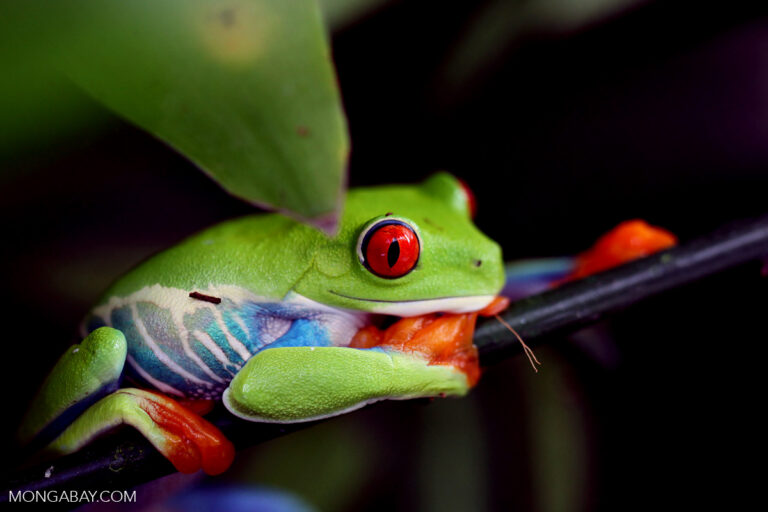
Mapping a Shadowy Online Network (Image Credits: Imgs.mongabay.com)
Researchers analyzed nearly 8,500 classified ads posted between 2004 and 2024, documenting sales of 301 amphibian species by U.S. sellers.
Herpetologist Devin Edmonds led the effort, scraping data from community forums and verifying species through photos and expert knowledge. The team compared these listings against U.S. Fish and Wildlife Service import records, uncovering discrepancies that point to gaps in oversight.
Average prices hovered around $50 per frog, though some rare specimens fetched up to $1,400. This dataset now serves as a benchmark for understanding a trade long hidden from view.
Untracked Species Command Premium Prices
Forty-four species appeared in online sales without any corresponding import documentation, representing about 18% of non-native amphibians traded. These unrecorded animals sold for a 40% premium over documented ones.
Many traced back to Brazil, Colombia, and China, nations where some species face export restrictions. Others arrived via genus-level shipments from Madagascar, Malaysia, Tanzania, and Vietnam, exploiting vague labeling that obscures exact identities.
Edmonds noted, “That could reflect the rarity of the animal or the seller trying to capture the profit associated with smuggling or laundering certain species that are particularly profitable.”
Loopholes Fuel Smuggling and Laundering
Regulatory ambiguities allow importers to declare shipments at the genus level, enabling misidentification or substitution of restricted species. For instance, Brazil’s Caatinga horned frogs reportedly rerouted through Suriname, relabeled under a broader category, and then bred for U.S. sale.
- Genus-level imports mask origins and species details.
- Outdated taxonomies lump sensitive frogs with common ones.
- Trade bans, some decades old, get circumvented via third countries.
- Potential risks include pathogen spread and invasive species establishment.
Co-author Samuel Sucre highlighted how “vague paperwork can become a loophole” for higher-risk animals.
Captive Breeding Signals Positive Trends
Thirty species showed up in ads far more often than import volumes suggested, evidence of robust U.S. captive breeding programs.
This domestic production eases pressure on wild populations and lowers biosecurity threats from international shipments. Edmonds observed that “a lot of the amphibians being traded are captive-bred here in the U.S. rather than collected from the wild.”
| Trade Category | Key Indicators | Implications |
|---|---|---|
| Domestic Breeding | 30 species over-advertised | Reduced wild harvest |
| Unrecorded Imports | 44 species, 40% premium | Smuggling risks |
Such trends foster conservation interest among hobbyists while minimizing overexploitation.
Toward Sustainable Practices
The study calls for updated identification tools, better record-keeping, and outreach to breeders and buyers. Engaging the community could curb illicit pathways without stifling legal trade.
Key Takeaways
- Nearly 8,500 ads catalog 301 species, with 44 lacking import records.
- Captive breeding dominates for many, offering a conservation win.
- Genus-level loopholes enable evasion; targeted reforms needed.
Ultimately, greater transparency in online sales could protect vulnerable amphibians worldwide. What steps should regulators take next? Share your thoughts in the comments.