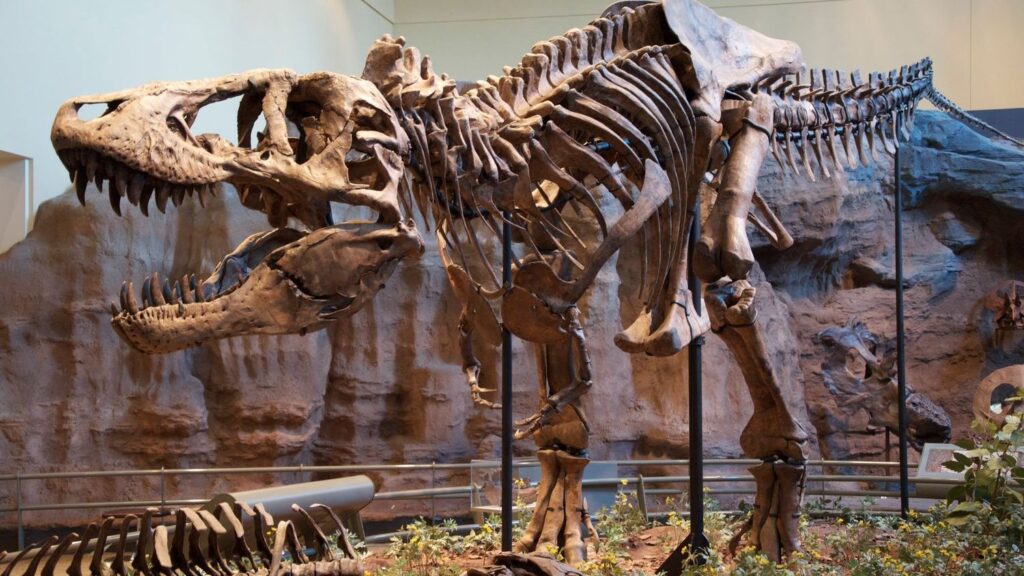
There is something deeply captivating about Tyrannosaurus rex. You have seen it on the big screen, in museum halls, and printed on children’s backpacks. For most of us, the image is the same: a colossal, roaring, almost mindless killing machine running on instinct and appetite alone. For decades, that was roughly how science saw it too.
But that picture is crumbling. Recent discoveries in paleontology, neuroscience, and comparative biology have quietly rewritten the story of one of Earth’s most famous predators. Turns out, there is far more going on behind those massive eye sockets than anyone gave T. rex credit for. Let’s dive in.
The Neuron Debate That Shook Paleontology
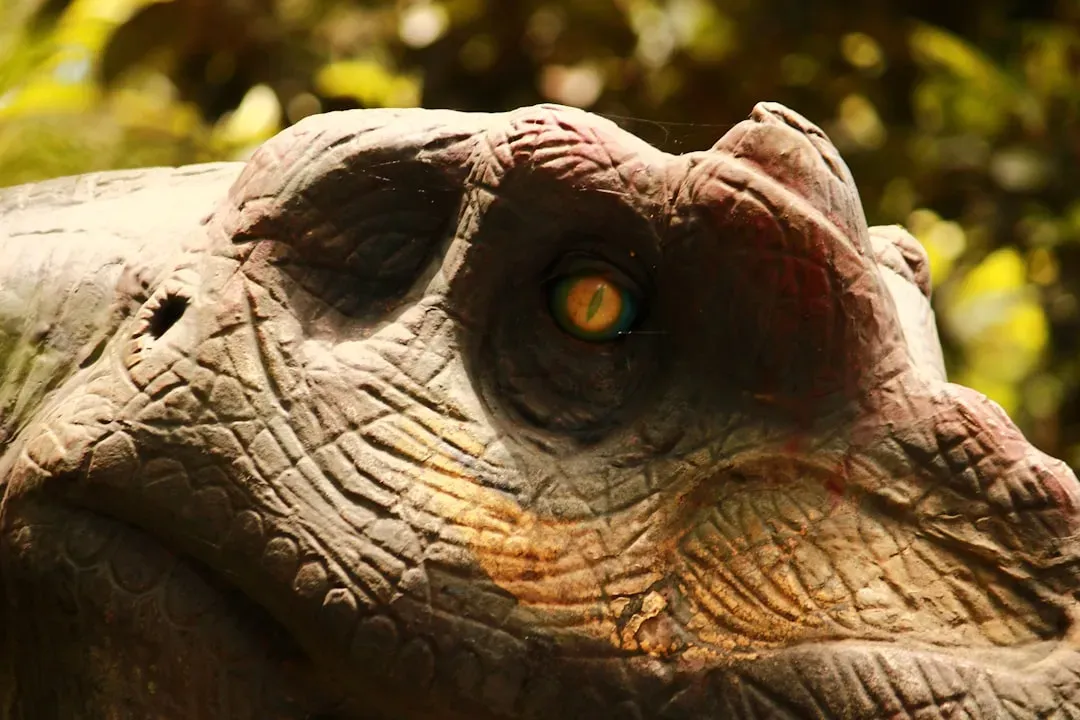
Imagine waking up one morning to headlines declaring that T. rex might have been as brainy as a baboon. That’s essentially what happened in 2023, when Vanderbilt University neuroscientist Suzana Herculano-Houzel published a paper claiming that the fearsome dinosaur had somewhere between two and three billion neurons in its brain, a count comparable to some primates. In that study, Herculano-Houzel found the T. rex had between two and three billion neurons, and she argued those neuron counts, comparable to those of baboons, could directly inform on the intelligence of T. rex.
It was claimed that these high neuron counts could directly inform on intelligence, metabolism, and life history, and that T. rex was rather monkey-like in some of its habits. Cultural transmission of knowledge, as well as tool use, were cited as examples of cognitive traits it might have possessed. You can imagine the excitement. You can also imagine the skepticism. A monster that taught its young how to hunt? That used tools? Scientists were not letting that slide without scrutiny.
A Second Look at the Brain: What the Numbers Actually Tell You
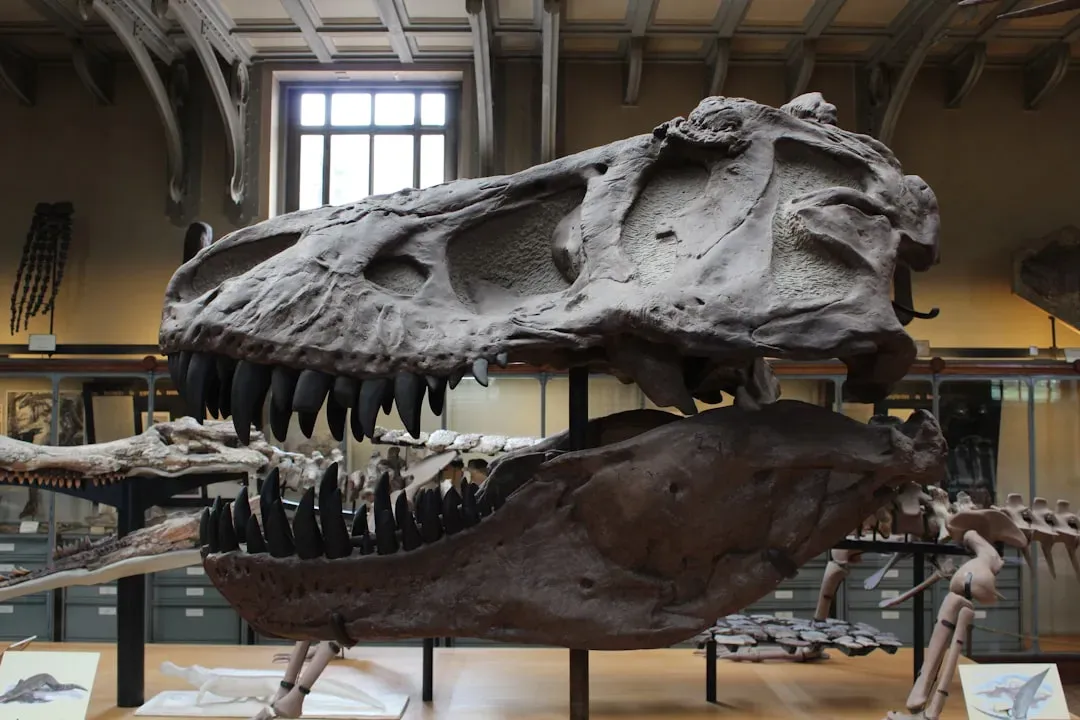
Here’s the thing: counting neurons in a 66-million-year-old animal is far from straightforward. Calculating how many neurons an animal has requires knowing how densely packed the brain cells are. That can be tough not only because neuron density varies widely between animals, but also because these brain cells aren’t well preserved in the fossil record. When scientists look at extinct animals, they must use the neuron densities of modern relatives as proxies. That is where the original 2023 study ran into trouble.
To come up with her estimate, Herculano-Houzel compared T. rex to some of its living relatives, birds like emus and ostriches. While birds are descendants of theropods, the same group of dinosaurs that T. rex belonged to, theropods themselves were reptiles. As such, their skulls were probably more like those of today’s living reptiles than birds, the newer study’s authors argue. In other words, using bird brain density as the measuring stick for T. rex may have dramatically inflated the numbers. Think of it like estimating your salary based on a tech CEO’s pay just because you both use a computer.
Reptile Smart: The Crocodile Comparison
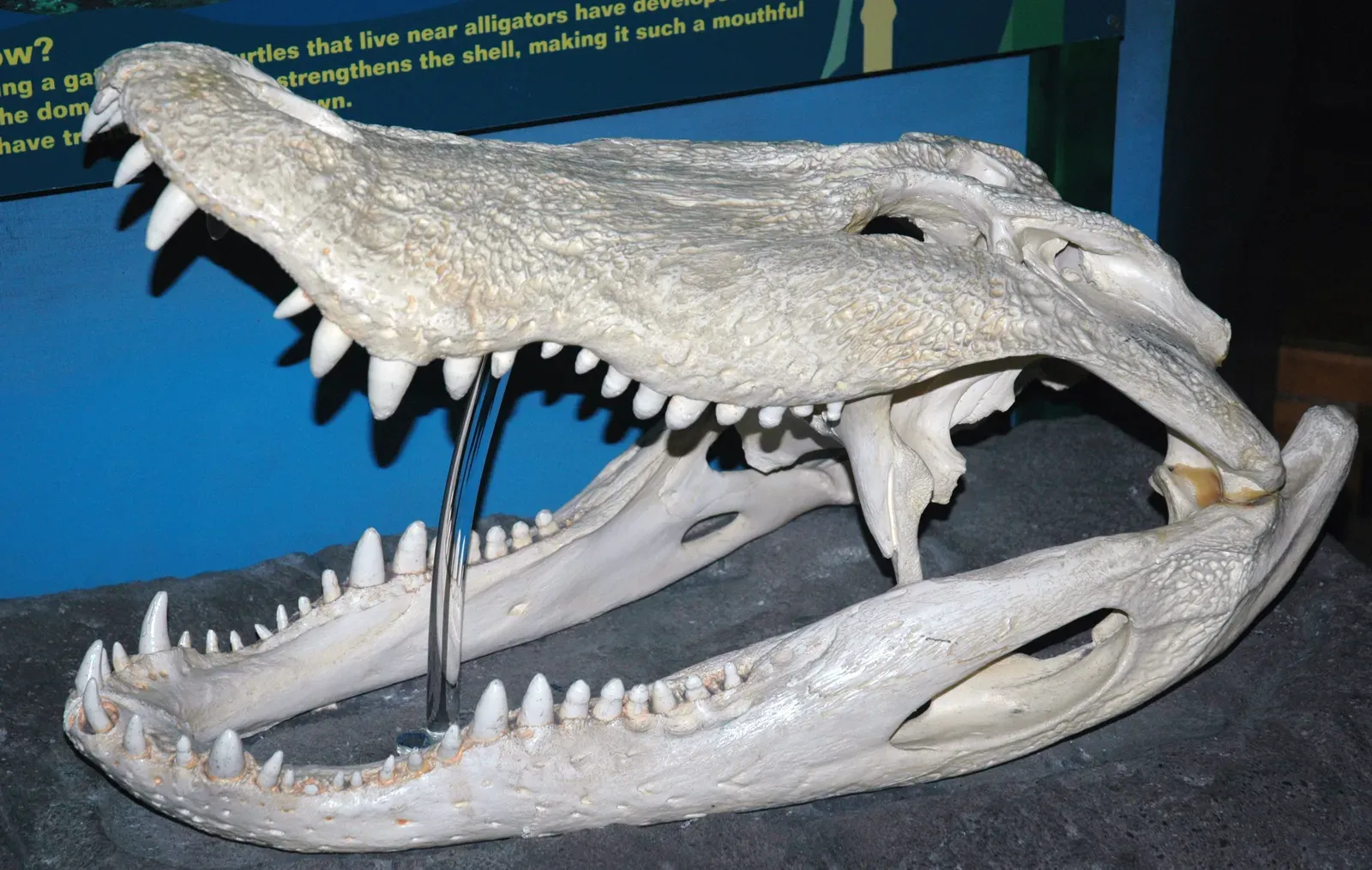
An international team of palaeontologists, behavioural scientists, and neurologists re-examined brain size and structure in dinosaurs and concluded they behaved more like crocodiles and lizards. That might sound like a demotion, but honestly, it is worth pausing before you shrug it off. Crocodiles are remarkably sophisticated animals that have been around for over 200 million years. They are strategic, patient, and surprisingly capable. Being compared to one is not the insult it might seem.
The revised research found T. rex had between 250 million and 1.7 billion neurons, similar to the count in crocodiles. The earlier Brazilian study, in contrast, had estimated 3.3 billion neurons for T. rex, similar to that of baboons. The team found that the brain size had been overestimated, especially that of the forebrain, and thus neuron counts as well. In addition, they showed that neuron count estimates are not a reliable guide to intelligence. The science of intelligence, it seems, is far messier than simply counting brain cells.
The Problem With Using Neurons to Measure Smarts
Let’s be real: neuron count as a measure of intelligence sounds clean and satisfying, but the actual data from living animals complicates the story enormously. Especially high cerebral neuron counts, exceeding those of corvids and most primates, are present in giraffes, with 1.7 billion, but there’s no indication so far that this correlates with tool use, complex culture, or anything linked with intelligence. Dolphins, including pilot whales and orcas, have absurdly high neocortical neuron counts exceeding 30 billion, while humans have 15 to 20 billion, yet there is no evidence they exceed us in intelligence.
The study notes that brain size and neuron count aren’t the best predictors of cognitive intelligence. The number of neurons and brain size varies greatly across animals, but it doesn’t always correlate to higher competence. For example, pigeons have little brains and high neuron density and can count as well as monkeys with a larger brain. So when you are trying to understand T. rex’s mental life, you need a wider lens than just neuron counts. To reliably reconstruct the biology of long-extinct species, the team argues, researchers should look at multiple lines of evidence, including skeletal anatomy, bone histology, the behaviour of living relatives, and trace fossils.
Extraordinary Senses: The Real Cognitive Superpower
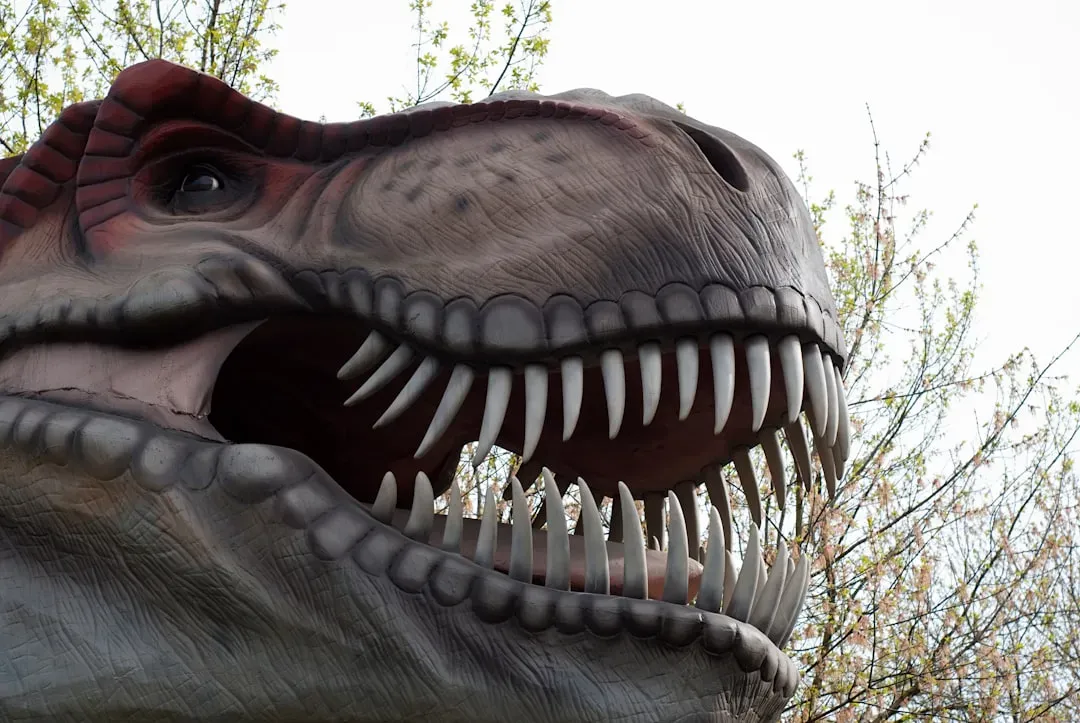
Even if T. rex was not exactly a primate genius, its sensory toolkit was nothing short of extraordinary. T. rex brains show unusually large olfactory regions for a dinosaur, indicating the species had an exceptionally keen sense of smell. Fossil evidence shows that some of its sensory organs and processing centers were super-sized, giving this hunter exceptional abilities to track its prey. Think of the nose as an intelligence all its own. A dog with a mediocre brain can track you across a city by scent alone. T. rex had something comparable, but scaled for a multi-ton predator.
An adult T. rex had eyes the size of oranges, the largest of any land animal. As is common in predators, including raptors like hawks and eagles, the eyes of T. rex faced forward. They were also set wide apart, giving T. rex excellent depth perception to aid in the pursuit of prey. The eyes were set relatively high on the head, boosting this dinosaur’s ability to see longer distances. And it gets better: since birds and crocodiles, the closest living relatives of tyrannosaurs, can see ultraviolet light in addition to the colors seen by humans, scientists think it’s likely that T. rex could see an expanded spectrum of color. Predators with this ability could be more effective at tracking prey through the thick camouflage of a dense forest.
Hearing That Could Shake the Ground
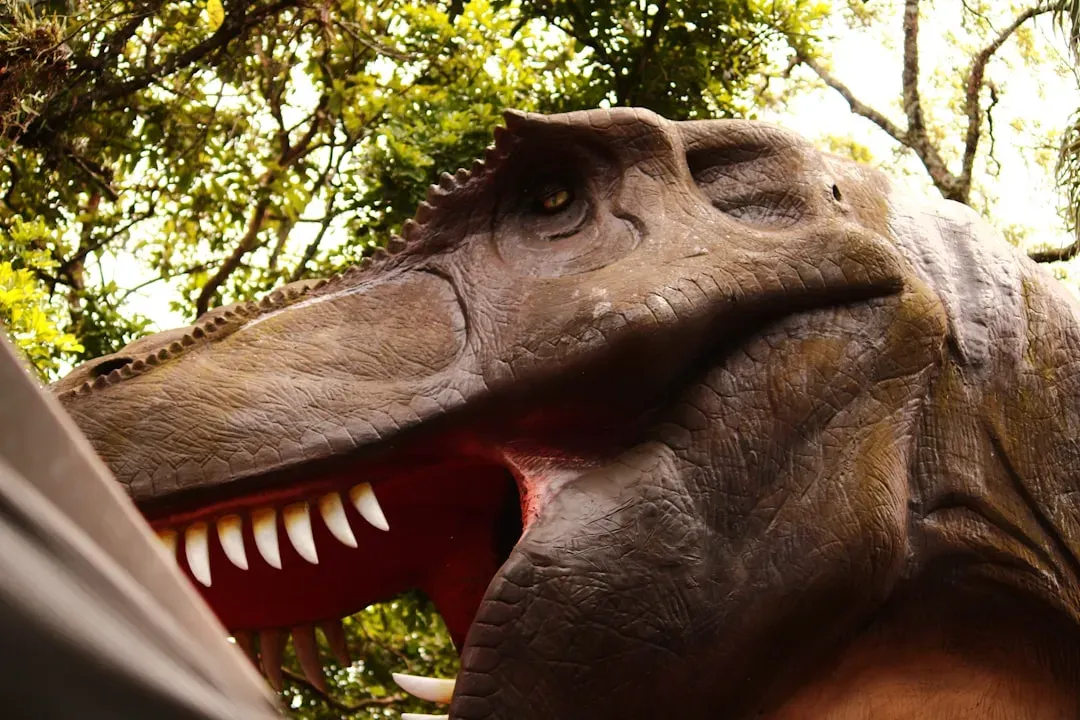
You might be surprised to learn that T. rex was not just watching and sniffing out its prey. It was also listening. Tyrannosaurus rex and other tyrannosaurid dinosaurs were apex predators during the latest Cretaceous, combining giant size with advanced neurosensory systems. Computed tomography data have shown that tyrannosaurids had a trademark system of a large brain, large olfactory bulbs, elongate cochlear ducts, and expansive endocranial sinuses surrounding the brain and sense organs.
One of T. rex’s unique abilities was its hypersensitive hearing. A bone in its inner ear, the cochlea, was remarkably long. In animals alive today, that specialization is associated with the ability to hear low-frequency sounds well. Low-frequency hearing is the kind used by elephants to communicate across vast distances, and by lions to detect rumbling herds. Its long, straight cochlear duct would have imparted a heightened ability to hear low-frequency sounds, as has been argued for tyrannosaurids and smaller, more basal relatives. That is not dumb-predator behavior. That is sophisticated, multi-sensory hunting.
Social Lives: Were They Pack Hunters After All?
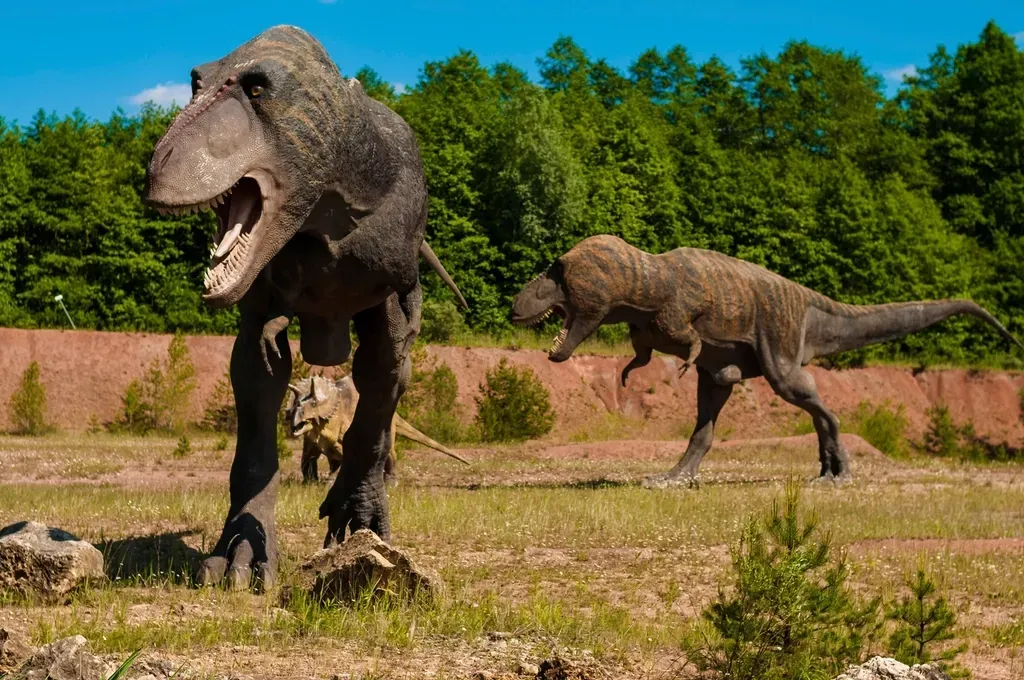
Perhaps the most astonishing shift in our understanding of T. rex involves how they lived together. For generations, the pop culture image was the lonely tyrant: a solitary monster roaming its territory alone. But fossil evidence has begun to challenge that narrative in deeply compelling ways. The fearsome tyrannosaur dinosaurs that ruled the northern hemisphere during the Late Cretaceous period may not have been solitary predators as popularly envisioned, but social carnivores similar to wolves, according to a new study. The finding was based on research at a unique fossil bone site inside Utah’s Grand Staircase-Escalante National Monument containing the remains of several dinosaurs of the same species.
The members of the research team see their findings as offering indirect but clear evidence of group dynamics in action among the Tyrannosaurus rex specimens in question. Their cooperative behavior would have been survival-oriented, centered around group hunting and perhaps allowing for extended parental care as well, the scientists postulate. A project contributor noted that the new Utah site adds to the growing body of evidence showing that tyrannosaurs were complex, large predators capable of social behaviors common in many of their living relatives, the birds. Social behavior, in the animal kingdom, is never accidental. It demands communication, coordination, and some level of cognitive awareness.
Growth, Lifespan, and What It Meant to Be Young
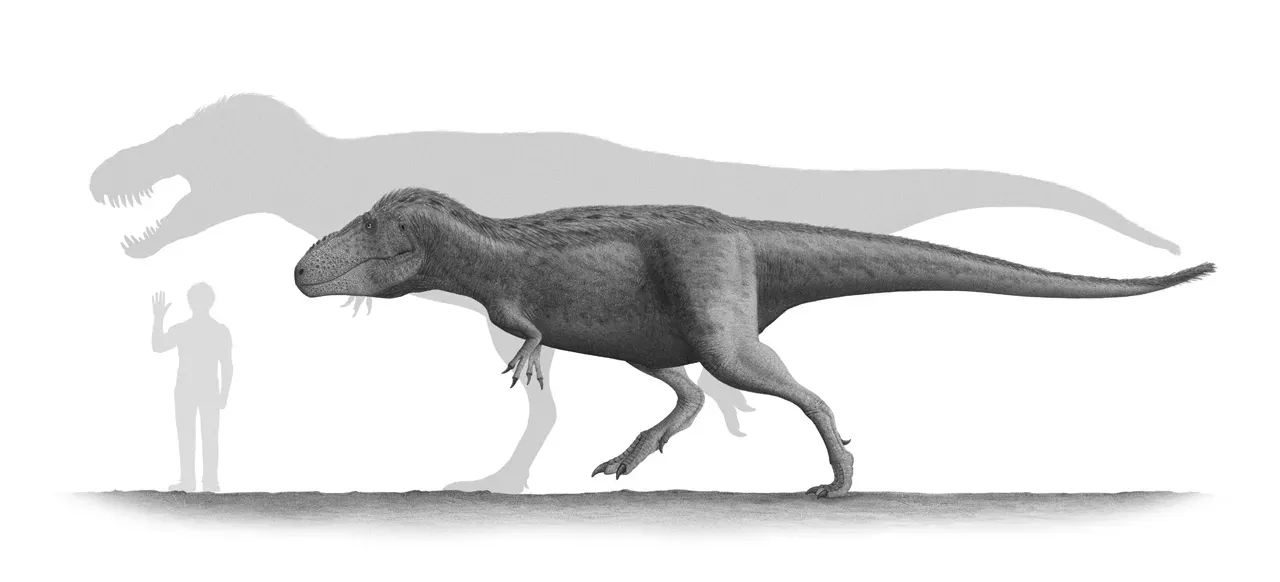
Here is something that changes how you might picture T. rex entirely: it was not born the monster we imagine. Young T. rex specimens were lean, fast, and hunted very differently from their enormous adult forms. By staying smaller for longer, young tyrannosaurs could fill different ecological niches. A 15-year-old T. rex was fast, agile, and likely hunted different prey than a 35-year-old, eight-ton behemoth. That kind of age-specific role division suggests an ecological complexity that is easy to overlook when you focus only on the fully-grown version.
T. rex growth rate research has officially taken a massive leap forward, challenging everything we thought we knew about the King of the Dinosaurs. For decades, the image of T. rex was that of a fast-growing predator. However, a groundbreaking study published in PeerJ suggests that these prehistoric giants were actually late bloomers. Instead of reaching their massive eight-ton adult size in 25 years, these apex predators likely spent nearly 40 years maturing. Forty years. That is a long life for any animal, and a long time to learn, adapt, and refine behavior. Sue was estimated to have been 27 to 33 years old. Similarly, Trix is estimated to have been at least 30 years old at time of death.
New Species, New Questions: The Discovery of Nanotyrannus
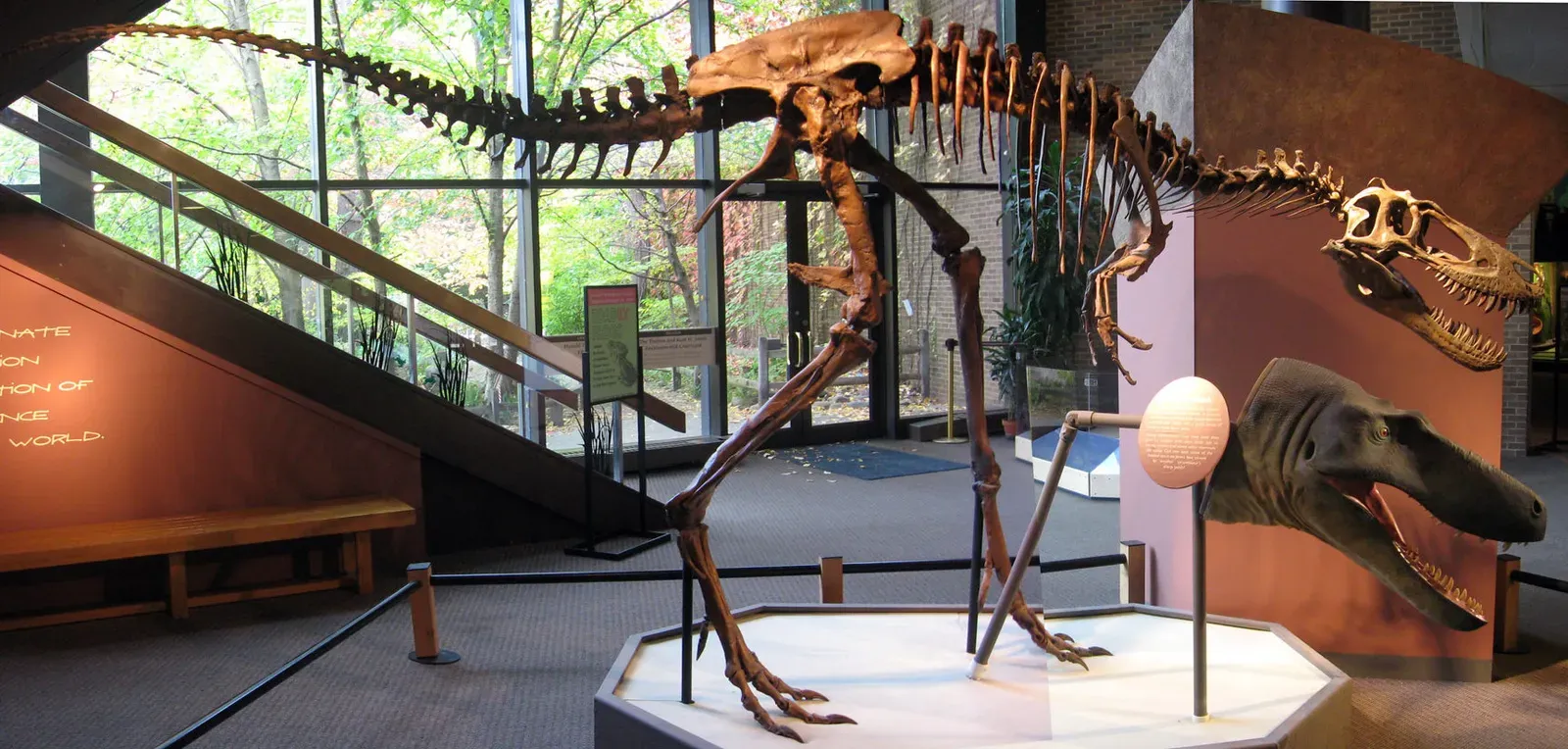
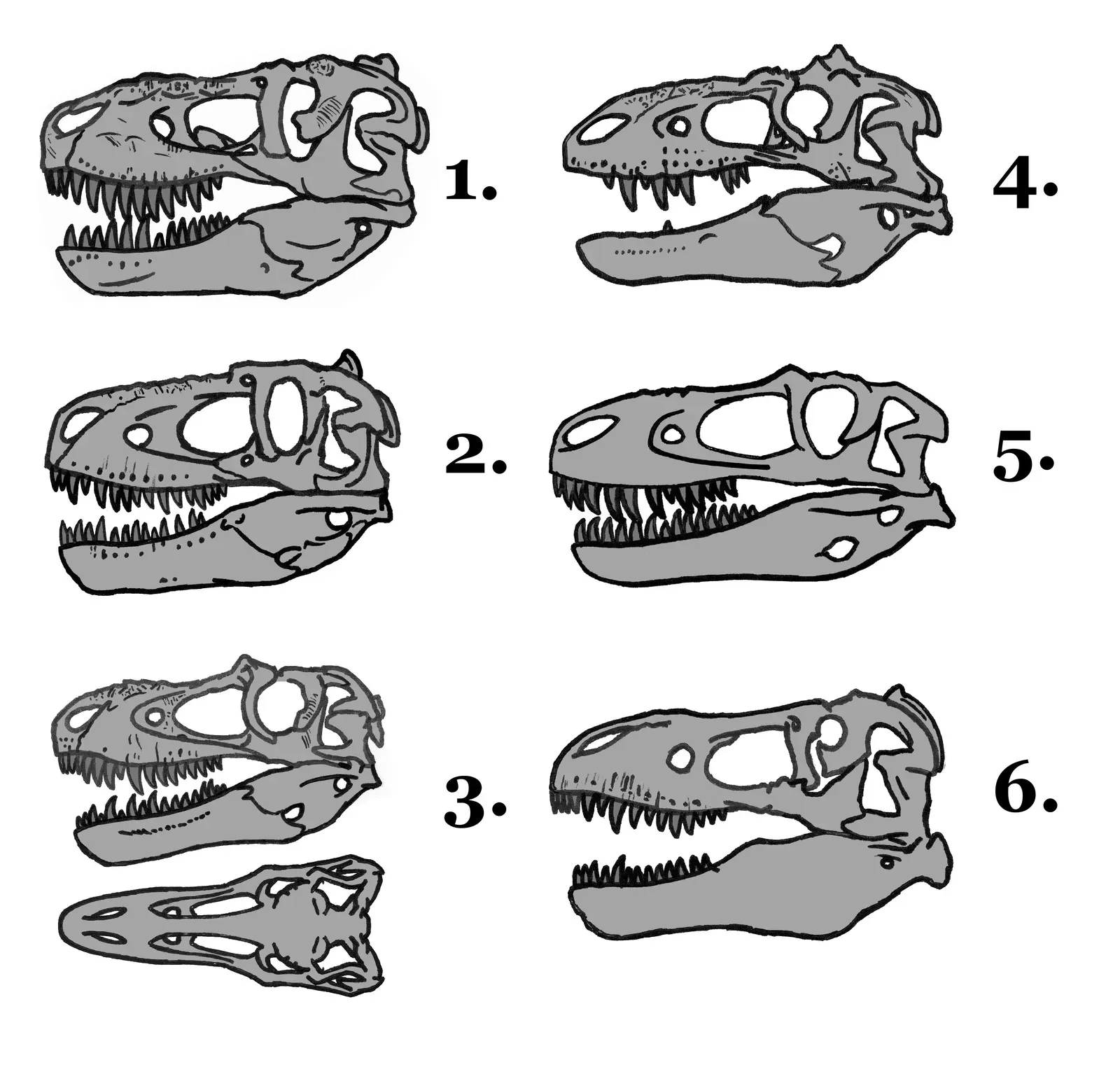
If you thought the story of T. rex was already complicated, strap in. One of the most exciting recent developments involves a closely related animal that spent decades being dismissed as a juvenile T. rex. A complete tyrannosaur skeleton ended one of paleontology’s longest-running debates: whether Nanotyrannus is a distinct species, or just a teenage version of Tyrannosaurus rex. The fossil, part of the legendary “Dueling Dinosaurs” specimen unearthed in Montana, contains two dinosaurs locked in prehistoric combat: a Triceratops and a small-bodied tyrannosaur. That tyrannosaur is now confirmed to be a fully grown Nanotyrannus lancensis, not a teenage T. rex, as many scientists once believed.
The skeleton’s fusing spinal sutures and growth rings show it was fully grown when it died at approximately 20 years of age. Its anatomy reveals traits that form early in development and don’t change with age, including fewer tail vertebrae, more teeth, larger hands, and different skull nerve and sinus patterns. This discovery matters enormously for our understanding of T. rex itself. If Nanotyrannus is truly a separate genus, then many specimens previously studied as juvenile T. rex may need to be reclassified entirely. This reinforces the idea that we might be underestimating the number of dinosaur species, or overestimating them by misidentifying juveniles. The deeper we dig, the more complex the family tree becomes.
Conclusion: Smarter Than We Thought, and More Fascinating Than We Imagined
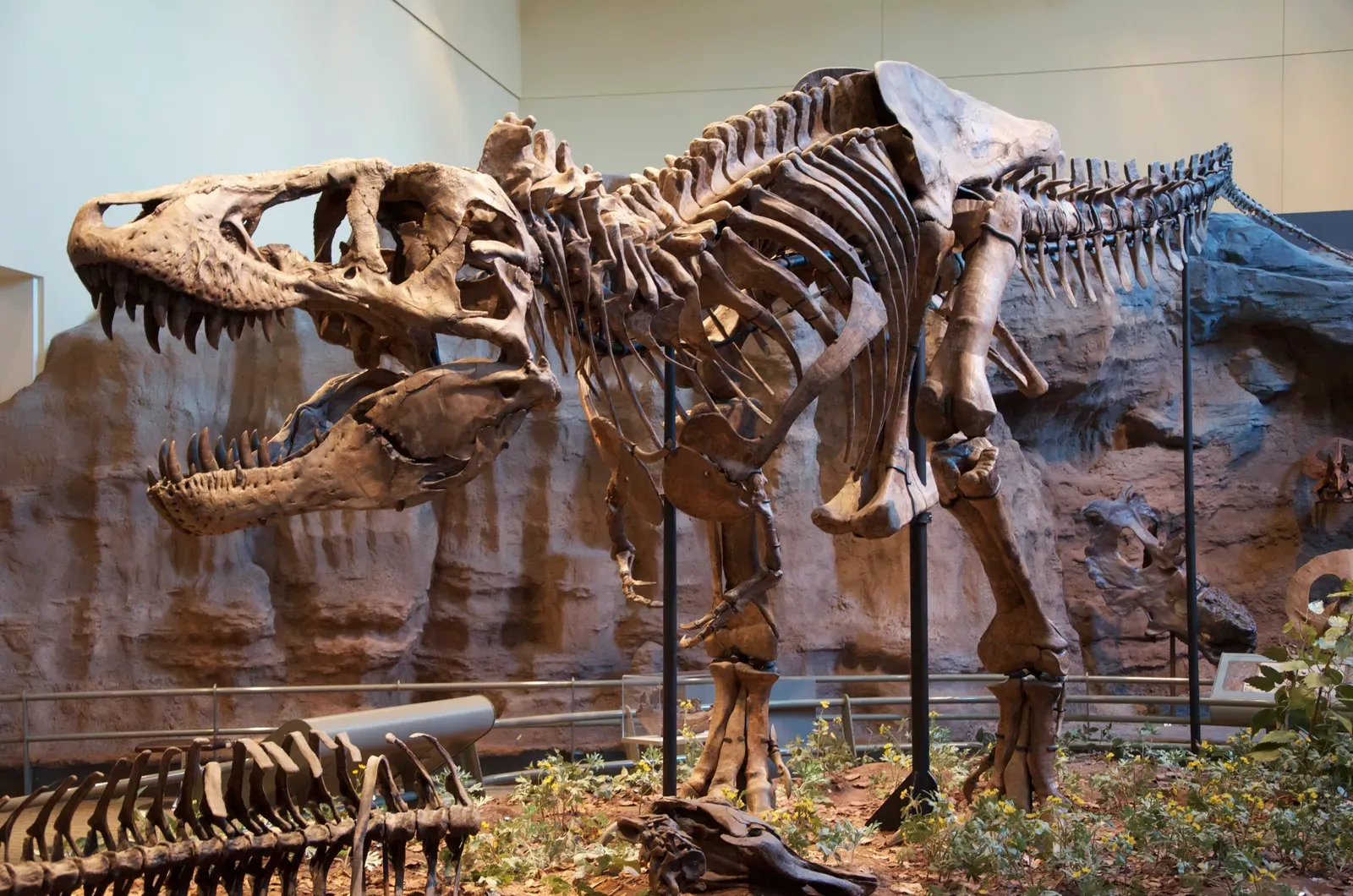
Science has a funny habit of replacing one exciting idea with another, even better one. T. rex may not be a baboon-brained problem solver. Dinosaurs were likely as smart as reptiles but not as intelligent as monkeys. Yet that conclusion does not diminish this creature. Crocodile-level intelligence, extraordinary sensory abilities, potential social coordination, a long and complex lifespan, and a role in a rich prehistoric ecosystem all paint a portrait of an animal that was far more than just teeth and appetite.
Even though T. rex probably had the intelligence of a crocodile, researchers have noted not to consider it a downgrade from primate-level intelligence. A whole range of dinosaur behaviors have been lost to time, and understanding more about T. rex brain biology can help inform the study of modern reptiles. I think that is the real takeaway here. The King of the Dinosaurs was never a mindless brute. It was a highly tuned, sensory-rich, socially aware predator that dominated its world for millions of years. For a creature that went extinct 66 million years ago, it still has a remarkable amount left to teach us.
What do you think? Does a crocodile-smart T. rex excite you, or do you prefer the baboon-genius version? Tell us in the comments.