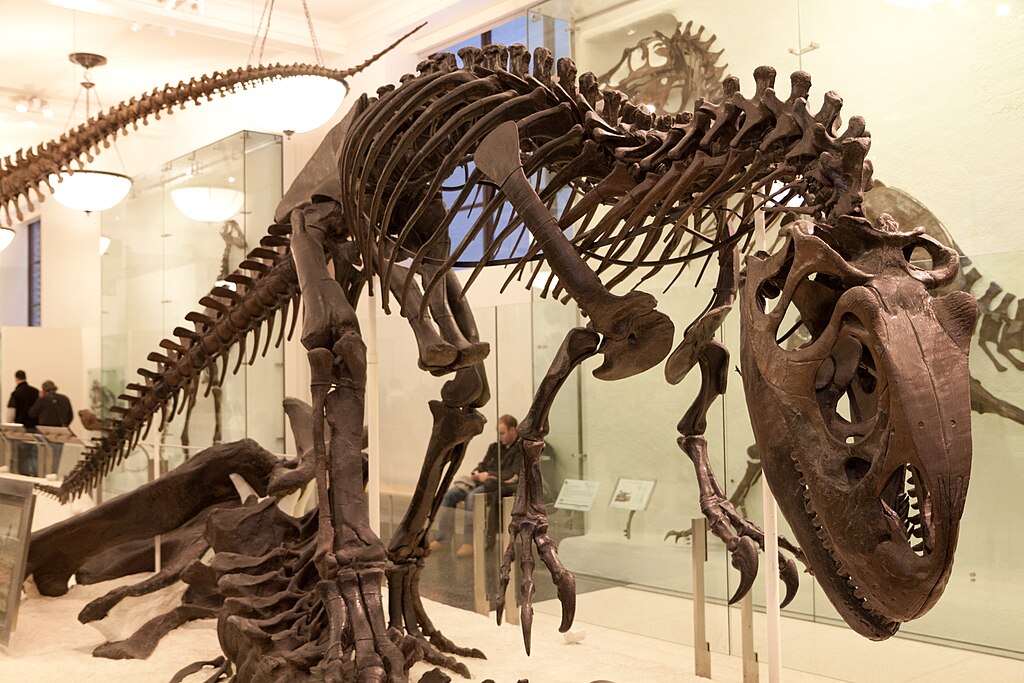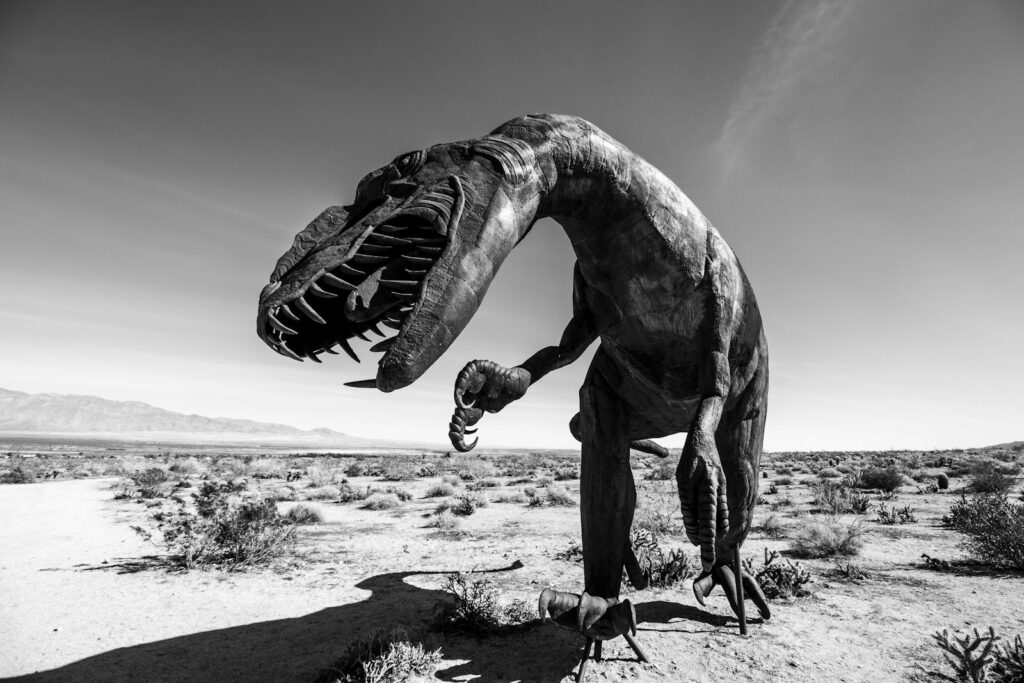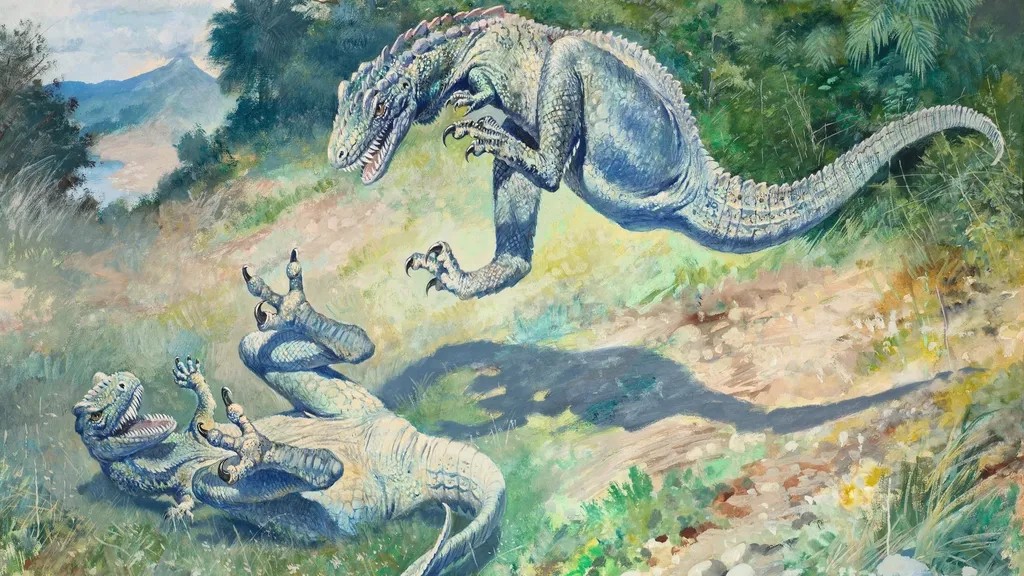
Picture this: you’re a child standing in front of a museum mural, jaw dropped, staring at a lumbering green giant with a tail dragging along the swampy ground. That image felt so permanent, so definitively dinosaur. Chances are, everything you saw in that mural was wrong. Not a little wrong. Fundamentally, completely, spectacularly wrong.
From early impressions of sluggish, lizard-like creatures to modern examples of brightly colored beasts covered in feathers, our perceptions of dinosaurs have evolved dramatically over the last 200 years of paleontological discoveries. Paleoart has been the engine driving that shift, and honestly, it might just be the most underappreciated form of scientific communication in history. So, let’s dive in.
Where It All Began: The First Attempts to Give Bones a Face
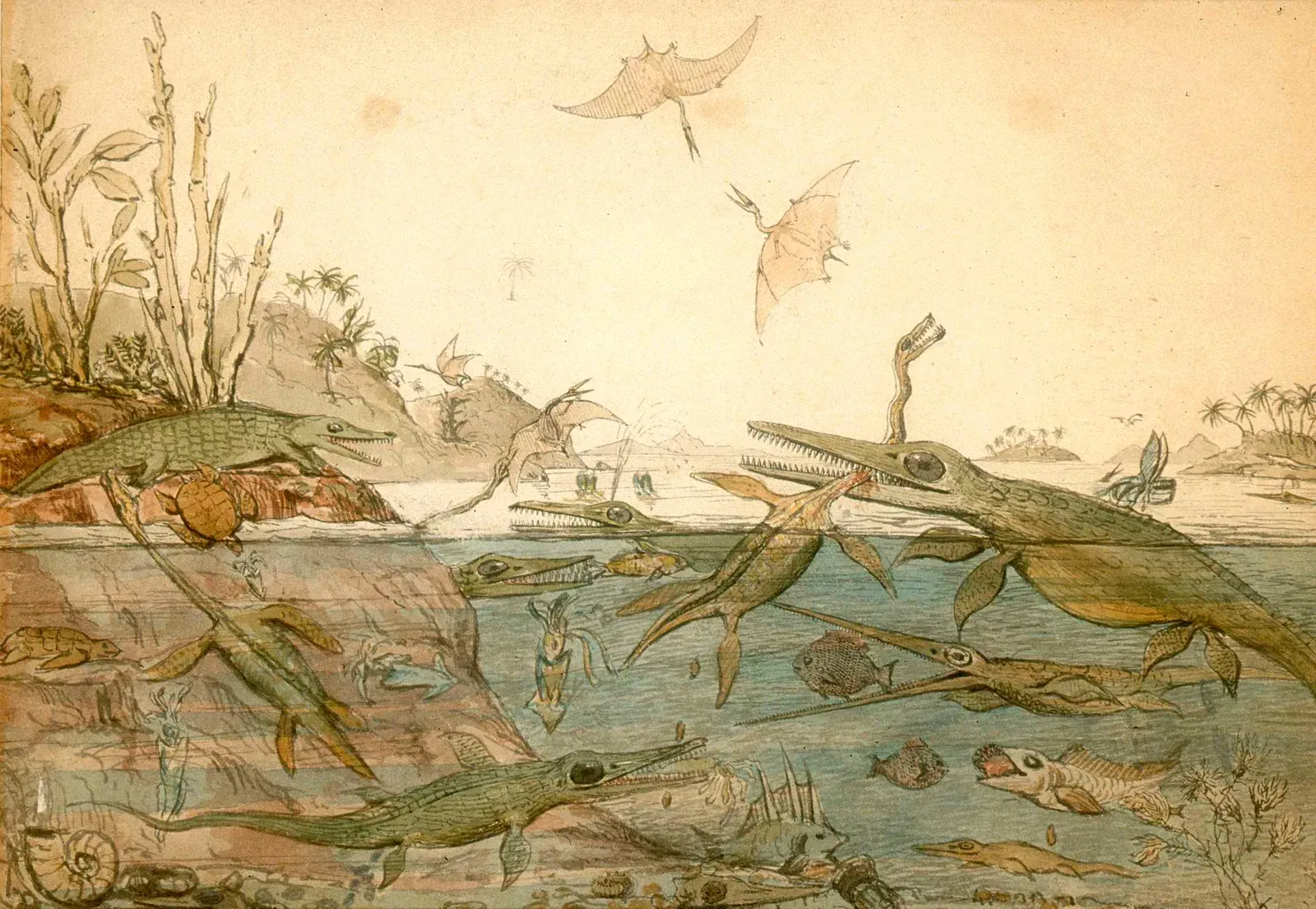
Paleoart as a term is a recent coinage from 1987, but the first scientifically minded paleoart is usually said to be Henry De la Beche’s Duria Antiquior, painted in 1830, a depiction of a marine ecosystem during the Jurassic period based on fossils found by Mary Anning. That single watercolor painting did something extraordinary. It was the first time a scientist said, here is what this ancient world actually looked like, and people believed it.
Paleoart emerged as a distinct genre with unambiguous scientific basis around the beginning of the 19th century, dovetailing with the emergence of paleontology as a distinct scientific discipline. These early paleoartists restored fossil material, musculature, life appearance, and habitat of prehistoric animals based on the limited scientific understanding of the day. Think about how staggering that task really was. You are handed a pile of old bones and asked to reconstruct an entire living creature, its posture, its skin, its personality on canvas. No living reference. No documentary footage. Just logic, bone structure, and creative intuition.
The Bone Wars and the Birth of Classic Paleoart
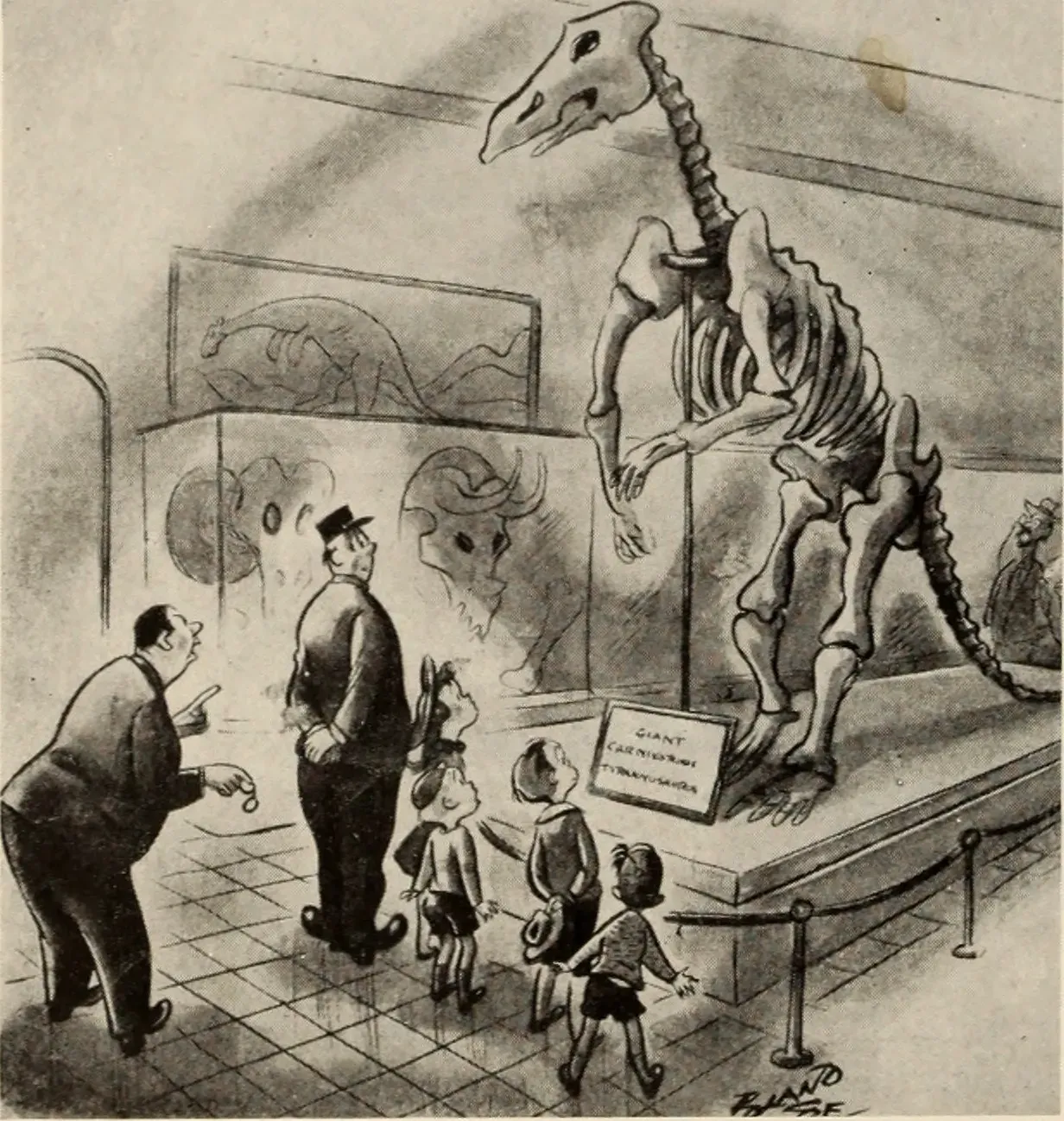
Fueled by the rivalry between Edward Drinker Cope and Othniel Charles Marsh, an explosion of fossil findings from the 1870s through the 1900s revealed just how diverse dinosaurs truly were. During this period, known as the Bone Wars, over 130 new species were recorded. Suddenly, the world had species to populate, and the art world rushed in to fill the visual gap. It was chaotic, competitive, and, in hindsight, gloriously messy.
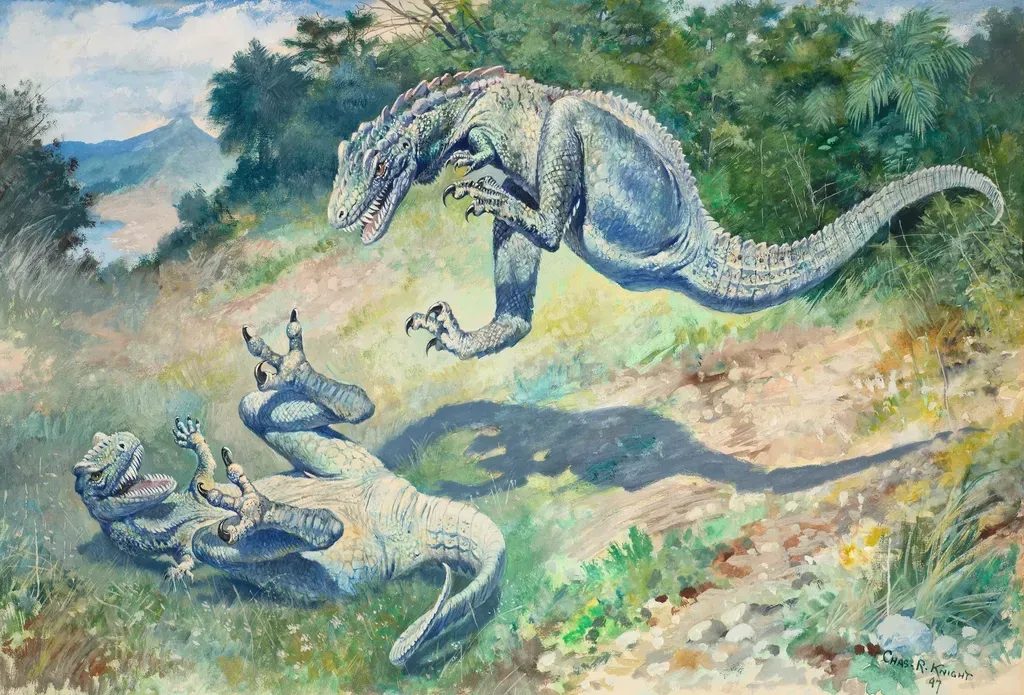
This “classic” period saw the emergence of Charles R. Knight, Rudolph Zallinger, and Zdeněk Burian as the three most prominent paleoartists of the era. During this time, dinosaurs were popularly reconstructed as tail-dragging, cold-blooded, sluggish “Great Reptiles” that became a byword for evolutionary failure in the minds of the public. Knight, in particular, built a legacy that stretched across decades. Throughout the 1920s, 30s and 40s, Knight produced drawings, paintings and murals of dinosaurs, early man, and extinct mammals for the American Museum of Natural History and Chicago’s Field Museum, as well as for National Geographic and many other major magazines of the time. His work was everywhere. It was, for most of the public, the definitive truth.
The Dinosaur Renaissance: When Science Turned Everything Upside Down
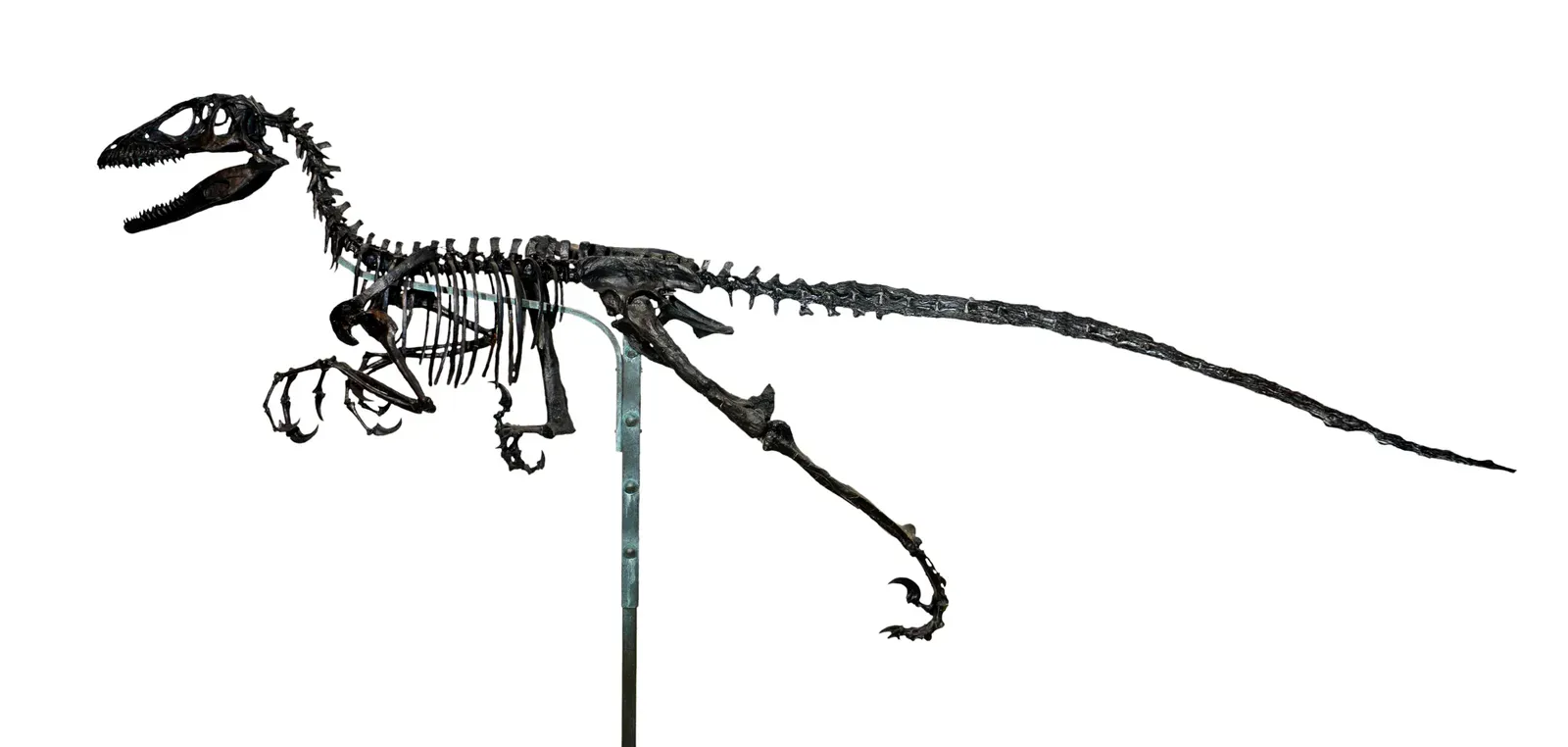
Here is the thing. For decades, science itself propped up the sleepy, tail-dragging image. Then, one fossil changed everything. John Ostrom’s description of the nearly complete birdlike dinosaur Deinonychus, published in 1969, challenged the presupposition of dinosaurs as cold-blooded, slow-moving reptiles, instead finding that many of these animals were likely reminiscent of birds, not just in evolutionary history but in appearance and behavior as well.
The science and public understanding of dinosaur biology became charged by Robert Bakker’s innovative and often controversial ideas, including the proposal that dinosaurs were in fact warm-blooded animals like mammals and birds. Bakker’s drawings of Deinonychus and other dinosaurs depicted the animals leaping, running, and charging, and his novel artistic output was accompanied by his writings on paleobiology. Suddenly the old murals looked ridiculous. These were not evolutionary failures. They were athletes, predators, survivors, full of energy. Throughout the 1970s, more and more paleontologists got on board with Ostrom and Bakker’s theories, finding new fossils and footprint evidence suggesting that dinosaurs had been warm-blooded, intelligent, and bird-like. This period became known as the Dinosaur Renaissance, a moment when scientists totally rethought all assumptions about these incredible prehistoric animals.
Jurassic Park and the Pop Culture Earthquake
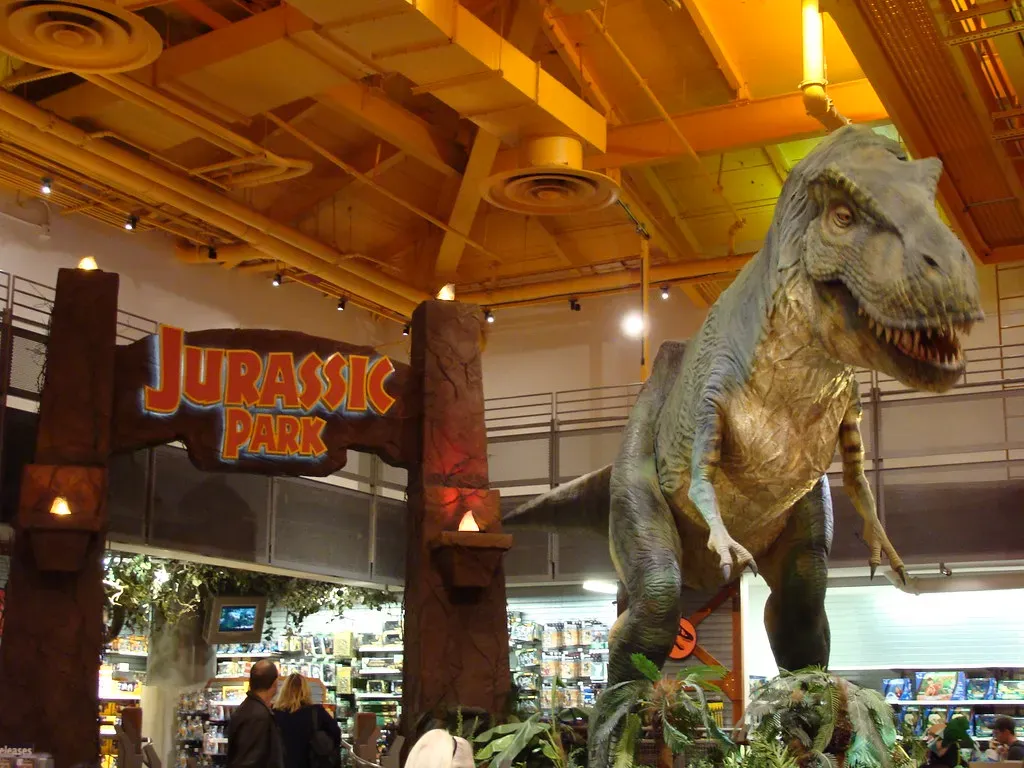
Let’s be real. No scientific paper about dinosaur posture ever reached more people than a single film did in 1993. One of the most significant moments in paleoart history came with the release of Jurassic Park. Steven Spielberg’s blockbuster film, based on Michael Crichton’s novel, introduced the public to dinosaurs depicted as fast, intelligent, and deadly hunters. The movie’s special effects were guided by paleoartists such as Mark Hallett, who ensured that the dinosaurs reflected the most current scientific knowledge available at the time.
However, Jurassic Park was not a perfect scientific document. Not even close. The film’s Velociraptors were significantly larger than their real-life counterparts, and the absence of feathers, despite mounting evidence suggesting some theropods were feathered, left an inaccurate but lasting impression on audiences. It is a strange irony, isn’t it? A film designed to feel scientifically plausible ended up locking in a new generation of misconceptions. The revised scientific understanding of dinosaur posture was reflected in updated depictions in both scientific illustrations and popular media, including Jurassic Park, yet the lingering misconception could be attributed to the slower adoption of scientifically accurate depictions in certain areas of popular culture, such as children’s books, cartoons, and toys.
The Problem of “Shrink-Wrapping” and What Modern Paleoart Got Wrong
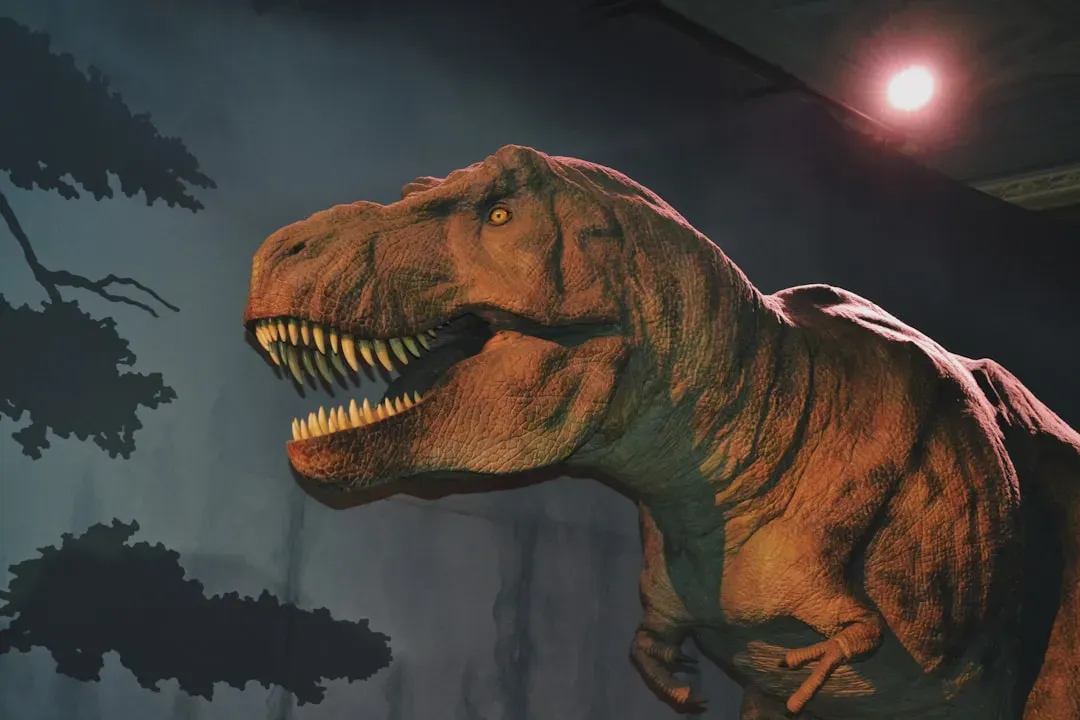
Even the more progressive era of paleoart carried its own silent error. The Renaissance brought dinosaurs to their feet, gave them speed and fire. However, it also gave them a look that modern paleoartists now call “shrink-wrapping.” Most dinosaurs, and even prehistoric mammals, were depicted as “shrink-wrapped,” the colloquial term for paleoart that squeezes the bones and muscles under a gaunt layer of skin. Shrink-wrapping is the conservative approach to imagining an entire animal based on fossil bones rather than speculating about soft tissue.
An artistic movement in the last decade is pushing back hard against this, arguing that modern animals look nothing like their skeletons. If paleoartists drew existing species based on their bones alone, they would be very grotesque, hyper-muscled things with all their teeth exposed. Think about a rooster. Draw it from just its skeleton, and you would never guess the crest, the wattles, the iridescent feathers. The lesson? Bones tell you structure. They do not tell you the whole story. If you look at animals alive today, you see most of the skeletal structure is hidden by muscles, skin, and fat, so paleoartists are now depicting dinosaurs with a more natural look, including room for fatty tissue and muscle, and considering different types of integument like feathers or scales in different parts of the body.
Feathers, Color, and the Science That Rewrote the Canvas
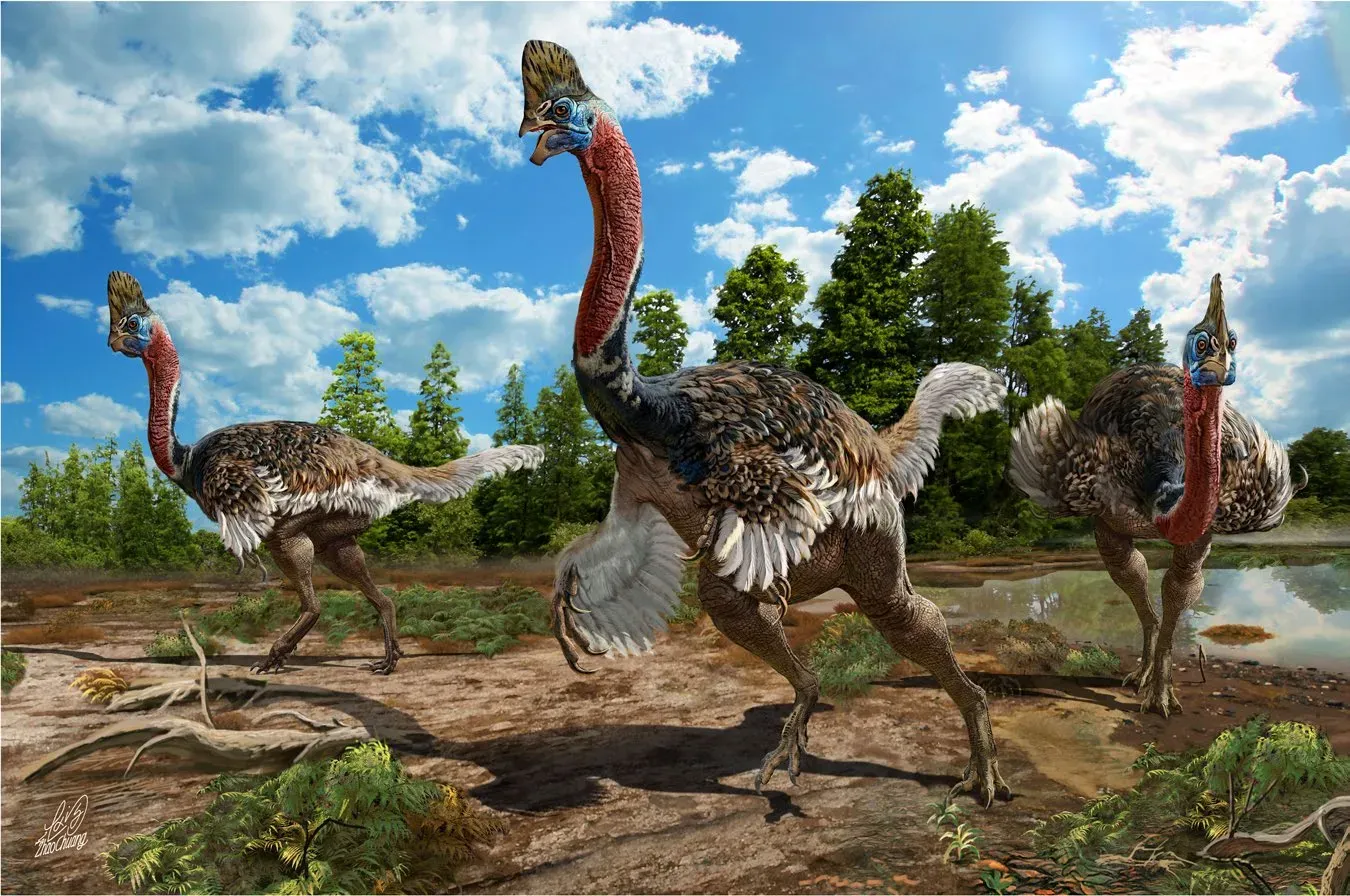
Nothing shook up paleoart more dramatically in recent decades than the discovery that many dinosaurs were not scaly, drab, and grey. They were feathered. Possibly vibrant. Honestly, the mental image many people still carry is about as accurate as imagining a parrot as a grey, scale-covered lizard. Beyond fossilized bones, skin impressions and fossilized feathers have been crucial to helping experts understand what dinosaurs looked like. For over a century, the prevailing public image of dinosaurs was that of oversized lizards lumbering around swamps, with leathery skin usually depicted in earth tones, making them appear rather bland. More recent discoveries of fossilized feathers, with some containing preserved organic residue, have given us bold new perspectives of how dinosaurs looked, including bird-like traits.
Microscopic clues found in fossil Diplodocus skin indicate these dinosaurs were colorful. Some other dinosaur fossils with melanosomes preserved in their scales or feathers have been reconstructed in color. While researchers were reluctant to make definitive color claims for some specimens, they detected that certain dinosaurs would have had conspicuous patterns across their scales, suggesting sauropod dinosaurs were not uniformly gray or brown, but had complex color patterns like other dinosaurs, birds and reptiles. That right there should stop you in your tracks. Sauropods. Patterned. Colorful. The mental image of a dull grey Brachiosaurus might need a complete overhaul.
Where Paleoart Stands Today: Collaboration, Technology, and the Future
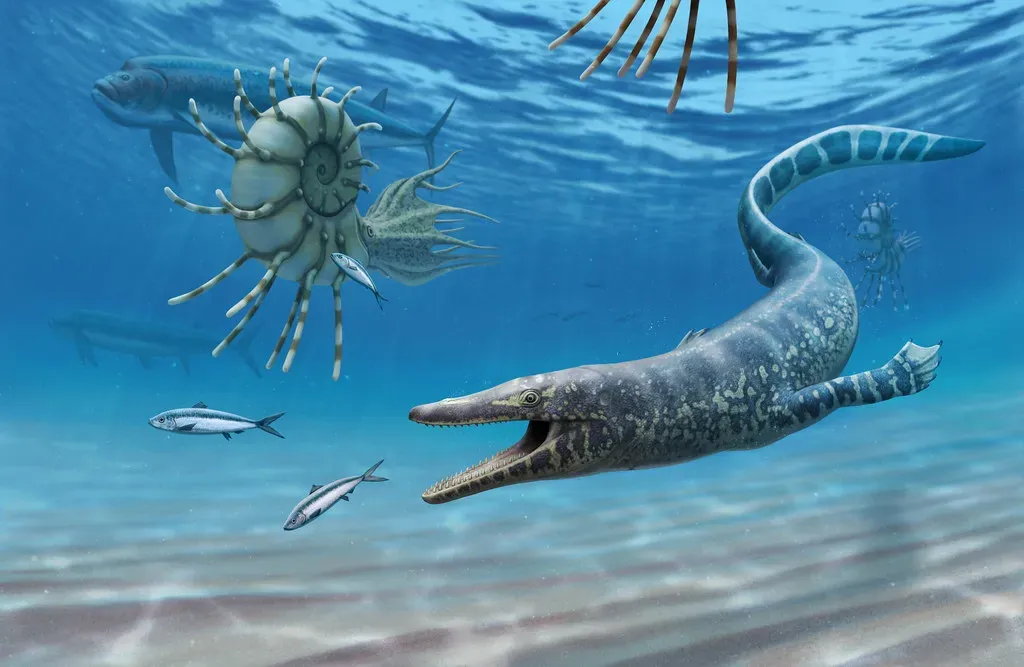
Modern paleoart is not a solo act. It is a deeply collaborative discipline where scientists and artists sit at the same table, debating ankle angles and fat deposits like two people arguing passionately about something that matters enormously to both of them. The work of paleoartists is essential to how scientists continue to think about the extinct animals they study, because every reconstruction involves some level of inference and speculation to literally flesh out details not preserved in the fossil record.
Today, paleoart has reached new levels of accuracy thanks to collaborations between artists and paleontologists. Advances in fossil analysis, CT scanning, and biomechanical modeling have allowed for highly detailed reconstructions of prehistoric life. The field is also confronting a brand new challenge. Using pre-existing artwork and media for generative AI purposes can, at best, produce pieces based on outdated depictions, and at worst be interpreted as theft of an artist’s work. These issues underlie some of the biggest problems with AI-generated paleoart: the absence of human emotion and scientific facts. Paleoart is a field built on the passion of artists who hold tremendous love and respect for the subjects they portray. It is hard to say for sure where the line gets drawn, but the consensus among serious paleoartists is clear enough: a computer cannot replace the obsessive scientific empathy that makes great paleoart what it is.
Conclusion: A Portrait That Never Stops Changing
Here is what makes paleoart so genuinely thrilling: it is never finished. Every new fossil, every new scan, every new analysis redraws the portrait. The dinosaur you grew up imagining is probably already outdated. The one being painted in a studio today might be outdated in ten years too. Paleoartists utilize understanding of fossils, along with living animal anatomy, behavior and ecology, to visualize extinct species interacting within a bygone ecosystem, and that act of imagination, restrained and guided by science, remains one of the most profound things a human being can attempt.
Short of a time machine, these paintings and sculptures are our best understanding of the ancient past, how dinosaurs and other extinct creatures actually lived and behaved during their lifetimes. That is both humbling and oddly beautiful. We are piecing together a puzzle with half the pieces missing, and the picture we keep arriving at grows more extraordinary with every decade.
So the next time you look at a dinosaur illustration, ask yourself: what do we still not know? What piece of the picture is still waiting underground, buried in rock, just waiting to turn everything upside down again? That question is what keeps paleoart alive. And, honestly, it is what keeps the rest of us staring at the mural.