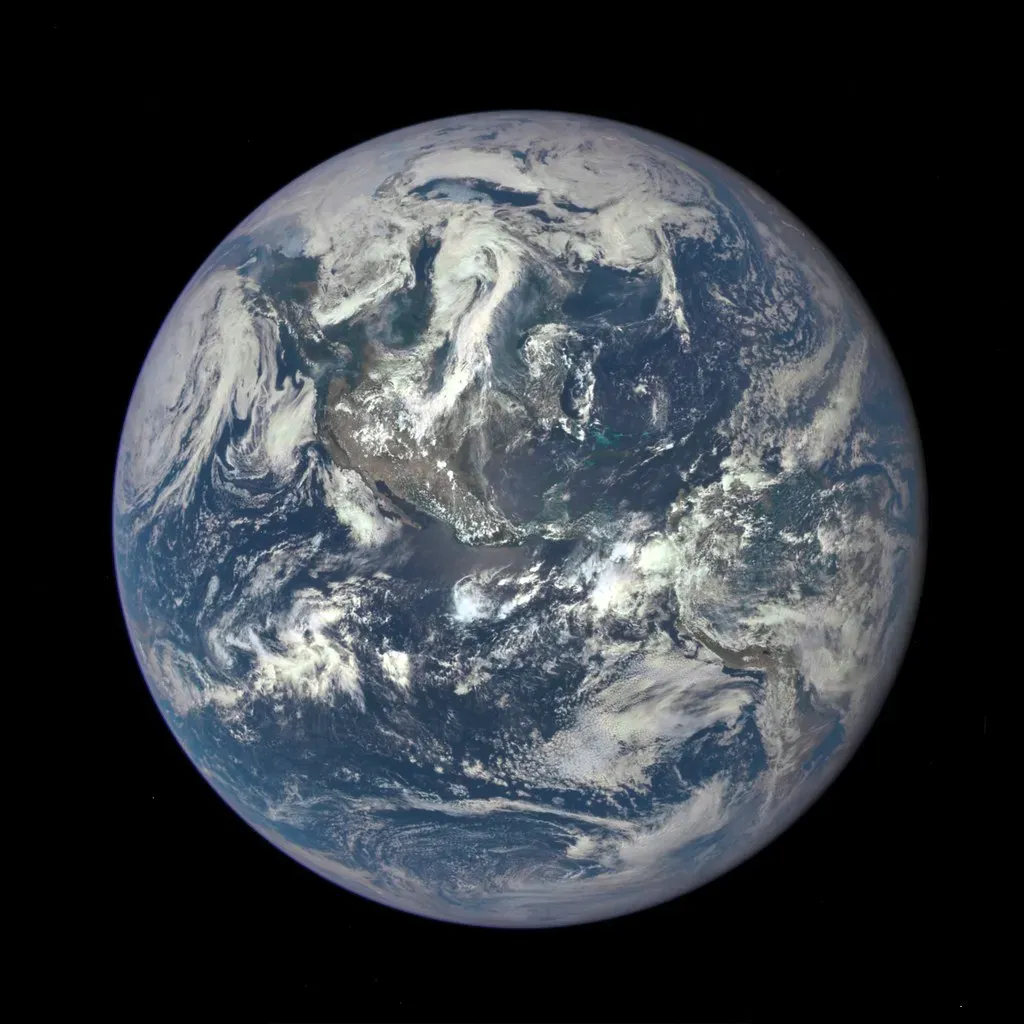
There’s something quietly staggering about the fact that the ground beneath your feet has been shifting, burning, freezing, and rebuilding itself for roughly four and a half billion years. That’s not just a big number. It’s an abyss. Geologist James Hutton allegedly felt his mind grow “giddy” staring into the layers of rock at Siccar Point, confronted by how much time had quietly piled up before humans ever showed up.
Here’s what most people never stop to consider: the same forces that built mountain ranges, carved canyons, and survived mass extinctions are mirrored in the very traits that shape who you are. Your patience, your endurance, your ability to crack apart under pressure and still reform into something stronger. Those aren’t just psychological quirks. They are echoes. Let’s dive in.
1. Your Patience Is Like the Slow Formation of Rock Layers

Slow, gradual processes such as erosion, sedimentation, and volcanic activity have shaped the Earth’s surface over vast periods of time, and the sheer patience that took is honestly incomprehensible. A single rock layer, just a few inches thick, might represent tens of thousands of years of quiet, uninterrupted accumulation. No drama. Just persistence.
When you hold back from reacting impulsively, when you let things settle before you speak, when you commit to a long project nobody else believes in yet, you are doing exactly that. You are depositing sediment. Think of your personal development as geological strata: invisible from day to day, but unmistakable over the course of decades. Ancient wisdom encompasses the profound insights and teachings that have stood the test of time, emerging from accumulated knowledge and experiences of ancient civilizations and cultures. Your patience is ancient in that exact same way.
2. Your Resilience Mirrors the Earth’s Cycle of Destruction and Renewal

Resilience, derived from the Latin word resilire meaning to jump back or to rebound, was initially a term used in materials science. It described the ability of a material to return to its original form after being subjected to extreme external pressure. Today, resilience refers to a person’s capacity to adapt to difficult life circumstances and overcome crises. The Earth invented this concept long before any scientist named it.
Volcanic eruptions sterilize entire landscapes and yet, within years, life pushes back through the ash. Continents collide and create mountain ranges where there were once ocean floors. Resilience does not mean ignoring problems or suppressing negative emotions. Instead, it involves developing strategies to deal with stress, recognizing one’s strengths, and remaining capable of action even in difficult times. Every time you get knocked flat and quietly rebuild, you are reenacting something that this planet has been doing since before life even existed. That’s worth something.
3. Your Curiosity Echoes the Relentless Logic of Deep Time Investigation

Here’s the thing about genuinely curious people: they refuse to accept surface-level explanations. They dig. Deep time is the concept of geological time that spans billions of years, far beyond the scale of human experience, providing the temporal framework for understanding the formation and evolution of Earth, the development of life, and the slow-moving processes that shape planetary change. Understanding that required scientists who wouldn’t stop asking why.
Your intellectual hunger operates exactly the same way. First developed as a scientific idea in the 18th century and popularized in the 20th century by writers such as John McPhee, the concept of deep time has influenced fields ranging from geology and evolutionary biology to climate science, philosophy, education, and environmental ethics. The curious mind doesn’t respect convenient boundaries between disciplines. It tunnels through them. When your curiosity leads you somewhere unexpected and slightly uncomfortable, you’re behaving exactly like every great scientist who ever stared at a rock face and refused to accept the simple answer.
4. Your Adaptability Reflects How Life Survived Extinction Events

The deep time of the geological record is time enough for continents to move and reshape themselves, for mountain ranges to rise and fall, and for the planet entire to pass through a range of climates from a glaciated snowball earth to a steaming global swamp. Through every single one of those upheavals, life adapted. It didn’t always look pretty, but it worked.
Your ability to bend without breaking under pressure, to reinvent yourself when circumstances shift, is a direct personality echo of that biological truth. Ancient wisdom teaches us to embrace impermanence and change, emphasizing the importance of adaptability and flexibility in navigating life’s challenges, and encourages us to cultivate inner strength, emotional intelligence, and self-awareness, enabling us to face adversity with grace and resilience. Adaptability isn’t weakness. It’s the precise mechanism that kept life on Earth alive through catastrophes that would seem like science fiction. You carry that capacity inside you every single day.
5. Your Depth of Self-Reflection Parallels the Layered Archive of Earth’s Rock Record

As concepts from historiography were applied to the study of nature, the field of natural history emerged, and the evidence of past changes found in the rocks, serving as natural archives, could not be explained within the biblical time frame of 6,000 years. Rock layers are essentially the Earth’s autobiography, a compressed record of everything it has experienced, layer by layer, honest and unedited.
Self-reflection works the same way for you. A crucial factor in building resilience is self-reflection. Taking regular time to reflect on one’s thoughts, emotions, and behavioral patterns is essential for identifying personal strengths and weaknesses and developing effective strategies for dealing with stress. When you genuinely sit with your past, examine what you’ve carried forward, and decide what to release, you are doing geological work on yourself. Most people skim the surface. The ones who truly grow are willing to read all the layers, even the dark and uncomfortable ones buried deep down.
6. Your Sense of Interconnectedness Reflects the Web of Earth’s Living Systems

Anthropologists have witnessed and studied Indigenous cultures from all corners of the Earth and documented that they all, with little or no variation, live within a belief system of interconnectedness. There is now little doubt that this wisdom and knowledge of the interconnectedness of every living and non-living thing is humanity’s oldest understanding of how the universe works. That’s not mysticism. That’s deeply accurate biology and geology agreeing with each other.
Ancient civilizations across the globe possessed profound wisdom encapsulated in philosophical, spiritual, and cultural traditions, and these teachings emphasized harmony with nature, community connections, mindfulness, and sustainable practices. When you feel that pull toward community, toward empathy, toward caring about something larger than your own immediate needs, you are expressing one of the oldest survival mechanisms on the planet. Honestly, it may be the oldest. The Earth has never operated as isolated parts. Neither should you.
7. Your Wisdom Accumulates Over Time, Just Like Earth’s Geological Record

Wisdom is best defined as a complex human characteristic or trait with specific components: social decision making, emotional regulation, prosocial behavior, empathy and compassion, self-reflection, acceptance of uncertainty, decisiveness, and spirituality. Notice that none of those things arrive suddenly. They accumulate, precisely like geological strata, through sustained exposure to the pressures and seasons of a real life lived.
A resilient community is one that endures over a long period of time. Only if a community sustains itself over many successive generations can it facilitate the cumulative development of the sophisticated traditions we associate with collective wisdom. This is not just a social observation. It is an earth truth. The longer a system endures, the more complex and intelligent it becomes. You are not behind because you haven’t figured everything out yet. You are mid-process. The rock layers are still forming.
A Final Thought Worth Carrying With You
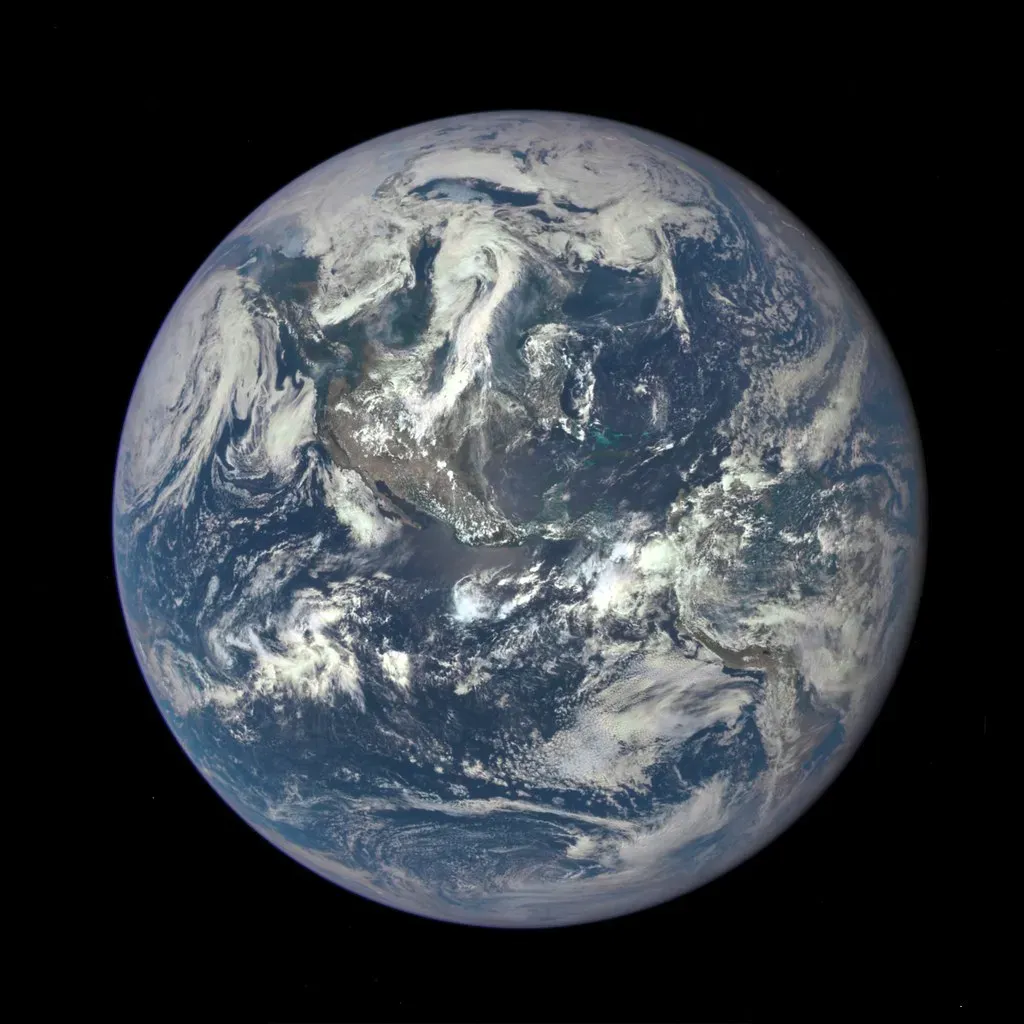
The Earth is not a backdrop to your story. It is, in many ways, the original draft of it. Human history is embedded within much larger time frames, namely the history of the universe, the Earth, and evolution. These histories precede the existence of the human species and are most likely to continue after its disappearance. That perspective isn’t meant to make you feel small. It’s meant to make you feel ancient.
Every time you endure something you weren’t sure you could survive, every time you rebuild after collapse, every time you sit still long enough to understand something deeply, you are channeling processes that this planet has been practicing for billions of years. Today, deep time is increasingly used in science communication and public engagement, offering a lens for understanding human impact during the Anthropocene. The lens works the other way too: understanding Earth’s deep past gives you a sharper, humbler, and ultimately more powerful view of who you already are.
So let me ask you this: which of these seven qualities do you recognize most clearly in yourself right now? And more importantly, which one are you still building? Drop your thoughts in the comments below.