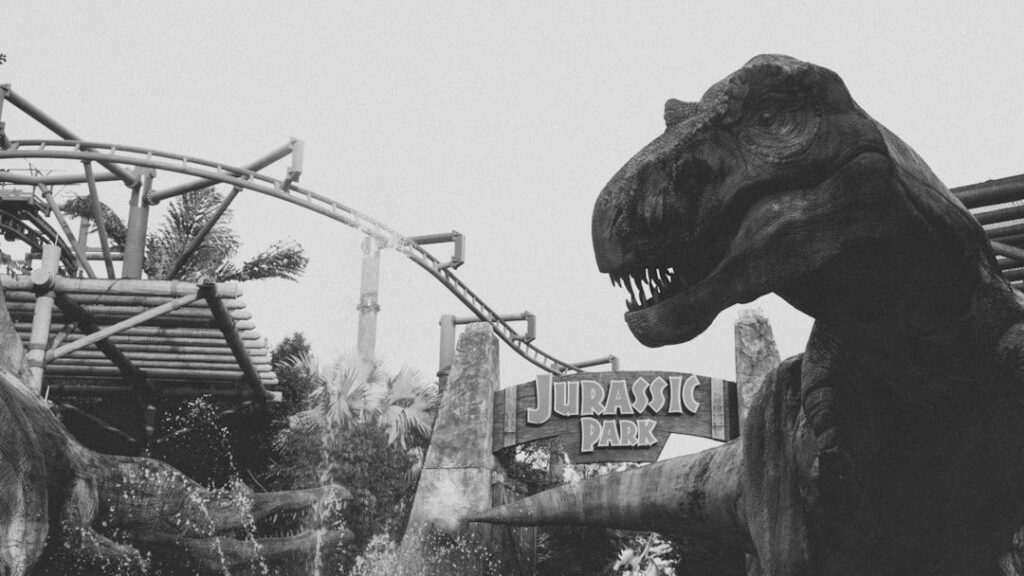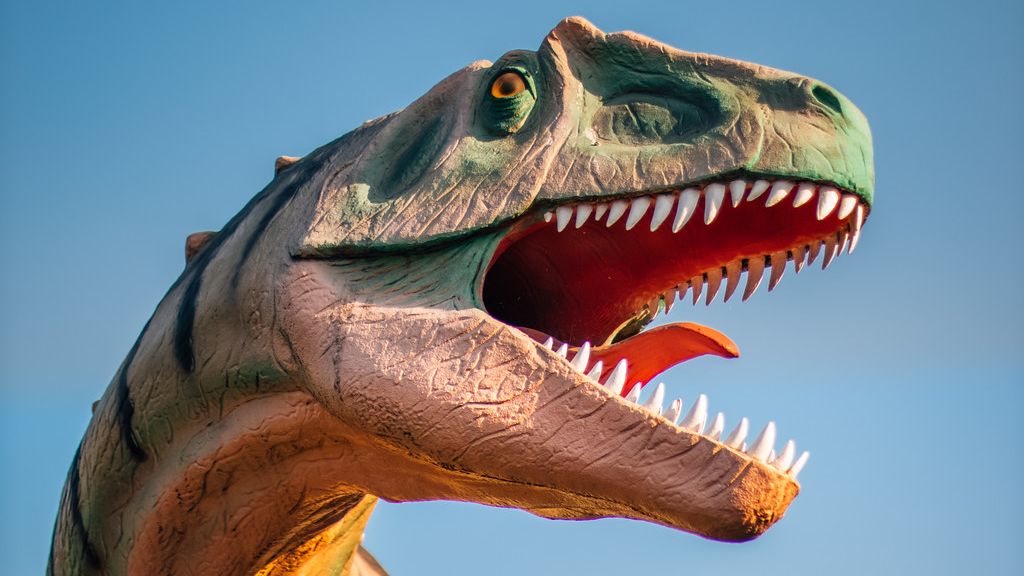
When most people think of prehistoric terror, one name immediately roars to the surface: Tyrannosaurus rex. You’ve seen it on museum walls, in blockbuster films, on children’s lunchboxes. It’s practically a cultural monument. But here’s something that might genuinely shake your view of the ancient world – T. rex was not alone at the top of the food chain, and in some cases, it wasn’t even the most dangerous predator on the planet during its own time.
The “age of dinosaurs” spans the Mesozoic Era, covering the Triassic, Jurassic, and Cretaceous periods, stretching from roughly 252 to 66 million years ago. Within that almost incomprehensible stretch of time, evolution produced some of the most staggering killing machines the Earth has ever witnessed. Not just on land, but in the skies and deep in the ancient seas. The full lineup of Mesozoic predators is wilder, more diverse, and far more surprising than any Hollywood film has dared to show you. Let’s dive in.
Spinosaurus: The River Monster That Outgrew Them All
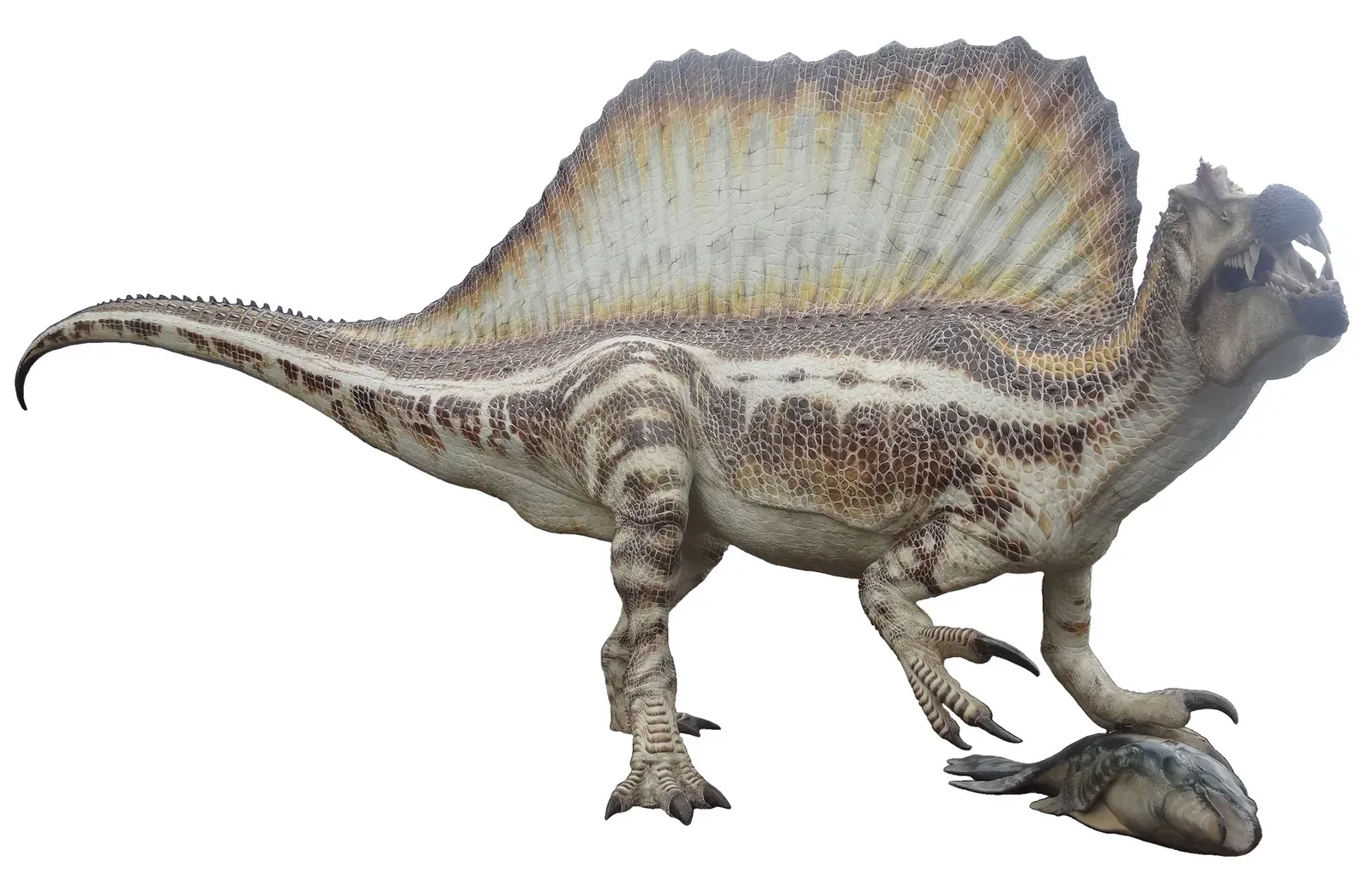
You might already know that Spinosaurus is considered the largest land carnivore ever discovered, but the actual details make that fact even more jaw-dropping. A 2022 study suggests that Spinosaurus aegyptiacus could have reached 14 meters in length and 7.4 metric tons in body mass. That is a creature longer than a city bus and heavy enough to crush almost everything in its path. Its sheer physical presence was unlike any land animal before or since.
With a crocodile-like skull, conical teeth for gripping fish, and a massive sail along its back, Spinosaurus was a semiaquatic predator that likely spent much of its life in the water. Think of it as a crocodile and a tyrannosaur fused together, then scaled up to a nightmarish size. The distinctive neural spines of Spinosaurus, which were long extensions of the vertebrae, grew to at least 1.65 meters long and were likely to have had skin connecting them, forming a sail-like structure. Whether that sail regulated temperature or served as a display feature, scientists are still debating it.
Giganotosaurus: The Tyrant King of South America
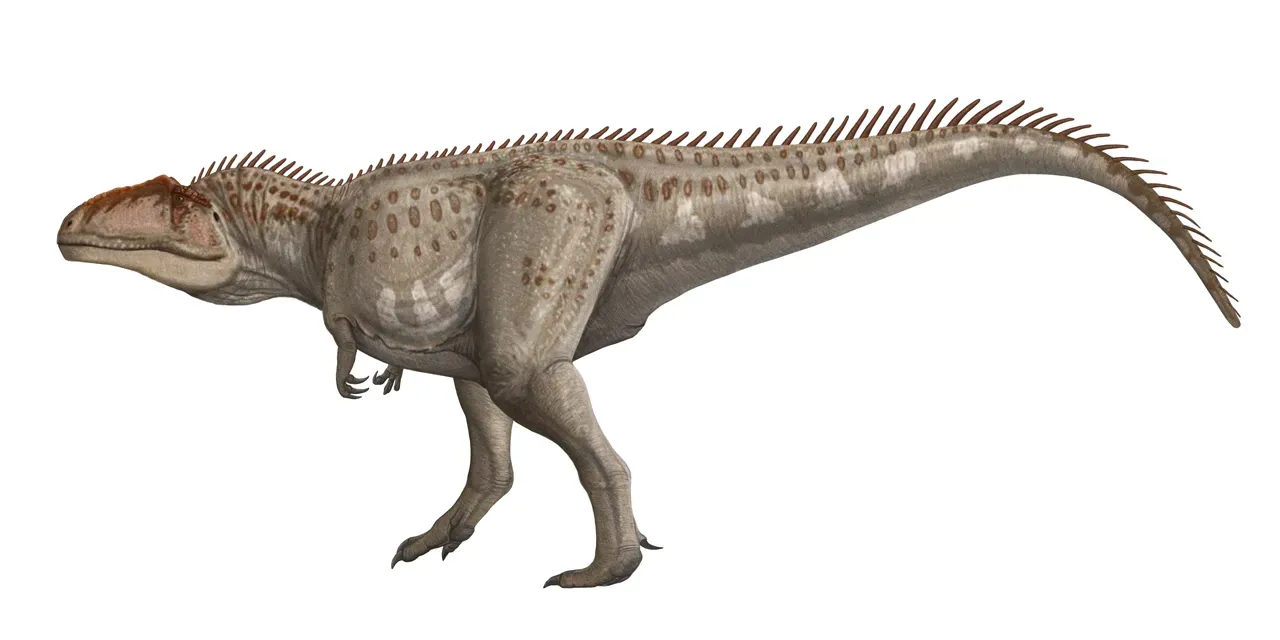
Long before humans invented borders, South America was home to one of the most formidable land predators that ever walked on two legs. Giganotosaurus grew up to 43 feet in length, making it one of the largest predators ever. That is slightly larger than the most famous T. rex specimens, and yet most people have barely heard of this South American titan. Giganotosaurus is thought to have been homeothermic, with a metabolism between that of a mammal and a reptile, which would have enabled fast growth, and it would have been capable of closing its jaws quickly, capturing and bringing down prey by delivering powerful bites.
Giganotosaurus is thought to have been the apex predator of its ecosystem, and it may have fed on juvenile sauropod dinosaurs. Imagine a predator so large it was actively hunting creatures the size of small buildings. It had three-fingered hands, sharp claws, and serrated teeth that made it a nightmare for large prey, and though it may not have had the strongest bite force, its sheer size and hunting abilities put it among the scariest and deadliest dinosaurs. Honestly, a bite force debate seems almost beside the point when the animal is over 13 meters long.
Carcharodontosaurus: Africa’s Shark-Toothed Nightmare
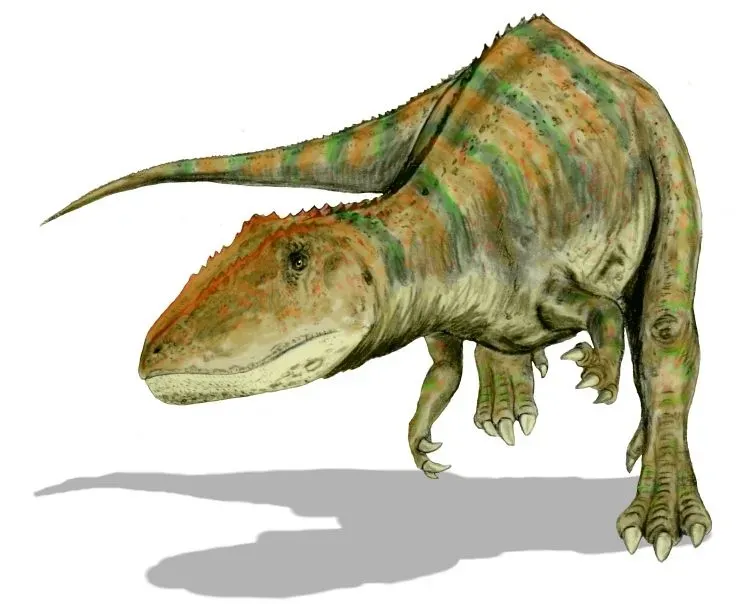
Africa during the Cretaceous wasn’t exactly a quiet continent. Of all theropods, Carcharodontosaurus may have been the largest and most formidable predator to stride across the Cretaceous world on two legs, ruling northern Africa between 100 and 93 million years ago during the mid-Cretaceous Period. Its name alone tells you something chilling about what it was packing in that enormous skull. What truly set Carcharodontosaurus apart were its enormous, blade-like, serrated teeth, which reached lengths of up to eight inches, inspiring its name, which is Latin for “shark-toothed lizard,” referencing their uncanny similarity to the serrations of great white shark teeth.
The Carcharodontosaurus was nearly 43 feet long and around 15 feet tall, making it one of the largest carnivorous dinosaurs; scientists usually find fossils of this theropod in North Africa and suspect it lived in packs, making it, like the T. rex, the apex predator of its habitat. If pack hunting is confirmed, that makes this creature even more terrifying to think about. Their knife-like teeth with serrated edges could slice through the tough hide of very large dinosaurs, and a bite from a Carcharodontosaurus would cause extensive bleeding and leave toxic bacteria in the wound, meaning a pack may have been able to weaken and eventually bring down even the largest sauropods.
Allosaurus: The Jurassic Butcher That Came Before the Kings
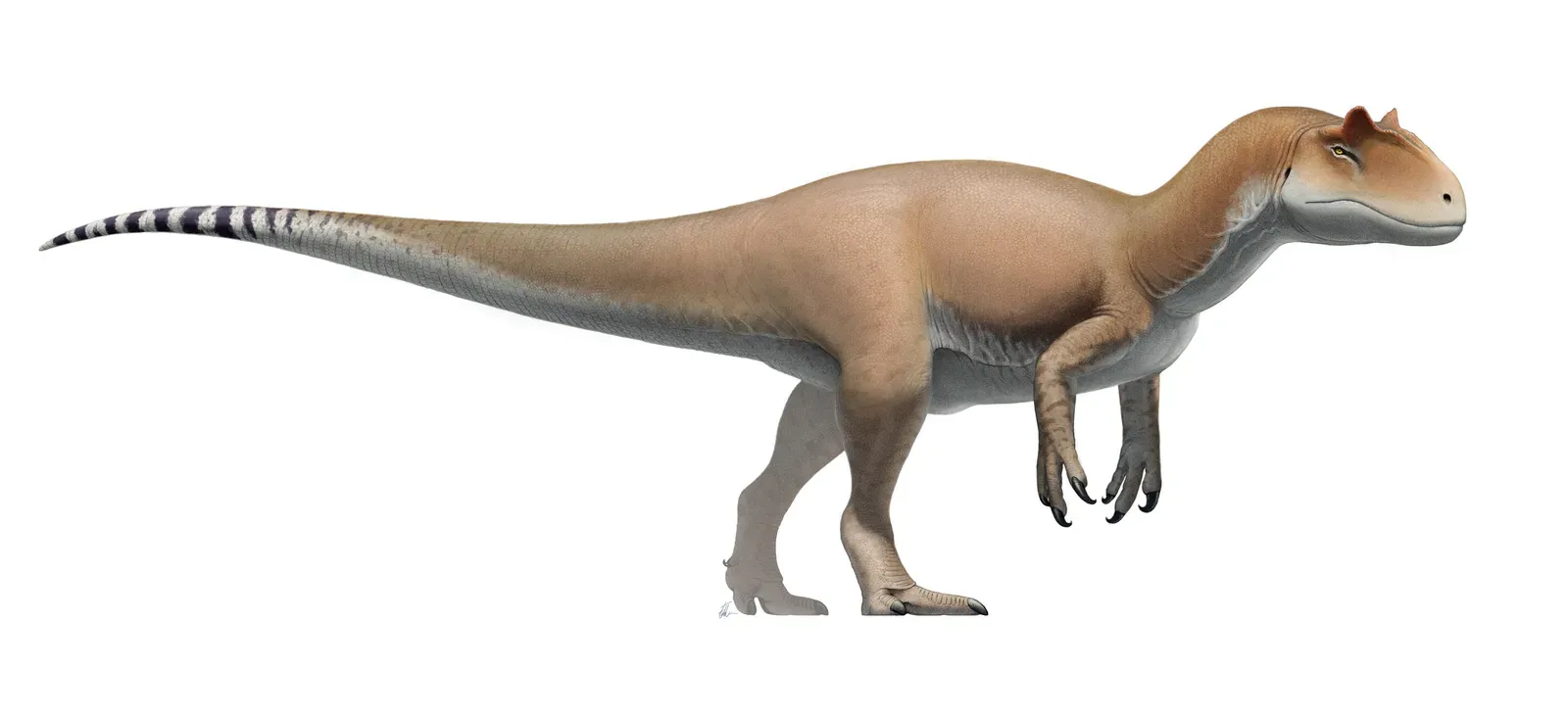
Before T. rex took its crown, before Spinosaurus and Giganotosaurus dominated the Earth, there was Allosaurus. Let’s be real – this animal deserves a lot more respect than it typically gets. A large carnivorous dinosaur, Allosaurus was a fierce predator that inhabited North America and probably Africa, Australia, and Asia during the late Jurassic period, approximately 144 to 159 million years ago. It wasn’t just big; it was clever in its brutality. Scientists have stated they used their skulls similar to swinging a sword, with an open mouth swinging violently from side to side to ensure its teeth were causing maximum damage to prey, a strategy born from the fact that Allosaurus had a bite weaker than modern predators like lions and crocodiles.
Allosaurus was as tall as a giraffe and was also one of the most lethal predators that roamed the earth at the time; the largest fossil found, named “Big Al,” was 12 to 13 meters in length. Fossil evidence has painted an extraordinary picture of this creature’s diet. Fossils of sauropods, stegosaurs, and ornithopods show evidence of Allosaurus bite marks, and there is even evidence in Stegosaurus fossils showing bites from an Allosaurus, along with Allosaurus fossils showing puncture wounds from a Stegosaurus tail. That is a real prehistoric fight, recorded in stone. Incredible.
Mapusaurus: The Pack Hunter That Terrorized Giants
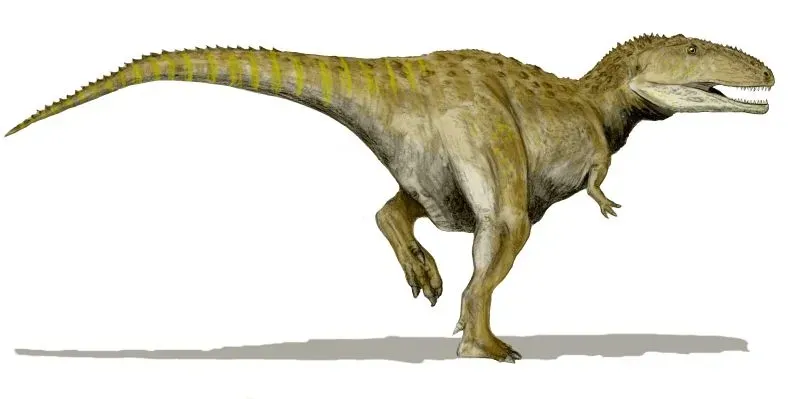
Here’s a name that doesn’t get nearly enough attention outside of paleontology circles: Mapusaurus, a massive South American theropod with a hunting strategy that was arguably the most terrifying of all. Mass fossil accumulations strongly suggest that Mapusaurus engaged in pack hunting, allowing them to collectively tackle enormous long-necked sauropods that would have been too large for a single predator to subdue, and Mapusaurus reached lengths comparable to its close relative Giganotosaurus, estimated at around 10.2 meters or more. Pack hunting among creatures this size is the prehistoric equivalent of a coordinated military strike.
As one of the largest carnivorous dinosaurs of its era, Mapusaurus’s ecological impact was profound; operating in packs, these giants would have exerted immense predatory pressure on the herbivore populations, shaping the evolutionary trajectory of other species in their ecosystem, and their sheer size and coordinated hunting strategies ensured their dominance. Think of modern wolves taking down a bison, then scale it up several hundred times. Another group-hunting predator, Mapusaurus may have taken down the enormous Argentinosaurus, one of the largest land animals ever, with these predators likely using teamwork to collectively tackle even gigantic prey.
Velociraptor: Small, Feathered, and Absolutely Deadly
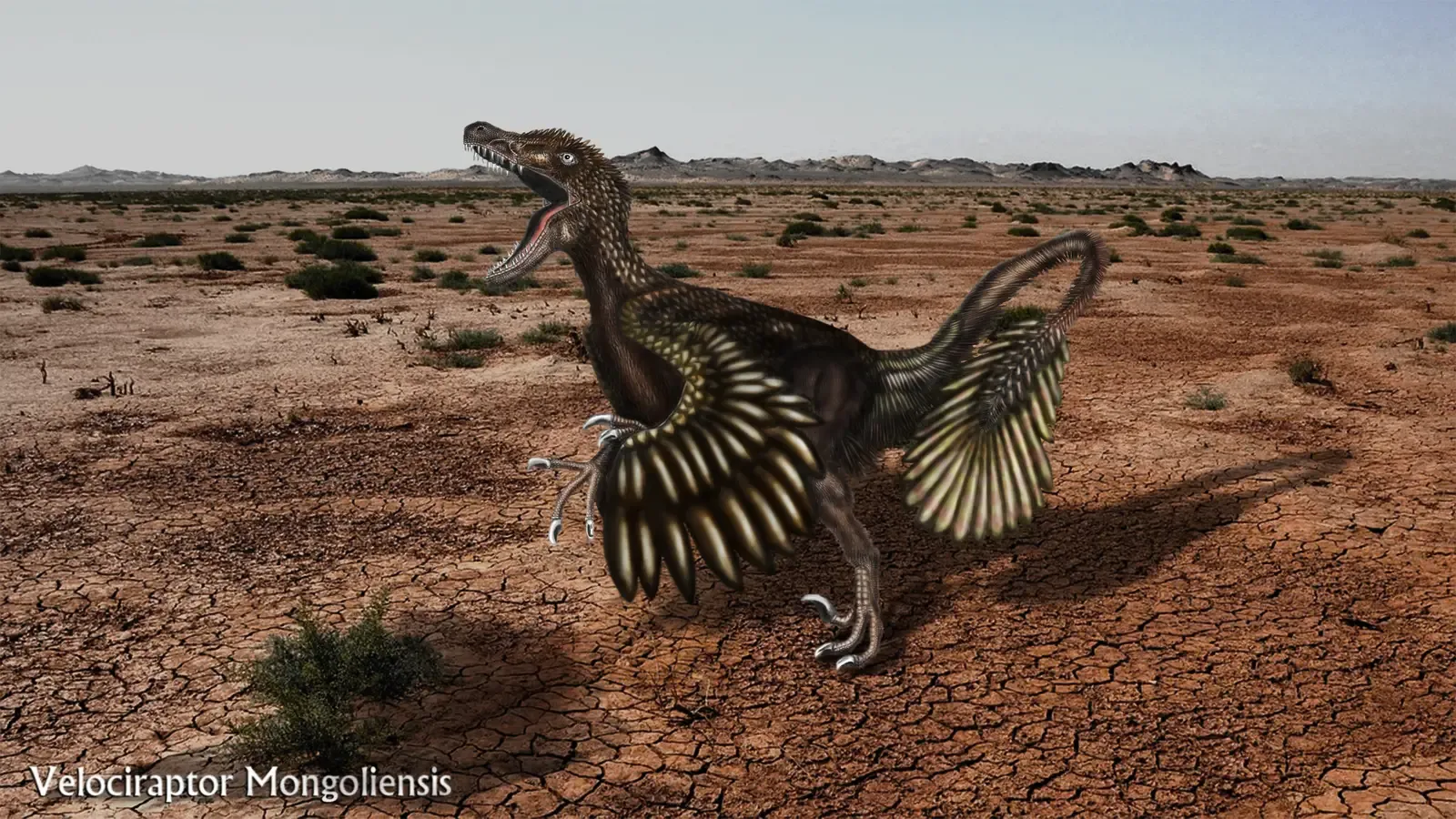
Pop culture did Velociraptor both a favor and a disservice at the same time. You probably picture a human-sized monster from a certain famous film franchise. The real animal was closer in size to a turkey. That sounds far less threatening, until you learn what it was actually capable of. Though only about the size of a turkey, Velociraptor earned its deadly reputation through cunning, speed, and sickle-shaped claws, and this Cretaceous predator likely used ambush strategies to take down prey including larger dinosaurs, making it, pound for pound, one of the most dangerous animals of its time.
CT scans of dromaeosaur skulls reveal brain cases that would make other dinosaurs envious; their enlarged cerebrum suggests problem-solving abilities beyond simple instinct, and eye sockets positioned for binocular vision gave them excellent depth perception for hunting. Velociraptor was essentially a small, feathered, binocular-visioned ambush predator with a raptor claw that could puncture vital organs. Velociraptor and many close relatives had feathers, which likely evolved first for insulation or display and later enabled flight in the bird lineage. So yes, your garden birds are distant relatives of one of the Mesozoic’s most efficient killers. Let that sink in.
Carnotaurus: The Speedster With Horns and a Savage Bite
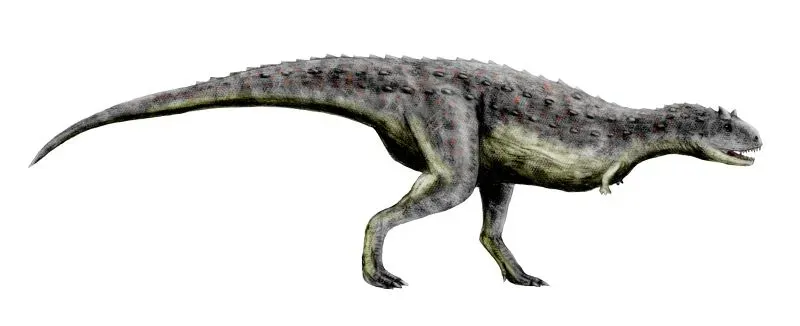
If any dinosaur ever looked like it came straight out of a fever dream, it’s Carnotaurus. With two horns above its eyes and a lightweight body, Carnotaurus was an ambush predator built for speed, roaming South America during the late Cretaceous period and using its powerful jaws to take down prey, while its small arms were likely not used in hunting. Those horns, combined with a bizarre, short snout, gave it a face unlike any other large theropod. It’s odd-looking, yes. Dangerous? Absolutely.
Carnotaurus was a swift runner, with thigh bones adapted to withstand high bending moments while running, with running adaptations better than those of a human, and scientists calculate it had a top speed of up to 48 to 56 kilometers per hour. That speed is frankly alarming for an animal of its size. Research found that Carnotaurus mainly fed upon very large prey, especially sauropods, with skull adaptations including a short snout and strong back that independently evolved features similar to Allosaurus, suggesting the upper jaw was used like a serrated club to inflict wounds. It’s hard to say for sure exactly how often it succeeded against such giants, but the anatomy tells a convincing enough story.
Deinosuchus: The Terrible Crocodile That Ate Dinosaurs
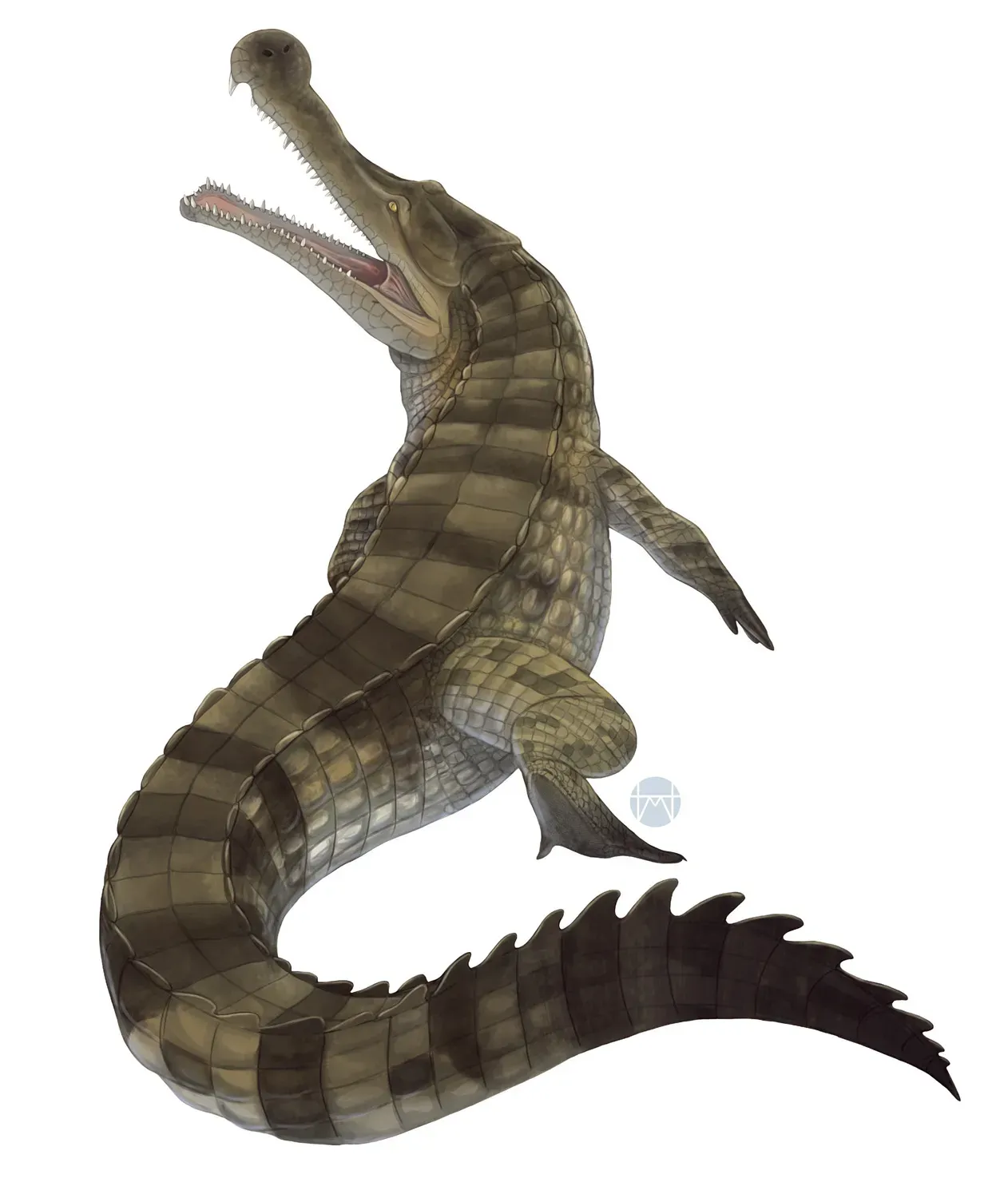
Now things get really wild. You’ve been reading about fearsome dinosaurs, but what if one of the most terrifying predators of the Mesozoic Era was not a dinosaur at all? Meet Deinosuchus, a creature whose very name translates to “terrible crocodile.” Deinosuchus could reach more than 35 feet in length and weigh over five tons, and bite marks on bones leave no doubt that the immense reptile caught and ate dinosaurs. Not ambushed small prey by a river. Ate actual dinosaurs.
Deinosuchus lived during the late Cretaceous period, from 82 million years to 73 million years ago, in a habitat that stretched from Montana to northern Mexico and New Jersey to Mississippi. Its range was astonishing. Fossils of Deinosuchus are often found in the same formations as carnivorous tyrannosaurs, but Deinosuchus could grow to be longer and more massive than the tyrant dinosaurs, making it a true apex predator, and it even had a bite force greater than T. rex. A crocodile with a stronger bite than T. rex. Pause and sit with that for a moment.
Kronosaurus: The Ocean’s Most Ruthless Ruler
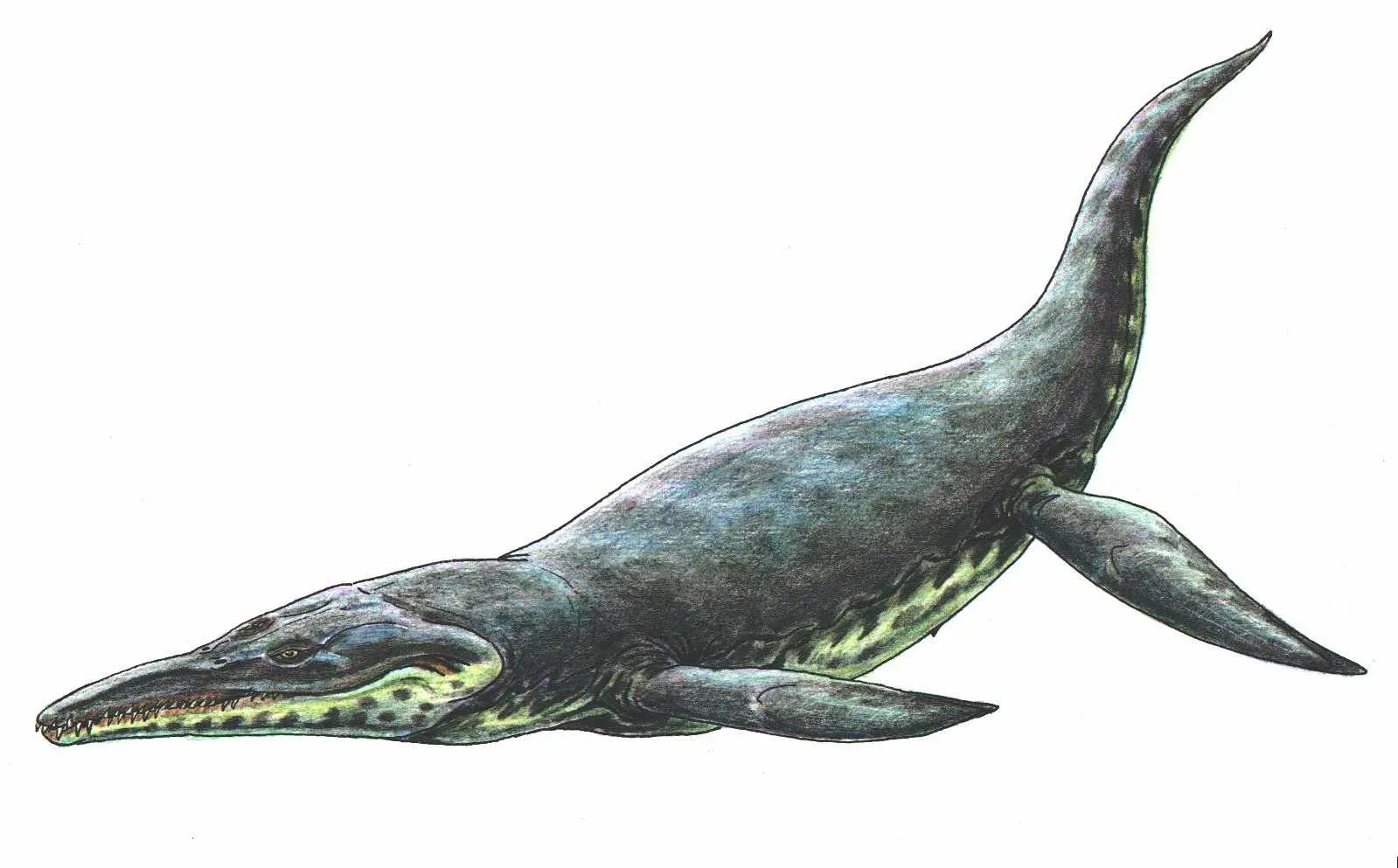
The seas of the Mesozoic Era were no place for the faint-hearted either. While dinosaurs were rewriting the rulebook on land, the oceans had their own brand of overlords. The pliosaurs were a group of marine reptiles that existed from the Late Triassic, around 228 million years ago, to the early Late Cretaceous, around 89 million years ago, inhabiting seas all over the world. Their most intimidating representative was Kronosaurus, a creature named after the mythological Titan for very good reason. Kronosaurus was a short-necked plesiosaur, a meat-eating marine reptile 30 feet long, with four flippers, a huge head with strong jaws, and a short, pointed tail, with its head measuring up to 9 feet long, about one-third of the entire body length.
Kronosaurus would likely have been an apex predator in its sea, with fossil evidence showing it preyed on sea turtles and other plesiosaurs, and due to its imposing size, morphology, and distribution, it most likely was the apex predator of the ancient Eromanga inland sea. The fact that it hunted other plesiosaurs is particularly chilling. The largest thalassophonean pliosaurs, such as Kronosaurus, are thought to have hunted by ambushing their prey from below, using their powerful jaws and incredibly sharp teeth to dismember prey, oftentimes in a single bite. It was essentially the ancient ocean’s great white shark, but scaled up to bus-length proportions.
Mosasaurus: The Final Monster of the Ancient Seas
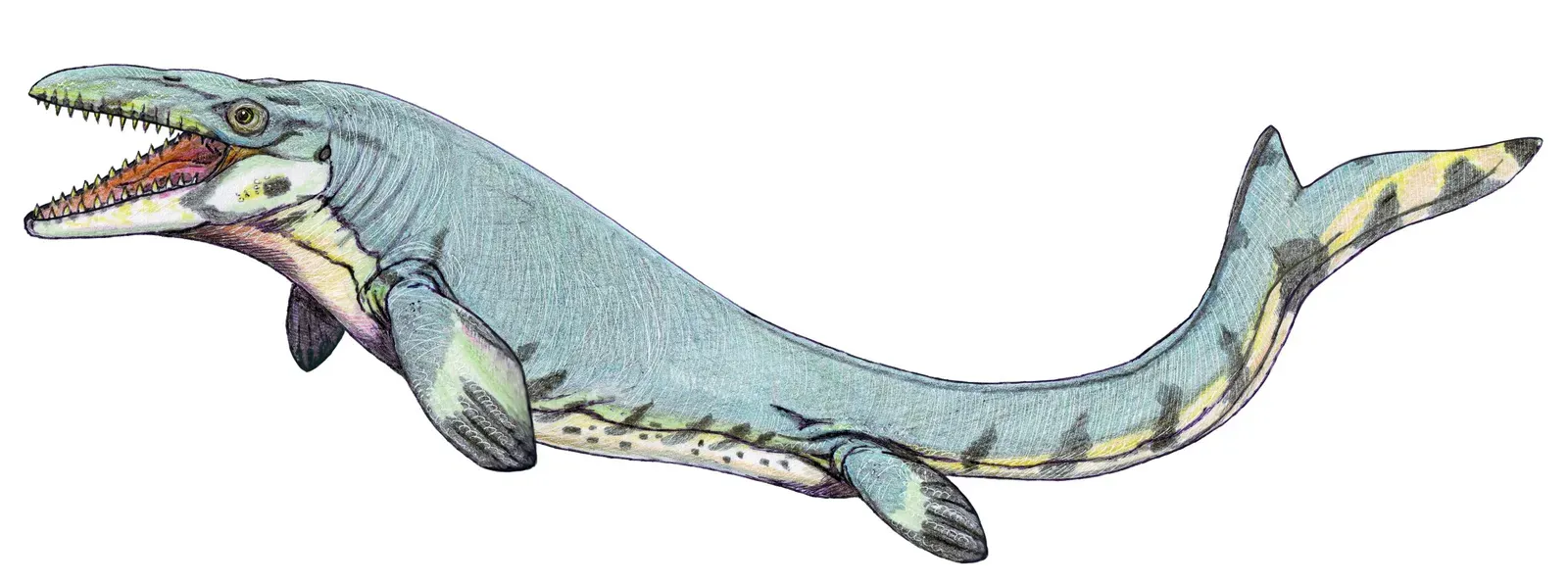
If Kronosaurus ruled the early Cretaceous seas, something even more spectacular took over at the very end of the Mesozoic. Mosasaurs evolved from aquatic lizards and became the dominant marine predators at the very end of the Mesozoic Era. Their rise to dominance wasn’t gradual – it was a swift and total takeover of the oceans. After ichthyosaurs and pliosaurs faced extinction in the early Late Cretaceous, mosasaurs took over and ruled the oceans up until 66 million years ago. That is the definition of opportunistic evolution.
Mosasaurus hoffmannii was the apex predator of the Late Cretaceous oceans, reaching 11 metres in length and 3.8 metric tons in body mass. Its hunting style was nothing short of explosive. This aquatic reptile was an apex predator that used bursts of high speed to catch large prey animals such as turtles, sharks, and even other mosasaurs. Cannibalism, shark-eating, speed-hunting – Mosasaurus was a predator that genuinely did it all. It lived from about 82 to 66 million years ago during the Campanian and Maastrichtian stages of the Late Cretaceous. It survived right until the very end, making it one of the last great monsters the Mesozoic produced.
Conclusion: The Mesozoic Was a World of Many Kings
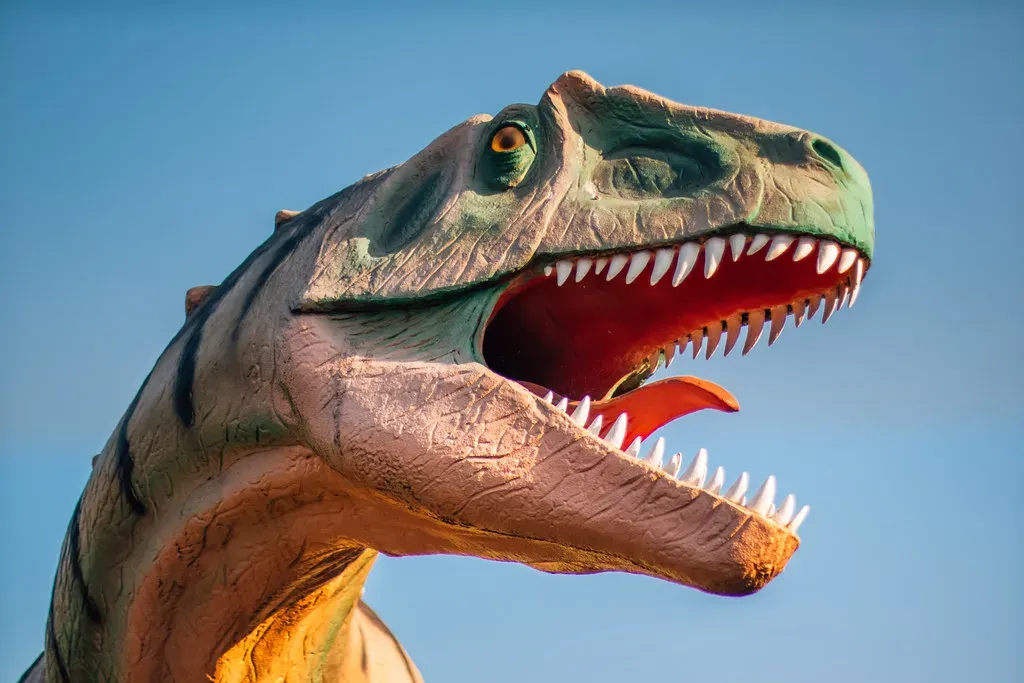
The more you learn about the Mesozoic Era, the more you realize that T. rex, as iconic as it remains, was just one jaw-dropping chapter in a much longer and wilder story. The scientific community is now exploring a broader range of the largest carnivorous dinosaurs, suggesting that the Mesozoic era harbored an even greater diversity of colossal predators than previously imagined. From the sail-backed Spinosaurus prowling North African rivers, to the pack-hunting Mapusaurus chasing down the largest animals that ever walked the Earth, to Mosasaurus ruling the final ancient seas – the list of nature’s masterclass killers goes far beyond one famous name.
Carnivorous dinosaurs were the Mesozoic’s top engineers of terrestrial ecosystems, and their anatomy and strategies reveal how evolution shapes predators and how those predators, in turn, shape entire communities. Every time a new fossil is pulled from the ground, our understanding of these extraordinary animals shifts a little more. The Mesozoic Era wasn’t ruled by a single king – it was a world of many, each terrifying in its own spectacular way.
What predator from this list surprised you the most? Drop your thoughts in the comments – it might just start a great prehistoric debate.