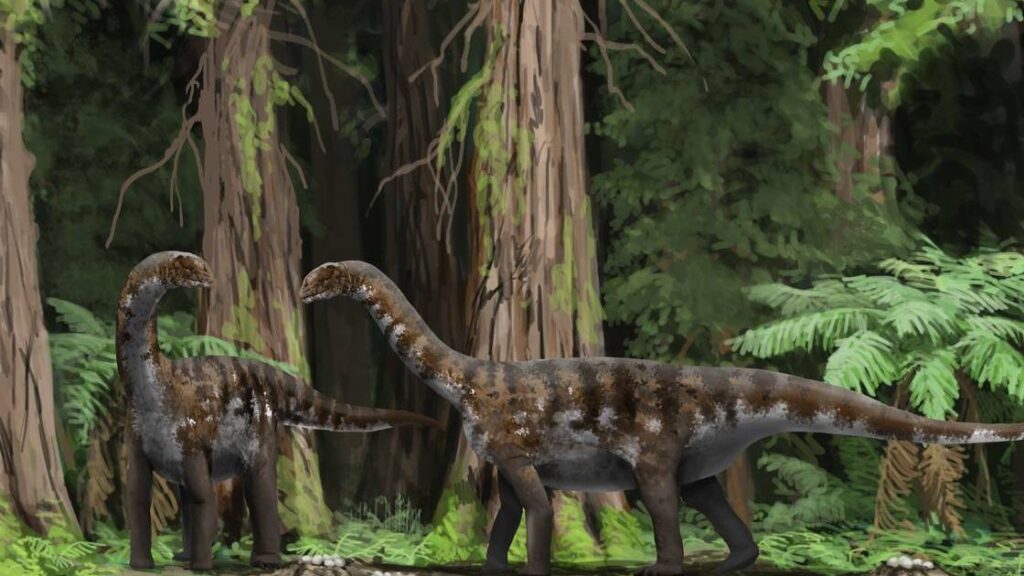
Picture this: the largest animal to ever walk the surface of the Earth started its life inside something barely bigger than a basketball. No fanfare. No dramatic entrance. Just a tiny hatchling, scrambling out of an egg smaller than most of us would ever associate with the word “colossal.” It sounds almost absurd when you say it out loud.
Yet that is precisely the reality of sauropod dinosaurs – the long-necked titans of the Mesozoic Era that still command awe, wonder, and genuine scientific bewilderment even today. Their story, from fragile egg to world-shaking giant, is one of the most mind-bending journeys in the entire history of life on this planet. Buckle up, because what you’re about to discover is nothing short of extraordinary. Let’s dive in.
Eggs Smaller Than You’d Ever Expect
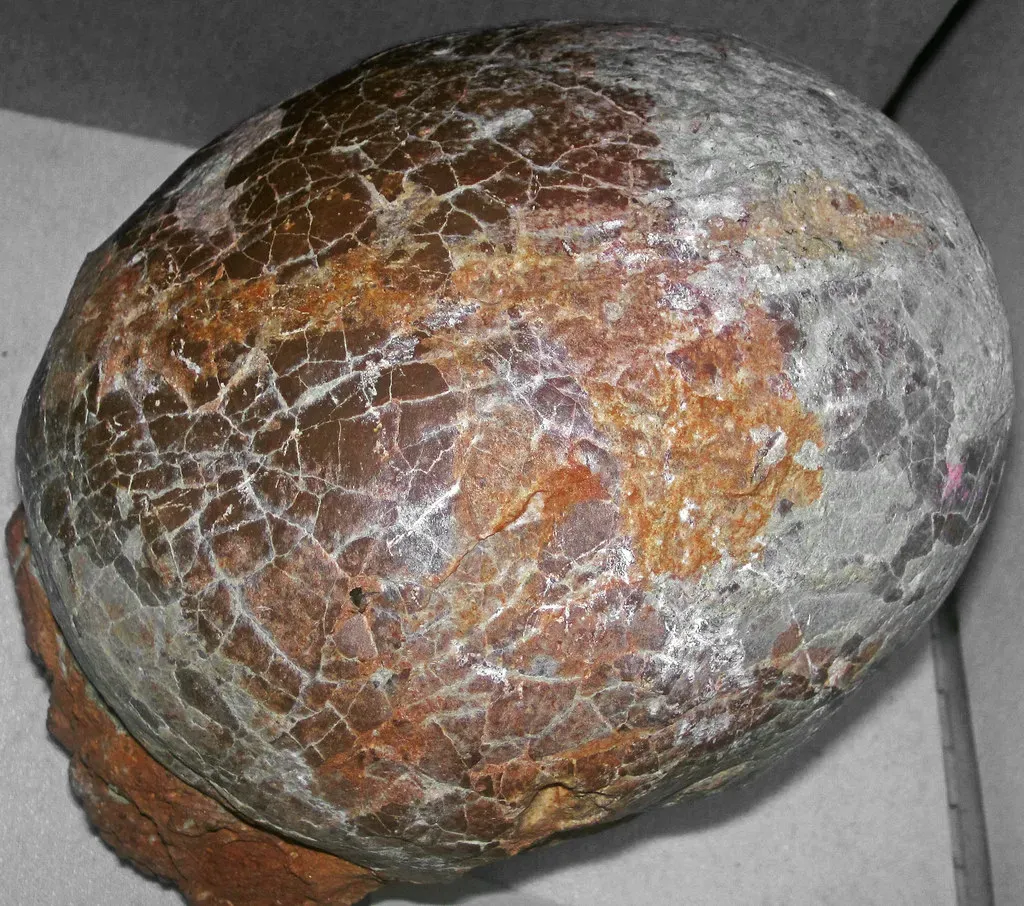
Here’s the thing that genuinely stops people in their tracks: sauropod dinosaurs are the largest known animals ever to have walked on land, with some exceeding 30 meters in length – yet these same giants laid eggs that were often only around the size of a football. Think about that for a second. A creature weighing tens of tons, beginning life in something you could tuck under your arm.
An ostrich weighs about 100 kilograms and lays a 1.5-kilogram egg; a sauropod dinosaur might be 50 times heavier than an adult ostrich, but its eggs were only a little heavier than an ostrich egg. Scientists puzzled over this for years, and honestly, it still feels like one of nature’s great pranks. The constraint, it turns out, was physics, not laziness.
This reflects a practical limit on egg size. Large eggshells must be thicker to maintain their integrity, but if they become too thick, embryos cannot hatch. So the very shell meant to protect a developing sauropod was also the thing preventing it from getting any bigger before birth. It is a perfect, maddening paradox.
The Mechanics Behind a Tiny Shell
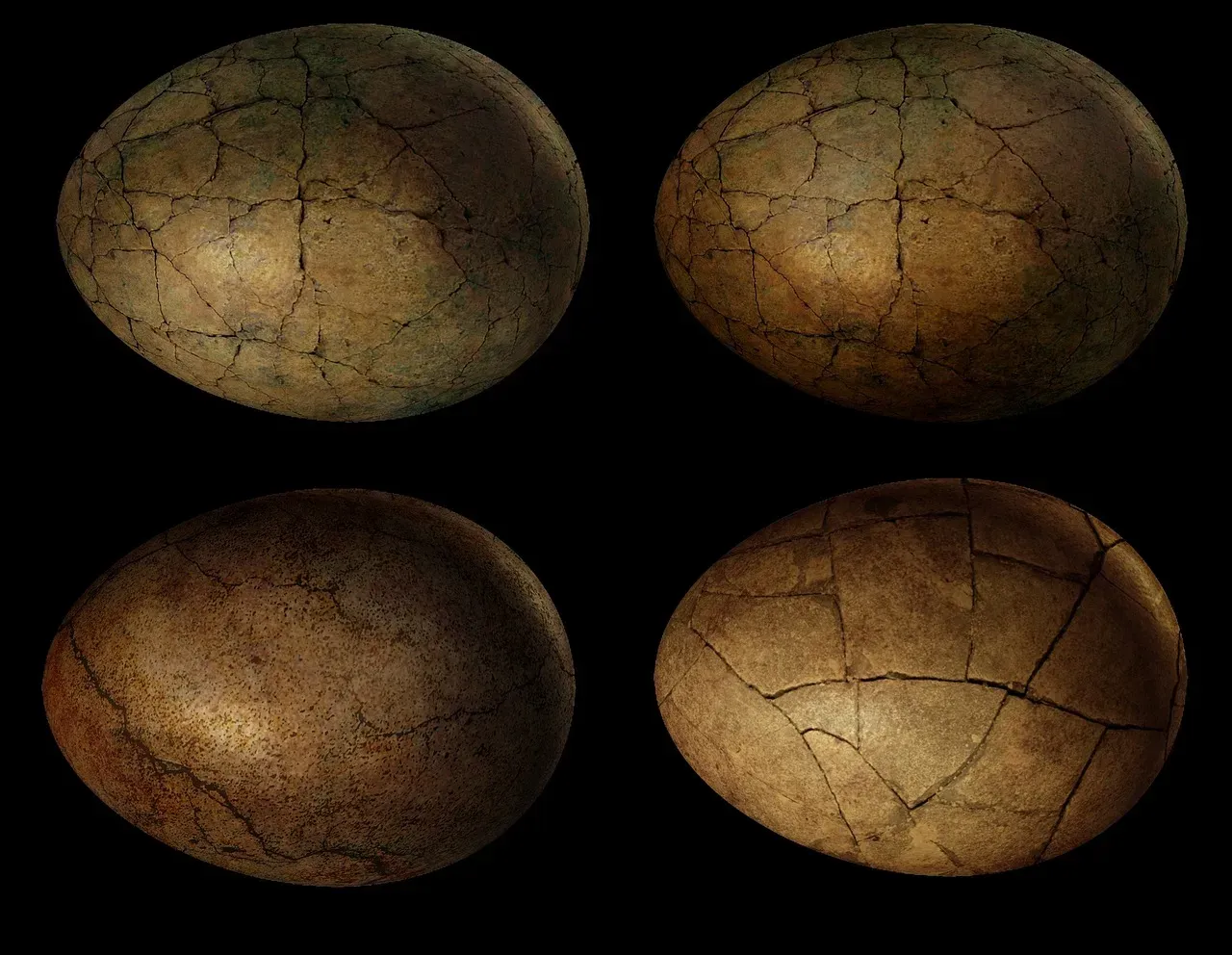
The larger an egg is, the sturdier the shell needs to be. Evolution can thicken and strengthen eggshell only so much because the shell must allow for gas exchange and the eventual exit of the hatchling. These demands greatly restrict egg size. You can think of it like designing a protective case that must also be full of breathing holes and breakable from the inside. That is not an easy engineering problem.
Eggshells aren’t as smooth as they seem. Look at one under a microscope and you’ll see many small holes, or pores. These pores form tiny canals through the shell that control moisture levels and allow the embryo to breathe. The number, size, and shape of pores is different for different species, and these details give scientists clues about where the dinosaurs laid their eggs and how they built their nests. Remarkable, isn’t it? An entire chapter of a creature’s life story, written in microscopic holes.
Nesting Behavior: Colonial Families in the Cretaceous
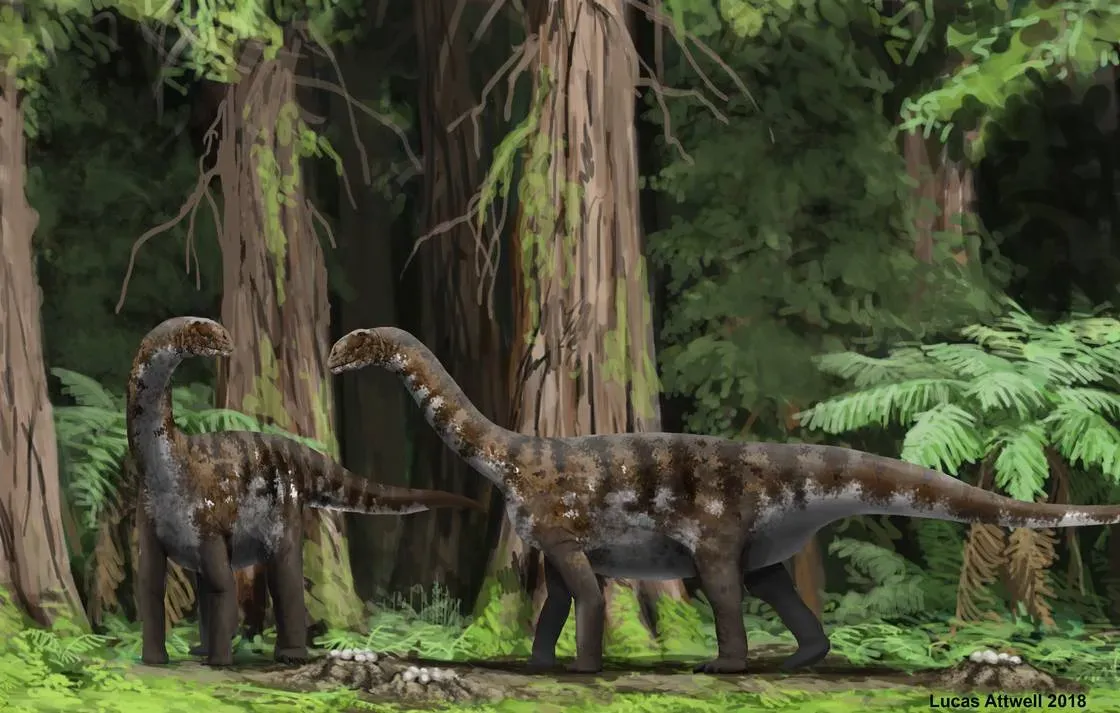
The Auca Mahuevo site in Argentina is one of the largest known dinosaur nesting sites in the world, with thousands of eggs and nests spread over miles of ground. About 80 million years ago, herds of hundreds of female titanosaurs came here to dig out shallow nests, where they laid between 15 and 40 eggs each. Imagine that landscape – a churned, dusty plain dotted with clutches of spherical eggs stretching to the horizon in every direction.
Based on the layout of nests discovered in India, researchers inferred that these dinosaurs buried their eggs in shallow pits like modern-day crocodiles. Certain pathologies found in the eggs, such as a rare case of an “egg-in-egg,” indicate that titanosaur sauropods had a reproductive physiology that parallels that of birds and possibly laid their eggs in a sequential manner. The presence of many nests in the same area suggests these dinosaurs exhibited colonial nesting behavior like many modern birds. In other words, these giants were far more socially sophisticated in their reproduction than we once gave them credit for.
Incubation: Waiting in the Heat
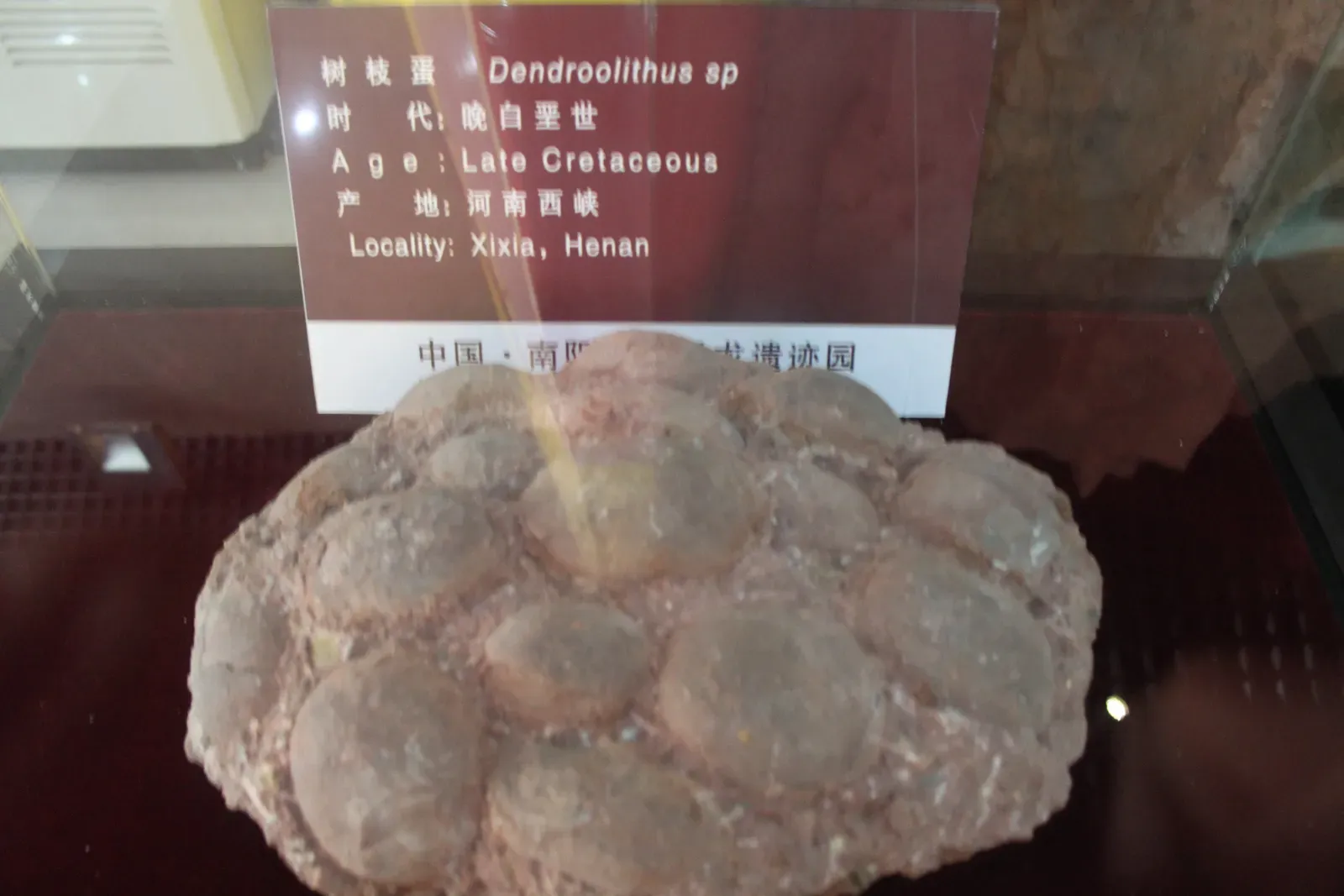
Far too immense to brood their eggs, sauropods instead heaped vegetation over their nests so that heat produced by decaying plant material incubated their eggs. However, in at least one site in Argentina, Sanagasta Geologic Park, sauropod mothers instead relied on natural geothermal energy to incubate their eggs, cleverly making their nesting sites in areas with high natural geothermal flow. That is genuinely clever, in a deep evolutionary sense. Picture a dinosaur instinctively choosing volcanically warm ground the way a modern bird chooses a sheltered bush.
Daily growth bands in dinosaur embryo teeth suggest hatching times of 3 to 6 months, twice that of most birds. This may have made non-avian dinosaurs more vulnerable during times of environmental crisis. Researchers believe that a long incubation period of sauropods is likely to have led to very high mortality through predation. Half a year of lying in the ground, vulnerable to every predator passing through, before you even crack the shell. It is a high-stakes gamble, and most embryos lost.
Hatchlings: Born Into a Dangerous World
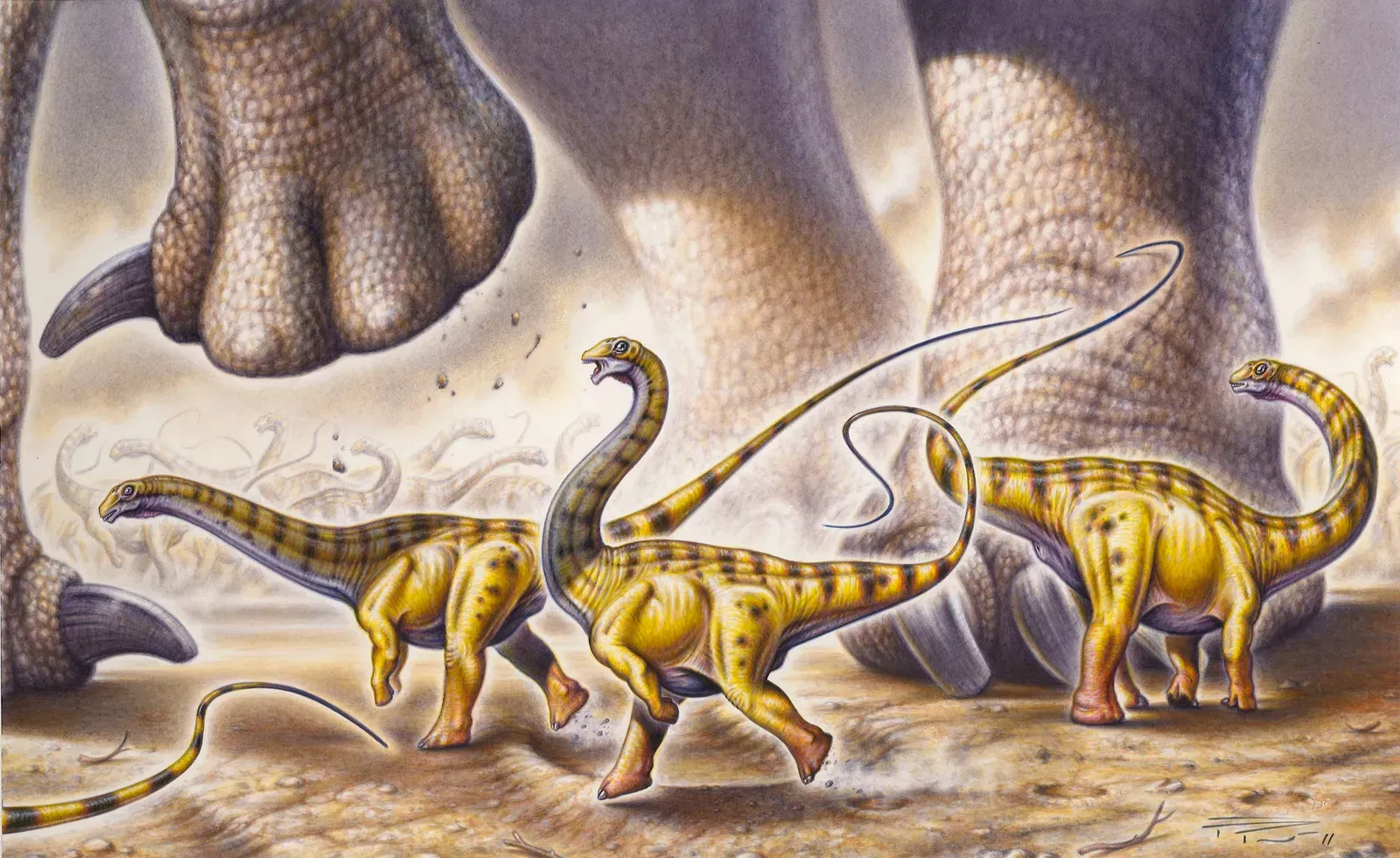
Sauropods may be the only giants whose young hatch from eggs. Even the largest of adult sauropods began as hatchlings measuring only one meter long and weighing less than 10 kilograms, a range of ontogenetic size exceeding that for any other dinosaur lineage. Going from less than 10 kilograms to potentially 70 metric tons over the course of a lifetime is, without exaggeration, the most extreme body size transformation ever recorded in land animals. Nothing comes close.
Sauropods probably needed to grow fast because although adults may have been safe from predators, hatchlings were easy prey that had to compete with other groups of dinosaurs and animals for resources. Unlike large mammals such as whales, which spend years raising each calf, sauropods pursued a quantity-over-quality approach to reproduction, producing lots of eggs and then leaving their young to fend for themselves. Honestly, survival in those first months must have been brutal. A one-meter-long sauropod in a world of hungry theropods is not exactly the safest place to grow up.
The Physics of Growing Impossibly Fast
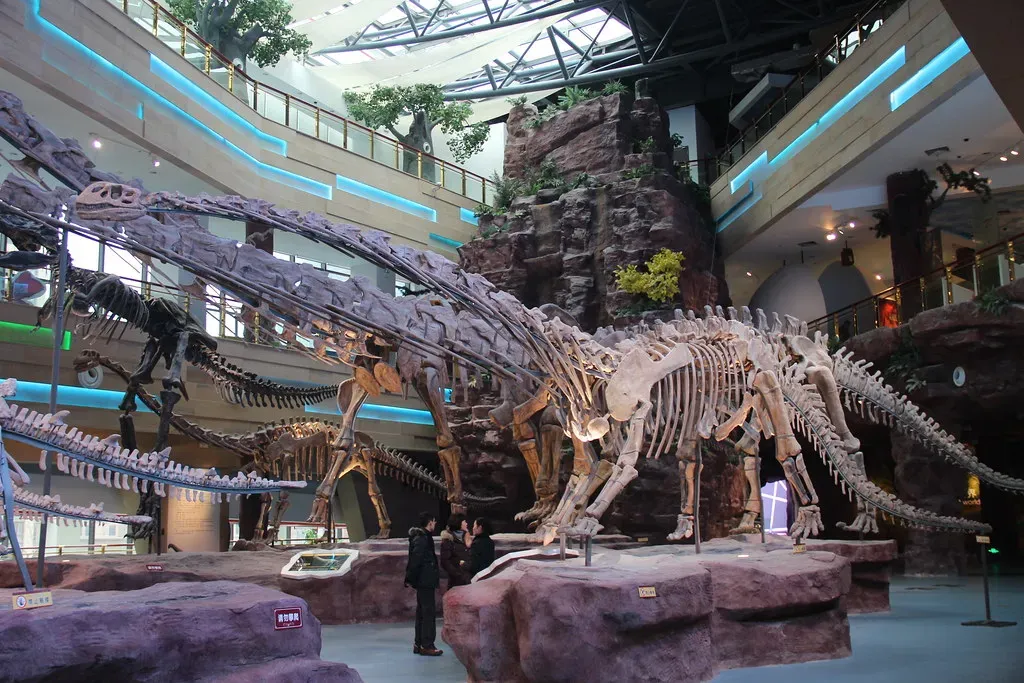
To reach their record sizes, sauropods underwent record growth. They had the most growing to do of any animal in an absolute sense, passing through four orders of magnitude in body mass. They had to grow so much not only because their adult body sizes were huge but also because they started out so small. Four orders of magnitude. That is the difference between a paperback book and a loaded freight truck, expressed in body weight. Over a single lifetime.
If sauropods grew at the relatively sluggish rates that reptiles do today, it would have taken a century or more for them to reach their immense sizes. Instead, as the growth rings reveal, they grew impressively quickly – on par with the growth rates seen in many large mammals today – attaining adult size in 20 to 50 years. In only about three decades, they grew to be adults that were 10,000 times heavier – or more. Such rapid weight gain per year has never been seen in any other land animal, living or extinct. That last fact alone deserves a moment of quiet awe.
Bone Biology: Reading Growth in the Rock

It is generally held that sauropods achieved gigantism through accelerated growth rates and high basal metabolic rates. They appear to have had high, sustained rates of growth throughout their lives, which only slowed down in late stages. This growth pattern has been deduced from studies of the microstructure of their long bones, which exhibit an uninterrupted deposition of fibrolamellar bone tissue during the early phase of development. Fibrolamellar bone is essentially the biological equivalent of fast construction – walls going up rapidly with scaffolding still in place.
Multiple growth strategies for achieving gigantism have been identified in sauropodomorph dinosaurs. Sauropods only appear to develop lines of arrested growth in limb bones close to somatic maturity, suggesting that protracted continuous growth during early ontogeny explains their generally greater body sizes, including the largest terrestrial animals to have lived. It has been found that even the largest sauropods only lived to around 60 years or so. All that growth, all that size, packed into what is, by geological standards, a very short lifespan.
The Secret Weapons: Necks, Air Sacs, and No Chewing
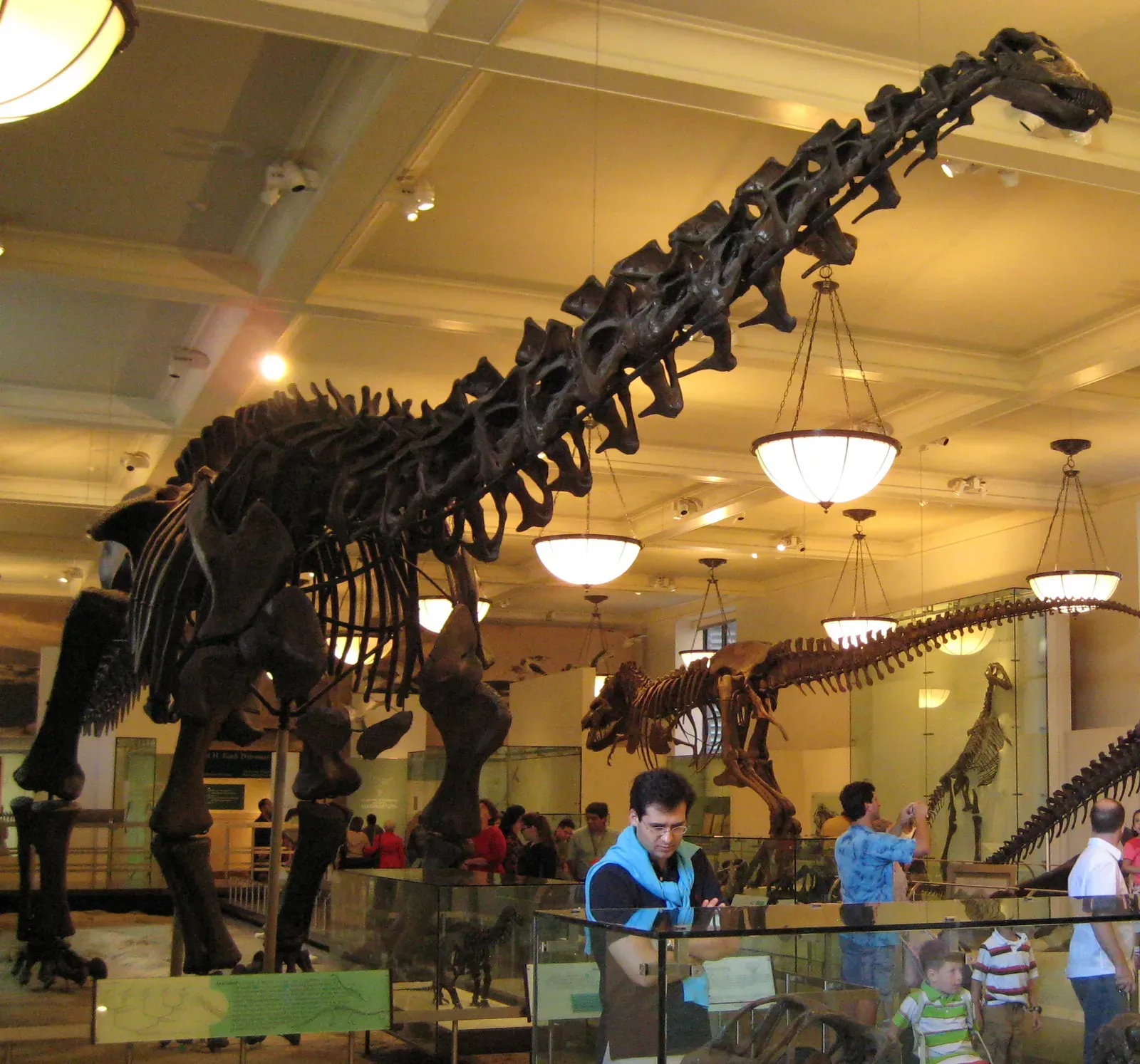
Sauropods had simple teeth incapable of chewing, which meant they could ingest food quickly and ferment it in their gut, as evidenced by their voluminous rib cages. Not chewing also meant they didn’t need bulky jaw muscles, so their heads could stay small. That arrangement, in turn, allowed for the evolution of a longer neck, which let them reach wide swaths of food without moving much – a very energy-efficient way of life. Think of the neck as a living crane arm, sweeping vegetation into a gut the size of a small car.
Some sauropods had as many as 19 cervical vertebrae, whereas almost all mammals are limited to only seven. Each vertebra was extremely long and had empty spaces in them which would have been filled only with air. An air-sac system connected to those spaces not only lightened the long necks, but effectively increased airflow through the trachea, helping the creatures breathe in enough air. By evolving vertebrae consisting of 60 percent air, the sauropods were able to minimize the amount of dense, heavy bone without sacrificing the ability to take sufficiently large breaths to fuel the entire body with oxygen. Sixty percent air in their bones. Not a weakness – a masterstroke of evolutionary engineering that made their very existence possible.
Conclusion: The Greatest Growth Story Ever Told

From a football-sized egg cracked open in a geothermally warmed pit, to a 70-ton titan reshaping the landscape with every step – the growth journey of a sauropod dinosaur is, I think, the single most astonishing developmental story in the history of life on Earth. No other creature has ever bridged that gap between helpless and colossal so quickly, so efficiently, or so repeatedly across millions of years.
What makes it even more remarkable is that this was not a fluke. It happened again and again, across multiple sauropod lineages, on every continent, for over 150 million years. The biology all had to work in perfect concert: the right bones, the right metabolism, the right diet strategy, and the right reproductive gamble. Remove any single piece, and giants like Argentinosaurus and Patagotitan never exist.
We now understand more than ever before how they pulled it off – but let’s be real, every new fossil brings a fresh set of questions. The sauropods keep their mysteries close. So here is something to sit with: if the most massive land animal that ever lived started out smaller than your dog, what does that tell you about what nature is truly capable of? What do you think? Drop your thoughts in the comments below.