If you think the story of dinosaurs is settled, think again. Every single year, researchers unearth fossils, reanalyze old specimens, and deploy technology so advanced it would have seemed like science fiction just a generation ago. The picture that keeps emerging is not the one your elementary school textbook painted. These creatures were far stranger, more complex, and more alive than we ever imagined.
Honestly, the pace of discovery is almost dizzying. From frozen bloodlines hidden in bone tissue to predators we mistakenly thought were teenagers for decades, paleontology is having something of a revolution. So let’s dive in, because what you are about to read might change everything you thought you knew.
The Nanotyrannus Bombshell That Rewrote T. rex History
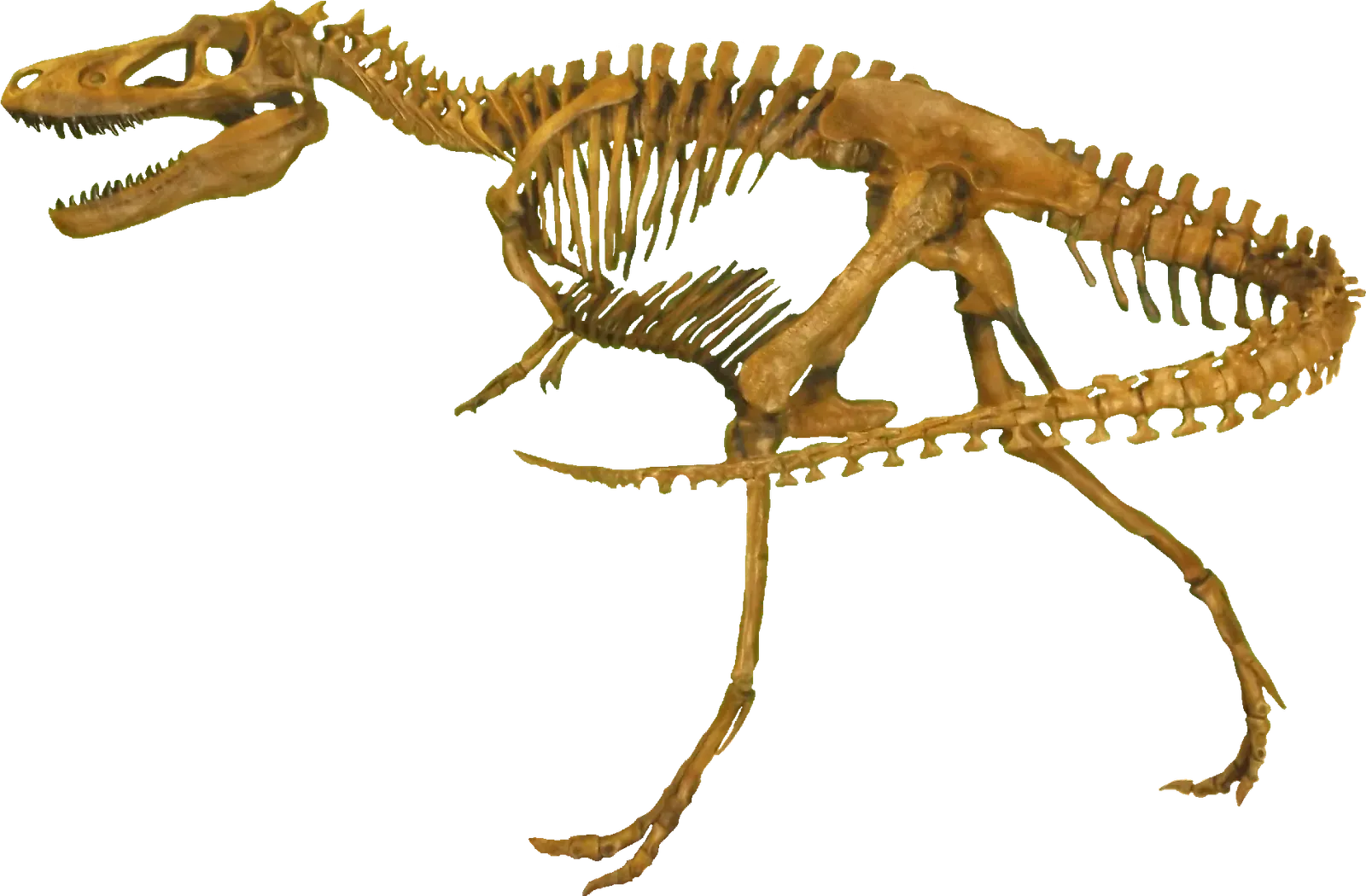
Perhaps no recent discovery rattled the paleontology world quite like the Nanotyrannus story. A complete tyrannosaur skeleton finally ended one of the field’s longest-running debates: whether Nanotyrannus is a distinct species, or just a teenage version of Tyrannosaurus rex. The fossil, part of the legendary “Dueling Dinosaurs” specimen found in Montana, contains two dinosaurs preserved in prehistoric combat – a Triceratops and a small-bodied tyrannosaur, and that tyrannosaur is now confirmed to be a fully grown Nanotyrannus lancensis, not a teenage T. rex as many scientists once believed.
For years, paleontologists used Nanotyrannus fossils to model T. rex growth and behavior. This new evidence reveals that those studies were based on two entirely different animals, and that multiple tyrannosaur species inhabited the same ecosystems in the final million years before the asteroid impact. Think about that for a moment: entire chapters of T. rex research, potentially built on the wrong animal. This discovery completely reframes the idea that T. rex was the lone predator of its time, challenging long-held assumptions about late Cretaceous ecosystem dynamics. Multiple tyrannosaur species coexisted in the last million years before the asteroid impact, suggesting a richer, more competitive ecosystem than previously imagined.
Soft Tissue Preservation Is Opening Doors Nobody Expected
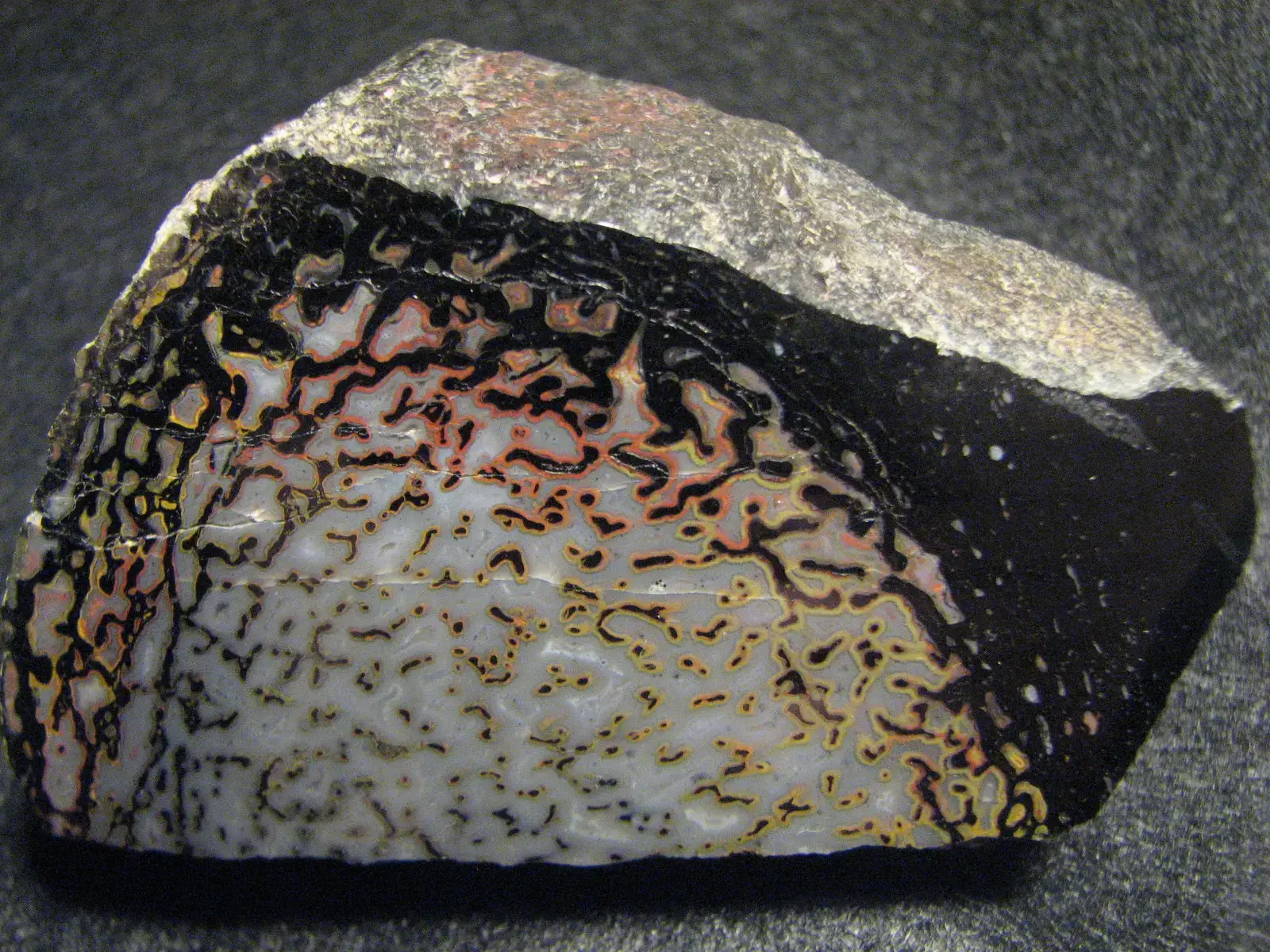
Here’s the thing about fossils: most scientists assumed soft tissues were simply lost forever, leaving only the hard architecture of bone. That assumption has taken a serious beating lately. Research has studied vascular-like microstructures isolated from dinosaur fossils from the Judith River and Hell Creek formations, with evidence of preservation of heme bound to a protein moiety in tissues of specimens of Brachylophosaurus canadensis and Tyrannosaurus rex. In plain English, researchers are finding what appears to be molecular remains inside bones that are tens of millions of years old.
Teams have used ultraviolet light to identify patches of preserved skin that are completely invisible in natural light, with further investigation using X-rays and infrared light revealing spectacular details of preserved cellular structure. What turns out to be truly surprising is the chemistry of this fossil skin: it is composed of silica, the same as glass, a type of preservation that has never before been found in vertebrate fossils, suggesting there are potentially many more fossils with hidden soft tissues still awaiting discovery. Every museum drawer worldwide suddenly looks a little more exciting.
Dinosaurs in Color: The End of the Gray and Green Myth
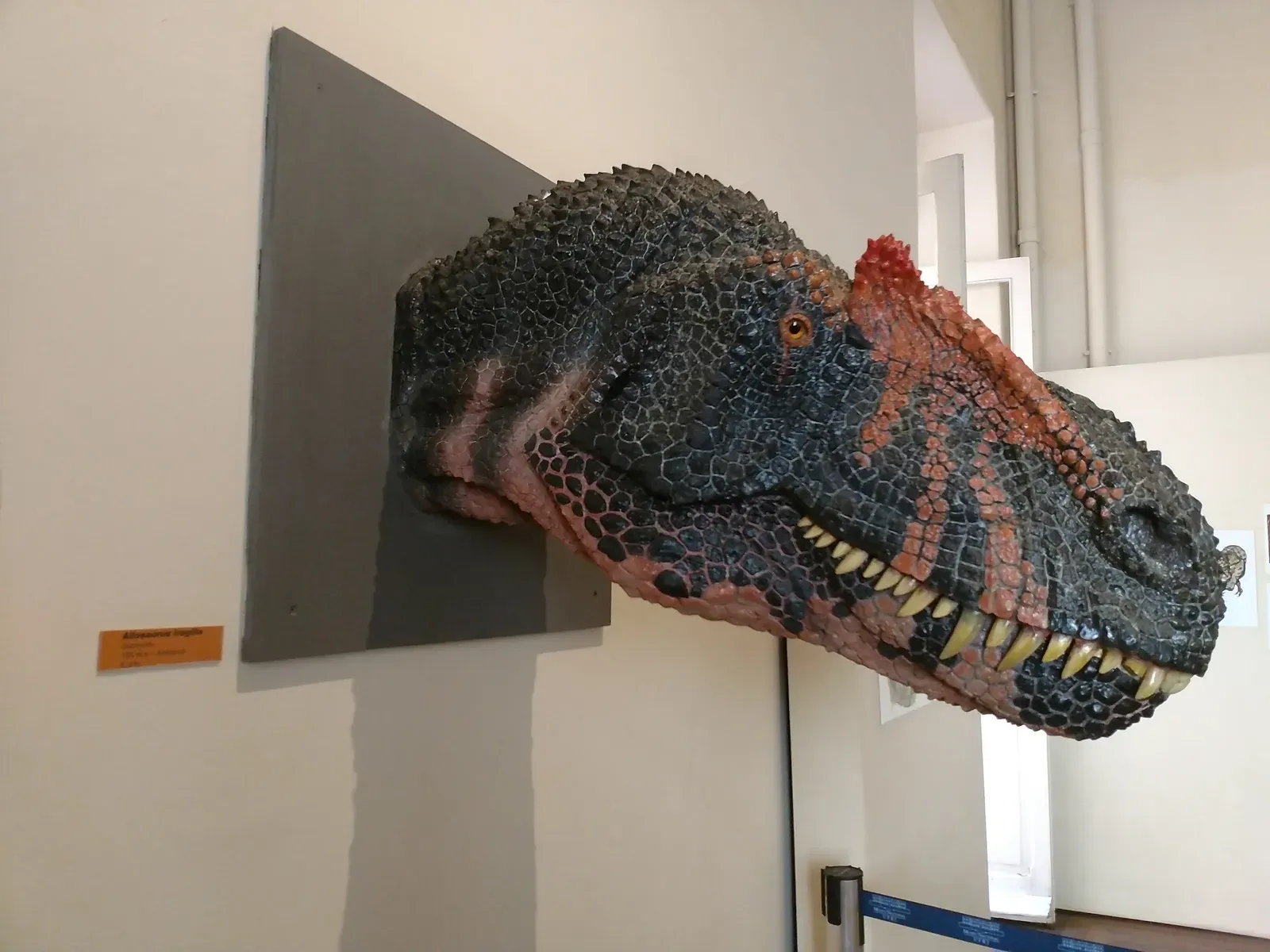
You probably grew up picturing dinosaurs as dull, grey-green behemoths lumbering through prehistoric jungles. That image is increasingly looking like fiction. From the Jurassic rocks of Montana’s Mother’s Day Quarry, paleontologists uncovered fossils of sauropod skin so delicately preserved that they include impressions of pigment-carrying structures called melanosomes, described in December in Royal Society Open Science. Melanosomes are essentially the cellular machinery of color.
Researchers detected that the juvenile Diplodocus this skin came from would have had conspicuous patterns across its scales. The finding suggests sauropod dinosaurs were not uniformly gray or brown, but had complex color patterns like other dinosaurs, birds, and reptiles. Microscopic clues found in fossil Diplodocus skin indicate these dinosaurs were colorful. It is a reminder that so much of what we “knew” about these animals was merely educated guesswork, filling in blanks with assumptions borrowed from modern lizards.
Feathers, Scales, and a Surprisingly Complex Evolutionary Story
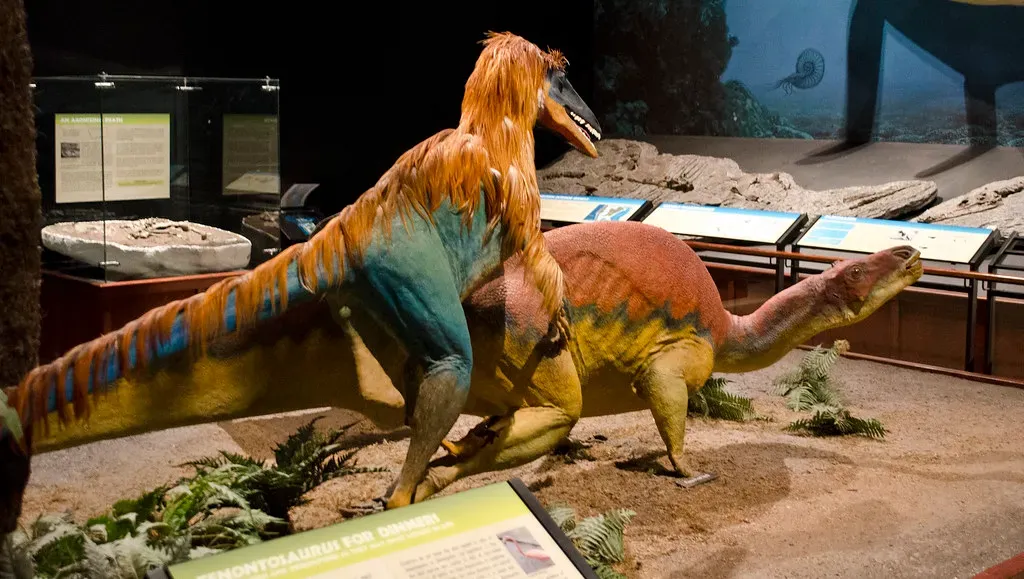
The feather-to-bird transition is one of evolution’s most celebrated storylines, but it turns out the plot is considerably messier than the textbook version. Palaeontologists at University College Cork in Ireland discovered that some feathered dinosaurs had scaly skin like reptiles today, shedding new light on the evolutionary transition from scales to feathers. They studied a new specimen of the feathered dinosaur Psittacosaurus from the early Cretaceous, around 135 to 120 million years ago, a time when dinosaurs were evolving into birds, and the study shows for the first time that Psittacosaurus had reptile-like skin in areas where it did not have feathers.
This discovery suggests that soft, bird-like skin initially developed only in feathered regions of the body, while the rest of the skin remained scaly, like in modern reptiles. This zoned development would have maintained essential skin functions such as protection against abrasion, dehydration and parasites, meaning the first dinosaur to experiment with feathers could survive and pass down the genes for feathers to its offspring. It is a beautifully logical solution to a very old puzzle. Although the dinosaurian origin of feathers is well established, many key issues still require resolution, including more agreement over what constitutes a feather rather than other similar epidermal structures, and how often and when these features appeared in dinosaur evolution.
Were They Warm-Blooded? The Metabolism Debate Gets a New Answer
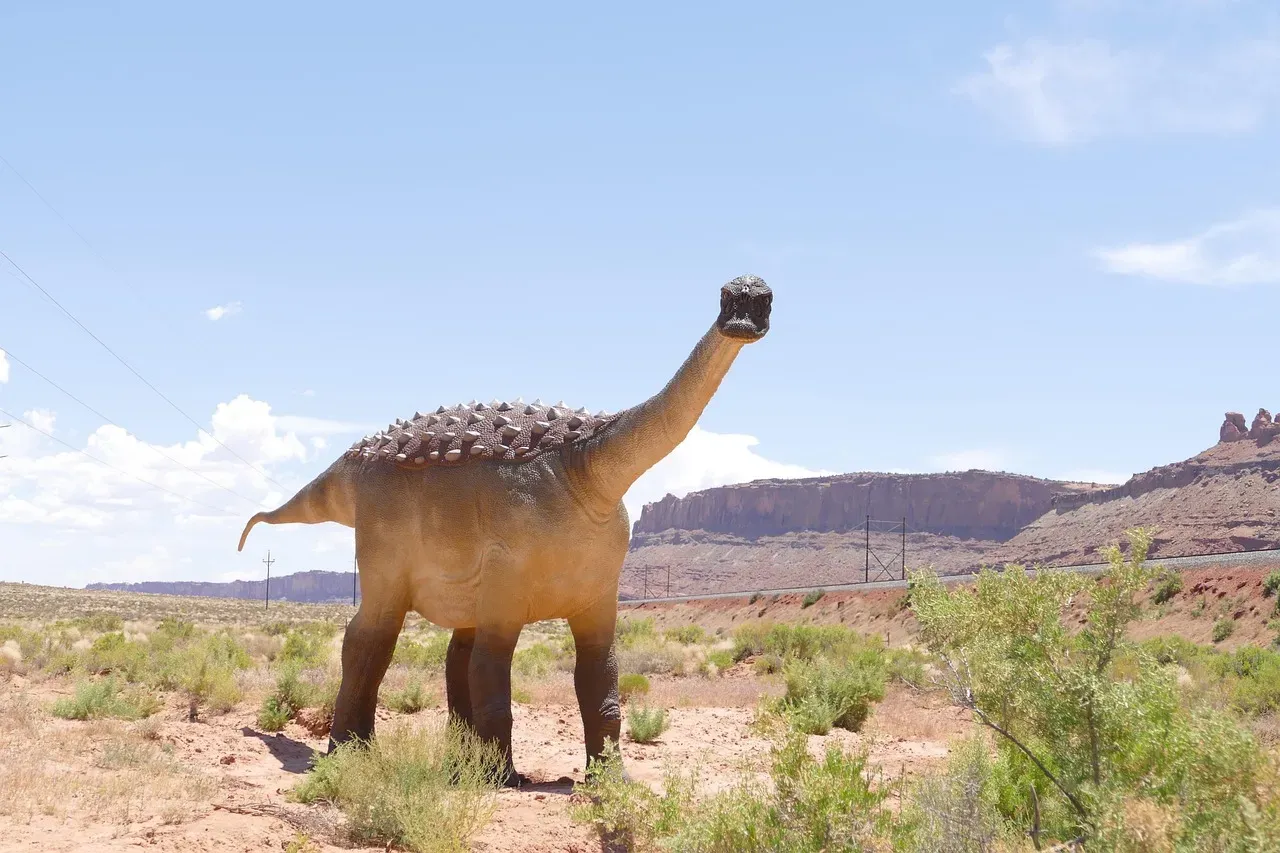
Few questions in paleontology have sparked more heated arguments than the warm-blooded versus cold-blooded debate. For the longest time, the cold-blooded view dominated simply because dinosaurs are technically reptiles, and reptiles are cold-blooded, right? Not so fast. A study published in Current Biology drew on a thousand fossils, climate models, the geography of the Mesozoic Era, and dinosaurs’ evolutionary trees, finding that two of the three main groupings of dinosaurs, theropods such as T. rex and Velociraptor, and ornithischians including relatives of Stegosaurus and Triceratops, moved to colder climates during the Early Jurassic, suggesting they may have developed endothermy at that time.
The type of bone tissue seen between dinosaur growth lines indicates the animals grew rapidly and sustained high metabolic rates. Dinosaur bone tissue is indistinguishable from that of today’s endothermic ruminants, meaning that dinosaurs were endothermic too. Still, not everything is clean and simple. Some dinosaurs including Stegosaurus, Triceratops, and a duck-billed hadrosaur showed metabolic rates on par with modern lizards, indicating they were cold-blooded, which means the range of metabolisms realized across dinosaurs is a lot broader than originally thought. Dinosaurs were not one thing. They were a metabolic spectrum.
New Species Keep Forcing Evolutionary Rethinks
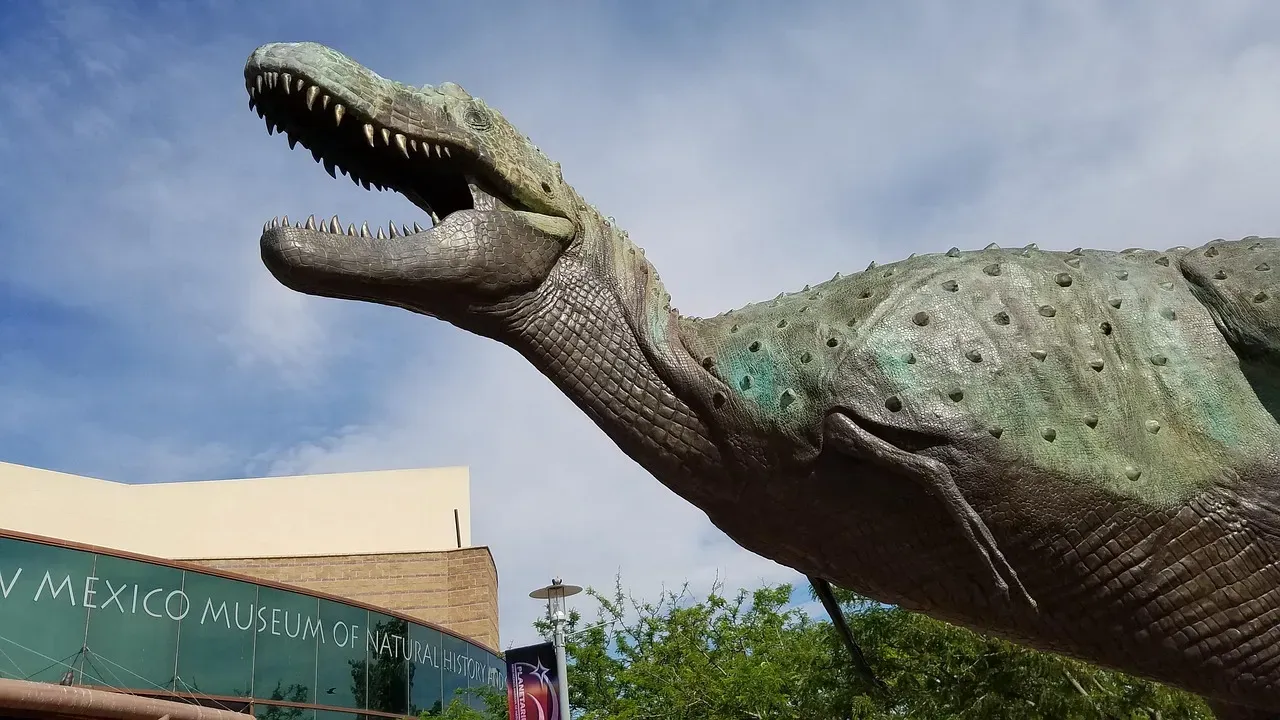
It would be easy to assume we have found most of the dinosaurs there are to find. I know it sounds crazy, but researchers keep proving that assumption wrong, sometimes spectacularly. An international research team identified a new dinosaur species, Foskeia pelendonum, a tiny plant-eating dinosaur that lived during the Early Cretaceous in what is now Spain. At just about half a meter long, Foskeia ranks among the smallest known ornithopod dinosaurs, yet it had an unusually advanced skull, and findings place it close to the earliest roots of the European herbivorous dinosaur group Rhabdodontidae.
Joaquinraptor, another remarkable new discovery, was found in rocks dating close to the end of the Cretaceous. Its placement in time and in prehistoric South America indicates megaraptors were apex predators in Patagonia while tyrannosaurs filled the same role in North America. In August 2025, researchers also described the oldest ankylosaur fossil yet discovered. This ancient armored reptile had massive, dangerous spikes sticking out in nearly every direction from its body, and it also likely had a big spiked weapon at the end of its tail, similar to later ankylosaurs. Every new find quietly expands the boundary of what we consider possible.
The Birds-Dinosaur Connection Gets Sharper Every Year
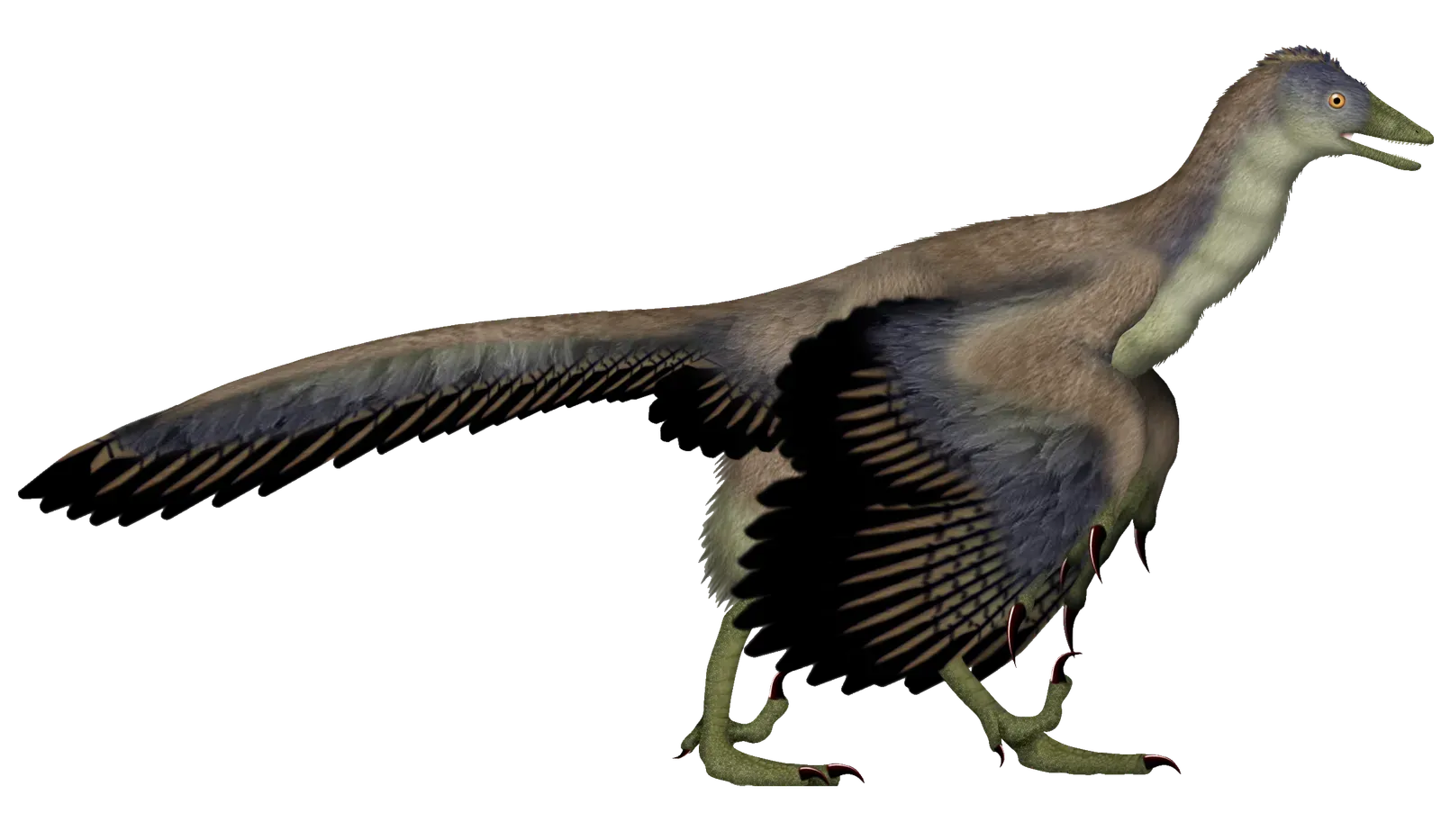
The idea that birds are living dinosaurs is no longer fringe science. It is rock-solid consensus. Yet the details keep getting richer and more surprising. For nearly 160 years, the only Jurassic bird that paleontologists had discovered was the famous Archaeopteryx fossil, the missing link tying modern birds’ ancient lineage to theropod dinosaurs. This year, researchers in China published a study detailing the fossil discovery of a second Jurassic bird, Baminornis zhenghensis, whose dating shows the specimen was nearly as old as Archaeopteryx and had a short tail, more like birds today, while such short-tailed fossils do not otherwise begin to appear in the fossil record until the Cretaceous Period.
An exceptionally well-preserved and nearly complete fossil of Archaeopteryx, the most ancient known bird, is offering new clues to how flight took off. The 150-million-year-old fossil, preserved with wings outstretched, contains imprints of soft tissues like feathers and skin. Among other reveals, the wings show the bird had tertials, a type of specialized inner feathers on its upper arms, a feature of modern flying birds but not nonavian feathered dinosaurs, and it also had mobile digits on its hands, supporting a hypothesis that Archaeopteryx wasn’t just able to fly but may have been able to climb trees. You could argue the line between dinosaur and bird has never looked blurrier, and that is a good thing for science.
Technology Is Transforming What Fossils Can Tell You
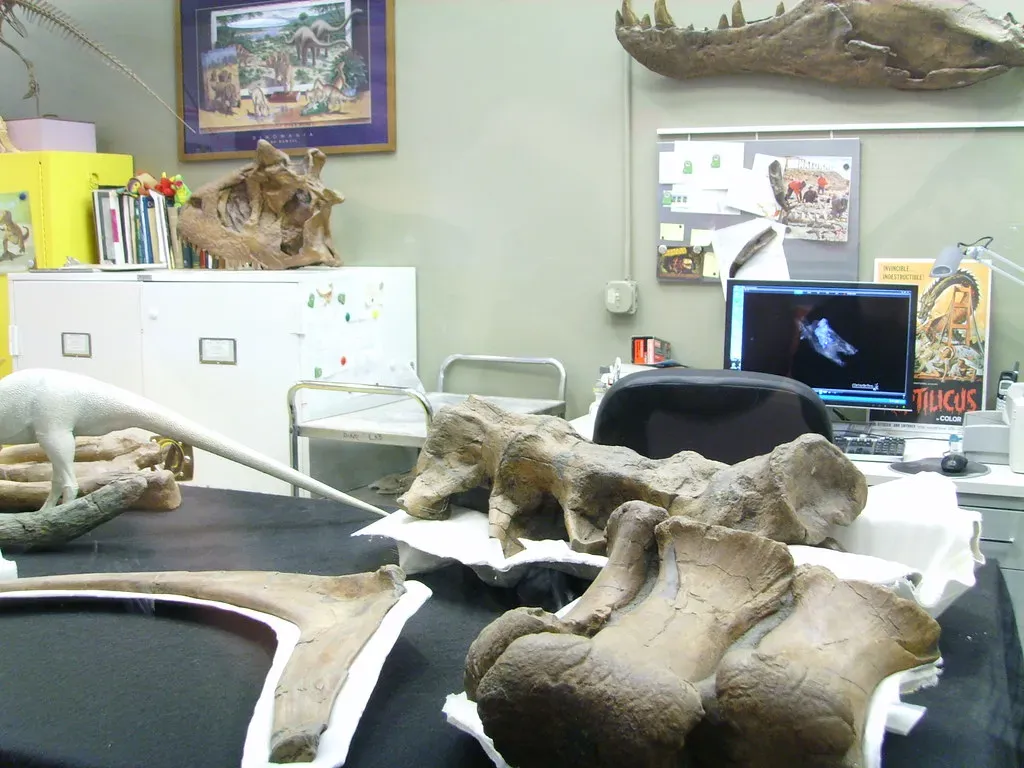
Modern paleontology is not just about brushes and chisels anymore. The tools researchers bring to a fossil today would have been unrecognizable to scientists even two decades ago. Dinosaur biology has intrigued scientists since the nineteenth century, but until comparatively recently attempts to reconstruct their life habits and physiology were often based on weak foundations. One of the major advances in recent decades has been the introduction of more rigorous, quantitative approaches, drawing on methods developed in other fields including biological imaging and structural engineering, as well as a better understanding of living relatives and other analogues.
Determining how many millions of years old a dinosaur fossil is has always been challenging. Researchers have relied on a special mineral called zircon that is common in volcanic ash, but without ash, there is no zircon and no age. Paleontologists now hypothesize that dinosaur eggs can be used instead, as radioactive isotopes in the eggshell itself seem to be datable in exactly the same way, meaning even a tiny broken fragment of fossil eggshell could allow scientists to calculate how old deposits are when volcanic ash is not present. A new AI app called DinoTracker can even analyze photos of fossil tracks and predict which dinosaur made them, with accuracy rivaling human experts. The future of paleontology is as much data science as it is fieldwork.
Conclusion: The Dinosaur Story Is Far From Over
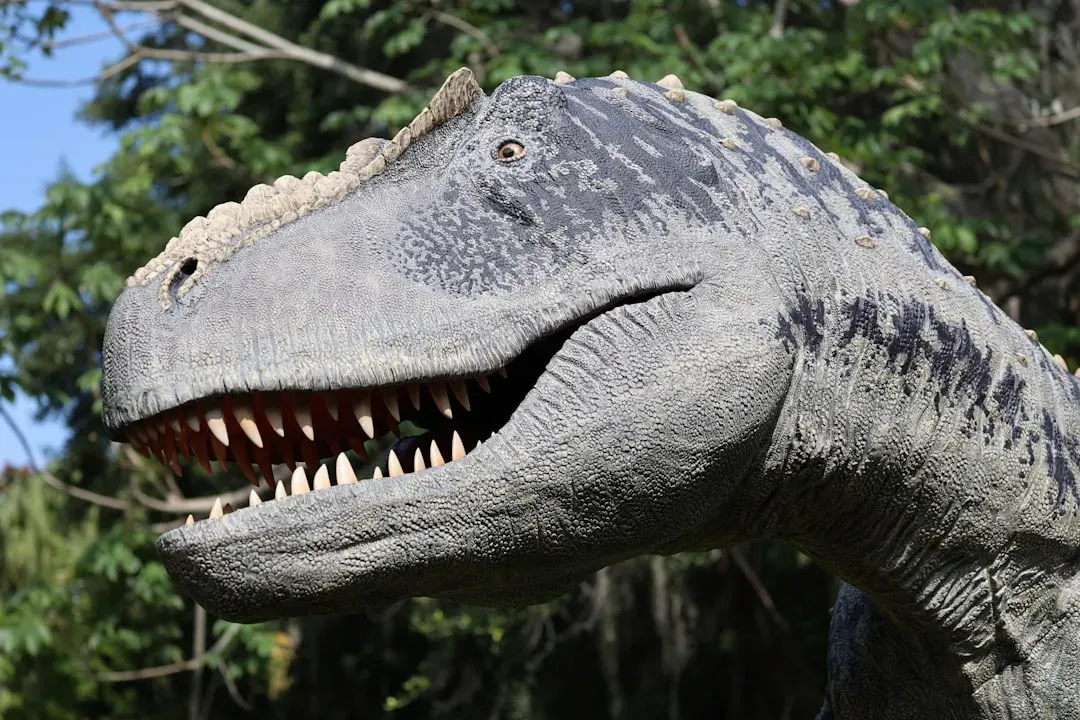
What emerges from all of this is a portrait of a science in full, glorious motion. Dinosaurs may be long extinct, but paleontology has made it abundantly clear that they are anything but settled science. New fossils, reanalyses of famous specimens, and the use of increasingly sophisticated tools have continued to upend what we thought we knew about how these animals lived, moved, fed, and evolved. Some discoveries filled in long-missing gaps in the fossil record, while others forced researchers to confront the uncomfortable reality that a few long-held assumptions were simply wrong.
The textbook dinosaur, that sluggish, cold-blooded, grey-green monster, is essentially extinct in a second way: it has been replaced by something stranger, more vivid, and far more interesting. From reinterpretations of iconic predators to ancient trackways that capture fleeting moments of Jurassic life, research keeps showing how much information is still locked inside bones, teeth, and footprints that have been studied for decades. From rewriting evolutionary timelines to challenging how fast dinosaurs really were, the work reminds us that paleontology is not about dusting off the past, but opening new windows to peer into it. Every bone in the ground is a question waiting to be asked. What do you think the next big discovery will be? Drop your thoughts in the comments below.