Imagine a world where the continents you know simply don’t exist. Where a single, enormous landmass dominates the planet, surrounded by one vast ocean, and where creatures of mind-bending size rule every corner of the Earth. That world was real. It lasted for nearly 186 million years, and it shaped virtually everything alive on Earth today, including you.
The Mesozoic Era is one of the most captivating chapters in all of natural history. It was a time of relentless change, staggering biological creativity, and catastrophic endings. From the first dinosaurs scrambling across a scorched landscape to colossal sea monsters hunting in warm prehistoric oceans, this era has no shortage of astonishing stories. Strap yourself in, because this is just getting started.
What Exactly Was the Mesozoic Era?
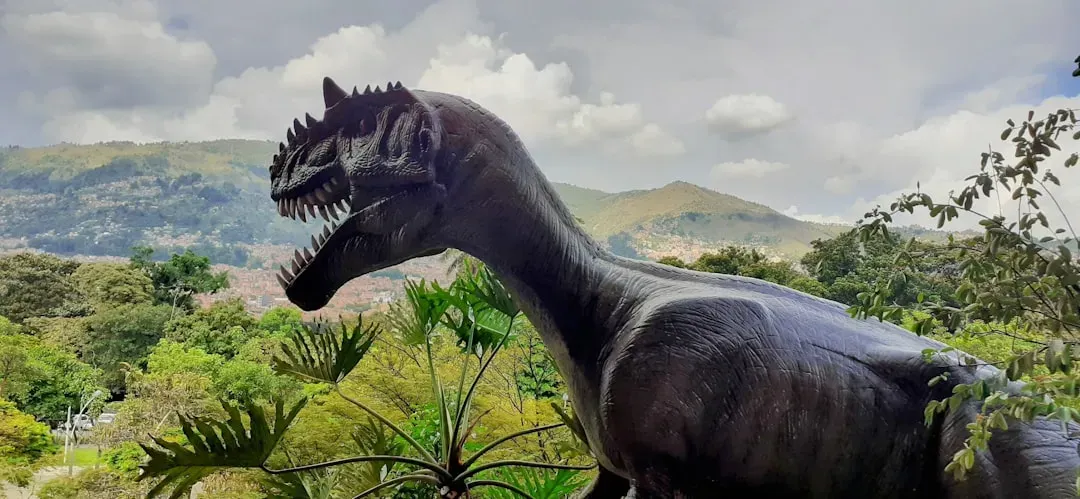
Here’s the thing about the Mesozoic Era: its name alone gives you a clue. The word “Mesozoic” means “middle life,” and it refers to the time of the dinosaurs, spanning from 252 to 66 million years ago. Honestly, calling it simply “the time of the dinosaurs” feels like describing the ocean as “a bit wet.” There was so much more happening across its nearly two-hundred-million-year span.
The Mesozoic is the middle of the three eras since complex life evolved: the Paleozoic, the Mesozoic, and the Cenozoic. Think of it as Earth’s turbulent middle chapter, sandwiched between an age of ancient marine creatures and the age of mammals we live in today. It was a time of geologic and biological transition, during which the continents began to move into their present-day configurations.
The “Great Dying” That Started It All
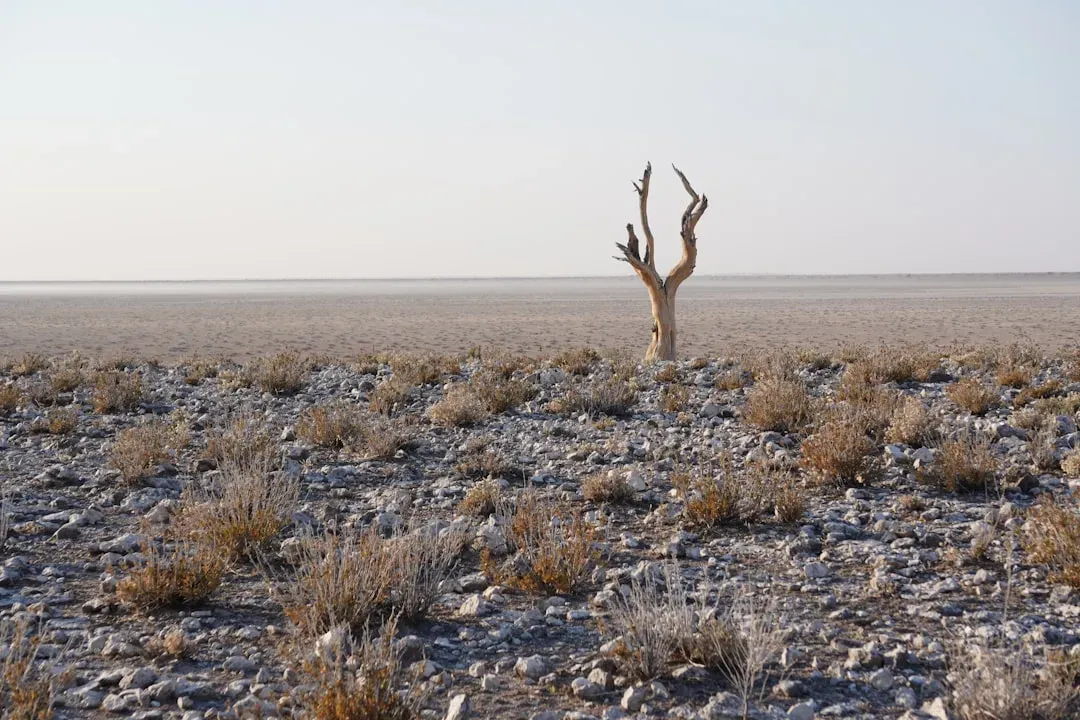
Before you can appreciate just how remarkable the Mesozoic became, you need to understand the horrifying beginning that preceded it. The lower boundary of the Mesozoic is set by the Permian-Triassic extinction event, during which it has been estimated that up to 90 to 96 percent of marine species became extinct. It is also known as the “Great Dying” because it is considered the largest mass extinction in Earth’s history. To put that in perspective, this is the equivalent of nearly wiping the biological slate clean.
The fauna and flora of the Mesozoic were distinctly different from those of the Paleozoic, as some 90 percent of all marine invertebrate species and 70 percent of terrestrial vertebrate genera disappeared at the boundary. At the start of the Mesozoic, the remaining biota began a prolonged recovery of diversity and total population numbers, and ecosystems began to resemble those of modern days. It’s a staggering comeback story. Life, it turns out, is stubbornly persistent. Out of near-total ruin, an entirely new world gradually took shape.
The Breaking Apart of Pangaea
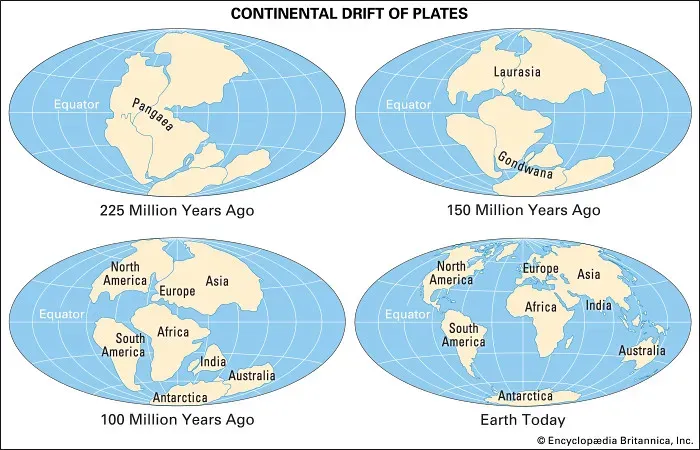
When the Mesozoic opened, the geography of Earth would have looked completely alien to us. As the Mesozoic Era opened, all of Earth’s continents were joined together, forming the supercontinent Pangea. During the late Triassic Period, Pangea separated into the continents of Laurasia and Gondwana, which gradually underwent further fragmentation. Picture the entire world’s landmass as one enormous puzzle piece, slowly pulling itself apart over tens of millions of years.
North America began to pull away from Eurasia and Gondwana in the mid-Jurassic Period. By the end of the Jurassic, Africa had begun to split off from South America, and Australia and Antarctica had separated from India. By the end of the Cretaceous Period, the continents had drifted closer to their current positions. This breakup was not just a geological curiosity. As continents moved, they altered global ocean currents and the distribution of land and sea, which in turn dramatically affected climate patterns and shaped the destiny of every living creature on Earth.
A Greenhouse Planet: The Mesozoic Climate
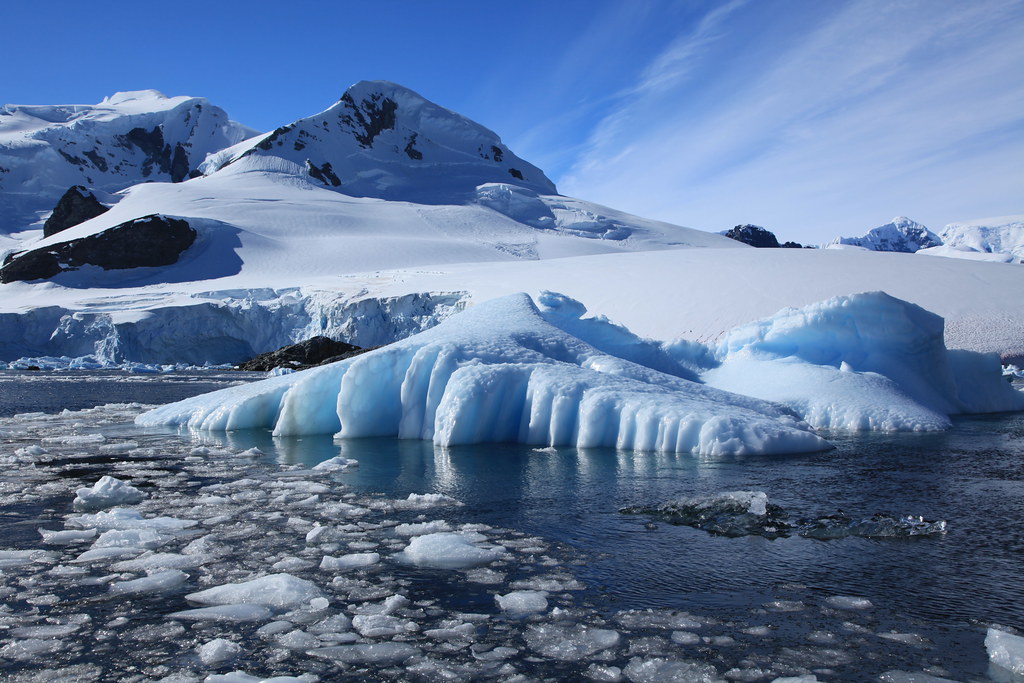
If you could somehow visit the Mesozoic, you’d feel the heat almost immediately. Earth’s climate during the Mesozoic Era was generally warm, and there was less difference in temperature between equatorial and polar latitudes than there is today. I think that’s one of the most mind-bending facts about this era. There were no ice caps. No glaciers crawling over the poles. The entire planet was essentially tropical.
The climate of the Mesozoic was varied, alternating between warming and cooling periods. Overall, however, the Earth was hotter than it is today. During the Cretaceous, the warmest interval of the era, higher levels of carbon dioxide in the atmosphere are thought to have almost eliminated the north-south temperature gradient, with temperatures about 10 degrees Celsius higher than today. That kind of global warmth fueled extraordinarily lush plant growth and, in turn, supported some of the largest animals ever to walk the Earth.
The Rise and Reign of the Dinosaurs
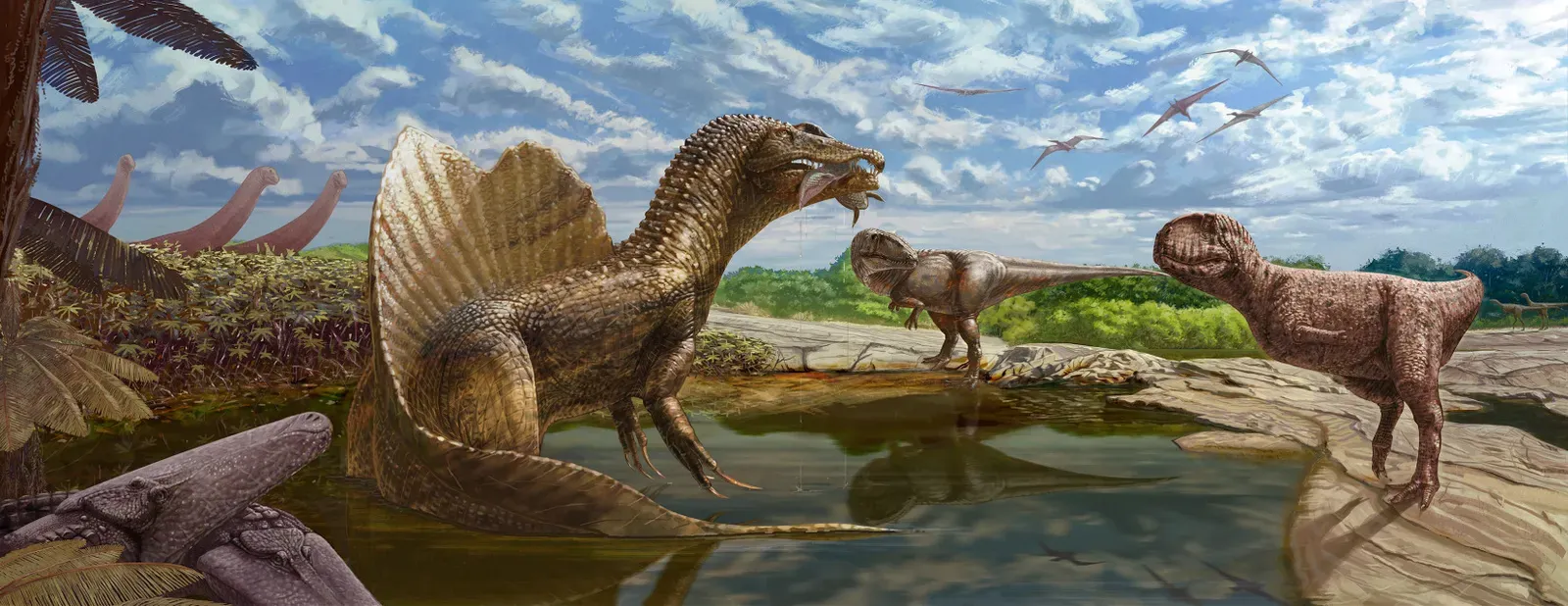
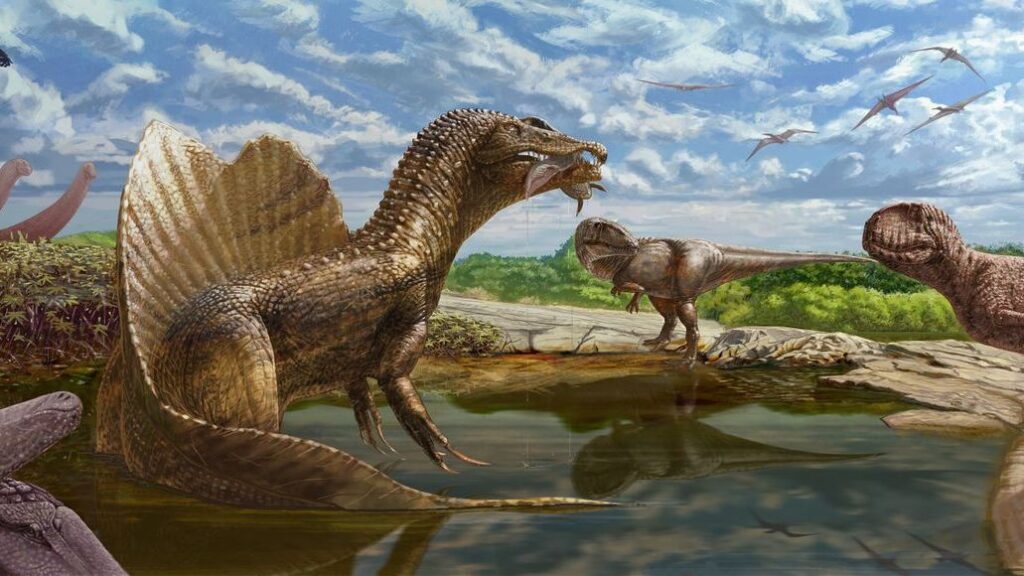
Let’s be real: this is what most people want to know about. Dinosaurs first appeared in the Mid-Triassic and became the dominant terrestrial vertebrates in the Late Triassic or Early Jurassic, occupying this position for about 150 or 135 million years until their demise at the end of the Cretaceous. That’s a reign so long it genuinely defies imagination. Humans have existed for only a blink of that span by comparison.
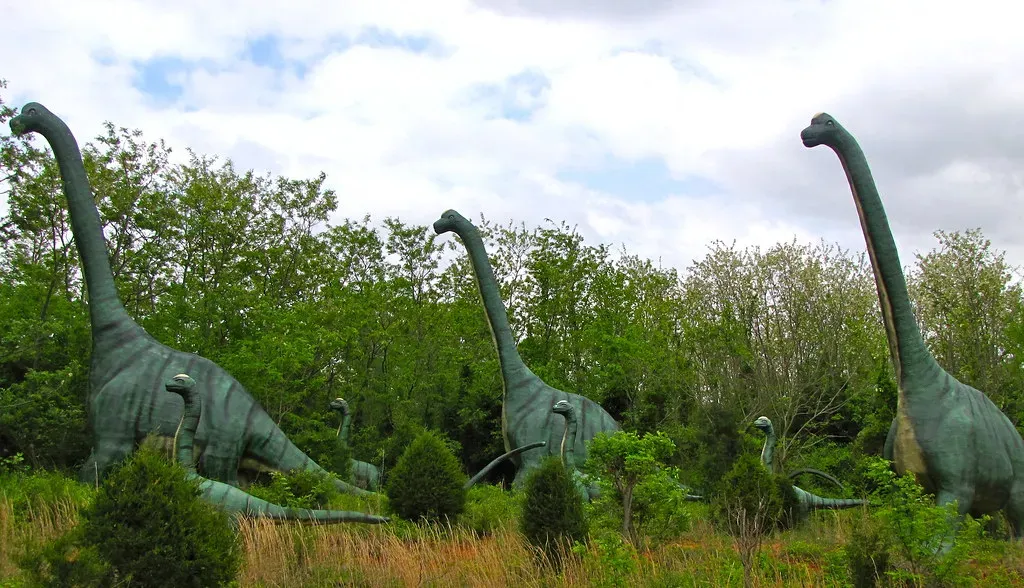
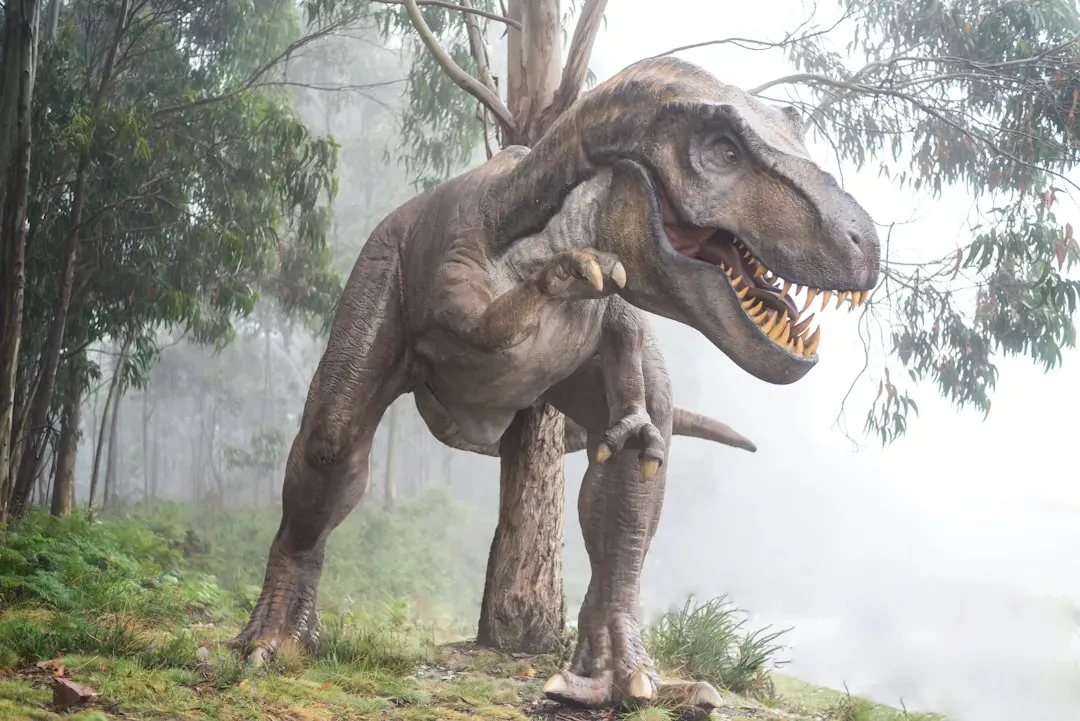
The dinosaurs were relatively small animals in the Triassic period of the Mesozoic but became truly massive in the Jurassic. During the Middle Jurassic, dinosaurs flourished as huge herds of sauropods, such as Brachiosaurus and Diplodocus, filled the fern prairies, chased by many new predators such as Allosaurus. In the Late Cretaceous, new dominant taxa such as Tyrannosaurus, Ankylosaurus, Triceratops and hadrosaurs ruled the food web. Each period brought a fresh cast of giants onto the prehistoric stage, each more spectacular than the last.
The Oceans Were Just as Wild: Sea Monsters of the Mesozoic
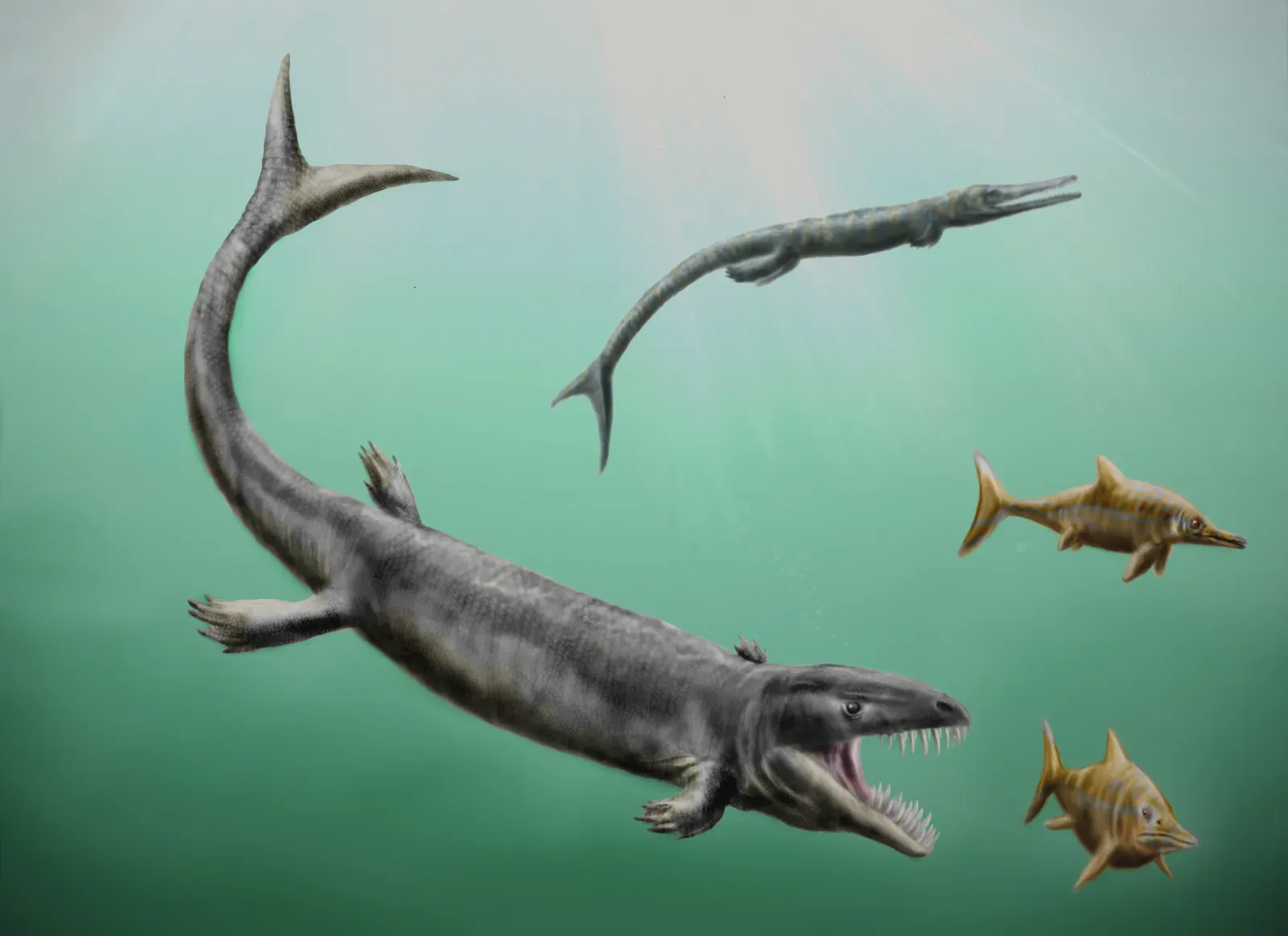
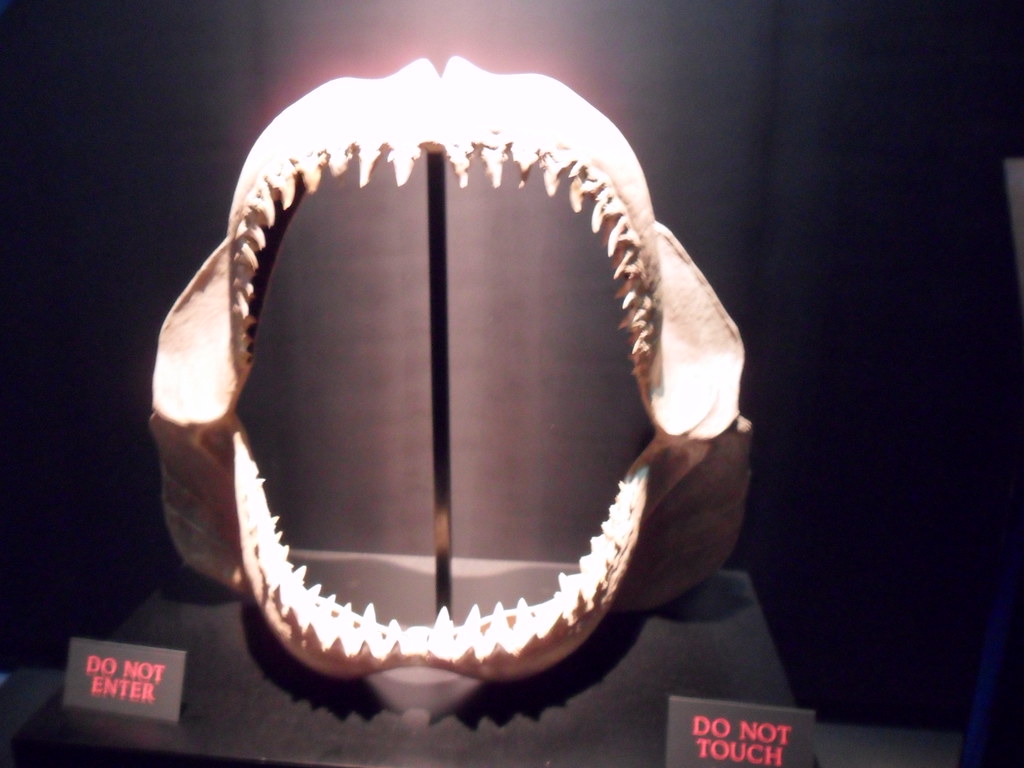
While dinosaurs grabbed all the headlines on land, the oceans were hosting their own terrifying drama. The Mesozoic Era lasted for roughly 186 million years. For much of this time, reptiles were the dominant vertebrate animals not just on land, in the form of dinosaurs, but also in the air in the form of pterosaurs, and in the sea in the form of plesiosaurs, ichthyosaurs and mosasaurs. These were not timid creatures. They were apex predators of the ancient deep.
Different marine reptile groups occupied complementary ecological roles: ichthyosaurs primarily pursued fast-moving fish and squid in open water, pliosaurs targeted larger prey including other marine reptiles, and mosasaurs evolved diverse feeding specializations from shellfish-crushing to pursuit predation. Meanwhile, ammonites recovered and thrived in the warm continental seas, rapidly becoming very common invertebrates in the marine realm and are now important index fossils for worldwide correlation of Jurassic rock strata. The seas were genuinely alive with an extraordinary diversity of life, from microscopic plankton to creatures as large as modern whales.
The Rise of Birds, Mammals, and Flowering Plants
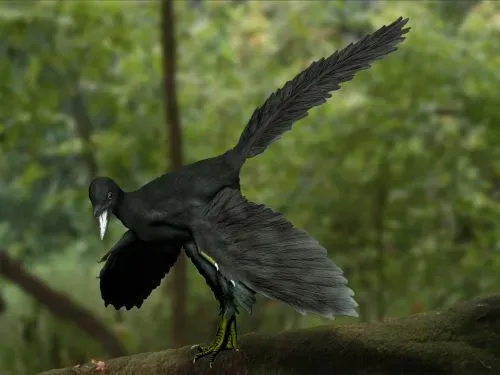
Archaic birds appeared in the Jurassic, having evolved from a branch of theropod dinosaurs; then true toothless birds appeared in the Cretaceous. The story of birds beginning as small feathered theropods is one of evolution’s most breathtaking plot twists. The first birds evolved during the Jurassic, with Archaeopteryx being the most famous early bird, representing a transitional form between feathered dinosaurs and modern birds.
Meanwhile, mammals were biding their time in the shadows. Mammals first appeared during the Triassic period, evolving from therapsid reptiles. Throughout the Mesozoic, they remained small and nocturnal, overshadowed by the dominant dinosaurs. It was only after the extinction of the dinosaurs that mammals could diversify and grow larger. Plants were also undergoing their own revolution. Flowering plants appeared in the Early Cretaceous and would rapidly diversify through the end of the era, replacing conifers and other gymnosperms as the dominant group of plants. Due to the appearance of flowering plants, many modern groups of insects appeared and began to diversify, including ants, termites, bees, butterflies, aphids, and grasshoppers. It’s hard to say for sure which development was more revolutionary, but flowers quietly transformed the entire planet’s food webs.
The End of an Era: Extinction and Legacy
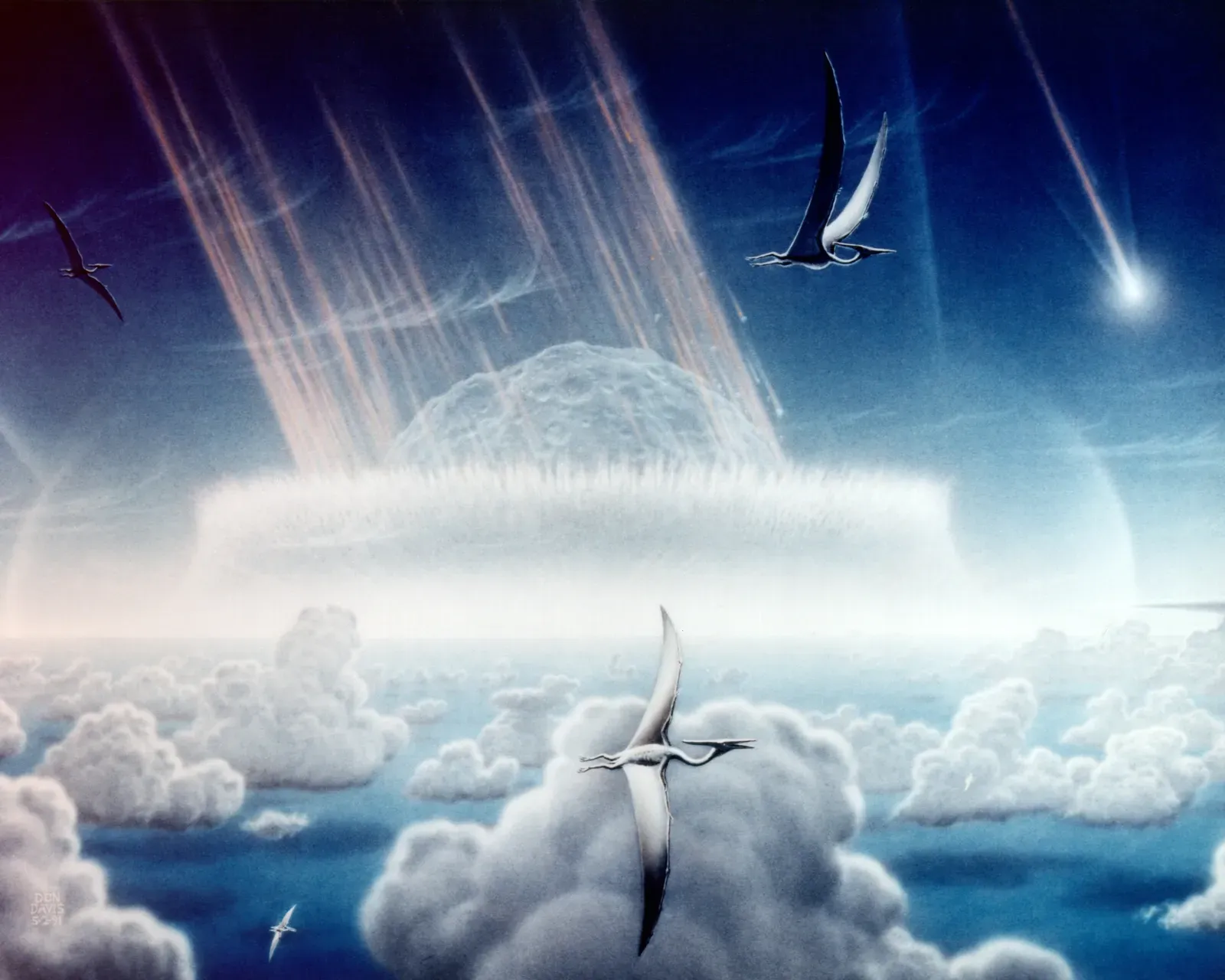
No story as grand as the Mesozoic could end quietly. It is thought that a large meteor smashed into Earth 66 million years ago, creating the Chicxulub Crater, in an event known as the K-Pg Extinction, in which 75 percent of life became extinct, including all non-avian dinosaurs. The sheer scale of that event is almost too enormous to process. An entire world, built over hundreds of millions of years, undone in what was likely a matter of years or decades.
The Mesozoic closed with an extinction event that devastated many forms of life. In the oceans all the ammonites, reef-building rudist bivalves, and marine reptiles died off, as did 90 percent of the coccolithophores and foraminifera. On land, the dinosaurs and flying reptiles became extinct. Yet from that devastation rose our world. The extinction of the dinosaurs allowed mammals to thrive in the Cenozoic Era that followed, leading to the rise of modern mammals, including humans. Every mammal, every bird, every flowering plant you see today carries the legacy of the Mesozoic Era deep within its evolutionary history.
Conclusion
The Mesozoic Era was nothing less than Earth’s most dramatic act of reinvention. You can trace a direct line from that hot, reptile-dominated world to the songbird outside your window, the flower in your garden, and the very mammal body you inhabit. It began with near-total annihilation and ended with another catastrophic blow, yet its 186-million-year story produced wonders of biology and geology that still leave scientists stunned today.
What makes the Mesozoic truly extraordinary is not just its famous giants but the relentless, unstoppable creativity of life itself. Continents split apart, seas flooded entire landmasses, climates swung from scorching to cooler, and still, life adapted, diversified, and flourished in forms never seen before or since. The next time you look at a bird perched on a branch, consider this: you may be looking at the last surviving descendants of the most dominant creatures this planet has ever produced. How does that change the way you see the world around you?