
Louisiana – Farmers in the state’s rice belt grappled with a growing menace as invasive apple snails and rice delphacids infiltrated their dual-crop fields, endangering both harvests and wetland ecosystems.
Farmers’ Ingenious System Faces Unseen Foes
Farmers’ Ingenious System Faces Unseen Foes (Image Credits: Wikimedia)
Rice producers in Louisiana long boosted yields by flooding fields after harvest to trap crayfish, or crawfish, creating a profitable rotation that mimicked natural wetlands. These managed landscapes attracted waterbirds such as rails, American coots, grebes, and anhingas, offering vital foraging grounds amid shrinking habitats. However, recent invasions disrupted this balance. Producers reported surging pest populations that demanded constant vigilance and shifted cultivation practices.
Apple Snails Emerge as Bulky Invaders
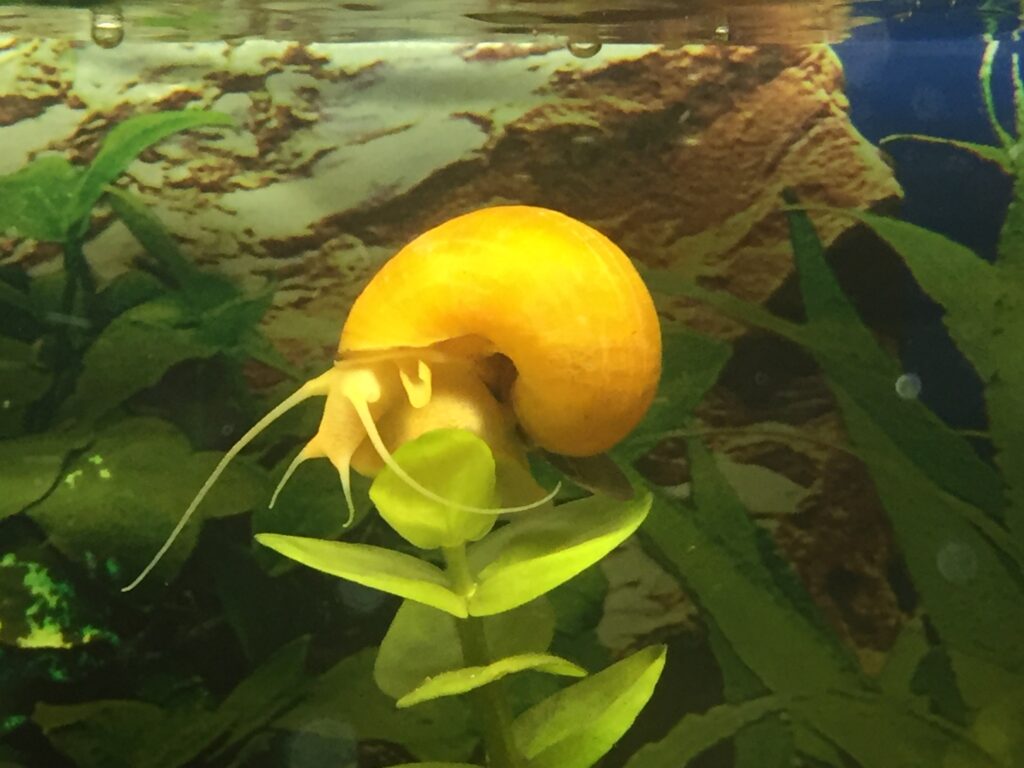
Giant apple snails, known scientifically as Pomacea maculata, devoured tender rice shoots and swarmed crawfish traps, slashing catches by blocking entrances. Females laid millions of bright pink egg clusters, accelerating their spread across ponds and levees, where burrowing weakened structures and raised repair costs. Farmers near Kaplan spent extra hours manually clearing traps, a labor-intensive chore that strained operations during peak seasons.
Rice Delphacids Deliver Stealthy Assaults
Tiny rice delphacids, or Tagosodes orizicolus, planthoppers native to other regions, pierced rice stems to extract sap, leaving telltale circular dead zones. Worse, these insects vectored a virus that stunted growth or killed plants outright, prompting researchers to sample fields since last year. Heavy rains fueled outbreaks, complicating control in the humid climate.
Economic and Ecological Ripples Spread
The pests compelled farmers to adopt pricier methods, including more frequent draining and replanting, which eroded profits from both rice and crawfish.
Wildlife suffered indirectly as altered field management reduced flooded areas essential for birds. Here’s a quick comparison of the threats:
| Pest | Key Traits | Main Impacts |
|---|---|---|
| Apple Snail | Large, prolific egg-layer | Eats rice, clogs traps, damages levees |
| Rice Delphacid | Tiny sap-sucker | Dead patches, virus transmission |
- Increased labor for trap cleaning and field monitoring.
- Higher costs for repairs and potential pesticides.
- Threat to bird habitats in these artificial wetlands.
- Spread risks to neighboring states like Texas.
Experts Push for Integrated Defenses
Researchers at Louisiana State University’s Rice Research Station scouted for solutions, rejecting quick fixes in favor of combined tactics. Adam Famoso, the station’s director, told The Wildlife Society, “I think everyone agrees, it’s not going to be a silver bullet approach. Like, oh, we can just breed for it or we could just spray our way out of it.”
Efforts focused on monitoring, cultural practices, and biological controls to safeguard the farms’ dual role in food production and conservation. These invasions underscored the fragility of blended agriculture-wildlife systems. As Louisiana producers adapted, their resilience highlighted the need for vigilance against non-native threats. What strategies would you prioritize to combat such pests? Share your thoughts in the comments.
- Integrated rice-crawfish farms support economies and birds but invite pests.
- Apple snails and delphacids demand multifaceted management.
- Early detection remains crucial for containment.