
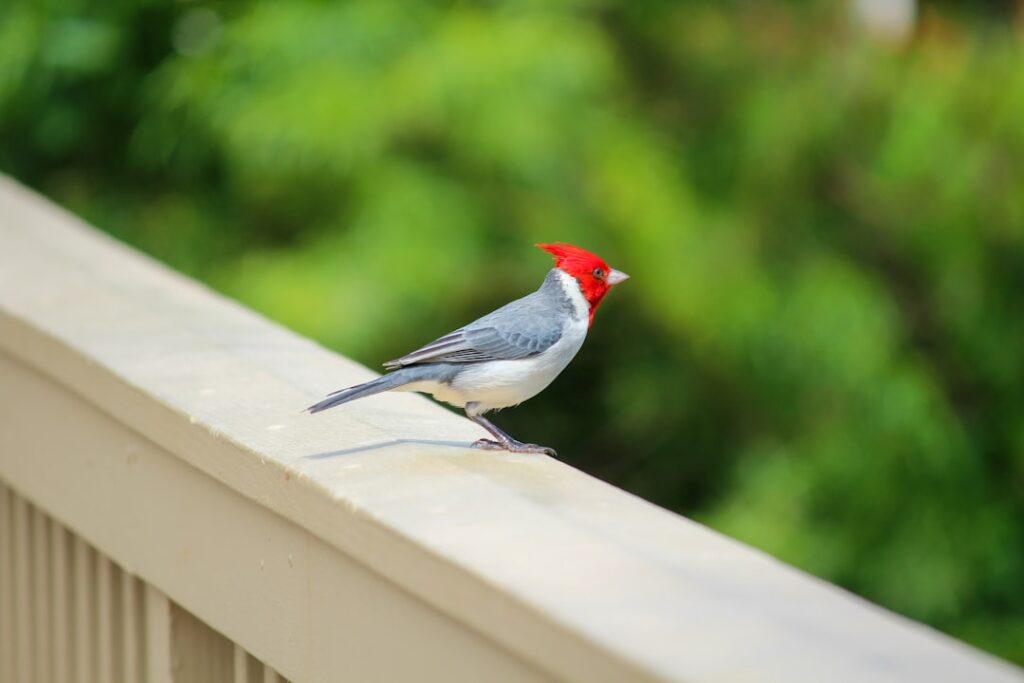
Hawaii – Forest birds across the archipelago sustain a persistent cycle of avian malaria transmission through mosquitoes, complicating efforts to protect native species.
Deadly Parasite Claims Hawaiian Icons
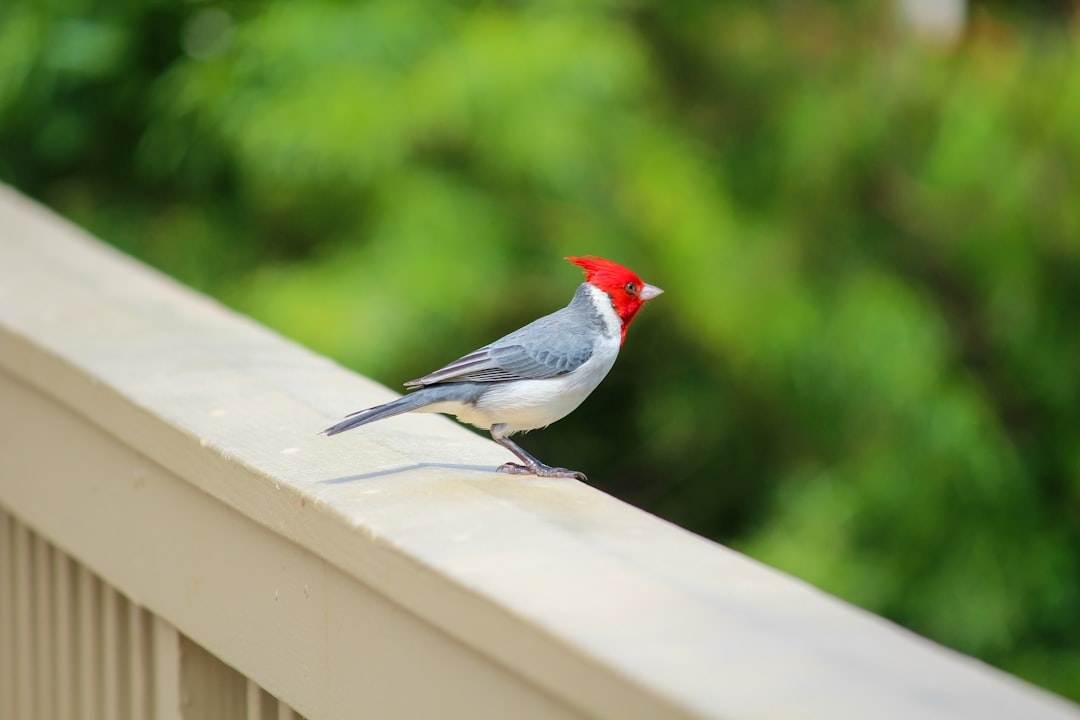
Deadly Parasite Claims Hawaiian Icons (Image Credits: Unsplash)
More than a dozen native bird species vanished due to avian malaria, a parasite carried by mosquitoes that has reshaped Hawaii’s ecosystems.
Researchers documented the disease’s reach in a comprehensive study published last month. Both native honeycreepers and introduced birds serve as reservoirs. The parasite thrives in low-elevation forests where mosquitoes flourish. Native populations face the steepest declines. Conservationists now grapple with the disease’s entrenched presence.
Even Low Infections Drive Transmission
Laboratory tests showed mosquitoes acquired the parasite efficiently from birds with minimal infection levels.
“What surprised us most was how effectively avian malaria was transmitted to mosquitoes, even from birds carrying vanishingly small parasite loads,” said Christa Seidl, a doctoral researcher at the University of California, Santa Cruz and lead author of the study.
Teams fed mosquitoes on infected birds to measure infection rates. Results indicated broad susceptibility across species. Native and nonnative birds proved equally infectious. This dynamic sustains the parasite’s prevalence. Earlier assumptions underestimated low-load carriers.
Ubiquitous Presence in Hawaiian Forests
Scientists sampled birds at 64 sites spanning the islands and detected avian malaria at 63 locations.
The Hawaii ‘Amakihi, a resilient native honeycreeper, emerged as a common reservoir.
- Kauaʻi hosted diverse infected communities.
- Oʻahu sites showed infections from ocean level to summits.
- Maui and Hawaiʻi Island mirrored the pattern.
- Over 4,000 blood samples confirmed widespread circulation.
Field data paired with lab trials painted a clear picture of ongoing transmission.
Conservation Hurdles Intensify
Control measures face obstacles as both bird groups perpetuate the cycle. Mosquito suppression alone falls short without addressing reservoirs.
The study in Nature Communications highlighted equal roles of natives and invasives.
| Bird Type | Transmission Role |
|---|---|
| Native | Highly infectious, key reservoirs |
| Nonnative | Equally effective carriers |
Efforts now target integrated strategies like habitat elevation and vector control.
- Avian malaria infects nearly all Hawaiian forest birds.
- Low parasite loads still enable mosquito transmission.
- 63 of 64 sites showed the parasite’s presence.
This research underscores the urgency of multi-pronged interventions to safeguard Hawaii’s avifauna. What steps should conservationists prioritize next? Share your thoughts in the comments.