
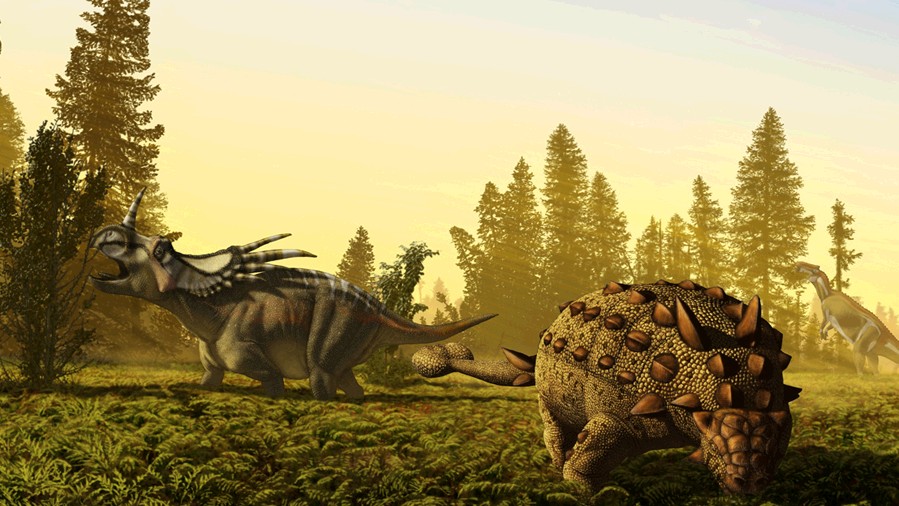
When most people think about the Mesozoic Era, their minds jump straight to T. rex thundering across dusty plains, or maybe that terrifying kitchen scene from Jurassic Park. Honestly, it’s hard to blame anyone for that. Dinosaurs are dramatic, enormous, and almost impossibly fascinating. Yet here’s the thing – the Mesozoic was so much richer, stranger, and more layered than any textbook has ever had the courage to fully explain.
You’re about to discover a world that was 186 million years in the making, packed with bizarre evolutionary experiments, alien-looking landscapes, and creatures that defy every expectation. From creatures the size of a hummingbird preserved in amber, to an ocean that once split North America clean in two, this era holds secrets that most people never get to hear. So let’s dive in.
The Mesozoic Was Not One World – It Was Three Completely Different Planets
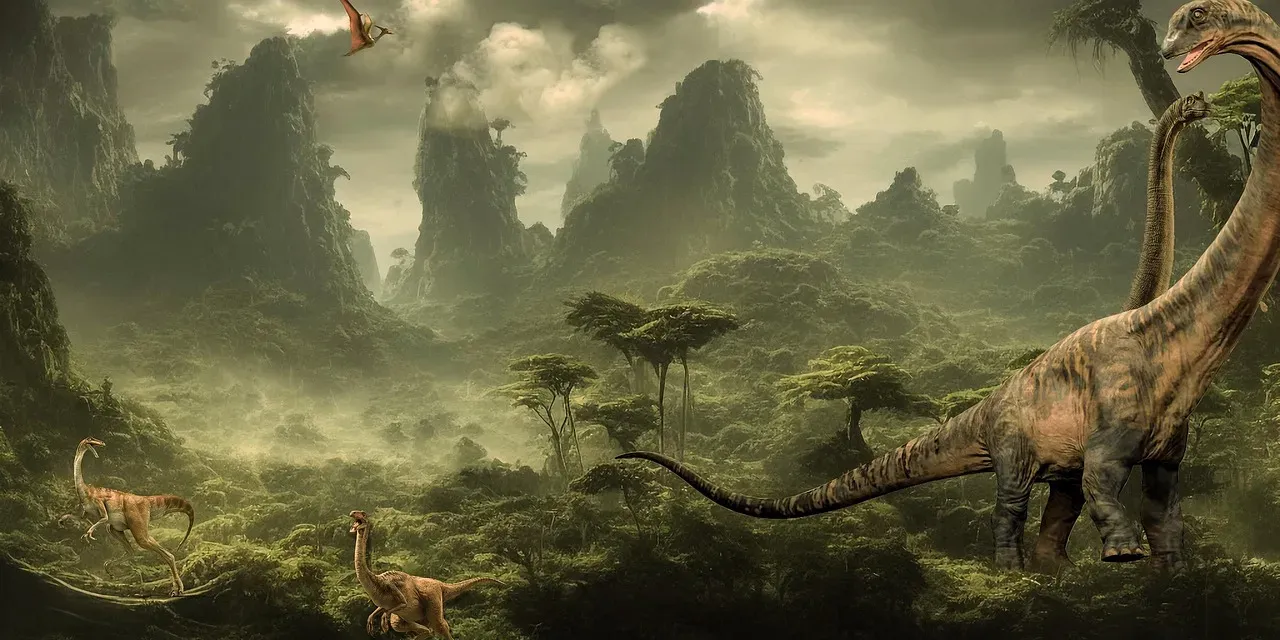
You might already know that the Mesozoic Era lasted from about 252 to 66 million years ago, comprising the Triassic, Jurassic, and Cretaceous Periods. What’s rarely emphasized is just how radically different each of those periods actually felt at ground level. Picture this: the Triassic was a scorched, desert-heavy world where recovery from near-total annihilation was still underway. The Jurassic was lush, humid, and almost jungle-like. The Cretaceous? Flowering plants, toothed birds, and a warm, shallow sea cutting through the middle of what is now the American heartland.
Recent research indicates it took much longer for the reestablishment of complex ecosystems with high biodiversity, complex food webs, and specialized animals in a variety of niches, beginning in the mid-Triassic 4 to 6 million years after the extinction, and not fully proliferated until 30 million years after. Thirty million years. That’s a recovery timeline so long it’s almost impossible to wrap your head around. Think of it this way – 30 million years is longer than the entire span from the dinosaur extinction to today.
An Inland Sea Once Split North America Into Two Separate Landmasses
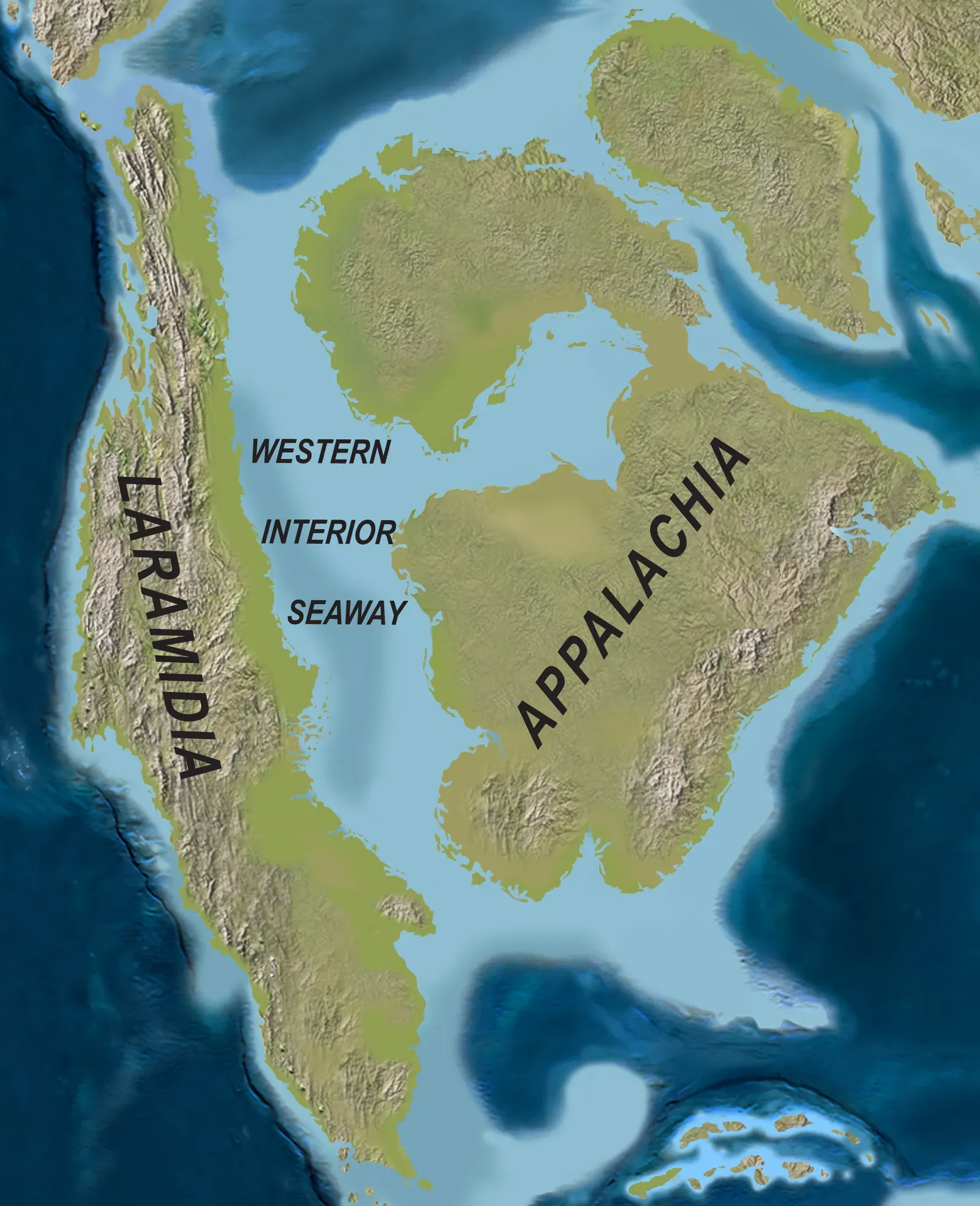
A shallow epicontinental seaway extended from the Gulf of Mexico to the Arctic Ocean and divided North America into two separate landmasses, known as Laramidia to the west and Appalachia to the east, for roughly 25 million years. This was called the Western Interior Seaway, and it’s one of the most mind-bending geographic facts about the Mesozoic. If you had stood in what is now Kansas during the Cretaceous, you would have been completely underwater, watching creatures that looked like living nightmares glide past.
As climate changed and rapid plate tectonics resulted in shallow ocean basins, sea levels rose worldwide and seas expanded across the center of North America. Large marine reptiles such as plesiosaurs, along with the coiled-shell ammonites, flourished in these seas. It’s a fascinating reminder that the continents you know today were basically works in progress. The ground beneath your feet was, at one point, the floor of a warm, creature-filled ancient ocean. Let that sink in for a moment.
The Smallest Known Mesozoic Dinosaur Was Discovered Trapped in Amber
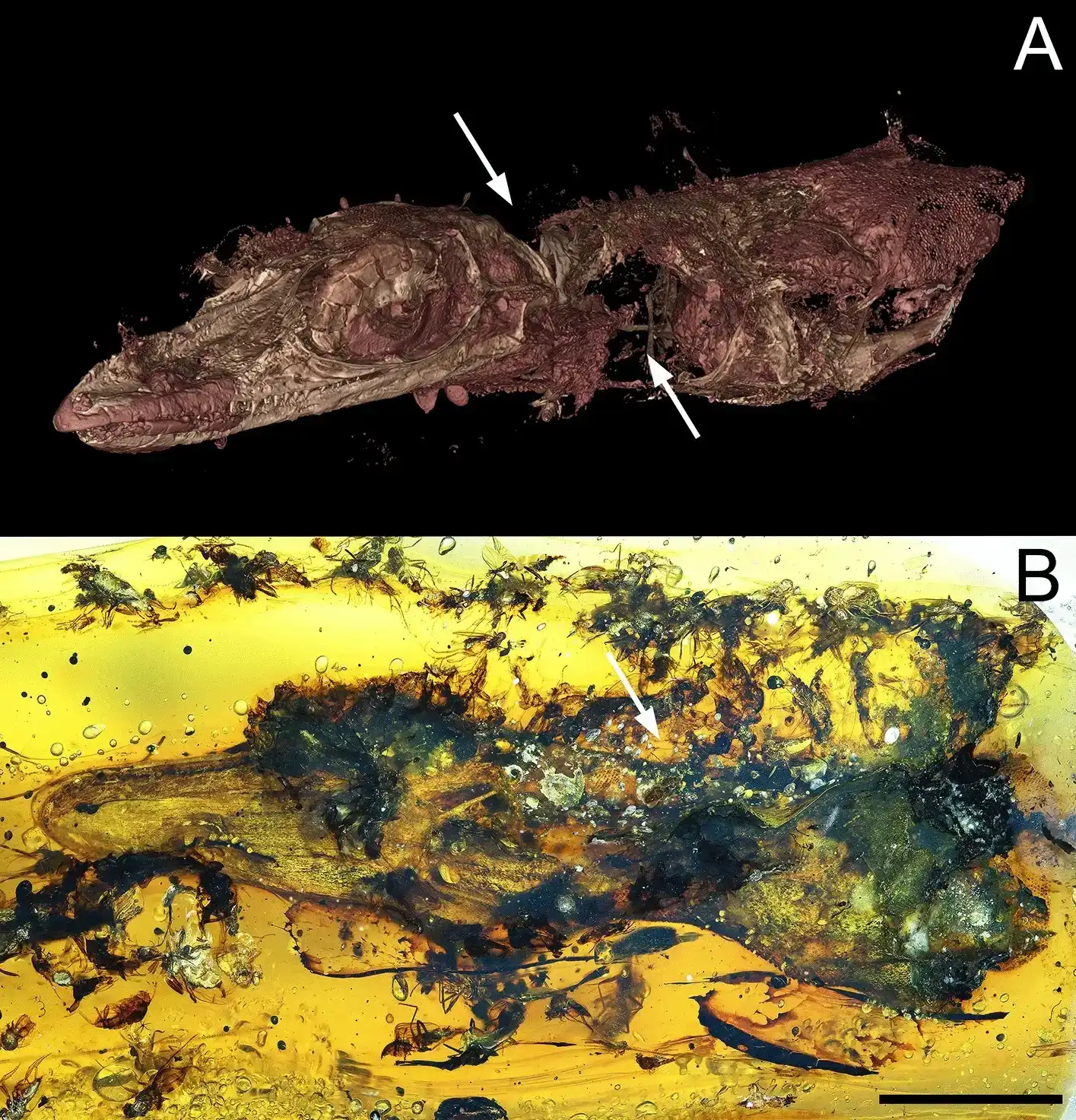
In 2020, paleontologists discovered what is believed to be the smallest known Mesozoic dinosaur when they found a small, bird-like skull in Burmese amber in northern Myanmar, named Oculudentavis khaungraae. That name might be a mouthful, but the discovery itself is staggering. Here was a tiny creature, preserved in prehistoric tree resin, giving scientists a window into just how much diversity existed at the miniature end of the dinosaur scale. It’s a sharp contrast to the giants that tend to dominate museum exhibits and popular imagination.
Most people imagine Mesozoic creatures as enormous. Although the best-known genera are remarkable for their large size, many Mesozoic dinosaurs were human-sized or smaller, and modern birds are generally small in size. The world of the Mesozoic was not just populated by giants stomping around. It was a nuanced, layered ecosystem with creatures occupying every possible size niche, from the size of your thumbnail to the size of a commercial airliner.
Stegosaurus and T. Rex Never Shared the Same World
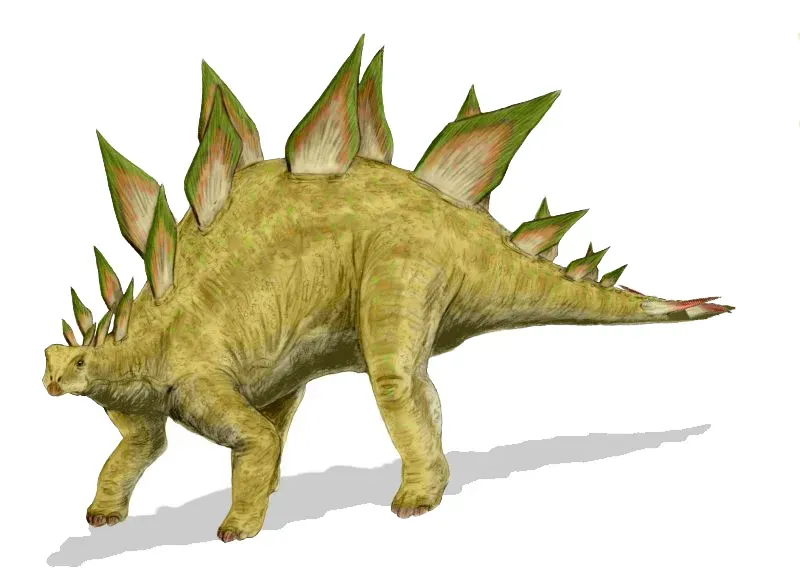
Here is one of those facts that genuinely stops people cold when they first hear it. Stegosaurus lived during the Late Jurassic Period, about 150 million years ago, while Tyrannosaurus rex lived during the Late Cretaceous Period, about 72 million years ago. Stegosaurus was extinct for 66 million years before Tyrannosaurus walked on Earth. Let that settle in. Stegosaurus is actually closer in time to T. rex today than it ever was during the Mesozoic. If that doesn’t rearrange your mental timeline, I don’t know what will.
Contrary to what many people think, not all dinosaurs lived during the same geological period. Textbooks tend to flatten the Mesozoic into one giant era where everything coexisted, but the reality is that these animals were separated by enormous gulfs of time. It’s a bit like lumping medieval knights together with modern astronauts and calling them both “recent humans.” The Mesozoic had chapters. Long, extraordinary, completely distinct chapters.
Ammonites Were So Successful They Defined Their Own Age
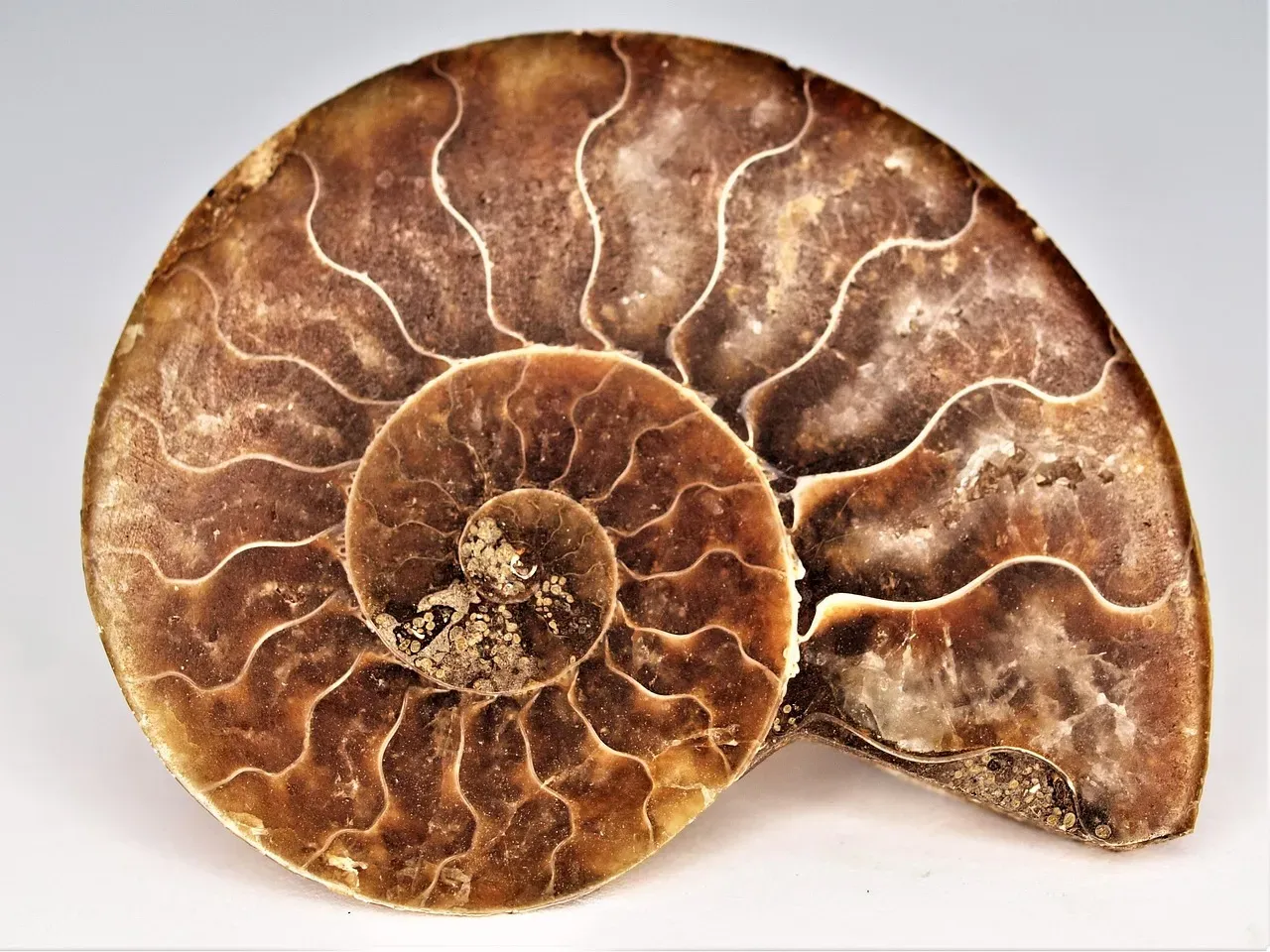
You probably haven’t heard of the “Age of Ammonites,” but it’s every bit as real as the Age of Dinosaurs. Ammonites descended from a single group of shelled cephalopods surviving into the Early Triassic, and quickly evolved into many species, so much so that the Mesozoic is known as the age of ammonites as well as the age of dinosaurs. These coiled, shell-bearing relatives of the modern nautilus were everywhere, in nearly every ocean, in shapes ranging from neat spirals to wild, uncoiled corkscrews. They were the background wallpaper of ancient seas.
Ammonites rapidly became very common invertebrates in the marine realm and are now important index fossils for worldwide correlation of Jurassic rock strata. Paleontologists actually use them like timestamps. Find an ammonite, identify the species, and you can reliably date the rock around it. They were so diverse and so rapidly evolving that they function as one of the finest geological clocks nature ever produced. The ocean didn’t just belong to the plesiosaurs – it belonged to these extraordinary, beautiful, spiral-shelled architects too.
The Mesozoic Seas Underwent a Biological Revolution That Reshaped the Ocean Forever
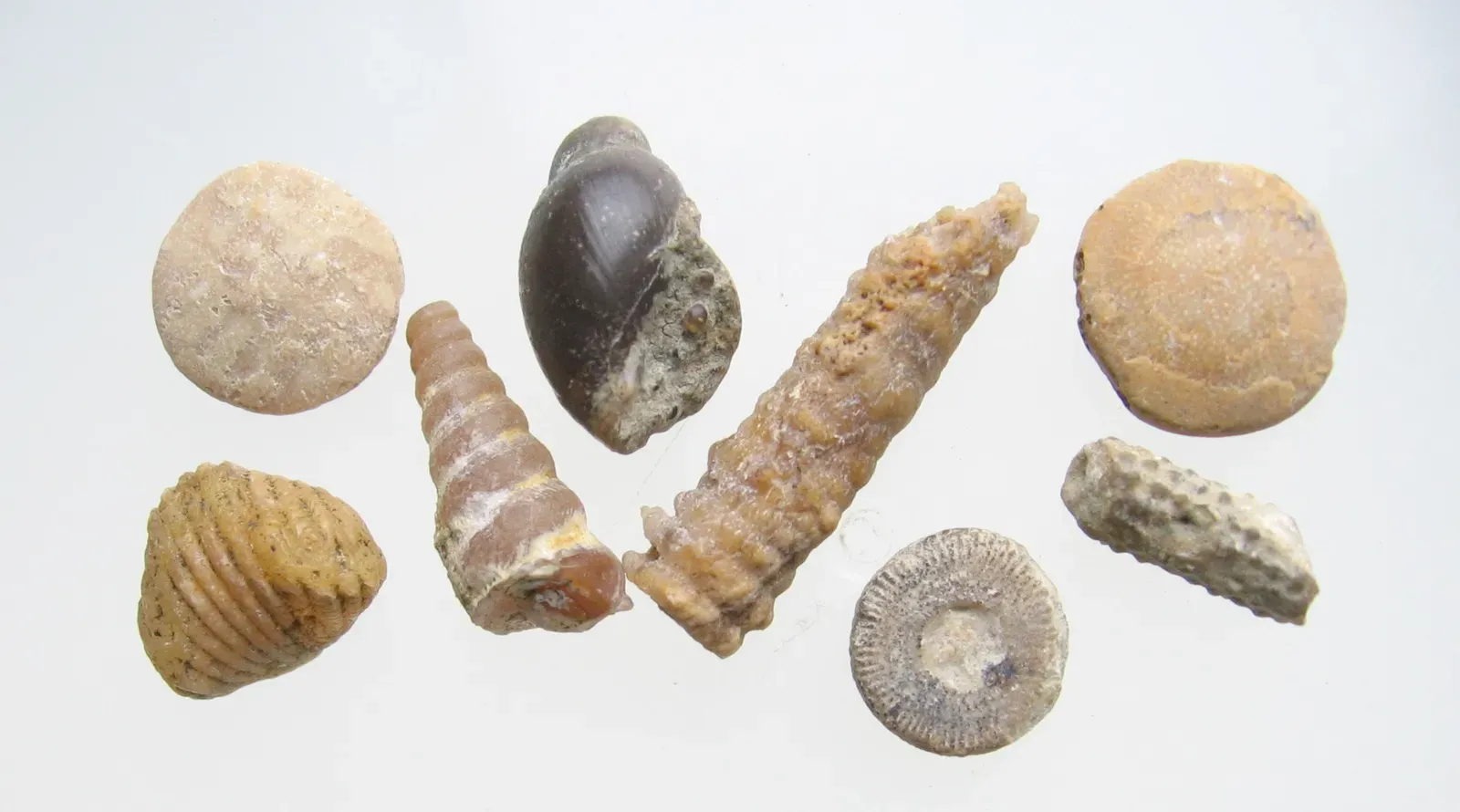
During the Jurassic and Cretaceous, the ecology of marine ecosystems began to change, as shown by a rapid increase in diversity of marine organisms. It is believed that increasing predation pressures caused many marine organisms to develop better defenses and burrowing behaviors. In response, predators also evolved more effective ways to catch their prey. Scientists call this the “Mesozoic Marine Revolution,” and it is genuinely one of the most transformative ecological events in the history of life on Earth. The sea essentially rearranged itself around an arms race between hunter and hunted.
Other characteristic organisms that appeared during the Jurassic and Cretaceous included giant clams that built reefs, a wide variety of sea urchins and sand dollars, planktonic foraminifera, and coccoliths, along with crabs, shrimp, and lobsters. You might be eating descendants of Mesozoic seafood right now. The crabs and lobsters on your dinner plate are the evolutionary heirs of creatures that survived alongside Triceratops and mosasaurs. That’s a level of ancient lineage that most restaurant menus don’t bother to mention.
Early Mammals Survived the Entire Mesozoic Without Ever Getting Their Moment
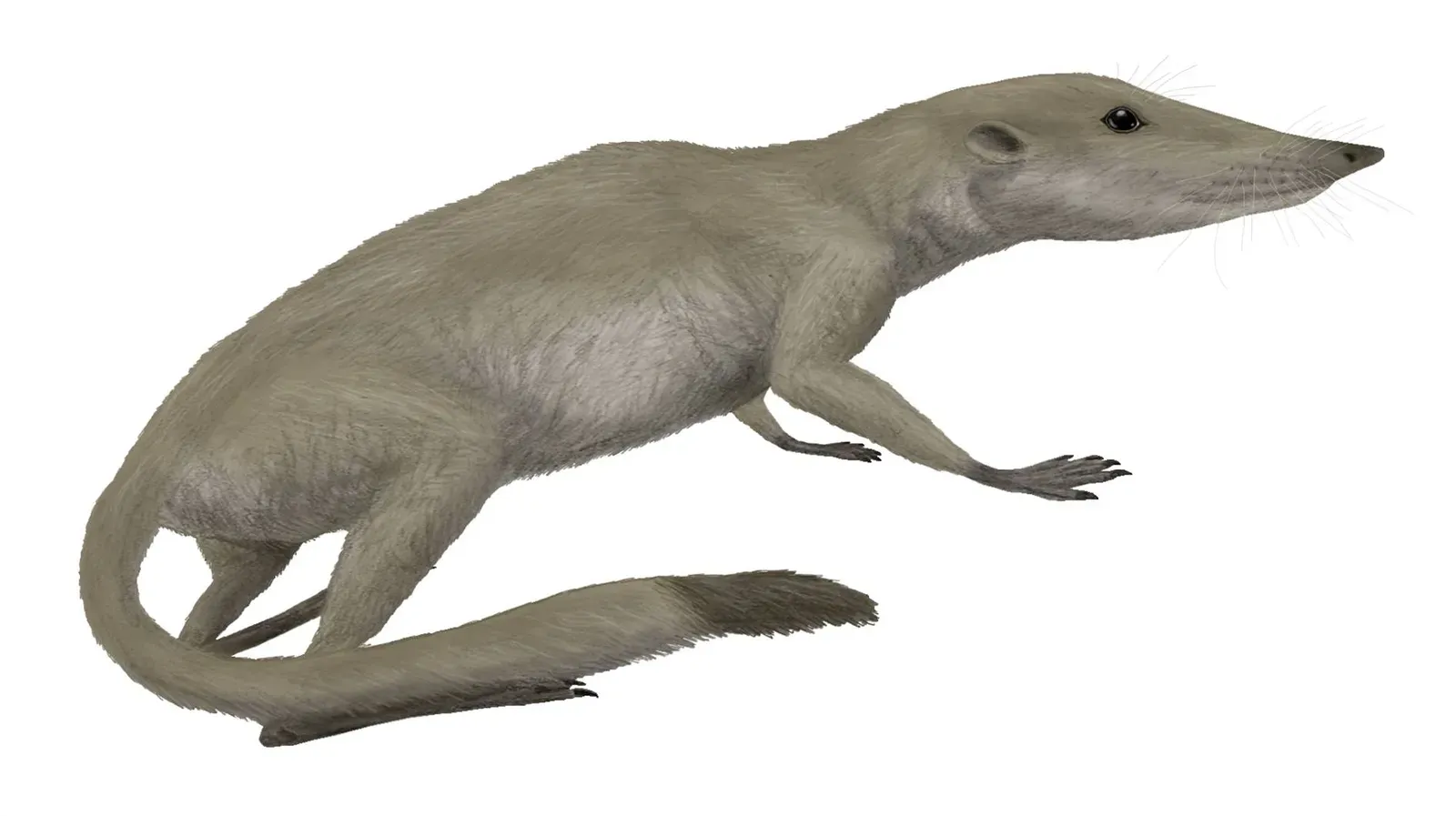
Here’s a real underdog story. Around 200 million years ago, the earliest mammaliaforms were mostly small, terrestrial insectivores persisting in reptile-dominated ecosystems. The evolutionary story of how mammaliaforms endured the Mesozoic Era and subsequently rose to ecological prominence has fascinated researchers for over 150 years. These animals lived in the literal shadow of dinosaurs for nearly the entire era. Think of them as survivors hiding under the proverbial floorboards of a world that didn’t belong to them yet.
The first mammals appeared during the Mesozoic, but would remain small, less than 15 kg, until the Cenozoic. That’s smaller than most dogs. For over 160 million years, your distant ancestors were basically the size of shrews, scurrying through underbrush, eating insects, staying quiet, and waiting. Dinosaurs were so dominant that it took a catastrophic, environment-changing event for mammals to be able to take over. The patience built into the mammalian lineage across the Mesozoic is honestly humbling.
The Jurassic Period Was the “Age of Cycads” Just as Much as Anything Else
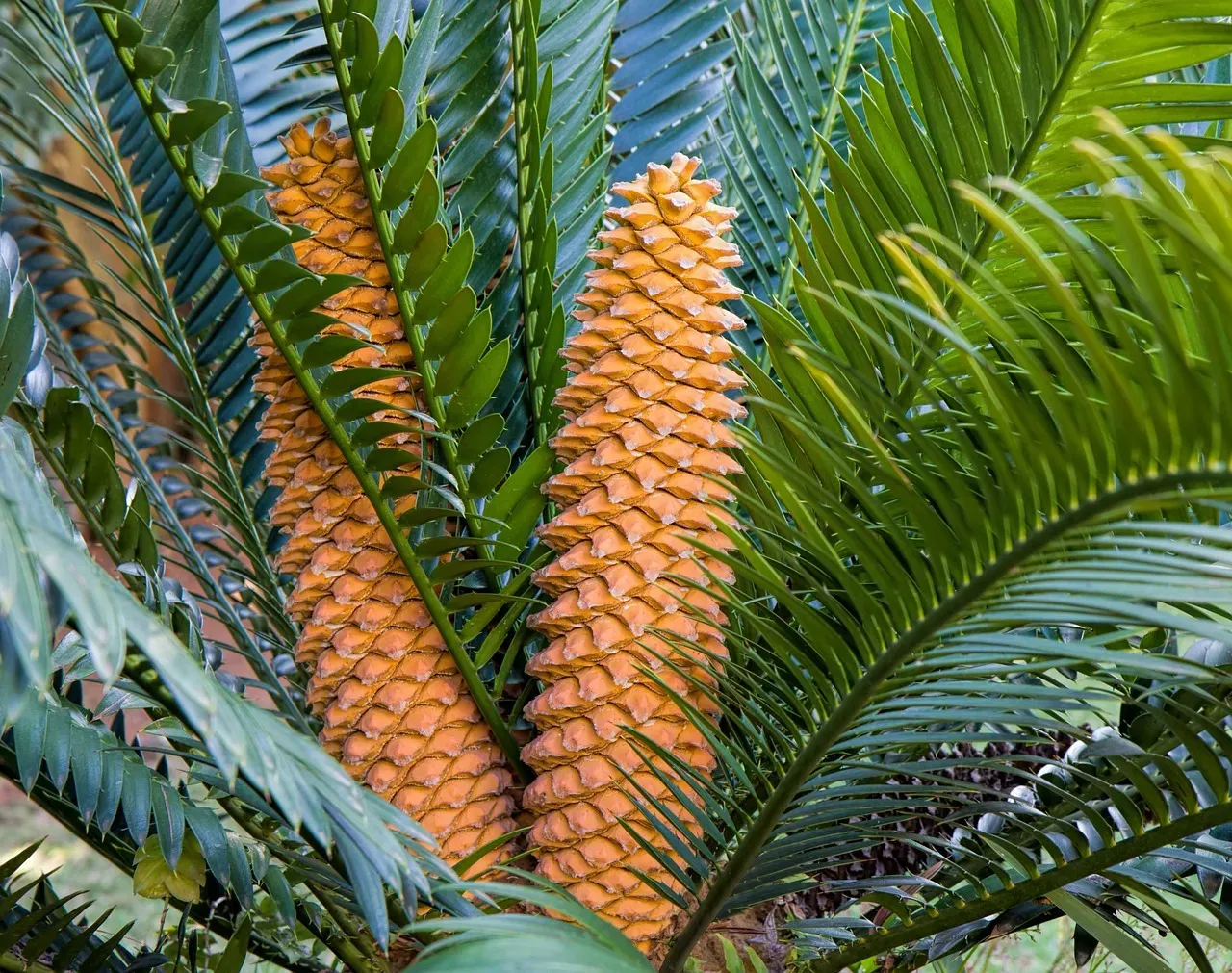
You wouldn’t imagine a prehistoric world dominated by palm-like, cone-bearing plants, but that’s exactly what the Jurassic looked like at ground level. Cycads became so abundant and diverse that the Jurassic is sometimes called the “Age of Cycads.” These evergreen, cone-bearing plants carpeted forests and riversides, creating landscapes that looked exotic and almost alien by today’s standards. While massive sauropods overhead snapped branches from taller conifers, cycads formed the dense, lush understory below.
Cycadeoids, ginkgoes, conifers, and ferns dominated the Triassic through Early Cretaceous floras, with cycads, primitive conifers, and ginkgos first expanding in the Triassic. This plant life was joined by more modern conifers and early relatives of cypress in the warmer, moister Jurassic and Early Cretaceous. Then, something spectacular happened. Abruptly, in the middle of the Cretaceous, modern broad-leaved trees appeared and quickly dominated the forests, meaning that Late Cretaceous forests closely resembled those of the present. The world literally began to look familiar, leafy, and green in a way you might almost recognize today.
Flowering Plants and Insects Evolved Together in a Remarkable Partnership
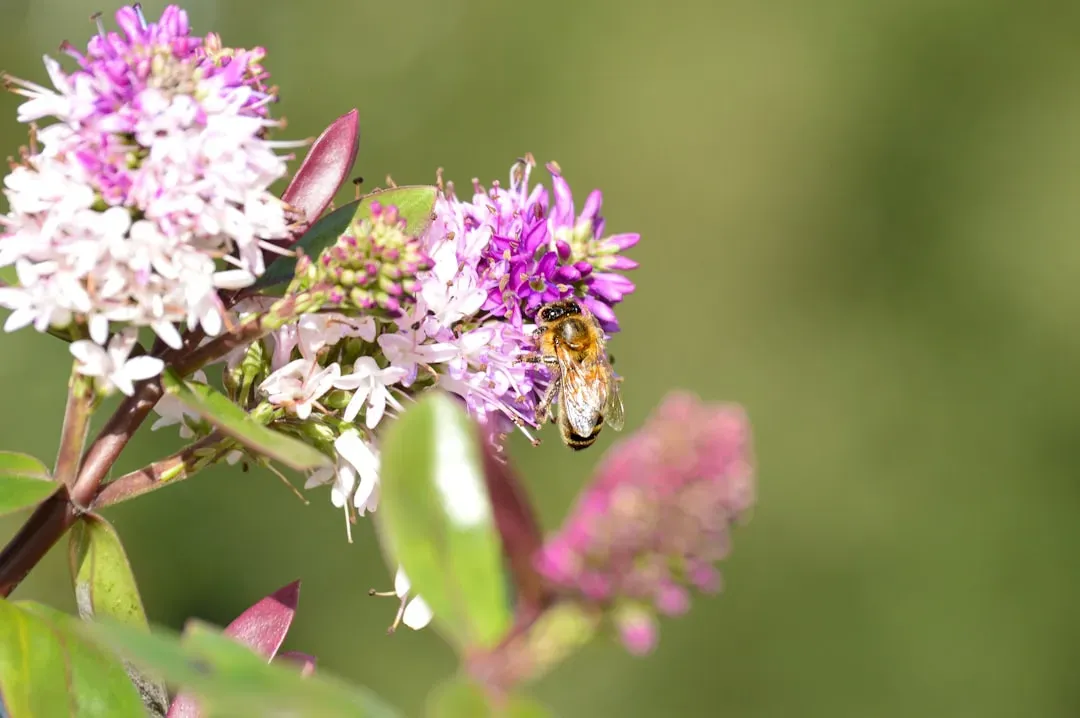
Flowering plants appeared in the Early Cretaceous and would rapidly diversify through the end of the era, replacing conifers and other gymnosperms such as ginkgoales, cycads, and bennettitales as the dominant group of plants. This wasn’t just a botanical event. It was a partnership. The insects that had been around long before flowers suddenly had new food sources, and the flowers needed partners to spread pollen. Nature essentially negotiated one of its greatest collaborations during the Cretaceous.
Haplodiploid eusocial insects, including bees and ants, are descendants from Jurassic wasp-like ancestors that co-evolved with flowering plants during this time period. So the next time a bee pollinates a flower in your garden, you’re watching the living echo of a Mesozoic relationship that took millions of years to develop. The oldest angiosperm fossil dates back to at least 122 million years ago, and pollination and cross-pollination of these plants was fostered by the already established insect population at the time. It’s one of the most elegant, unspoken alliances in evolutionary history.
The Mesozoic’s End Was Not a Single Bang But a Slow, Multi-Layered Catastrophe
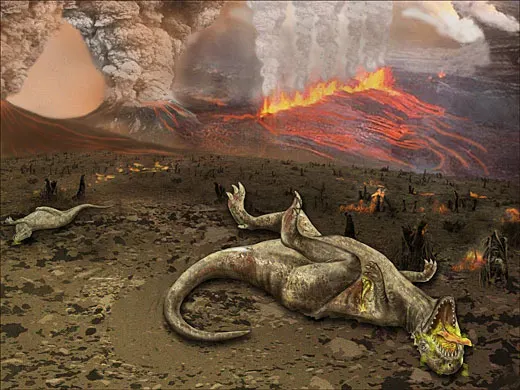
Most of us grew up with the clean story: an asteroid hit, the dinosaurs died, end of chapter. Reality was far messier and more tragic. Scientists agree that at the end of the Cretaceous, the global climate was changing, there was major continental plate movement and ocean regression, increased volcanic activity was occurring, dinosaur diversity was declining, and then a meteorite impacted. All of these forces converged simultaneously, like a series of dominos that had already been tipping long before the final blow landed.
The Late Cretaceous extinctions have been variously attributed to global tectonics, draining of the continental seas, northward migration of the continents into cooler climatic zones, intensified volcanic activity, and a catastrophic meteorite or asteroid impact. The Cretaceous extinction may very well have had multiple causes. The asteroid didn’t so much kill a thriving, healthy world as it did deliver the final blow to a world already under enormous ecological pressure. Some of the extinctions were not sudden but rather spanned millions of years, suggesting a gradual decline of some organisms. The Mesozoic didn’t just end. It unraveled, slowly, then all at once.
Conclusion: The Mesozoic Is Bigger Than Any Single Story
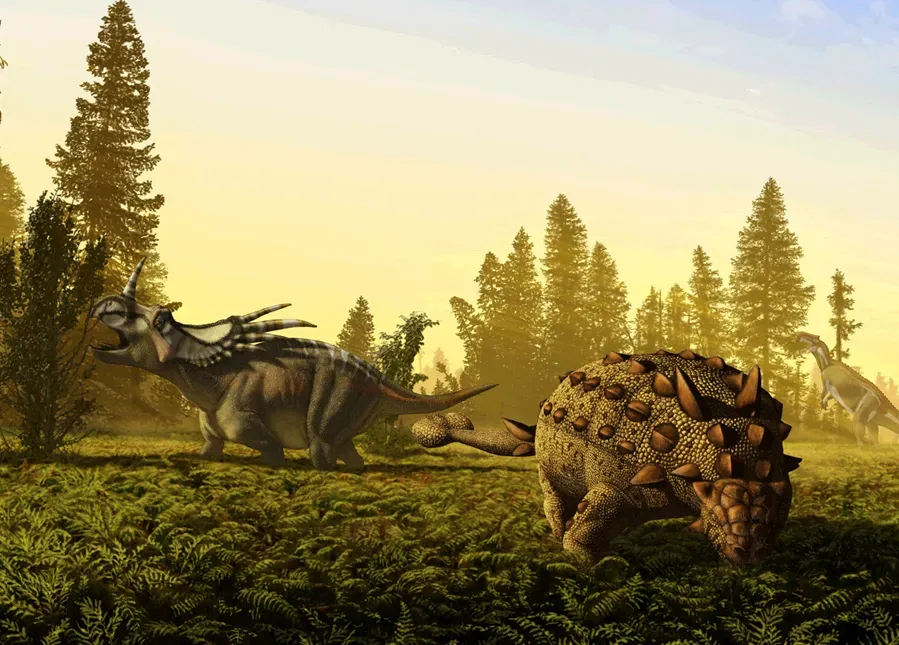
The more you dig into the Mesozoic Era, the more you realize how dramatically undersold it has been. It wasn’t just the backdrop for dinosaurs. It was an extraordinary, 186-million-year experiment in life itself, complete with vanishing seas, microscopic mammals waiting in the wings, ammonite empires beneath the waves, and a forest revolution that gave you the trees you see outside your window today.
What strikes me most is how every single “hidden gem” in this era connects to something alive today. The bees in your garden, the birds outside your window, the crabs at the seafood market. The Mesozoic never really ended. It just changed costumes. So the next time someone tells you the story of the dinosaurs, remember – you’ve only heard the headline. The real story is far deeper, stranger, and more spectacular than any textbook ever dared to print. What part of it surprised you the most?